'Building the Future': Yerevan hosts 8th European Political Community summit






European Political Community summit in Yerevan
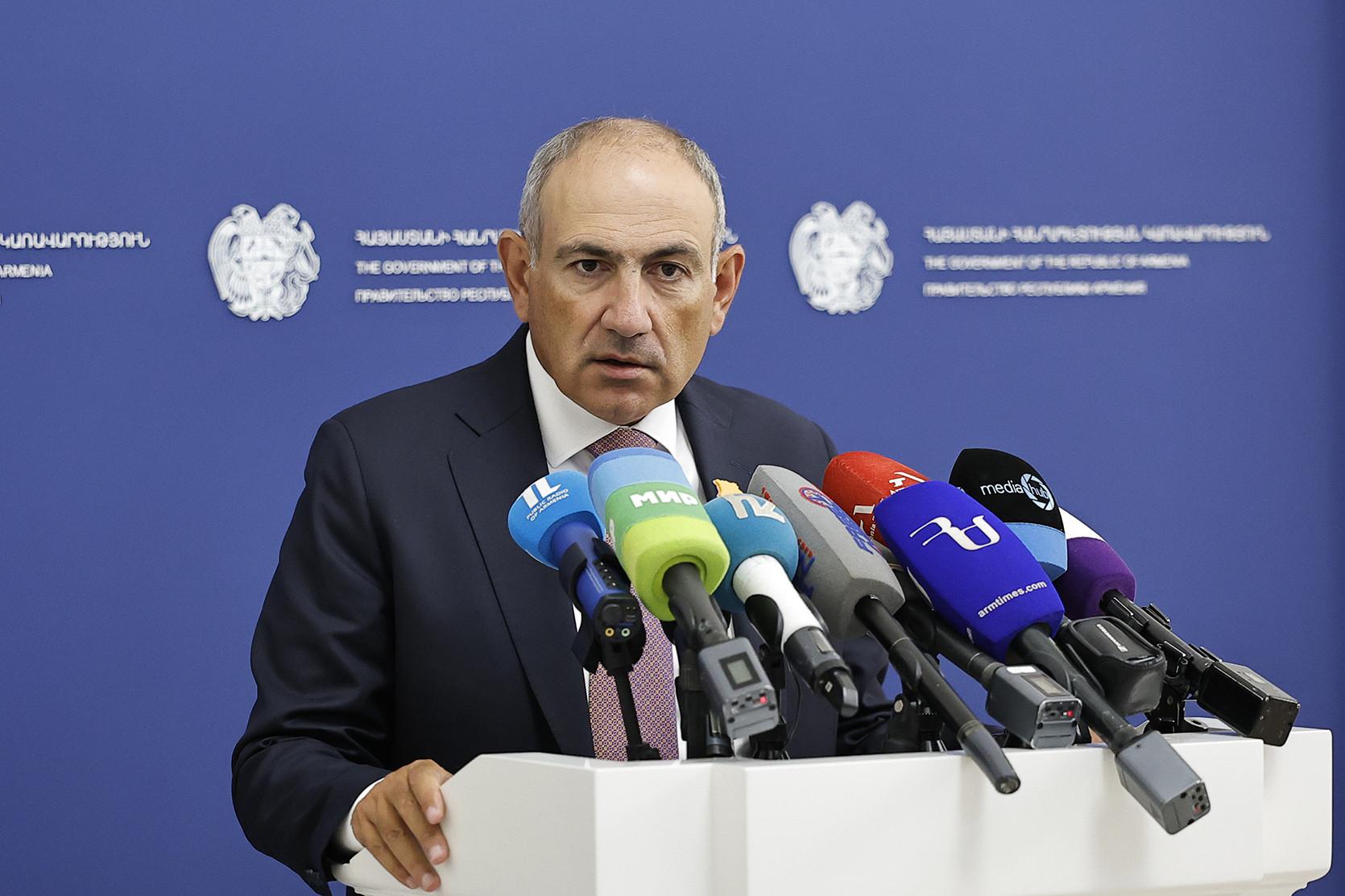
On 4 May, the Armenian capital Yerevan hosts the 8th European Political Community summit under the motto “Building the future: unity and stability in Europe”. Nearly 50 delegations are attending. About 500 representatives from participating countries and international organisations have gathered.
Participants include NATO, the OSCE, the Council of Europe and the European Parliament. French President Emmanuel Macron is among those attending. He will also make his first state visit to Armenia during the summit.
Leaders from neighbouring countries are also taking part. Georgian Prime Minister Irakli Kobakhidze and Turkish Vice President Cevdet Yilmaz are attending. Azerbaijani President Ilham Aliyev has joined the summit online.
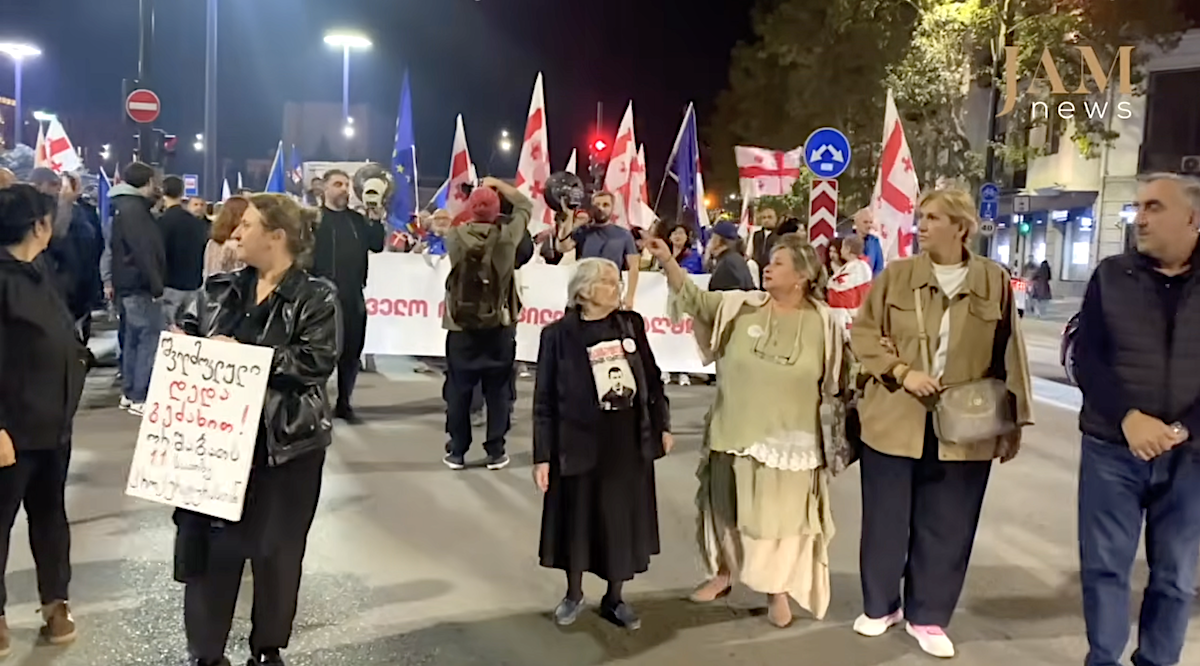
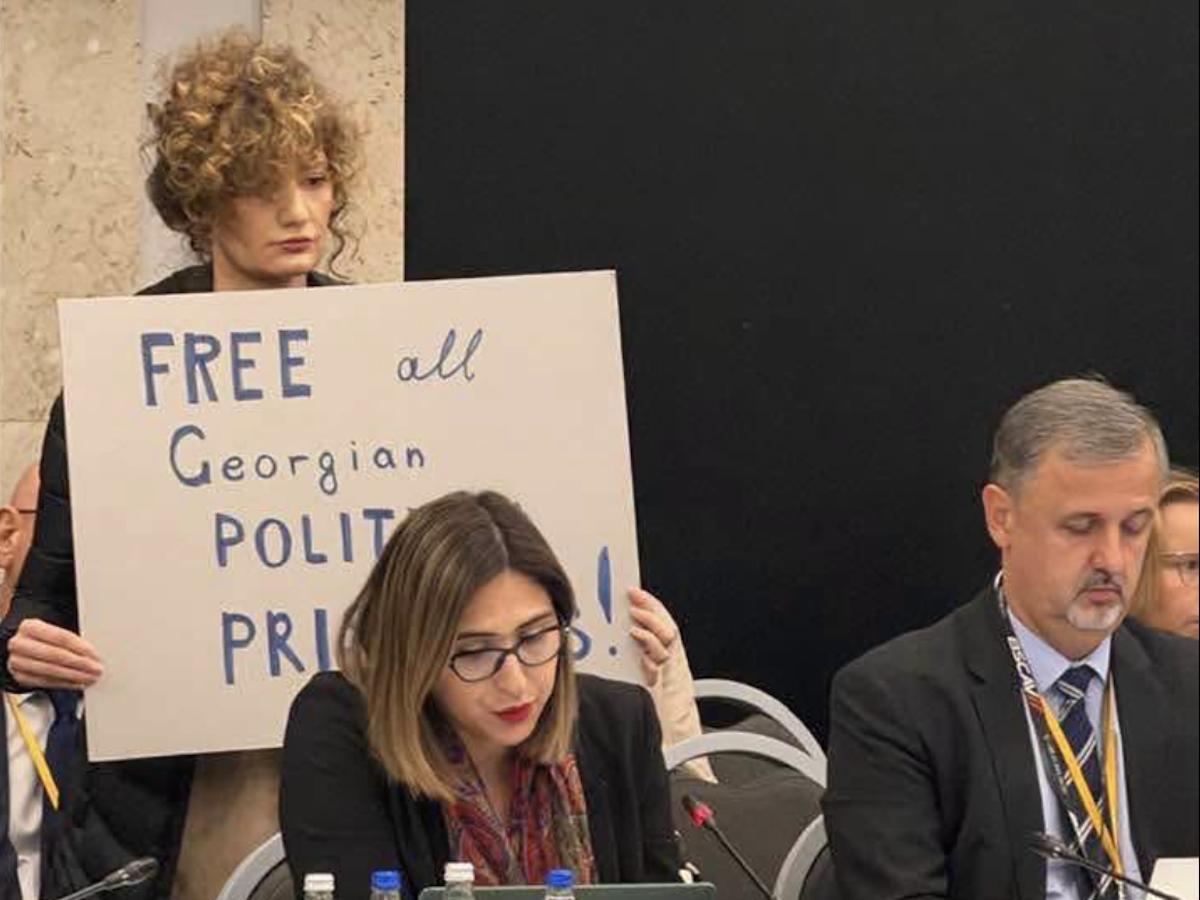
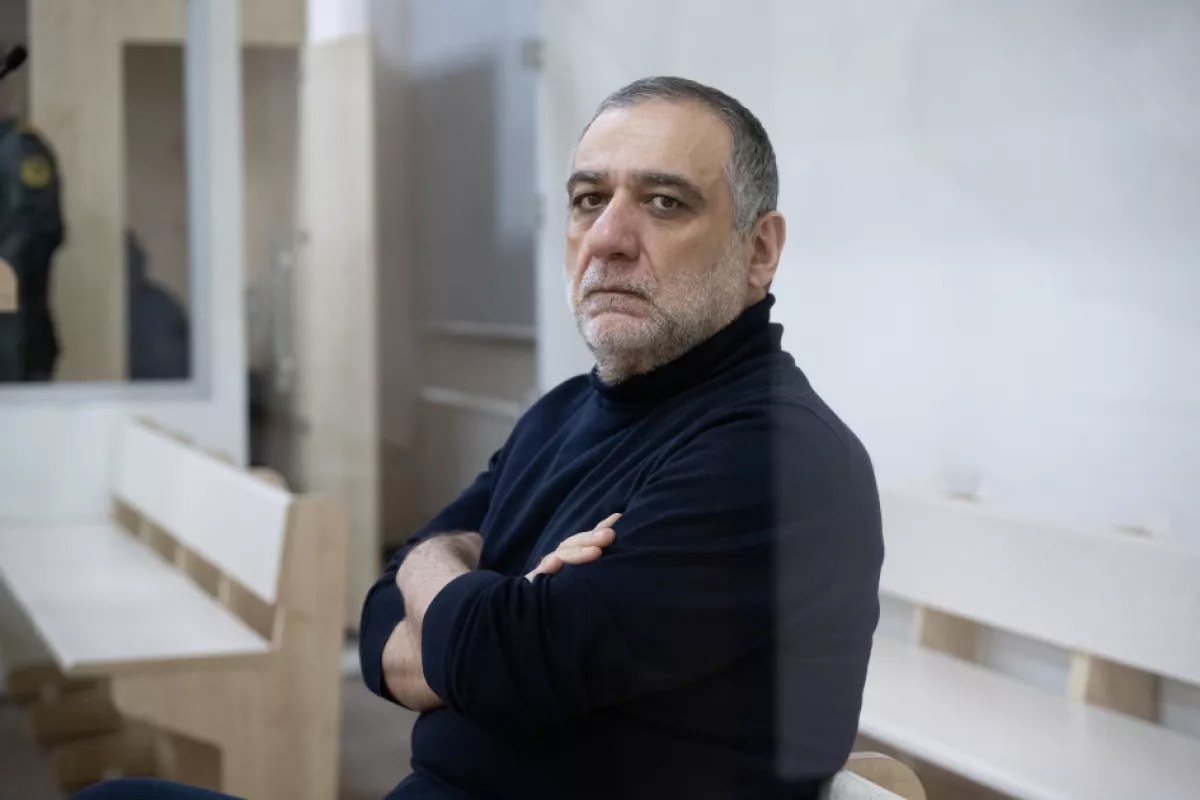
During the summit in Yerevan, several protests took place in the city. Demonstrators called for action on people missing during the conflict with Azerbaijan. They also demanded the return of 19 Armenian detainees held in Baku. Protesters urged steps to allow Karabakh Armenians to return home.
Prime Minister Nikol Pashinyan said in his address that peace has been achieved between Armenia and Azerbaijan. He added that the two countries are now working closely to strengthen it and make it more institutional.
He also stressed that, for the first time, Azerbaijani President Ilham Aliyev is taking part in an event held in Armenia, albeit via video link, and expressed hope of visiting Azerbaijan himself in 2028 to attend the 12th European Political Community summit.
“Despite the efforts of all those trying to derail this process, Azerbaijan is committed to the peace agenda,” President Aliyev said.
During a panel discussion, French President Emmanuel Macron praised the policies pursued by Prime Minister Pashinyan. He said that eight years ago no one would have come to Armenia.
“Many countries at this table considered this state a true satellite of Russia. Nikol Pashinyan organised a ‘velvet revolution’ and decided to defend his country from Russia. For this reason, he has faced and continues to face daily attacks,” the French president said.
These were the key developments and statements from the first day of the summit in Yerevan.
- Yerevan welcomes European Political Community summit participants. Photos, video
- ‘Hint of discontent’: Armenia’s foreign minister skips Antalya diplomatic forum
- Yerevan vox pops: what residents say on peace with Azerbaijan
Main topics of the summit
According to information published on the summit’s official website, discussions in Yerevan will focus on strengthening democratic resilience. They will also cover transport infrastructure, economic and energy security, and regional challenges.
“Participants will exchange ideas on how closer cooperation and coordinated action can help build a more resilient, secure and united European space.”
Prime Minister Nikol Pashinyan said “key topics” would be discussed. These include hybrid threats and democratic resilience, as well as connectivity and energy issues.
Summit participants also shared details of the planned discussions with journalists.
French President Emmanuel Macron said the agenda would include support for Ukraine. He also highlighted the protection of the independence and sovereignty of Armenia and Moldova.
European Commission President Ursula von der Leyen said participants would discuss Europe’s energy independence, defence and security, as well as secure supply chains.
“Hosting this summit in Yerevan shows how important the Caucasus is. Especially now, when there is war in Iran. We are talking about connectivity, but also about resilience in the face of the challenges we are facing,” said EU foreign policy chief Kaja Kallas.
European Parliament President Roberta Metsola said participants would discuss countering disinformation and hybrid threats. In her view, they pose a real threat to democracy.
“Wars are not only fought on the ground, but also in the digital sphere. And they target the most vulnerable parts of our society.”
The European Political Community was launched in 2022 on the initiative of French President Emmanuel Macron. It aims to strengthen political coordination and dialogue across Europe, bringing together EU member states and non-EU countries to boost security and cooperation.
The community includes the EU’s 27 member states, the United Kingdom and 19 non-EU countries.
The first summit took place in Prague on 6 October 2022. Subsequent summits were held in Moldova, Spain, the United Kingdom, Hungary, Albania and Denmark.
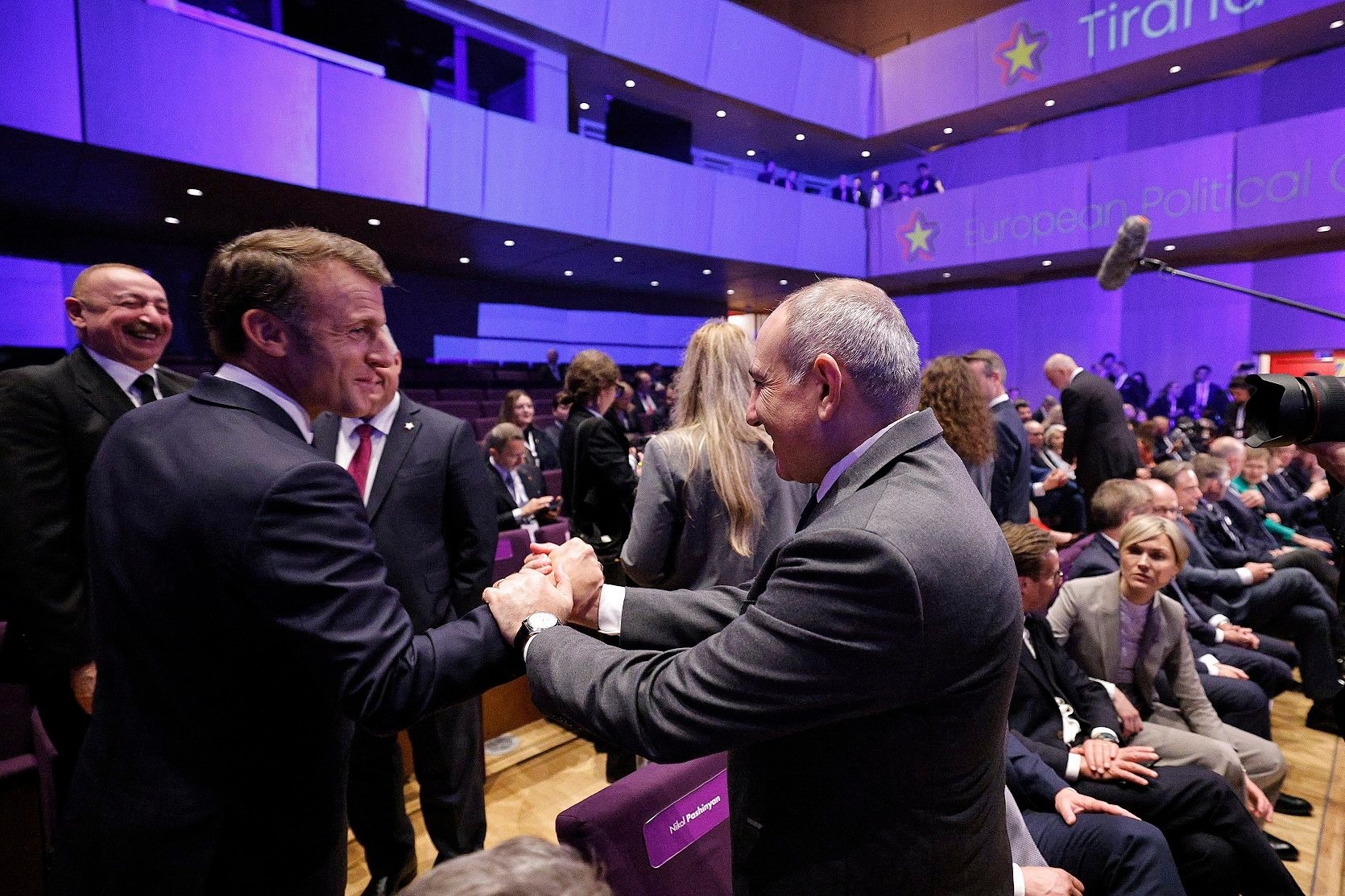
European Council chief calls Yerevan summit “historic”
European Council President António Costa described the summit in Yerevan as “historic”. He pointed to several factors:
- it is the first time the summit has been held in the South Caucasus,
- it follows a peace agreement signed between Armenia and Azerbaijan,
- for the first time, it brings together a non-European partner — Canada’s prime minister.
He thanked Armenian Prime Minister Nikol Pashinyan for bold political decisions that have brought Armenia closer to the European Union.
The Yerevan summit, he said, aims to shape a vision based on shared European principles, peace and prosperity, and to turn that vision into reality. He highlighted energy, transport infrastructure and democratic resilience.
Mr Costa said joint “actions aimed at supporting Ukraine, Moldova and Armenia” are needed.
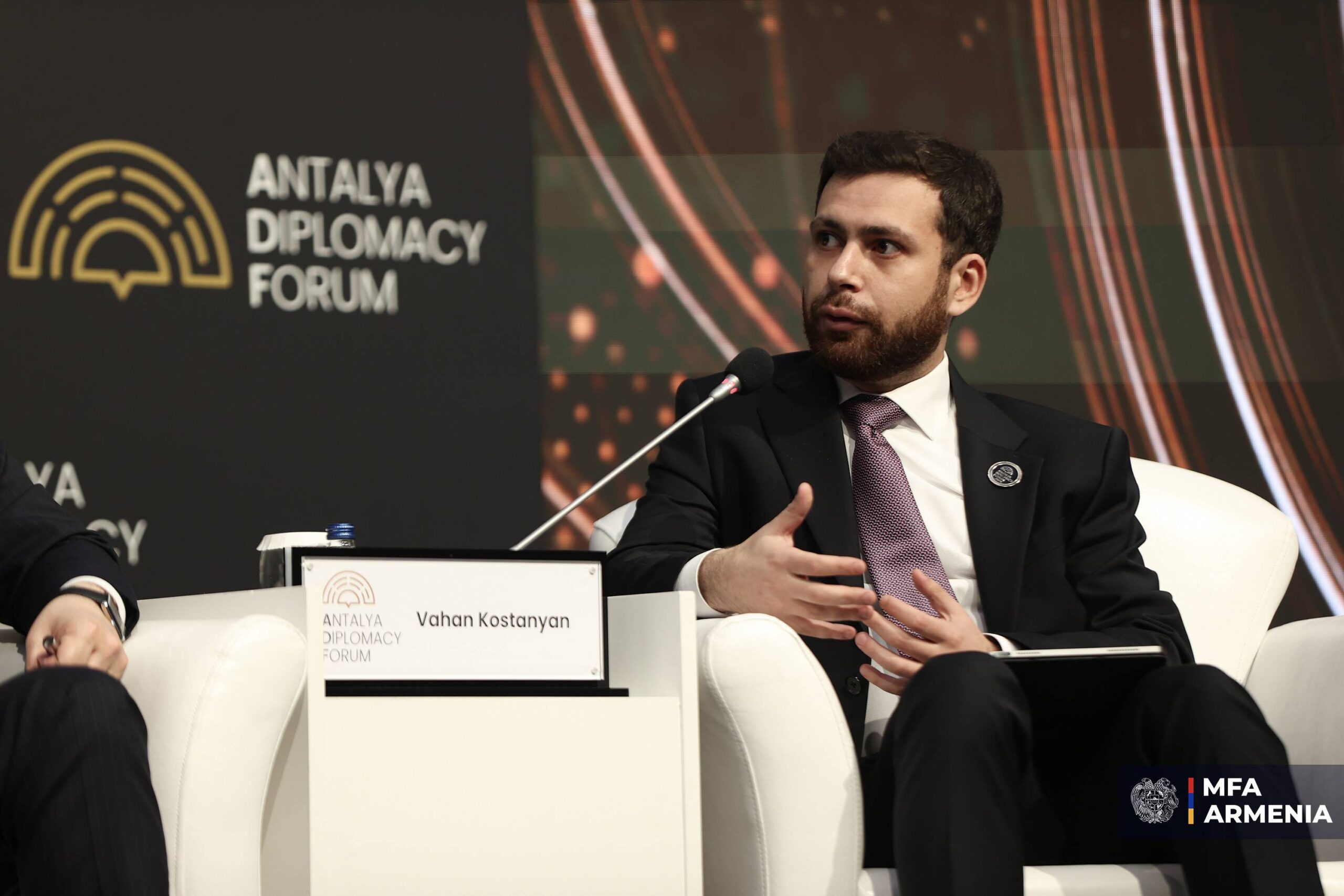
No joint statement expected
Armenia’s Deputy Foreign Minister Vahan Kostanyan told Public Television that the summit would address issues of key importance to Armenia, as well as topics of broader European relevance.
He said discussions would focus on:
- hybrid threats and democratic resilience,
- communications,
- the green transition and energy.
Kostanyan said Armenia has become the “heart of Europe” today, as one of the continent’s main events is taking place in Yerevan. He added that this would help raise the country’s profile.
He also stressed that, unlike other summits, there will be no joint statement:
“Very often, when delegations focus on agreeing texts, there is simply no time left for open and frank dialogue and discussions.”
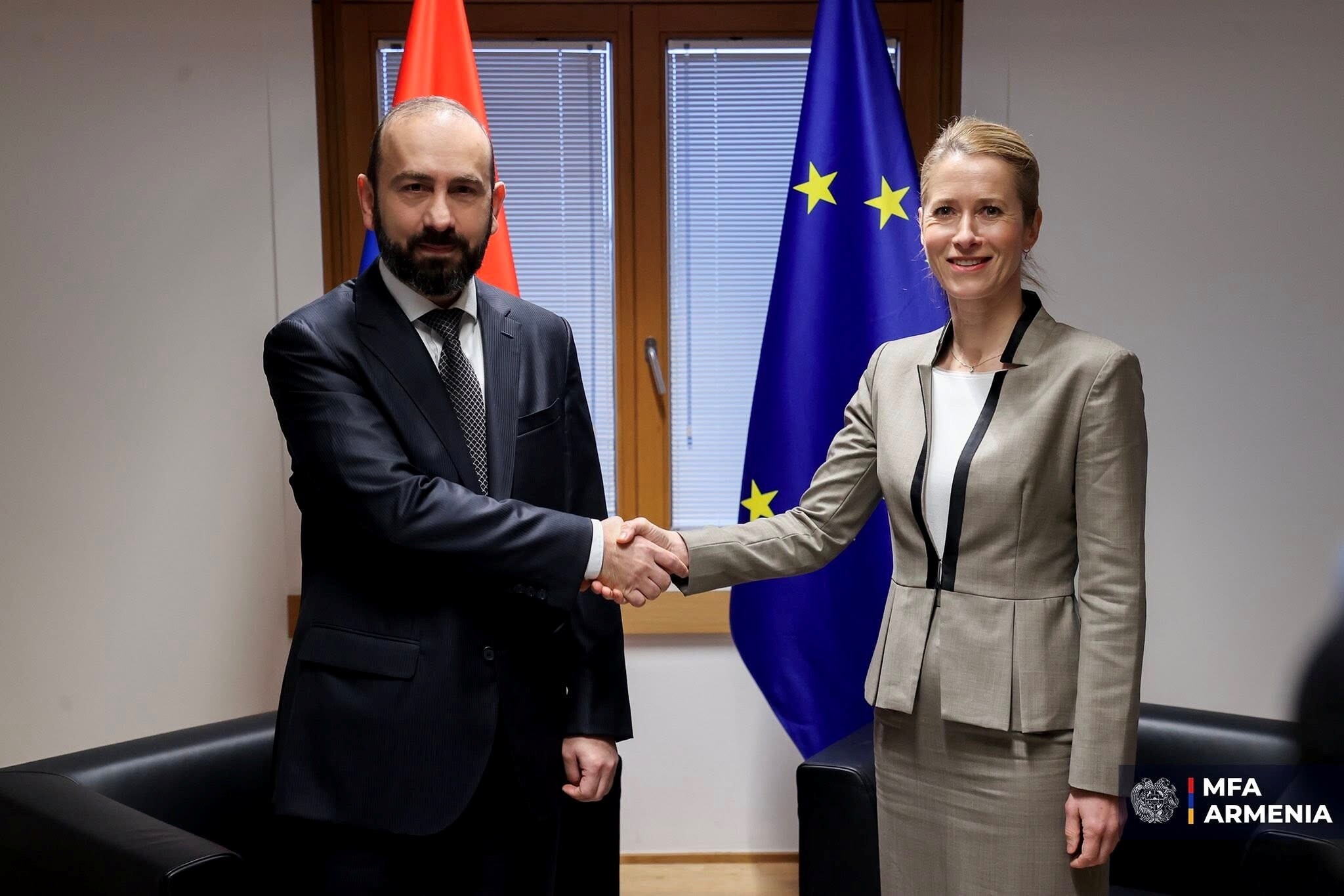
Pashinyan: ‘We took a decision that changed the situation at the first summit’
Armenian Prime Minister Nikol Pashinyan highlighted the importance of the European Political Community format. He said that in 2022, at the first EPC summit in Prague, he and the Azerbaijani president took “a decision that changed the situation”.
He was referring to Armenia and Azerbaijan recognising each other’s territorial integrity and sovereignty on the basis of the 1991 Alma-Ata Declaration. This meant recognising the borders between former Soviet republics as state borders.
“Based on this mutual understanding, a real opportunity emerged to reach a peace agreement between Armenia and Azerbaijan, and the architecture of future peace was outlined. We completed this process at the Washington peace summit in August last year,” he said.
Pashinyan said the countries are now moving towards implementing the “Trump Route” project:
“It will contribute to peace by unblocking routes in the region and creating new international corridors from east to west and from south to north. This will significantly increase the stability of international supply chains.”
He also noted that his first bilateral meeting with Turkish President Recep Tayyip Erdogan took place during the summit in Prague.
He said the Yerevan summit is also important in a broader international context, particularly at a time when the world faces growing challenges, from Ukraine to the Middle East.
“I dare to hope that, as a result of our discussions, this summit could become a historic summit for international peace and stability,” the Armenian prime minister said.
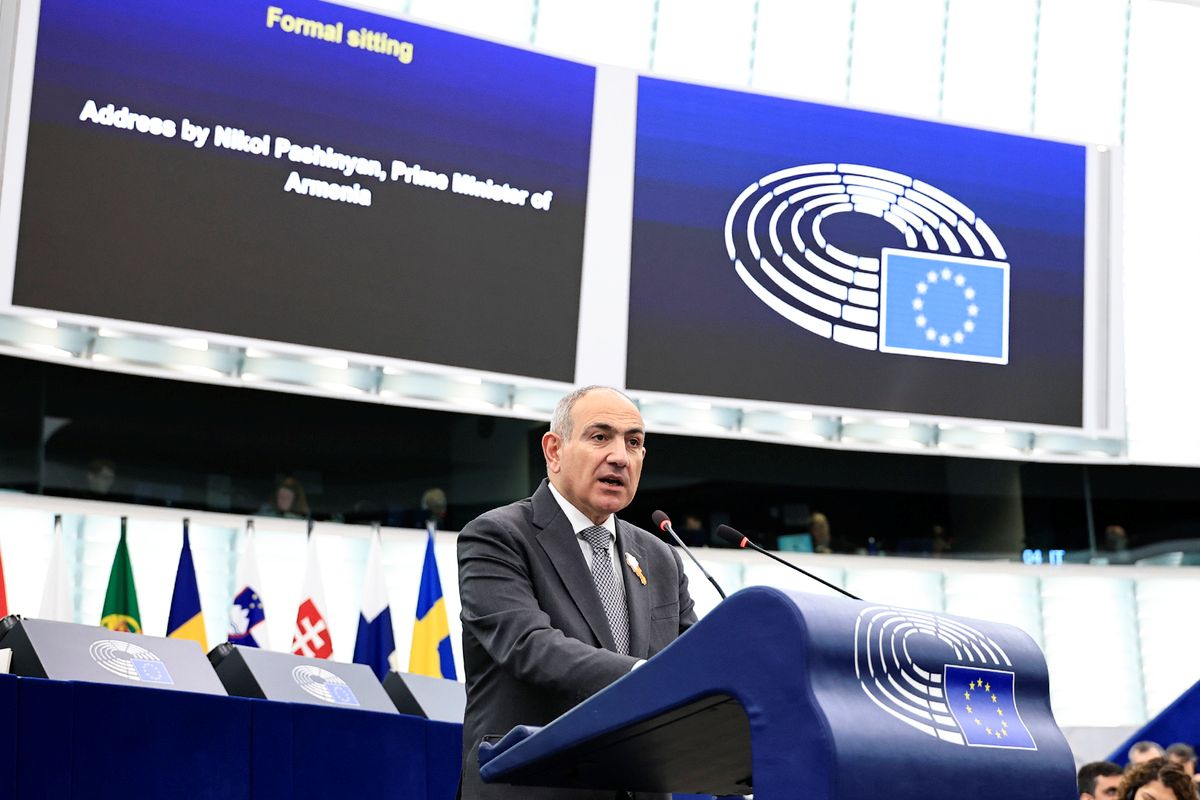
Aliyev: “We are creating a basis for economic ties”
Azerbaijani President Ilham Aliyev said Armenia and Azerbaijan are now learning to live in peace. Referring to the Washington summit on 8 August 2025 and the initialling of a peace agreement, he added:
“For us, and I am sure for our Armenian partners, peace has already become a reality.”
Aliyev said Baku has lifted transit restrictions towards Armenia. As a result, several thousand tonnes of cargo have entered Armenia. Azerbaijan has also supplied petroleum products. He said this creates a basis for economic ties. He also referred to agreements on interregional cooperation.
“The ‘Trump Route’ project will pass through Armenia to Nakhchivan and become part of the Middle Corridor,” he said.
Aliyev said both Yerevan and Baku already see the practical benefits of peace, while “the European Parliament and PACE are guided by double standards”.
He referred to sanctions imposed in 2023 on the Azerbaijani delegation to PACE after the entire Armenian population left their homes in Nagorno-Karabakh. He also mentioned 14 resolutions adopted by the European Parliament in recent years. The Azerbaijani president said Baku had simply “put an end to separatism to protect its sovereignty and territorial integrity”.
European Parliament President Roberta Metsola responded to the accusations:
“European Parliament resolutions are adopted by a majority, and their outcomes may be uncomfortable for many. But we never change the way we work or our positions.”
Zelensky: ‘We need to push Putin towards diplomacy’
Ukrainian President Volodymyr Zelensky said it was important that Armenia is showing solidarity with Europeans. He described his visit to Yerevan as significant. He also wished Armenia and Azerbaijan a stable and lasting peace.
Zelensky said Russia’s war against Ukraine remains as intense as before:
“And this summer, Putin will have to decide what to do next: escalate the war or move to diplomacy. And we must push him towards diplomacy.”
He said that on 9 May Russia will hold its first parade without a display of military equipment. In his view, this reflects a loss of strength. He said it is therefore necessary to continue sanctions against Russia. He stressed the importance of sanctions targeting Russian oil, the defence industry and the banking system.
“We need to focus on what we will do if Russia does not stop this war. We need sustained pressure and peace. Of course, first of all, we need to find a working diplomatic format. Europe must be at the table in any negotiations. We must stay in contact with the United States and understand its position. But it would be good to form a single European voice in the negotiations we will hold with Russia,” Zelensky said.
European Political Community summit in Yerevan