Washington’s South Caucasus strategy: what lies behind its strategic partnership with Azerbaijan?






US-Azerbaijan strategic partnership
The Baku Energy Week, which began on 1 June, drew attention not only for discussions on energy issues but also for a series of diplomatic developments that reflected a new political dynamic in relations between Azerbaijan and the United States.
The 31st Baku Energy Forum was one of the flagship events of Baku Energy Week, widely regarded as one of the leading energy platforms in the South Caucasus. President Ilham Aliyev described the forum as an influential venue for discussing “global energy issues”.
During the event, Aliyev received a delegation led by Caleb Orr, the US Assistant Secretary of State for Economic, Energy and Business Affairs. Several hours earlier, the Azerbaijani president thanked Donald Trump for a commemorative copy of the memorandum extending the suspension of Section 907 of the Freedom Support Act.
Observers argue that this sequence of events suggests that relations between Baku and Washington can no longer be explained solely through energy cooperation.
The energy forum provided a favourable diplomatic backdrop for the visit of the US official. The gesture involving Section 907, meanwhile, signalled a willingness on both sides to publicly demonstrate closer political ties. In other words, the developments of 1 June suggest that energy, economic and security issues are increasingly merging into a single strategic framework in relations between Azerbaijan and the United States.
But does this signal the beginning of a new phase in ties between Baku and Washington, or is it merely a temporary thaw?
Current developments suggest that cooperation between the two sides extends well beyond political statements. The US-Azerbaijan agenda already reaches far beyond energy cooperation. It now encompasses the peace process, the Middle Corridor, critical minerals, digital infrastructure, artificial intelligence, defence and maritime security.
A new dynamic that began in 2025
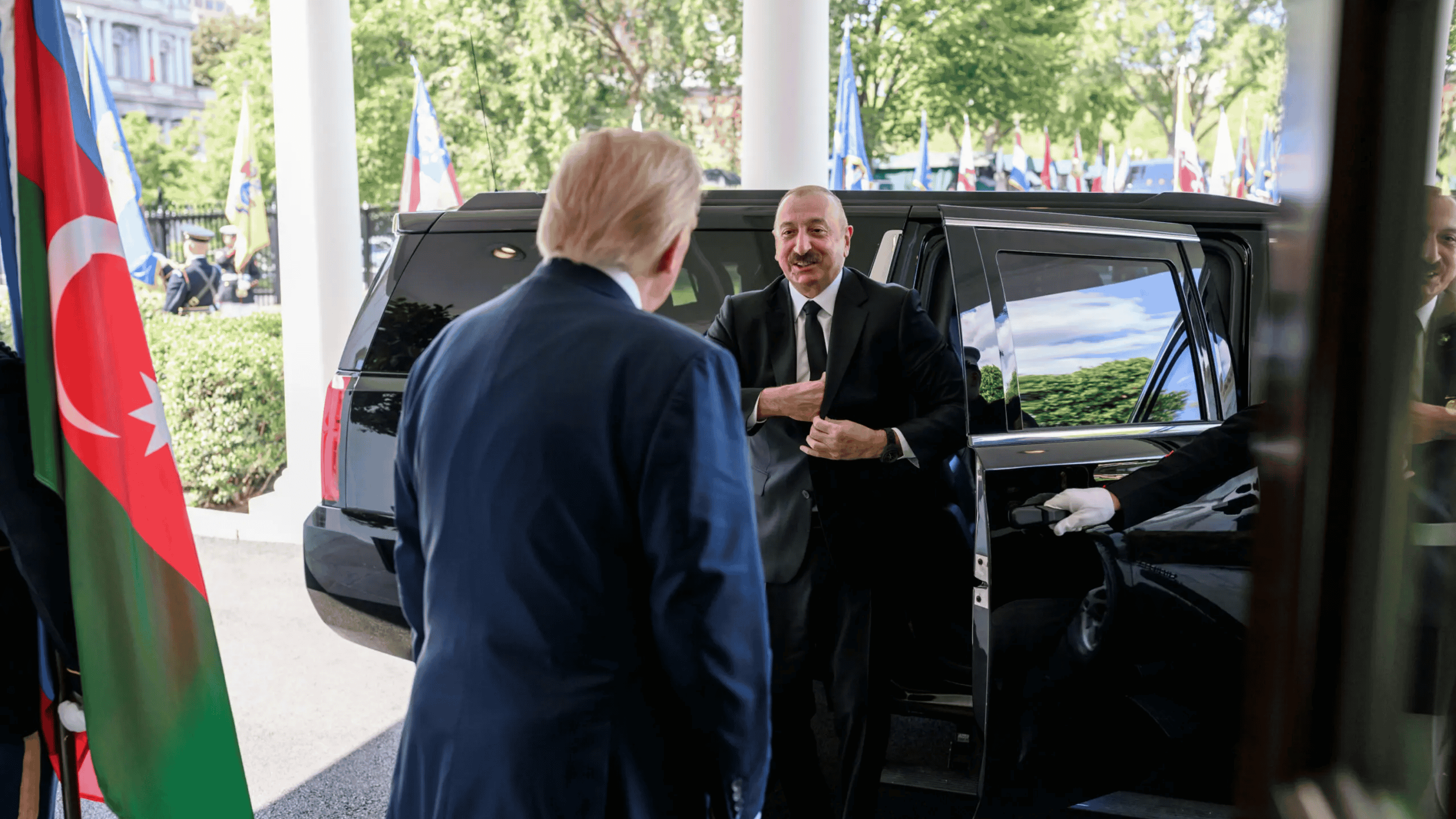
The foundations of this rapprochement were laid in Washington in August 2025. On 8 August, Ilham Aliyev and Donald Trump signed a memorandum establishing a working group tasked with preparing a Charter on Strategic Partnership between Azerbaijan and the United States. The move also marked a new phase in Armenian-Azerbaijani normalisation under US sponsorship.
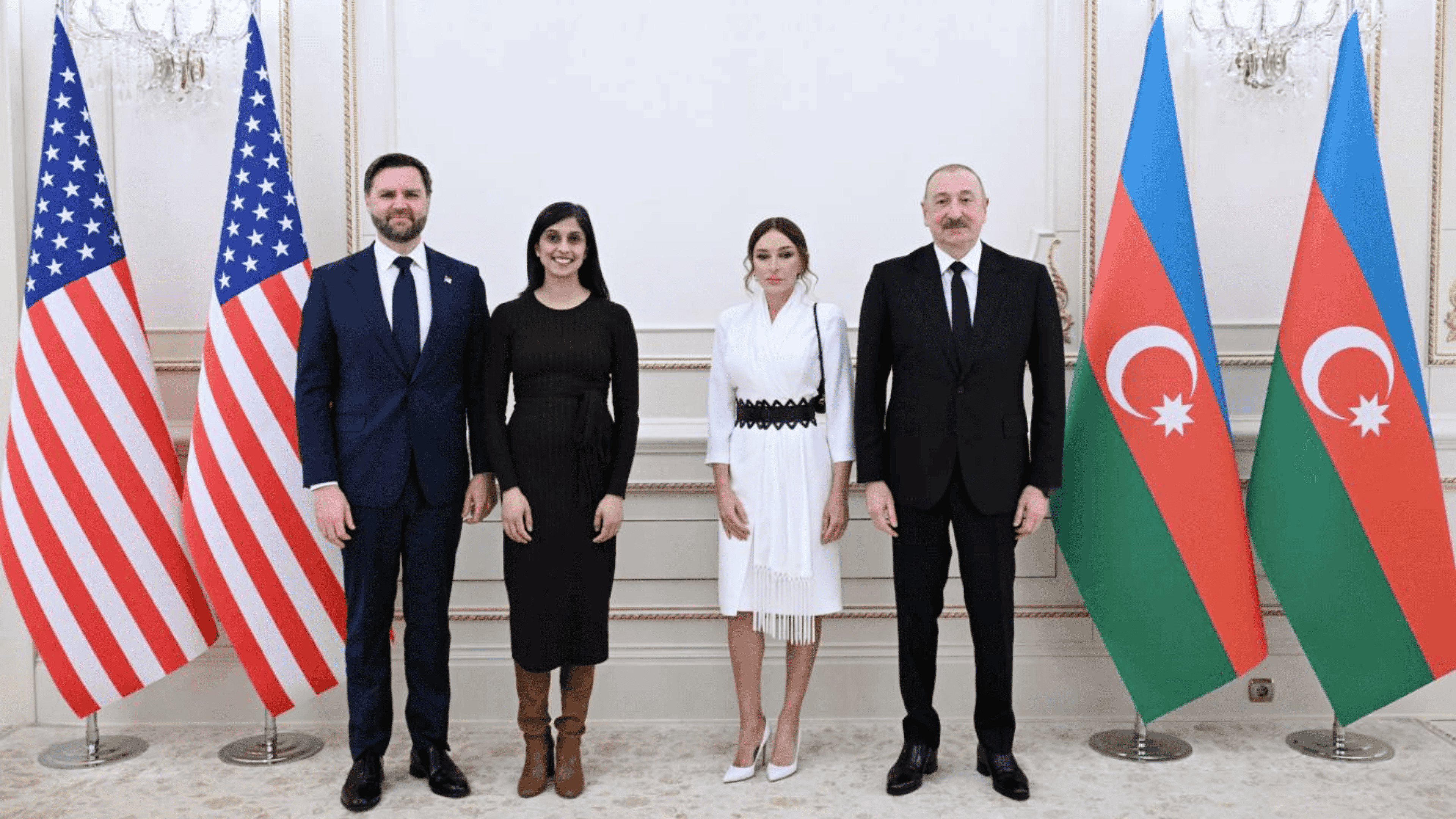
The next step came on 10 February this year. During a visit to Baku, US Vice-President JD Vance and Aliyev signed the Charter on Strategic Partnership. Aliyev described the agreement as “an entirely new stage” in relations between the two countries.
Vance, in turn, said the partnership would provide an institutional framework for cooperation on energy security, regional security, transport connectivity and defence supplies. The charter itself provides for annual meetings, roadmaps for joint projects and the creation of cooperation platforms covering the Middle Corridor, energy, digital infrastructure, critical minerals, trade and investment.
In other words, Caleb Orr’s visit to Baku represented a continuation of the course set in motion by the Washington summit and Vance’s visit.
A message published by the US State Department on 28 May to mark Azerbaijan’s Independence Day also stressed that relations between the two countries had been elevated to the level of a strategic partnership over the past year.
Signals surrounding Section 907
Caleb Orr’s visit to Baku formally centred on Baku Energy Week. According to the Azerbaijani presidential administration, Ilham Aliyev thanked Orr for attending the opening of the event, praised Donald Trump’s message to forum participants and highlighted the importance of holding the first Azerbaijan-US Economic Dialogue. Orr, in turn, conveyed greetings from Trump and Secretary of State Marco Rubio and stressed the importance Washington attaches to the event.
The key point is that this year’s Baku Energy Week extended well beyond discussions of energy and investment. Official Baku used the forum as a diplomatic platform to showcase its growing political rapprochement with Washington.
The most significant political signal of the day, however, centred on Section 907 of the Freedom Support Act. On 1 June, Aliyev thanked Trump on social media, revealing that the US president had sent him a commemorative copy of the memorandum extending the suspension of Section 907, accompanied by a personal note.
The significance of this gesture extends beyond symbolism. During his meeting with Caleb Orr, Ilham Aliyev described Section 907 as “unfair” and argued that it no longer reflects the current state of US-Azerbaijan relations. For Baku, the political meaning of the measure remains crucial. For many years, Azerbaijani officials have viewed Section 907 as a symbol of Washington’s mistrust towards Azerbaijan.
From Washington’s perspective, the issue is more complicated. The White House cannot repeal Section 907 on its own, as doing so would require political consensus in Congress. Although the provision no longer has a significant practical impact on US policy towards Azerbaijan, it continues to represent an important symbolic obstacle for Baku.
Against that backdrop, the decision to send Aliyev a commemorative copy of the memorandum carries clear political significance. In effect, Washington is signalling that it no longer views Section 907 solely as an instrument of pressure. Instead, it increasingly treats the issue as part of a broader process of rapprochement with Azerbaijan.
Why has Baku become more important to Washington?
Energy remains a key pillar of the deepening strategic partnership, but it is no longer its sole foundation. According to the text of the Charter published by the US Embassy, the two sides plan to expand cooperation in energy, transport and digital infrastructure along the Middle Corridor. They also intend to mobilise public and private investment in the energy and transport sectors, deepen cooperation in the oil, gas and electricity industries, and develop partnerships in critical minerals and artificial intelligence.
US Chargé d’Affaires Amy Carlson has also outlined Washington’s priorities for 2026, highlighting integration, bilateral trade and investment, as well as artificial intelligence and cybersecurity. Meanwhile, Azerbaijan’s Ministry of Economy announced in late May that the first Azerbaijan-US Economic Dialogue would take place during Baku Energy Week.
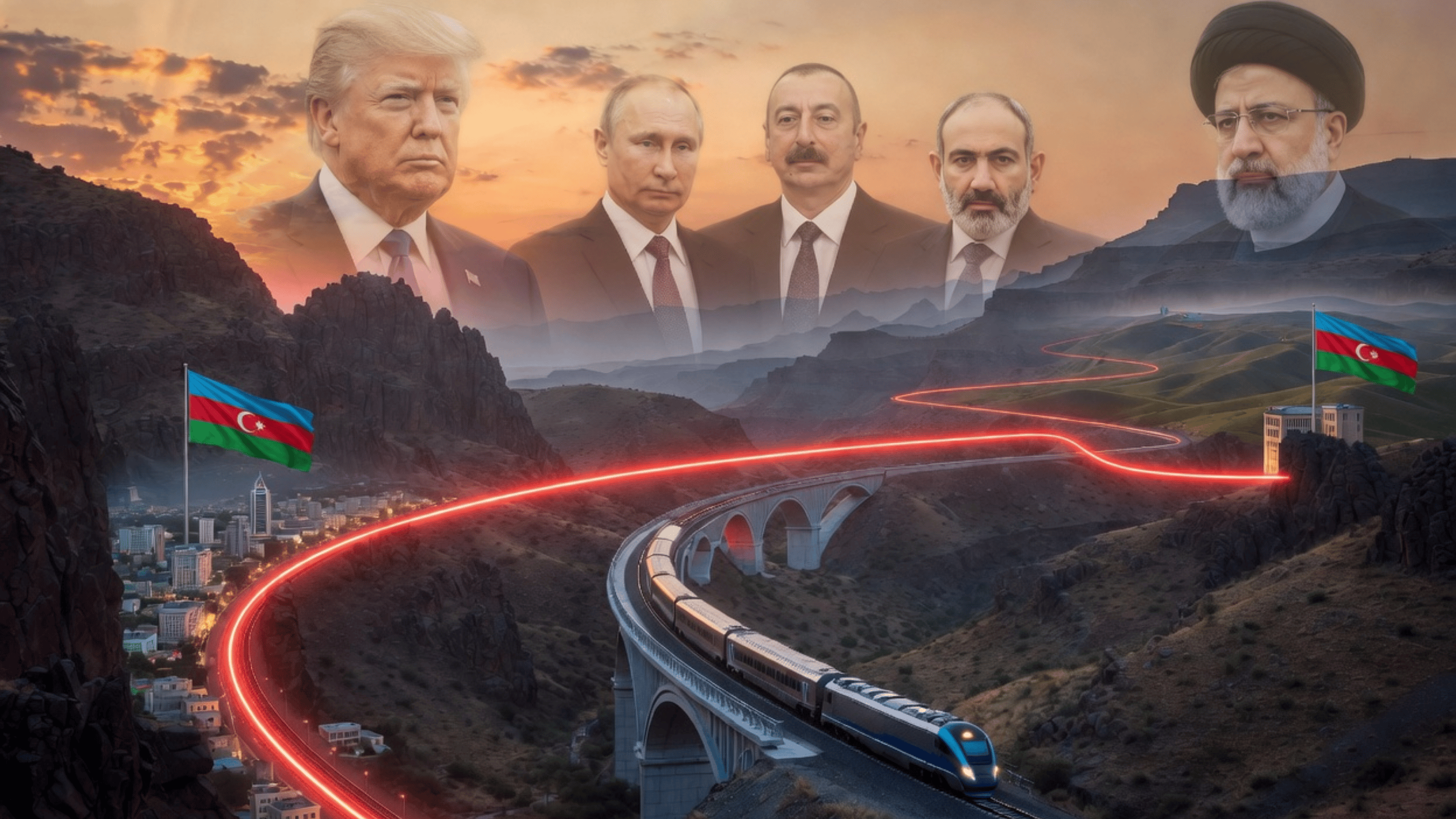
This agenda reflects a broader shift in how the United States views Azerbaijan. For Washington, Baku is no longer merely a hydrocarbon exporter. It is increasingly seen as a potential backup source of energy security for Europe, a key logistical hub along the Middle Corridor, and part of a wider geoeconomic network being developed outside Russia and Iran.
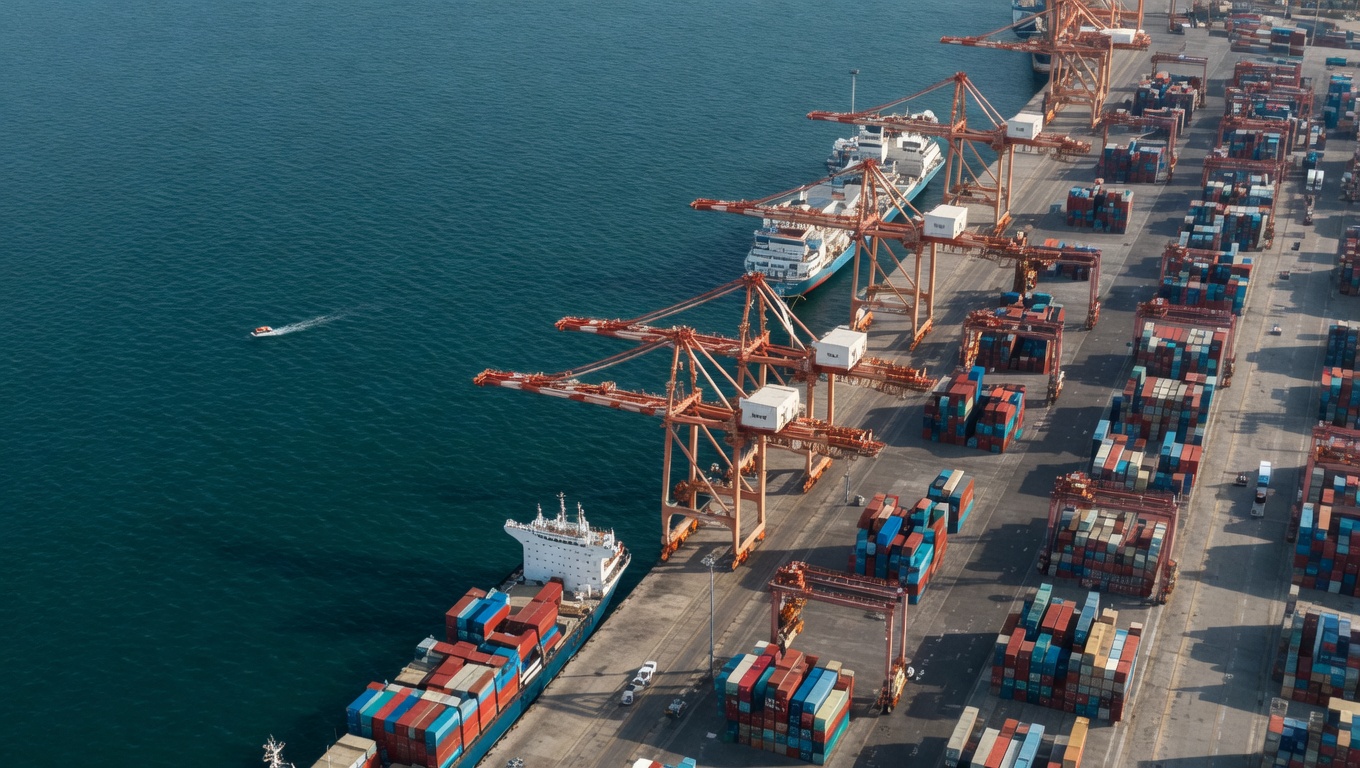
Statements issued by the US Embassy in April regarding the Alat Free Economic Zone and the Baku International Sea Trade Port pointed in the same direction.
Human rights as an obstacle
From a geopolitical perspective, the main conclusion is that the United States no longer views the South Caucasus as a peripheral region. Instead, Washington increasingly sees it as a space of transit, security and strategic competition.
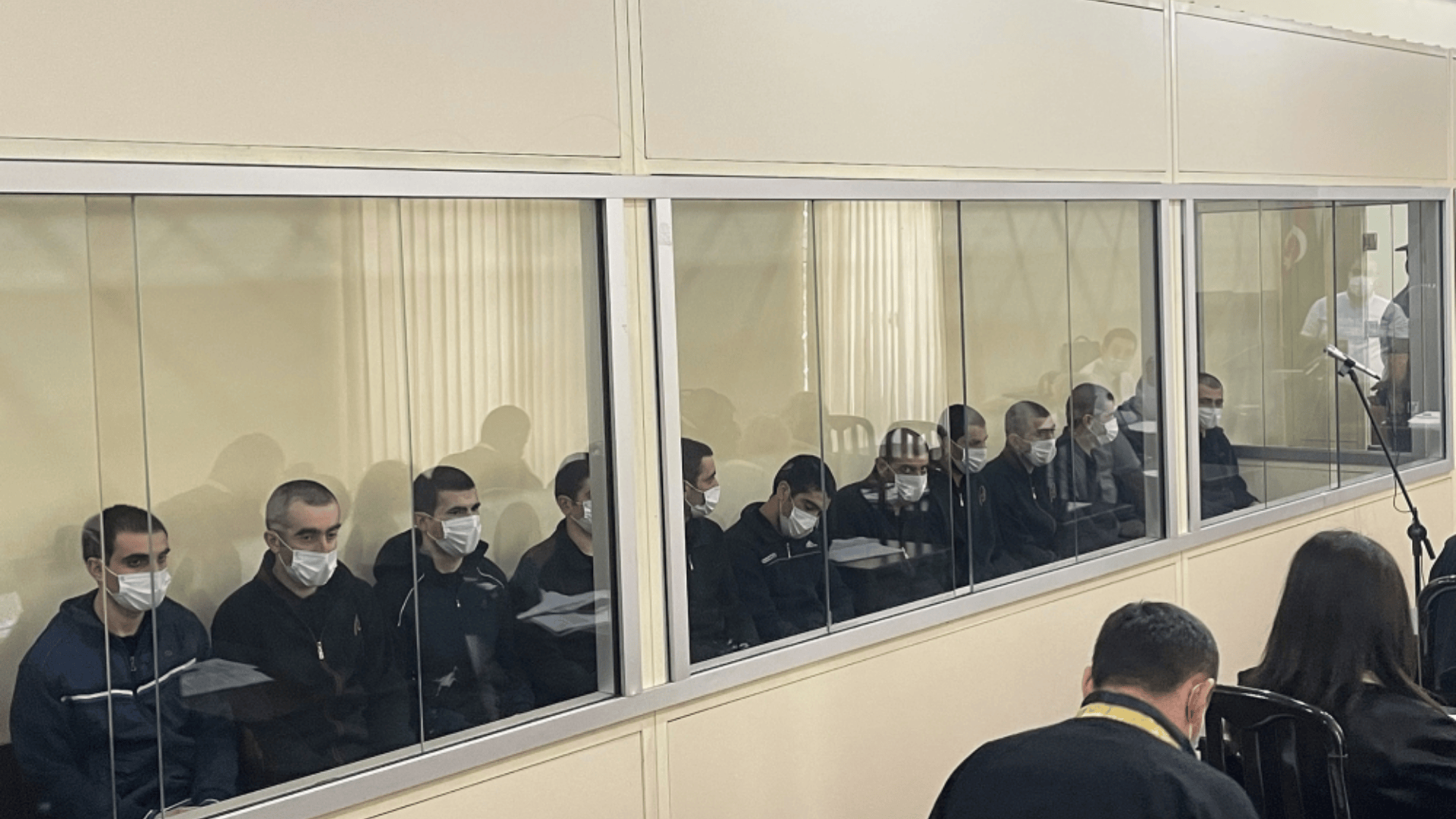
At the same time, the human rights situation remains the most significant obstacle to closer ties. Azerbaijan has continued to tighten pressure on independent media, the political opposition and civil society.
The latest US State Department Human Rights Report highlights cases of arbitrary detention, serious restrictions on freedom of expression and the persecution of journalists. Meanwhile, Amnesty International described the verdicts in the Abzas Media case as an example of the judicial system being used to suppress independent journalism.
For that reason, even supporters of a deeper strategic partnership with Azerbaijan in Washington do not separate the issue from concerns about political prisoners and detainees. Unless Baku eases pressure on civil society, the full repeal of Section 907 and any expansion of defence cooperation are likely to remain sensitive issues in the US Congress.
US-Azerbaijan strategic partnership