'Hint of discontent': Armenia’s foreign minister skips Antalya diplomatic forum






Why Armenia’s FM skips Antalya forum
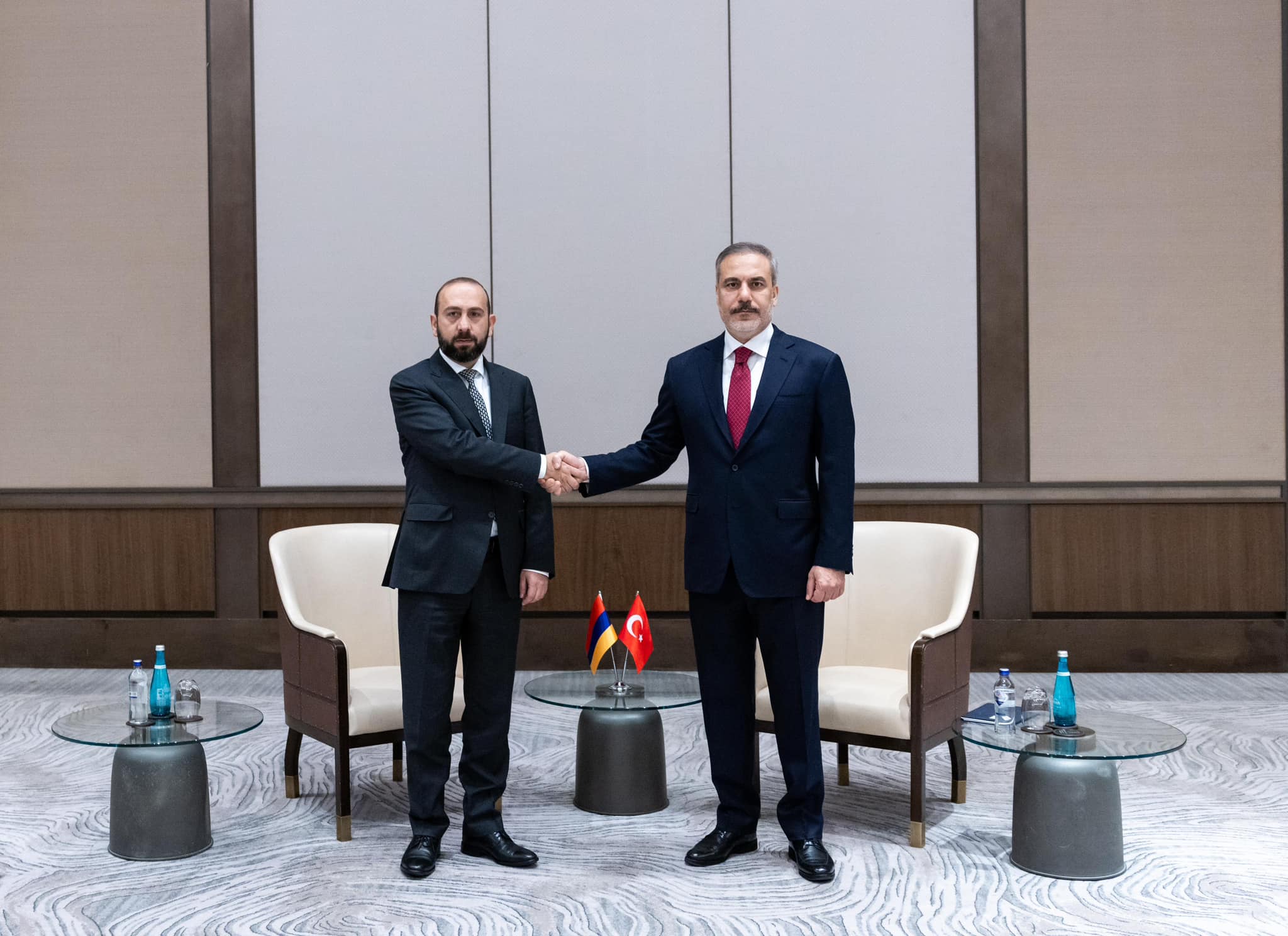
Armenia is represented at the diplomatic forum in Antalya, held on 17–19 April, by Deputy Foreign Minister Vahan Kostanyan. Foreign Minister Ararat Mirzoyan did not travel to Turkey.
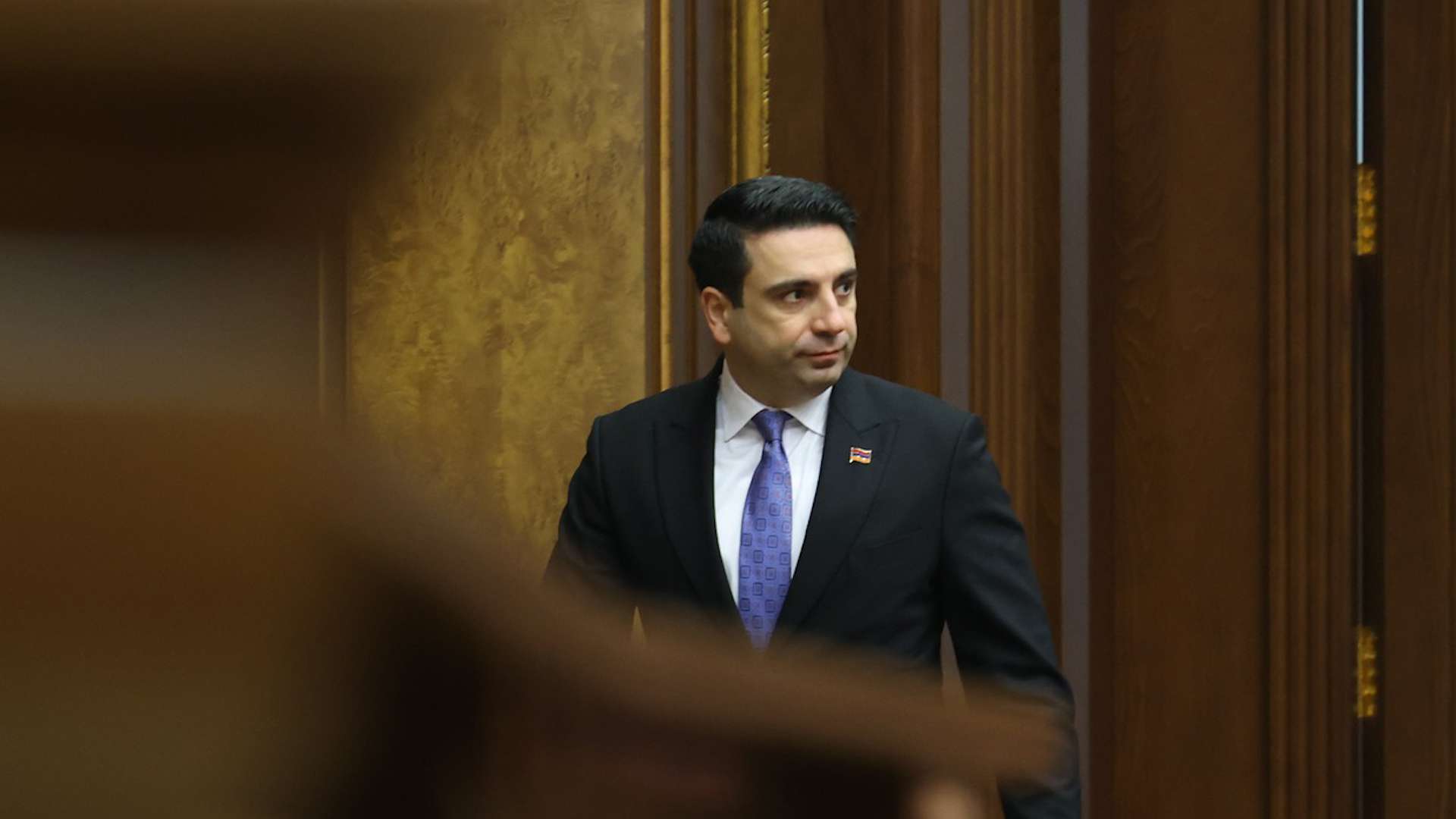
For the first time since the Armenia–Turkey normalisation process began in 2022, Mirzoyan is not attending the forum. Armenia’s special envoy for normalisation with Turkey and Deputy Speaker of parliament Ruben Rubinyan, who attended in 2024 and 2025, also did not go to Antalya.
“I will not go to Antalya. I am not going to travel there every time,” Rubinyan told journalists.
Officials in Yerevan have not commented on the lower level of representation. However, experts say the Armenian side is signalling discontent. They link this to Turkey’s failure to implement agreements reached between the two countries. This includes opening the Armenia–Turkey border to third-country nationals and holders of diplomatic passports.
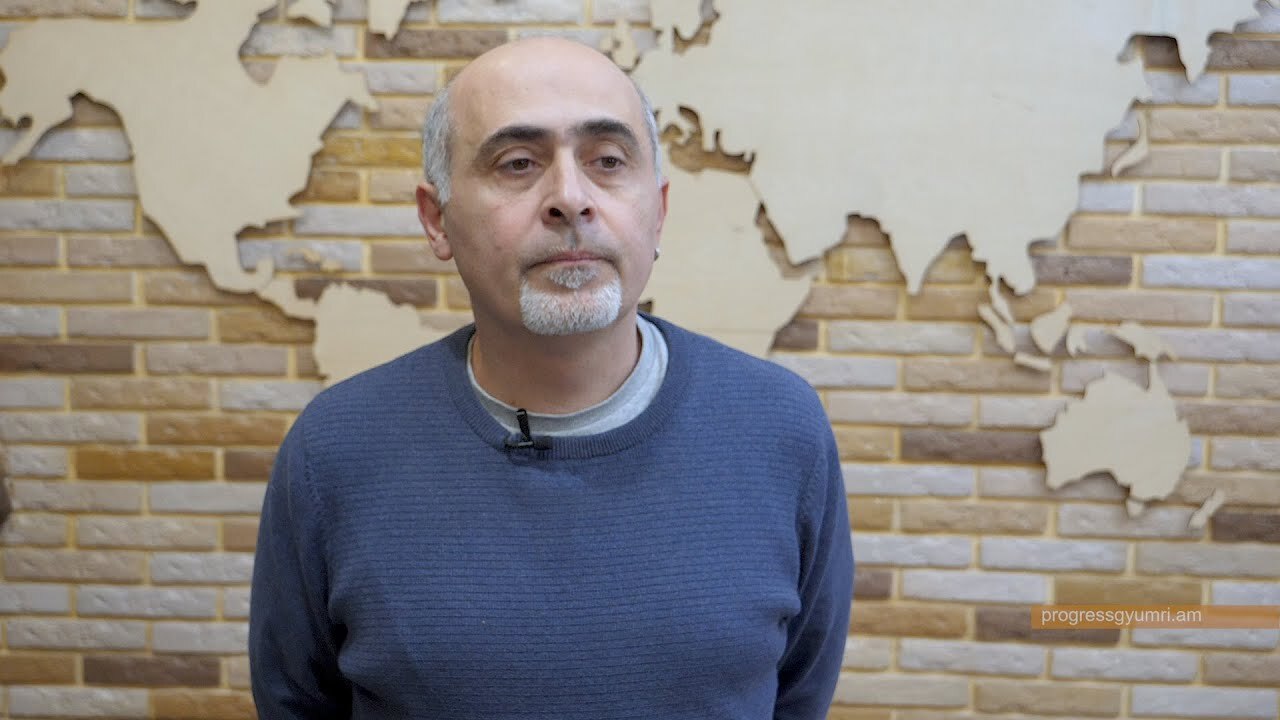
“If Turkey does not take this small step, what is there for the foreign minister to do there?” said Turkologist Nelli Minasyan.
She also says that Turkey’s president will not attend the European Political Community summit in Yerevan in May. Leaders from dozens of countries are expected to take part.
“They say [Foreign Minister Hakan] Fidan may come. But this is not a meeting of that level. The president’s participation is what matters,” Minasyan said.
Turkey officially recognised the Republic of Armenia in 1991. However, the two countries still have not established diplomatic relations. In 1993, Turkey closed its air and land borders with Armenia. The air border reopened in 1995, according to Armenia’s foreign ministry, “under pressure from the international community”.
Talks on normalising relations gained momentum after the second Nagorno-Karabakh war. The process continues in a bilateral format. Turkey also makes no secret of coordinating its position with Azerbaijan.
At the start of 2026, Armenian media reported that the border would open on 1 February to third-country nationals and diplomatic passport holders. Armenia and Turkey’s special envoys agreed on this step in July 2022. The agreement still has not been implemented.
- ‘On security, we are in the same boat’: Armenian experts on visit to Azerbaijan
- ‘Battle for scandal-loving voters’: Armenia’s pre-election mood
- Opinion: ‘Russia ‘blackmails’ Armenia with threat of gas price hikes’
“The ball is not on our side”
Armenia’s special envoy Ruben Rubinyan recently commented on the normalisation process with Turkey. He said he sees some progress. He also stressed that the key agreement concerns opening the border to third-country nationals and holders of diplomatic passports.
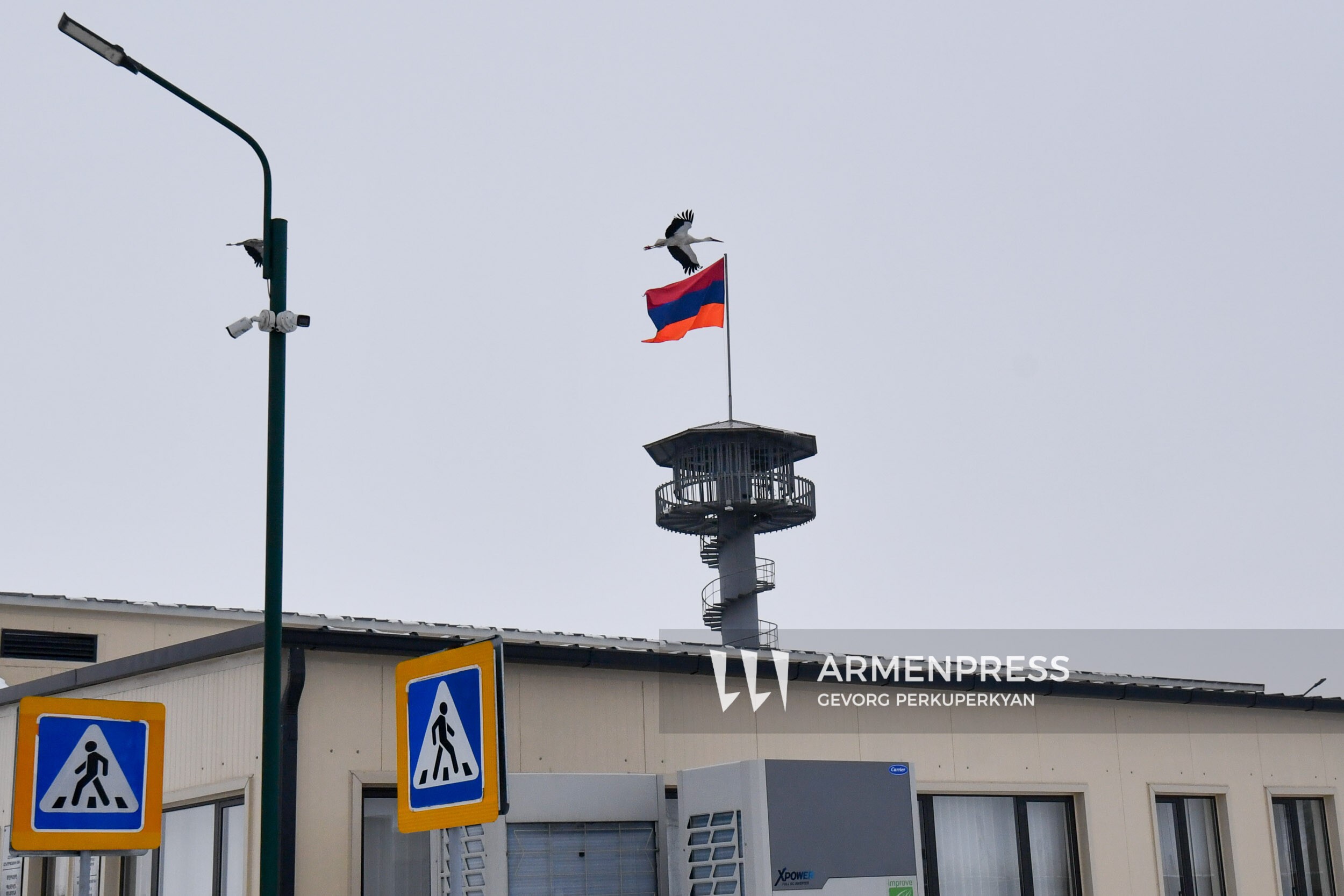
“We have done everything we could. I mean the reconstruction of the Margara checkpoint on the Armenian side. The good news is that the Turkish side has started work this year to restore the Alican checkpoint. We are now waiting for the agreement to be implemented. In this respect, the ball is not on our side,” he said.
Context: what Armenia and Turkey’s envoys have agreed so far
In December 2021, Yerevan and Ankara announced their readiness to take steps towards normalising relations. They appointed Ruben Rubinyan and Serdar Kilic as special envoys to coordinate the process. Since 2022, the two have held six meetings. Four took place abroad, one at the Armenia–Turkey border, and the latest in Yerevan. After each meeting, both sides said they would continue dialogue without preconditions.
At a meeting in Yerevan in September 2025, the sides agreed to speed up implementation of an earlier deal reached in July 2022. This concerned opening the Armenia–Turkey border to third-country nationals and holders of diplomatic passports.
During their latest meetings, Rubinyan and Kilic also agreed to:
- conduct technical studies to restore and relaunch the Gyumri–Kars railway and a power transmission line,
- assess technical needs and ensure the operation of the Akhurik/Akyaka railway border crossing,
- mutually simplify visa procedures for holders of diplomatic and service passports.
So far, only the agreement on simplifying visa procedures has been implemented.
Comment
Turkologist Nelli Minasyan welcomed Armenian Foreign Minister Ararat Mirzoyan’s decision not to attend the forum in Antalya.
“The two countries reached agreements that the Turkish side has simply not implemented. There is no point for our foreign minister to travel there again,” she said.
In her view, Yerevan is using this move to signal its dissatisfaction.
Minasyan also argues that Ankara prioritises broader regional developments in its foreign policy. Issues related to the border with Armenia do not rank high on its agenda.
At the same time, she says unblocking infrastructure matters for Turkey as well. She does not rule out a shift in Ankara’s priorities once “the United States makes a final decision on TRIPP, and work and investment begin.”
The “Trump Route for International Peace and Prosperity” (TRIPP) is a transport corridor that will connect mainland Azerbaijan with its exclave of Nakhchivan. Armenia and Azerbaijan have agreed to unblock the route with the involvement of an Armenian–American consortium.
Nelli Minasyan suggests that the failure to implement the agreements stems from a lack of political will on Turkey’s part, as well as the Azerbaijani factor, meaning coordination of decisions on Armenia with Azerbaijan.
“In Azerbaijan, there are concerns that Armenia–Turkey relations could normalise more quickly, and that they could develop more naturally and positively across various issues,” the expert says.
In any case, she считает more realistic the prospect of normalisation with Yerevan after Armenia and Azerbaijan sign a peace treaty. According to her, Baku expects no progress in Armenia–Turkey normalisation before such an agreement is reached.
“Several months ago, Hakan Fidan set out Ankara’s official position: once the agreement is signed, the Armenia–Azerbaijan and Armenia–Turkey borders will open simultaneously. In my view, this is a realistic approach.”
Why Armenia’s FM skips Antalya forum