Opinion: ‘The root cause of corruption in Abkhazia is extremely low salaries’






In the rhetoric of successive governments in Abkhazia, the phrase “fight against corruption” is virtually absent. Numerous scandals have involved the alleged misuse of public funds, yet not a single corrupt official has gone to prison. Social media users regularly express frustration over this and question why the state maintains so many oversight bodies when their effectiveness appears close to zero.
Former Tax and Revenue Minister Daur Kurmazia reflects on whether it is possible to combat corruption without addressing its root causes, and what such a campaign might ultimately achieve.
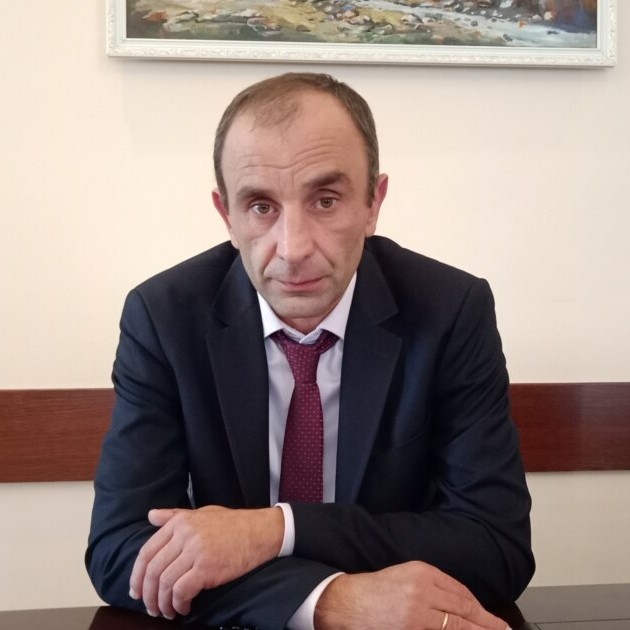
Daur Kurmazia: “Corruption can take several forms:
- Situational corruption – everyday bribery, such as payments to a doctor or an inspector to resolve a specific issue.
- Structural corruption – deeply entrenched schemes in which entire sectors or institutions operate through systematic abuses.
- Systemic corruption – the merging of state power and criminal interests, where corruption becomes a foundation of governance itself.
To combat corruption, we first need to break it down into its components, define the scale of the problem, then identify the stages of the campaign and the methods required.
It seems to me that even among those who oppose corruption, there is no common understanding of its scale. Some see only the country’s leadership as corrupt, others view the entire state apparatus as corrupt, while some believe corruption permeates society as a whole. That is where misunderstandings often begin.
Order in a state does not begin with punishment and bans. It begins with defining what that order should look like. What kind of fight against corruption can we talk about when voters elect candidates who solve their financial problems? Is this some new form of humanitarian aid? Or do such expenditures automatically imply future compensation?
Society and the state should start by openly discussing and deciding what constitutes fair pay for honest and conscientious work, and what results they expect from public servants. Only then should they insist on enforcing those standards.
The root cause of corruption in Abkhazia is extremely low salaries. When a person cannot support a family through honest work, corruption ceases to be a moral issue and becomes a survival strategy.”

“I have identified what I see as the root cause of the problem: extremely low salaries. Some will argue that corruption exists everywhere and stems from different causes. But the issue here is one of scale. It creates a level of mutual protection and complicity that permeates society and becomes almost impossible to break.
I am prepared to admit that I am wrong if someone can show me a genuine anti-corruption mechanism. Individuals can improve or worsen the performance of a system, but no individual can replace the system itself. That is why analysis must come first, followed by the necessary tools, and only then the process. The process alone will not change anything at its core.
What should be done? There are only two ways to start such a process: change driven from above, or change driven from below.” — Daur Kurmazia.
The terminology, place names and views expressed in this article are those of the author and do not necessarily reflect the editorial position of this website.
Opinion: Former minister on corruption in Abkhazia