EU chief visits Yerevan with pledge to 'open doors' for Armenian exports






EU chief vows to support Armenia
The delegation led by European Commission President Ursula von der Leyen has arrived in Armenia. Her previous visit to Yerevan took place two months ago, when she attended the European Political Community summit and the first Armenia-EU summit.
This time, however, von der Leyen came to express support for Armenia, which has come under economic pressure from Russia.
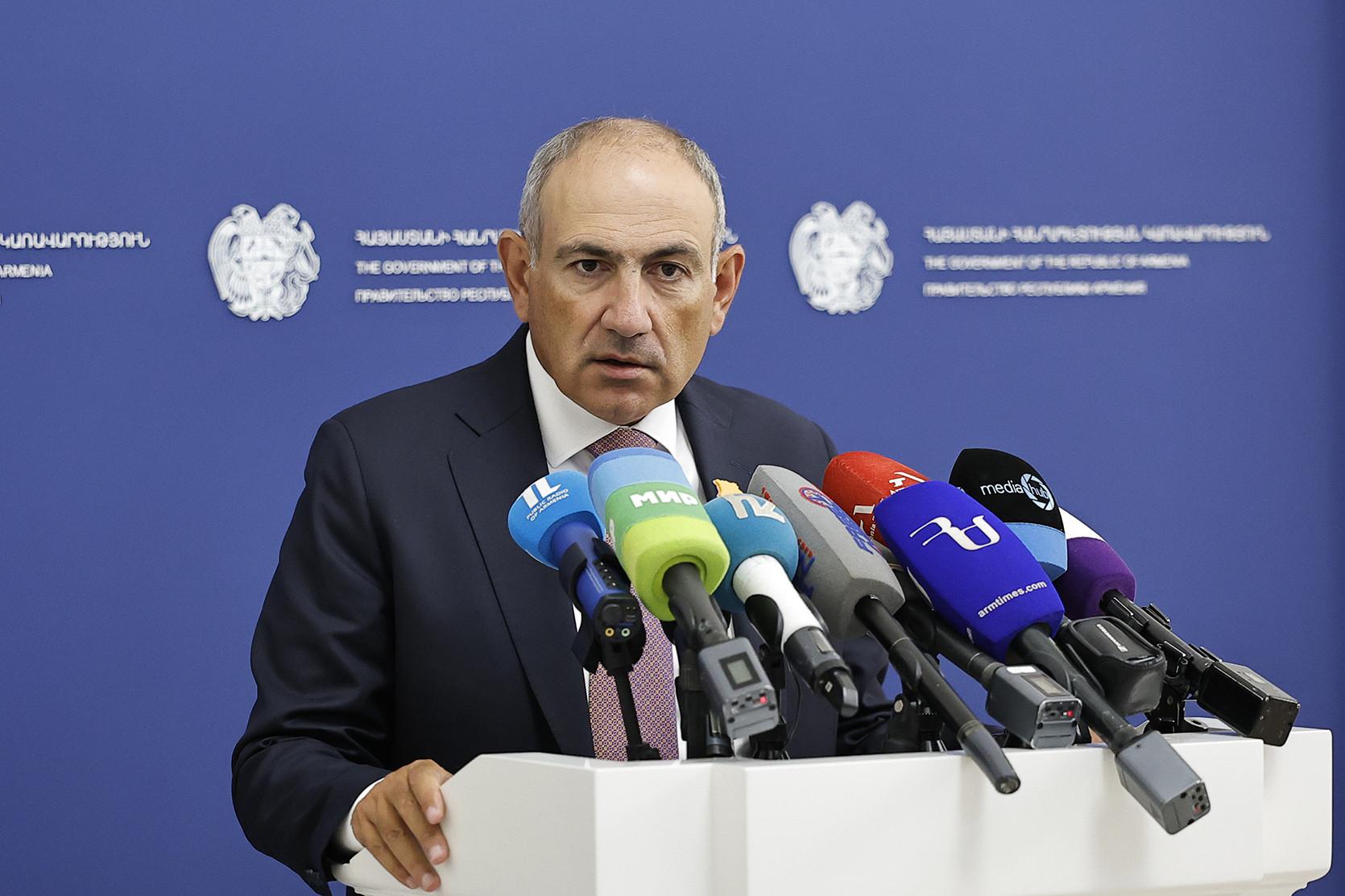
Since May, Russia has banned imports of Armenian fruit, vegetables, fish products, alcohol and many other goods, citing their alleged failure to meet Russian quality standards. In response to the Russian restrictions, the European Union moved quickly and decided to support Armenia.
“I am here today to state clearly: if Russia closes its market to Armenian products, the European Union will open the doors of its consumer market of 450 million people to them,” Ursula von der Leyen said.
The European Commission president also congratulated Armenian Prime Minister Nikol Pashinyan and the people of Armenia on the election result.
“They chose democracy, peace and closer ties with Europe. Not everyone welcomes our growing partnership. We fully understand that Russia is trying to pressure Armenia to prevent it from moving closer to the European Union. We will not allow that. We will support you in this regard.”
Armenian Prime Minister Nikol Pashinyan said the European Union was one of Armenia’s most reliable partners.
He said his earlier remark that “Armenia and the European Union have become closer than ever before” was becoming more of a reality with each passing day, not only in political relations but also in practical economic cooperation.
During a private meeting and subsequent talks involving the wider delegations, the two sides discussed the diversification of Armenia’s economy and the implementation of EU support mechanisms.
- ‘No grounds for referendum yet’: Yerevan responds to calls to choose between EU and EAEU
- Armenia unveils exporter support programme to offset Russian restrictions
- ‘We know better when to decide’: Nikol Pashinyan responds to Vladimir Putin on choice between EU and EAEU
Financial assistance and preferential trade measures
The Armenian prime minister expressed gratitude for the European Union’s budget support package worth 52 million euros, which has been allocated to help diversify export markets for Armenian products.
He also announced the EU’s intention to introduce autonomous trade measures for Armenia, which would provide significant preferential terms for Armenian exports. Pashinyan said he expected the measures to come into force across all EU member states in the near future.
According to the prime minister, Armenia will become the first country that is neither an EU candidate nor part of the bloc’s free trade area to benefit from this support mechanism.
Support for democracy
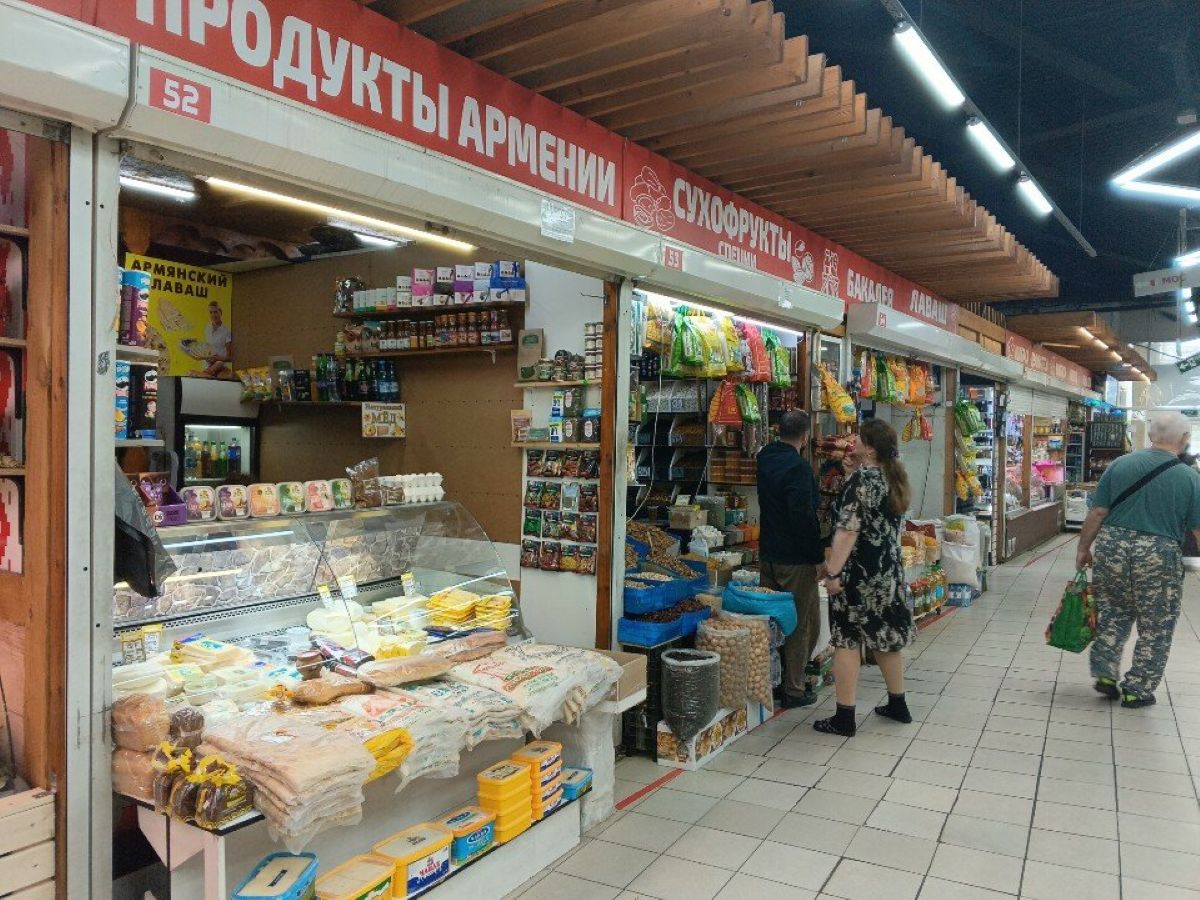
“Armenia continues to move forward on the path of democracy, reforms, peace and closer cooperation with Europe. I have come to tell you that you can count on us,” the European Commission president said.
She stressed that the EU was ready to take action to support Armenia as it continued to face economic pressure from Russia.
Ursula von der Leyen announced that Armenia would soon receive an additional 18 million euros in assistance to strengthen and diversify its trade.
“The funding could, for example, help establish an export promotion agency to boost the export potential of Armenian businesses,” she said.
She also outlined the proposed autonomous trade measures for Armenia.
“These measures will liberalise around 80% of Armenian exports to the European Union. This means that 80% of your trade with us will now be duty-free. The measure will open Europe’s doors to almost 99% of Armenia’s fresh agricultural produce, vegetables, fruit and plant-based products that were previously exported to Russia. It will also open the EU single market to more than 90% of your exports of beverages and alcoholic products.“
Von der Leyen noted that imports of Armenian flowers into the EU had increased in recent months, describing this as “a wonderful symbol” of a new chapter in Armenia-EU economic partnership.
“And this is only the beginning. In mid-July, we will send experts to Armenia to work directly with your producers, businesses and exporters, helping them take full advantage of all the opportunities offered by our privileged partnership with the European Union.“
EU support over potential gas supply disruptions
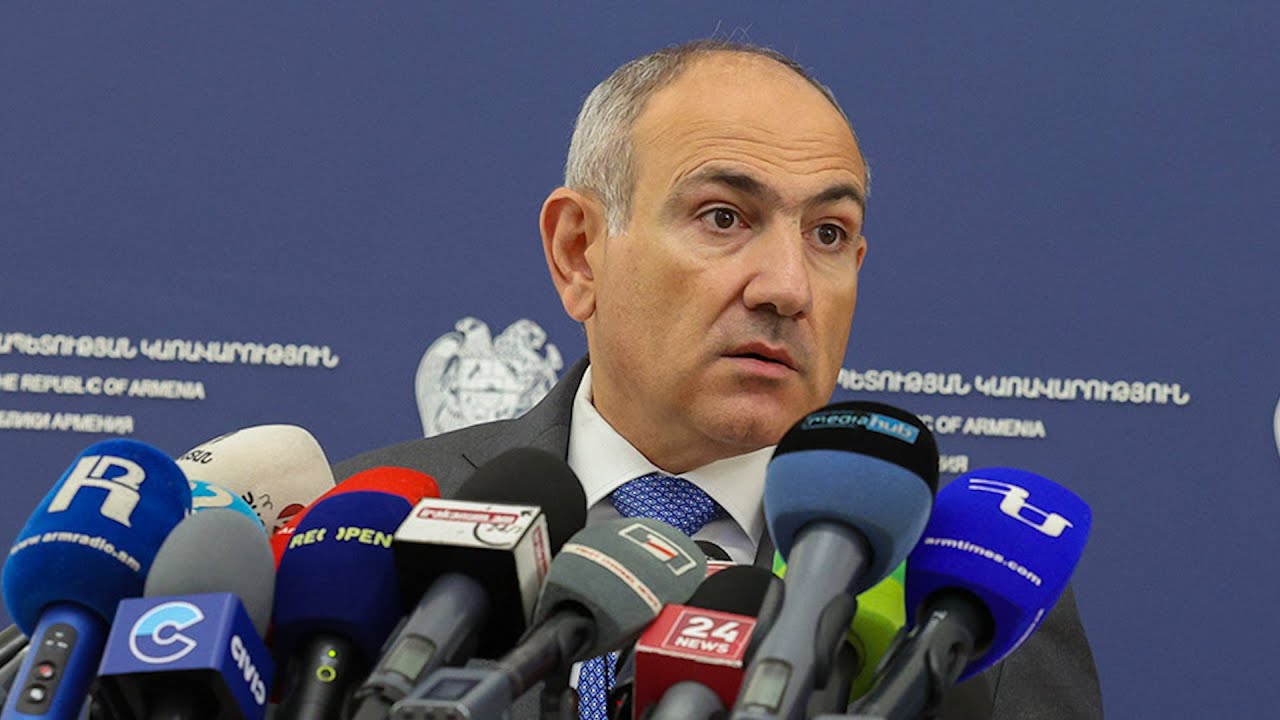
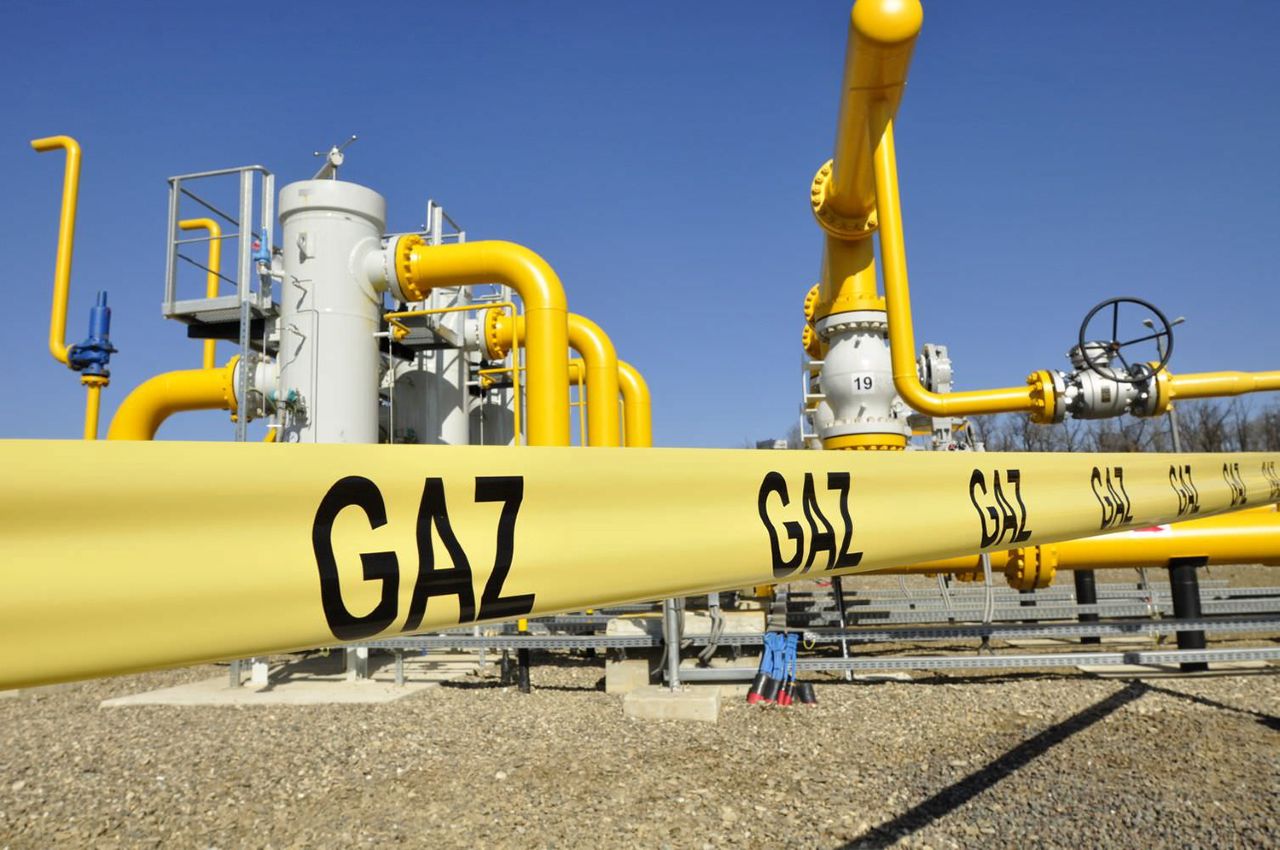
The first question Armenian journalists put to the European Commission president was how the EU could help Armenia if Russian gas supplies to the country were disrupted.
Ursula von der Leyen said Armenia needed a strategic, multi-layered and comprehensive approach to energy.
“Just as we are helping Armenia diversify its trade, making the country more resilient and strengthening its economy, we also want to help diversify its energy supplies.“
She said the EU had extensive experience in this area, noting that the bloc had already dealt with similar challenges in Ukraine and Moldova, as well as within the European Union itself.
Visa liberalisation
“Armenia is the only partner country currently engaged in an active dialogue with the European Union on visa liberalisation. That in itself reflects the strength of our partnership,” the European Commission president said.
She recalled that the first progress report on Armenia’s Visa Liberalisation Action Plan was submitted in April 2026, adding that a new EU assessment mission would visit the country this autumn.
“Armenia is on the right track and is making every effort. We know you are committed to this agenda, and we are grateful for that. The progress achieved so far is very impressive. We know how important this is for the Armenian people.“
Von der Leyen stressed that visa-free travel would become possible only after Armenia had met all the necessary conditions, but did not give a specific timeframe.
Unlike von der Leyen, Pashinyan said he expected visa liberalisation to be achieved by 2029, while noting that much depended on Armenia itself.
“In many cases, we should be asking ourselves, rather than the European Union, how prepared we are and how effectively we are implementing our reform programme.”
‘Historic opportunity’ for Armenia-EU relations
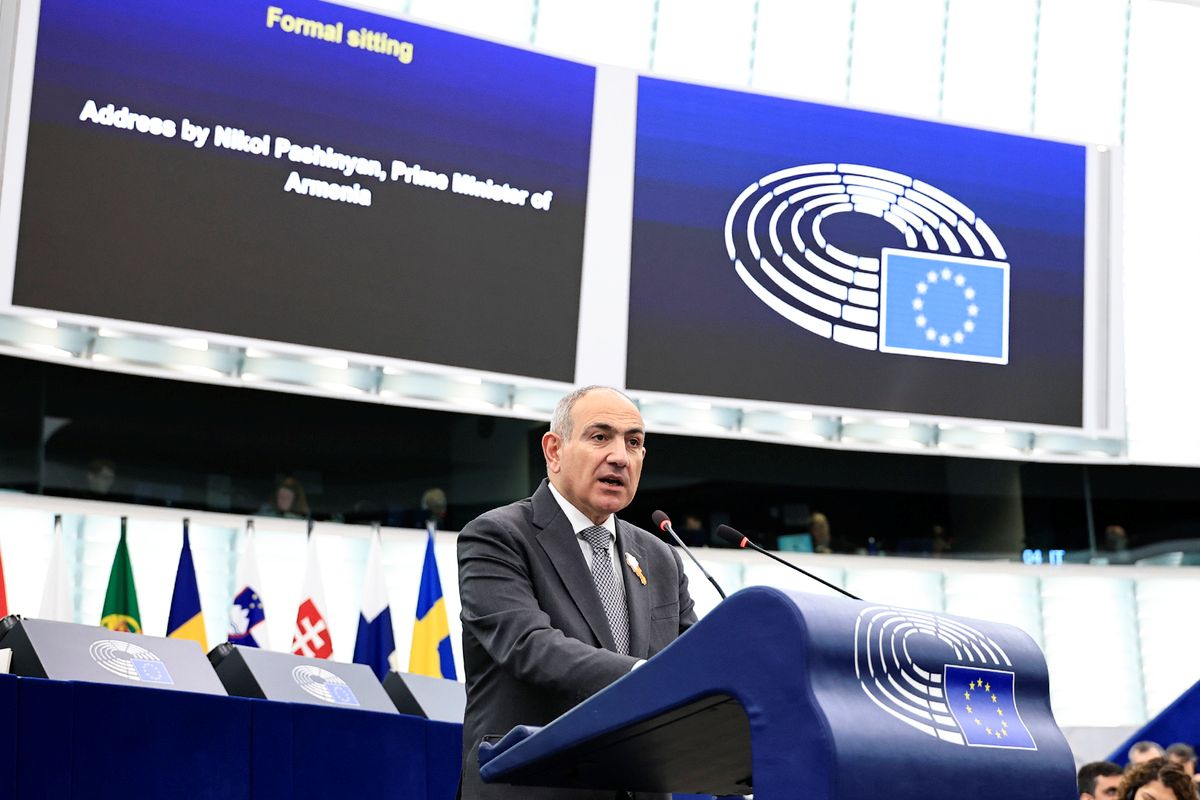
Pashinyan said the European Union had long been Armenia’s main partner in implementing democratic reforms, noting that this cooperation had begun well before the 2018 revolution that brought his government to power.
“The question is how effectively and sincerely this programme was implemented. Now, after the elections, I believe we have an important opportunity to relaunch Armenia’s democratic reform agenda.”
The prime minister said previous governments had been unable to devote full attention to the reform process because Armenia had repeatedly faced major challenges, including the Covid-19 pandemic, the war and its post-war consequences.
According to Pashinyan, the new level of relations with the EU presents Armenia with a historic opportunity. Reiterating his long-standing position on EU membership, he said it was more important for Armenia to fully, genuinely and comprehensively meet EU standards. He described this as his government’s strategic objective, while noting that accession itself remained a political issue dependent on many factors.
“If we succeed in becoming a member of the European Union, it will be a tremendous achievement. But even if, for some reason, the EU decides not to enlarge any further, we will still benefit, because we will have become a country that fully meets EU standards.”
The prime minister said new opportunities were emerging across the region and that Armenia was transforming from a “dead end of conflict” into a “crossroads of peace”. He added that the European Union had consistently supported Yerevan’s efforts.
“Looking back, we can see how remarkably fast Armenia-EU relations have developed in recent years. There are no signs that this momentum will slow, and I am very pleased about that.”
‘We are not seeking crisis in relations with Russia’
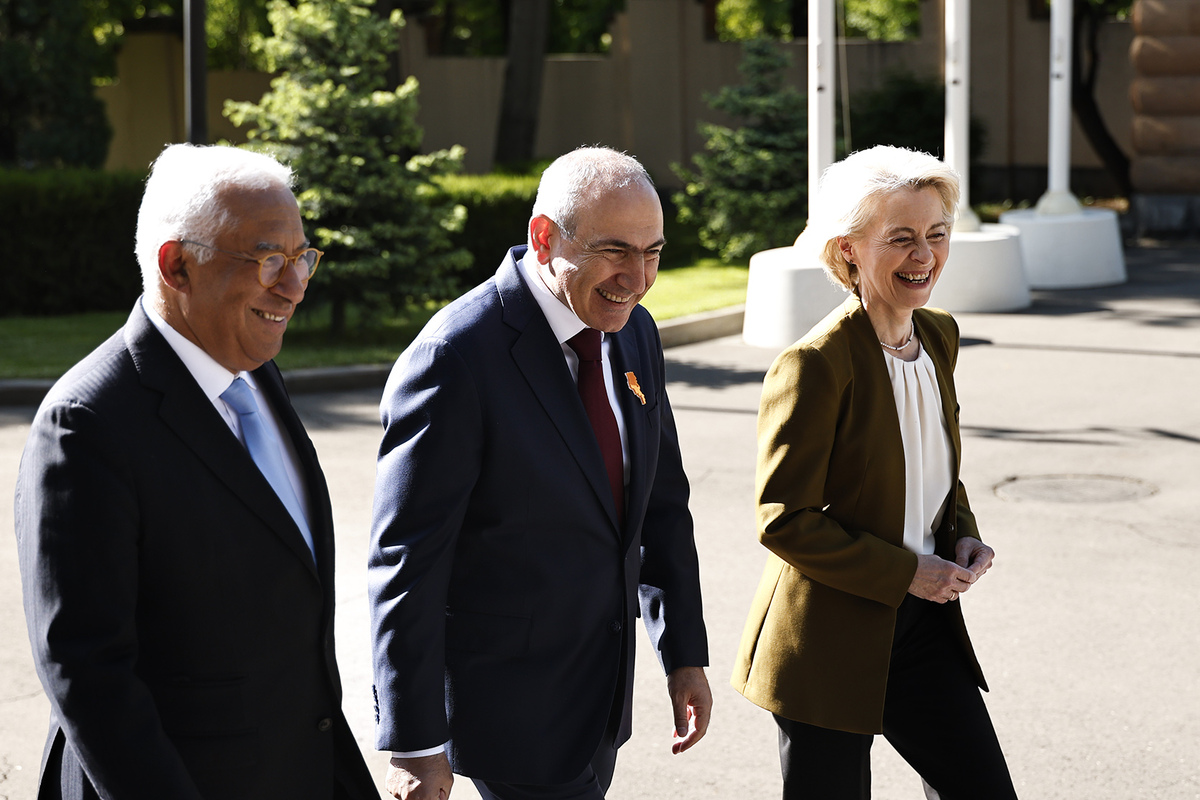
Pashinyan insisted that Armenia would not reverse its course towards closer ties with the European Union, as it did in September 2013, when then-president Serzh Sargsyan abandoned plans to sign an Association Agreement with the EU after talks with Vladimir Putin. Armenia subsequently joined the Russia-led Eurasian Economic Union, then known as the Customs Union.
“That is impossible, especially now that the people of Armenia have clearly expressed their support for the policies we are pursuing, particularly our balanced and measured foreign policy,” he said.
The prime minister stressed that Armenia had never sought, and did not intend in future, to create a crisis in its relations with Russia.
“We act in the interests of our country. Of course, we do not ignore the interests of our international partners. But at the same time, we cannot place the interests of any of our partners above the interests of Armenia,” Pashinyan said.