Pashinyan: 'Eurasian Economic Union must make clear whether it still exists'






Pashinyan questions the EAEU’s future
Armenian Prime Minister Nikol Pashinyan has raised concerns about the Russia-led Eurasian Economic Union (EAEU) during a regular government meeting. He stressed that Armenia would continue to work closely with the bloc despite restrictions on imports of Armenian goods. Armenia has been a full member of the EAEU since 2015. Russia, Belarus, Kazakhstan and Kyrgyzstan also belong to the union.
Pashinyan said the Armenian government does not believe “anything irreversible” has happened in the EAEU market or that Armenia should abandon this area of cooperation.
“We will work very actively. I am confident we will find solutions. If we cannot find solutions, that means something entirely different, first and foremost for the Eurasian Economic Union. The EAEU rests on several fundamental principles: the free movement of labour, goods, services and capital. If those principles do not exist, then the Eurasian Economic Union does not exist,” Pashinyan said.
The prime minister returned to the issue during his regular weekly press briefing after the government meeting.
He said he could understand the situation if the problem proved temporary. “The problem may last for one month, two months or three months. But if it remains unresolved in the fourth month, that means the EAEU does not exist. If the EAEU itself says it does not exist, what are we supposed to do then?”
- Opinion: Why Putin hasn’t rushed to congratulate Pashinyan on his election victory
- Fact-checkers expose alleged Russian FSB interference in Armenia’s parliamentary elections
- ‘We are not inclined to create tension’ – Yerevan responds to Moscow’s claims of ‘unfriendly steps’
- What’s behind Russia’s hostile response to Armenia’s deepening ties with EU?
Diversification is under way in other EAEU member states, but without public announcements
Pashinyan said he expects the Eurasian Economic Union to give a clear answer on whether it still exists.
“We say it does. As a member state, we believe some kind of misunderstanding has occurred.”
The prime minister argued that the developments in Armenia would, at the very least, raise serious concerns among the union’s other members.
“We discuss diversification at government meetings. I am convinced the same process is under way in several EAEU member states, but they are not announcing it publicly. They will see what is happening as a risk that they, too, could face.”
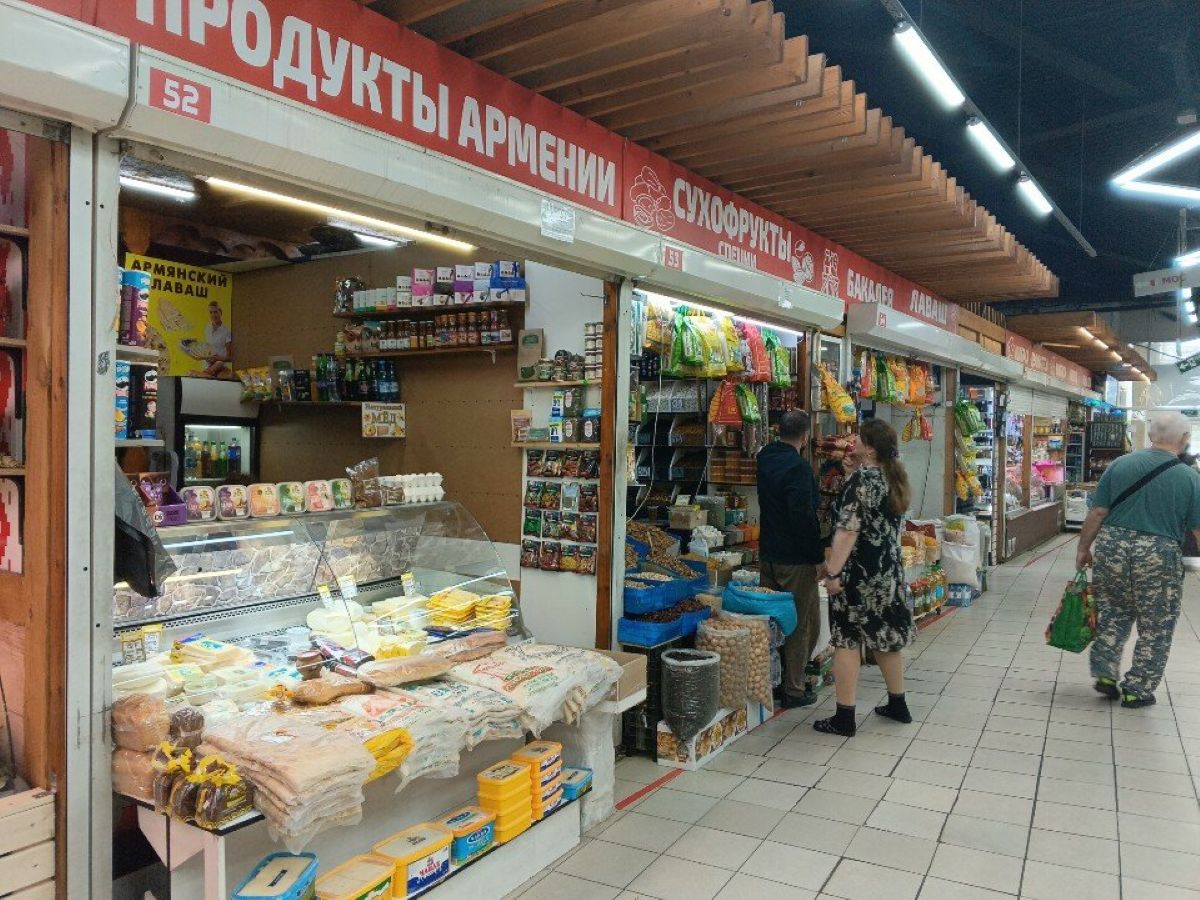
Armenia’s government has questions for the EAEU
Pashinyan said several issues now require discussion within the Eurasian Economic Union. He added that he intends to raise them at the first available opportunity.
Among other things, the Armenian prime minister questioned a statement on Armenia that the EAEU adopted in his absence. He said the bloc needed to clarify what it meant.
“We need to understand whether any EAEU member state can simply wake up one day and adopt such a decision about another member. In my view, if the answer is yes, then the EAEU is declaring its own dissolution.”
Pashinyan said Armenia would draw the appropriate conclusions if that proved to be the case.
“There must be a very clear answer: does the EAEU exist or not? If it does, we will define our position. If it does not, there will be little need to position ourselves.”
On 29 May 2026, the Supreme Eurasian Economic Council held a meeting. Pashinyan did not attend because Armenia was in the middle of an election campaign. The presidents of the four other EAEU member states — Russia, Kazakhstan, Belarus and Kyrgyzstan — adopted a statement calling on the Armenian authorities to hold a referendum as soon as possible on choosing between the EAEU and the European Union.
Pashinyan responded that he currently sees no grounds for holding such a referendum.
“Until Armenia formally applies for EU membership or comes close to obtaining EU candidate status, it makes no sense to hold any referendum,” he said.
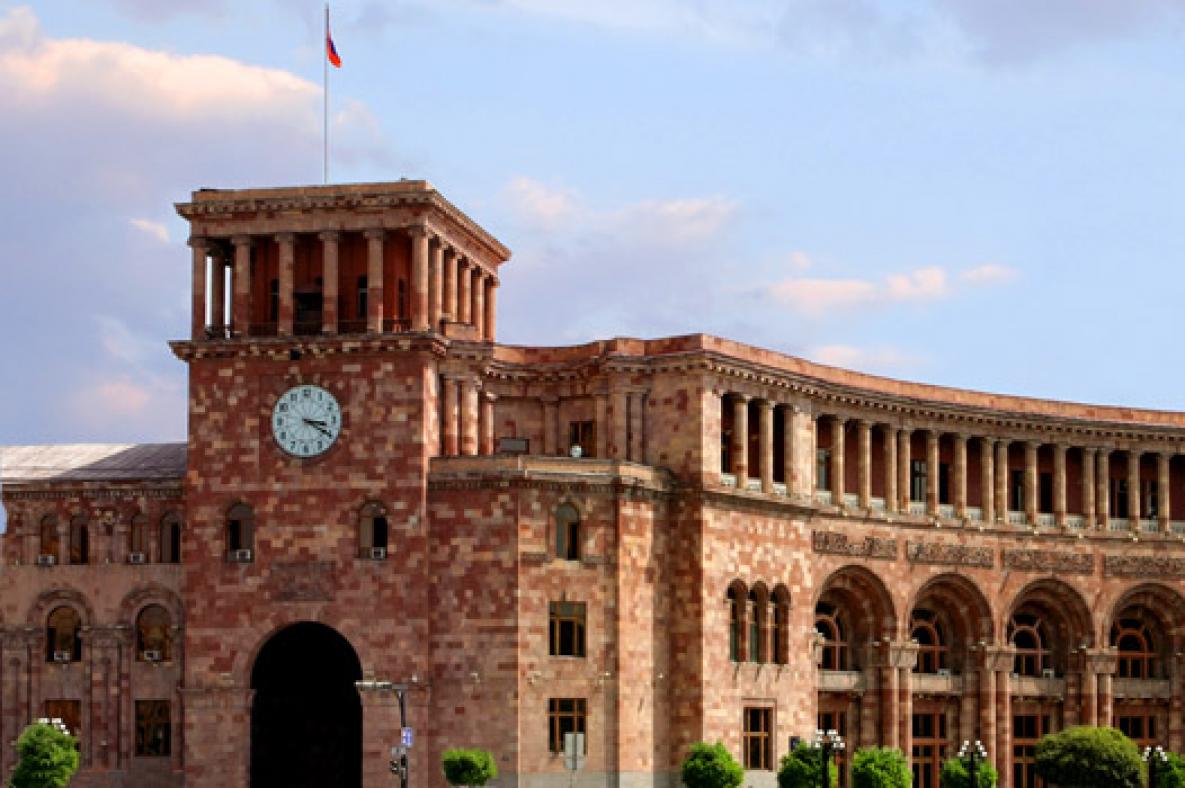
The union could face an “inevitable” collapse
During the briefing, the prime minister again insisted that Armenia has no plans to leave the Eurasian Economic Union. At the same time, he said the current situation cannot but cause concern.
Pashinyan argued that the developments should also worry the bloc’s other member states.
“Are the other EAEU members unconcerned by Armenia’s experience? Of course they are, because everyone understands that the same thing could happen to them. If we do not resolve this situation quickly, it will lead to the inevitable collapse of the EAEU.”
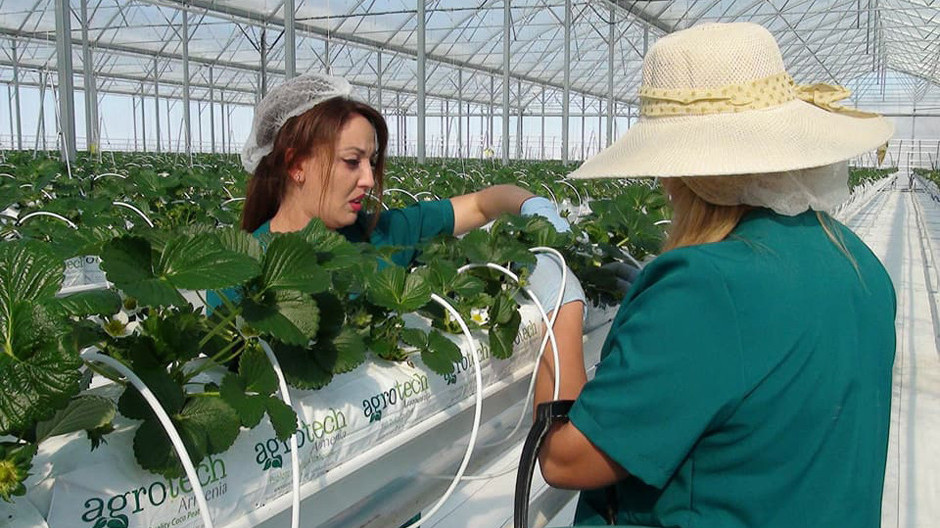
Context
In the run-up to Armenia’s parliamentary elections, Russia imposed restrictions on imports of Armenian fruit and vegetables. It also banned imports of flowers, Jermuk mineral water, certain alcoholic beverages and fish products from Armenia. Russian authorities formally justified the measures by citing sanitary and phytosanitary violations.
Armenian analysts argued that the restrictions reflected the political climate ahead of the election. Some said Moscow was trying to support pro-Russian politicians taking part in the vote. They, along with Armenian politicians, expected Russia to begin lifting the restrictions gradually after the election. Prime Minister Pashinyan also said he had spoken to Russian President Vladimir Putin by phone. According to Pashinyan, they agreed to meet after the election and “resolve all the issues”.
The final election results are now in. Pashinyan’s Civil Contract party secured a parliamentary majority. However, Putin has yet to congratulate him on the victory, and the trade restrictions remain in place.
Meanwhile, the Armenian government has introduced a number of business support programmes in response to the Russian restrictions. Exports from Armenia, including to EU countries, are also gaining momentum. European Commission President Ursula von der Leyen is due to visit Yerevan next week. Pashinyan said one of the key items on the agenda would be easier access for Armenian agricultural products to EU markets. He added that Armenia could receive “exceptional opportunities”.
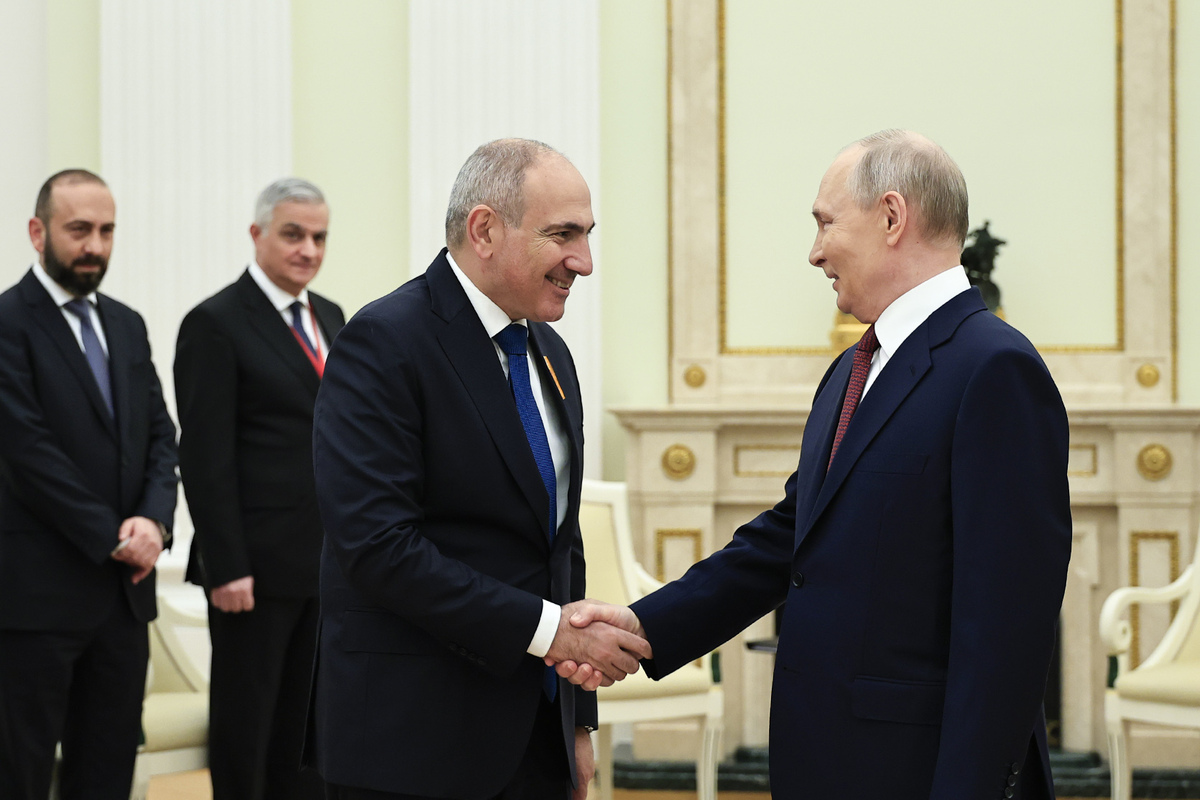
Pashinyan questions the EAEU’s future