Eight Turkish parliamentary parties call for ending Abkhazia's isolation






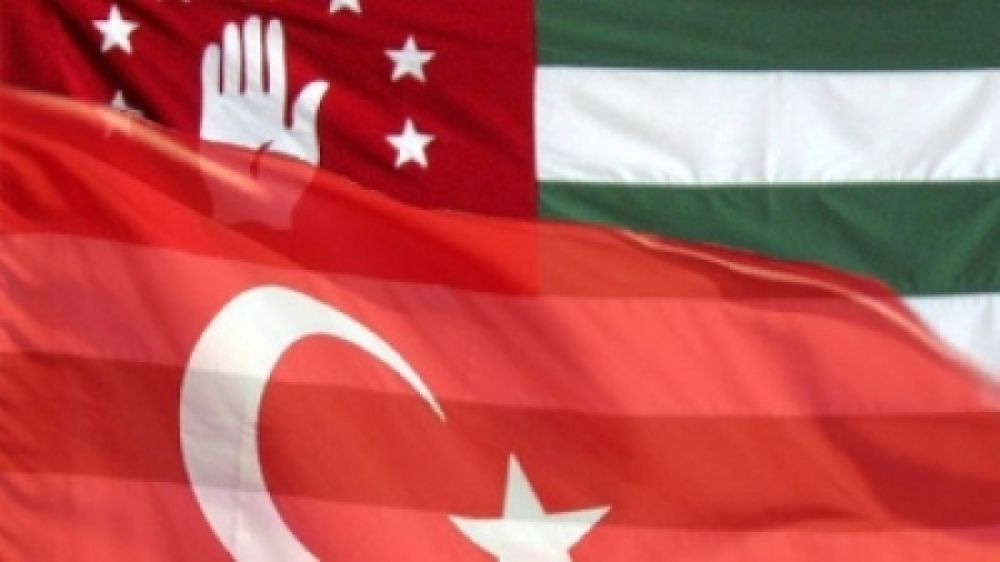
Eight parliamentary parties in Turkey have called for an end to Abkhazia‘s isolation. The initiative primarily calls for Turkey to recognise the Abkhaz passport as a valid document for crossing the Turkish border, as well as for direct sea and air links between Turkey and Abkhazia to open.
Representatives of opposition factions announced the initiative at a joint press conference in the Turkish parliament. The initiative forms part of the “End Abkhazia’s Isolation” public campaign, which the local diaspora launched in early July 2026. The diaspora organised the campaign.
“Just imagine: hundreds of thousands of people of Abkhaz origin and their relatives live in Turkey, yet the Abkhaz passport is not valid here. Abkhaz people cannot travel to Turkey to attend the funerals of their relatives, while young people cannot enrol in universities.
These are the realities of international relations. Sometimes states are prepared to turn a blind eye to tragedies and anti-democratic practices that affect their own citizens’ relatives.
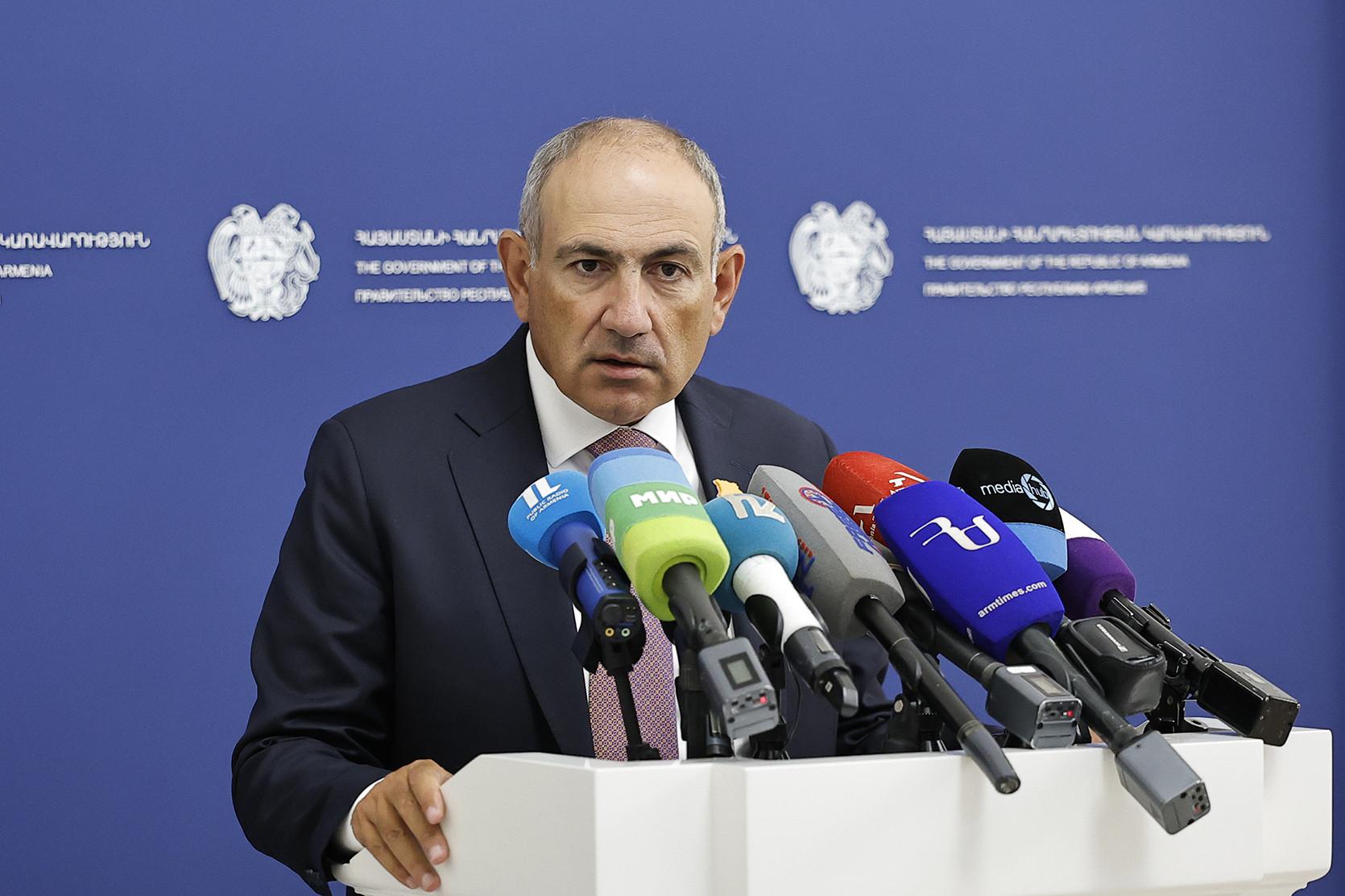
We are saying openly: Abkhaz passports must be recognised as valid documents at our border crossings. This disgrace must come to an end,” said Tuncer Bakırhan, an MP from the Democratic Party.
The eight parliamentary parties calling for an end to Abkhazia’s isolation represent a broad range of political forces, from the far right to the far left. What unites them is that they are all in opposition. The largest of them is the Yeni Parti (“New Party”), which has 91 MPs in the current parliament. Together, the eight parties hold 166 of the 600 seats in parliament.
The support from the opposition parties was not welcomed by the leadership of the Federation of Abkhaz Cultural Centres in the Republic of Turkey. More precisely, the Federation’s leadership appears to have objected not to the MPs themselves, but to the organisers of the “End Abkhazia’s Isolation” campaign.
The Federation does not dispute the campaign’s demands: recognition of Abkhaz passports and the opening of transport links between Abkhazia and Turkey. Its objections concern the “right to represent” and the “right to initiate” such efforts.
In Abkhazia, the Federation’s reaction was met with strong criticism from both politicians and civil society representatives.
“If any Abkhaz person in Turkey or elsewhere makes progress on our common cause, we should all support them and, if possible, join them, rather than argue over who is authorised to do what.
If our representatives in Turkey focus solely on preserving the language and culture, they should not interfere with those working to advance the political cause. If they consider such advocacy part of their remit, they should join them. That is how it looks from Abkhazia,” said Duat Khutaba, head of the Abkhaz parliament’s Committee on Legislation.
The terminology, place names and views expressed in this article are those of the author and do not necessarily reflect the editorial position of this website.
Campaign to end Abkhazia’s isolation