'There are signs Armenia is heading for 'divorce' from the Russian-led EAEU,' says Armenian political analyst






Possible developments in Armenia-EAEU relations
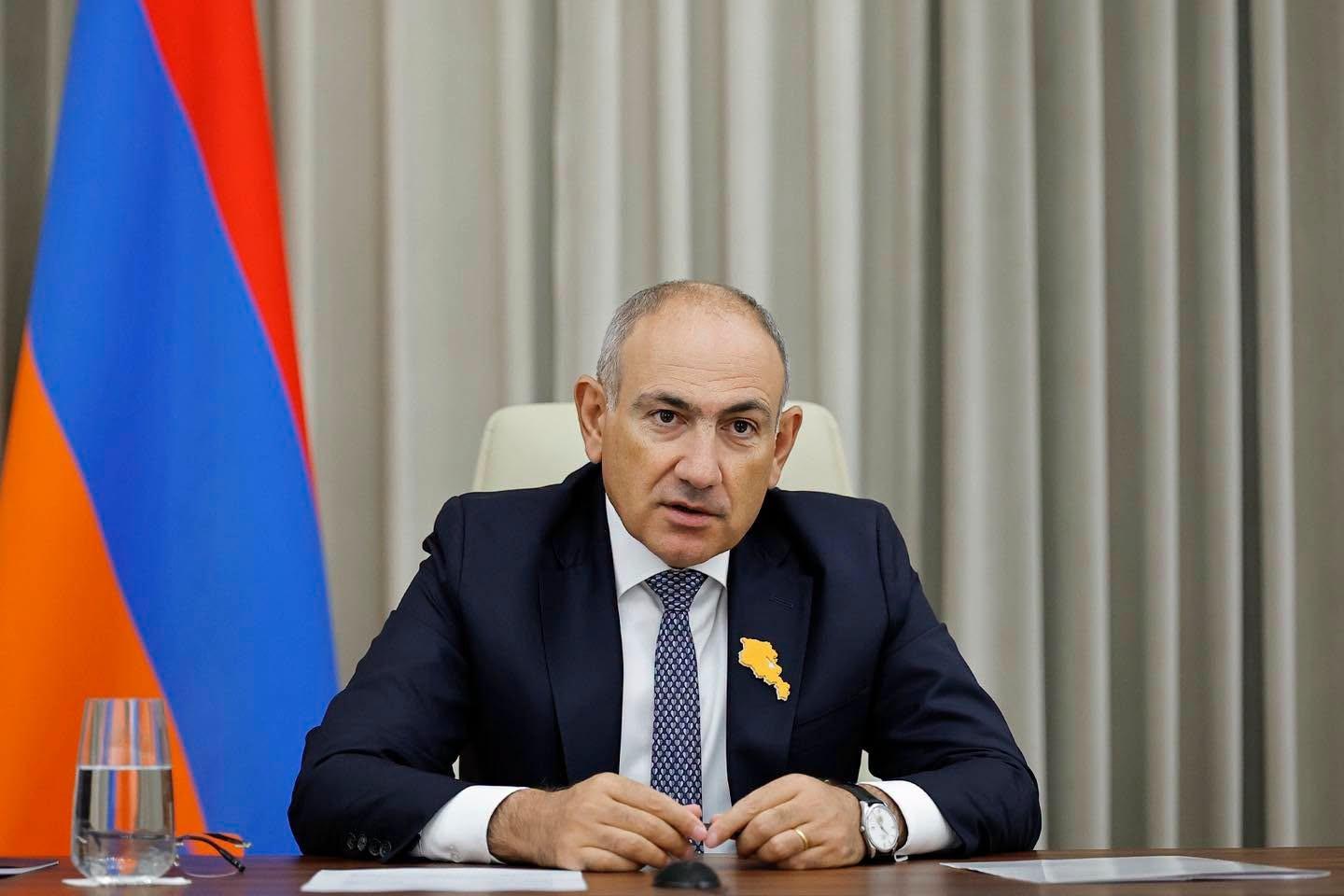
Armenian Prime Minister Nikol Pashinyan has travelled to Kyrgyzstan for a two-day working visit to attend a meeting of the Eurasian Intergovernmental Council. The agenda includes economic cooperation, trade, transport, customs regulation and integration within the Eurasian Economic Union (EAEU).
Pashinyan’s visit comes amid Russian restrictions on Armenian goods and growing tensions between the two countries.
Before the Eurasian Intergovernmental Council convened, Russian Deputy Prime Minister Alexei Overchuk said trade between Armenia and Russia had fallen by two-thirds. He described the decline as “dramatic”.
Armenia’s prime minister has urged people to see the situation not as a crisis but as an opportunity to diversify the country’s economy.
At the same time, Armenian analysts say there are signs of a “divorce” from the EAEU. Some believe Yerevan may now decide to make a sharp and irreversible break.
- Russia destroyed 40,000 Armenian roses shipped via Belarus
- Pashinyan: ‘Eurasian Economic Union must make clear whether it still exists’
- ‘No grounds for referendum yet’: Yerevan responds to calls to choose between EU and EAEU
- Russia’s pressure on Armenia ahead of elections: economy as tool of influence
Russian Deputy Prime Minister Alexei Overchuk said:
“We expected the situation now unfolding between the EAEU and Armenia. Over the past three to four years, we repeatedly warned our Armenian colleagues about these risks, including the risk of a decline in trade.
“In 2024, trade between Russia and Armenia reached a record high of around $12bn. That was a huge figure. Last year, it fell to about $8bn.
“This year, however, trade has dropped dramatically. It is down by around two-thirds compared with 2025. The current trend suggests it will continue to decline.”

Pashinyan: “The EAEU is de facto paralysed”
The Armenian prime minister says Russian restrictions on Armenian goods are not only Armenia’s problem but also a problem for the EAEU itself.
“In effect, the Eurasian Economic Union is paralysed and no longer functioning. If this issue is not resolved quickly, let me predict that it will mark the beginning of the end for the EAEU,” Nikol Pashinyan said recently.
Russia leads the Eurasian Economic Union. Armenia has been a full member of the bloc since 2015. Belarus, Kazakhstan and Kyrgyzstan are also members.
Pashinyan also said the EAEU was facing a deepening crisis.
“If this issue is not resolved quickly, I am 100% certain that Armenia will overcome this problem, not the EAEU,” he said.
He added that he intended to raise and discuss all outstanding issues within the EAEU itself.
Comment
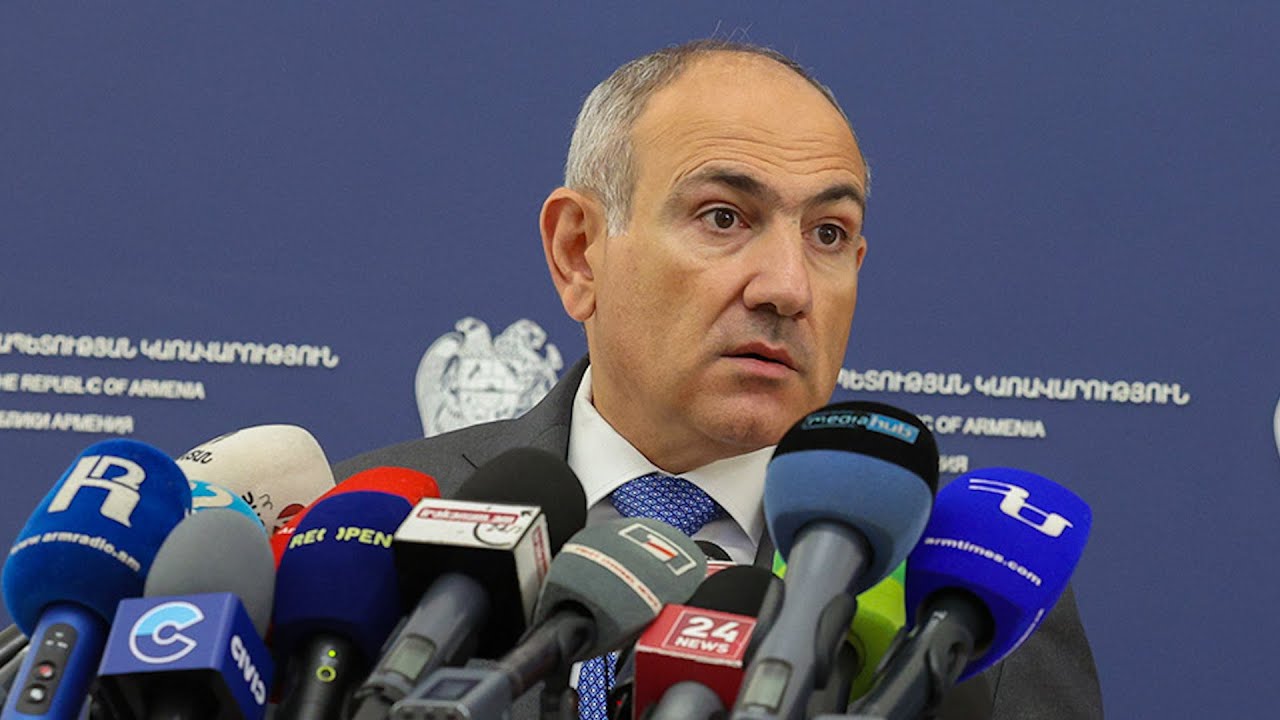
Political analyst Robert Ghevondyan says:
“If Russia’s pressure on Armenia before the elections was mainly aimed at supporting pro-Russian political forces, its increased pressure now is directed primarily at Armenia’s foreign policy and its efforts to diversify its international partnerships.
“Pashinyan openly hinted at this when he said Armenia could not give up its right to have alternatives. The prime minister also warned that continued economic pressure from Russia could trigger the ‘collapse of the EAEU’. Armenia sees the greatest problems within this multilateral framework and is responding through the same framework.
“On 30 July, for example, Armenia banned imports of tomato paste for six months not only from Russia but also from other EAEU member states. This was clearly a signal to its partners that they should not treat Armenia unfairly.
“The situation closely resembles the events of autumn 2022. Azerbaijan attacked Armenia’s sovereign territory and later occupied parts of it. Armenia then called on the Russia-led Collective Security Treaty Organization (CSTO) to fulfil its obligations under the alliance’s rules, but the bloc refused. That refusal ultimately led Armenia to effectively leave the CSTO.
“Four years later, Armenia has virtually no ties with the CSTO. It no longer takes part in the bloc’s activities, funding or meetings. The relationship can be described as a ‘de facto divorce’ between Armenia and the CSTO.
“The situation is harder to imagine in the case of the EAEU because the bloc is far more integrated. It has a common customs regime, a shared pool of financial transfers, and over the past decade Armenia’s economy has adapted to the logic of the EAEU.
“That means a split between Armenia and the EAEU could happen suddenly and completely.
“The first signs of the mutual disappointment that usually precedes a ‘divorce’ are already clear.”
Context
Russia imposed restrictions on imports of Armenian fruit and vegetables ahead of Armenia’s parliamentary elections. It also banned imports of flowers, Jermuk mineral water, certain alcoholic drinks and fish products, citing quality concerns.
Armenian officials and analysts, however, viewed the measures through the prism of the election campaign. Most analysts expected Russia to ease the pressure after the vote. Instead, Moscow not only kept the restrictions in place but introduced new ones.
In response, the Armenian government launched support programmes for businesses. Exporters began redirecting shipments to the Middle East and the European Union. The EU is also expected to approve a scheme granting autonomous trade measures for Armenian products. The plan would provide significant trade preferences for Armenian exports. Armenia would become the first country without EU candidate status or a free trade agreement with the bloc to benefit from the mechanism.
At the same time, Moscow has urged Armenia to decide quickly whether it wants to move towards the EU or remain in the EAEU. It has also called for a referendum on the issue.
Yerevan says there are currently no grounds for holding such a referendum. Armenian officials argue that the country should first obtain EU candidate status or, at the very least, formally place the issue on the political agenda.
The issue of a referendum also came up during a phone call between Pashinyan and Putin on 27 July, Kremlin spokesman Dmitry Peskov said.
However, the Kremlin’s readout of the conversation omitted Pashinyan’s response that it was too early to hold a referendum. It also made no mention of the prime minister raising Russia’s restrictions on Armenian imports. Pashinyan later said the measures “contradict the legal framework governing Armenia-Russia relations and the regulations of the Eurasian Economic Union”. He called for urgent steps to resolve the issue.
Possible developments in Armenia-EAEU relations