Opinion: What MEDİA roundtable in Baku revealed about ‘president’s peace strategy’






Ilham Aliyev’s peace strategy
The author of this analysis has chosen to remain anonymous.
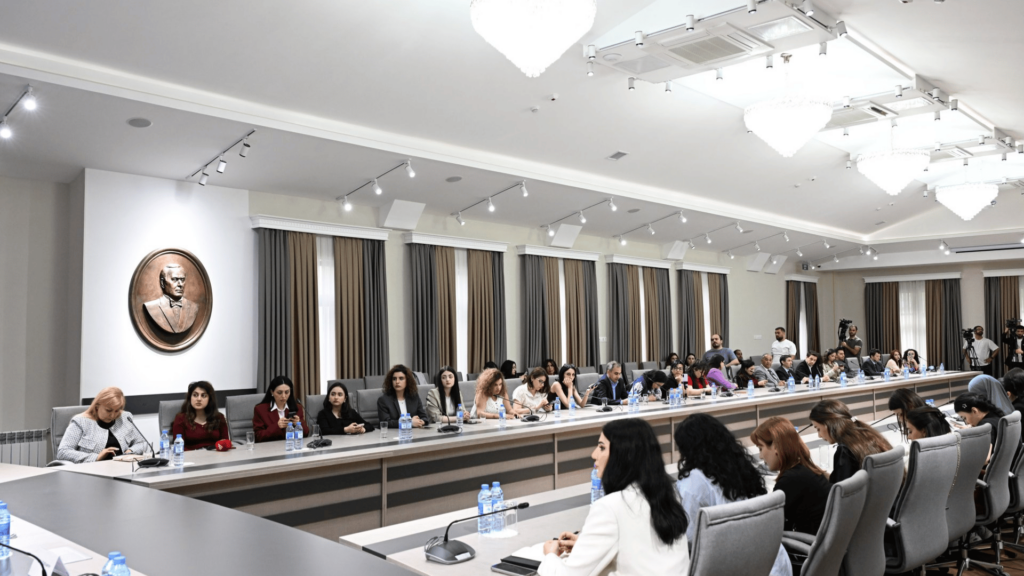
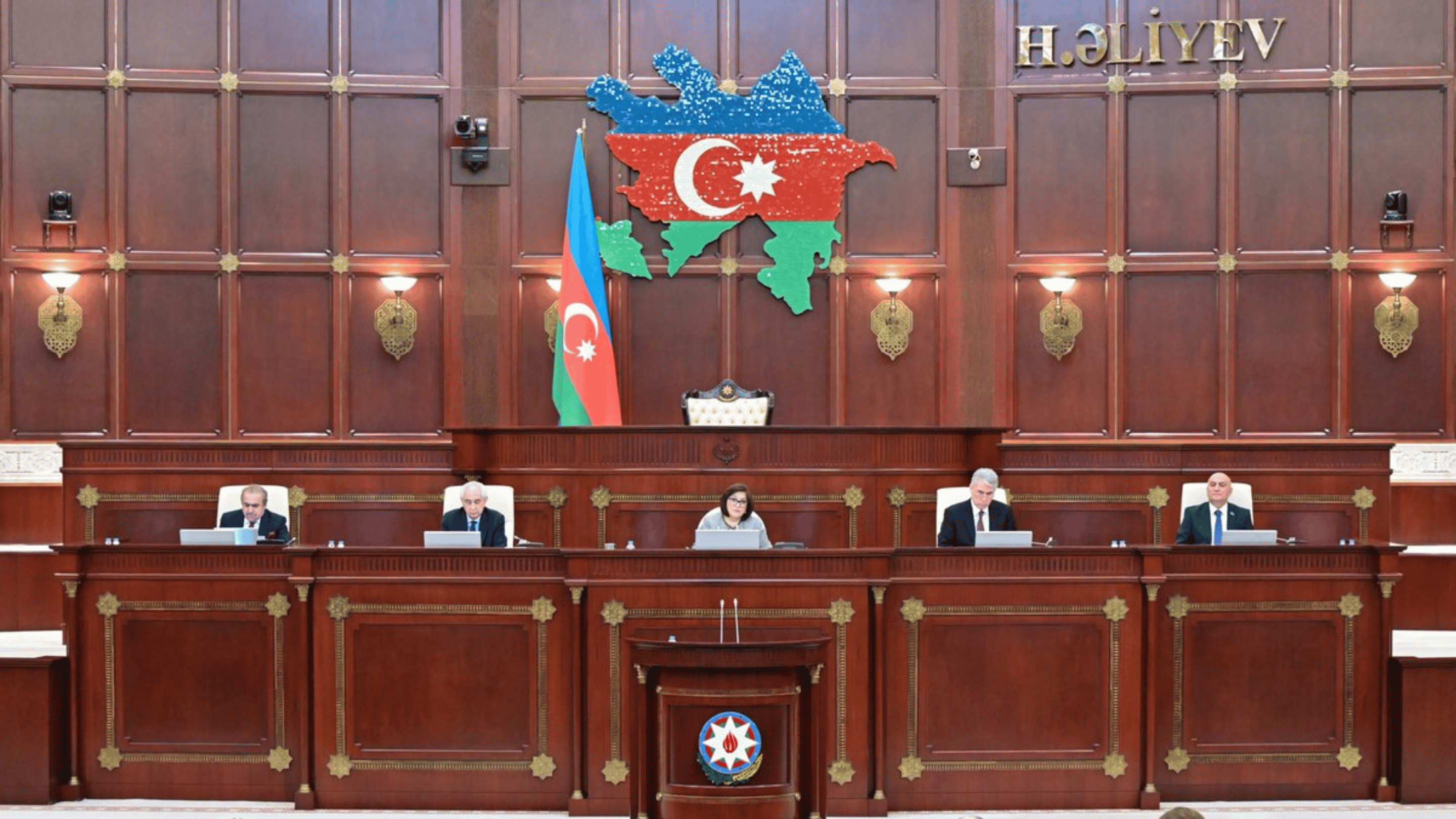
The roundtable organised by Media Development Agency of Azerbaijan (MEDİA) in Baku looked more like a platform for political signalling than a conventional media event.
At the 12 May discussion, titled “President Ilham Aliyev’s peace strategy is a guarantor of stability”, organisers said the aim was to promote the peace agenda, expand international cooperation and ensure the public was “properly informed”.
Notably, the state body responsible for regulating and supporting the media sector focused less on the challenges facing journalism and more on how the president’s peace policy should be communicated.
Another detail made the event stand out. On its own website, MEDİA described the roundtable in softer, more technocratic language, while Azernews — a publication seen as close to the agency — portrayed the meeting in more explicitly political terms.
In particular, the report highlighted comments by Natig Mammadli that Azerbaijani media should actively promote ideas of peace internationally, while the media itself was described as “one of the sharpest weapons” against disinformation.
The gap between the official summary and the more combative interpretation is perhaps the most revealing aspect of the event.
Who took part in the event and what was discussed?
According to official information, participants in the roundtable included former foreign minister Tofig Zulfugarov, MPs Fariz Ismailzade and Rizvan Nabiyev, as well as historian Rizvan Huseynov. The discussion was moderated by MEDİA deputy executive director Natig Mammadli.
In MEDİA’s official summary, Mammadli linked President Ilham Aliyev’s policies to stronger regional cooperation, constructive dialogue and building long-term trust. Other speakers highlighted Azerbaijan’s peace initiatives, its balanced foreign policy and the importance of regional links.
However, the most notable aspect of the event was not the neutral language of the official summary, but the more confrontational messages that appeared in pro-government media coverage.
According to a report by Azernews, Tofig Zulfugarov said some actors continued to pursue policies directed against Azerbaijan and its allies, and that the need for constant vigilance remained even after the 44-day war and the military operations of 2023. He also portrayed the OSCE Minsk Group less as a conflict-resolution mechanism and more as a tool for managing the region.
Rizvan Huseynov, meanwhile, criticised what he described as France’s neo-colonial approach, saying Armenia was viewed by Paris as an “outpost”. Mammadli concluded by stressing that the media’s main role was to promote peace globally.
These sharper political messages were absent from MEDİA’s official summary and appeared mainly in reports by pro-government outlets covering the event.
Context
To understand the significance of the event, it is important to consider the new reality that has emerged since 2020. The trilateral statement signed on 10 November 2020 brought the 44-day war to an end, established a ceasefire and led to the deployment of Russian peacekeepers.
In September 2023, Azerbaijan carried out a short military operation in Karabakh and effectively regained full control over the region. More than 100,000 ethnic Armenians subsequently fled to Armenia. The humanitarian situation around the Lachin corridor prompted concern for several months from the International Committee of the Red Cross and other international organisations.
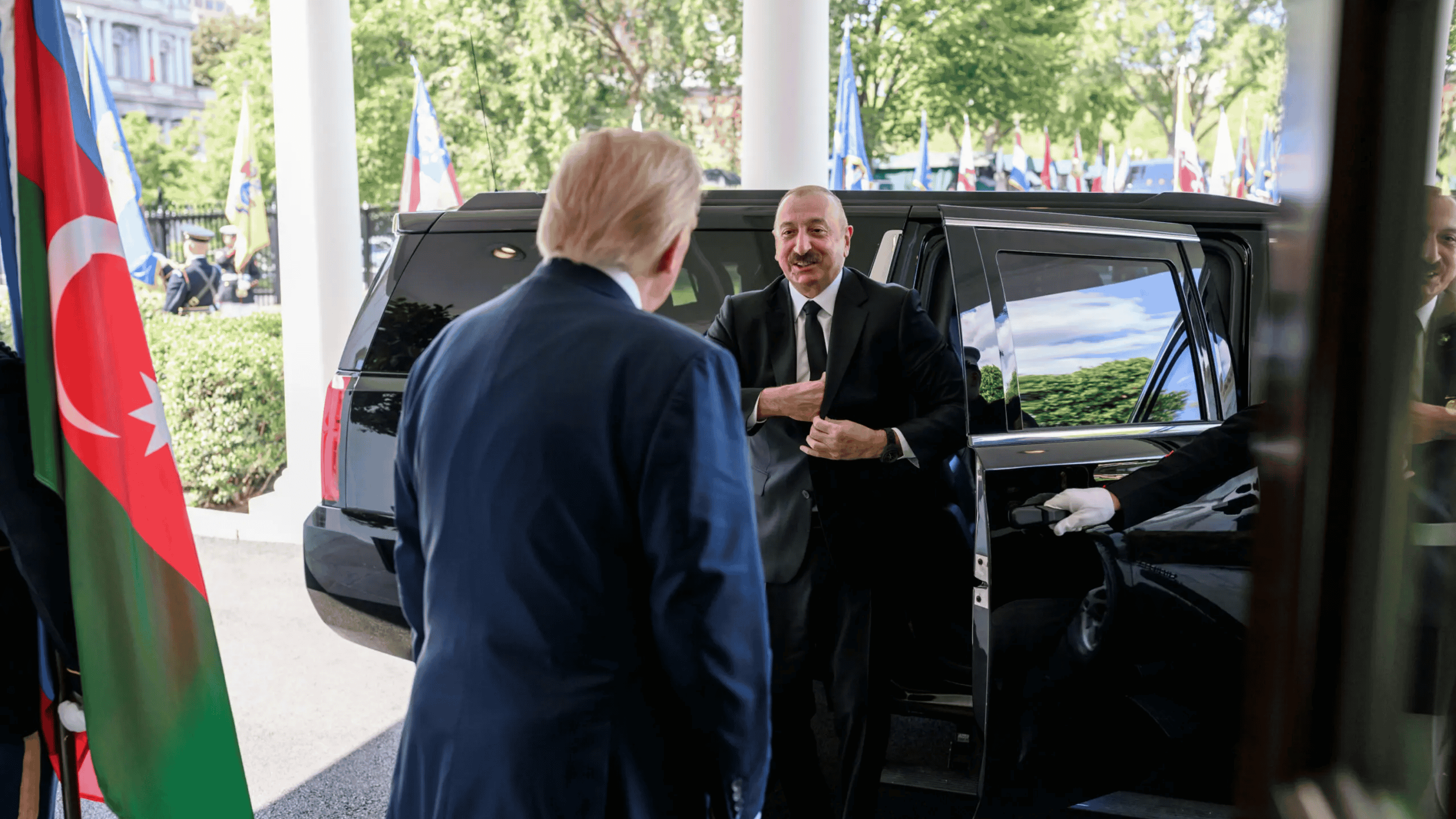
After that, discussions shifted away from the issue of “status” towards borders, transport routes and interstate relations. In March 2025, the foreign ministries of Azerbaijan and Armenia confirmed agreement on the text of a draft peace treaty, and in August of the same year the document was formally initialled in Washington.
At the same time, a joint appeal was signed calling for an end to the OSCE Minsk Group process and related structures. A 2026 US intelligence assessment said the development was contributing to greater regional stability.
Against this backdrop, on 10 May in Zangilan, President Ilham Aliyev said Azerbaijan was living “in peacetime conditions”, while arguing that the country must remain vigilant. He also openly criticised European observers.
Baku’s new media strategy
The decision for MEDİA to host such an event does not appear accidental. The agency was established by presidential decree in 2021, oversees the media register and, according to its mandate, is responsible both for developing the media sector and shaping the rules that govern it.
At the same time, the Council of Europe’s Commissioner for Human Rights, the Venice Commission and Committee to Protect Journalists have warned that Azerbaijan’s 2022 media law strengthens state control, while the register and other mechanisms could have a chilling effect on press freedom.
In that context, a conference centred on the “peace strategy” looks less like a seminar and more like a signal that media policy is becoming increasingly intertwined with strategic messaging.
What does the call for Azerbaijani media to “promote peace internationally” mean?
The simplest answer is a more coordinated effort to project the official narrative abroad. That includes themes such as the reconstruction of Karabakh, the opening of transport routes, combating disinformation, Western double standards and presenting Azerbaijan as a force for regional stability.
The same language has appeared in other remarks by event participant Natig Mammadli: disinformation, information security, media literacy and institutional mechanisms. The discussion was not only about peace itself, but also about the terms in which that peace should be presented.
The apparent contradiction between the official “peace strategy” and the tougher rhetoric used by Tofig Zulfugarov and others stems from this. From the outside, “peace” and “constant vigilance” may appear contradictory. Yet in Baku’s official discourse, the two are often combined into a single approach: peace is presented not as the result of compromise, but as a new order shaped by military and political advantage.
The same logic was visible in President Ilham Aliyev’s speech in Zangilan. Azerbaijan portrays itself as the architect of peace while maintaining a warning tone towards Armenia and its external partners. In that sense, the language of the event was closer to the language of post-war advantage than to the language of reconciliation.
The roundtable also indirectly raises questions about media freedom in Azerbaijan. In the 2026 index by Reporters Without Borders, the country ranked 171st out of 180. The organisation said “virtually the entire media sector is under official control”, while independent television and radio outlets inside the country no longer exist.
Freedom House has classified Azerbaijan among the countries with some of the world’s most restrictive internet environments. Meanwhile, Committee to Protect Journalists and Amnesty International said that since late 2023 at least 25 journalists have been arrested, while harsh sentences against journalists from Abzas Media were upheld in April 2026 — a development that continues to raise serious concerns.
Against that backdrop, calls for “media ethics” and the “fight against disinformation” sound less like support for pluralism and more like a demand for discipline.
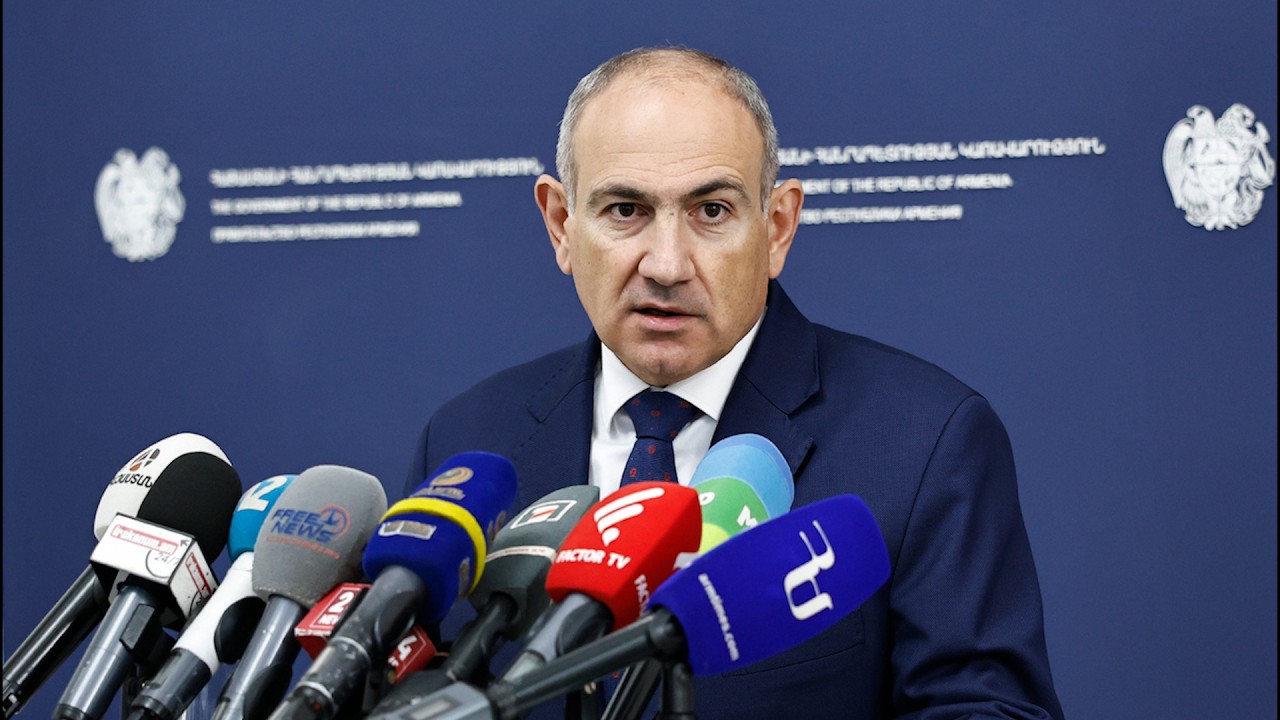
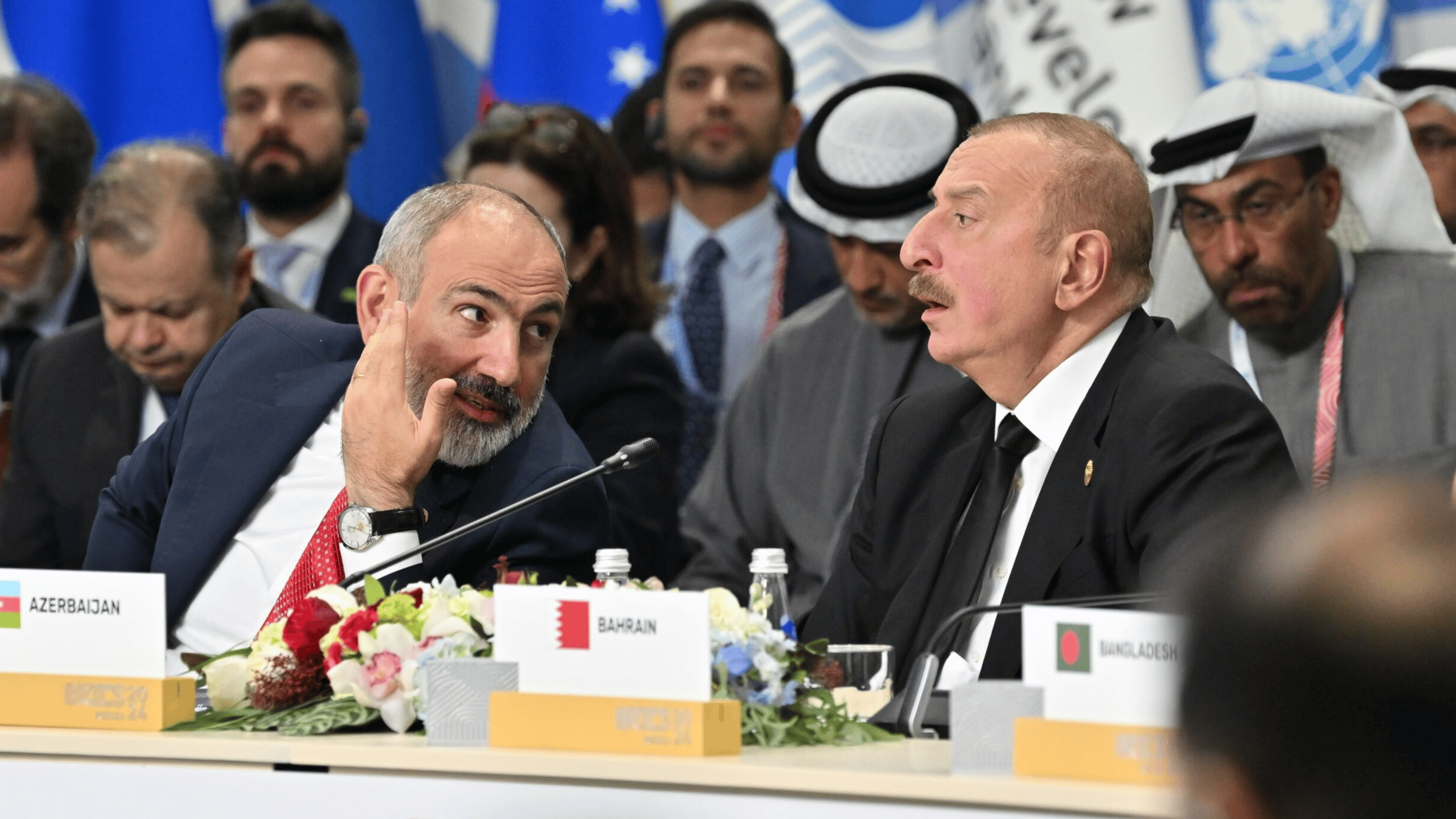
The message also appears to differ depending on the audience. Domestically, it may signal a clearer line for the media: defend the president’s peace agenda and respond to external criticism. In Yerevan, it is more likely to be interpreted as an official communications campaign, particularly given that Armenia’s media environment remains more diverse but also deeply polarised, while negotiations with Azerbaijan remain especially sensitive.
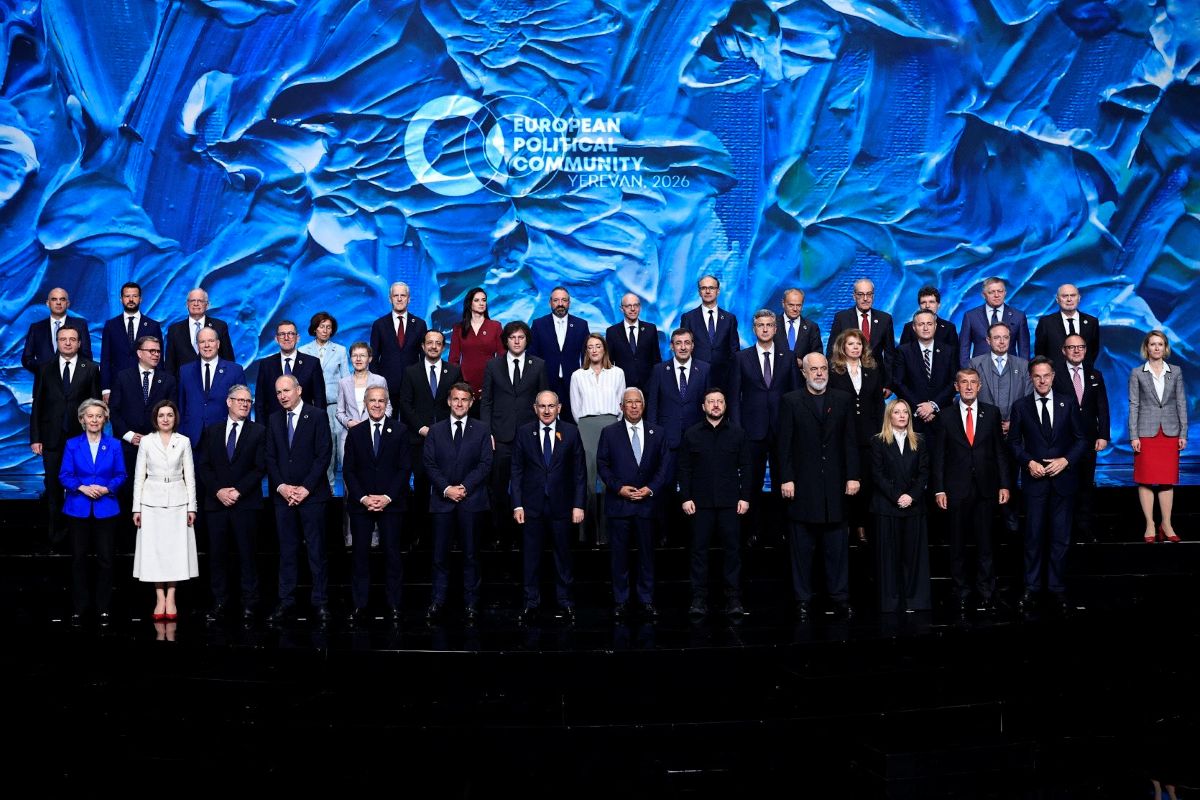
In Brussels, such an approach could be seen as a signal directed against Armenia’s growing rapprochement with the EU. For Washington, however, the key test will be not the rhetoric but whether the initialled agreement is ultimately signed and ratified. Moscow, meanwhile, may view it as another indication that a new regional order is emerging in the South Caucasus as Russia’s mediating role weakens.
The key question for the region remains unresolved
The roundtable held in Baku illustrated Azerbaijan’s current approach: peace diplomacy, post-war legitimacy, institutional mobilisation against disinformation and tight state coordination of the media presented as parts of a single policy.
That is perhaps the event’s defining feature: the media is no longer treated simply as a sector that reports on events, but as a tool for promoting the official version of peace.
Yet the prospects for a lasting peace in the South Caucasus depend less on such discussions than on other factors: the signing and ratification of the initialled agreement, border delimitation, the opening of transport routes on mutually acceptable terms and a reduction in militarised public rhetoric.
Without these steps, the “peace strategy” is likely to remain both a diplomatic proposal and a communication campaign. The central question for the region therefore remains unchanged: will this strategy lead to genuine reconciliation, or merely present a new status quo in a more acceptable and legitimate form?
СIlham Aliyev’s peace strategy