Ex-official accused of espionage says Georgian Dream 'no longer exists'






Former official detained for espionage
Former Bidzina Ivanishvili‘s press secretary and former senior official at Georgia‘s Finance Ministry Investigative Service, Giorgi Udzilauri, who is facing espionage charges, describes his detention as politically motivated.
He claims that one of the main reasons he became a target was his criticism of the authorities’ anti-Western course. Ud zilauri also argues that the Georgian Dream party, which he helped establish, no longer exists in its original form and says the ruling team is willing to sacrifice former allies “without batting an eyelid”.
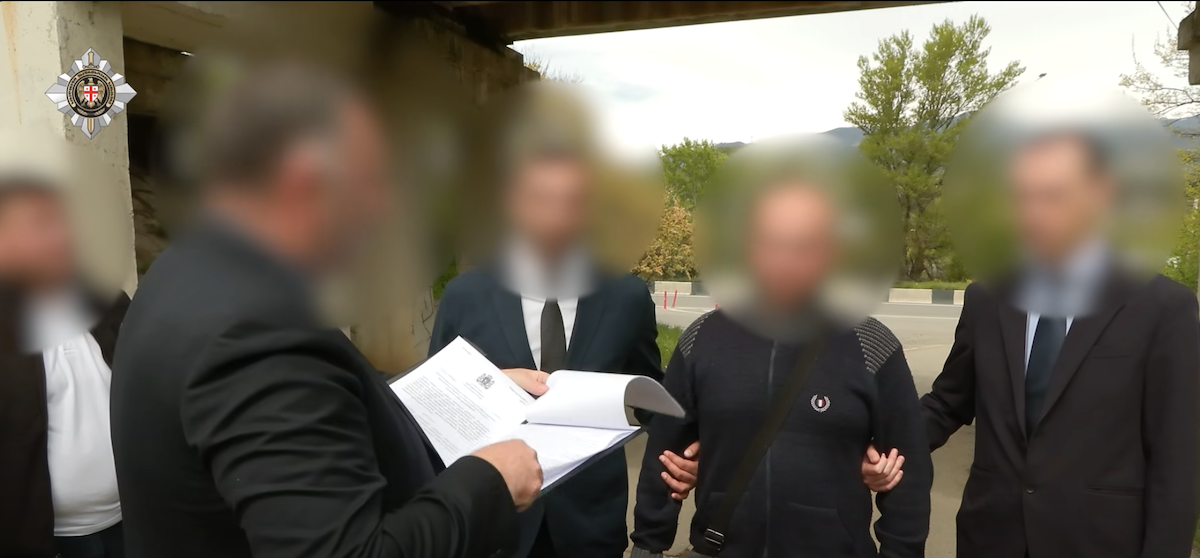
Giorgi Udzilauri was detained by the State Security Service’s Counterintelligence Department on 5 May. According to the Prosecutor’s Office, he systematically collected and passed information to the intelligence service of a foreign state in exchange for financial gain, causing harm to Georgia’s interests.
Udzilauri has been charged under Article 314(1) of Georgia’s Criminal Code, which covers espionage and carries a maximum sentence of 12 years in prison.
In a written statement passed on through his lawyer, Udzilauri reflects on his political journey and argues that the ruling party has abandoned the ideals that originally brought it to power. According to Udzilauri, he was part of the first political group formed around Bidzina Ivanishvili in 2011, which campaigned against the government of former President Mikheil Saakashvili.
Udzilauri writes that his critical view of the former authorities remains unchanged, but argues that Georgian Dream no longer resembles the political force he helped create.
“That inspired and sincere movement no longer exists today. That Georgian Dream is dead,” Udzilauri says.
In his view, the ideals of democratic change and justice were gradually replaced by a desire to hold on to power, while influence within the party shifted to people who had not taken part in the struggle against authoritarian rule.
The former official places particular emphasis on relations with the West. According to Udzilauri, Western partners played an important role in both political consultations and security matters in 2011–2012. He notes that he himself worked closely with American and European specialists, but argues that, amid the authorities’ current anti-Western rhetoric, such ties have now become grounds for suspicion and accusations.
“High ideals have been replaced by the interests of opportunists and an insatiable desire to cling to power won through someone else’s victory. People came to power who neither fought against Saakashvili’s regime before Ivanishvili entered politics nor joined that struggle in 2011–2012. They have no connection to either the ideals or the team spirit of that period. Activists of the old Dream were willing to sacrifice themselves for one another, whereas today’s Georgian Dream leadership sacrifices its own allies without batting an eyelid. They fail to understand that the very West they now portray as an enemy played a role in the struggle and the victory achieved in 2011–2012,” Udzilauri says.
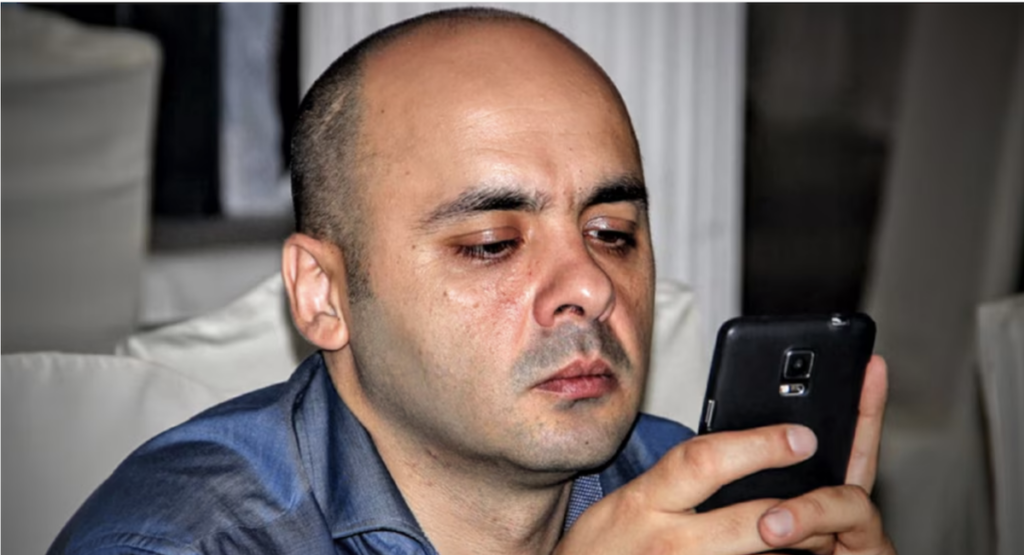
Udzilauri acknowledges that, while serving as an employee of the Investigative Service, he attended pro-European student protests in Tbilisi on two occasions and did not conceal his identity. As such, he argues, the Interior Ministry had every opportunity to identify him.
He also states that he had long been aware that his communications and activities were being monitored. Despite this, he continued to publicly criticise government policies that, in his view, were steering Georgia away from European integration. In his letter, Udzilauri recalls refusing to carry out party assignments when they conflicted with his personal convictions, including participating in campaigns targeting specific political figures.
According to his lawyer, although Udzilauri was warned when he joined the Investigative Service that his phone calls would be monitored, his internet activity tracked, his official vehicle’s location recorded and its interior potentially bugged, he nevertheless placed no restrictions on his meetings, conversations or correspondence.
“Moreover, he openly and enthusiastically mocked the scare stories invented by the authorities to discredit Europe and condemned the harsh treatment of pro-European students, believing that such policies would ultimately lead to a mass exodus of young people from Georgia,” the lawyer adds.
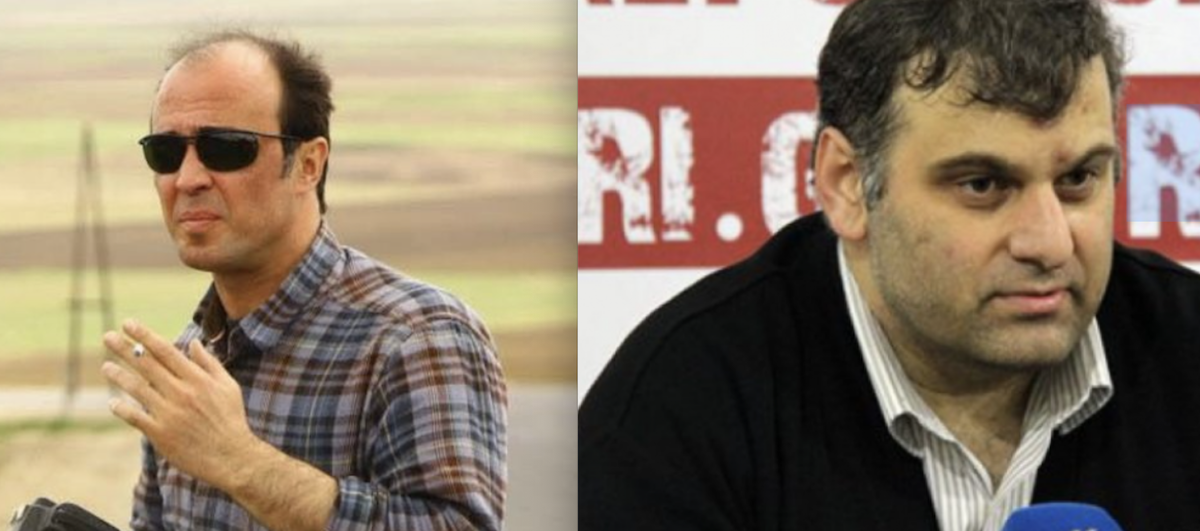
Udzilauri also says that following Russia’s full-scale invasion of Ukraine, he sought to strengthen communication with the Ukrainian side, a move that, according to him, was viewed with suspicion by representatives of the Georgian authorities. In his view, such positions were among the reasons for his political isolation and, ultimately, his criminal prosecution.
The former official describes himself as a conservative and a supporter of Christian democratic values. He argues that protecting national traditions and pursuing European integration are not mutually exclusive. Udzilauri criticises what he sees as growing isolationist tendencies in Georgia’s foreign policy and maintains that the country’s main guarantee of security and stability lies in closer integration with European institutions rather than in a policy based on concessions to Russia.
In the concluding part of his letter, Udzilauri says that his detention is not merely about one individual and should be viewed as part of a broader political message. In his assessment, the case serves as a warning to civil servants who do not share the authorities’ official position and attempt to express dissenting views from within state institutions.