

Opinion: US says Georgia is no longer a partner, cooperation will be selective






Expert opinion on US-Georgia ties
Commenting on the recent US Embassy statement regarding the visit of State Department officials to Georgia, Nodar Kharshiladze, founder of the Strategic Analysis Centre, argues that the biggest challenge in US-Georgia relations is that the Americans no longer trust the ruling Georgian Dream party.
During a TV broadcast, Kharshiladze also commented on the Georgian opposition, arguing that it is now significantly weaker than it was in the aftermath of the 2024 parliamentary elections.
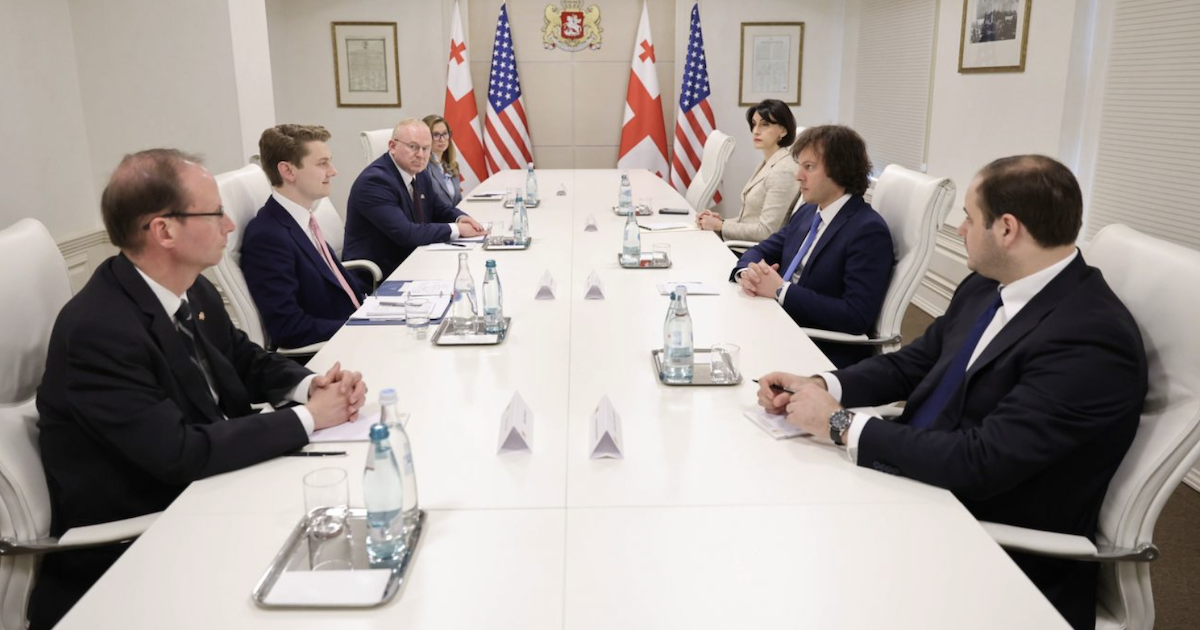
The US Embassy in Georgia issued a statement regarding the meetings held in Tbilisi between a US delegation and representatives of both the government and the opposition. The statement also outlined Washington’s vision for the future of US-Georgia relations. According to the embassy, the US delegation stressed its interest in expanding commercial cooperation with Georgia and discussed specific steps the Georgian government could take to help achieve that goal.
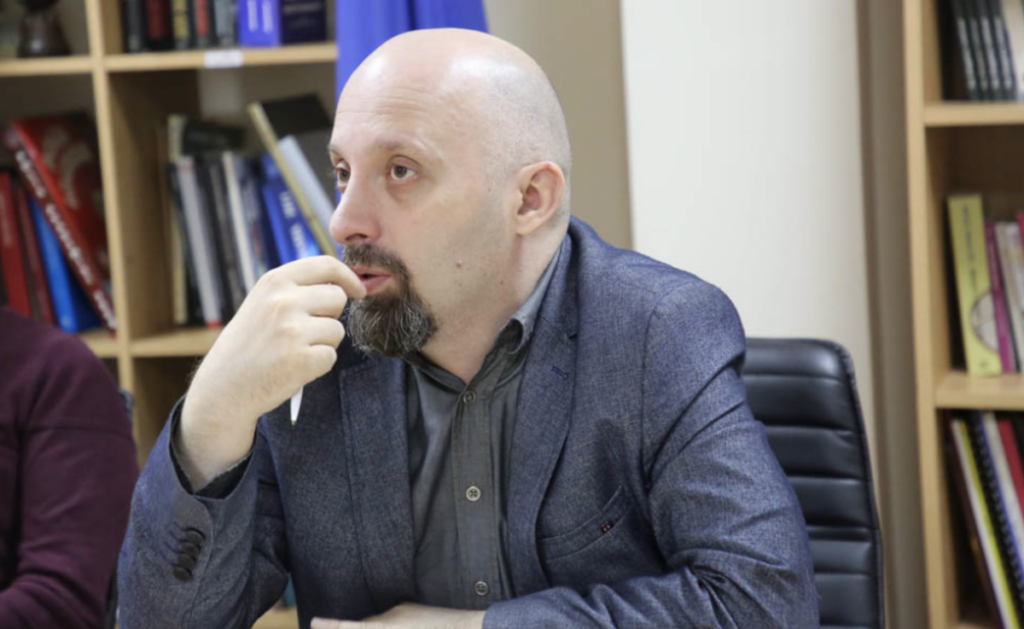
Nodar Kharshiladze: “The Americans have effectively told Georgian Dream: ‘Put your roadmap away.’ They have said: ‘These are the conditions. If you want them, fine. If not, we’ll talk only when we need you.’ The biggest problem is that Georgian Dream is no longer trusted. Its words carry little weight until they are backed up by concrete actions.
There was a time, in 2018–2019, when they were trusted and received assistance in advance. But after Bidzina Ivanishvili threatened to release a recording of a conversation with the US ambassador, that trust was lost. This is exactly how trust breaks down. In international relations, if you want a genuine partnership, trust is of enormous importance
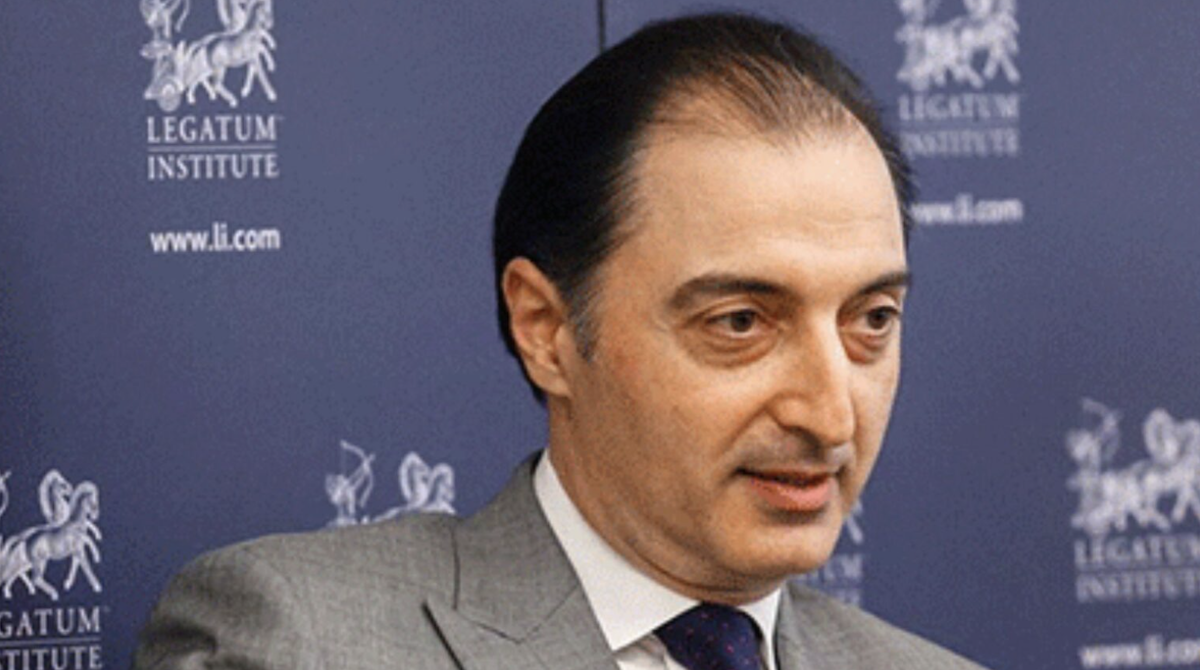
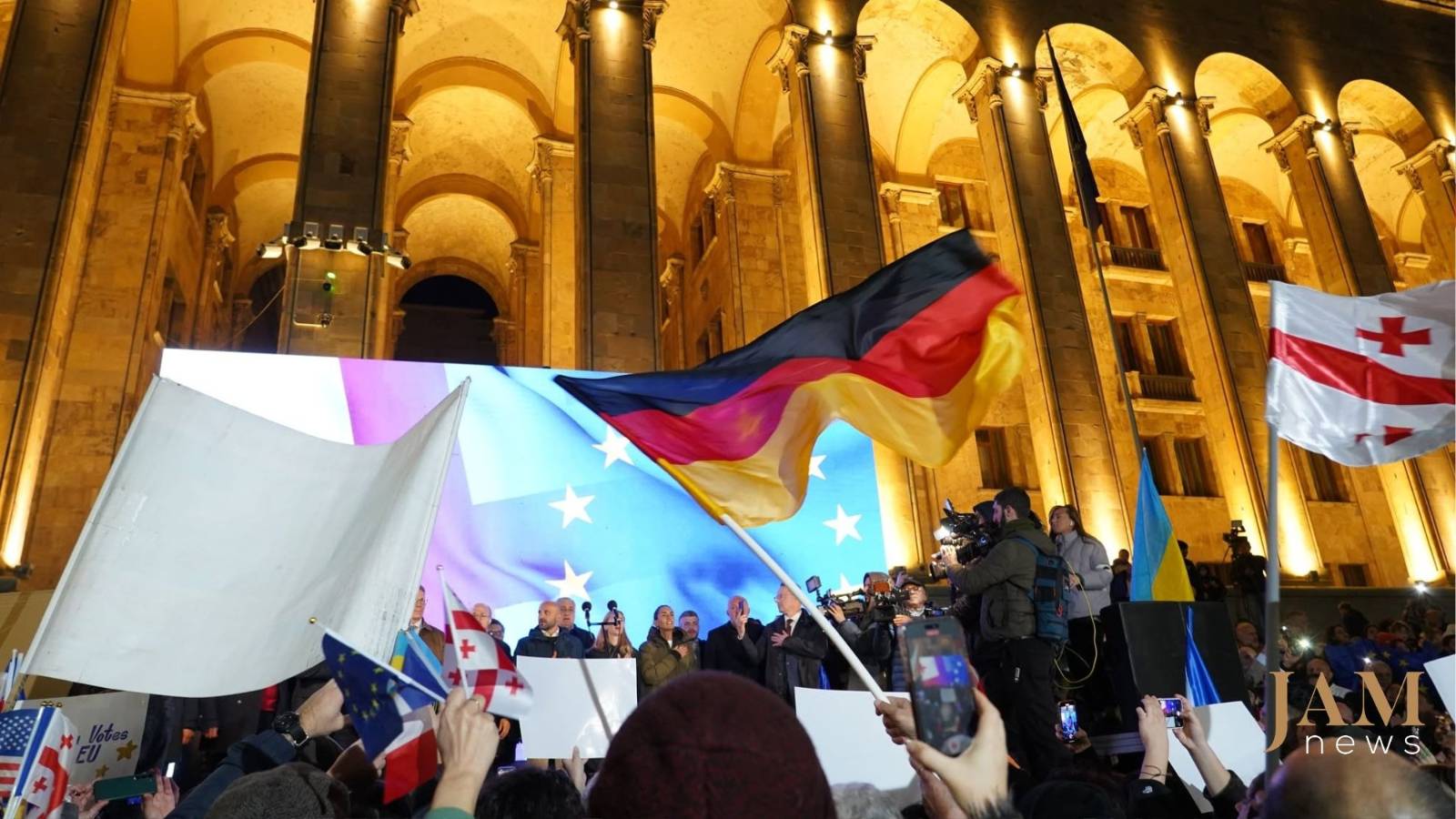
There are two ways for an opposition to come to power. The first is through institutions — elections and parliament. The second is through the street. In Georgia, the opposition chose the second path but, unfortunately, has so far failed to achieve its goal. That is a fact, because today Georgian Dream remains the de facto authority.
“The opposition is much weaker today than it was immediately after the elections. There was a strong protest mood in society at the time, and the opposition should have been able to harness that momentum. Unfortunately, it failed to do so. It is very positive that there is now discussion of coalitions and political unity — that is the right approach. However, whether it will produce results remains to be seen. Ultimately, everything is measured by outcomes and facts.”