'Georgia can be a partner of the US — or remain in the shadow of Russia and China': interview with James Carafano






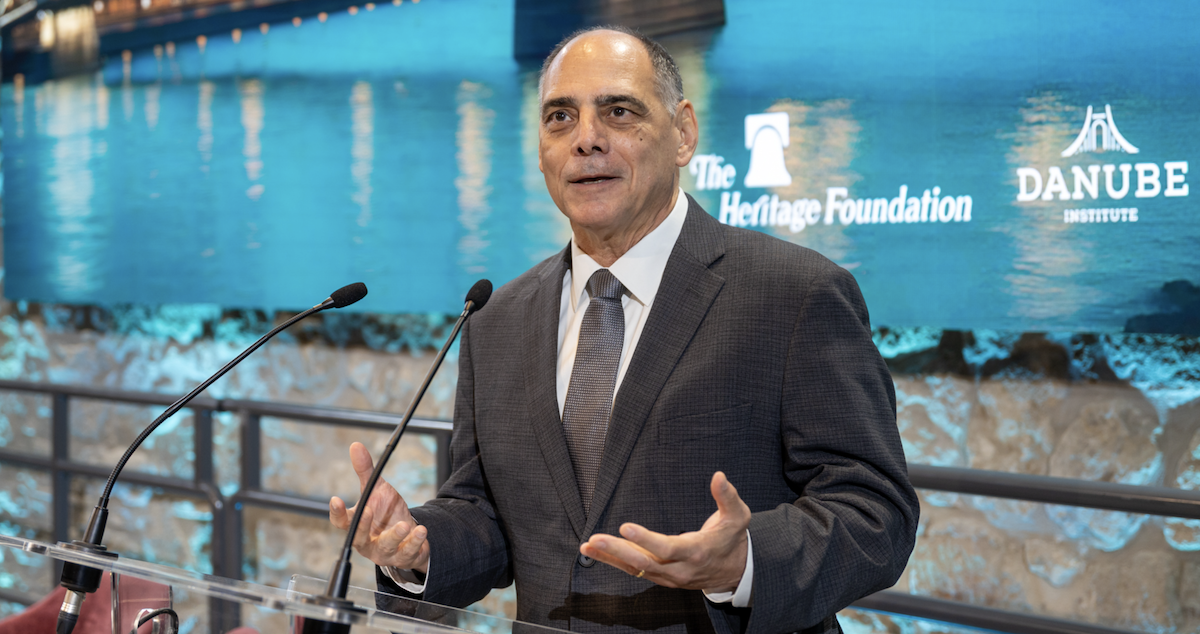
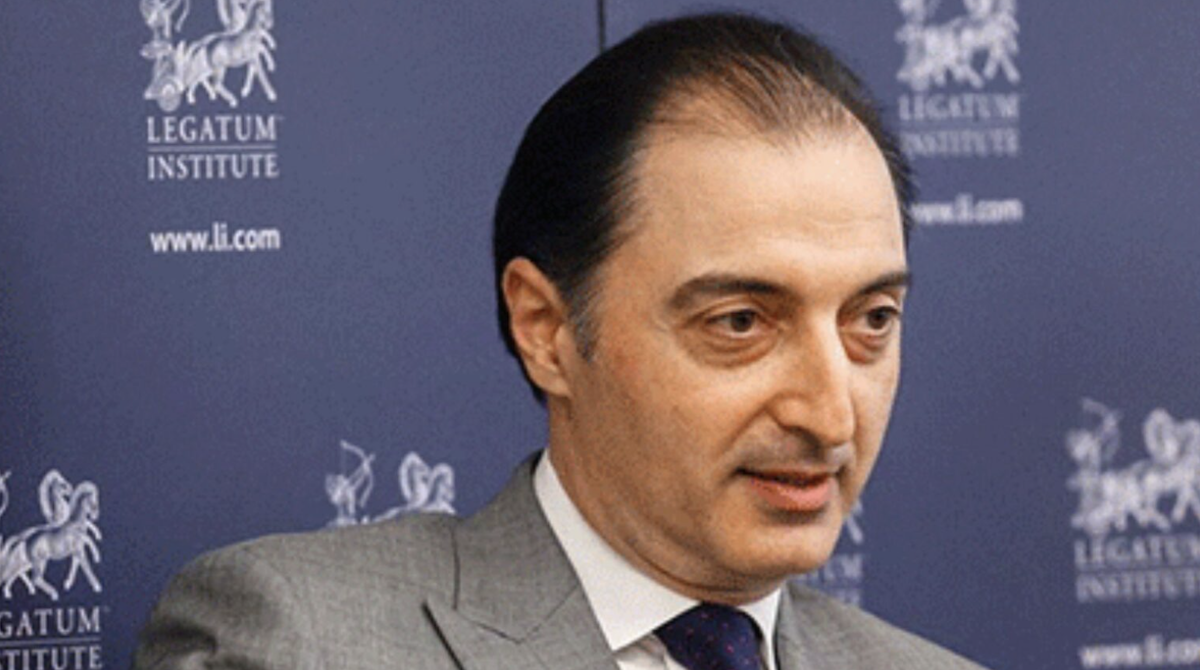
James Carafano, a senior foreign policy and national security expert at the Heritage Foundation, says Washington wants to improve relations with Georgia but will not settle for goodwill alone. According to Carafano, the United States is not prepared to give the Georgian government special concessions, and deeper cooperation will depend on Tbilisi delivering tangible results in return.
In an interview with Independence Avenue Media recorded on 18 June 2026, Carafano stressed that the Trump administration prioritises results over rhetoric. He argued that Washington is no longer interested in isolating Georgia, but neither is it willing to invest political capital in trying to “push” Tbilisi towards a partnership.
Carafano’s interview carries a clear message. Washington is willing to improve relations with Georgia, but those ties will no longer be based solely on geopolitical goodwill or the legacy of a longstanding partnership. According to Carafano, if Tbilisi wants to open a new chapter in relations with the United States, it will need to offer more than rhetoric.
The Heritage Foundation is one of the most influential conservative think tanks in the United States. It focuses on public policy and exerts significant influence within Republican political circles. James Carafano is among its leading foreign policy experts. The Heritage Foundation gained particular prominence among Republicans during the Trump administration. As a result, its assessments often reflect views that are widely shared within Washington’s conservative policy establishment.
Washington’s interests: Georgia as part of the Middle Corridor
According to Carafano, the United States still considers its relationship with Georgia important and sees opportunities for closer cooperation in areas that serve the interests of both countries. In his view, Washington has recognised that attempts to isolate or ignore Georgia benefit neither side.
In this context, he places particular emphasis on the Middle Corridor, the trade and transport route linking Central Asia to the South Caucasus and Europe via the Black Sea. Carafano argues that the corridor holds strategic importance for the United States and that Georgia is one of its essential links.
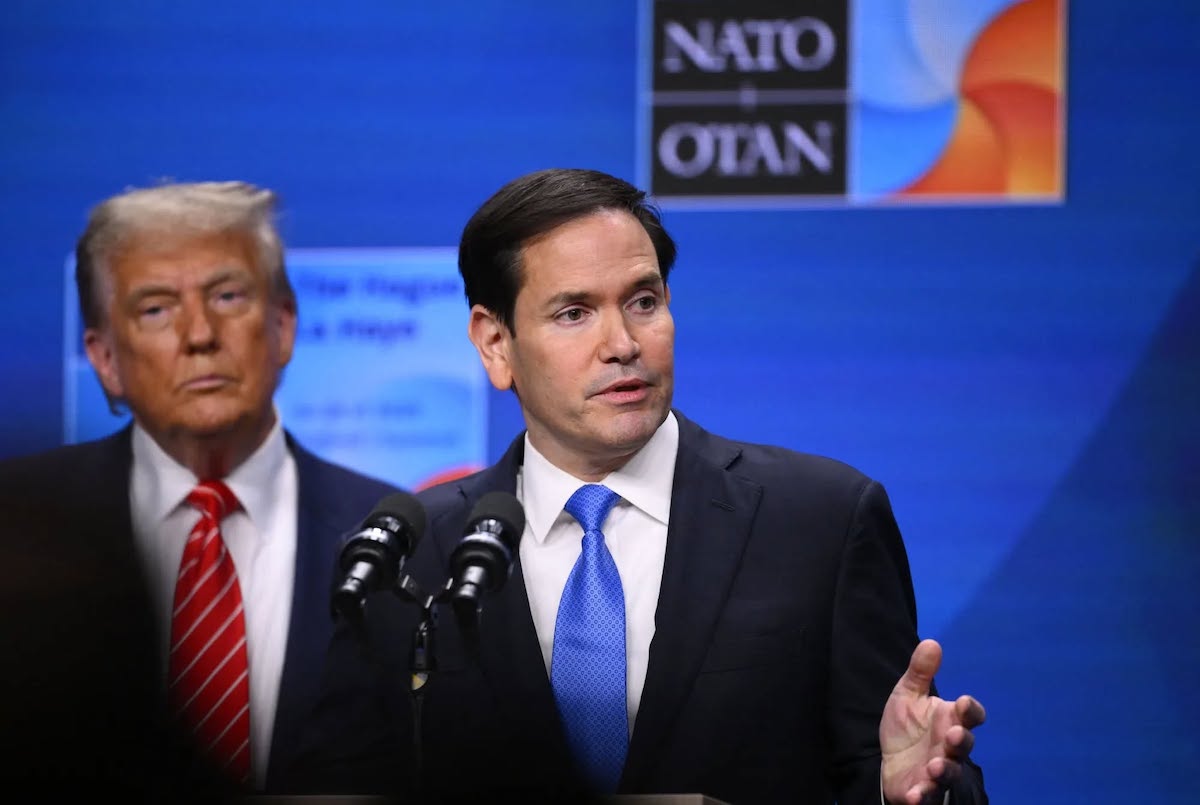
He says Washington wants stability across the region and views stronger cooperation with Georgia as necessary to achieve that goal. It is against this backdrop that he interprets remarks by Secretary of State Marco Rubio, who told Congress that the Georgian government had asked the United States what steps it could take to improve bilateral relations.
Rubio made the remarks during a hearing in the US House of Representatives on 4 June 2026. He added that Washington had informed the Georgian side of the steps it would need to take to restore the partnership.
Georgian Prime Minister Irakli Kobakhidze, however, firmly denied that Tbilisi had sought advice from Washington on how to rebuild bilateral relations.
“Trump doesn’t care about words — he cares about results”
According to Carafano, the Georgian government wants to cooperate with the United States while maintaining maximum freedom of action. In his view, however, that approach is unlikely to succeed.
“This president is interested only in results. Trump does not care about symbolic gestures or warm words if they are not backed by concrete political or economic outcomes. Tbilisi will have to sit down with Washington and present proposals that deliver real benefits in areas of mutual interest,” the expert says.
Carafano argues that relations will deepen only if Georgia offers the United States something tangible. In his view, Washington is looking not for declarations of loyalty but for practical cooperation that advances shared interests.
Criticism of the Georgian government’s policies
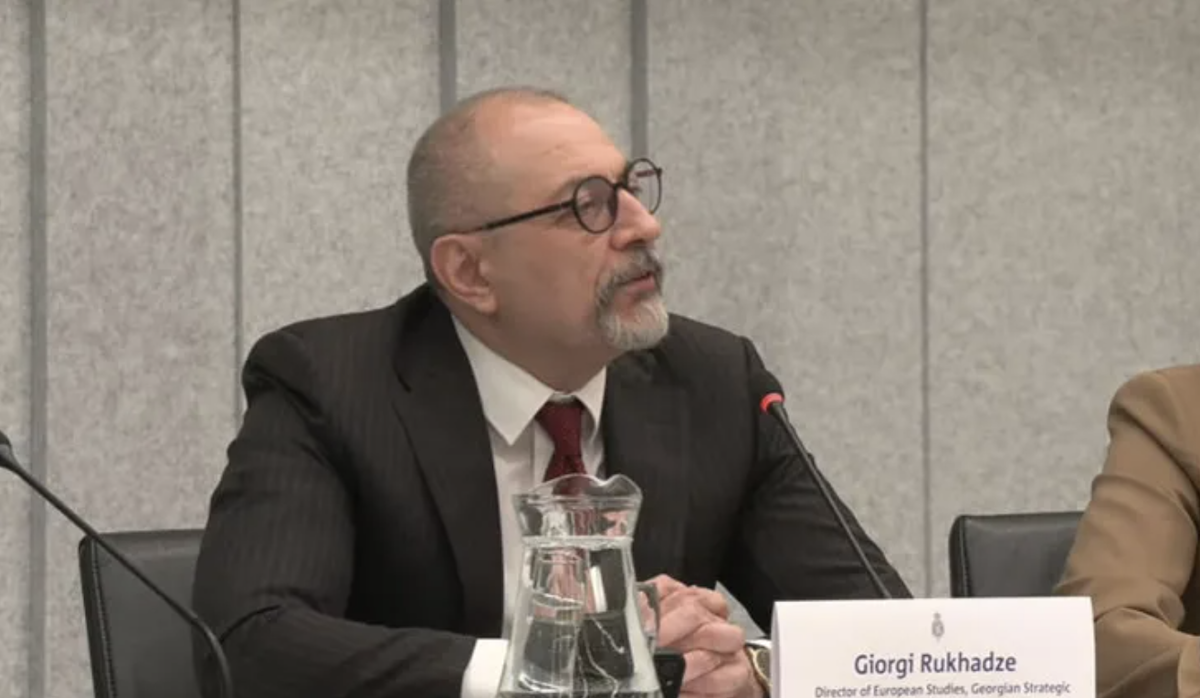
Carafano argues that in recent years the Georgian government’s approach has focused largely on containing domestic discontent. At the same time, he says, Tbilisi has responded to Western criticism by distancing itself from both Europe and the United States while moving closer to Russia and China.
In his view, such a strategy may help the government maintain political power in the short term. Over the longer term, however, he believes it does not serve Georgia’s national interests. Carafano argues that Russia is unlikely to regain its former role as a dominant force shaping regional affairs, while China tends to operate where it can most easily secure economic gains and political influence, without necessarily prioritising the interests of local partners.
At the same time, Carafano warns that if Georgia continues to distance itself from regional initiatives, it risks being bypassed by the development of the Middle Corridor. Should that happen, Georgia’s importance as both a transit hub and a political actor could diminish.
“Georgia cannot be a strong US partner if its citizens are unable to shape their own future”
Asked whether the Trump administration would overlook democratic backsliding, political repression and the suppression of dissent in Georgia, Carafano gives a clear answer: no.
He stresses that the issue goes beyond a principled commitment to democracy or support for any particular government. The reason, he argues, is more practical. A country cannot be a strong and reliable partner if its own citizens are unable to participate in shaping its political and social future.
Carafano adds that Washington cannot ignore developments that directly undermine Georgia’s effectiveness and stability as a partner. In his view, political repression and restrictions on dissent fall into that category.
“Washington will side with neither the government nor the opposition”
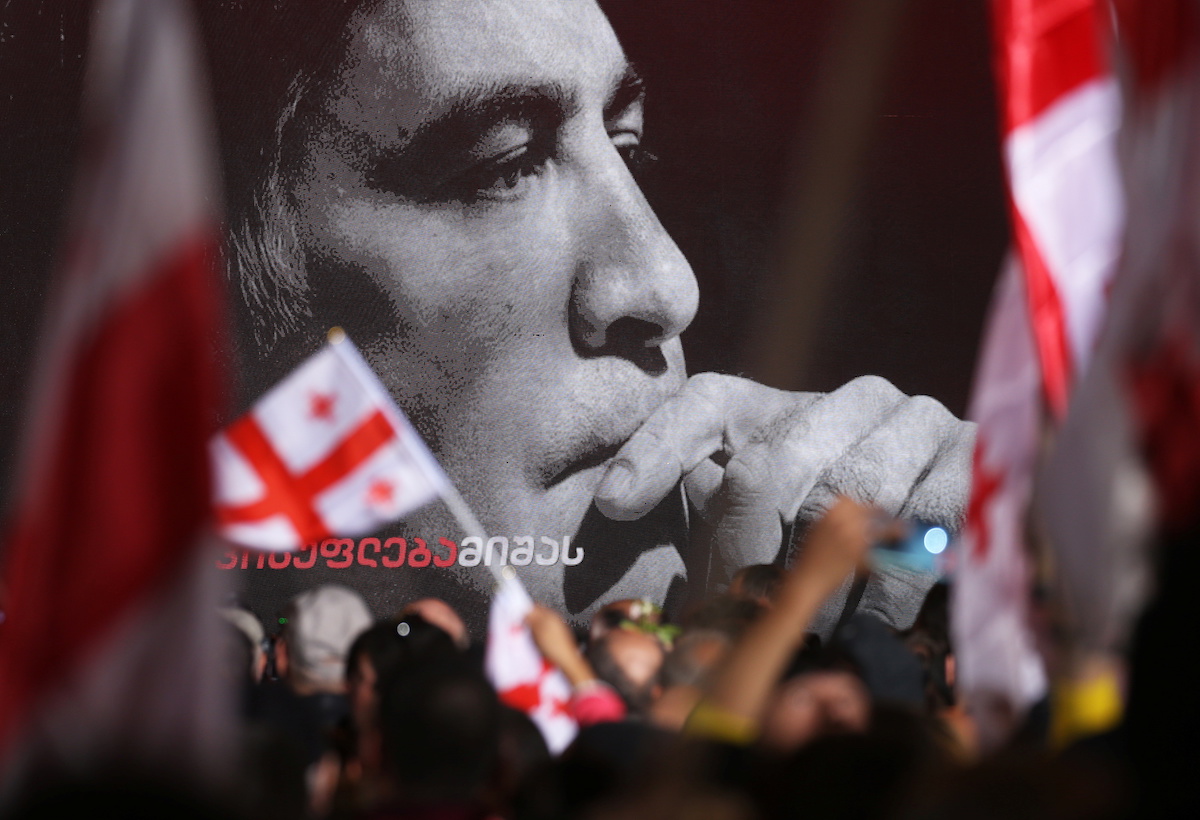
At the same time, Carafano emphasises that the United States will not take sides in Georgia’s domestic political struggle. According to him, Washington will neither act as an ally of the government nor as a tool for its removal from power.
He is particularly critical of the opposition, arguing that Georgia’s opposition forces have become so fragmented and impractical that they have failed to offer a credible political alternative. Against that backdrop, Carafano believes open US support for either side would be neither useful nor justified.
He also points to what he sees as unrealistic expectations on both sides. The Georgian government, he argues, believes it can restore a special relationship with the United States without taking concrete steps. At the same time, parts of the opposition expect Washington to solve their political problems.
“If you boycott elections and refuse to participate in them, and then expect the United States to step in and declare the results illegitimate, we are not going to do that,” Carafano concludes.
“The next move is Georgia’s”
Carafano argues that the Georgian government’s biggest mistake in recent years has been its failure to take advantage of opportunities for cooperation with the United States on issues of mutual interest.
He notes that such a position might have been viewed differently under the previous US administration, when Washington and its European partners adopted a more confrontational approach towards the Georgian government. In his assessment, however, the Trump administration’s approach is different and places greater emphasis on engagement.
At the same time, Carafano stresses that this does not mean the United States will pursue Georgia at any cost. In his view, the next step belongs to Tbilisi.
“If Georgia wants nothing more than loud anti-Western rhetoric, Washington is not going to chase after it. But if the Georgian government wants greater prosperity, stability and security for the country, then the United States is the best partner to help achieve those goals.”
According to Carafano, the ultimate choice rests with the Georgian government. The question, he says, is whether it wants serious engagement and a genuine partnership with Washington, or whether it prefers a path of isolation, political repression and life in the shadow of Russia and China.
“If Tbilisi wants dialogue, the channels exist”
According to Carafano, the Georgian government’s response to Marco Rubio’s remarks was “completely irresponsible and counterproductive”, even though Washington had not intended to escalate tensions in public. In his view, the reason is straightforward: the United States has no interest in a complete breakdown in relations with Georgia and continues to leave the door open for dialogue.
Carafano says the message from Washington is simple. If Tbilisi wants meaningful dialogue, the channels already exist. But if the relationship is reduced to public statements, political posturing and symbolic gestures, the United States will not regard it as a serious partnership.
What does Washington expect from Tbilisi?
According to Carafano, one of the United States’ main priorities remains the success of the Middle Corridor. He believes Washington wants Georgia to play a larger role in the project, both in developing the corridor itself and in strengthening security in the Black Sea region.
In his view, the Black Sea should remain a free and open space for commercial shipping, infrastructure development and security cooperation. Against this backdrop, Carafano argues that the United States is seeking stronger regional cooperation to improve the security of transport, energy and infrastructure routes across the Black Sea.
China’s infrastructure influence and US concerns
Carafano places particular emphasis on China’s role in the region. He says Washington has no objection to Chinese goods moving through the Middle Corridor. Concerns arise only when China owns or controls strategic infrastructure, whether ports, digital networks or other critical assets.
According to Carafano, the United States is prepared to compete with China across all sectors. Its main objective, however, is to ensure that partner countries do not become strategically dependent on Beijing. In his view, such an approach serves not only American interests but also those of the countries involved.
He makes a similar argument when discussing energy security. Carafano says Washington would like to see significantly larger volumes of oil and gas transported through the Middle Corridor. In his assessment, the efficient movement of energy resources across the region is critical to global energy security.
Georgia-China relations: a challenge for Georgia, not Washington
Carafano argues that China is interested less in Georgia itself than in the opportunities it can offer. In his view, Beijing gravitates towards places where it can secure “easy money” and “easy influence”, while showing little interest in taking responsibility for the security or stability of partner countries.
According to Carafano, China is unlikely to provide Georgia with meaningful strategic guarantees. He argues that Beijing will not confront Russia or Iran on Georgia’s behalf. As a result, if Tbilisi fails to defend its interests clearly in dealings with China, it risks receiving far less than it gives in return.
The expert believes that countries achieve the best outcomes in their relations with China when they maintain a firm negotiating position and resist pressure to make unnecessary concessions. Otherwise, he warns, a partner country can gradually slip into a position of dependency.
“Arguments about the ‘deep state’ and MAGA do not resonate in Washington”
Carafano firmly rejects the idea that ideological affinity between the Georgian Dream government and the Trump administration could, by itself, serve as the basis for a special relationship.
Referring to Prime Minister Irakli Kobakhidze’s open letter, in which he criticised the “deep state” and USAID while highlighting similarities between Georgian Dream and the Trump administration, Carafano argues that such messaging carries little weight in Washington.
According to him, relations under the Trump administration are driven by pragmatism rather than by who adopts which position on America’s domestic political debates. Carafano says the United States does not need partners simply because they speak the language of MAGA politics or oppose the “deep state”. What Washington wants, he argues, are countries that can offer meaningful cooperation and deliver concrete results.
In his assessment, the Georgian government’s attempt to turn rhetorical alignment with Trump’s political vocabulary into a strategic asset was destined to fail from the outset.
“Democracy and human rights in Georgia are not disappearing from the agenda”
Carafano does not believe that the Trump administration is prepared to overlook democratic backsliding, political repression and human rights concerns in Georgia in exchange for favourable business or geopolitical arrangements.
He notes that the United States maintains relations with many countries where serious human rights concerns exist. That does not mean such issues disappear from the agenda. Carafano points to Belarus as an example, arguing that these topics remain part of Washington’s discussions, not as moral lectures but as practical considerations that affect the quality and durability of partnerships.
According to Carafano, these concerns matter not because the United States wants to impose its political model on others, but because political repression, a climate of intimidation and weak institutions undermine healthy economic and political relationships.
“The idea that anyone wanted to drag Georgia into a war with Russia was absurd from the start”
Asked about Georgian Dream’s longstanding claim that the West, including the United States, sought to draw Georgia into the war in Ukraine, Carafano dismisses the allegation as false.
According to him, the narrative has circulated across Europe through Russia and groups sympathetic to Moscow. In reality, Carafano argues, the opposite is true: no one wants to expand the war, let alone force another country to take actions against its will.
“Security cooperation may continue, but the current situation is hurting Georgia”
Discussing the future of military and security cooperation in the absence of improved relations between Washington and Tbilisi, Carafano says such cooperation may not come to a complete halt. However, he argues that maintaining the status quo would ultimately do the greatest damage to Georgia itself.
“The United States cannot sit around waiting for Georgia with bated breath,” he says.
“The world does not revolve around Georgia. If Tbilisi continues to operate in a state of invisibility and mediocrity, the country itself will pay the highest price, including the political forces currently in power.”
“The EU still favours pressure and isolation. The US is looking for a different path”
Assessing Georgia’s relations with the European Union, Carafano argues that Brussels continues to pursue a more punitive and isolating approach, while the United States, in his view, has already moved beyond that stage.
He points to Belarus as an example, saying that European governments chose isolation while the United States opted for engagement. Carafano suggests that if Georgia succeeds in building a genuine strategic partnership with Washington, and that approach proves effective, European policymakers may gradually begin moving in the same direction.
A “new balance of power” in the South Caucasus
Carafano argues that the balance of power in the region has shifted as ongoing diplomatic efforts between Armenia and Azerbaijan, combined with growing US engagement, create a new political reality.
Against this backdrop, he says, Georgia no longer occupies the central position it once held. At the same time, Washington’s attention is increasingly turning towards Romania and Bulgaria, where American influence continues to grow.
However, Carafano stresses that Georgia can still play an important role if its government demonstrates the necessary political will to strengthen the partnership.
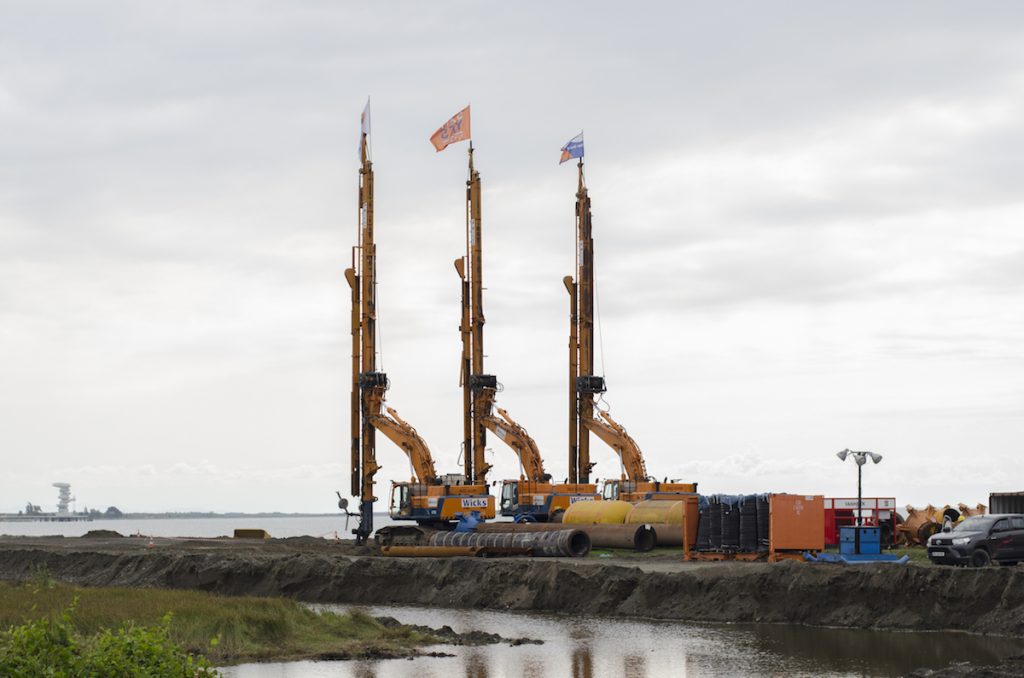
Anaklia Port and the lack of “proactivity”
Discussing the Anaklia deep-water port project, Carafano points to Armenia and Azerbaijan as regional examples.
He argues that a peace agreement between the two countries would not have been possible without active US involvement. At the same time, he says Washington’s participation alone was not the decisive factor. What mattered equally was the willingness of the parties themselves to develop a political agenda capable of drawing the United States into the process.
“The key word is proactivity — putting forward initiatives that deliver real results for both sides.”
In Carafano’s view, that is the kind of approach most likely to attract sustained attention and engagement from the United States.
Sanctions and political conditions
Discussing the possibility of lifting sanctions imposed on Bidzina Ivanishvili, Carafano says the decision will depend entirely on concrete political actions.
According to him, Washington will not remove sanctions on the basis of promises or broad statements of intent. Instead, it will expect tangible political results and a clear package of proposals from Georgia.
Carafano also argues that the United States has already signalled a willingness to pursue a more open relationship with Georgia. In his view, however, Tbilisi has yet to respond in a meaningful way.
He contrasts Georgia’s approach with that of countries such as Serbia, which, he says, have reacted to similar signals with a more active and pragmatic foreign policy.
Wide-ranging interview on Georgia-US relations