Arrests, alleged violence and tighter speech restrictions: Georgian ombudsman report






Georgia ombudsman on arrests and restrictions
On June 23, Georgia’s Public Defender Levan Ioseliani presented his annual report to parliament.
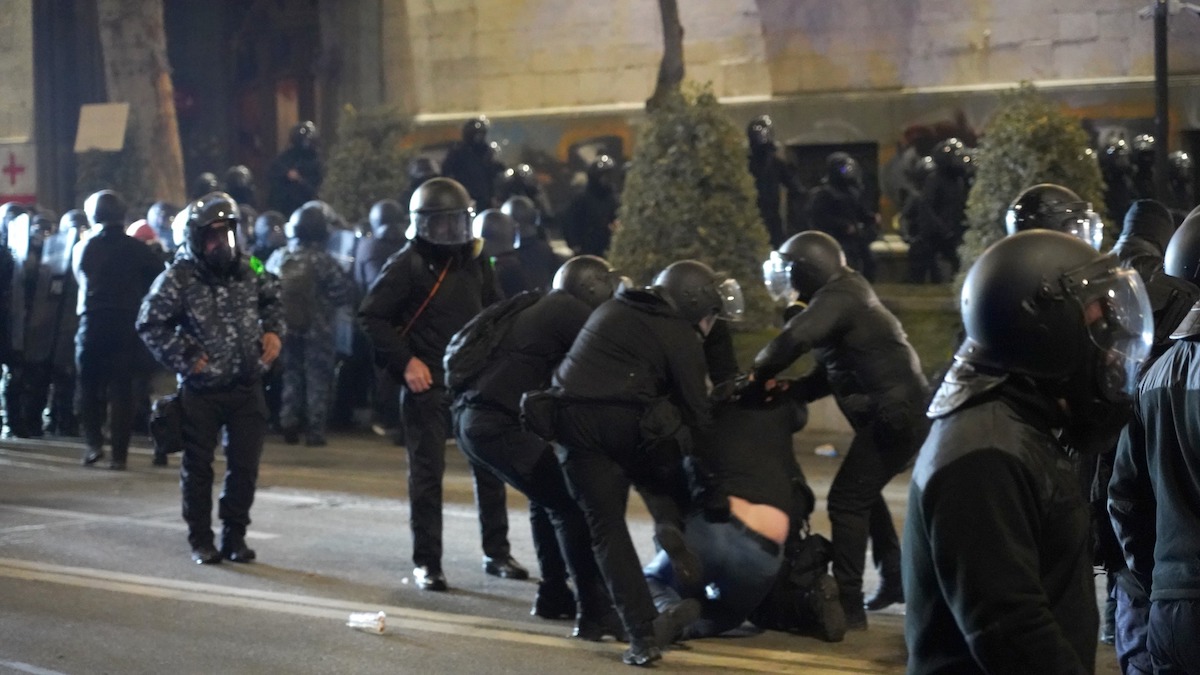
He said that monitoring of hundreds of cases of detainees from ongoing pro-European protests – lasting for more than a year and a half – again revealed concerns about alleged police ill-treatment.
He also noted that legislation on freedom of assembly and expression has been further tightened over the past year.
Ioseliani reported that between March 1, 2025 and February 20, 2026, his office visited 573 people detained during protests in places of detention or arrest, including 49 women and two minors.
Of those, 302 reported ill-treatment, and injuries were documented in 194 cases.
Detentions and alleged ill-treatment
According to the Public Defender, the number of arrests of activists and reported cases of ill-treatment during protests in 2025 decreased compared to 2024.
However, he said this trend is largely linked to a reduction in the scale of the protests.
Ioseliani also noted that many detainees continued to report ill-treatment, including humiliating treatment.
Problems with investigations into 2024 protest cases
Levan Ioseliani told MPs about the investigation process into alleged ill-treatment of protest participants.
He said that in cases related to the 2024 protests, no criminal proceedings were opened against law enforcement officers until May 8, 2026. Only then, according to the Prosecutor’s Office, charges were brought against four riot police officers and one security police officer for violence against Zviad Maisashvili, Levan Khabeishvili, and Guram Rogava during the 2024 protests.
The ombudsman welcomed this development. He stressed the importance of continuing this approach and ensuring that investigations are carried out in line with legal standards, with accountability established for both law enforcement officers and private individuals where criminal conduct is identified.
New restrictions on freedom of assembly
A large part of the ombudsman’s report focused on the tightening of civil and political rights legislation.
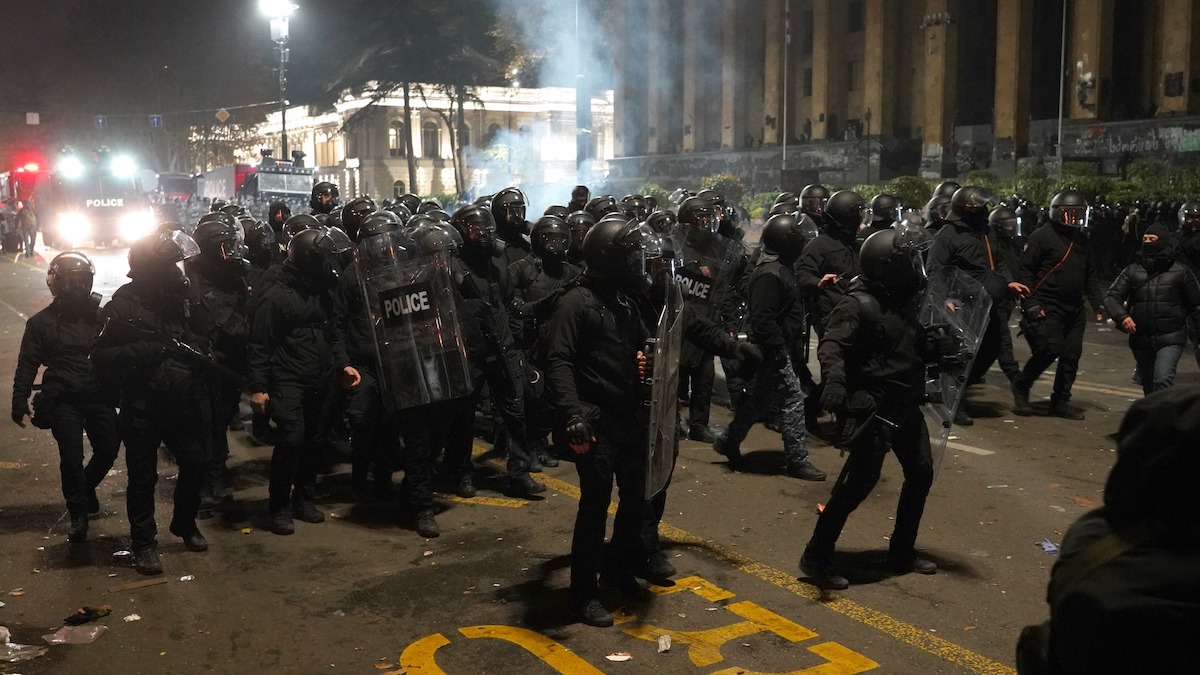
He said new restrictions on freedom of assembly and expression have been introduced, including additional limits on where and how public gatherings can be held.
Ioseliani noted that legal protections for rights have been weakened, while disproportionate penalties have been introduced for violations related to the exercise of the right to protest.
He said it is particularly concerning that participants in some peaceful protests have been subjected to administrative detention. Criminal liability has also been introduced for repeated offences of this kind.
The ombudsman pointed out that the obligation to give prior notification of a gathering has been extended to situations where people are in ordinary public spaces and are charged with “obstructing the movement of others.”
He said he has appealed several of these legal provisions to the Constitutional Court.
According to Ioseliani, the new legal amendments restricting freedom of assembly were actively enforced during the reporting period.
As an example, he cited Article 174¹ of the Code of Administrative Offences, under which 8,200 violations were recorded between November 1, 2024 and October 31, 2025.
Dismissals of public servants
The ombudsman also highlighted the dismissal of public servants from their positions in 2025, allegedly due to their publicly expressed civic views, as one of the most serious concerns.
He said such actions are unacceptable and unlawful, stressing that freedom of expression also applies in the workplace.

Restrictions on court reporting
The Public Defender highlighted changes in the judicial system that, he said, have negatively affected the full exercise of freedom of expression.
He referred to amendments to the Law on Common Courts, which limited the principle of public hearings and reduced the previous level of transparency in the justice system.
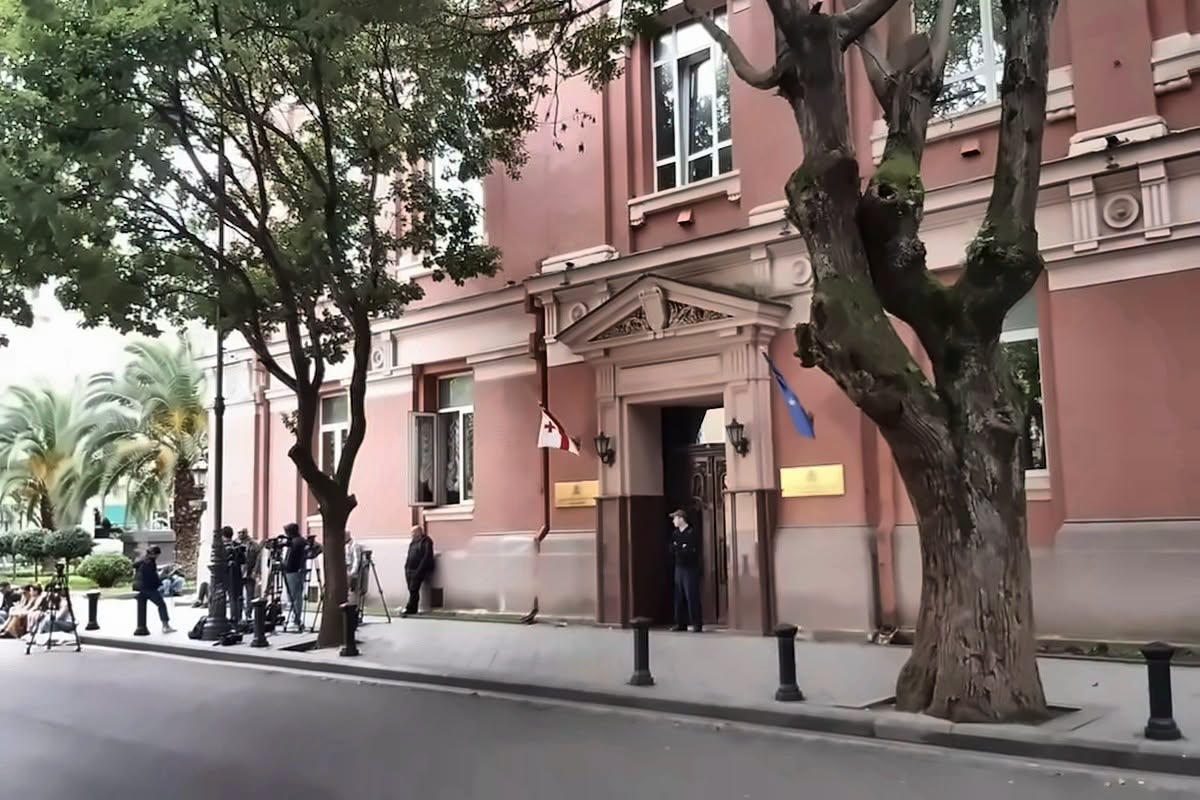
Under the changes, photo, video, and audio recording and broadcasting are prohibited inside court buildings and their courtyards, except when carried out by the court itself or by a person authorized by the court.
News in Georgia