Top stories in Azerbaijan, Armenia, and Georgia from June 22-26 June, 2026
 Live
Live




-
Friday, 26 June, Azerbaijan. Azerbaijan and Ukraine discuss prospects for expanding bilateral cooperation
-
Friday, 26 June, Armenia. Easier access for Armenian agricultural products to the EU market tops the agenda
-
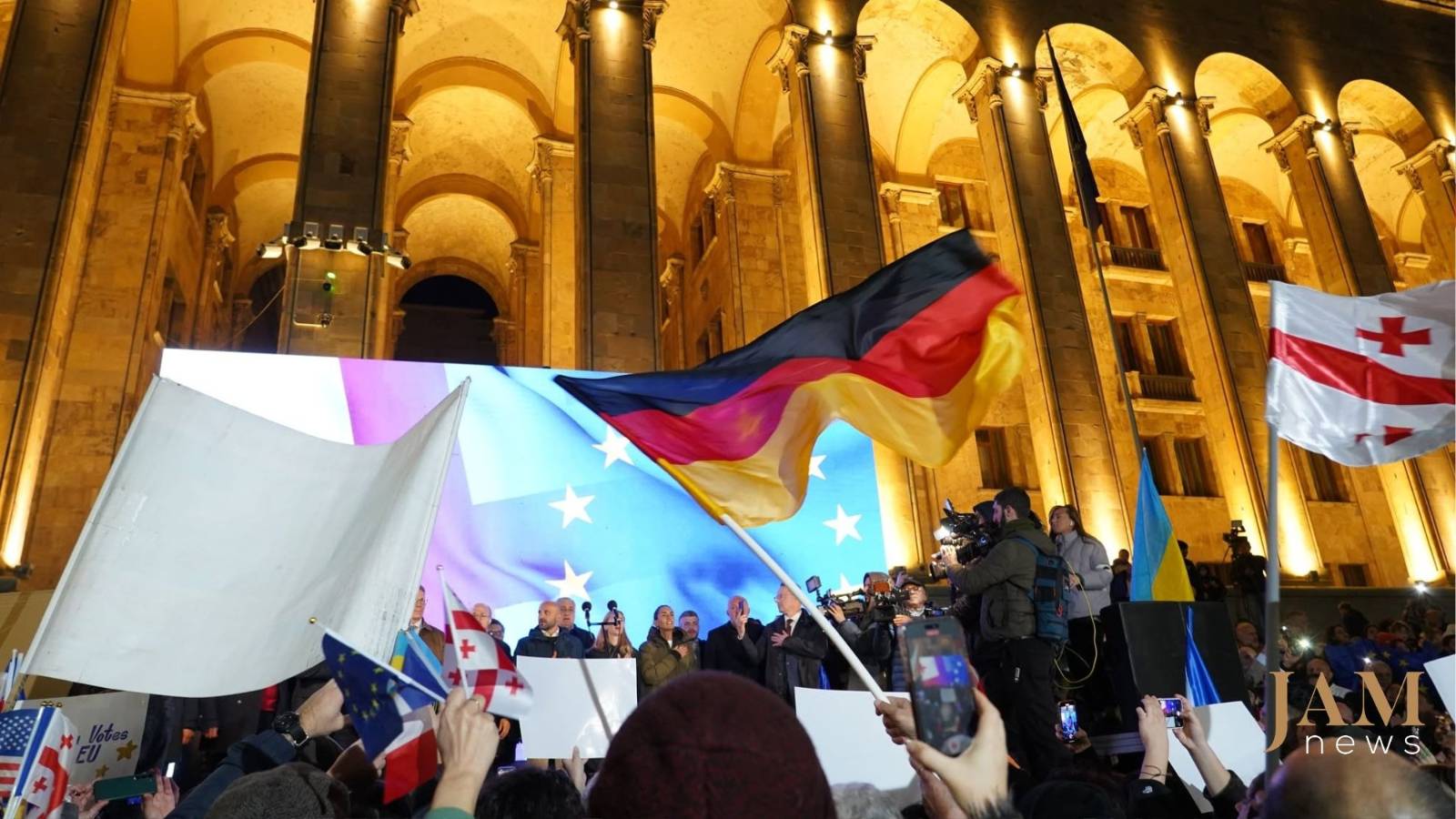
Friday, 26 June, Georgia. Georgian authorities protest against strongly critical resolutions by the European Parliament and PACE
-
Thursday, 25 June, Armenia. The EU signs advisory support memorandum with Armenia; Russia continues its warnings
-
Thursday, 25 June, Azerbaijan. МИД обвинил Францию в предвзятости и подрыве азербайджано-армянского урегулирования
-
Thursday, 25 June, Georgia. PACE Adopts Strongly Critical Resolution on Georgia
-
Wednesday, 24 June, Azerbaijan. Turkmen President Serdar Berdimuhamedov has concluded his visit to Azerbaijan
-
Wednesday, 24 June, Armenia. Ursula von der Leyen is preparing to visit Armenia next week
-
Wednesday, 24 June, Georgia. Ombudsman: 302 of 573 protest detainees reported police ill-treatment
-
Tuesday, 23 June, Armenia. Armenia and Azerbaijan have signed an agreement on joint commercial internet traffic
-
Tuesday, 23 June, Azerbaijan. Foreign Ministry strongly protests European Court ruling on torture of Armenian serviceman
-
Monday, 22 June, Azerbaijan. Baku hosts the 20th Session of the Conference of the Parliamentary Union of the OIC Member States
-
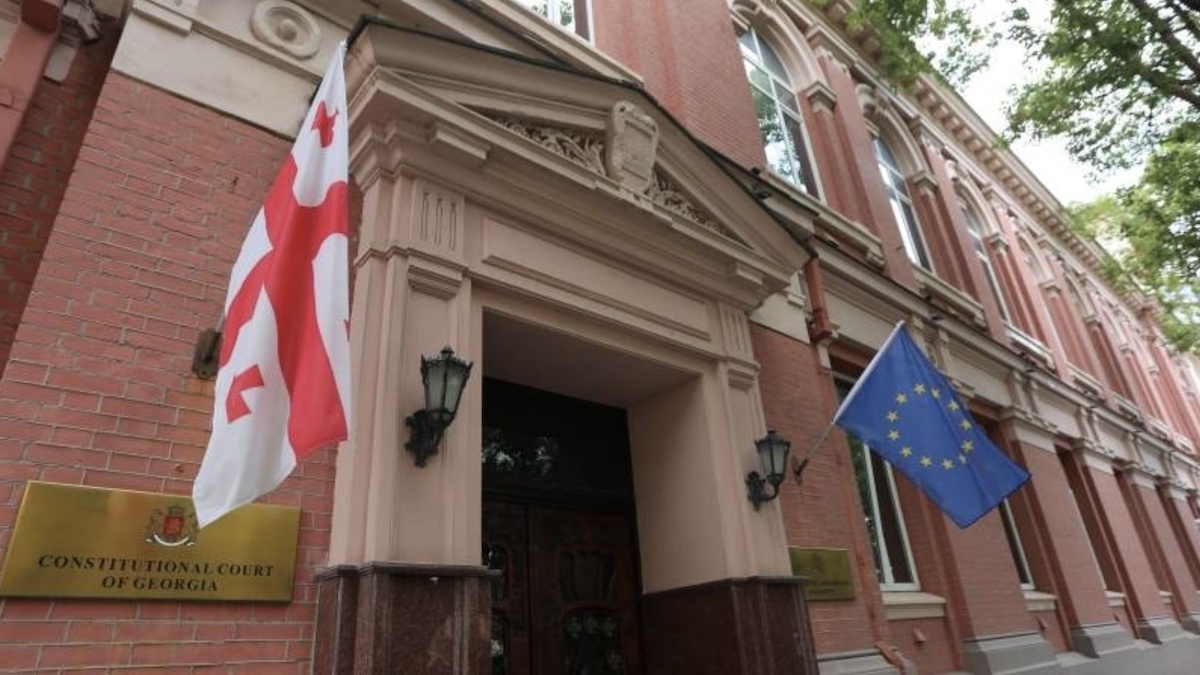
Monday, 22 June, Armenia. The Constitutional Court has agreed to hear a lawsuit filed by the pro-Russian opposition challenging the results of the parliamentary elections
-
Monday, 22 June, Georgia. In Tbilisi, a multi-thousand-strong march marked the 7th anniversary of the violence during the dispersal of the protest on the 'Gavrilov Night'
-
Top stories in Azerbaijan, Armenia, and Georgia from 15-19 June, 2026

-
Friday, 26 June, Azerbaijan. Azerbaijan and Ukraine discuss prospects for expanding bilateral cooperation
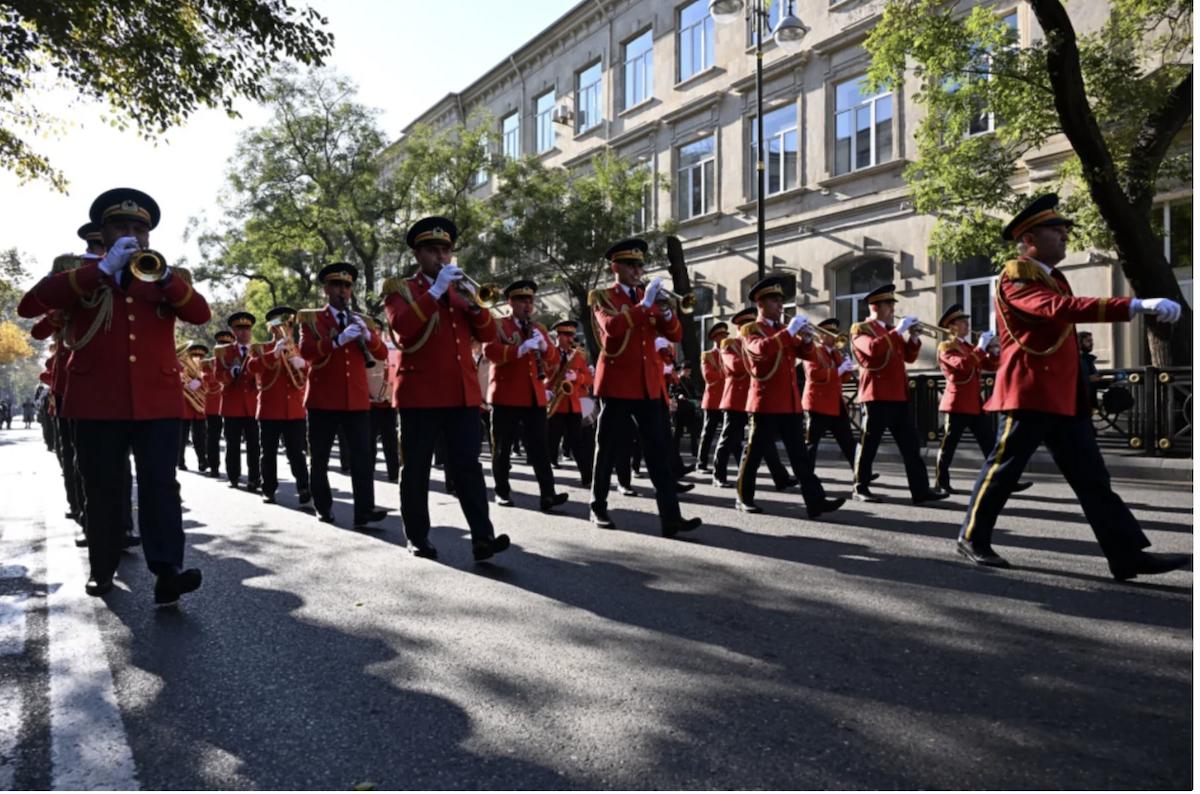
● Azerbaijan marks the 108th anniversary of the establishment of its Armed Forces. Military bands will lead marches along the central streets of Baku.
● The 28-point Baku Declaration was adopted at the conclusion of the 20th session of the Parliamentary Union of the OIC Member States. Participants called for the removal of barriers to mutual trade and investment. More than 400 delegates attended the session.
● Azerbaijani Deputy Foreign Minister Elnur Mammadov met with the European Union’s Special Representative for the South Caucasus and the crisis in Georgia, Magdalena Grono, in Baku. The sides stressed the importance of ongoing political dialogue and highlighted this year’s visit to Azerbaijan by European Council President António Costa. The normalization process between Azerbaijan and Armenia and the peace agenda were among the main topics of discussion.
● Azerbaijani Foreign Minister Jeyhun Bayramov and Ukrainian Deputy Prime Minister Oleksii Kuleba discussed prospects for bilateral cooperation during a meeting on the sidelines of the Ukraine Recovery Conference (URC2026) in Poland. The main topics were deeper cooperation in the energy sector and humanitarian initiatives.
● The foreign ministers of Azerbaijan and Poland welcomed the positive momentum in bilateral relations during a meeting on the sidelines of the Ukraine Recovery Conference.
● Presidential aide Hikmet Hajiyev met in Baku with NATO Special Representative for the Caucasus and Central Asia Kevin Hamilton to discuss the development of bilateral partnership. “Azerbaijan is a reliable NATO partner,” Hajiyev wrote on X.
● Hikmet Hajiyev also met with Bertrand Buchwalter, diplomatic adviser to the French president for Continental Europe, who is visiting Baku. The sides discussed prospects for bilateral relations in the context of the assessments made during a phone call between the two presidents a month ago.
● Azerbaijan and the Netherlands held their first consular consultations in The Hague. The sides agreed to establish a bilateral cooperation mechanism to strengthen consular ties.
● Another shipment of petroleum products will be sent from Azerbaijan to Armenia today: 18 rail tank cars carrying 971.392 tons of AI-92 gasoline and eight tank cars carrying 466.515 tons of diesel fuel.
● Azerbaijan is preparing to join the computerized transit system used by European Union countries, according to Chairman of the State Customs Committee Shahin Baghirov. He said Azerbaijan has already joined several road transport conventions and is working to introduce new tools that meet modern requirements. In the near future, the country plans to accede to the Convention on a Common Transit Procedure and the Convention on the Simplification of Formalities in Trade in Goods, allowing it to apply European electronic transit rules and paperless customs procedures.
● Design work is underway on the Georgian border for the construction of a new land border crossing. Customs inspections by the two countries will be carried out simultaneously, significantly simplifying and speeding up border procedures.
● A total of 2,534 people took part in Ashura Day blood donation campaign, collecting 1,140.3 liters of blood for local hospital blood banks.
-
Friday, 26 June, Armenia. Easier access for Armenian agricultural products to the EU market tops the agenda
● Prime Minister Nikol Pashinyan clarified his recent sharp remarks about the future of the Eurasian Economic Union (EAEU), the Russia-led bloc of which Armenia is a member. In recent weeks, EAEU officials have urged Yerevan to choose between membership in the EAEU and the European Union. “The EAEU needs to decide whether this union exists or not,” Pashinyan said, criticizing what he called unilateral decisions to ban imports of Armenian products. “Either there is free movement of goods, labor and capital, or there isn’t. If there isn’t, then there is no EAEU. If there isn’t, then so be it,” he said. More here.
● One of the key issues on the agenda of European Commission President Ursula von der Leyen’s upcoming visit to Armenia will be easier access for Armenian agricultural products to the EU market, Prime Minister Nikol Pashinyan said. He noted that this had also been the focus of Foreign Minister Ararat Mirzoyan’s recent participation in the EU Foreign Affairs Council meeting in Brussels. Pashinyan expressed hope that negotiations with von der Leyen would conclude an agreement on simplified trade procedures, allowing both sides to announce it during her visit.
● Parliament Vice Speaker Ruben Rubinyan of the ruling party has been elected as the candidate for Speaker of the National Assembly following a secret ballot. “I am honored by the result. This trust places great responsibility on me,” Rubinyan told journalists.
● Food Safety Inspectorate head Tigran Petrosyan met with representatives of the U.S. embassies in Turkey, Georgia and Armenia. The talks focused on exports of Armenian products, including flowers, to the United States. One of the issues discussed was transit through Turkey. Other topics included phytosanitary certificates, product traceability, registration in the TRACES system, maximum residue levels and laboratory development.
● A closing ceremony and award presentation marked the end of the NATO Eagle Partner 2026 exercise. The drills, held on 17–25 June, involved Armenia’s peacekeeping brigade, the Kansas National Guard, and military personnel from France and Greece. The stated goal was to improve interoperability in international peacekeeping missions and strengthen cooperation among partner countries.
● The Armenian government will borrow €80 million from the OPEC Fund for International Development to help cover the state budget deficit.
● Security Council Secretary Armen Grigoryan took part in the Ukraine Recovery Conference held in Gdańsk, Poland.
● The Prosecutor General’s Office has asked the Central Election Commission to lift the parliamentary immunity of oligarch and leader of the pro-Russian opposition Prosperous Armenia party Gagik Tsarukyan to allow criminal prosecution. The specific charges were not disclosed, though local media had previously reported allegations of tax evasion. Prosperous Armenia received just under 4% of the vote in the June parliamentary elections and failed to enter parliament. More on Tsarukyan’s extravagant lifestyle and ambitions here.
● Ruling party MP Vaagn Aleksanyan commented on Baku’s calls for the return of hundreds of thousands of Azerbaijanis to their former homes in Armenia, from which they were displaced in the early 1990s. “These claims, like the mirror claims about Armenians returning to Karabakh, create a closed circle — a false and unrealistic agenda. This chain must be broken. But I see no need for an official response to such statements,” he said.
● Members of the pro-Russian Strong Armenia alliance plan to hold a rally outside the Constitutional Court today, demanding that the 7 June parliamentary election results be declared invalid.
● Deputy Minister of Territorial Administration Narek Apitonyan met with an Iranian delegation to discuss energy cooperation, including progress on the 400 kV Iran–Armenia power transmission line and the associated substation. Iranian representatives expressed hope that the project would be completed as soon as possible.
● Houses belonging to two Armenian families were destroyed in the earthquake in Venezuela. Several local ethnic Armenians were also reported injured or missing, according to the Catholicosate of the Great House of Cilicia.
● The Health Ministry will open hospital wards in prisons and correctional facilities. Until now, inmates requiring medical treatment have been transferred to the central prison hospital in Yerevan.
● Construction work is nearing completion on Armenia’s Carpet Art Museum in Garni.
-
Friday, 26 June, Georgia. Georgian authorities protest against strongly critical resolutions by the European Parliament and PACE
● The health of imprisoned opposition leader Elene Khoshtaria has deteriorated, and her diagnosis has “changed radically” compared with 2024, her treating physician Maka Ioseliani said after visiting her in prison. According to Ioseliani, it was impossible to carry out a full examination because of Khoshtaria’s severe pain. She said the leader of the Droa party had such difficulty moving that she could not even lie down on the examination table, preventing a full assessment of her hip joints.
● Parliament Speaker Shalva Papuashvili said the latest resolutions by the European Parliament and the Parliamentary Assembly of the Council of Europe crossed the “red lines” set by the Georgian people because, he argued, they insult Georgia’s statehood and the Orthodox Church. He said Georgian Dream expects the European Commission to distance itself from these attacks. More here.
● The Foreign Ministry and ruling party MP Levan Makhashvili also reacted sharply to the critical PACE resolution. The ministry said the report undermines impartiality and encourages radicalism, while Makhashvili dismissed it as “full of lies” and “noise from friends of former president Saakashvili.”
● Local media published photos from a prayer service held at a mosque in Marneuli, in the Kvemo Kartli region, home to a large ethnic Azerbaijani community. Those attending were wearing identical T-shirts featuring Iran’s Supreme Leader Ayatollah Ali Khamenei, who was killed during the recent US-Israeli strikes on Iran, as well as images of weapons. The photos were originally published by the Imam Ali Foundation.
● The Communications Commission fined TV Pirveli 2,500 lari (about $950) for its news presenters and journalists using the terms “prisoners of conscience” and “oligarchs” on air.
● Prime Minister Irakli Kobakhidze said the work of the newly established department monitoring freedom of expression is “very important for preventing hatred and aggression artificially imposed from outside the country.”
● Parliament approved in its third reading a bill tightening the rules for issuing residence documents to foreigners marrying Georgian citizens. The draft provides for temporary residence permits to be granted first for one year, then for two years with the possibility of extension. It also exempts Georgian citizens from criminal liability for entering into sham marriages with foreigners if they voluntarily confess before 1 October. More on these and other migration law changes here.
-
Thursday, 25 June, Armenia. The EU signs advisory support memorandum with Armenia; Russia continues its warnings
● A joint Memorandum of Understanding was signed in Brussels between the European Union and Armenia, officially launching the EU’s Eastern Partnership Investment in Connectivity advisory support. The memorandum was signed by the European Commission, the European Investment Bank and Armenia’s Ministry of Territorial Administration and Infrastructure. The initiative provides support for preparatory work on the reconstruction and construction of the strategic Akhurik–Kayan and Margara–Kayan roads, which will connect border crossing points with Armenia’s road network.
● “Armenia wants to become a reliable and efficient hub connecting Europe, the South Caucasus, Central Asia and the Middle East,” Deputy Minister of Territorial Administration Kristine Ghalechyan said at the signing ceremony in Brussels. Armenia aims to build an open, secure and interconnected region where transport, energy and digital networks not only link countries but also create new economic opportunities and contribute to long-term peace and stability, she said.
● New warnings to Armenia from the CSTO, the Russia-led military alliance. Armenian authorities have repeatedly said they have frozen their participation in the CSTO and will not pay membership fees, accusing the organization of failing to assist Armenia during Azerbaijani military incursions into its sovereign territory in 2021–2022. “The prospects for Yerevan’s continued CSTO membership will be the subject of careful discussion by the organization’s top leadership,” said the Permanent representative of Russia to the organization, Viktor Vasiliev.
● More warnings from Russia. Kremlin spokesperson Dmitry Peskov said: “We see that the country’s leadership is now at a crossroads and is talking about choosing its future path of development. It is important for us what choice they make, because for many centuries Russia and Armenia have been not only neighboring but also brotherly countries.”
● And even harsher remarks came from Moscow. Russian Security Council Deputy Chairman Dmitry Medvedev said: “Moldova and Armenia are now following the same path as the puppet regime in Ukraine. After the collapse of the Soviet Union, NATO used puppet regimes as a battering ram against Russia. This happened with Georgia, then with Ukraine, which in 2014 became a breeding ground for Russophobia. Unfortunately, the same is now happening with Moldova and, regrettably, even Armenia.”
● Armenian Security Council Secretary Armen Grigoryan is taking part on 24–25 June in the Ukraine Recovery Conference in Poland. The event, jointly organized by Poland and Ukraine, has brought together representatives from about 100 countries.
● Bloomberg reports that Armenia is gradually but clearly moving out of Russia’s sphere of influence and deepening its ties with the European Union. The article highlights the EU’s efforts to support Armenia in dealing with the consequences of Russia’s trade restrictions.
● Avetik Chalabyan, coordinator of the opposition initiative Hayakve, has been remanded in custody for two months. He was previously charged with obstructing voters’ free expression of will. Chalabyan rejected the charges, calling them “a lie from beginning to end.”
● An explosion occurred in a residential building in Yerevan’s Vardashen district. An entire family, including a 1½-year-old girl, was hospitalized.
● Arevik Mkrtchyan, sister of Haikaz Mkrtchyan, who was killed during the 44-day war with Azerbaijan in the autumn of 2020, said that her brother’s portrait had been erased from a wall in the underpass near the Armenian State University of Economics. “How petty you are, representatives of the Kemalist agreement, if your ‘struggle’ is directed against photos of fallen soldiers. Now you are afraid even of their photographs. […] They will stand before your conscience for the rest of your lives,” she said.
● Opposition pro-Russian politician and MP Levon Kocharyan said he does not rule out a new phase of street protests in Armenia.
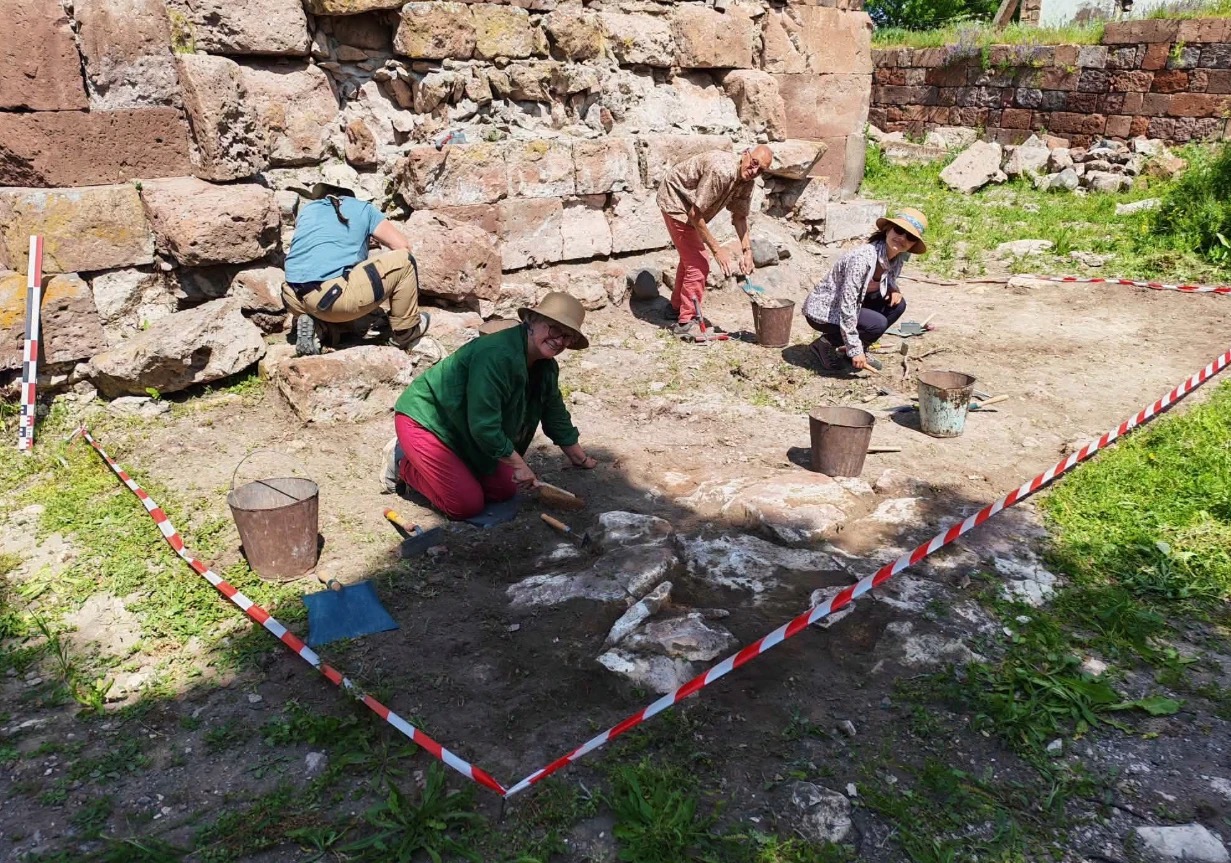
● An Armenian-French archaeological expedition has begun excavations at an early medieval complex in Pemzashen (pictured).
-
Thursday, 25 June, Azerbaijan. МИД обвинил Францию в предвзятости и подрыве азербайджано-армянского урегулирования
● President Ilham Aliyev accused some political circles in Western countries of “promoting hatred toward Muslims” in his address to participants of the 20th session of the Parliamentary Union of the OIC Member States, which concludes today in Baku. “Islamophobia […] poses a threat to mutual understanding and peaceful coexistence. It is disappointing that certain political circles in the West, as well as international institutions such as the European Parliament and the Parliamentary Assembly of the Council of Europe, are fostering anti-Islamic sentiment. They seek to equate Islam with extremism and terrorism in order to create a biased perception of our religion and portray it as a source of danger,” Aliyev said.
● Iranian Parliament Speaker Mohammad Bagher Ghalibaf, who led Iran’s delegation in the peace talks with the United States, is visiting Baku. He met with President Ilham Aliyev and later held expanded-format talks with Speaker of the Azerbaijani Parliament Sahiba Gafarova. Ghalibaf thanked the Azerbaijani president, state and people for their support and humanitarian assistance, noting that relations between the two countries have become significantly more active over the past year, particularly thanks to regular contacts between their presidents.
● The presidency of the Parliamentary Union of the OIC Member States has officially passed from Indonesia to Azerbaijan.
● Foreign Ministry spokesperson Aykhan Hajizada accused France of taking a biased approach to the Armenia–Azerbaijan settlement, commenting on answers published by the French Foreign Ministry to questions from members of the French National Assembly about support for Armenians “displaced from Nagorno-Karabakh,” “the fate and release of Armenian prisoners,” “Armenian religious and cultural heritage,” and other issues. The French Foreign Ministry said, among other things, that Paris would continue to pay close attention to the fate and conditions of Armenian prisoners and calls for their release.
The main points of Azerbaijan’s response were:
• France ignores the nearly 30-year occupation of Azerbaijani territories, the fate of more than one million Azerbaijani refugees and internally displaced persons, and the landmine threat in the liberated territories.
• France’s expanded military cooperation with Armenia and arms supplies encourage revanchism and undermine the normalization process.
• The ethnic Armenians imprisoned in Azerbaijan were convicted of war crimes and are serving their sentences in accordance with national legislation and international law.
• France ignores the destruction of Azerbaijani cultural heritage and acts of vandalism committed by Armenia while making claims about “Armenian cultural and religious heritage.”
• The French Foreign Ministry’s response once again shows that Paris still struggles to accept the realities of the region and continues to pursue outdated and one-sided policies.
● The Parliamentary Assembly of the Council of Europe (PACE) expressed concern over the suppression of critical voices in Azerbaijan. In a resolution adopted on 24 June, PACE said restrictive laws have led to the suppression of independent journalism, genuine political opposition, civil society institutions and freedom of expression. The resolution condemns the repression of independent journalists, bloggers, opposition figures and human rights defenders who are imprisoned or under house arrest. According to the resolution, the number of political prisoners in Azerbaijan rose sharply, reaching 328 in May 2026. It also expresses serious concern over the large number of unimplemented European Court of Human Rights judgments against Azerbaijan. PACE called for the immediate release of those considered political prisoners and urged the Milli Majlis to resume dialogue to address the existing problems.
● SOCAR President Rovshan Najaf met in Baku with Giulio Tremonti, chairman of the Foreign Affairs Committee of the Italian Parliament. They discussed energy security, current investment projects and expanding long-term cooperation in new areas. Special attention was given to SOCAR’s planned acquisition of shares in leading Italian energy company Italiana Petroli from API Holding.
● Foreign Minister Jeyhun Bayramov has travelled to Poland on a working visit, where he will participate in the Ukraine Recovery Conference and hold bilateral meetings with Polish officials.
● An appeal has been submitted to the US Congress calling for the dignified and safe return of Azerbaijani refugees to the places where they lived in Armenia before the conflict of the 1990s. In Azerbaijan these areas are referred to as “Western Azerbaijan.” The appeal was signed by participants of the international conference “The Right to Return and Self-Determination: Double Standards and Selective Approaches,” organized in Congress by the Baku Initiative Group. The organizers said it was “the first event in the US Congress dedicated to the ethnic cleansing of Azerbaijanis by Armenia.” The appeal asks Congress to hold hearings and consultations on the issue.
● The first meeting of heads of state bodies responsible for religious affairs from the member states of the Organization of Turkic States will take place in Shusha on 30 June. Participants will include the organization’s secretary general and the heads of the relevant agencies of Azerbaijan, Türkiye, Uzbekistan, Kazakhstan and Kyrgyzstan.
● Azerbaijan Airlines (AZAL) announced that its first Airbus A321neo, assembled for Azerbaijan at the Airbus plant in Germany, is ready for flights. The airline had been waiting nearly four years for delivery. The aircraft, described as one of the most advanced in AZAL’s fleet with one of the longest ranges in its class, has completed its test flights.
● Azerbaijan has once again extended its special coronavirus quarantine regime, this time until 1 October.
📷 Photo: Ahead of the UFC Fight Night tournament scheduled for 27 June in Baku, an open UFC training session and fan meeting took place in Seaside Park. Each fighter held a 10-minute demonstration workout and answered questions from fans.

-
Thursday, 25 June, Georgia. PACE Adopts Strongly Critical Resolution on Georgia
● The Parliamentary Assembly of the Council of Europe (PACE) adopted a critical resolution on Georgia by 84 votes to 1, citing democratic backsliding, the persecution of the opposition, independent media and civil society. The Assembly condemned the initiative to ban opposition parties and called on the ruling Georgian Dream party to withdraw the relevant case from the Constitutional Court and end all politically motivated prosecutions. More here.
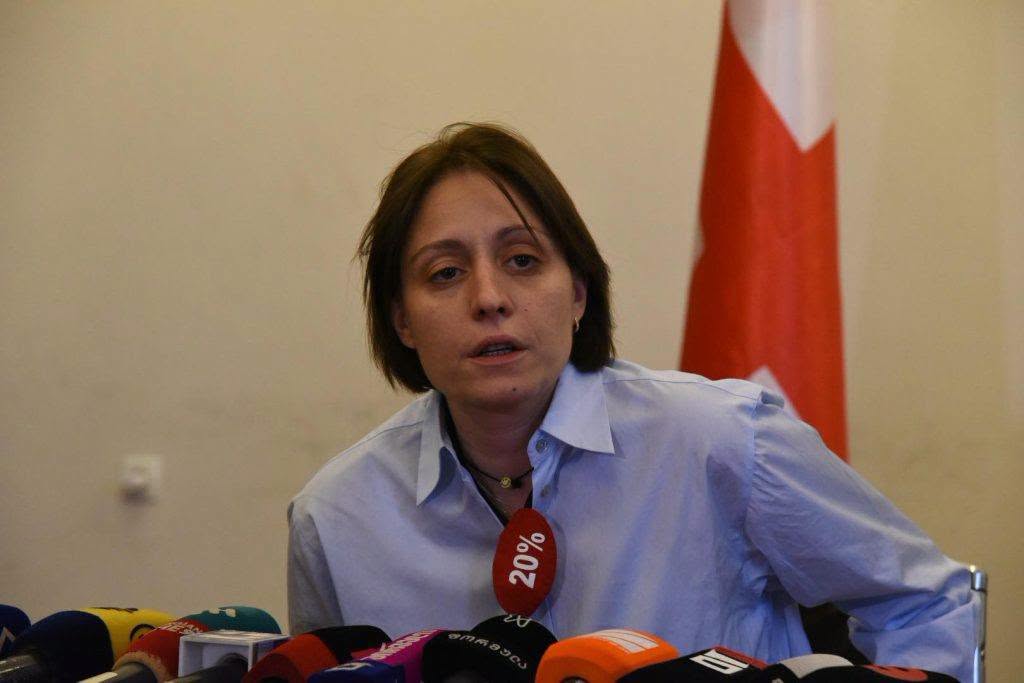
● The opposition party Droa said the penitentiary service prevented the treating doctor of its imprisoned leader Elene Khoshtaria (pictured) from visiting her. The doctor was asked to provide additional documents, although Khoshtaria’s lawyer says the prison visit request had been submitted exactly as instructed. The party described the incident as a deliberate delay that threatens Khoshtaria’s health.
● Kremlin spokesperson Dmitry Peskov has dismissed reports that Russia is preparing to annex Georgia’s Tskhinvali region (South Ossetia). The speculation followed the resignation of South Ossetian leader Alan Gagloev, who was appointed as an adviser to Vladimir Putin, while his duties are being temporarily carried out by Prime Minister Marat Kambolov, a Russian citizen. More here.
● A source in Vladimir Putin’s administration, quoted by the Russian newspaper Kommersant, said that because of the stagnation in “South Ossetia,” the time has come for “a strategic decision on the status” of the territory, which Georgia, the UN and most of the international community regard as Russian-occupied.
● James Carafano of the Heritage Foundation described Prime Minister Irakli Kobakhidze’s response to US Secretary of State Marco Rubio as “completely irresponsible and counterproductive,” adding that President Donald Trump “is interested in real results, not declarations of intent.” More here.
● Four more defendants have been sentenced in the “October 4 case,” involving the attempted storming of the presidential administration. Nana Sander was sentenced to seven years in prison, Abo Naverian and Anton Uper (in absentia) to five years each, while Mariam Mekantsishvili was fined 5,000 lari.
● In the same case, the prosecution reached plea agreements with 12 defendants. Ten of them will be released from prison in four months. One defendant, Manuchar Mikeladze, refused to plead guilty and was sentenced to five years in prison.
● The Investigation Service of the Ministry of Finance uncovered a scheme involving the illegal trade in psychotropic drugs and money laundering worth more than 53 million lari (about $20 million). Seventeen members of an organized criminal group have been arrested, and charges have been brought against 24 legal entities. Among those accused are former senior officials of the Medical and Pharmaceutical Products Regulatory Agency.
● Parliament’s administration has suspended the accreditation of Formula TV journalist Nini Balanchivadze for six months, saying she continued speaking to a respondent after he declined to give an interview.
-
Wednesday, 24 June, Azerbaijan. Turkmen President Serdar Berdimuhamedov has concluded his visit to Azerbaijan
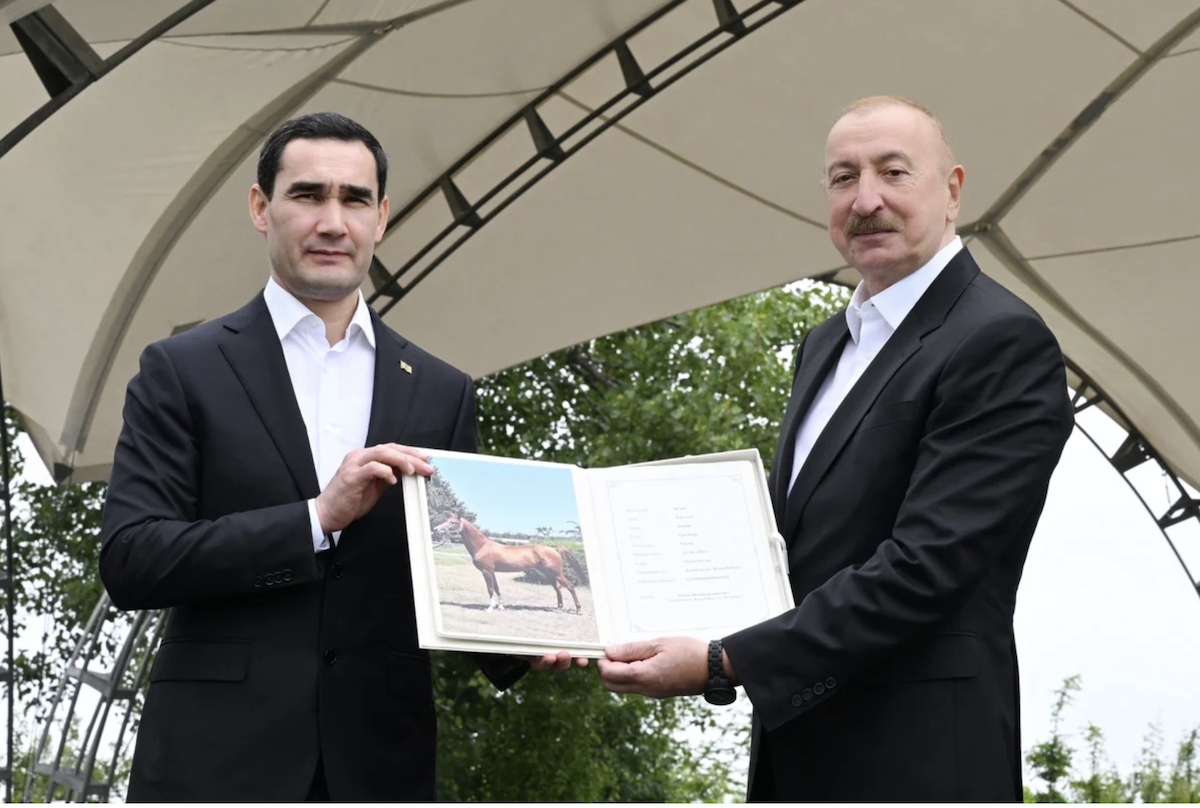
● Turkmen President Serdar Berdimuhamedov has concluded his visit to Azerbaijan. On the final day, the presidents of the two countries traveled to Karabakh, where they visited villages and districts destroyed during the 30 years of Armenian control, as well as local memorial sites. In Fuzuli, they inspected the construction of a mosque financed by Turkmenistan. In Shusha, they visited a new mosque being built under the personal patronage of President Ilham Aliyev. The mosque is designed in the shape of the number 8, symbolizing Victory Day in the Second Karabakh War and the full restoration of Azerbaijan’s territorial integrity. The two presidents also watched equestrian performances. Ilham Aliyev presented Serdar Berdimuhamedov with a Karabakh horse named Merd (pictured). Dozens of agreements and memorandums were signed during the visit. Experts describe the most significant as those covering customs, energy, transport, and transit across the Caspian Sea. More details here.
● EU Special Representative for the South Caucasus and the crisis in Georgia Magdalena Grono is due to arrive in Baku today for meetings with Azerbaijani officials. Her previous visit to Azerbaijan was in March.
● The European Union has launched the Connectivity Agenda Platform, a new framework to coordinate transport, energy, and digital projects along the Middle Corridor linking China, Central Asia, the South Caucasus, Turkey, and Europe, EU Commissioner for Enlargement Marta Kos announced. According to her, the platform will bring together separate initiatives into a single strategy for developing transport and logistics networks across the region. It is also intended to help attract financing by bringing together governments, international financial institutions, and private investors around a shared investment agenda.
The Middle Corridor (the Trans-Caspian International Transport Route) is viewed by the EU as an important alternative to traditional Europe-Asia trade routes. However, its development is currently limited by insufficient capacity and long delivery times. “Today it can take up to 45 days to transport goods from the China-Kazakhstan border to Romania. We want to reduce that to 15 days, making it significantly faster than sea transport to Europe,” Kos said. She identified missing rail and road links, differing border procedures, and incompatible systems as the main obstacles. According to Kos, the EU is ready to provide more than €80 million and help mobilize over €2 billion in investment for transport, energy, and digital infrastructure.
● Prosecutors have requested prison sentences ranging from 13 to 16 years for nine journalists in the criminal case linked to the independent outlet Toplum TV. The defendants say the prosecutor’s speech consisted only of demands for punishment and contained no evidence or legal arguments. They have requested a written copy of the statement. The investigation has been completed, and the next hearing will include the lawyers’ closing arguments.
Since November 2023, more than 30 journalists and civil society activists have been arrested in Azerbaijan on smuggling and other financial crime charges. Many are affiliated with Meydan TV, AbzasMedia, and Toplum TV. Seven journalists in the AbzasMedia case have already been sentenced to prison terms ranging from 7.5 to 9 years. The Meydan TV and Toplum TV trials are ongoing. The journalists deny all charges and say they are being prosecuted for exposing government corruption and official abuses.
● The Baku Court of Appeal continued hearings on appeals filed by former political and military leaders of the former self-proclaimed Nagorno-Karabakh Republic, who are imprisoned in Azerbaijan. In February this year, Arayik Harutyunyan, Levon Mnatsakanyan, Davit Manukyan, Davit Ishkhanyan, and Davit Babayan were sentenced to life imprisonment on charges including war crimes committed during Armenia’s military campaign against Azerbaijan, terrorism, and the violent seizure of power. Arkady Ghukasyan and Bako Sahakyan received 20-year sentences, Madat Babayan and Melikset Pashayan 19 years, Garik Martirosyan 18 years, Davit Alaverdyan and Levon Balayan 16 years, and Vasily Beglaryan, Gurgen Stepanyan, and Erik Ghazaryan 15 years.
During the hearing, Levon Mnatsakanyan, Erik Ghazaryan, Garik Martirosyan, and Gurgen Stepanyan declared themselves not guilty. Martirosyan’s lawyers asked the court to reduce some charges and dismiss others entirely. Levon Balayan’s lawyer requested a full acquittal. The next hearing is scheduled for June 30.
● Ten railway wagons carrying 700 tons of Russian wheat have been shipped to Armenia via Azerbaijan. Since the transit route Russia-Azerbaijan-Georgia-Armenia was opened, more than 33,000 tons of grain, around 8,000 tons of fertilizer, 133 tons of aluminum, 68 tons of buckwheat, and 414 tons of anthracite have been transported. Azerbaijan also continues exporting petroleum products to Armenia, with more than 14,000 tons of diesel fuel and over 4,000 tons of AI-92 and AI-95 gasoline delivered so far.
● Azerbaijan Railways has signed a contract with China’s CRRC Ziyang to purchase four new mainline passenger locomotives, with delivery expected in 2027. The sides also discussed a second phase of cooperation involving the purchase of 14 additional locomotives. Seven new freight locomotives ordered under last year’s contract with CRRC Ziyang are expected to arrive in Azerbaijan in September.
● Azerbaijan has announced plans to hold an Africa-Azerbaijan summit aimed at expanding cooperation.
● A delegation led by Culture Minister Adil Kerimli is visiting Uzbekistan to participate in the Third International Maqom Art Forum under the auspices of UNESCO and ICESCO. The delegation will also attend the ceremony designating Andijan as the Cultural Capital of the Turkic World for 2026.
● Farid Adilov has become the first Azerbaijani elected to the UN Committee on the Rights of the Child. He will serve during the 2027-2031 term. Candidates from 16 countries competed for nine vacant seats. The 18-member committee monitors states’ implementation of the 1989 Convention on the Rights of the Child.
-
Wednesday, 24 June, Armenia. Ursula von der Leyen is preparing to visit Armenia next week
● Armenian and Turkish ministers met to discuss restoring transport links between the two countries. “We reviewed the restoration of the historic Ani Bridge, located on the Silk Road between Kars and Ani, and discussed steps to revive this important monument of our shared historical heritage,” Turkish Transport Minister Abdulkadir Uraloğlu wrote on social media.
● US Congressman Brad Sherman, co-chair of the bipartisan Congressional Armenian Caucus, again called for the immediate release of all ethnic Armenians imprisoned in Azerbaijan. “The current US administration is working to achieve peace in the region. But there can be no lasting peace until every Armenian prisoner and political detainee is released from Azerbaijani prisons and allowed to return to their families,” Sherman said at a press conference marking the 1,000th day of their imprisonment.
● European Commission President Ursula von der Leyen is preparing to visit Armenia next week, Politico reports. According to the publication, the visit by the EU delegation, which will also include Enlargement Commissioner Marta Kos, will be a strong show of support for Prime Minister Nikol Pashinyan after his pro-European party won a convincing victory in the June parliamentary elections.
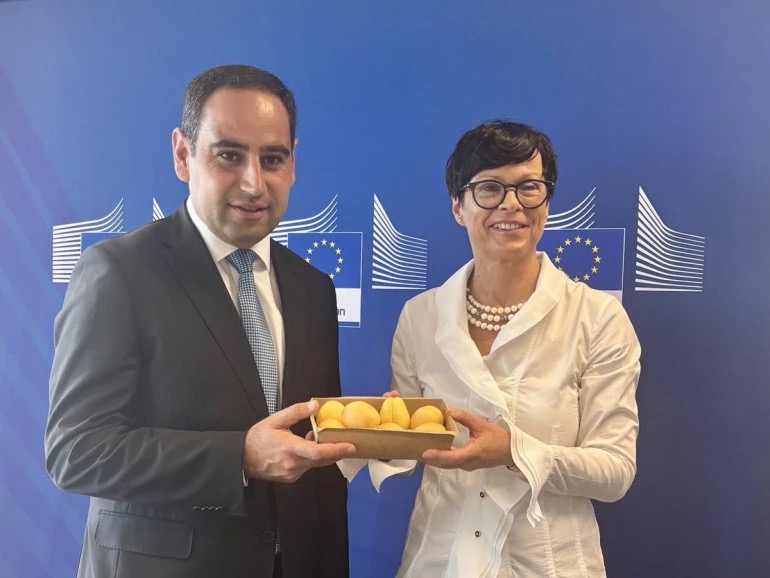
● A symbolic shipment of Armenian apricots has arrived in the European Union. It was delivered by Armenia’s Minister of Territorial Administration and Infrastructure David Khudatyan and presented as a gift to EU Commissioner for Enlargement Marta Kos. “We met ahead of the launch of the Connectivity Agenda Platform, where we will advance our work to improve Armenia’s links with its neighbours and Europe. This will help Armenian producers diversify their exports and bring more of their products to new markets,” Kos said.
● Russian Foreign Minister Sergey Lavrov commented on Ursula von der Leyen’s letter to Nikol Pashinyan. “She said, and I quote: ‘The spirit of the Velvet Revolution you led in 2018 is alive and thriving. Yerevan can count on Europe.’ In other words, the EU is no longer just trying to change governments through covert methods—it is now openly proud of carrying out colour revolutions, velvet revolutions, and others,” Lavrov said.
● Armenian Deputy Parliament Speaker Ruben Rubinyan told the Parliamentary Assembly of the Council of Europe: “On June 7, the people of Armenia made a clear choice, and that choice is peace and democracy. The country will continue institutionalising the peace achieved with Azerbaijan, advancing the normalization process with Turkey, and, most importantly, continuing democratic reforms.”
● A working group met in Yerevan to discuss upgrading and modernising infrastructure at the Armenia-Iran border and increasing its capacity. Deputy Economy Minister Edgar Zakaryan stressed the importance of further strengthening trade and economic cooperation between the two countries and diversifying logistics routes.
● Armenia is continuing the NATO Eagle Partner 2026 military exercises, aimed at preparing for international peacekeeping missions. The drills involve troops from the Armenian Armed Forces’ peacekeeping brigade, the Kansas National Guard (US), and the armed forces of France and Greece.
● Who will become speaker of the new parliament to be formed in August? According to sources from Radio Free Europe’s Armenian service, there are three candidates: current Speaker Alen Simonyan, Deputy Speaker Ruben Rubinyan, and Hayk Konjoryan, head of the ruling Civil Contract parliamentary faction. Simonyan and Rubinyan are long-time members of the ruling party, while Konjoryan joined ahead of the 2018 snap parliamentary elections. At the time, reports said his recruitment was overseen by Alen Simonyan.
● Yerevan hosted an event marking the first anniversary of the Canada Eurasia Trade Chamber (CECTE), which has become an important platform for cooperation between Armenia, Canada, and Eurasia in business, investment, trade, education, and innovation. Secretary General Arshak Khudaverdyan said the chamber now includes more than 40 organisations from 10 sectors of the economy, with over 15 partner companies. During its first year, it organised five major events and more than 20 direct business meetings. Key achievements included joint projects in mining, education, healthcare, and IT, as well as the launch of imports of more than 50 Canadian products to the Armenian market.
● Another shipment of Russian fertilisers has been sent to Armenia via Azerbaijan—six railway wagons carrying 408 tons.
● A fight broke out during a session of Yerevan’s Council of Elders after members of the opposition Mother Armenia party accused the ruling party of election violations. In response, Deputy Mayor Armen Pambukhchyan said the party “should keep quiet” because its leader, Andranik Tevanyan, is accused of treason. The remark led to a heated argument and a brawl, with participants throwing plastic bottles.
-
Wednesday, 24 June, Georgia. Ombudsman: 302 of 573 protest detainees reported police ill-treatment
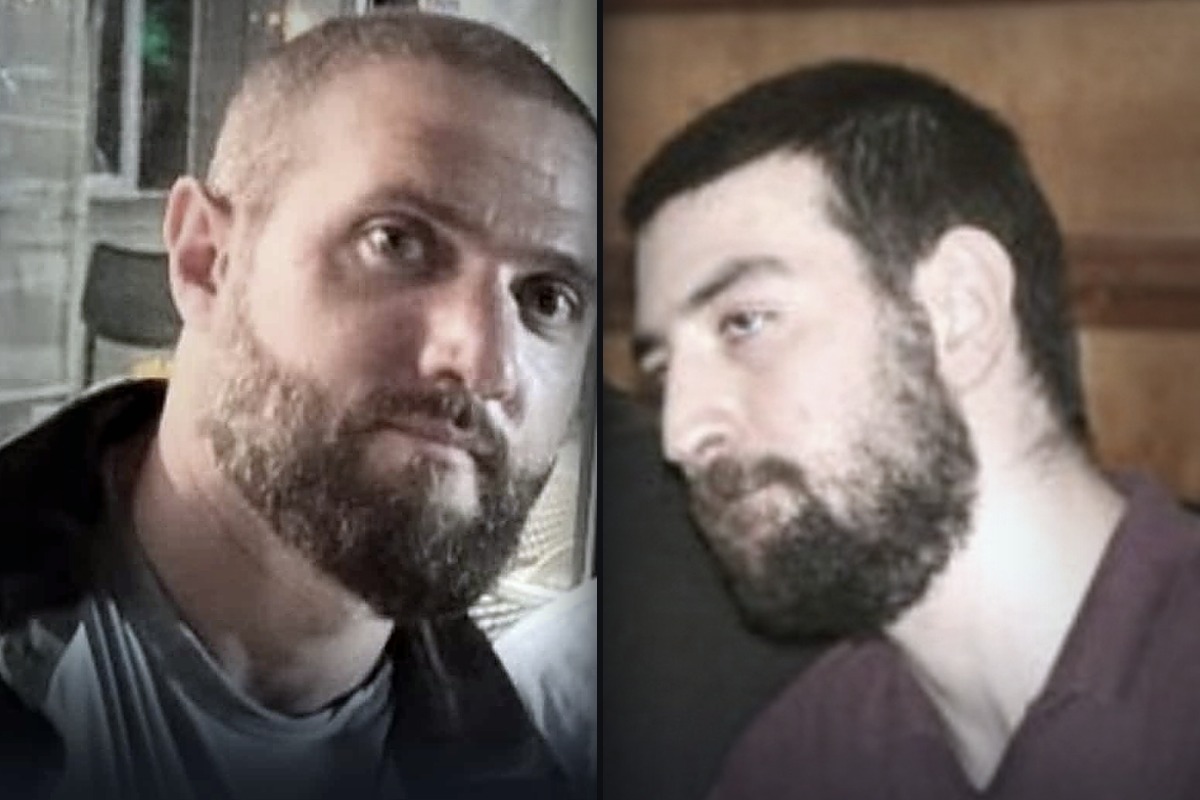
● The European Court of Human Rights has found Russia responsible for the torture and killings of Georgian prisoners of war, including Giorgi Antsukhelidze, Ushangi Sopromadze, and Kakhaber Khubuluri, during the August 2008 Russia-Georgia war. The court ruled that the crimes were committed in territory under Russia’s effective control and jurisdiction.
● Disagreements continue within the opposition United National Movement. Well-known TV presenter Nanuka Zhorzholiani, who was nominated for party leader by the party’s founder, imprisoned former President Mikheil Saakashvili, said that if elected chair, she would propose leaving the opposition alliance. She said the idea had already been discussed within the party and had not caused disagreements. Zhorzholiani also noted that Saakashvili and other party leaders had previously opposed dissolving the coalition.
● The opposition Droa party says the health of its leader, Elene Khoshtaria, has seriously deteriorated in prison. Khoshtaria is serving a sentence for damaging a ruling party election poster and is regarded by supporters as a political prisoner. According to the party, she is suffering severe pain caused by a chronic illness that could be treated in a clinic. Denying her access to medical care amounts to torture and risks irreversible consequences, the party said. Earlier, prison authorities agreed to allow her personal doctor to visit.
● Georgian opposition politicians met with Italian Deputy Foreign Minister Edmondo Cirielli, who is visiting Tbilisi. According to participants, they stressed that any future EU sanctions should target the ruling authorities rather than the Georgian people.
● Public Defender Levan Ioseliani presented his annual report to parliament, stating that 302 of the 573 people detained during pro-European protests reported ill-treatment by police and special forces, while 194 suffered injuries. More details here.
● Foreign Minister Maka Bochorishvili said that “the European Union often organizes meetings simply to demonstrate that Georgia has not been invited and to fuel the country’s domestic political tensions.”
● The European Court of Human Rights ruled that the detention of Zurab Karchava for setting up a tent in Batumi in 2022 violated his rights to freedom of expression and peaceful assembly. The court ordered the Georgian state to pay him €1,000 in compensation.
● In Tskhinvali, South Ossetian de facto president Alan Gagloev resigned. He said he had been appointed as an adviser to Russian President Vladimir Putin, while his duties would temporarily be performed by the recently appointed de facto prime minister, Russian citizen Marat Kambolov. According to independent Russian media, the Kremlin is still considering a scenario of annexing the region and creating a “mini-USSR,” made possible by a May agreement allowing Russian citizens to hold positions in the de facto authorities. Local experts believe the reshuffle is mainly aimed at giving Moscow tighter control over Russian funding that, they say, was misused by Gagloev and his team. More details here.
● Former Belgorod Region Governor Vyacheslav Gladkov has been appointed Russia’s ambassador to Abkhazia, which Moscow recognizes as an independent state, while the overwhelming majority of countries regard it as Georgian territory occupied by Russia.
● A conference organized by the All-Georgia Muslim Administration was held in Tbilisi at the office of the Iran-linked Ahl al-Bayt organization. Local media reported that participants included the head of the cultural center of the Iranian Embassy in Georgia and a representative of the unlicensed Al-Mustafa University, which is under US sanctions.
● The Interior Ministry has submitted amendments to parliament that would exempt people in sham marriages with foreign nationals from criminal liability if they voluntarily declare the marriage before October 1, 2026. The amendments also tighten residence permit rules based on marriage. Under the new system, permits will initially be issued for one year, then for two years, with the possibility of renewal.
● A Tbilisi court has sentenced a local resident to eight years in prison for human trafficking. The evidence showed that he forced the victim to work without pay in a shop and to beg for money.
-
Tuesday, 23 June, Armenia. Armenia and Azerbaijan have signed an agreement on joint commercial internet traffic
● Armenia’s Telecom Armenia and Azerbaijan’s AzerTelecom have signed an agreement that will enable the commercial transmission of internet traffic between mainland Azerbaijan and its Nakhchivan Autonomous Republic via Armenian territory. At the same time, Telecom Armenia stressed that Azerbaijan will not gain access to Armenia’s domestic internet network.
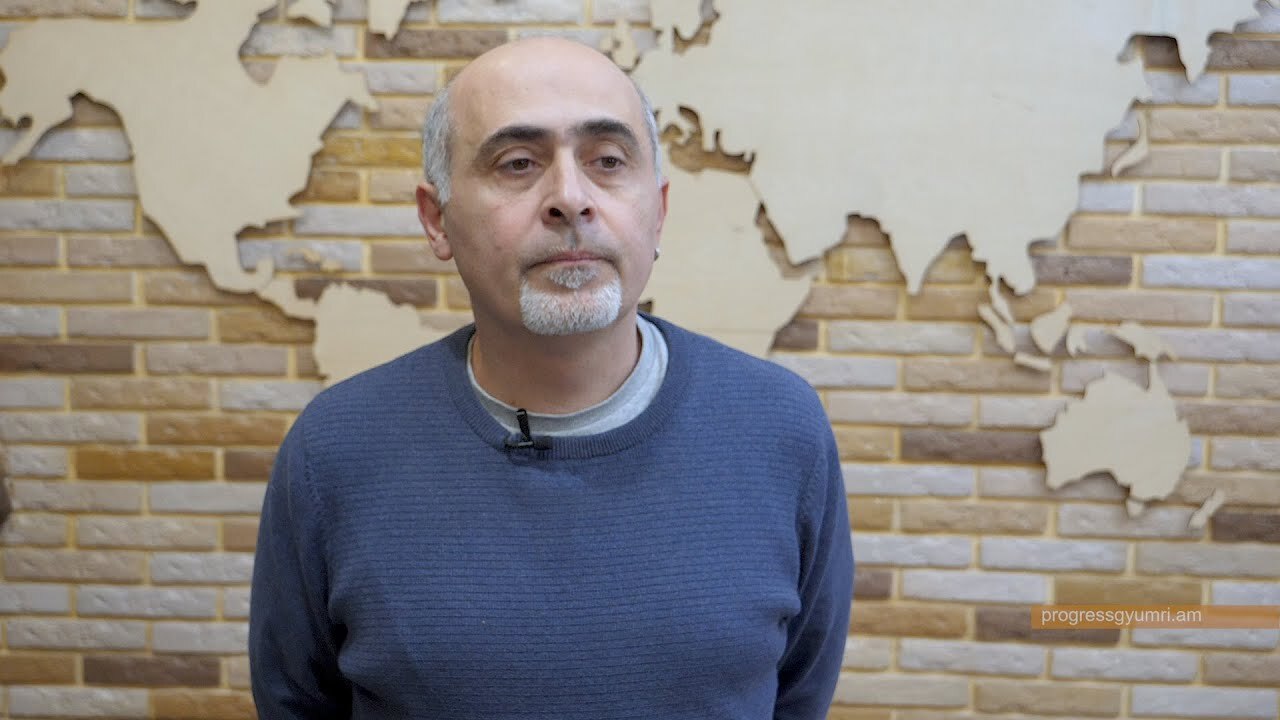
● Cybersecurity expert Samvel Martirosyan commented on this new element of practical cooperation between Yerevan and Baku, which has been developing since the peace agreements reached in the summer of 2025: “When it comes to railway freight transit through Azerbaijan, Armenia is the side that needs it most. In the case of optical fiber cables, however, it is Azerbaijan that needs internet transit to ensure connectivity with Nakhchivan. Armenia also benefits from having an additional backup internet route. Telecom Armenia has previously reported that Armenian traffic accounts for only 10–15% of the traffic carried by the country’s backbone fiber-optic cables. The company is now actively expanding international transit traffic, particularly from the Middle East. Armenia can also become part of the East-West transit corridor, as Kazakhstan will now begin routing internet traffic through Armenian territory.”
● There are no provisions in the regulations of the CSTO (the Russia-led military alliance) allowing a member state to refuse to pay its membership contributions, Russian Foreign Ministry spokesperson Maria Zakharova said while commenting on Armenia’s unpaid dues to the organization. Armenian authorities have repeatedly stated that they have frozen the country’s participation in the CSTO and do not intend to pay contributions, accusing the alliance of failing to provide assistance in 2021–2022. Armenia requested support from its allies after Azerbaijani armed forces advanced into Armenia’s sovereign territory but received none. Zakharova stressed that Armenia has not paid its contributions since the beginning of 2024. She also said that Russia and its partners in the Eurasian Economic Union (another Russia-led organization of which Armenia is a member) “consider Armenia’s consumerist approach of seeking to join the EU at others’ expense unacceptable.” “Russia, Belarus, Kazakhstan, and Kyrgyzstan want Armenia to decide between EAEU and EU membership as soon as possible,” Zakharova said.
● A ceremony was held at the Armenian Embassy in France to present the Order of Friendship of the Republic of Armenia to Brice Roquefeuil, Director of the Continental Europe Department at France’s Ministry for Europe and Foreign Affairs.
● On June 24–25, Armenian Security Council Secretary Armen Grigoryan will travel to Gdańsk, Poland, on a working visit to participate in the Ukraine Recovery Conference.
● During May 2026, amid campaigning for Armenia’s parliamentary elections, there was a sharp increase in hate speech targeting Karabakh Armenians, according to a new monitoring report by the Regional Center for Democracy and Security prepared with financial support from the European Union. According to the report, the main sources of such rhetoric in May were representatives of the ruling Civil Contract party, including Prime Minister Nikol Pashinyan.
● Economy Minister Gevorg Papoyan reported that between June 19 and 21 Armenia exported 154 tons of cherries, 371 tons of apricots, 19 tons of strawberries, 144 tons of peppers, and 390,000 flowers.
● Minister of Territorial Administration and Infrastructure David Khudatyan met in Brussels with EU Commissioner for Enlargement Marta Kos. He praised the EU’s support for Armenia’s reforms and development and emphasized the importance of the new momentum in Armenia-EU partnership, including in the area of regional connectivity. Marta Kos assured him that EU support for Armenia would remain continuous.
● Armenian Justice Minister Srbuhi Galyan met with Vassilis Maragos, Head of the EU Delegation to Armenia. The sides discussed the implementation of the Armenia-EU visa liberalization program, as well as judicial, legal, and constitutional reforms.
● Armenia held another meeting of its interagency commission on prisoners of war, hostages, and missing persons. Participants discussed coordination among state agencies and other relevant institutions. Following the meeting, instructions were issued and key priorities for future work were identified.
● The Armenian government will subsidize milk production for the first time, enabling around 20,000 farmers to increase their income.
● A passenger aircraft operating a flight from Gyumri to Moscow was diverted to Makhachkala after declaring an emergency. Less than an hour after takeoff, the crew issued a general emergency signal. The aircraft landed safely in Makhachkala. According to preliminary information, the emergency landing was caused by the false activation of a cabin depressurization warning sensor.
-
Tuesday, 23 June, Azerbaijan. Foreign Ministry strongly protests European Court ruling on torture of Armenian serviceman
● Peter Sich, head of the Council of Europe Office in Azerbaijan, was summoned to the Foreign Ministry, where he was handed a strong protest over a recent ruling by the European Court of Human Rights. The Court found Azerbaijan responsible in a case concerning the torture and beheading of an Armenian serviceman during the April 2016 fighting (more details here). The Foreign Ministry described the ruling as unjust, biased, and inconsistent with international law. It also pointed out that in 2016 the European Court, in the case Chiragov and Others v. Armenia, established Armenia’s effective control over Azerbaijan’s occupied territories and Yerevan’s direct military and financial support for the separatist regime. By contrast, the latest ruling refers to the separatist regime as the “Nagorno-Karabakh Republic” and uses other wording that, according to the ministry, directly contradicts Azerbaijan’s internationally recognized territorial integrity. The ministry stressed that Azerbaijan categorically rejects the judgment and intends to use all available legal mechanisms to protect its legitimate interests.
● Following the visit of Turkmen President Serdar Berdimuhamedov to Baku, the two countries agreed to coordinate efforts to develop East-West transport and transit corridors through their territories. The presidents of Azerbaijan and Turkmenistan stated their goal of increasing cargo flows through joint efforts and attracting transit cargo from third countries. They also reaffirmed their intention to continue close cooperation within the five-party Caspian framework, including environmental protection and the development of transit infrastructure. More details on the key outcomes of the visit here.
● During the visit, the foreign ministers of Azerbaijan and Turkmenistan held talks in Baku. One of the main topics was strengthening regional connectivity and making more effective use of the Middle Corridor’s potential.
● The visit also included expanded consultations between the heads of the two countries’ customs services. Discussions focused on improving cooperation in statistical data exchange, simplifying customs procedures, and strengthening risk management.
● Serdar Berdimuhamedov expressed his gratitude to President Ilham Aliyev for presenting him with the oil tanker Dostlug as a gift. Experts describe this exclusive gift as a practical contribution to strengthening transportation across the Caspian Sea and a symbol of the two countries’ long-term partnership in energy and logistics. The Dostlug tanker was built at the Baku Shipyard. It has a carrying capacity of 7,875 tons and is 141 meters long.
● On the opening day of the 20th session of the Conference of the Parliamentary Union of the Member States of the Organization of Islamic Cooperation, delegates heard a report by the Committee on Muslim Communities and Minorities on the situation of such groups in countries outside the Parliamentary Union. Discussions covered incidents of discrimination, the protection of the rights of Muslim communities, and their social integration. Participants also addressed the preservation of religious and cultural heritage in territories affected by armed conflict. More than 400 delegates from over 40 countries, speakers of parliament from more than 10 countries, and representatives of 10 international organizations are attending the conference, which will conclude on June 25.
● Azerbaijan’s AzerTelecom and Armenia’s Telecom Armenia have signed an agreement that will allow internet traffic to be transmitted on a commercial basis between mainland Azerbaijan and its Nakhchivan Autonomous Republic via Armenian territory.
● New rules have been approved for state financial support to non-governmental organizations under a “one-stop shop” system. The State Support Agency for NGOs of Azerbaijan will coordinate the process. To qualify for grants, NGOs must be officially registered with the state. Donor funding may be transferred to NGO bank accounts only in Azerbaijani manats.
● A new program for 2026-2030 has been announced to expand benefits and credit opportunities for farmers. The program also provides agricultural machinery and state funding covering 70% of logistics costs for exported agricultural products. Special targeted support mechanisms have also been introduced for young entrepreneurs and women working in the agricultural sector.
● Since the beginning of the year, law enforcement agencies have seized 4 tons 263.1 kilograms of narcotic drugs and psychotropic substances from illegal circulation, with a total estimated value of 111.8 million manats (approximately $66 million). A total of 2,110 people have been detained in connection with these cases, including 25 foreign nationals.
● Since the beginning of this year, Georgia has tripled its imports of crude oil and petroleum products from Azerbaijan, purchasing a total of 55,600 tons. Azerbaijan currently ranks fourth among Georgia’s suppliers after Russia (309,400 tons), Romania (77,400 tons), and Turkey (67,300 tons).
● Azerbaijan almost halved its imports of automobiles from Georgia in January-May this year compared to the same period in 2025. According to Georgia’s national statistics office, the country’s overall automobile export sector has declined. During the first five months of the year, Georgia exported 24% fewer vehicles abroad, while the total value of exports fell by 25% compared to the same period last year.
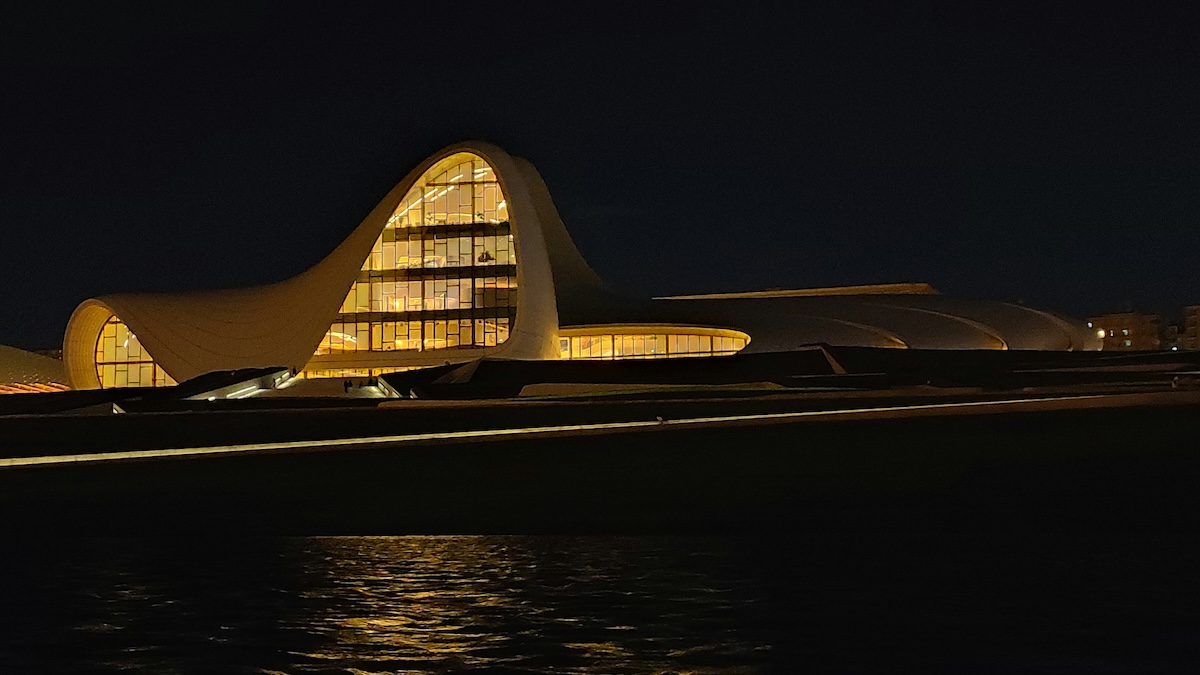
Photo by menderes kahraman
-
Monday, 22 June, Azerbaijan. Baku hosts the 20th Session of the Conference of the Parliamentary Union of the OIC Member States
● The 20th Session of the Conference of the Parliamentary Union of the OIC Member States opens today in Baku. More than 400 delegates from over 40 countries, including speakers of parliament from more than 10 countries and representatives of 10 international organizations, are taking part. The session will conclude on June 25.
● President Ilham Aliyev met with a Jordanian delegation led by the Speaker of the House of Representatives, which arrived in Baku to participate in the conference.
● Azerbaijan and Turkmenistan plan to expand cooperation in the energy and transport-logistics sectors, as well as strengthen cooperation in the Caspian Sea. These issues will be discussed during the upcoming visit to Baku by Turkmen President Serdar Berdimuhamedov, according to Turkmenistan’s Foreign Ministry.
● Azerbaijan has sent 17 railcars carrying 1,000 tonnes of diesel fuel to Armenia. On the same day, 18 railcars carrying 1,260 tonnes of Russian grain were dispatched to Armenia in transit through Azerbaijan. According to official figures, Azerbaijan has so far exported more than 13,000 tonnes of diesel fuel and over 4,000 tonnes of AI-92 and AI-95 gasoline to Armenia. In addition, more than 32,000 tonnes of grain, 7,000 tonnes of fertilizers, 133 tonnes of aluminum, 68 tonnes of buckwheat, and 414 tonnes of anthracite from Russia have been transported to Armenia via Azerbaijan.
● Azerbaijan’s Foreign Ministry issued a statement marking World Refugee Day on June 20, expressing solidarity with millions of people worldwide who continue to face hardship, displacement, and the loss of their homes and livelihoods. “For Azerbaijan, the issue of forced displacement has particular significance. As a result of the aggression and occupation of Azerbaijani territories, more than one million people became refugees and internally displaced persons, living in hardship for decades,” the statement said. It also noted that, following the restoration of the country’s territorial integrity, Azerbaijan is implementing a large-scale reconstruction and redevelopment program in the formerly occupied territories.
● Azerbaijani boxer Saidjamshid Jafarov won the gold medal at the Boxing World Cup in Guiyang, China. Earlier, Azerbaijan’s Murad Allahverdiyev and Alfonso Dominguez won bronze medals at the tournament.
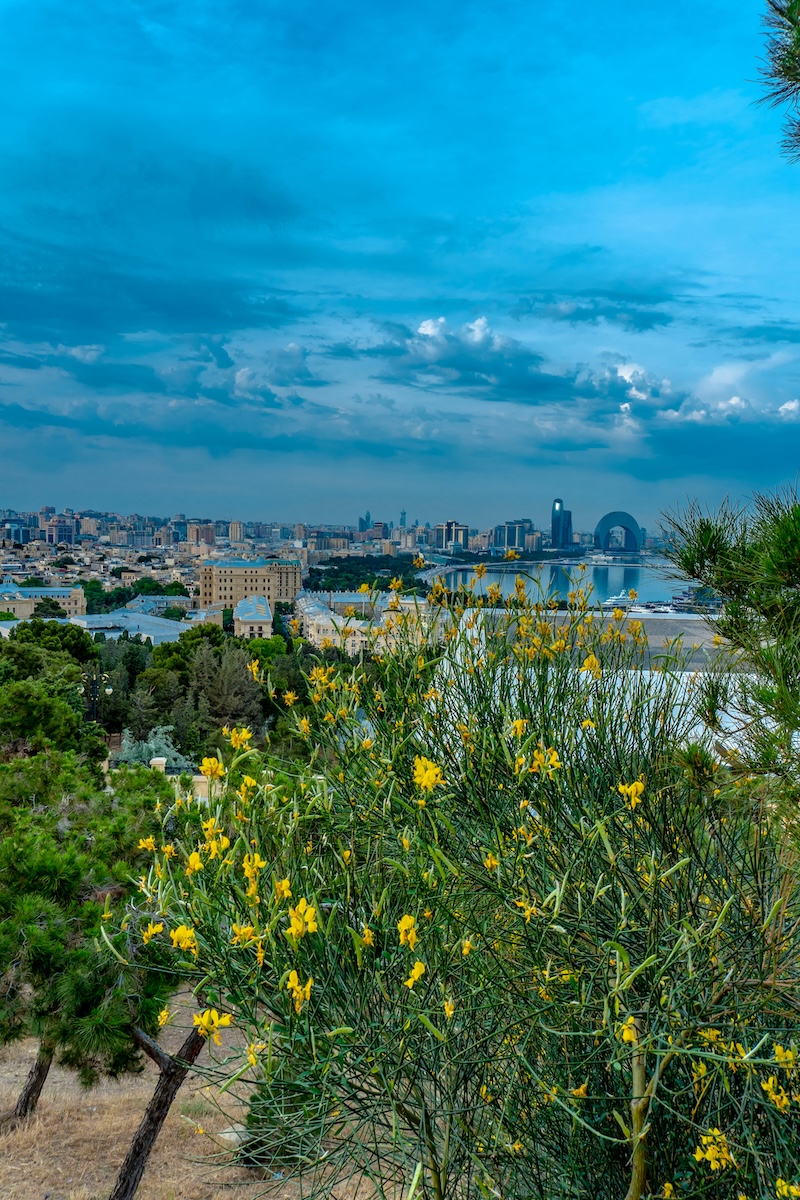
Photo Zulfugar Karimov
-
Monday, 22 June, Armenia. The Constitutional Court has agreed to hear a lawsuit filed by the pro-Russian opposition challenging the results of the parliamentary elections
● The Constitutional Court has agreed to hear a lawsuit filed by the pro-Russian opposition challenging the results of the June 7 parliamentary elections. The plaintiffs include the Strong Armenia alliance, the Wings of Unity, Democracy, Law and Order, Prosperous Armenia, New Force, Alliance of Defenders of Democracy for the Republic, and the Armenia party bloc. Read more here
● The European Commission has allocated €34 million to Armenia to help mitigate the impact of Russian trade restrictions on Armenian exports.
● In May, Georgia imported 218.2 tonnes of flowers from Armenia, a record monthly volume. According to Georgia’s National Statistics Office, flower imports from Armenia increased 2.9-fold. This is significant for Armenia, as Russia had traditionally been its main export market but blocked imports of Armenian flowers and other products after the Armenian government announced its intention to pursue EU integration.
● Another shipment of Russian wheat — 490 tonnes in seven railcars — has been sent to Armenia by rail via Azerbaijan. More than 29,000 tonnes of grain have already been transported to Armenia along this route, as well as fertilizers, coal, aluminum, and other cargo.
● Prime Minister Nikol Pashinyan visited the Yerevan Botanical Garden to inspect the construction of the Life Square project. The central alley and bicycle path have already been completed, while reconstruction of the cascading stairways is ongoing. The Armenian government has allocated 5.026 billion drams (about $13.7 million) for the project.
● A rockfall occurred on the Yerevan–Meghri highway leading to the resort town of Jermuk. About 2 cubic meters of rocks fell onto the road. The highway has since been cleared and reopened to traffic.
● A delegation led by the mayor of the French city of Vienne has arrived in Armenia. The visit is part of cooperation between Armenia’s Syunik Province and France’s Auvergne-Rhône-Alpes region (Isère Department). The delegation visited the Armenian Genocide Memorial Complex and the Armenian Genocide Museum-Institute.
● Japanese Ambassador Yutaka Aoki attended the opening of the exhibition “Yakishime: Earthly Metamorphoses” at the History Museum of Armenia. The exhibition showcases the history of Japan’s ceramic tradition. “We are pleased to see in Armenia exhibits that are around 900 years old. The exhibition tells the story of a tradition passed down from generation to generation. The same techniques are still used today to produce plates, bowls and vases,” the ambassador told journalists.
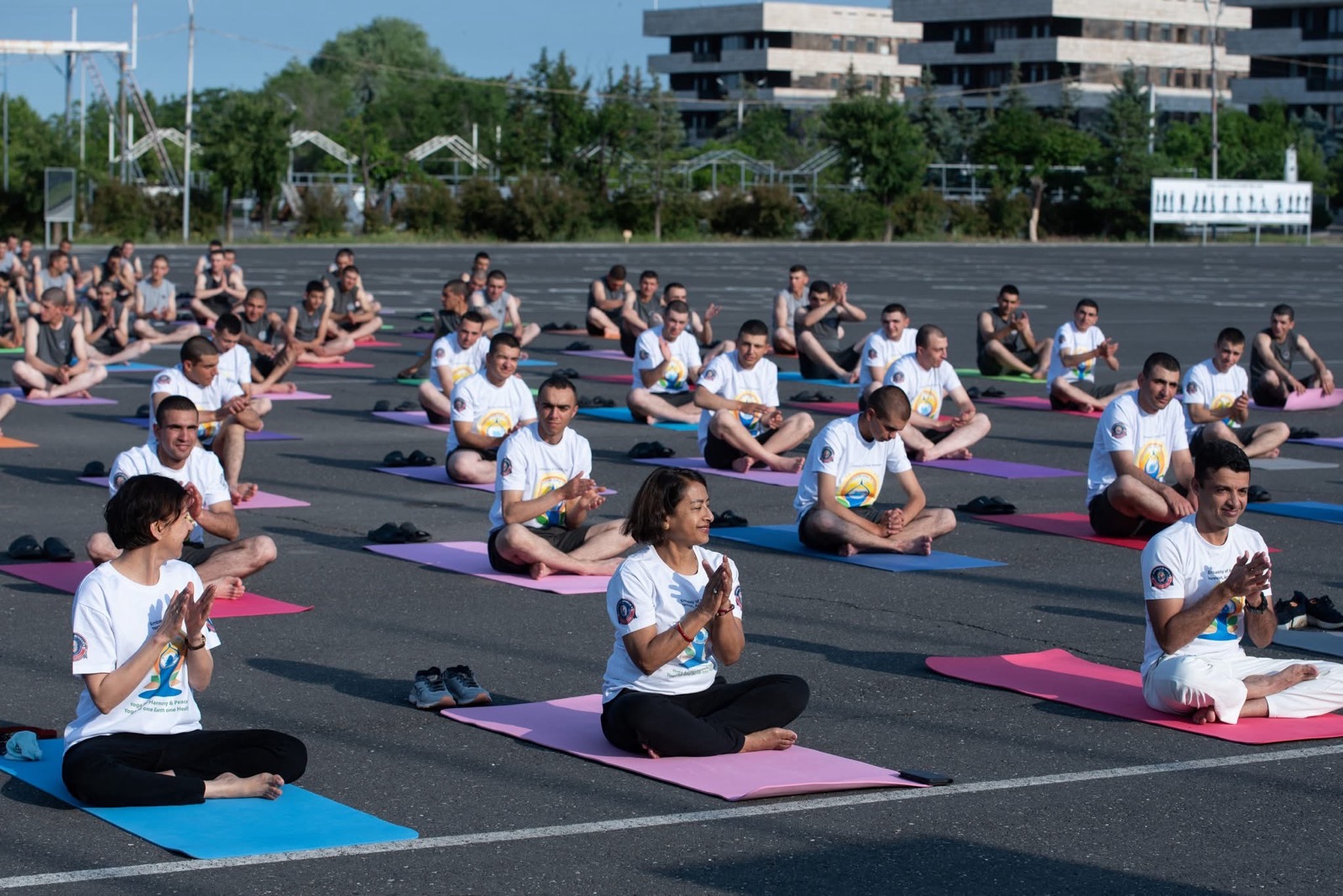
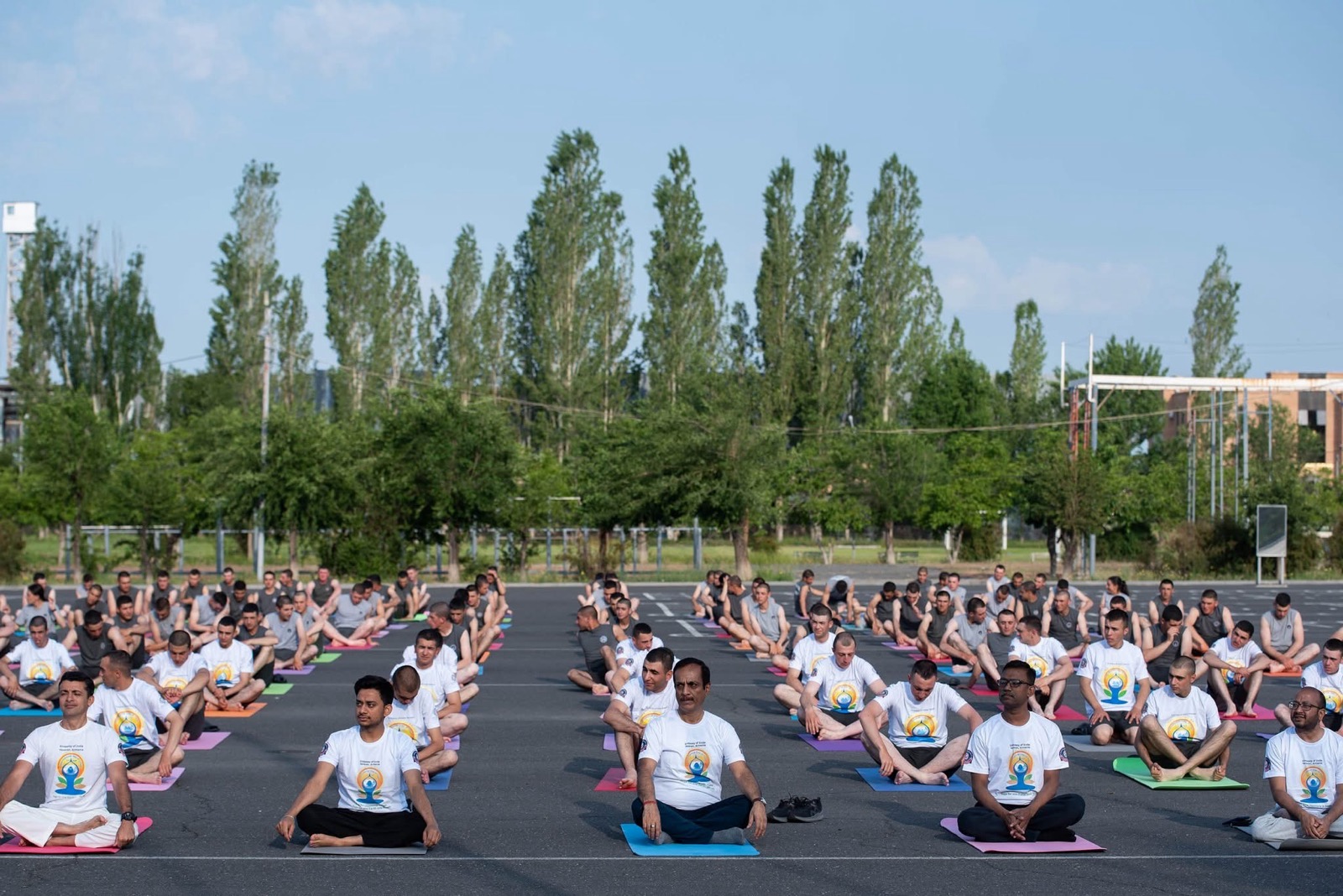
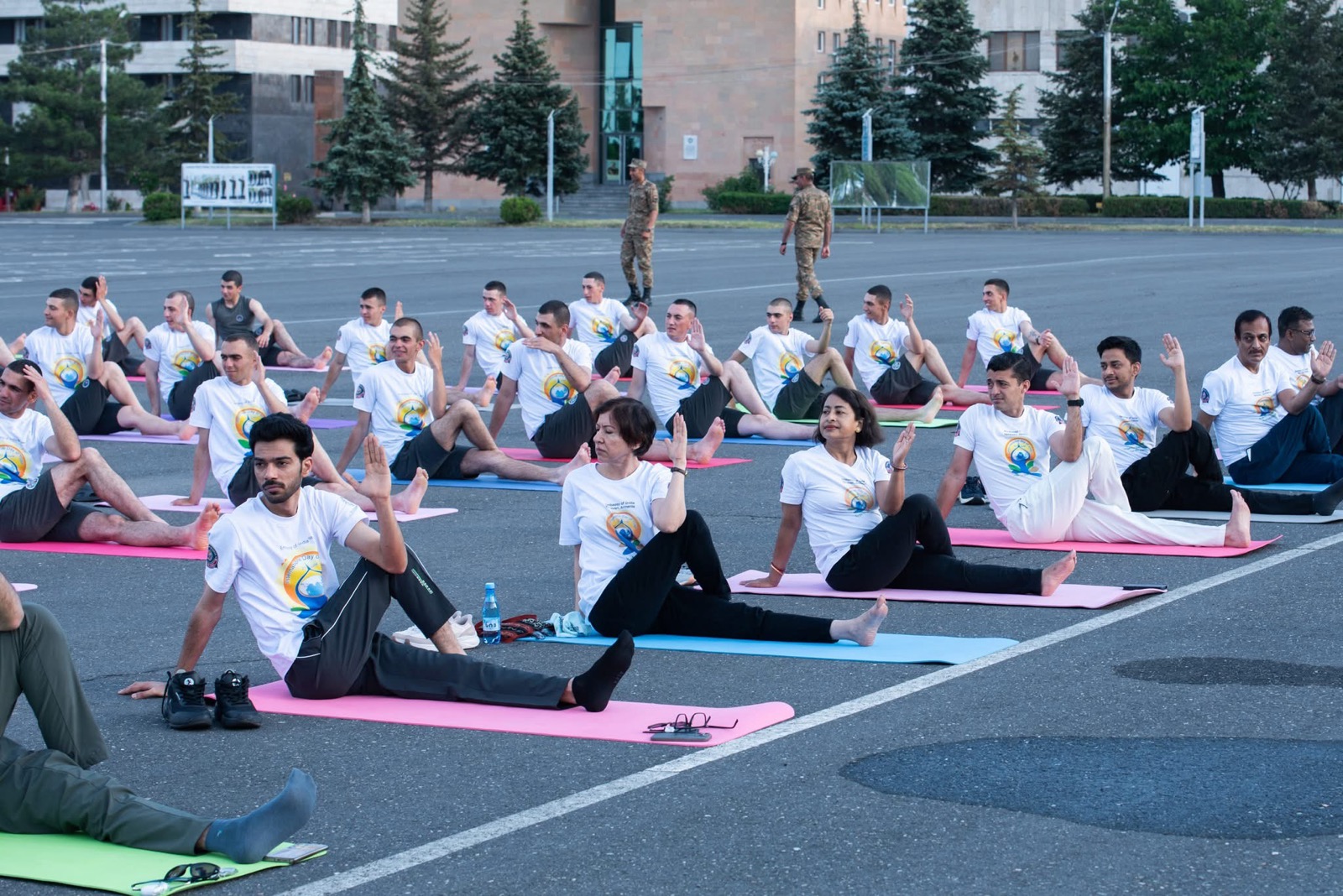
Photo: International Day of Yoga celebrated in Yerevan.
-
Monday, 22 June, Georgia. In Tbilisi, a multi-thousand-strong march marked the 7th anniversary of the violence during the dispersal of the protest on the 'Gavrilov Night'
● A march was held in Tbilisi to mark the seventh anniversary of the events that came to be known as the “Gavrilov Night.” On the night of June 20–21, 2019, authorities violently dispersed a mass protest outside the parliament building using rubber bullets and batons. Two people lost an eye after being struck by rubber bullets, around 240 were injured, and dozens were arrested. The immediate trigger for the protests was that, during the Interparliamentary Assembly on Orthodoxy held in the Georgian parliament, Russian MP Sergei Gavrilov took the speaker’s chair. The march took place on the 571st consecutive day of protests in Georgia, whose main demand is that the government fulfill the European Union’s conditions and resume the country’s EU integration process. Here are photos and videos from the march. Below is a video report about the events of 2019–2020.
● Abkhazia’s de facto Foreign Ministry has criticized the Georgian educational project “When I Return to Abkhazia,” calling it part of a “revanchist policy” and accusing Georgia of imposing a distorted view of history on young people. “Such attempts to replace historical memory with propaganda narratives are further proof of Georgia’s unwillingness to acknowledge its responsibility for starting the war,” the statement said. According to Sokhumi, the only genuine indication of Tbilisi’s peaceful intentions would be the signing of a legally binding agreement on the non-use of force against Abkhazia.
● Ia Darakhvelidze, who was sentenced in absentia to five years in prison in connection with the alleged attempted attack on the presidential administration on October 4 last year, said she had left the country to attend scheduled events abroad. She said she had informed both the Prosecutor’s Office and the court in writing beforehand and that her passport had not been confiscated. Read more about the verdicts in the October 4 case here.
● The Presidium of the State Academy of Arts has expressed deep concern over the five-year prison sentence handed to the Academy’s president, Professor Giorgi Chakhunashvili, and six other defendants in the October 4 case. It called for an objective review of the case, international monitoring, and the involvement of human rights organizations.
● Parents of children with Duchenne muscular dystrophy, who have been holding a public protest demanding state funding for expensive medication, say the health minister has received preliminary responses from pharmaceutical companies regarding the financing and import of the drugs. A final decision is expected next week. According to the parents, the process is moving forward based on an agreement reached with the prime minister.
● A young woman died after falling onto the tracks at Didube metro station in Tbilisi. An investigation has been launched.
● A truck driver was killed in Tbilisi’s Didube district when a steel structure he was transporting fell onto the cab during braking. The incident is being investigated under the article covering violations of traffic safety or transport operation rules.
● On June 28, Catholicos-Patriarch Shio III will personally bless worshippers at Sameba Cathedral in Tbilisi following the Divine Liturgy.
-
Top stories in Azerbaijan, Armenia, and Georgia from 15-19 June, 2026