Opinion: 'Dispute over goal': what should Georgia's opposition do after reaching ideological dead end?






Has Georgia’s opposition lost?
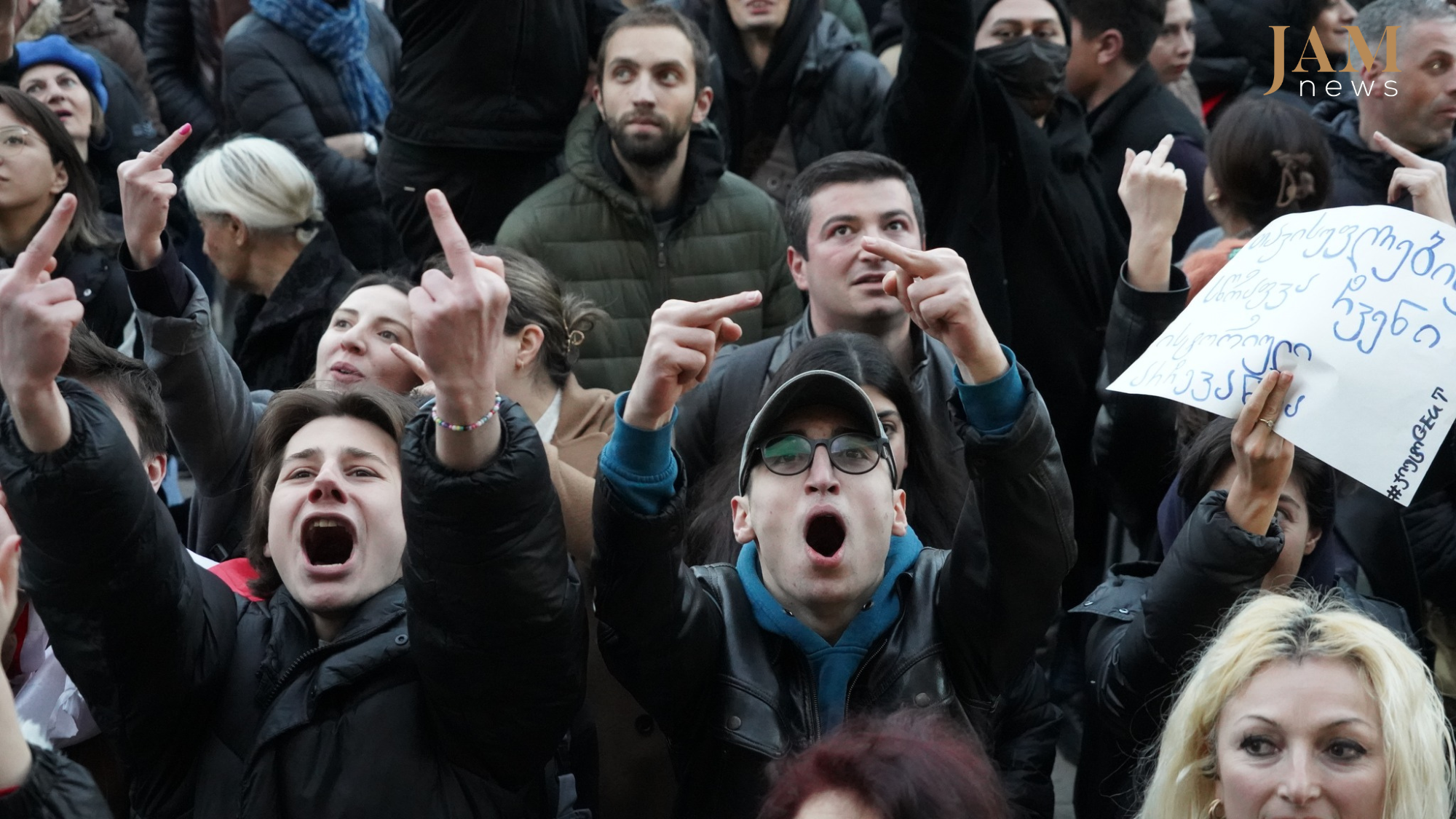
Over the past few days, a fierce and at times painful debate has unfolded among Georgia‘s opposition-minded community on Facebook. This time, the argument is taking place among people who have spent years participating in pro-European street protests and waiting for political change.
The question dividing them is a simple one:
Should they acknowledge that, at least for now, they have lost?
Arrests and first reactions: how the debate began
Writer Irakli Kakabadze published a social media post that many described as a cold shower.
He argued openly that the opposition had effectively suffered defeat and that it was time to stop clinging to illusions.
“We keep telling ourselves that we will achieve a glorious victory. In reality, however, we have lost on every front and in every sphere. It seems time to admit that the revanchist fifth column has defeated us and turned the entire country into a ‘Public Broadcaster studio’ – a kind of theatrical quartet,” he wrote.
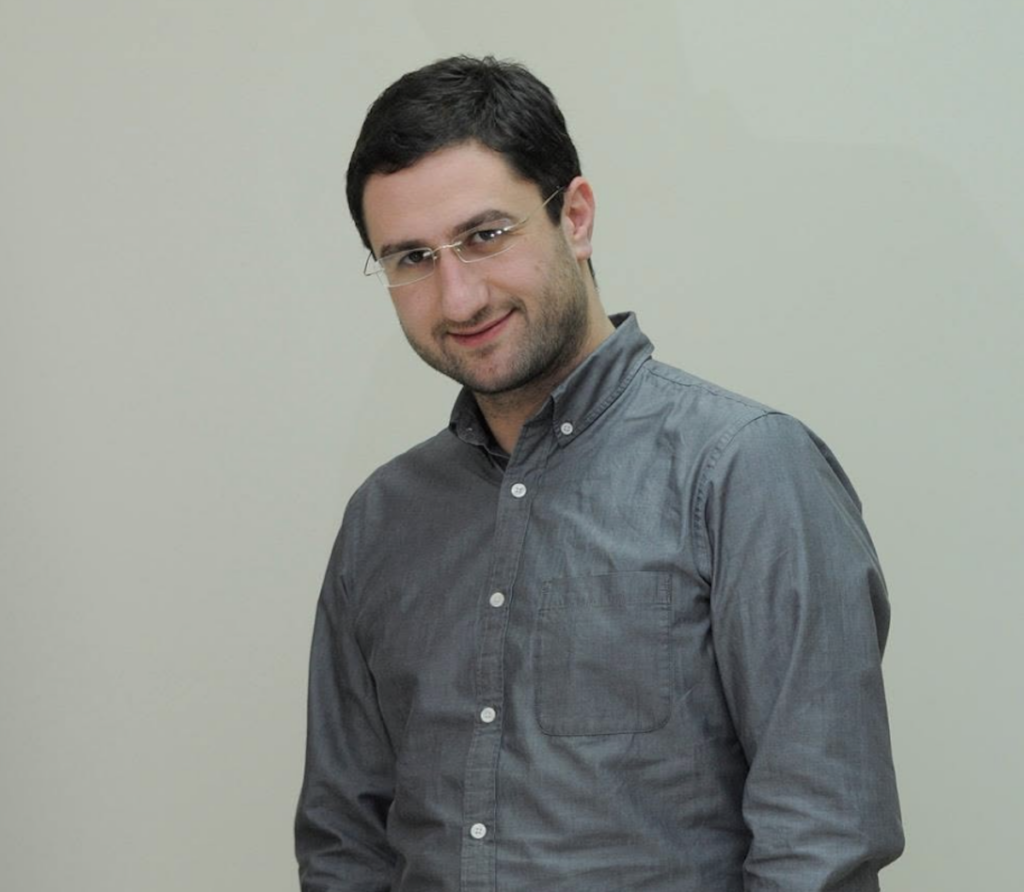
This view soon found support from theologian Beka Mindiashvili.
He argued that when people are being arrested, Ilia State University is being dismantled, and silence replaces protests in the streets, there is little else to call it.
Mindiashvili believes that refusing to acknowledge reality poses a greater danger than defeat itself.
“When you cannot recognise and accept failure, that is an even greater failure. You abandon reason and responsibility. At that very moment, you fall into an illusion and a trap with no way out.”
No white flag: why surrender is dangerous
Another camp within the protest movement strongly rejects this view.
Its supporters argue that talk of defeat will only demoralise society and push people towards nihilism. According to Professor Rusiko Kobakhidze, as long as people remain in prison, others have no right to give up.
She put it this way:
“What kind of sport is this — admitting defeat on our behalf, on behalf of political prisoners? ‘If we admit defeat, new opportunities will open up to us’ — what rational meaning does that phrase have? If Giorgi Antsukhelidze had admitted defeat, what would he have done? Today he would be sitting peacefully with his wife and children.”
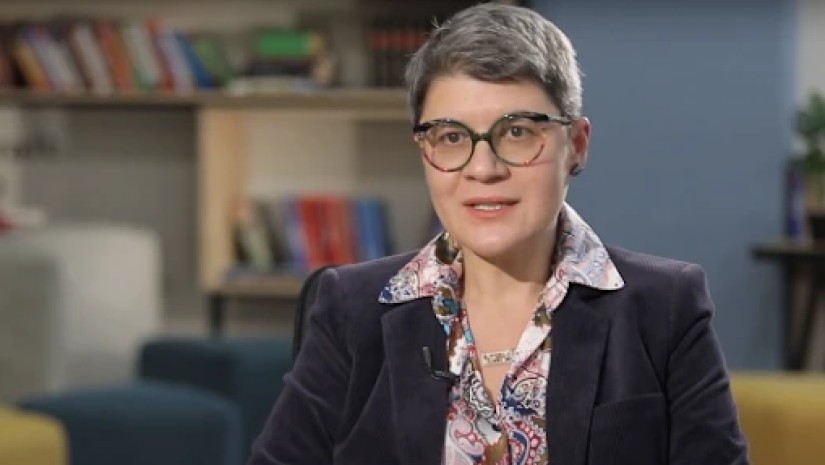
Professor Nana Dikhamiinjia shares that view, although she also wants optimists to offer a concrete strategy. In her opinion, hope alone is no longer enough and people need a clear understanding of what comes next.
“For example, will we continue protesting for another year and eventually secure parliamentary elections? Will tougher sanctions force Bidzina Ivanishvili to say, ‘I no longer need this black money, I am leaving politics’? Or will Ukraine’s victory inspire a wave of public support that ultimately removes Bidzina from power?”
Street protests or parliament: where is the answer?
The debate has exposed another problem. Over the past 18 months, part of the opposition has refused to work in parliament and instead focused exclusively on street protests. Today, many acknowledge that the strategy has failed to deliver results.
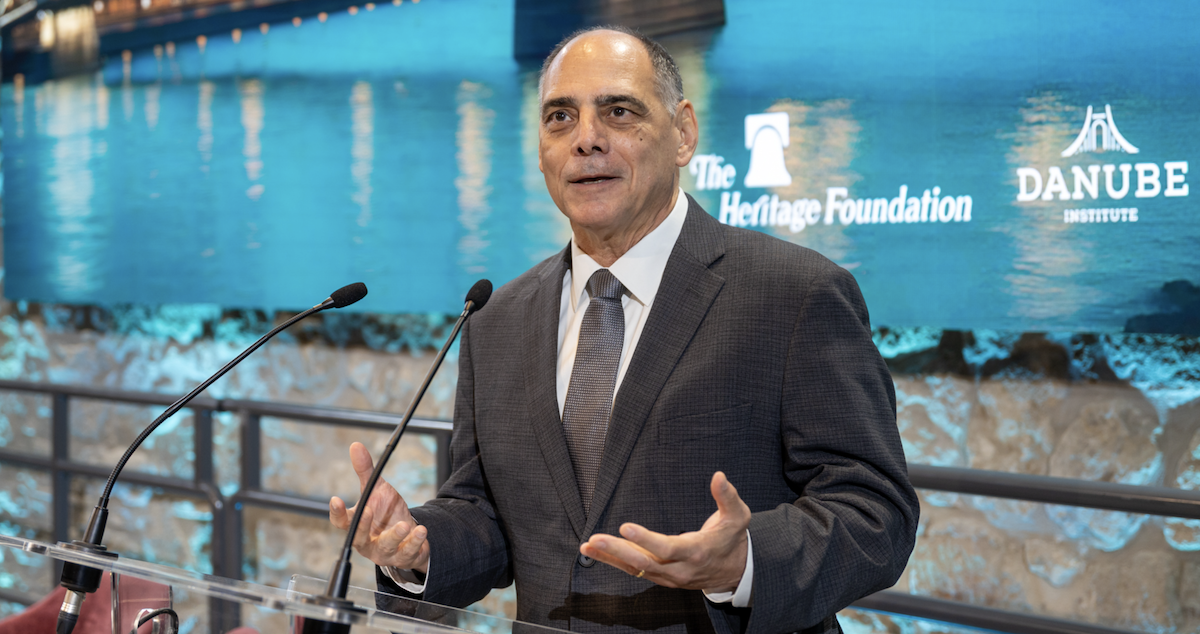
Political analyst Gia Nodia poses a different question: if street protests have not worked, what is the alternative? In his view, abandoning the struggle is not the answer. What is needed is a change of strategy.
“The opposition’s strategy over the past year and a half has been to boycott elections, reject parliamentary methods and seek to remove the government through street protests and civic resistance alone. At least so far, that strategy has clearly failed to produce results.
Against that backdrop, a rational question arises: should the opposition change its strategy — and if so, how? Or should it continue on its current course in the hope that it can eventually weaken the regime and achieve at least some results?”
Searching for common ground
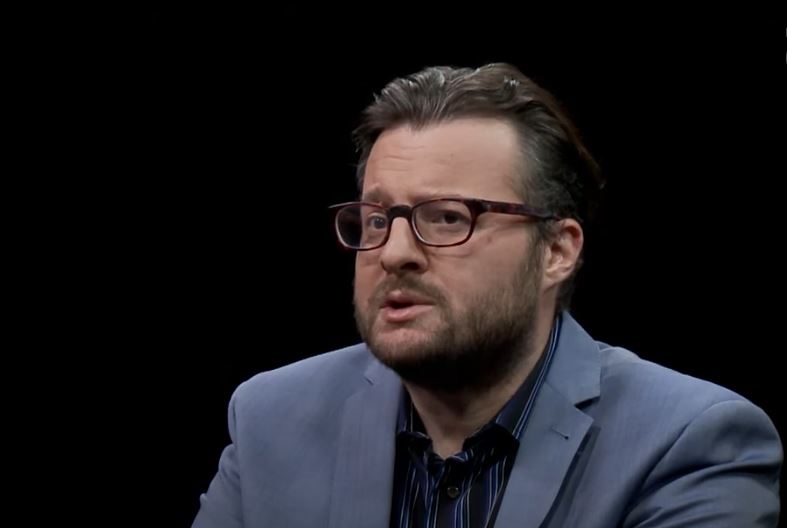
Professor Zaal Andronikashvili takes a more detached view of the debate and argues that the dispute is, in fact, a positive development. In his opinion, both sides ultimately seek the same goal, even if they express it in different ways.
Andronikashvili says moral integrity remains important. However, emotions and the will to win are not enough to achieve long-term success. Any movement also needs a clear strategy.
“Without integrity and the will to win, there is little point in developing strategic or even tactical plans. On the other hand, the will to win alone may not be enough to achieve results if people do not know how to achieve victory.”
Has Georgia’s opposition lost?