Top stories in Azerbaijan, Armenia, and Georgia from June 15-19 June, 2026
 Live
Live




-
Friday, 19 June, Armenia. Russia's Foreign Ministry condemns the ongoing NATO Eagle Partner 2026 exercises in Armenia
-
Friday, 19 June, Azerbaijan. Islamic Development Bank Group meeting and new agreements
-
Friday, 19 June, Georgia. Foreign Ministry criticizes European Parliament's harsh resolution
-
Thursday, 18 June, Azerbaijan. Another verdict has been handed down in the criminal “NGO case”
-
Thursday, 18 June, Armenia. Nikol Pashinyan: "If the elections were rigged, why is no one taking to the streets?"
-
Thursday, 18 June, Georgia. “The worst report ever prepared for an EU candidate country” — European Parliament resolution on Georgia
-
Wednesday, 17 June, Armenia. Pashinyan: “The Armenia-Azerbaijan conflict is over, and peace has already boosted economic development"
-
Wednesday, 17 June, Azerbaijan. Milli Majlis: “France continues hybrid attacks against Azerbaijan"
-
Wednesday, 17 June, Georgia. Georgia asked Luxembourg to facilitate talks with the European Commission and said it is ready to discuss the “foreign agents” law
-
Tuesday, 16 June, Georgia. Amnesty International: Georgia is experiencing its most serious deterioration in human rights and civic freedoms in years
-
Tuesday, 16 June, Armenia. Foreign Minister Ararat Mirzoyan took part in a meeting of the EU Foreign Affairs Council
-
Tuesday, 16 June, Azerbaijan. Azerbaijan is participating in a regional meeting in Kabul, Afghanistan, with representatives of Central Asian countries
-
Monday, 15 June, Armenia. Pashinyan’s party won 64 of 105 seats, securing a majority to form the government
-
Monday, 15 June, Azerbaijan. Azerbaijan marks National Salvation Day
-
Monday, 15 June, Georgia. Beating of a detainee at a police station
-
Top stories in Azerbaijan, Armenia, and Georgia from 9-12 June, 2026

-
Friday, 19 June, Armenia. Russia's Foreign Ministry condemns the ongoing NATO Eagle Partner 2026 exercises in Armenia
● The European Court of Human Rights has published its first ruling on cases related to the four-day “April War” of 2016. According to the judgment published on the ECHR website, Azerbaijan violated the right to life of an Armenian serviceman, and also committed torture (including beheading and desecration of the body). Under the ruling, Azerbaijan must pay the victim’s family €90,000 in compensation.
● The ECHR has ordered Armenia to establish an effective mechanism for addressing excessively lengthy court proceedings.
● CSTO Secretary General (the Russia-led military alliance): Armenia is de facto no longer participating in the organization’s work; suspending its voting rights over unpaid membership dues is under discussion. Earlier, Prime Minister Nikol Pashinyan said Armenia continues to accuse the CSTO of failing to provide assistance and violating its charter, and will not pay its contributions. Read more here
● Russian Foreign Ministry spokesperson Maria Zakharova, commenting on the Eagle Partner 2026 exercises taking place in Armenia, stressed that they are being held after Yerevan froze its CSTO membership. “These maneuvers provoke nothing but regret,” Zakharova said. The drills involve Armenia’s peacekeeping brigade, the U.S. Army in Europe and Africa, the Kansas National Guard, and the armed forces of France and Greece. “It is no secret that in exercises of this kind, our country is portrayed as the likely adversary. Armenian troops are being trained to fight against Russia. At one time, this would have been unimaginable,” she said.
● Moscow has sent Yerevan a diplomatic protest note over the desecration of a memorial to the Heroes of the Great Patriotic War in Gyumri, Russian Foreign Ministry spokesperson Maria Zakharova said. Meanwhile, police in Gyumri detained a 41-year-old man who tore off the gilded letters bearing the names of Hero Cities from the memorial. Armenian Telegram channels claim the “provocation was organized and carried out by Russia’s 102nd military base” stationed in Gyumri and “is part of hybrid attacks against Armenia.”
● Armenia’s Foreign Ministry discussed with EU ambassadors practical support programs to be provided in agriculture, particularly floriculture. Officials stressed the importance of expanding export opportunities for Armenian products to EU countries amid restrictions imposed by Russia, which has until now been Armenia’s main export market.
● Artur Osipyan, chairman of the “Karabakh Revolutionary Party,” has filed a lawsuit demanding that Prime Minister Nikol Pashinyan publicly retract what he says are defamatory statements and issue an apology. Osipyan was arrested in May after allegedly behaving aggressively during a public confrontation with the prime minister, which took place while Pashinyan was campaigning and meeting voters. Responding to Osipyan’s questions, Pashinyan made insulting and threatening remarks. While in custody, Osipyan went on hunger strike demanding an apology from the prime minister. On June 10, the court revoked his pretrial detention.
● David Kazinyan, a parliamentary candidate from the pro-Russian political bloc Strong Armenia, has been placed in pretrial detention for two months. According to local media, he is accused of distributing election bribes to voters. Earlier, the Central Electoral Commission approved the prosecutor’s request to strip him of parliamentary immunity, and he was detained the previous day.
● A court has extended by three months the house arrest of Archbishop Bagrat Galstanyan, who was detained a year ago on charges of attempting to seize power. Following his arrest last June, the Investigative Committee announced it had foiled an attempted coup. Read more here
● Crime in Armenia fell by 3.2% compared with last year, according to a meeting of the council coordinating police reforms.
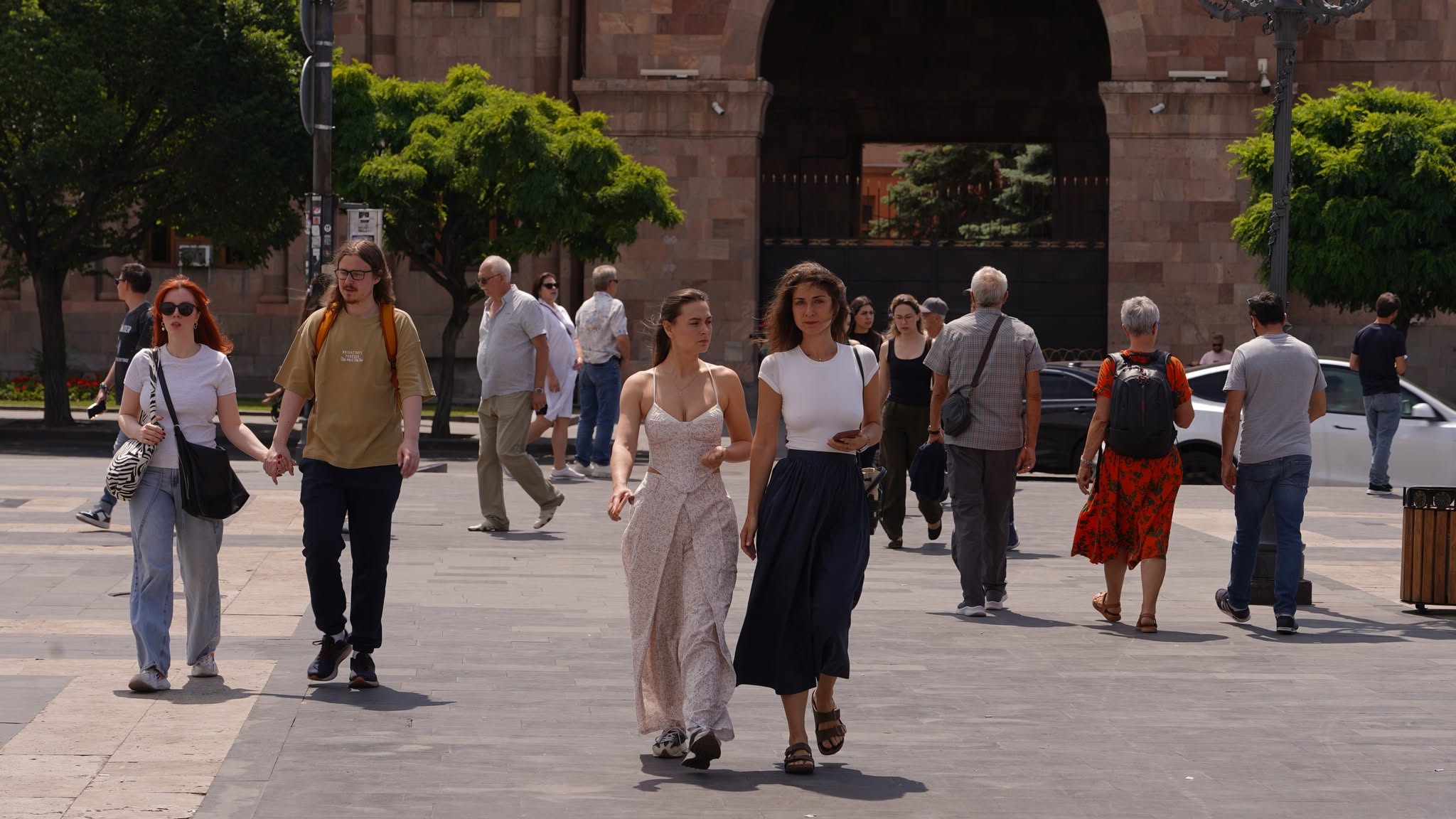
● June 20 is expected to be the hottest day of the year, with temperatures forecast between 35°C and 37°C, according to the Center for Hydrometeorology and Monitoring.
-
Friday, 19 June, Azerbaijan. Islamic Development Bank Group meeting and new agreements
● The opening ceremony of the Annual Meetings of the Islamic Development Bank Group was held in Baku. President Ilham Aliyev addressed the forum, speaking about the importance of the political and economic stability achieved in Azerbaijan. He said the country has become an important player in many areas, both regionally and globally. “Azerbaijan initiated, financed and implemented large-scale energy infrastructure projects connecting countries across Eurasia. […] Azerbaijan has become one of the world’s important energy suppliers. Today, the East-West and North-South corridors passing through Azerbaijan serve as major transport routes for a growing number of countries,” the president said. He named the restoration of Azerbaijan’s territorial integrity as one of the biggest changes since the first Islamic Development Bank Group meeting in 2010.
● Ilham Aliyev: “We hear calls for sanctions against Azerbaijan every day. But no one imposed sanctions on Armenia for violating international law, occupying the territory of sovereign Azerbaijan, and committing war crimes. If Armenia had been subjected to sanctions, the conflict between the two countries would not have lasted so long. It continued for almost 30 years, with numerous rounds of endless and meaningless negotiations pursuing one goal – to keep our lands under Armenian occupation forever. I mean the co-chairs of the OSCE Minsk Group – the three permanent members of the UN Security Council: France, Russia and the United States. Can you imagine that these countries were unable to make Armenia withdraw from Azerbaijani territory? Of course not. They simply did not want to. But we changed those plans. The 2020 liberation war lasted 44 days and ended with Armenia’s capitulation. Then, in 2023, we put a final end to it, and now Azerbaijan’s territorial integrity has been fully restored and recognized by the entire world. After that, we, as the victors, offered peace to Armenia. And now we have that peace.”
● Ilham Aliyev on future priorities.
Turning Azerbaijan into a transportation hub.
Doubling the volume of cargo transiting the country. The current figure is about 14–15 million tons.
Achieving the highest possible level of self-sufficiency in key food products under the new state agricultural development program.
Expressing gratitude to the Islamic Development Bank Group for its assistance in irrigation projects.
Developing the country’s enormous renewable energy potential. By 2032, Azerbaijan will generate 8 gigawatts of solar and wind power.
Working on electricity transmission lines for power exports, primarily to Europe.
● On the sidelines of the Annual Meetings of the Islamic Development Bank Group, a framework loan agreement for the reconstruction of the Karabakh Irrigation Canal and a grant agreement for the same project were signed.
● The European Court of Human Rights found Azerbaijan responsible in a case concerning the torture and beheading of a wounded Armenian serviceman during the April 2016 fighting. The court ordered Azerbaijan to pay €90,000 in compensation and €14,000 in legal costs. There has been no official reaction from Baku so far. Previously, Azerbaijan rejected such allegations, arguing that the events took place during active hostilities and that no crime had been established during the exchange of bodies. Azerbaijan has also challenged the court’s jurisdiction and the evidentiary basis of the ruling.
● A Romanian delegation led by Presidential Adviser for Foreign Policy and National Security Marius Lazurcă is visiting Azerbaijan. Official meetings are focusing on prospects for bilateral strategic partnership and regional cooperation. Participants noted that energy remains one of the key areas of cooperation. They also highlighted the role of both countries in strengthening links between the Caspian and Black Sea regions, as well as the importance of the Middle Corridor as a reliable transport route between Asia and Europe.
● Azerbaijan and the United Kingdom will sign a Partnership and Cooperation Agreement in the near future, Deputy Energy Minister Orkhan Zeynalov said. He noted that the UK is the largest foreign investor in Azerbaijan’s economy, with total investments exceeding $39.9 billion, of which $37 billion has been invested in the energy sector.
● Defense ties between the United Kingdom and Azerbaijan are currently at their highest level in the history of bilateral cooperation, newly appointed UK Ambassador to Azerbaijan Duncan Norman said at an event marking the birthday of King Charles III. He stressed that peace in the South Caucasus would create new opportunities for trade and regional connectivity.
● Another session of the Azerbaijan-Latvia strategic dialogue between the two foreign ministries was held in Riga. Discussions included the Azerbaijan-Armenia normalization process, reconstruction efforts in territories liberated from Armenian occupation, and mine clearance.
● Foreign Ministry: Azerbaijan will soon announce the introduction of a visa-free regime for citizens of South Korea.
● Azerbaijan, together with the other Caspian littoral states, is establishing special working groups to address the problem of the declining water level in the Caspian Sea.
● The Baku Declaration on Artificial Intelligence and Human Rights was adopted at the conclusion of the international Baku Ombudsmen Summit on “Human Rights in the Age of Artificial Intelligence.” The declaration emphasizes that the protection of human rights, freedoms, and human dignity must remain the highest priority in the development and application of artificial intelligence technologies.
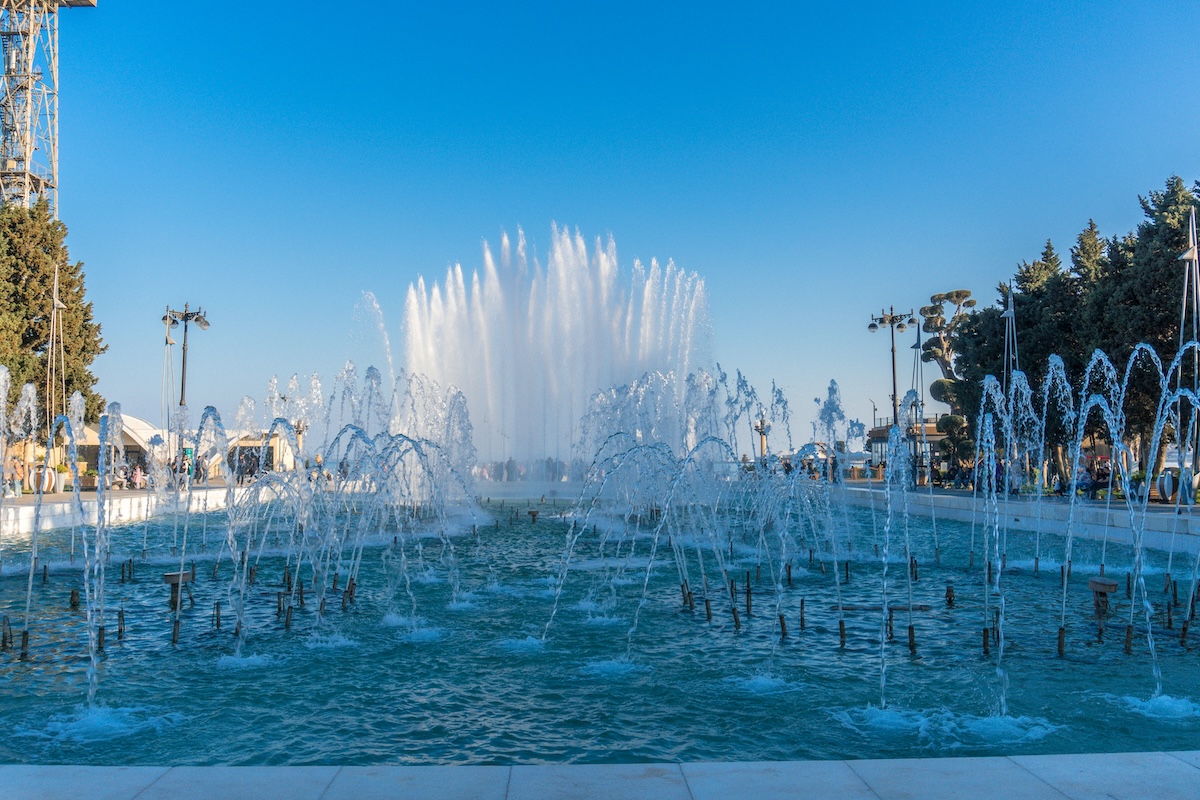
Photo by Zulfugar Karimov
-
Friday, 19 June, Georgia. Foreign Ministry criticizes European Parliament's harsh resolution
● Foreign Minister Maka Botchorishvili strongly condemned the European Parliament resolution that sharply criticized the ruling Georgian Dream party for backsliding on democracy and European integration. “The resolution is full of lies and manipulation and is aimed at damaging the country’s reputation. It is an attack on the Georgian state,” Botchorishvili said. She noted that the EU’s earlier decision to suspend visa-free travel for holders of Georgian diplomatic passports was an unprecedented step in international relations and said the Georgian Foreign Ministry has held its first working meeting with the European Commission. More on the European Parliament resolution here.
● Leaders of the Alliance of Liberals and Democrats for Europe (ALDE) and Georgia’s Coalition for Change are calling for urgent medical treatment for politician Elene Khoshtaria, who has been in prison for almost 10 months. They say she risks ending up in a wheelchair without proper treatment. The Special Penitentiary Service dismisses the claims as disinformation and insists that Khoshtaria’s condition has not worsened. After a judge rejected the defense’s request for an independent medical examination during a court hearing, opposition leader Nika Gvaramia walked out in protest and announced plans for rallies. More on the situation surrounding Elene Khoshtaria here.
● Former Georgian Public Defender Nino Lomjaria has filed a defamation lawsuit against the pro-government TV channel Imedi over claims that she had urged the European Union to revoke Georgia’s visa-free regime. More here.
● A suspect in the murder of Russian satirist Semyon Skrepetsky, a well-known critic of Putin and Chechen leader Kadyrov, has been arrested in the Polish city of Biała Podlaska. Poland’s prime minister said the suspect holds a Georgian passport.
● The National Bank reported that money transfers to Georgia increased by 7.1% year-on-year in May 2026, reaching $339.85 million. The largest shares came from the United States (18.8%), Italy (16.44%), and Russia (14.31%).
● Tragedy at the Black Sea resort of Ureki. A sea current swept away four people. Rescue workers pulled all four from the water, but emergency medics were unable to save one of them. The condition of the other three has not been disclosed.
● A resident of Telavi has been sentenced to 17 years and six months in prison for murdering his wife in October 2025.
● The Maritime Transport Agency has introduced new navigation safety regulations. From July 1, 2026, registration of motorized watercraft (boats, yachts, jet skis, etc.) will become mandatory. Operators must also hold a boating license valid for at least five years. Violations will result in administrative penalties.
-
Thursday, 18 June, Azerbaijan. Another verdict has been handed down in the criminal “NGO case”
● Abraham Hamadeh, a member of the U.S. House of Representatives, is visiting Baku. He met with President Ilham Aliyev and Foreign Minister Jeyhun Bayramov. Aliyev said Azerbaijan–U.S. relations have developed successfully since Donald Trump returned to office and described the signing of the Strategic Partnership Charter as a historic step in expanding bilateral ties. The meetings covered further development of bilateral relations, energy security, transport connectivity, the post-conflict situation in the South Caucasus, and the normalization process between Azerbaijan and Armenia.
It was again noted that the summit of the Azerbaijani and Armenian leaders with Donald Trump in Washington last August took bilateral relations to a new level.
The implementation of the TRIPP (“Trump Route”) transit project was also discussed. The project is intended to create a land connection between mainland Azerbaijan and its autonomous republic of Nakhchivan through Armenia.
The sides also stressed the need for the full repeal of Section 907 of the Freedom Support Act, which prohibits U.S. government assistance to Azerbaijan. Last August, President Donald Trump signed a document suspending the application of the amendment.
The strategic significance of Azerbaijan’s admission as a full member of the Central Asia Consultative Format was also highlighted.
● Another verdict has been handed down in the criminal “NGO case,” under which more than ten leaders of local and international organizations have been arrested on financial crime charges. Asaf Ahmadov, head of the Ganja Regional Public Center, was sentenced to eight years in prison. He was found guilty of abuse of office, money laundering and fraud. Prosecutors argued that he failed to register grants received with the Ministry of Justice and therefore treated the funds as proceeds of crime. Ahmadov, a history teacher and civic activist, was arrested in February 2025. In his final statement, he said he had committed no crime and none of the charges had been proven. “The purpose of my arrest is to silence another person working for the development of civil society. Many intellectuals, from Socrates to Huseyn Javid, have been victims of repression. Justice will prevail sooner or later,” he said.
● The Azerbaijani authorities have agreed to pay compensation to several activists following a ruling by the European Court of Human Rights over violations of the right to freedom of assembly. €1,800 for non-pecuniary damage and €250 in legal costs will be paid to the applicants: Sagif Gurbanov of the Azerbaijan Popular Front Party; Nuraddin Mammadli; and Arif Azizzade, Arif Huseynli and Dilar Miriyev, members of the now-defunct Azerbaijan Democracy and Welfare Party.
● Foreign Minister Jeyhun Bayramov met a South Korean delegation led by Deputy Foreign Minister Jeong Eui-hye in Baku. They discussed cooperation in innovation, high technology and renewable energy. The sides highlighted the establishment of the Baku State Vocational Education Center based on Korean standards. Bayramov also announced the introduction of visa-free travel for holders of South Korean passports. The Azerbaijan–Armenia normalization process was also discussed, followed by another round of expanded political consultations.
● Turkish Foreign Minister Hakan Fidan wrote on X that during his visit to Russia and meetings with President Vladimir Putin and Foreign Minister Sergey Lavrov, he reaffirmed support for efforts to ensure peace and stability in the South Caucasus. He also highlighted the significant potential of the regional “3+3” cooperation platform, comprising Azerbaijan, Armenia, Georgia, Turkiye, Russia and Iran. Georgia has so far refused to participate in the format, saying official cooperation with Russia is impossible while it occupies Georgian territories.
● A feasibility study for the Green Energy Corridor project is expected to be completed by January 2027. The corridor will run across the Caspian Sea and export renewable electricity generated in Central Asia to Europe via Azerbaijan. The announcement was made by Uzbekistan’s Deputy Energy Minister Umid Mamadaminov on the sidelines of the fifth Tashkent International Investment Forum. Italian engineering consultancy CESI has been selected as the lead consultant. Mamadaminov said the project is based on proven technologies already used elsewhere in the world. “This will be the first direct green energy bridge between Central Asia and Europe,” he said.
● Economy Minister Mikayil Jabbarov announced major infrastructure financing projects in Azerbaijan in cooperation with the Arab Coordination Group during the annual meeting of the Islamic Development Bank Group in Baku. The projects include waste-processing plants, highways and other infrastructure.
● Islamic Development Bank President Muhammad Al Jasser said Azerbaijan’s role as a bridge between regions and markets makes it an ideal venue for a forum focused on trade, investment and regional integration.
● Mikayil Jabbarov said more than 80% of Azerbaijan’s critical mineral reserves are located in territories recaptured from Armenian control after the Second Karabakh War in autumn 2020. These areas had been inaccessible for nearly 30 years. Mining is now becoming one of the leading industries there, while the regions have also been designated green development zones. Jabbarov said investments equivalent to 3% of the country’s GDP are being directed toward the reconstruction of Karabakh and the East Zangezur region.
● Armenian Prime Minister Nikol Pashinyan called for resistance to political forces in Armenia’s parliament that oppose normalization between Baku and Yerevan. “The so-called ‘three-headed party of war’ is now questioning this peace agreement with Azerbaijan. We must recognize this and stand against them,” Pashinyan said. By the “three-headed party of war,” he was referring to the pro-Russian opposition forces Strong Armenia, the Armenia Alliance and Prosperous Armenia. He again alleged that the Strong Armenia and Armenia blocs, which entered parliament after the June 7 elections, are part of a spy network and won votes through voter bribery.
● Digital technology manufacturers in Azerbaijan will be exempt from taxes and customs duties for 10 years on imports of equipment, technological machinery, components, materials and raw materials. Highly qualified migrants and digital nomads working in these sectors will also be exempt from mandatory state social insurance contributions (10–14% of income) for five years. The measures take effect on July 1.
● Azerbaijan has provided financial and technical assistance to more than 140 countries, including 43 of the world’s 44 least developed countries, 53 of Africa’s 54 countries and 51 of the 57 member states of the Organisation of Islamic Cooperation, Deputy Foreign Minister Yalchin Rafiyev said.
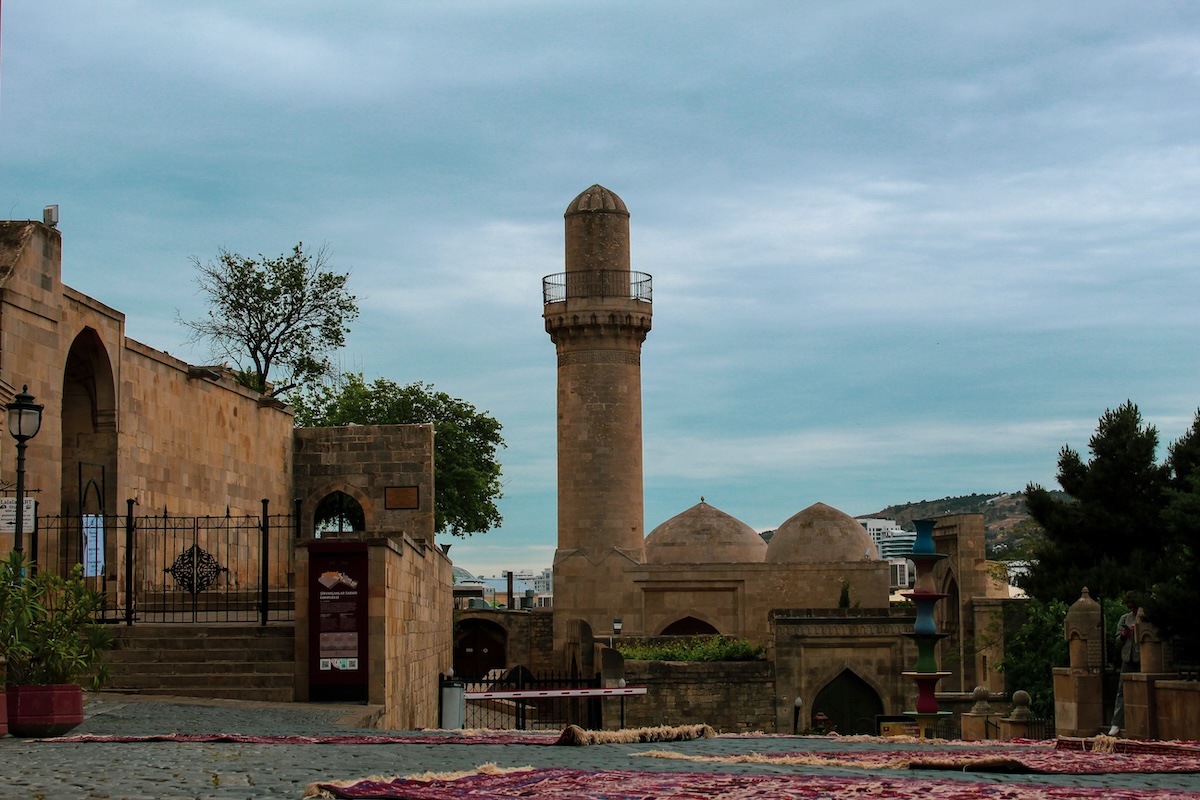
Photo by İltun Huseynli. Old City Shirvanshah’s Palace in Baku
-
Thursday, 18 June, Armenia. Nikol Pashinyan: "If the elections were rigged, why is no one taking to the streets?"
● The Central Election Commission approved a request to strip former President Robert Kocharyan, leader of the pro-Russian opposition Armenia bloc, of his parliamentary immunity. According to his lawyer, the case involves charges of abuse of office and money laundering. More details here.
● The CEC also approved the prosecutor’s requests to authorize criminal prosecution and detention of Asatur Kocharyan and Ruslan Barseghyan from the Armenia bloc, as well as Ashot Yeghiazaryan from the pro-Russian Strong Armenia bloc.
● Nikol Pashinyan commented on opposition claims that the June 7 parliamentary elections were rigged. “If the elections were rigged, why is no one taking to the streets? Whose votes were stolen? I’m speaking to the leaders now: your supporters’ votes were stolen, and you’re lying at home eating kebab? The votes were stolen, and the next day you show up at the airport?” (He was referring to opposition leaders’ attempts to leave Armenia, which were blocked by border guards.) “We were in opposition too. We didn’t pack our bags after rigged elections. To those whose votes were stolen, I say: come out to the squares. But you won’t, because you know that those who would come out are the people whose votes you stole through vote-buying. And that would be the end of it. Though in fact, it’s already over.”
● Samvel Karapetyan, leader of the pro-Russian Strong Armenia party and a Russian oligarch, called for the unification of opposition forces. “We made this mistake before the elections. We failed to reach an agreement, but such unity is crucial for our country and our people. I believe the opposition forces that care about our country will respond, and we will definitely create a post-election opposition coalition,” Karapetyan said, proposing the creation of a coordinating council. Karapetyan is under house arrest in Yerevan on charges of calling for the overthrow of Armenia’s constitutional order.
● “The presence of Karabakh flags in Armenia’s parliament creates a risk of war,” Prime Minister Nikol Pashinyan said during a session of the National Assembly. “The Karabakh movement must not continue. When people display that flag, they reignite and provoke this discussion. After that, it becomes difficult to determine who said what first and who responded to whom,” Pashinyan said.
● The Prime Minister described as important the meeting in Dilijan between Armenia’s Security Council Secretary Armen Grigoryan and Azerbaijani presidential aide Hikmet Hajiyev. “The purpose of such direct contacts is to restore momentum to the peace process and reaffirm the two countries’ commitment to the peace agenda,” Pashinyan said.
● GRP is bringing two new international hotel brands to Armenia: Super 8 by Wyndham and Wyndham Grand Yerevan. The cooperation agreement was signed during the Armenian Hospitality Investment Forum with the participation of international and local industry leaders.
● Armenia plans to implement the eighth stage of municipal consolidation, reducing the number of municipalities from 70 to 64, Territorial Administration and Infrastructure Minister David Khudatyan said. The mergers will take place in the Lori, Syunik and Vayots Dzor regions.
● The German ambassador handed over 16 snowmobiles to Armenia’s Ministry of Defense.
● A bus carrying children on an excursion was involved in an accident on the Ashtarak–Sasunik highway. No one was injured. A Mercedes crossed into the opposite lane and collided with the bus, causing it to overturn.
● The body of one of the two sisters who drowned in the Pambak River on June 25 has been found. The seven-year-old girl was located by a diver from Sevan. The search continues for the 13-year-old.
● Dust levels in the air exceeded the maximum permissible concentration in three administrative districts of Yerevan: Kentron, Shengavit and Arabkir.
-
Thursday, 18 June, Georgia. “The worst report ever prepared for an EU candidate country” — European Parliament resolution on Georgia
● The European Parliament adopted a resolution stating that Georgia’s EU accession process is effectively suspended and that the ruling Georgian Dream party bears responsibility. The resolution says the 2024 parliamentary elections were rigged, Georgia has abandoned implementation of the nine recommendations set for its EU candidate status, and is now an EU candidate “in name only.” It describes the European Commission’s 2025 report on Georgia as “the worst report ever prepared for a candidate country.” More details here.
● Foreign Minister Maka Botchorishvili said Georgia has never refused dialogue with the EU and has remained in a “one-sided friendship mode” despite what she called “unfair sanctions” imposed by its partners.
● European Parliament President Roberta Metsola referred to Georgian journalist Mzia Amaghlobeli, who was sentenced after slapping a police officer who had insulted her, as a political prisoner during a plenary session and said Europe stands with her.
● According to her lawyer, the health of imprisoned opposition politician Elene Khoshtaria has sharply deteriorated, and Turkish doctors believe she could end up in a wheelchair without proper treatment. Writing from prison, Khoshtaria said she would not engage with what she called “illegitimate institutions created in Georgia by Russia” and would continue her struggle.
● The Special Penitentiary Service dismissed reports about Khoshtaria’s deteriorating health as “disinformation,” saying she has undergone all necessary examinations and that her condition is linked to long-standing chronic illnesses.
● TV presenter Nanuka Zhorzholiani, whom imprisoned former President Mikheil Saakashvili nominated to lead the opposition United National Movement party he founded, said “such a major party needs an elected leader and full legitimacy.” Acting party chair Tina Bokuchava described Saakashvili’s initiative as an “impulsive and inconsistent decision.”
● The Prosecutor’s Office has launched an investigation following a complaint by pro-government politician Goga Khaindrava over a report by independent TV channel Formula alleging that, in coordination with the State Security Service, he arranged the entry of Indian and Pakistani citizens into Georgia in exchange for money.
● The Interior Ministry arrested 21 people in Tbilisi and other regions for alleged links to organized crime, while nine others were charged in absentia. The suspects allegedly extorted large sums of money from individuals and businesses and threatened to kill them.
● Prosecutors arrested the director of Sando company and an inspector from the National Forensics Bureau. They are accused of preparing and approving a defective retaining wall project in Baghdati, causing state losses of 756,198 lari (about $286,000) and creating a landslide risk for nearby buildings.
● The National Bank of Georgia kept its key interest rate unchanged at 8.25%. According to the NBG, the rise in inflation in May was largely driven by external factors and higher energy prices.
● Russian President Vladimir Putin’s special representative Mikhail Shvydkoy arrived in Tbilisi to attend Robert Sturua’s production of The Knight in the Panther’s Skin and published an article in Russian media about the visit, with a headline referencing a poem by Nikoloz Baratashvili.
-
Wednesday, 17 June, Armenia. Pashinyan: “The Armenia-Azerbaijan conflict is over, and peace has already boosted economic development"
● “The conflict between Armenia and Azerbaijan is over. The election results show that the people of Armenia have stood up for peace,” Prime Minister Nikol Pashinyan said. He stressed that the establishment of peace has already given a new boost to economic development, but that people must also feel economic growth in their daily lives. “That is why I decided to raise pensions,” he said.
● Nikol Pashinyan: Tax revenues to the state budget increased by 135% in 2025 compared with 2017.
● Armenia’s Central Election Commission will today consider a request from prosecutors to strip former President Robert Kocharyan of parliamentary immunity. Kocharyan leads the pro-Russian opposition alliance Armenia Alliance, which won 12 seats in the June 7 election. Authorities accuse leaders and members of the bloc of distributing election bribes to voters. Prosecutors are also seeking the arrest of two parliamentary candidates on the bloc’s list, Asatur Kocharyan and Ruslan Barseghyan, on the same charges. Read more here
● In response, Kocharyan’s office issued a statement describing the move as a continuation of the “lawlessness that occurred two days ago at the airport.” Kocharyan attempted to leave the country but was stopped at passport control without explanation, according to his lawyers. “Two days ago, the Investigative Committee and the Anti-Corruption Committee said there was no criminal case. Therefore, restricting the president’s departure was a direct crime. Now the government-controlled prosecutor’s office has stitched together a case and appealed to the Central Election Commission,” the statement said.
● Lawmakers from the ruling party have submitted a package of bills that would more strictly define who is eligible to vote in elections and referendums. Under the proposal, a voter must be an Armenian citizen and must have lived in Armenia for at least six months, or 183 days, during the year preceding the vote. “Elections should reflect the will of people who are genuinely affected by state decisions. Citizenship is not only a legal bond with the state; it also means belonging to and participating in the country’s political life and decision-making,” the explanatory note says.
● A court has accepted a lawsuit filed by Samvel Karapetyan, leader of the pro-Russian party Strong Armenia, against National Assembly Speaker Alen Simonyan. Karapetyan is demanding that Simonyan publicly retract posts published on Facebook and TikTok on May 19. In those posts, Simonyan argued that law enforcement agencies should assess whether it was lawful for “an employee of a foreign intelligence service” to establish a political party and enter Armenian politics. Karapetyan is also seeking 6 million drams (about $16,000) in damages for defamation, as well as legal costs.
● Turkish Foreign Minister Hakan Fidan said he discussed developments in the South Caucasus, including the peace process between Baku and Yerevan, during talks in Moscow with Russian Foreign Minister Sergey Lavrov. “This is a very important component of ensuring peace in the region,” Fidan said at a press conference.
● Armenia’s ambassador to Iran, Grigor Hakobyan, met with Iranian customs chief Foroud Asgari. The sides discussed expanding bilateral trade and economic cooperation, including measures to facilitate trade. They also reviewed the operation of the Meghri–Norduz border crossing, improvements to border procedures, and ways to increase cargo transport efficiency.
● The annual Eagle Partner 2026 military exercises will take place in Armenia from June 17 to 25. According to the Defense Ministry, the drills will be held in a four-party format for the first time. Participants will include 250 troops from Armenia’s peacekeeping brigade, 58 personnel from the U.S. Army Europe and Africa and the Kansas National Guard, 24 French troops, and 11 Greek servicemembers. The stated goal of the exercises is to improve interoperability among units involved in international peacekeeping missions. Eagle Partner was first held in Armenia in 2023 and had previously been conducted only in a bilateral format with the United States.
● The Secretary-General of the Shanghai Cooperation Organisation congratulated Nikol Pashinyan on his election victory. The SCO was founded in 2001 by China, Russia, Kazakhstan, Tajikistan, Kyrgyzstan and Uzbekistan, and later expanded to include India, Pakistan, Iran and Belarus. Armenia currently holds dialogue partner status and has stated its intention to deepen integration with the organization.
● Russian mathematician Mikhail Verbitsky, a critic of President Putin who was detained in Yerevan airport several days ago at Russia’s request, has been released. He was allowed to leave Armenia and is now in Tel Aviv. “Normally, a person wanted by another country cannot leave Armenia while their name remains on a wanted list. But in individual cases, this becomes possible if prosecutors approve a lawyer’s request, as happened here,” Verbitsky’s lawyer told reporters.
● Passengers attacked ticket inspectors on a bus in Yerevan after being asked to show their tickets. According to the Interior Ministry, a 55-year-old woman from Masis was detained after striking a ticket-validation device, grabbing an inspector by the hair, using sexually explicit insults and attempting to hit him. Another passenger, a 51-year-old Yerevan resident, pushed inspectors and demanded that the bus continue its route.
-
Wednesday, 17 June, Azerbaijan. Milli Majlis: “France continues hybrid attacks against Azerbaijan"
● Azerbaijan’s Parliament (Milli Majlis) stated that France “continues hybrid attacks against Azerbaijan in order to advance its interests in the region that contradict international law.” The statement identified the following alleged hybrid threats from France:
Legal pressure. Since November 2020, the French parliament has repeatedly adopted resolutions directed against Azerbaijan’s sovereignty and territorial integrity. While these resolutions have limited legal force, they are used as tools of political pressure and to create a negative image of Azerbaijan internationally.
Activity in international organizations. France is accused of actively working against Azerbaijan at the United Nations, EU institutions (particularly the European Parliament), the Council of Europe, PACE, the OSCE and the International Organisation of La Francophonie in an effort to secure decisions that undermine Azerbaijan’s interests.
Media campaigns. The formation of a negative image of Azerbaijan in French media has become systematic. According to the statement, around 40 anti-Azerbaijani articles and dozens of television reports were published in May and June alone, demonstrating the scale of what it described as negative propaganda. French media are also accused of providing a platform to members of Azerbaijan’s radical opposition who have little political influence, thereby distorting the reality of the country and misleading the French public.
Use of Azerbaijani émigrés. France is accused of using radical Azerbaijani-origin individuals who have received asylum there to portray Azerbaijan as a “repressive regime” and discredit the country.
Online campaigns. The statement alleges that large-scale anti-Azerbaijani online campaigns are being run by pro-Armenian groups funded by French NGOs and networks of investigative journalists. According to the parliament, fake news is spread through bots and fake accounts to manipulate international public opinion.
Espionage activities. France is accused of conducting intelligence activities in Azerbaijan.
Support for Armenia. France is criticized for supplying weapons to Armenia and supporting the EU Monitoring Mission in Armenia (EUMA). According to the statement, EUMA has effectively become a French instrument focused on intelligence gathering in the region and aimed at increasing tensions and disrupting the peace process between Azerbaijan and Armenia.
The Milli Majlis said it “considers it necessary to appeal not to French officials, but directly to the people of France, urging them not to be influenced by these unfriendly actions of certain French politicians and state institutions.”
● Agriculture Minister Majnun Mammadov presented the government’s 2026–2030 program for the development and processing of agricultural, fisheries and aquaculture products. He said the main goal is to create jobs in the regions in order to reduce urbanization and encourage people to remain in their hometowns and build businesses there. Key measures include greater mechanization, modern irrigation systems, and the introduction of new equipment and technologies.
● A minimum cultivation area of five hectares has been established for creating a farming enterprise. The agriculture minister suggested that owners of smaller plots could join together in cooperatives or family farming operations. According to him, such initiatives have already been launched in several villages. In the village of Aghali in the Zangilan district, for example, 32 farmers have formed three cooperatives. They have been allocated 51.6 hectares of land and contracts have been signed, Mammadov said.
● Nearly 49.5 billion cubic meters of Azerbaijani gas have already been delivered to Italy through the Trans Adriatic Pipeline, Energy Minister Parviz Shahbazov said. He noted that Italy is Azerbaijan’s main trading partner and receives a significant share of the country’s oil and gas exports. “Azerbaijan-Italy relations, based on a multifaceted strategic partnership, are being further strengthened through new investments, energy projects and humanitarian cooperation,” Shahbazov said.
● A group of Azerbaijani NGOs and human rights advocates sent a protest letter to the Foreign Affairs Committee of the U.S. House of Representatives. The letter opposes a proposal submitted by Congressman Brad Sherman calling for the release of former Nagorno-Karabakh official Ruben Vardanyan and other ethnic Armenians convicted in Azerbaijan. The proposal also calls for maintaining Section 907 of the Freedom Support Act, which restricts U.S. government assistance to Azerbaijan. In August, President Donald Trump signed a document suspending the application of the amendment. The letter argues that those whose release is being sought are war criminals who played direct roles in the destruction of civilian infrastructure and cultural heritage and committed acts of genocide. “Under national legislation and international legal instruments, Azerbaijan has every right to hold those responsible accountable. […] This initiative undermines positive momentum at a time when Azerbaijan and Armenia are moving toward lasting peace and normalization, while President Donald Trump and his administration support dialogue and normalization between the two countries,” the letter states.
● A report titled “Hate Speech and Falsification of Historical Facts in Schools in Armenia” was presented in Baku. Deputy head of the Strategic Communications Center, Ali Abdullayev, said the research was based on materials found in educational institutions that operated in Karabakh during the period of Armenian control. According to him, analysis of more than 1,000 materials identified around 3,000 instances of hate speech or historical distortion. “For example, maps shown to students depict Azerbaijan’s Nakhchivan autonomous republic as ‘historic Armenian territory.’ Turks are described in textbooks as barbarians, while Azerbaijanis are portrayed as thieves and robbers,” Abdullayev said. He added that all the textbooks and ideological literature examined had been published in Yerevan by state institutions. He also argued that current Armenian school textbooks continue to promote hostility toward Azerbaijanis and claim that Karabakh and Nakhchivan do not belong to the Azerbaijani people.
● The Baku Court of Appeal continued hearings on appeals filed by former political and military leaders of the former self-proclaimed Nagorno-Karabakh Republic who are imprisoned in Azerbaijan. In February this year, Arayik Harutyunyan, Levon Mnatsakanyan, David Manukyan, David Ishkhanyan and David Babayan were sentenced to life imprisonment on charges including war crimes resulting from Armenia’s military aggression against Azerbaijan, terrorism, violent seizure of power and other offenses. Arkady Ghukasyan and Bako Sahakyan received 20-year prison sentences; Madat Babayan and Melikset Pashayan received 19 years; Garik Martirosyan received 18 years; David Alaverdyan and Levon Balayan received 16 years; and Vasily Beglaryan, Gurgen Stepanyan and Erik Ghazaryan received 15 years.
During the hearing, Levon Mnatsakanyan and his lawyer presented arguments and requested an acquittal. The next hearing is scheduled for June 23.
● Culture Minister Adil Karimli met at UNESCO headquarters in Paris with newly elected UNESCO Director-General Khaled El-Enany. The sides discussed prospects for cooperation in protecting cultural heritage. “UNESCO looks forward to further developing cooperation with Azerbaijan,” El-Enany wrote on X.
● Joint tactical special exercises, Caucasian Eagle 2026, are being held at the Mukhrani military base near Tbilisi with the participation of special forces units from Azerbaijan, Turkey and Georgia.
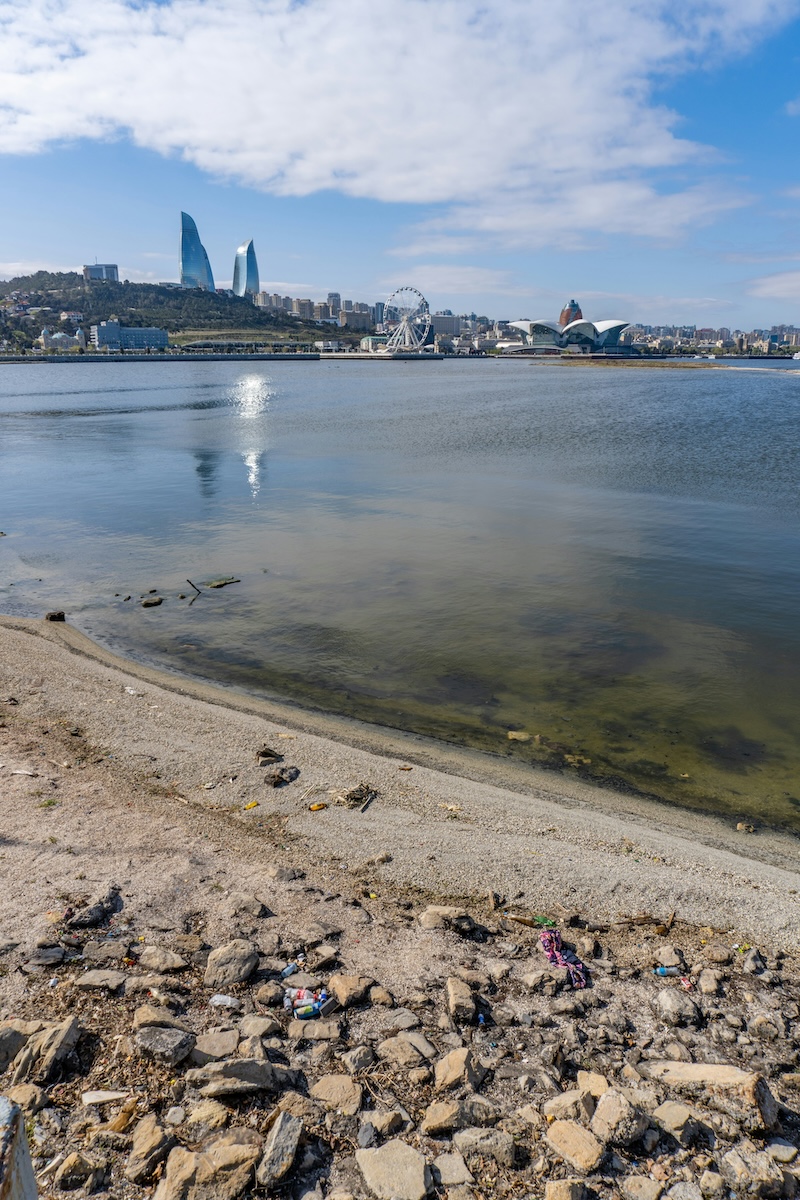
Photo Zulfugar Karimov
-
Wednesday, 17 June, Georgia. Georgia asked Luxembourg to facilitate talks with the European Commission and said it is ready to discuss the “foreign agents” law
● Putin’s representative, Mikhail Shvydkoy, attended performances by the Moscow Musical Theatre in Tbilisi and said that culture “must restore trust” between Russia and Georgia. This was his second visit in the past three months. More details here.
● A crisis continues within the opposition United National Movement after its founder, imprisoned former president Mikheil Saakashvili, announced that well-known TV host Nanuka Zhorzholiani and her team would join the party. Party leader Tina Bokuchava said the invitation came personally from Saakashvili. Bokuchava has not yet decided whether she will remain party leader and dismissed speculation that Zhorzholiani could replace her as “political gossip.”
● Chairman of Parliament’s Foreign Affairs Committee Nikoloz Samkharadze said the Georgian delegation had asked Luxembourg to begin a dialogue with the European Commission on Georgia. The delegation expressed readiness to discuss all key issues, including the “foreign agents” law, which has been heavily criticized by the European Union. More details here.
● The visit of Serbian President Aleksandar Vučić concluded with a joint press conference alongside Georgian Prime Minister Irakli Kobakhidze.
• The leaders said Belgrade and Tbilisi had resolved almost all outstanding issues in negotiations on a free trade agreement.
• Vučić expressed hope that a free trade agreement with Georgia would be signed this autumn.
• Kobakhidze said Georgia is ready to develop its partnership with Serbia to make fuller use of the transit potential of the Middle Corridor.
• He also described Serbia’s decision to open an embassy in Tbilisi as an extremely important step.
• Kobakhidze thanked the Serbian president for supporting Georgia’s sovereignty and territorial integrity and stressed that Tbilisi likewise firmly supports Serbia’s sovereignty and territorial integrity.
● The State Security Service has charged former Georgian Railway director David Peradze and seven other individuals with large-scale fraud, document forgery and money laundering. Two of the suspects are currently wanted. More details here.
● The UK has announced a new package of sanctions against Russia, including four banks and two insurance companies, and added the vessel SILVAR to the sanctions list. The ship had been in a Georgian port earlier this year. Georgia’s Maritime Transport Agency said the vessel was not under sanctions when it arrived at the port of Kulevi in February. More details here.
● In Tskhinvali, following the resignation of Dzhambolat Tadtaev, Alan Gagloev appointed Marat Kambolov as the so-called prime minister. Independent Russian media report that his main task will be implementing the agreement on strengthening South Ossetia’s alliance with Russia and fully reorganizing local legislation along Russian lines.
● According to Geostat, the average monthly salary in the first quarter of 2026 increased by 8.9% year-on-year to 2,363.8 lari (about $895). The average salary for men (2,836 lari) remains higher than for women (1,901.8 lari), although the gap narrowed compared with the previous quarter.
● Georgian Airways announced that it will launch regular Batumi–Moscow–Batumi flights from June 25, operating four times a week.
● An employee of the Geo Clinic died after being assaulted by a patient’s relative who was denied entry to the building after visiting hours had ended. The suspect has been arrested.
● On June 2, rescuers recovered the body of a driver whose vehicle had fallen into the Mtkvari River in Tbilisi after 14 days of continuous search efforts.
-
Tuesday, 16 June, Georgia. Amnesty International: Georgia is experiencing its most serious deterioration in human rights and civic freedoms in years
● Georgian MMA fighter Ilia Topuria has commented publicly for the first time on his defeat to American opponent Justin Gaethje, which brought an end to his UFC winning streak. In a Facebook post, Topuria said the fight had been exceptionally difficult, revealing that he lost vision in one eye during the opening round and was struggling to see with the other by the end of the second. “Justin, congratulations. You said you’d leave your mark on my face… and you did. You took the sight from my right eye in the first round, and by the end of the second, from my left too. No excuses. I had one of the best camps of my life. I came in sharp, prepared, and ready. Last night was your night.” At the same time, Topuria made clear he expects the rivalry to continue. “I’ll heal. I’ll rest. And I’ll return stronger, wiser, and far more dangerous. And trust me… this story between us is far from over. We will have our rematch.”
● Journalist Eliso Kiladze, who says she is being politically persecuted, used a court hearing to accuse State Minister for Coordination of Law Enforcement Bodies Mamuka Mdinaradze of orchestrating a “personal vendetta” against her. Speaking during proceedings in the so-called call-centres case, in which she faces fraud and money laundering charges, Kiladze claimed her troubles began after she refused an offer to publish damaging material about senior Georgian Dream figures – including Tbilisi Mayor Kakha Kaladze, former State Security Service chief Grigol Liluashvili, ex-Interior Minister Vakhtang Gomelauri, and businessman Ucha Mamatsashvili, widely seen as close to the country’s influential founder of Georgian Dream, Bidzina Ivanishvili. Mdinaradze’s office dismissed the allegations, calling them “such a low-grade fake that they do not merit a response”.
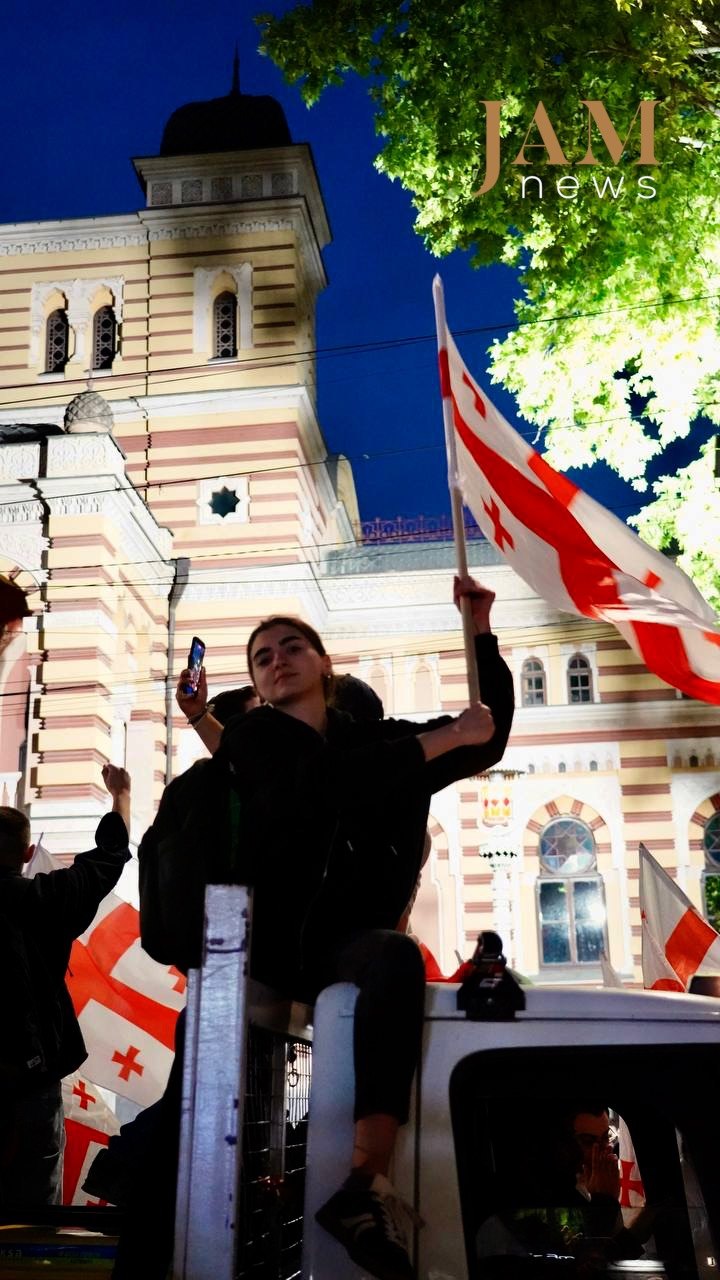
● Georgia is experiencing its most serious deterioration in human rights and civic freedoms in years, according to a new report by Amnesty International. The organisation says that during more than 500 consecutive days of anti-government protests, thousands of people have faced arbitrary detention and fines, hundreds have allegedly been subjected to ill-treatment, and more than 150 people have been jailed or prosecuted in what it describes as politically motivated cases. Georgian authorities have repeatedly rejected accusations of repression, insisting they are acting within the law to maintain public order.
● Debate continues over an investigation by opposition-aligned broadcaster TV Pirveli, which late last week aired footage allegedly showing violence inside police stations, including detainees being beaten. The channel claimed police officers exchanged videos of abuse in a group chat and that a person who downloaded the files to expose the system was later detained. The Interior Ministry said the incidents dated back to 2022 and that those responsible had already been arrested in February 2026 – four years after the alleged abuse took place. Tbilisi Mayor and Georgian Dream Secretary General Kakha Kaladze described the footage as “extremely disturbing” but stressed that the perpetrators had been punished. At the same time, he accused critics of trying to “discredit the police” using the so-called “Ackerman manual” – a phrase frequently used by ruling party officials to describe what they portray as foreign-backed attempts to destabilise the country.
● Arriving at an EU foreign ministers’ meeting in Brussels, Estonian Foreign Minister Margus Tsahkna said Georgia’s authorities had taken “completely the wrong path – not towards the European Union”. “My message to the Georgian people is: don’t lose hope,” he said, arguing that Armenia had shown democratic change remained possible if people demanded it. Asked whether EU sanctions against Georgia were now more likely following signs of weakening Hungarian resistance, Tsahkna confirmed the option was under discussion. Estonia, he said, had already imposed national sanctions on a number of Georgian officials and hoped international pressure would “eventually work”.
● Against that backdrop, Georgian President Mikheil Kavelashvili hosted Serbian President Aleksandar Vučić in Tbilisi. The two discussed political and economic ties, transport connectivity, and closer cooperation between the South Caucasus and the Western Balkans. The Georgian presidency said Tbilisi sees itself as a key hub along the so-called Middle Corridor linking Europe and Asia and is seeking to deepen ties with Balkan countries.
● Georgia’s Interior Ministry has meanwhile published the first results from its newly created Hate Speech Monitoring Department, which critics on social media have nicknamed the “scrolling and screenshot service”. Since the beginning of June, the ministry says it has referred around 60 cases involving online comments and social media posts to the courts, with seven already resulting in rulings. Among the latest cases is that of lawyer Shota Tutberidze, who was fined 4,000 lari (around $1,500) over a Facebook comment about Georgian Dream MP Nino Tsilosani. The case drew particular attention because it was launched not following a complaint by the MP herself, but on the department’s own initiative. Officials concluded the comment may have violated Tsilosani’s dignity, although critics note she was never publicly asked whether she considered herself offended. The case has fuelled concerns that the new body could become a tool for policing political speech and pressuring government critics.
● Three of the 24 crew members aboard the tanker Smyrtos – detained in the English Channel and suspected of being part of Russia’s so-called shadow fleet used to circumvent oil sanctions – are Georgian citizens. The Cameroon-flagged vessel was intercepted by British forces on 14 June during a six-hour operation in the Channel.
● Georgia’s fifth president, Salome Zourabichvili, has been awarded Freedom House’s 2026 Mark Palmer Prize at a ceremony in Washington. The organisation said the award recognised her role in defending Georgia’s European path, as well as her “principled leadership and steadfast commitment to democratic values”.
-
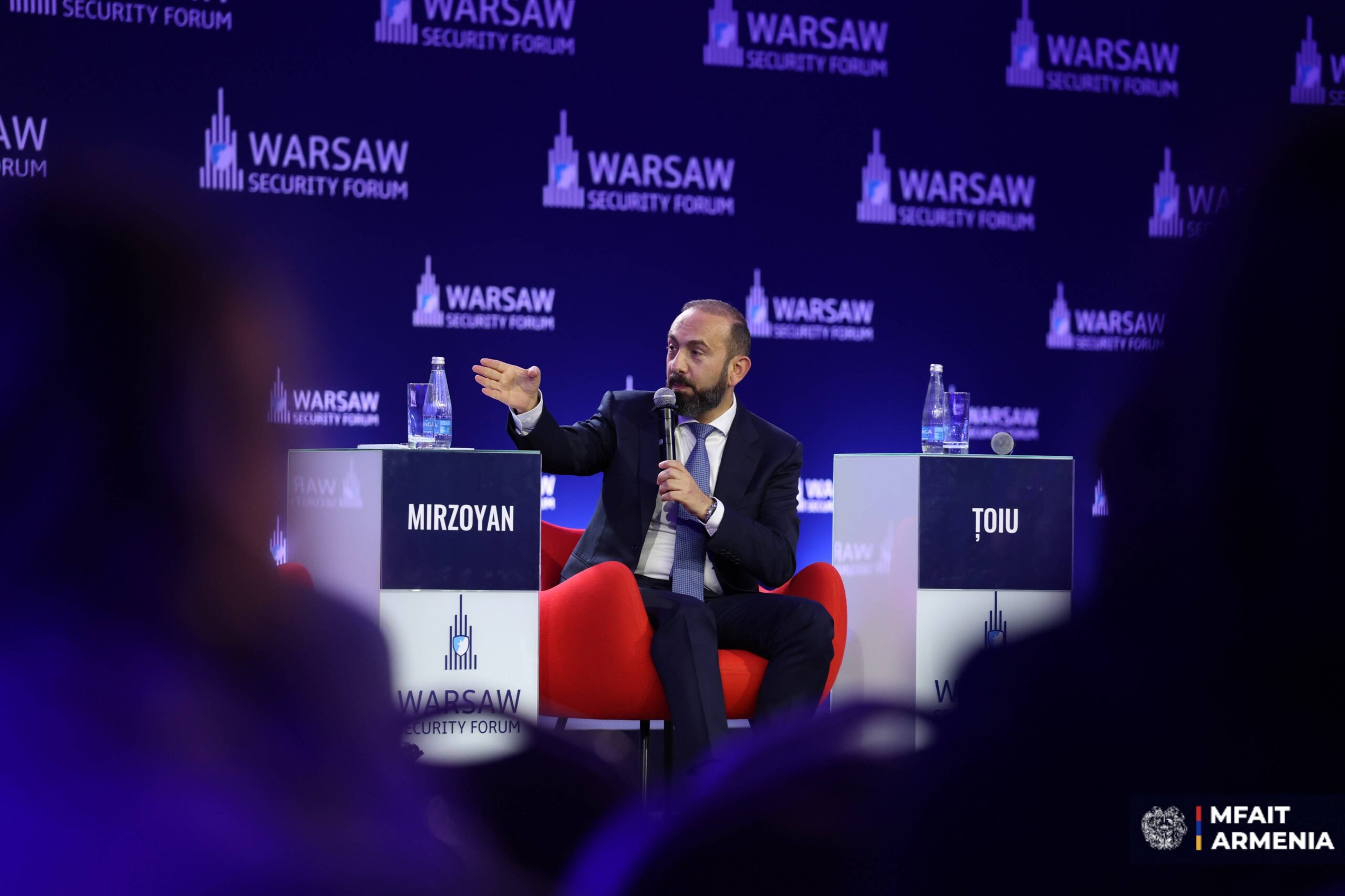
Tuesday, 16 June, Armenia. Foreign Minister Ararat Mirzoyan took part in a meeting of the EU Foreign Affairs Council
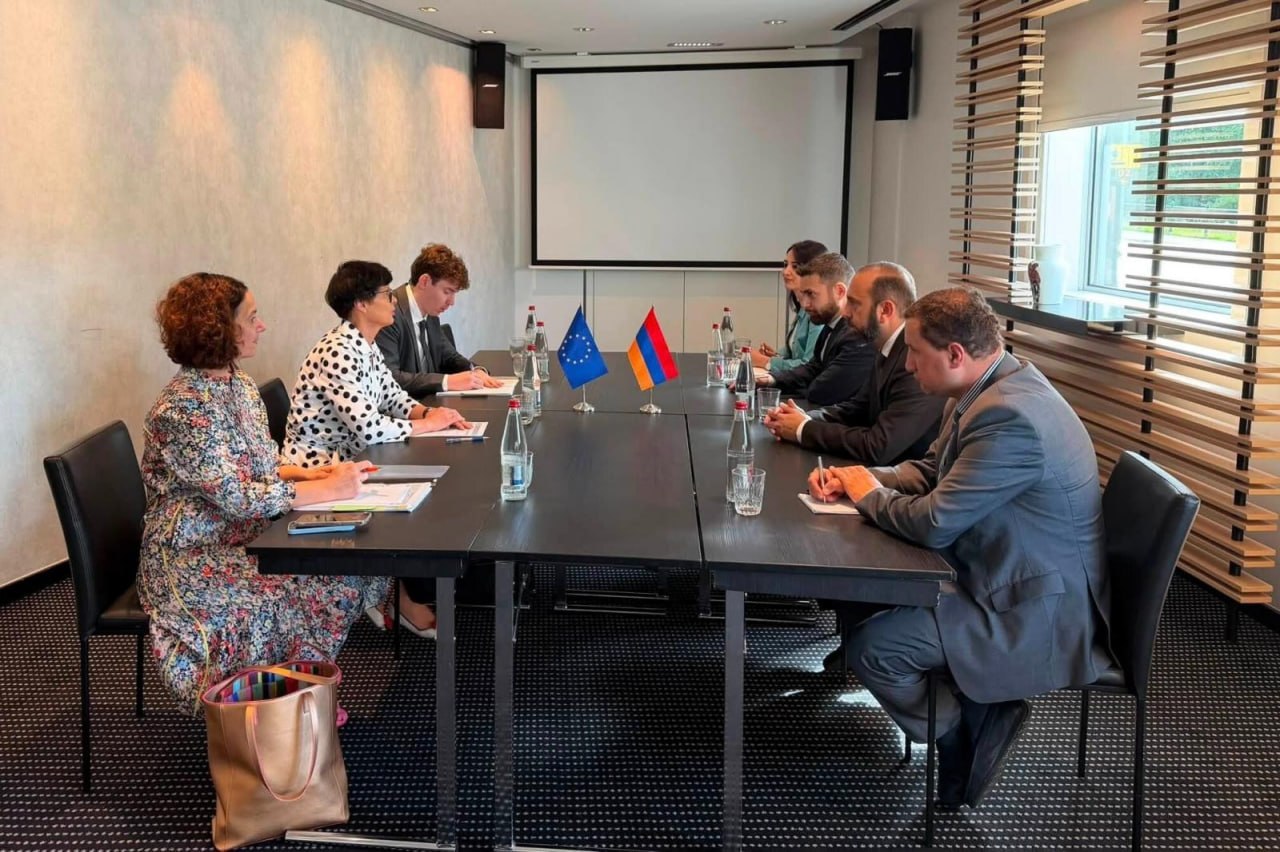
● Armenian Foreign Minister Ararat Mirzoyan took part in a meeting of the EU Foreign Affairs Council at the invitation of EU High Representative for Foreign Affairs and Security Policy Kaja Kallas. The discussion was held in the format of a working breakfast. According to reports, EU foreign ministers expressed support for Armenia’s European integration and congratulated Mirzoyan on the victory of the ruling Civil Contract party in the recent parliamentary elections.
● Kaja Kallas wrote on Instagram that the results of Armenia’s June 7 parliamentary elections demonstrate Yerevan’s strong commitment to democracy, peace, broader regional cooperation, and closer ties with Europe.
● On the sidelines of the EU Foreign Affairs Council meeting, Armenia’s foreign minister met with EU Commissioner for Enlargement Marta Kos. They discussed concrete mechanisms to support the economic dimension of Armenia-EU cooperation and also reviewed the agenda for Kos’s upcoming visit to Yerevan on July 5.
● “We will provide financial assistance and help facilitate Armenia’s trade with neighboring countries and Europe,” Marta Kos wrote on X after meeting Ararat Mirzoyan. The statement is particularly significant in light of restrictions imposed by Russia on imports of Armenian products.
● In Luxembourg, where the EU Foreign Affairs Council meeting took place, Mirzoyan also held bilateral meetings with Swedish Foreign Minister Maria Malmer Stenergard, Dutch Foreign Minister Tom Berendsen, and German Foreign Minister Johann Wadephul. Discussions focused on deepening the Armenia-EU strategic partnership.
● “I reaffirmed to my friend, Armenian Foreign Minister Ararat Mirzoyan, that the EU firmly supports Armenia in countering Russia’s destabilizing influence,” Estonian Foreign Minister Margus Tsahkna wrote on X after meeting Mirzoyan. He added that the EU would continue supporting Armenia’s efforts to deepen trade ties with neighboring countries and Europe.
● Armenia’s defense minister attended the opening ceremony of Eurosatory 2026 in Paris, the world’s largest international exhibition dedicated to land and air-land defense and security. The event is organized by COGES under the patronage of the French Armed Forces Ministry. Armenia also has a pavilion showcasing research and industrial developments from its defense sector.
● Director of Russia’s Foreign Intelligence Service Sergey Naryshkin said: “If the Armenian leadership relies exclusively on assistance and support from the West, it will make a mistake, and the domestic situation will become more complicated. Additional barriers and difficulties in economic development will emerge. Nevertheless, I hope Armenia’s leadership will act wisely.”
● Prime Minister Nikol Pashinyan chaired a meeting on exports and further steps to develop the country’s export potential. Participants discussed diversifying export markets, support programs for exports to EU member states and other countries, and assistance mechanisms for local producers and exporters amid restrictions imposed by Russia.
● Armenian media continue to discuss under which legal case former President Robert Kocharyan has been barred from leaving the country and whether he is formally accused in any proceedings. According to Factor.am, both the Prosecutor’s Office and the National Security Service said his travel had not been restricted within any case handled by their agencies, and no court had issued a travel ban.
● Prominent Russian mathematician Mikhail Verbitsky, detained three days ago at Yerevan’s Zvartnots Airport, has been released. According to his lawyer, Vache Simonyan, this means Russian law enforcement authorities did not submit a request for his arrest to Armenian prosecutors. However, Verbitsky still cannot leave Armenia because he remains wanted by Russia. He said he has a return ticket to Israel but is currently unable to use it.
● By decision of Prime Minister Nikol Pashinyan, Anna Hakobyan will travel to the United States to participate in the annual event of the Global First Ladies Academy. The official decision states that she will attend in her capacity as the prime minister’s spouse.
● As part of an investigation into alleged election crimes involving material inducements and large-scale money laundering, criminal cases have been opened against six parliamentary candidates from the pro-Russian Strong Armenia alliance. Armenia’s Investigative Committee reported that two candidates have been arrested, while four others have been placed on a wanted list.
● The wife of Ruben Vardanyan plans to organize a visit by an international women’s humanitarian delegation to Baku. The names of the participants will be announced later. In an open letter, she said that support letters for Armenians detained in Azerbaijan would be collected over the next two weeks and delivered together with family care packages.
“My husband has been unlawfully detained in Azerbaijan since September 2023. For more than three years he has been separated from his family and loved ones. During this time, his grandchildren were born, and he has never held them in his arms. I write this as a loving wife, a mother, a grandmother, and a person who can no longer silently wait while various institutions explain why they cannot or should not act. Since the closure of the ICRC delegation office in Baku, families of Armenian detainees have effectively lost regular independent humanitarian access to their relatives. International mechanisms that are supposed to protect people in such circumstances are not working in practice,” she said.
● Armenia’s Central Bank will issue a commemorative gold coin on June 16, 2026, marking the 125th anniversary of the birth of Alex Manoogian. Manoogian (1901–1996) was a prominent Armenian-American entrepreneur and philanthropist.
-
Tuesday, 16 June, Azerbaijan. Azerbaijan is participating in a regional meeting in Kabul, Afghanistan, with representatives of Central Asian countries
● “Azerbaijan is pursuing a determined policy aimed at establishing lasting peace and stability in the region,” President Ilham Aliyev said in an address to participants of the international conference “Regional Contribution to Global Security: Peacebuilding in the South Caucasus,” held in Shusha, Karabakh. He again stressed the importance of the joint declaration signed in Washington last year by the leaders of Azerbaijan and Armenia in the presence of U.S. President Donald Trump. “The initialing of the peace agreement has completely changed the situation in the South Caucasus,” Aliyev said.
● The Foreign Ministry welcomed the agreement reached between the United States and Iran and expressed hope that further negotiations would contribute to peace and stability in the region. The statement highly praised Pakistan’s role in the talks and the contribution of other regional partners.
● Azerbaijan and Turkey marked the fifth anniversary of the Shusha Declaration, which formalized allied relations between the two countries. The document was signed on June 15, 2021, in Shusha by Presidents Ilham Aliyev and Recep Tayyip Erdoğan.
● Azerbaijan is participating in a regional meeting in Kabul, Afghanistan, bringing together representatives of Central Asian countries — Uzbekistan, Turkmenistan, Tajikistan, Kazakhstan and Kyrgyzstan. The agenda includes regional security and stability, economic cooperation, and expanding regional connectivity.
● Germany hopes that President Ilham Aliyev will pay an official visit to Berlin this year, German Ambassador Ralf Horlemann said during a farewell meeting with journalists.
● Ralf Horlemann: “Azerbaijan supplies 2 billion cubic meters of gas annually under 10-year contracts between German companies and Azerbaijan’s state oil company, SOCAR. This is very important for stabilizing the European energy market. I expect these volumes could increase further. Germany does not receive Azerbaijani gas directly because there is no pipeline connection between the two countries. Most Azerbaijani gas delivered to the European Union enters through Italy and is then traded on the unified European energy market.”
● Ralf Horlemann: “The peace process between Azerbaijan and Armenia has been the most significant development in the South Caucasus in recent years. Achieving sustainable peace is in the interests not only of these two countries but of the entire region, creating additional opportunities for expanding economic cooperation between Asia and Europe.”
● Another train carrying Russian wheat has been sent to Armenia via Azerbaijan in transit. The shipment consists of seven railcars with a total weight of 490 tonnes.
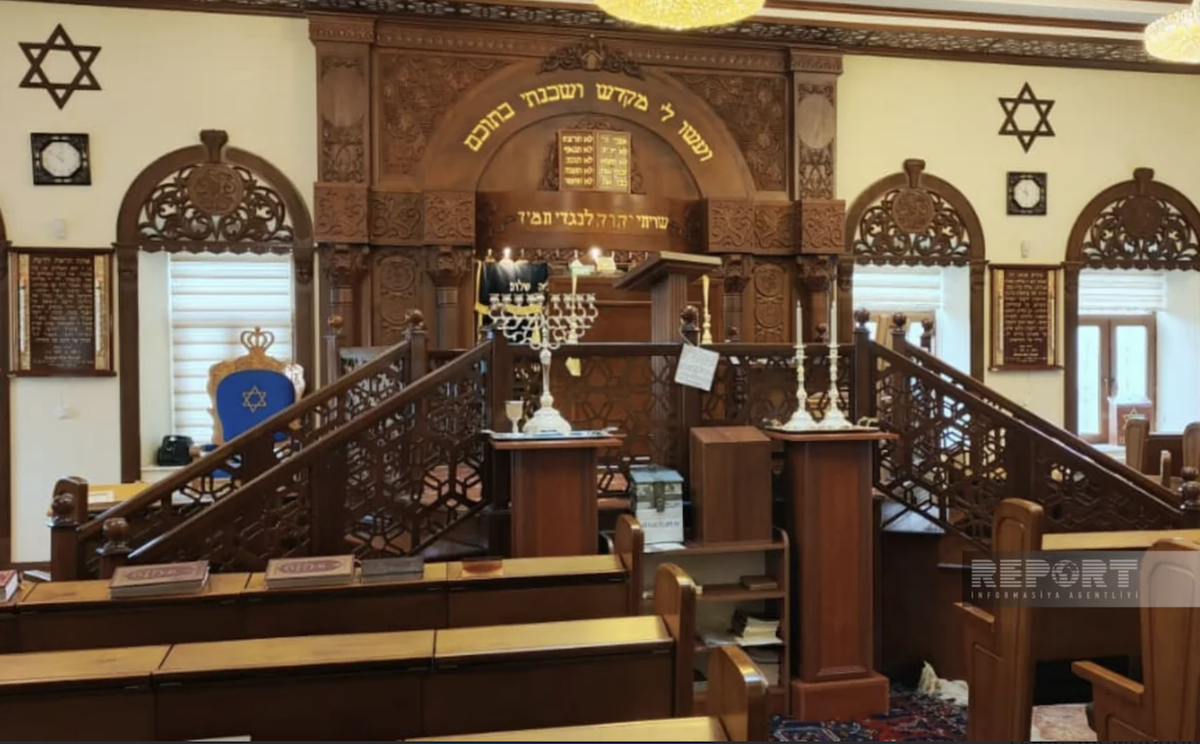
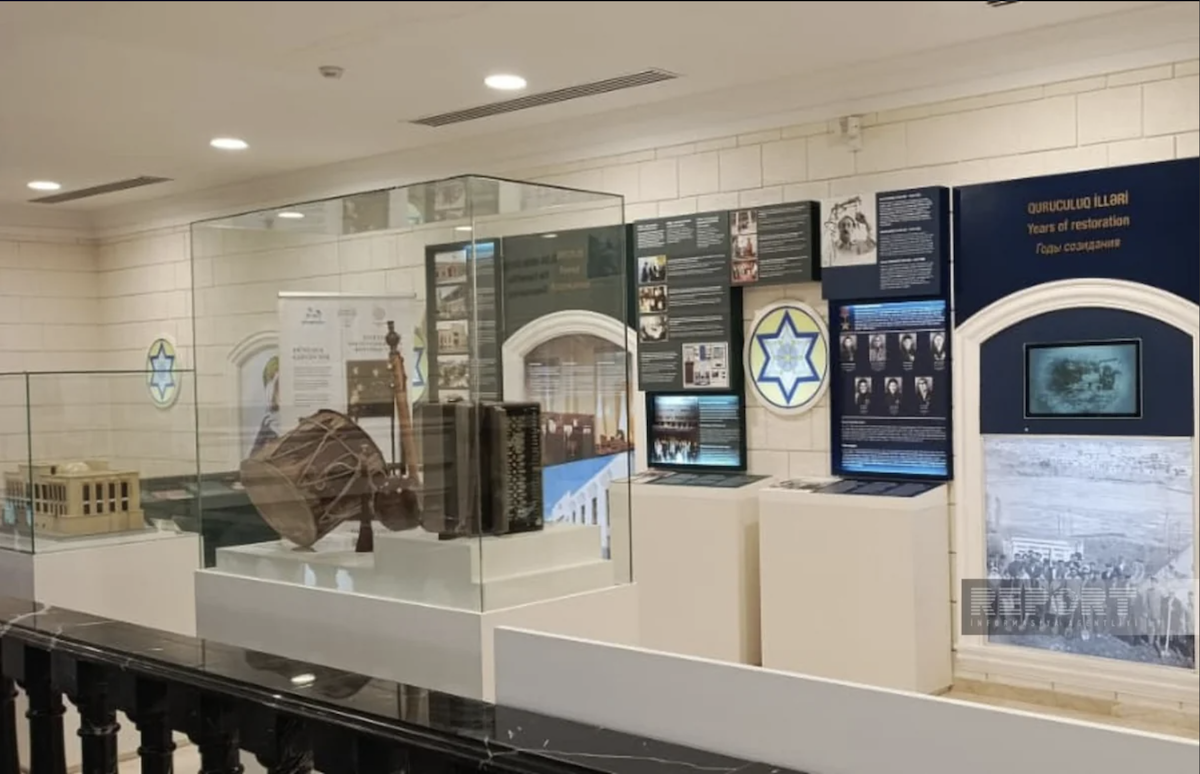
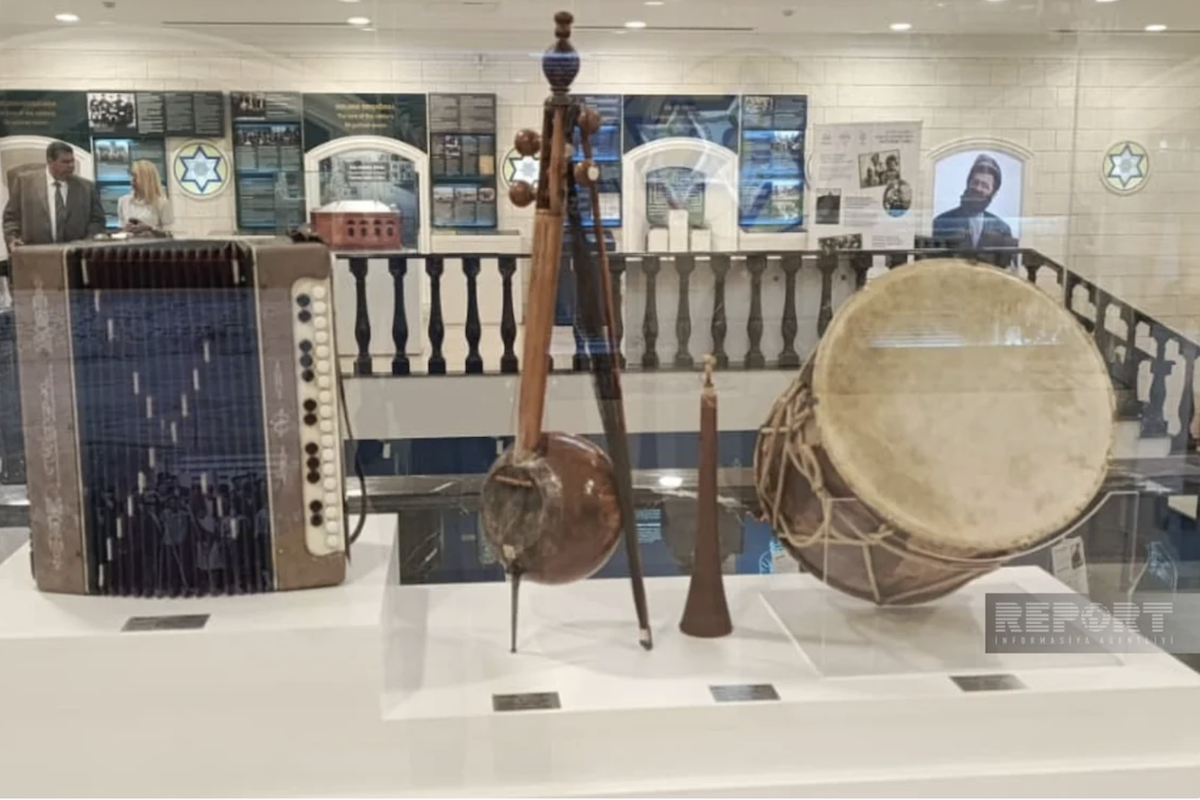
Photo: The Mountain Jews Museum in Red Settlement (Krasnaya Sloboda), near the city of Quba, is hosting a photo exhibition and concert program titled “Echo of Centuries: Musical Heritage of Our Ancestors — From the Past to the Present.” Participants include the Jerusalem Cantors Choir. The event is organized by the International Charitable Foundation of Mountain Jews STMEGI and the Mountain Jewish Heritage Center.
-
Monday, 15 June, Armenia. Pashinyan’s party won 64 of 105 seats, securing a majority to form the government
● The ruling Civil Contract party of Prime Minister Nikol Pashinyan won 64 of 105 seats in the new parliament elected on June 7. This gives the party a 3/5 majority, allowing it to form the government on its own. However, it does not hold a 2/3 qualified majority, which imposes certain limitations.
● According to the final results announced by the Central Election Commission, the distribution of seats among other parties is as follows:
• The pro-Russian opposition bloc “Strong Armenia” (linked to Russian-Armenian oligarch Samvel Karapetyan, who is currently under arrest in Armenia over calls to overthrow the government) – 29 seats.
• The pro-Russian opposition bloc “Armenia” (led by former President Robert Kocharyan) – 12 seats.
• The pro-Russian “Prosperous Armenia” party (led by businessman Gagik Tsarukyan) failed to pass the 4% threshold and did not enter parliament.
● Six opposition parties declared the elections invalid, according to a joint statement published on Facebook by Samvel Karapetyan. The statement claims the elections were held under conditions of abuse of administrative resources, political pressure on the opposition, manipulation in the information space, and alleged irregularities in vote counting.
● Prosperous Armenia held a protest outside the Central Election Commission, expressing distrust in the process of certifying the 2026 parliamentary election results. The party continues to demand a review of results in several precincts, saying: “This is not a fight for one party’s interests, it is a fight for justice.”
● MP candidate from the “Strong Armenia” bloc Aram Vardevanyan spoke outside the CEC, saying the election results should be annulled. He stated that evidence of large-scale violations had been submitted to the commission.
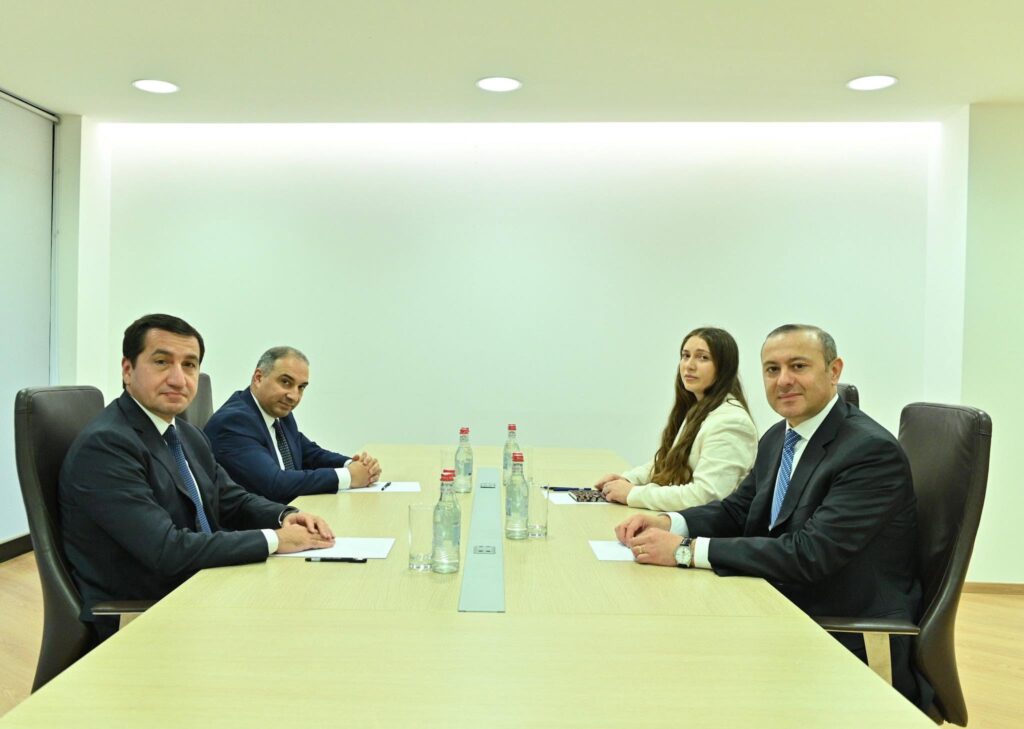
● Secretary of the Security Council Armen Grigoryan and Azerbaijani presidential aide Hikmet Hajiyev discussed the peace agenda in Dilijan. The Azerbaijani delegation entered Armenia via a delimited and demarcated section of the land border after completing the necessary procedures. The meeting emphasized the importance of continuing bilateral dialogue to strengthen long-term peace and stability in the region, including confidence-building measures between civil societies. Footage of Grigoryan and Hajiyev walking together in Dilijan circulated on social media. It was agreed that their next meeting will take place in Azerbaijan.
● Former President Robert Kocharyan was prevented from leaving the country. According to his office, he was stopped at border control at Yerevan airport without explanation while attempting to travel to Moscow for a three-day private visit. His office dismissed claims that he was trying to flee, saying: “If it occurs to anyone in the Azerbaijani president’s entourage that Robert Kocharyan could flee the country, they are gravely mistaken.”
● By agreement between the Prime Minister’s office and the Foreign Ministry with the Turkish side, four Armenian trucks crossed the Margara border checkpoint on June 12, delivering humanitarian aid to Lebanon via Turkey. The cargo totaled 80 tons, including 38 tons of medicine and hygiene supplies and 42 tons of food.
● DW reports that the United States has deported citizens of Armenia, Georgia, and Turkey to the Central African Republic.
● Prime Minister Nikol Pashinyan congratulated U.S. President Donald Trump on his 80th birthday, writing on X: “We look forward to concluding even more historic deals with your administration.”
● A court has restricted the rights of political analyst Alen Gevondyan, who is accused of calling for the violent overthrow of the government. He was detained on Friday, but the court took into account his request for release under conditions. He is prohibited from making publications, attending public gatherings, and using social media.
-
Monday, 15 June, Azerbaijan. Azerbaijan marks National Salvation Day
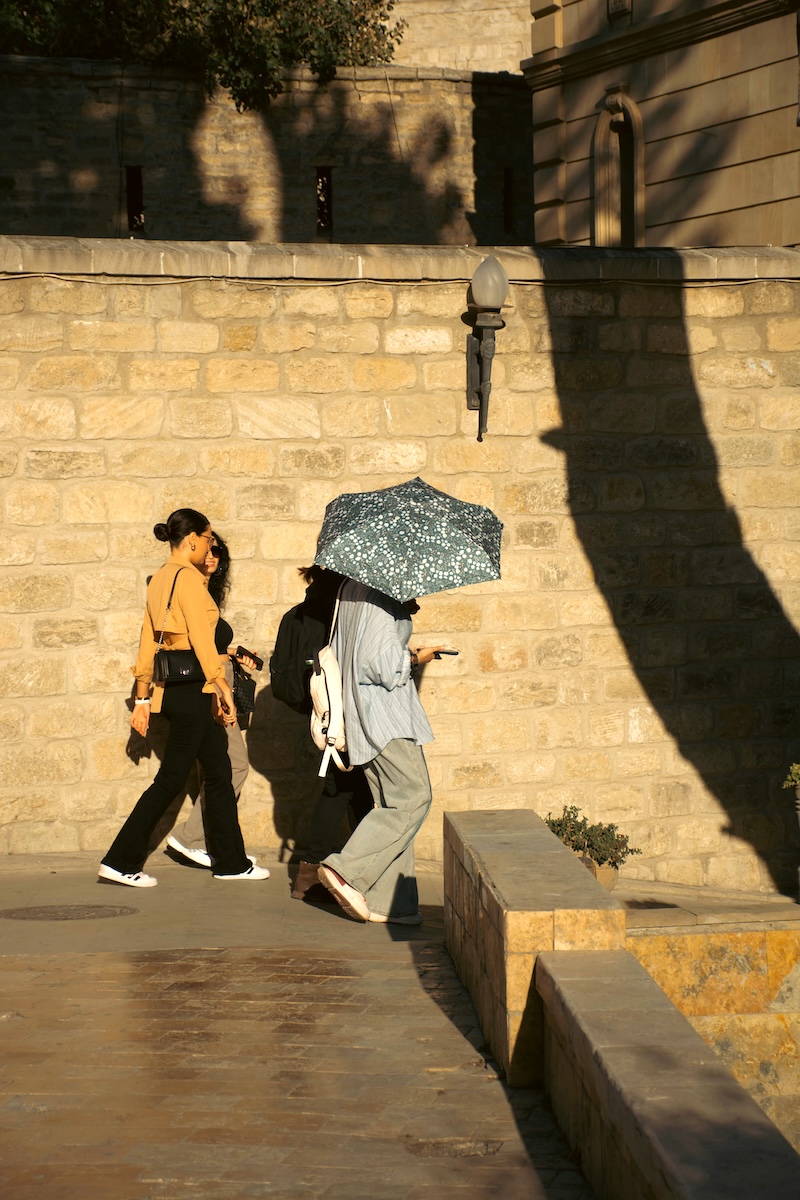
● Today, June 15, Azerbaijan marks National Salvation Day. The date is linked to events that took place 33 years ago, when on June 15, 1993, Heydar Aliyev (the father of the current president) was elected Speaker of the Milli Majlis and outlined a strategy for the future development of Azerbaijani statehood. According to official accounts, two years after independence following the collapse of the Soviet Union, the country was facing the threat of civil war and disintegration amid a large-scale rebellion led by Colonel Suret Huseynov in Ganja. Azerbaijan was ultimately saved from that crisis.
● A working meeting between Presidential Assistant Hikmet Hajiyev and Armenian Security Council Secretary Armen Grigoryan took place in Dilijan, Armenia, on Sunday. The sides discussed efforts to advance lasting peace and stability, maintain bilateral dialogue, and promote confidence-building measures between the civil societies of both countries. Hajiyev and Grigoryan confirmed that their next meeting will be held in Azerbaijan.
● Foreign Minister Jeyhun Bayramov met with Ben Black, head of the U.S. International Development Finance Corporation (DFC). The discussions focused on prospects for Azerbaijani-American cooperation in energy, transport and transit, high technology, and investment. The parties also discussed details of the TRIPP transit project, known as the “Trump Route,” which would provide a transport link through Armenia between mainland Azerbaijan and its Nakhchivan exclave.
● A visit by senior Vatican officials to Azerbaijan is beginning at the invitation of Sheikh ul-Islam Allahshukur Pashazade, head of the Caucasus Muslim Board. Arriving in Baku today are Cardinal John Jacob Kuvakad, Prefect of the Vatican Dicastery for Interreligious Dialogue, and Father Laurent Basanese, head of its Islamic Affairs Office. The announcement was made by Archbishop Marek Solczynski, the Vatican’s ambassador to Azerbaijan, Turkey, and Turkmenistan. He said relations between Azerbaijan and the Vatican serve as an example for the world and expressed confidence that the visit would create new opportunities for cooperation. “Azerbaijan helps restore many works of art and historical buildings in the Vatican. Our relations are at a very high level. We also have new plans and projects,” Solczynski said. The visit will last until June 19 and includes visits to the Catholic church in Baku, Albanian churches in Gabala and Sheki, the House of Tolerance in Icherisheher, the Heydar Mosque in Baku, as well as meetings with members of the public and deputies of the Milli Majlis.
● President Ilham Aliyev sent a congratulatory letter to U.S. President Donald Trump on the occasion of his 80th birthday. The letter states that the signing of the Strategic Partnership Charter between Azerbaijan and the United States elevated bilateral relations to a qualitatively new level. Aliyev expressed confidence that joint efforts to deepen friendship and reliable partnership between the two countries, as well as to expand effective cooperation in all areas, would continue successfully.
● In the same letter, Ilham Aliyev also thanked Trump “for his determination in advancing the peace agenda in the South Caucasus.” “The trilateral joint declaration signed by us in Washington in your presence, as well as the initialed Agreement on Peace and the Establishment of Interstate Relations with Armenia, are the result of your consistent peacebuilding efforts,” Aliyev wrote.
● The Azerbaijani government has repatriated 23 citizens from Syria — 7 women and 16 children. They have been placed in a social services facility and, after completing rehabilitation programs, will be returned to their places of residence. The agency noted that more than 600 Azerbaijani citizens have been brought back from Syria with government assistance over the past several years.
-
Monday, 15 June, Georgia. Beating of a detainee at a police station
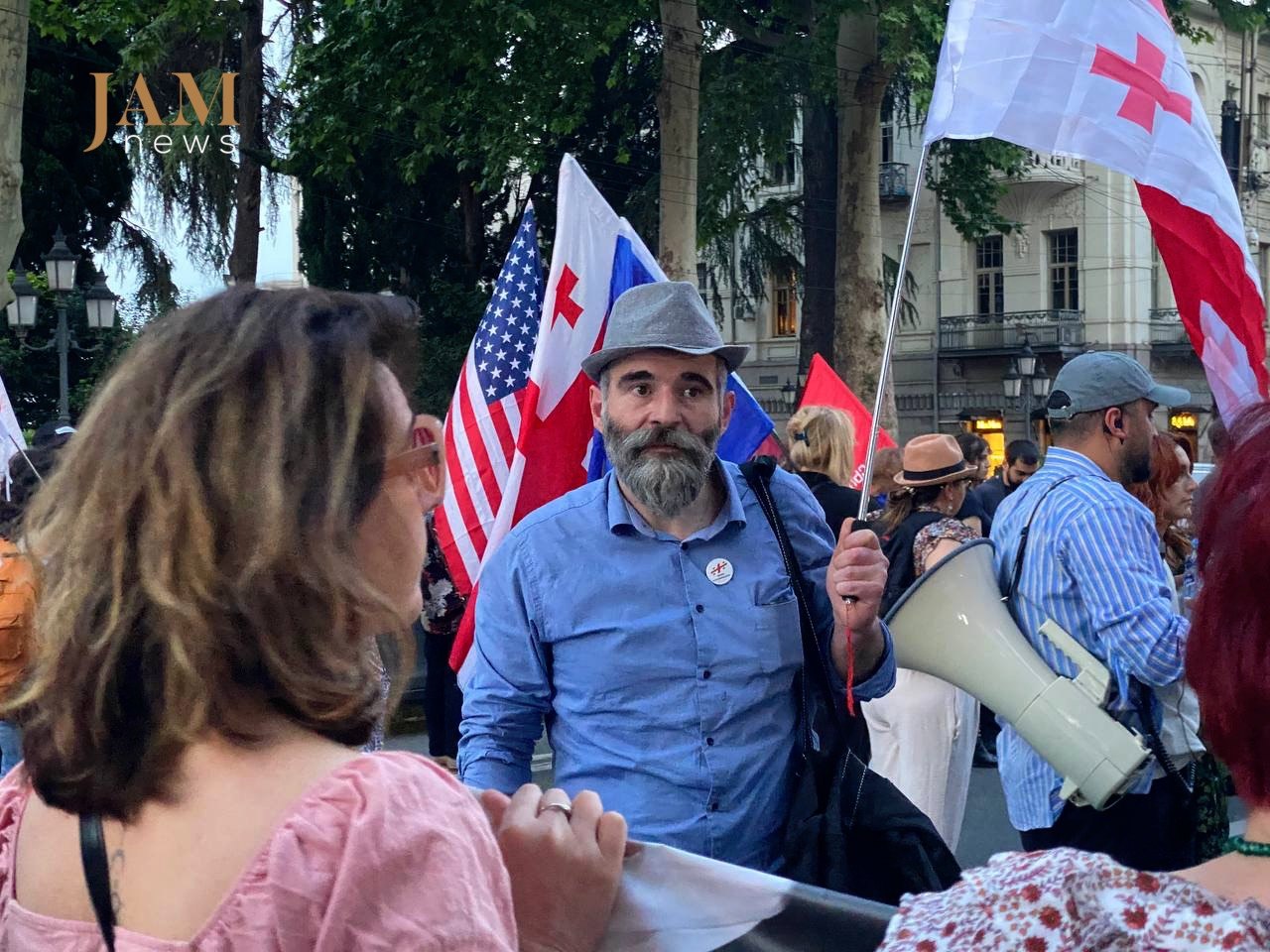
● The Georgian Young Lawyers’ Association (GYLA) and Transparency International Georgia have alleged systemic violence against citizens by law enforcement agencies, commenting on a report aired by TV Pirveli. The footage reportedly shows several police officers beating a detainee inside a police station. Read and watch more here
● Fifth President Salome Zurabishvili said: “The regime is coming to an end, guarantees of safety for law enforcement and corrupt officials are disappearing, and the time has come for national unity and a united front.”
● Ruling party MP Nikoloz Samkharadze said Georgian Dream is seeking to elevate relations with the United States to a new, unprecedented level and to develop a new mutually beneficial agreement instead of restoring the old strategic partnership.
● Serbian President Aleksandar Vučić will pay an official visit to Georgia this week.
● Prime Minister Irakli Kobakhidze spoke at the presentation of a documentary on para-athletes, noting that participation in the sector has grown from 3 to 300 athletes, and thanked the ruling party’s founder, oligarch Bidzina Ivanishvili, and his Cartu Foundation for supporting its development.
● A teenager was swept away by a whirlpool while swimming in a lake in the village of Chachkhiala. His father tried to save him but drowned in the attempt. The teenager survived and is not in life-threatening condition.
-
Top stories in Azerbaijan, Armenia, and Georgia from 9-12 June, 2026