What could Azerbaijan's planned National Supercomputing Centre deliver?






Azerbaijan’s National Supercomputing Centre
The Azerbaijani government plans to establish a National Supercomputing Centre under its 2026–2028 Action Plan for Accelerating Digital Development.
The centre will support artificial intelligence projects, provide high-performance computing capacity and strengthen the country’s technological capabilities. According to official statements, the facility, which AzInTelecom will help develop, is expected to become a key component of Azerbaijan’s digital transformation strategy.
The initiative reflects the country’s broader effort to reduce its dependence on the oil sector and improve competitiveness in emerging industries. However, experts argue that the success of such large-scale projects depends not only on technical infrastructure but also on the quality of human capital, the regulatory environment and international cooperation.

What is already known?
- The project is being led primarily by AzInTelecom, a state-linked cloud services provider that operates under AZCON Holding.
- In December 2025, AzInTelecom launched Azerbaijan’s first supercomputing centre.
- The facility uses NVIDIA H200 graphics processing units (GPUs).
- Lenovo has supplied the underlying infrastructure.
As a result, the project’s key technology partners are NVIDIA, the US-based semiconductor company, and Lenovo, the global technology firm of Chinese origin.
What remains unclear?
Several important questions have yet to be answered:
- Which countries or companies will provide additional computing capacity for the National Supercomputing Centre?
- Which international partners will take part in large-scale technology transfers? Could they include China, the United States, European countries, Russia or others?
- What role will foreign partners play in data storage and processing?
- How will the authorities address US export restrictions on advanced NVIDIA chips?
Why does it matter?
Today, high-performance chips produced by companies such as NVIDIA are subject to strict geopolitical controls. The US government has imposed export restrictions on these technologies for a number of countries.
If Azerbaijan decides to build a more powerful supercomputer in the future, its choice of international partners will be a crucial factor.
Technological modernisation and AI ambitions
The planned supercomputing centre reflects Azerbaijan’s ambitions in the fields of artificial intelligence and big data.
According to official documents, the facility will support AI applications in areas including scientific research, healthcare, energy and public administration. The project forms part of the country’s broader plans to develop smart cities, digital government services and an innovation-driven economy.
Some technology experts have welcomed the initiative.
“Establishing a centre like this gives Azerbaijan an opportunity to strengthen its position in regional competition. Neighbouring countries have already begun moving in this direction. We are late to the game, but with effective management we can still make significant progress,” says a technology analyst.
Part of a broader economic diversification strategy
Digital transformation has become one of the central pillars of Azerbaijan’s economic diversification policy.
As oil revenues decline, the government has identified the development of the non-oil sector as a strategic priority. The supercomputing centre is expected to provide technological support for that effort by helping to foster new start-ups, expand IT exports and attract foreign investment.
However, independent economists caution that infrastructure alone will not be enough.
“Technology projects often look impressive on paper but fail to deliver meaningful results. Success requires the parallel development of a broader ecosystem, including venture capital, start-up incubators and a skilled workforce. Otherwise, the centre risks becoming an expensive showcase rather than a driver of innovation,” one economist says.
Human capital and education: the key challenge
One of the most significant challenges concerns human capital.
A shortage of qualified IT professionals has been a topic of discussion in Azerbaijan for years. The country also continues to face a brain drain, with many young specialists leaving in search of better opportunities abroad.
Experts argue that even if a supercomputing centre is successfully established, the project will struggle to deliver results without enough specialists capable of operating the facility and making effective use of its capabilities.
The quality and scale of education in programming, data science and artificial intelligence remain limited. Some analysts argue that the government should pursue major reforms in universities and vocational training alongside the development of the new centre.

International cooperation and security risks
The supercomputing centre will not be able to operate at its full potential without international technology transfers. This creates both new opportunities and new risks. Key questions remain unanswered, including which countries and companies will supply the hardware and software, where data will be stored and who will oversee these processes.
Independent experts have drawn particular attention to issues of digital security and data protection.
Against the backdrop of increased state control over the media and social networks in recent years, government oversight of such a facility has raised concerns among some observers.
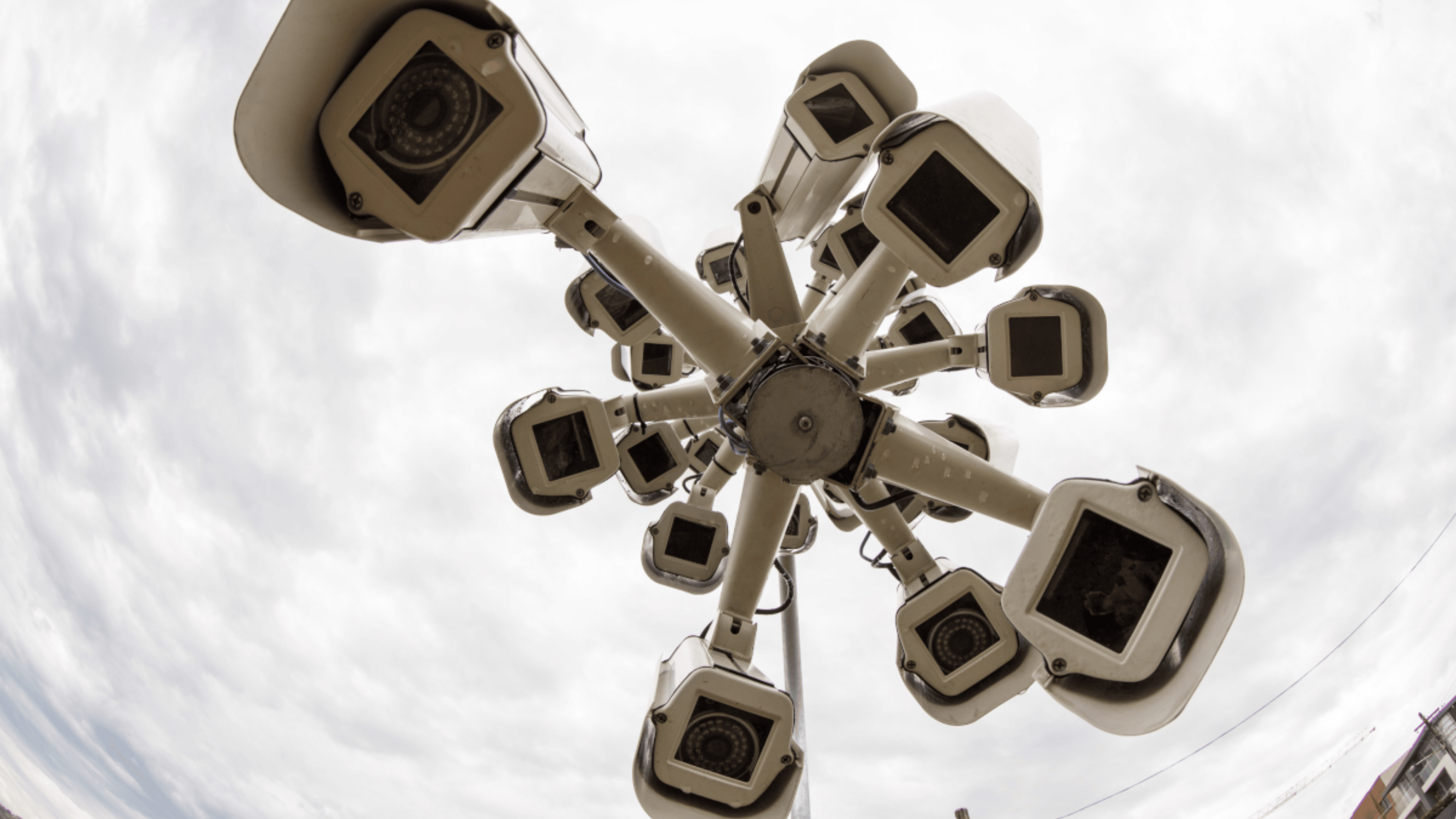
“High-performance computing can support economic development, but it can also strengthen systems of surveillance and control. That creates a dual-use risk,” says a digital rights analyst.
Geopolitical considerations will also play an important role in shaping international partnerships. As competition intensifies between the United States, China and the European Union in the technology sector, Azerbaijan’s choice of partners will influence not only its technical capabilities but also the future rules governing security, data management and information sharing.
Conclusion
The planned National Supercomputing Centre and the 2026–2028 Digital Development Action Plan represent another step in Azerbaijan’s push towards technological modernisation.
The project could create new opportunities for economic diversification and strengthen the country’s regional competitiveness. However, hardware and software alone will not determine its success.
Without investment in human capital, reforms in education, transparent governance and clear rules on data security, these ambitions may fail to deliver tangible results.
The key question now is whether Azerbaijan can build the institutional capacity and skilled workforce needed to support such a technological leap.
The answer is likely to emerge over the coming years as the government moves forward with the implementation of its digital development strategy.
Azerbaijan’s National Supercomputing Centre