Armenia welcomes Turkey move to lift bilateral trade ban






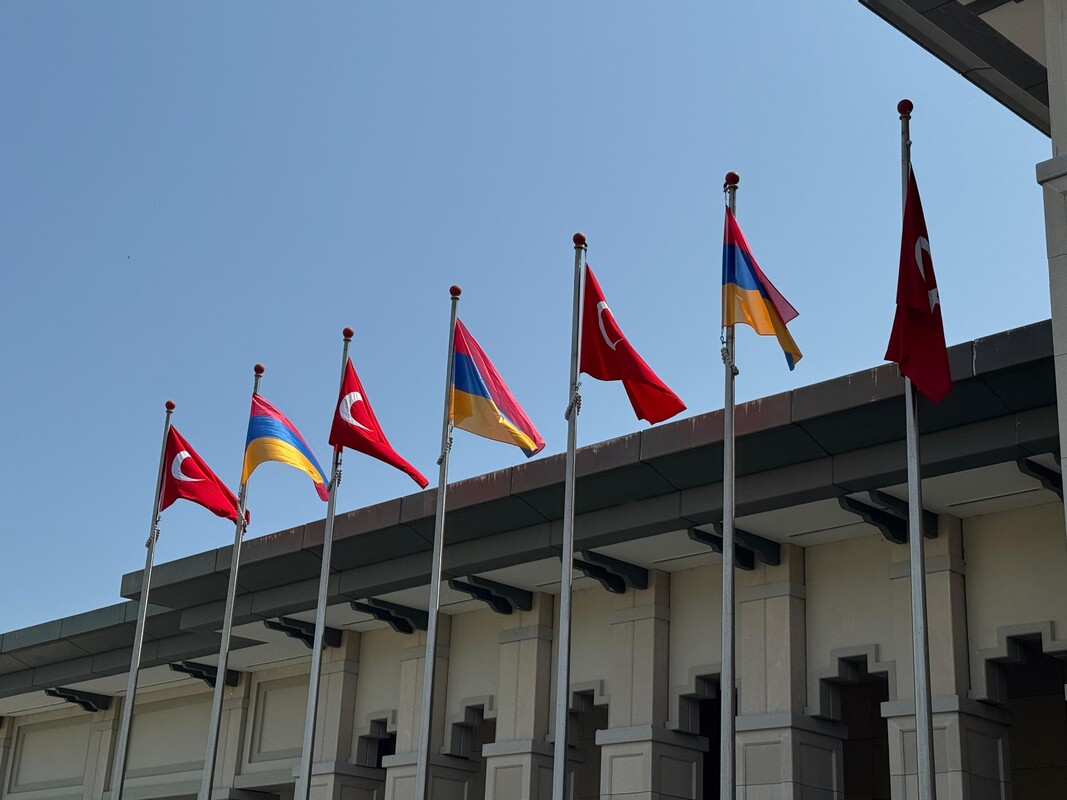
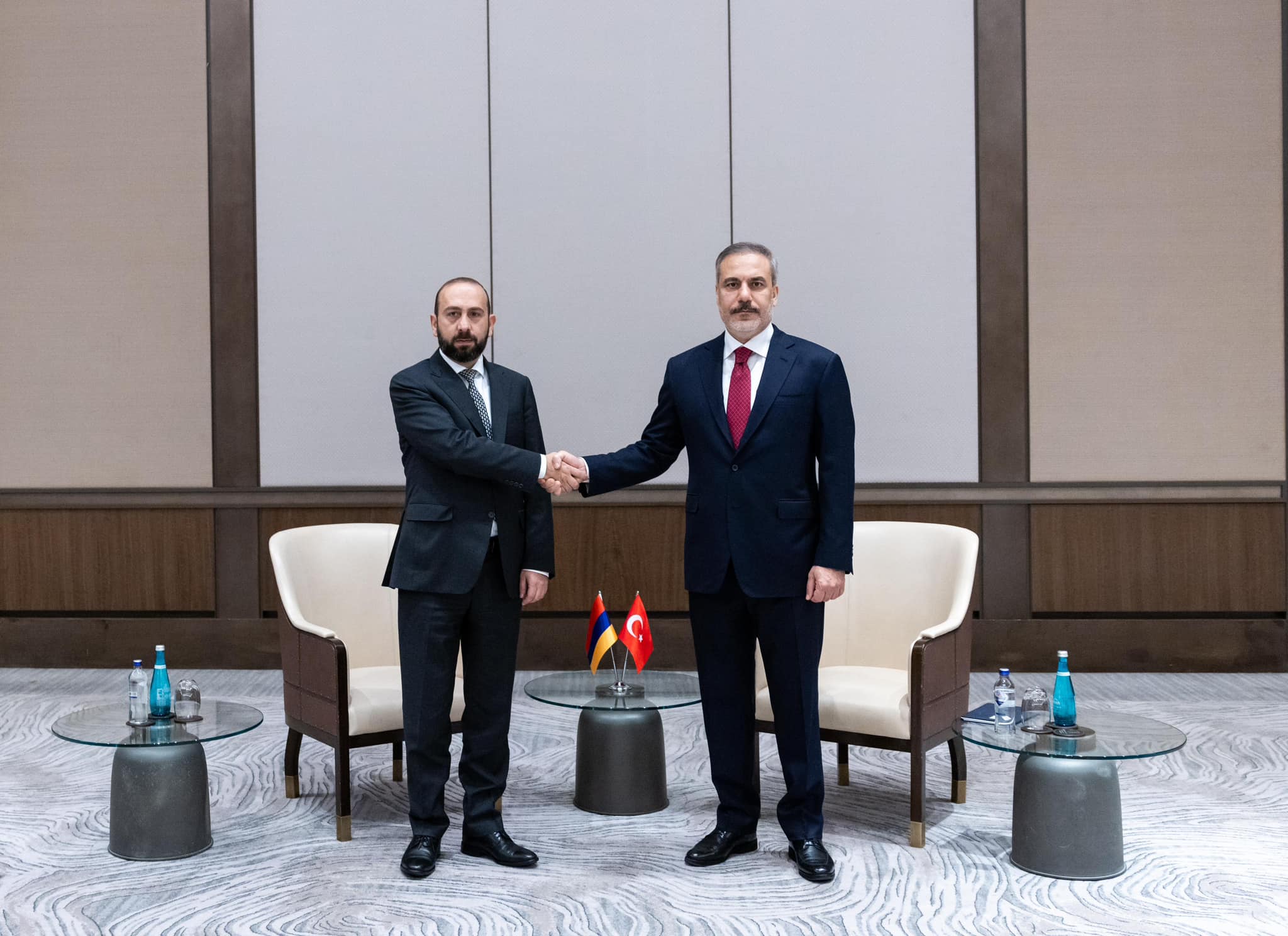
Turkey has officially announced the completion of preparations for the launch of direct trade with Armenia. Yerevan welcomed Ankara’s decision to lift the ban on bilateral trade.
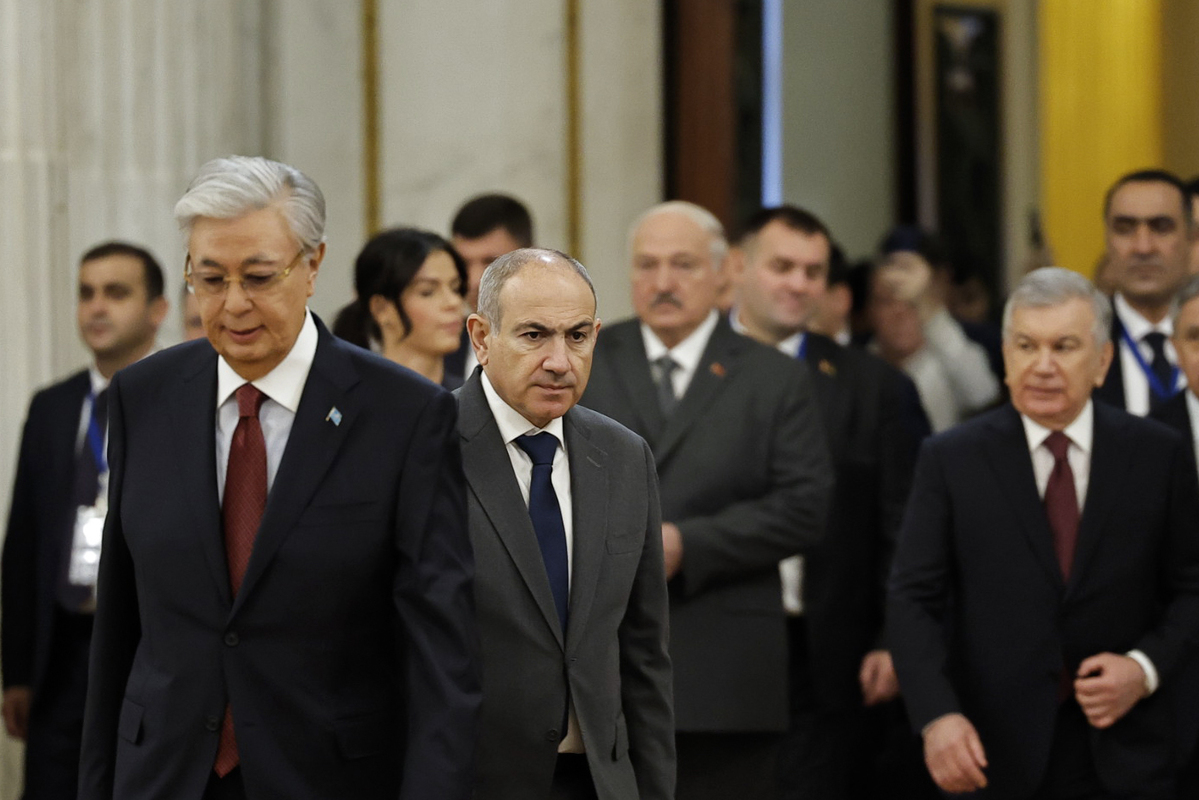
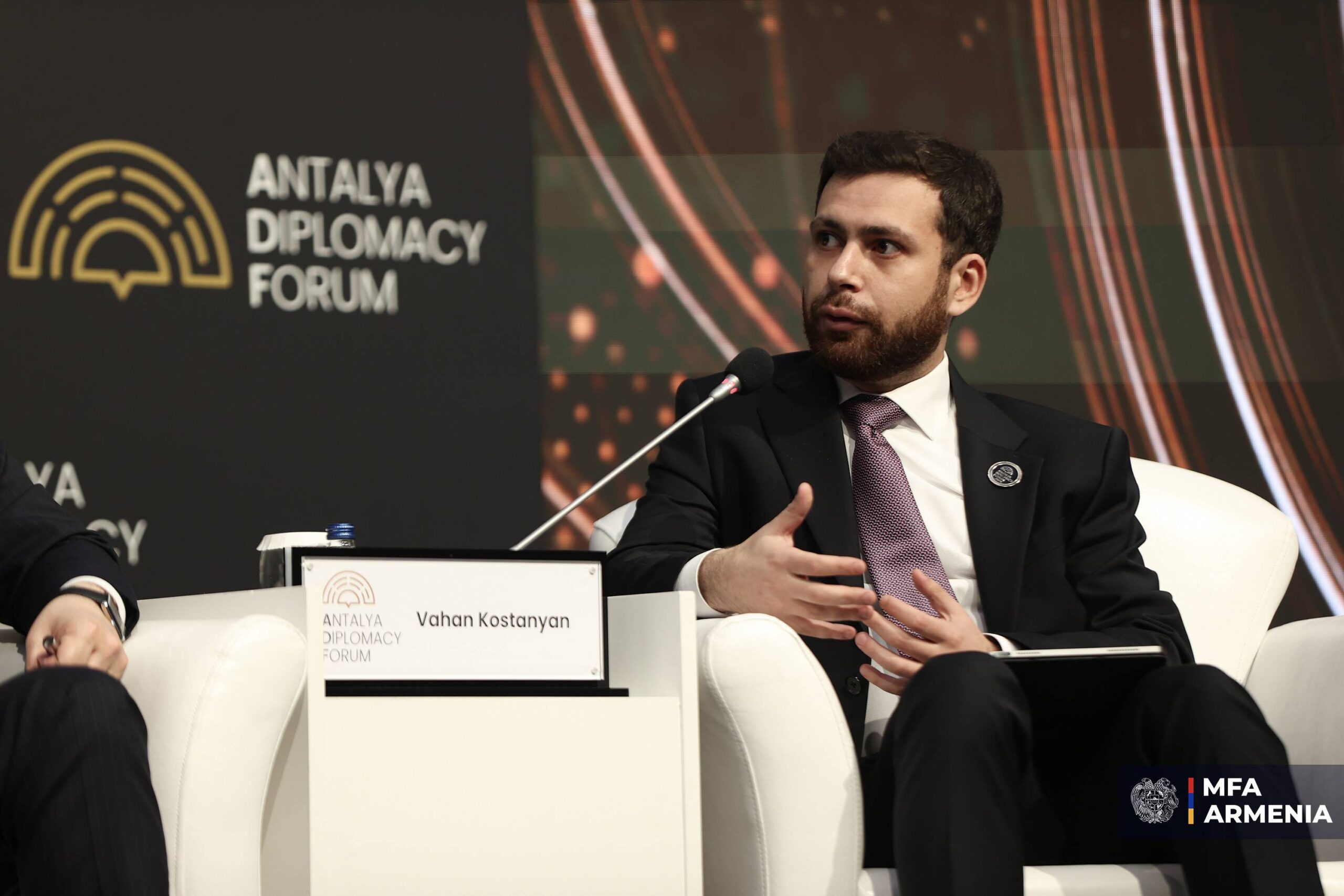
Signs of possible progress in Armenian-Turkish normalisation first emerged yesterday afternoon. Journalists noticed Foreign Minister Ararat Mirzoyan whispering to Prime Minister Nikol Pashinyan: “The Turks are opening today.”
Pashinyan later explained that Turkish regulations had prevented companies from naming Armenia as the destination for exports. As a result, goods had travelled through third countries. He said the foreign minister had informed him that Turkey had now lifted the ban on direct trade.
- ‘We mutually closed page of enmity’: Armenian Parliament Speaker on relations with Turkey
- Pashinyan says Armenia’s normalisation with Turkey is nearing
- ‘Armenia expects concrete steps from Turkey’: what was achieved and what’s still possible
“Preparations completed on 11 May”: statement from Ankara
“As part of the normalisation process with Armenia that began in 2022, and the confidence-building measures linked to it, preparations for the launch of direct trade between our country and Armenia were completed on 11 May 2026,” Oncu Keceli, spokesperson for Turkey’s foreign ministry, wrote on X.
He said the new regulation now allows companies to list Armenia — rather than third countries — as the final destination or country of origin of goods.
Keceli added that the “technical and bureaucratic work” needed to open the border between the two countries was still under way:
“In light of the historic opportunity to strengthen long-term peace and prosperity in the South Caucasus, Turkey will continue contributing to the development of economic ties in the region and to deeper cooperation for the benefit of all countries and peoples of the region.”
“Another result of the normalisation process”: reaction from Yerevan
Armenia’s foreign ministry welcomed Turkey’s decision to lift restrictions on bilateral trade. Foreign ministry spokesperson Ani Badalyan described the move as another result of the normalisation process:
“This decision is important for expanding trade ties and business contacts between the two countries, strengthening economic connectivity and ensuring peace and prosperity in the region.”
She said the move marked an important step towards establishing full relations between the two countries. She added that opening the Armenian-Turkish border and establishing diplomatic relations could become its “logical continuation”.
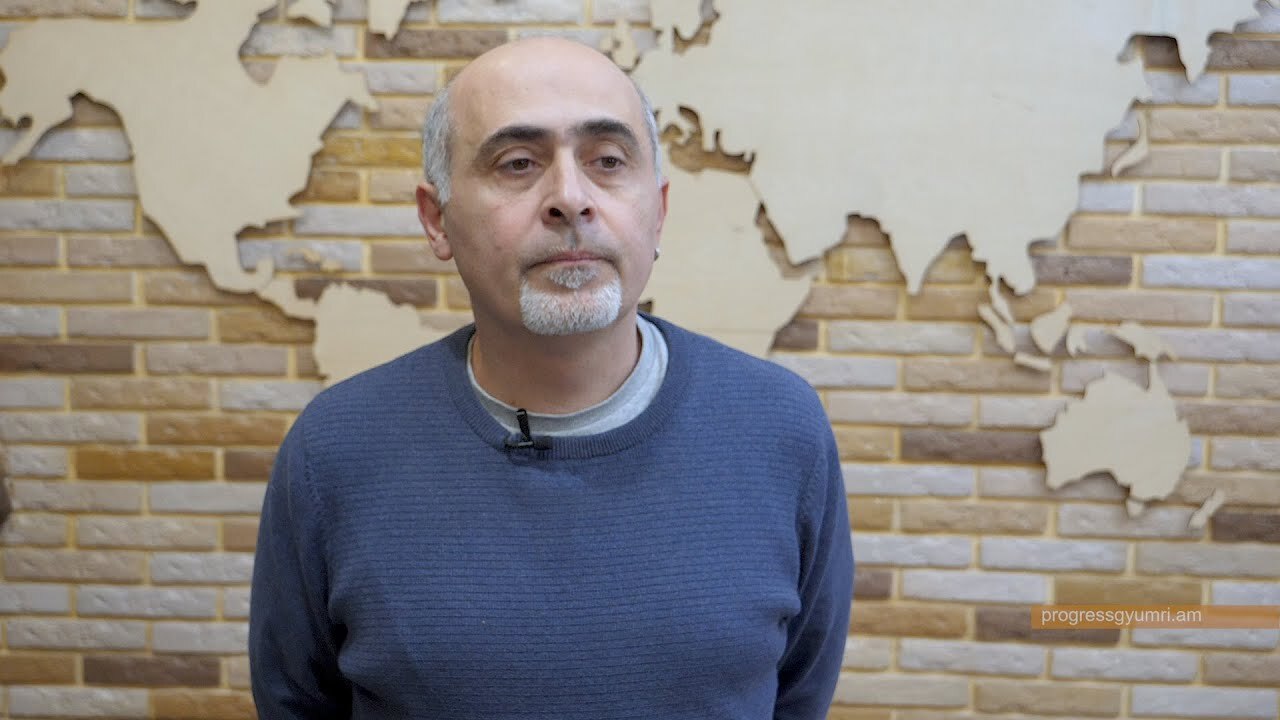
Armenia’s special envoy for the normalisation process with Turkey, Ruben Rubinyan, wrote on Facebook:
“Direct trade between Armenia and Turkey, in customs terms and without re-registration, has now become possible.”
He added that work on reopening the border and the Gyumri-Kars railway was continuing.
Journalists learned of the expected announcement from Turkey before the official statement
A day earlier, during a campaign event for the ruling party in Yerevan, Foreign Minister Ararat Mirzoyan whispered to Prime Minister Nikol Pashinyan:
“The Turks are opening today. Do you remember the codes? Let’s prepare a welcome statement and a comment from the foreign ministry spokesperson.”
In response, Pashinyan pointed to the microphone attached to him for the live broadcast.
“If the moment for whispering had passed, we would not be whispering and would speak directly in front of the cameras. If something has not yet become public, the process is still continuing,” Mirzoyan told journalists who asked him for comment.
Pashinyan later explained what kind of progress Armenia expected from Turkey:
“When goods are purchased in one country and exported elsewhere, the recipient and destination country must be specified. Previously, under Turkish regulations, Armenia was not included on that list. Companies therefore processed shipments through a third country. Only after that did the goods enter Armenia. Now they are changing the regulations so Armenia can appear on the list as a destination country.”
Context
Turkey officially recognised Armenia in 1991, but the two countries still do not have diplomatic relations. In 1993, Turkey unilaterally closed its land and air borders with Armenia. The air border reopened in 1995. Armenia’s foreign ministry says international pressure played a key role in that decision.
Talks on normalising relations intensified after the second Karabakh war. Although Armenia and Turkey conduct the negotiations bilaterally, Ankara openly acknowledges that it coordinates its position with Azerbaijan.
In December 2021, Yerevan and Ankara announced their readiness to normalise relations. The two countries appointed special envoys — Ruben Rubinyan and Serdar Kilic.
At the beginning of 2026, several Armenian media outlets reported that the border with Turkey would open on 1 February for third-country nationals and holders of diplomatic passports. Rubinyan and Kilic had reached the agreement back in July 2022.
The Margara checkpoint on the Armenian side has been ready to operate since December 2023. However, despite the agreements already reached, the border remains closed.
One of the more positive developments came at the end of 2025, when Armenia and Turkey agreed to simplify visa procedures for holders of diplomatic, special and service passports. Since 1 January 2026, they have been able to obtain free electronic visas.
Turkey lifts ban on direct trade with Armenia
Turkey lifts ban on direct trade with Armenia