Opinion from Tbilisi: 'It's important to understand what kind of hell government is leading us into'






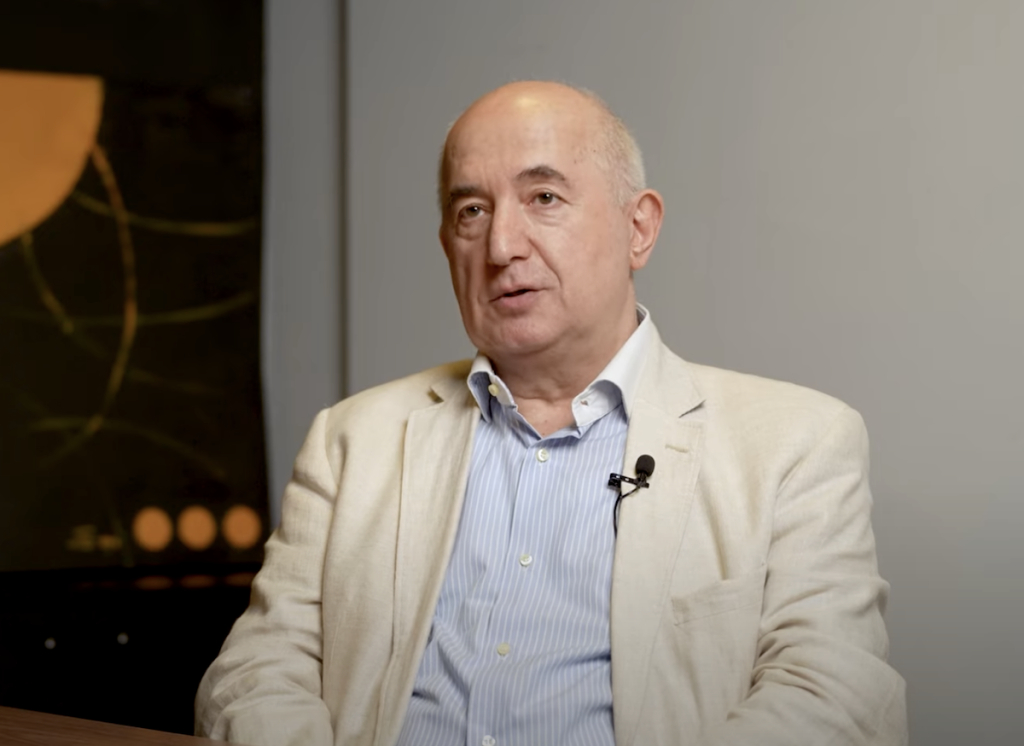
Lasha Tugushi, head of the Liberal Academy, has commented on Georgian Prime Minister Irakli Kobakhidze’s claim that Georgian politicians have never used harsher rhetoric towards Russia than they do today, either before or after the 2008 war. Tugushi argues that the prime minister is repeating a familiar narrative promoted by the ruling Georgian Dream party.
According to Tugushi, the government is trying to present itself as the only force capable of “saving” the country, while linking the events of 2008 and 2022 forms part of that political strategy.
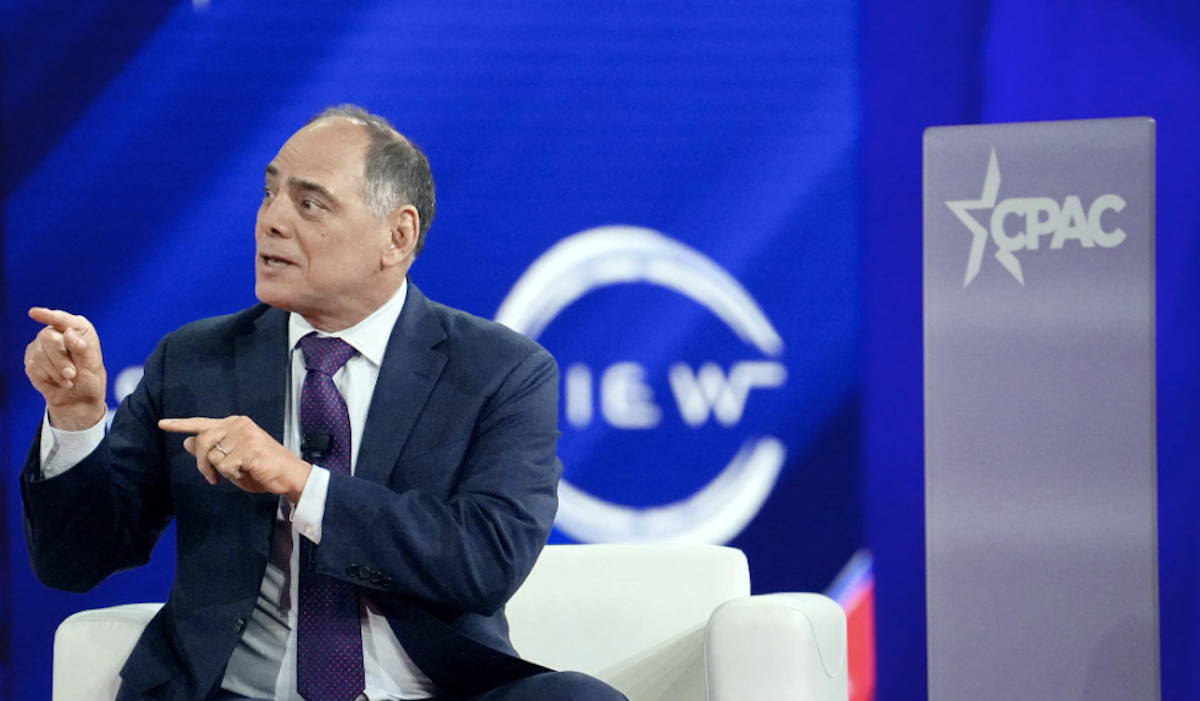
According to Tugushi, the suggestion that Georgia was ever pro-Russian is “nonsense”, as portraying Russia in a positive light has always been regarded as shameful in Georgian society.
Earlier, Prime Minister Irakli Kobakhidze published a lengthy social media statement linking the war in Ukraine to Georgia’s domestic politics and the country’s opposition.
According to Kobakhidze, the “Global War Party” needed the war in Ukraine in order to “fuel Russophobia among its agents around the world, including in Georgia, at the highest level.”
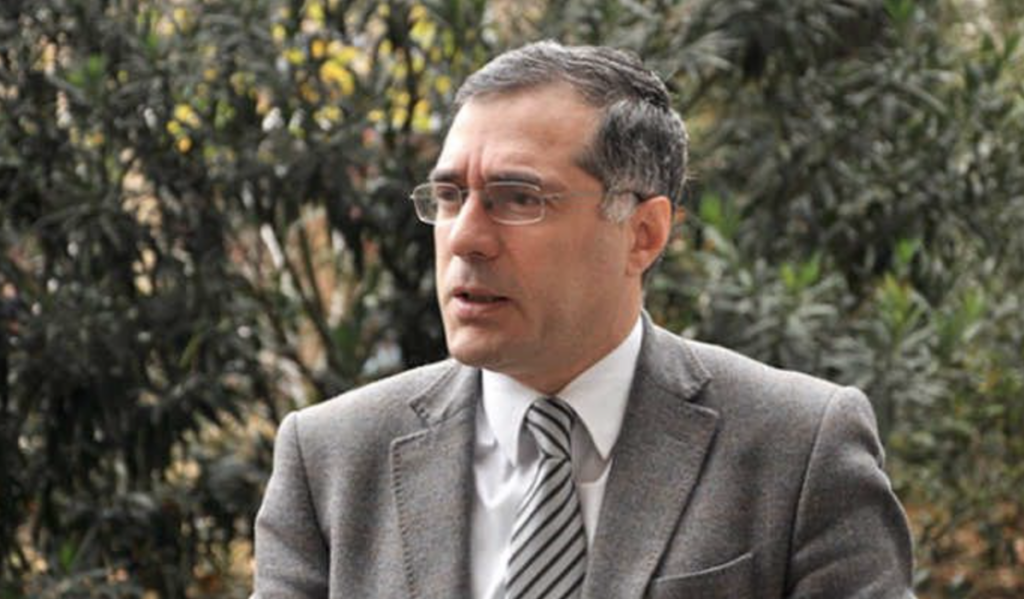
Lasha Tugushi said: “Anti-Russian sentiment existed in Georgia long before this. I remember the 1990s, when hostility towards Russia was very strong. The same was true after the war in Abkhazia. I cannot agree with the prime minister’s view that the key turning points were 2008 and 2022.
“I do not remember Georgia ever being pro-Russian. That is nonsense. What’s more, in respectable society it has always been considered shameful to say that Russia is a good country or to speak positively about Russian symbols.
“As for the focus on 2008 and 2022, that is part of a political game in which the leaders of Georgian Dream repeat a familiar narrative: that there is only one benevolent political force capable of saving Georgia – Georgian Dream. Everyone else, they claim, is either an enemy or a traitor seeking to drag the country into a devastating war.”
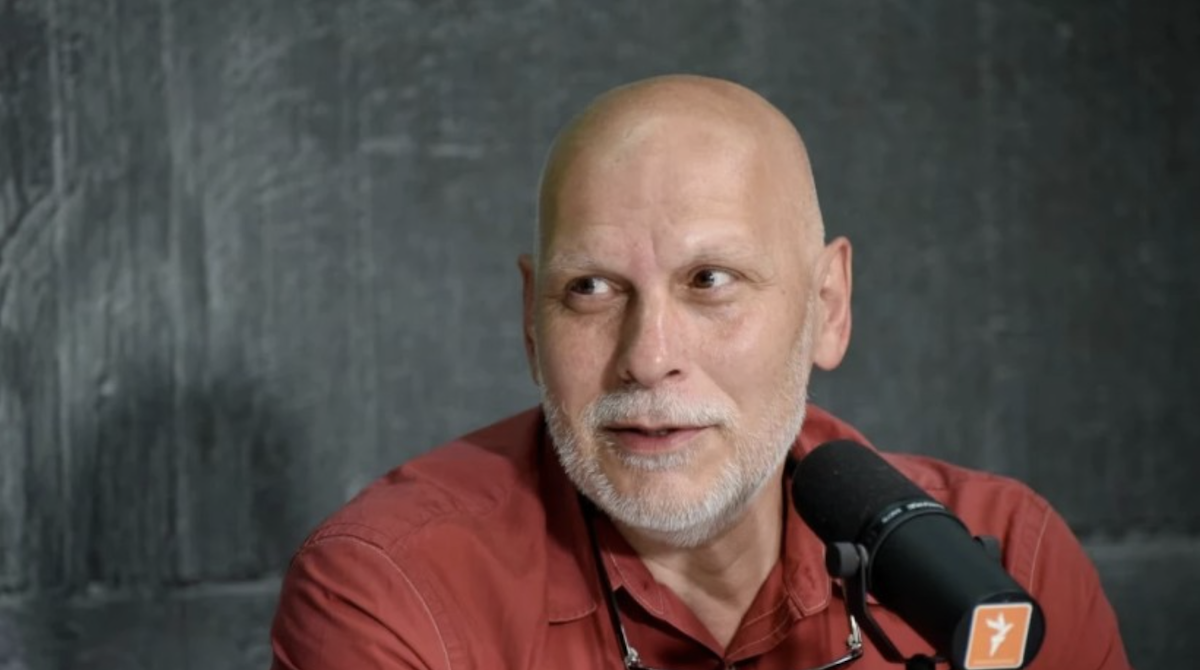
“But let’s remember who suspended Georgia’s EU integration, who is pursuing an anti-European policy today, who is confronting the ambassadors of Western countries, the European Parliament and the OSCE, who is picking fights with Sweden and France. Who came up with the scare story about the ‘deep state’? Georgian Dream did all of that.
“That does not mean the previous government made no mistakes or that everything was perfect. We need to understand that politics cannot be viewed in black-and-white terms. Things should be called by their proper names. The previous government has plenty of its own sins, and it paid the price for them. But today we see countries that were once on a par with Georgia moving closer to EU membership, while we, instead of advancing towards integration, are drifting further away from the West.”
“There are two main pillars on which the current government relies.
The first is fear – the claim that enemies want to open a second front in Georgia.
The second is the argument that our Georgian identity is under threat.
These are the two narratives they use to frighten people and rely on a fearful public in order to remain in power indefinitely.
But the fact is that they are not succeeding in their campaign against democracy to the extent they would like. It is crucial to see clearly what kind of hell this government is leading us into and what it actually looks like.
Over the past few years, Georgian Dream has taken many steps backwards and not a single step forward. This is an anti-national path. It is building authoritarianism and working against the Georgian people. I have many questions. For example, can Georgian Dream correct the grave mistakes it has made? I would like to believe it can find that path and that at least something will change.”
On Georgian Dream’s policies