Russian woman faces prison after calling Armenians 'rat-like' people






Russian calls Armenians ‘rats’
A criminal case has been opened in Armenia against Russian national Nadezhda Pirozhkova. A blogger who has lived in Armenia for the past year and a half, Pirozhkova came under fire after criticising Vardavar, the Armenian tradition of pouring water over one another on the holiday. She described the custom as an act of aggression. In another video, she referred to Armenians as a “rat-like people”.
Armenia’s Investigative Committee has initiated criminal proceedings against Pirozhkova under the article on “public statements aimed at inciting hatred and discrimination through the use of the internet”. Armenia’s Criminal Code provides for a prison sentence of up to four years under this article. If Pirozhkova is found guilty in court, she could therefore face imprisonment.
For now, however, she has been banned from leaving her place of residence as a preventive measure. The blogger may leave Yerevan only with written permission from a prosecutor or a judge.
Vardavar is one of the principal feasts of the Armenian Apostolic Church, celebrating the Transfiguration of Jesus Christ, although its origins date back to pagan times. It is virtually impossible to stay dry on the streets that day, but taking offence is not customary, as drenching someone with water is considered a way of congratulating them on the holiday. The water is believed to bring health, good fortune and purification.
Pirozhkova’s Instagram posts sparked outrage among social media users—not only Armenians, but also fellow Russians.
Many have not only criticised Pirozhkova but have also called on law enforcement authorities to punish her as severely as possible or deport her from the country.
Political commentator Artyom Yerkanian did not rule out the possibility that certain actors interested in damaging Armenia’s image as a tourist destination were behind the spread of such videos. He pointed to the large number of Russian tourists visiting Armenia. In the first half of 2026 alone, Armenia received 1.042 million foreign visitors, around 40% of whom were from Russia.
“It’s interesting, isn’t it? On the one hand, the Russian government imposes trade restrictions [on imports of Armenian products and goods], while on the other, Russians happily travel to Armenia, enjoying its nature, its people and, why not, its traditions,” Yerkanian said.
- Vardavar – Armenia’s ‘wet’ holiday
- ‘Moscow will only push Armenia out of Russian-led blocs’: Reaction to Russia’s foreign intelligence claim
- Armenia to restore tracks near Turkish and Azerbaijani borders on its own despite Russian control of its railways
- Pashinyan: ‘Eurasian Economic Union must make clear whether it still exists’
What else Pirozhkova said
In a video about Vardavar, the Russian blogger said that the holiday made her want to leave Yerevan more than anything else. She described the tradition of pouring water over one another as “the height of tactlessness”. In her view, Armenians do not understand the concept of “personal boundaries” and routinely violate them.
Pirozhkova argued that splashing passers-by with water was disrespectful towards those who did not wish to take part in the celebration.
“If I’m in your country, I’m not obliged to follow your traditions. This is a direct manifestation of aggression.“
Following the video, Pirozhkova has periodically posted about the wave of online abuse directed at her. She has also publicly apologised several times, saying:
“I understand that many people saw it as disrespect towards the Armenian people. And I’m truly sorry. That was never my intention, and it still isn’t.”
At the same time, the blogger has acknowledged that she is using the controversy to promote her Instagram page.
“People recognise me now. Why shouldn’t I make use of something I’ve been through after putting in so much effort? I’ve worked hard for this. Why shouldn’t a person take advantage of circumstances and situations they have rightfully earned? I just want to change my life.“
Foreign nationals are required to respect Armenia’s national customs and traditions
The legal status of foreign nationals in Armenia is governed by the Law on Foreigners. Article 5 of the law states that foreigners in Armenia enjoy the same rights, freedoms and obligations as Armenian citizens. At the same time, it stipulates that “foreigners in the Republic of Armenia are obliged to respect the Constitution and laws of the Republic of Armenia, other legal acts, as well as national customs and traditions.”
The same article also provides that foreign nationals bear the same legal responsibility as Armenian citizens while in Armenia.
Armenia’s Criminal Code provides for penalties for “public statements aimed at inciting or promoting hatred, discrimination, intolerance or hostility against an individual or group of persons on the grounds of race, nationality or ethnicity, as well as the dissemination of materials or objects for that purpose.”
The available penalties include fines, community service, restriction of liberty and imprisonment.
Under Article 329, offences committed “through publicly displayed works, the mass media, or information and communication technologies” are punishable by one to four years’ imprisonment
Commentary
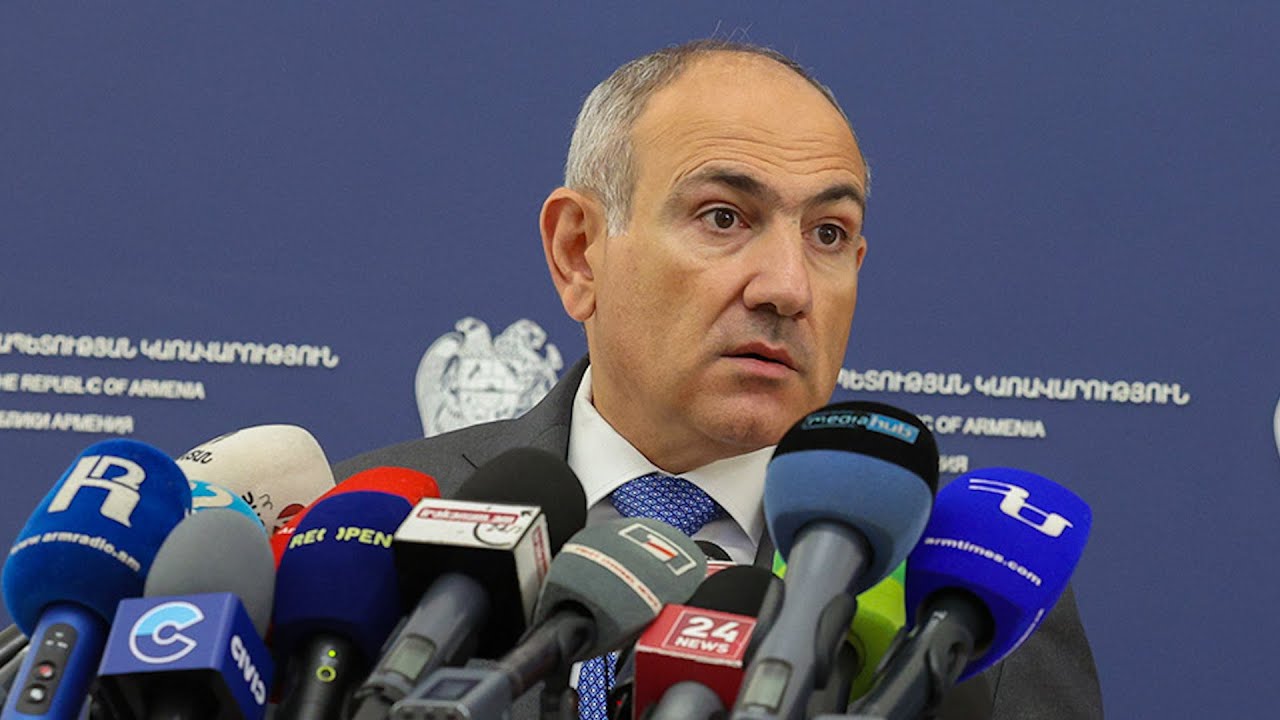
Political commentator Artyom Yerkanian said in an interview with a local television channel::
“After the Russian blogger publicly apologised, this story could have ended there. But some social media users continued calling on the Armenian law enforcement authorities to examine Nadezhda Pirozhkova’s actions and determine whether they amounted to a criminal offence. The authorities decided to respond to those calls.
Perhaps there was no need to be so severe. The court will, of course, take all mitigating circumstances into account.
Perhaps we should not politicise everything. It is obvious that the aim was not to incite ethnic hatred but simply to increase her audience through provocative videos.
In two weeks, the video attracted more than 250,000 views and over 5,000 comments. As a result, the number of followers on her page increased more than fifteen-fold.
In other words, this blogger simply found a ridiculous and foolish way to grow her audience.
Nevertheless, perhaps such cases should be monitored more closely, because this is not an isolated incident.
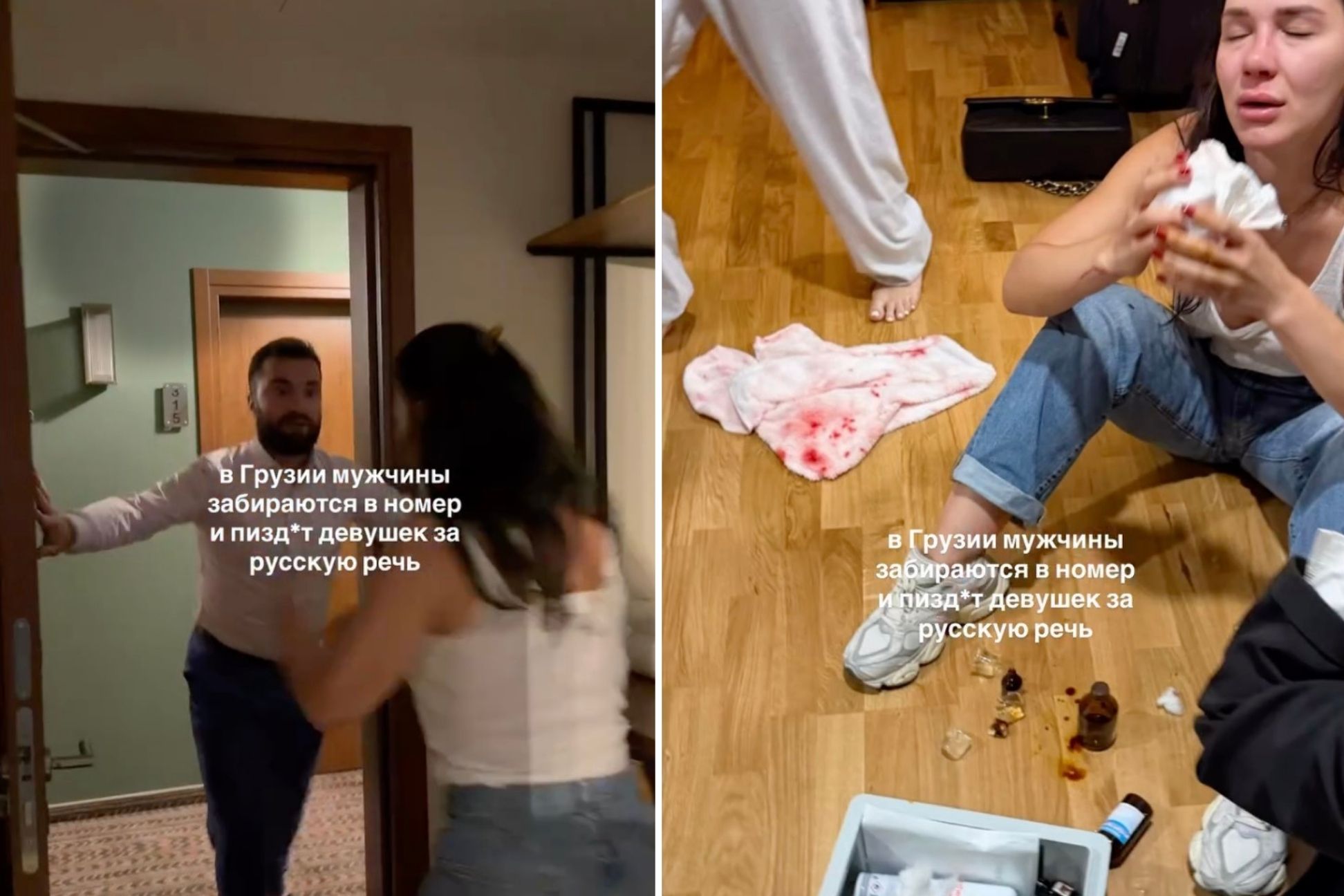
In recent weeks, there have been several similar cases in which foreign bloggers, particularly Russians, have made remarks discrediting Armenians and damaging Armenia’s reputation as a tourist destination.
There was one case in which a young woman accused an Armenian taxi driver of attempting to rape her. I also recall another similar incident, and there are probably many more. But what is more important?
Notably, these videos are deliberately amplified by non-existent users. An army of fake accounts is spreading this material in pursuit of a specific objective.
It cannot be ruled out that certain forces are behind these fake accounts and are interested in ensuring that Armenia is not perceived as a safe destination for tourists.
Every tourist who enjoys visiting the country indirectly becomes its ‘agent of influence’. Perhaps that is exactly what some people dislike.
I don’t know whether it is a coincidence, but it was precisely during those days that the Russian Foreign Ministry added Armenia to its list of countries where Russians cannot feel safe, citing the possibility that the Armenian authorities could extradite them to third countries. Perhaps it is a coincidence—or perhaps it is not.”

Social media reaction
“If, after a year and a half of living in Armenia, she still allows herself to speak like this, it cannot be dismissed as an accident or naivety.”
“The police should investigate her actions. She’s a planted agent.”
“She should be fined heavily and deported.”
“She should be tried and deported from our country. It’s a matter of the nation’s dignity.”
“If an Armenian had behaved like this in Russia, he would already have disappeared.”
“Foreign visitors are obliged to obey the law, respect the country and its people, and behave like guests.”