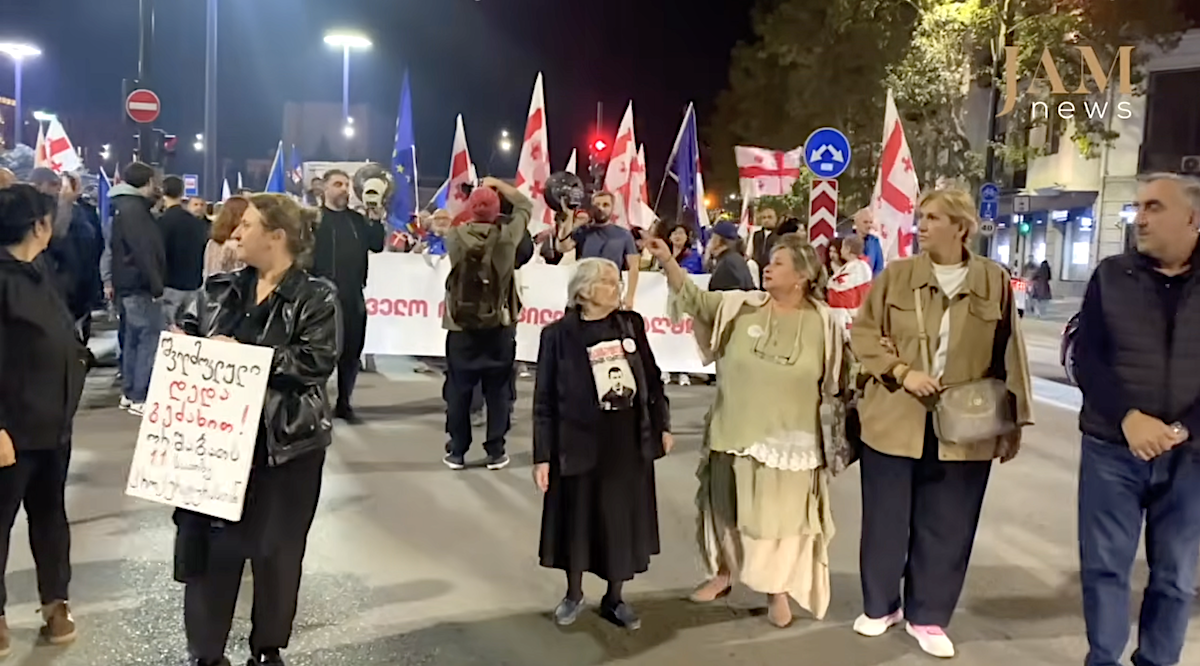
'We have proved that Armenia is not a province, but a crossroads' — Pashinyan






Pashinyan on EAEU membership and railway concession
Armenian Prime Minister Nikol Pashinyan said there should be no situation in which anyone could say: “Armenia has nowhere to go and nobody needs it.” Four years ago, Belarusian President Alexander Lukashenko made a similar statement.
According to Pashinyan, Lukashenko’s words actually reflect a “deeply rooted institutional perception” of Armenia, not only in Belarus but also in other countries that belong to the Russian-led Eurasian Economic Union (EAEU). The prime minister sees this as a “disrespectful perception”. He believes it developed from the following assumption:
“There is the Karabakh conflict, there is a conflict with Azerbaijan, there is a conflict with Turkey, and this hostility is insurmountable. So they have nowhere to go, and we can treat them however we want.”
However, Pashinyan said Armenia had managed to prove otherwise:
“We have demonstrated in practice that many countries need Armenia as a responsible partner in the international community and as a very important country. We have proved that Armenia is not a province, but a crossroads — together with the South Caucasus and the wider region.”
At a briefing, the prime minister again answered questions about Armenia’s choice between the EAEU and the European Union. He also discussed possible decisions on the management of Armenia’s railways, which Russia took over under a concession agreement in 2008. The Armenian government has effectively developed new proposals that would limit Russia’s role but would not yet terminate its concession.
- Armenia begins shift from Russia towards EU – but finish line remains distant
- Pashinyan: ‘Russia wants either exclusive ties or nothing’
- Armenia seeks alternatives amid concerns over possible Russian gas price hike
“Before alternatives emerge, we need both the EU and the EAEU equally”
Russia continues to pressure Armenia over the need to choose between the EAEU and the EU. Armenian journalists therefore asked the government again about its position. Pashinyan said Russia expected Armenia to choose between “two alternatives”. However, the “second alternative” has not yet taken shape:
“We will certainly make this choice through a referendum in the future. But this will happen only after we first carry out the necessary institutional preparations and then formally apply for EU membership.”
According to Pashinyan, Armenia currently needs both the EU and the EAEU equally because the second alternative does not yet exist. He also said Armenia could eventually face not only a choice between these two options, but also a third approach:
“Perhaps a third initiative will emerge: neither the EAEU nor the EU. In other words, we do not need either structure. Who said that everyone must belong to some structure?”
Moreover, he said the government was considering many possible options, including “a fourth and fifth alternative”.
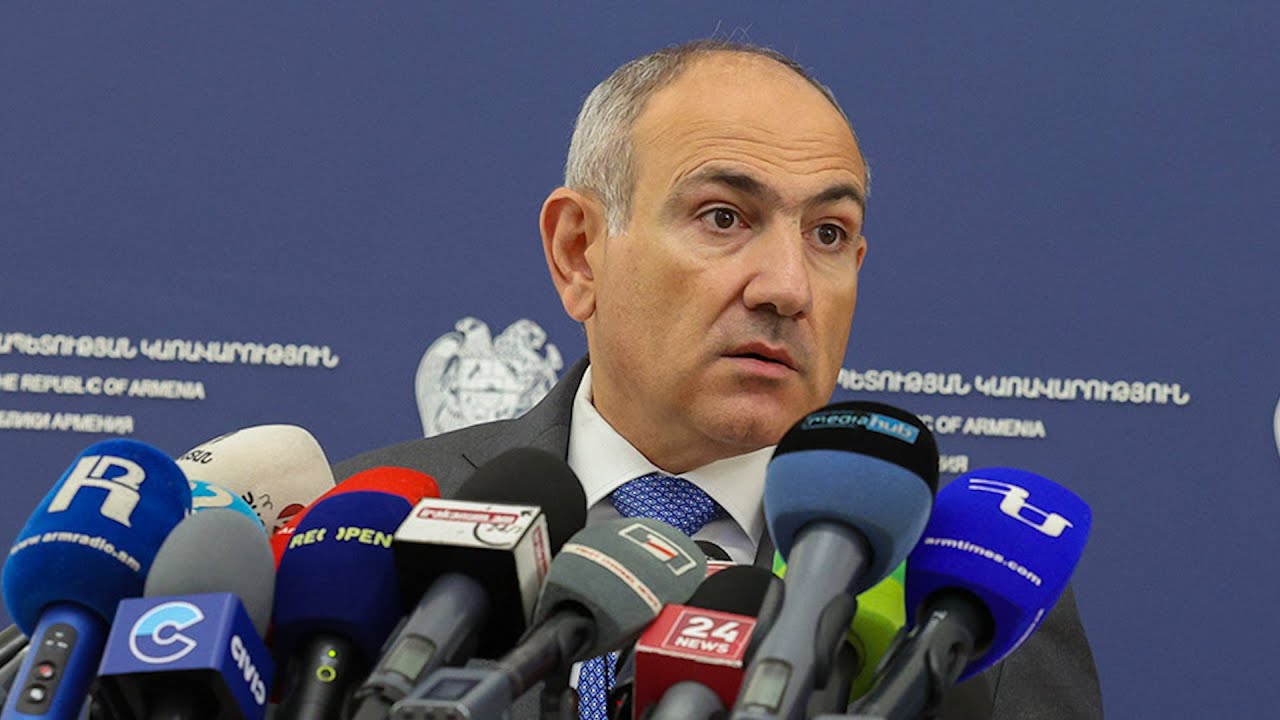
Returning to the issue of holding a referendum on EAEU or EU membership, he stressed:
“This choice must be a mature one because we do not yet know how realistic this path is or what the roadmap will look like.”
Without naming Russia, the prime minister said Armenia could not treat anyone’s interests with contempt or disregard. But it also could not put another country’s interests above its own national interests.
“That is why we are trying to discuss and resolve all issues patiently, without escalation or nervousness. We will discuss them for as long as necessary, until we find a solution that more or less satisfies both sides,” he said.
“We will not pursue the termination of the concession agreement”
Nikol Pashinyan once again said Yerevan wanted to resolve the issue of Armenia’s railway “in a friendly manner” without escalating the situation. He said both Armenia and Russia should consider each other’s interests and seek compromises.
This time, the prime minister outlined several possible scenarios for how the situation could develop:
“One of them could involve the Russian side selling its concession rights, either fully or partially. In other words, there could be certain shareholder configurations,” he said.
According to Pashinyan, Armenia does not want to terminate the concession agreement. It has always had that option and still does. However, the Armenian side prefers not to take such measures.
He said a possible solution for Yerevan would involve a Russian company selling its concession rights to a third party at market value.
At the same time, he noted that this approach might not be particularly acceptable to Russia’s partners.
He also said the Armenian government was working with experts to find an option that would at least partly address the concerns of both sides:
“[The experts] say that we could introduce a different management model. For example, Russia could retain part of its shares while transferring the rest. But the Russian side would have to retain a smaller stake. Otherwise, the problem would not be resolved.
There is another idea. The licence could be divided into two parts. At present, the railway infrastructure and its operation form a single package.”
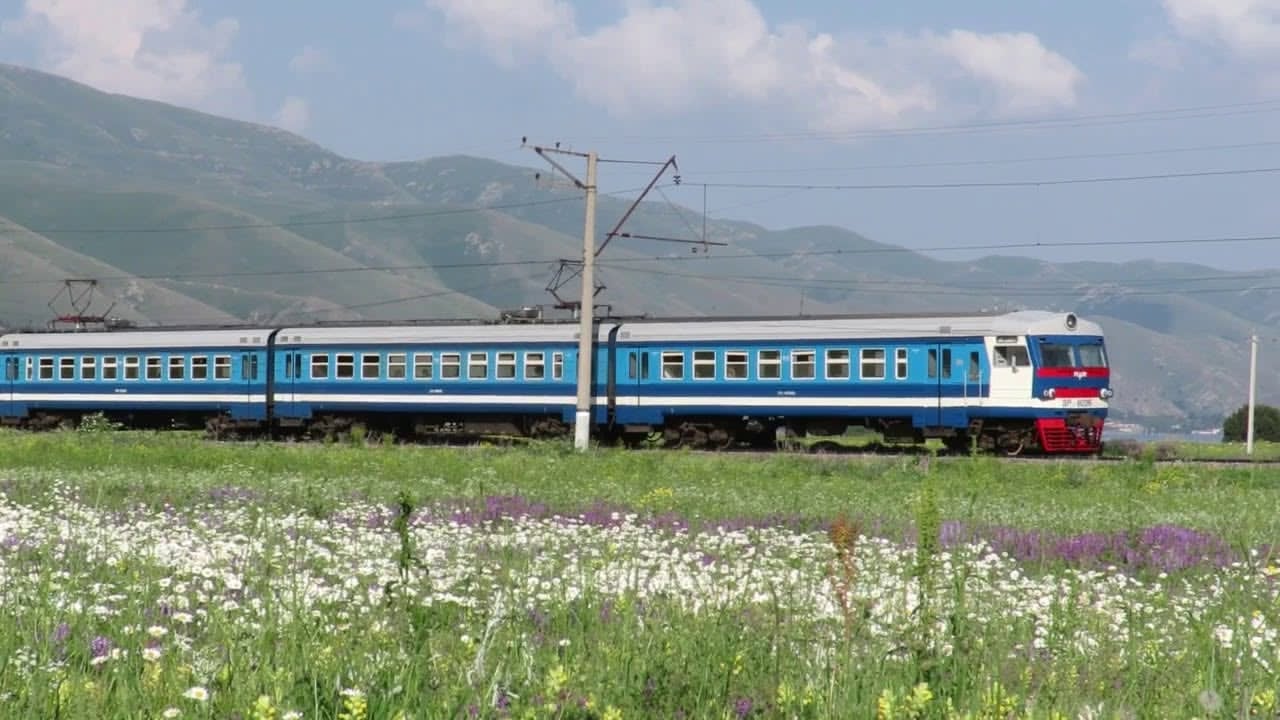
Pashinyan explained the problems facing Armenia:
“The current situation prevents Armenia from seizing the historic opportunity to integrate our railway into the international rail network.”
He noted that countries responsible for the “lion’s share” of rail freight and which could become potential beneficiaries are looking for ways to bypass Armenia:
“They not only tell us this, but we can also see that they are showing no investment interest in this sector. As a result, we understand that the reason lies in the fact that our railway is under a Russian concession.”
Nikol Pashinyan added that this was why the government had raised the issue with its Russian partners in a friendly manner and proposed finding solutions.
Since 2008, Armenia’s railways have operated under a concession held by South Caucasus Railway. The company is a wholly owned subsidiary of Russian Railways. The agreement provides for a 30-year concession. However, since 2008, freight volumes have halved, some routes have stopped operating, and the required investments have remained on paper. Meanwhile, Armenia wants to fully unblock its borders, which requires restoring railway links to the borders with Azerbaijan and Turkey. Since the Russian company that operates Armenia’s railways has not undertaken to restore these sections, Armenia is looking for ways to implement the plans itself.
Pashinyan on EAEU membership and railway concession