Turkey establishes ‘Abkhazia Friendship Group’ to end its isolation


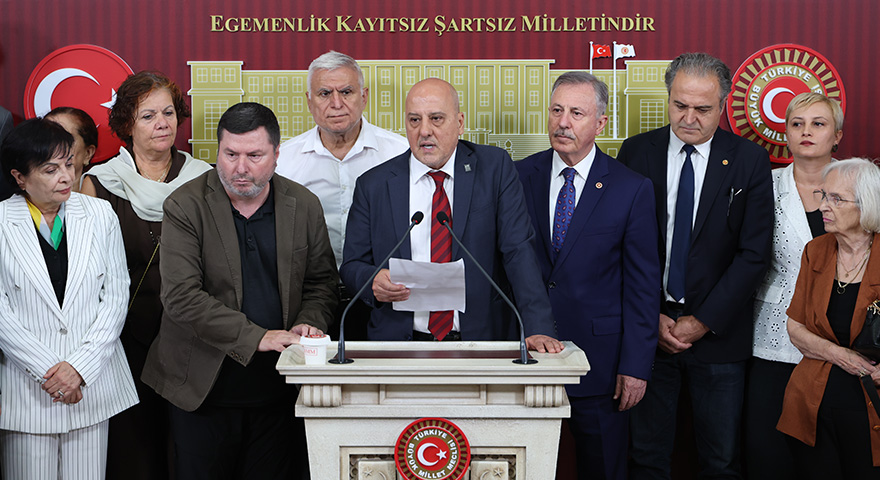
The founding meeting of the Abkhazia Friendship Group took place in Ankara, the capital of Turkey. Its founders – Turkish politicians and activists from the Abkhaz diaspora – have made ending the isolation of Abkhazia their main goal.
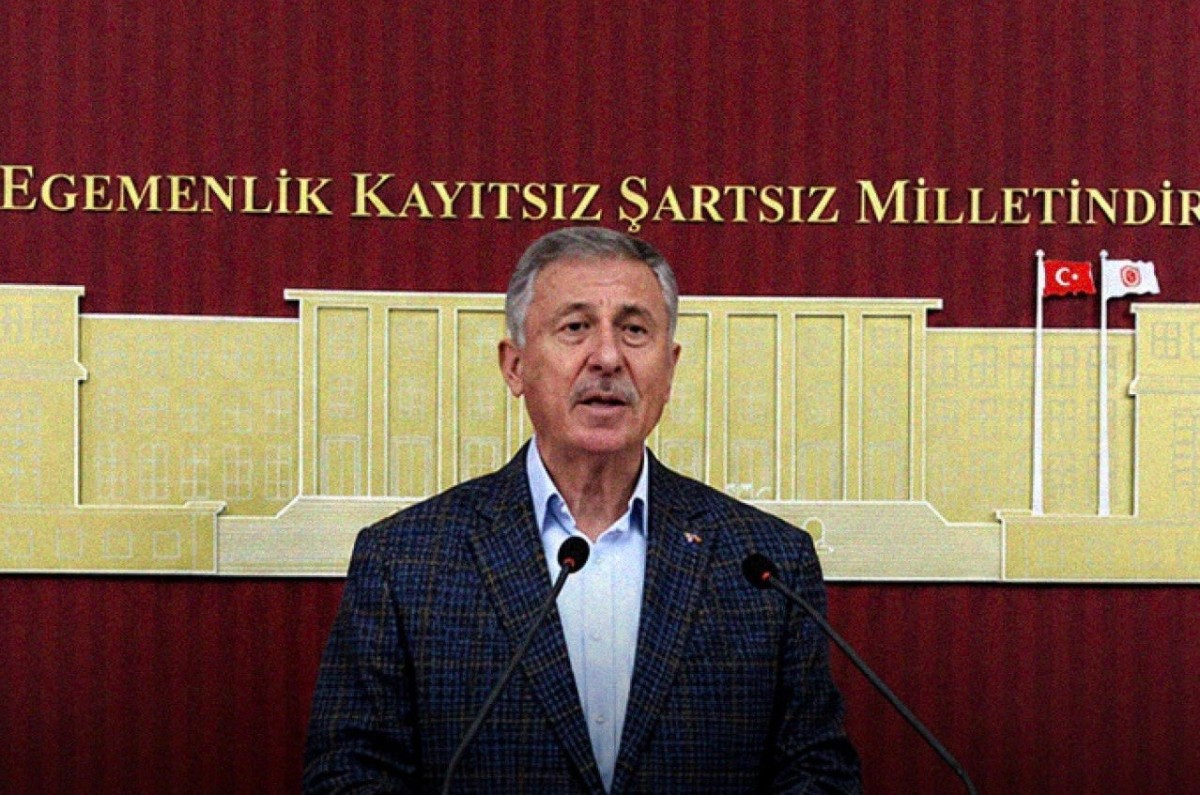
More than 20 members of the Turkish parliament attended the founding meeting, most of them representing opposition parties.
The event also brought together activists involved in the initiative to end Abkhazia’s isolation and an Abkhaz delegation comprising members of the Abkhaz parliament and representatives of official bodies.
The initiative to end Abkhazia’s isolation aims to secure Turkish recognition of Abkhaz documents and establish maritime and air links between Turkey and Abkhazia. These issues have entered Turkey’s public and political debate thanks to the End Abkhazia’s Isolation campaign, launched in late June 2026 by representatives of Turkey’s sizeable Abkhaz diaspora. Estimates suggest that between 500,000 and 700,000 Abkhaz people live in Turkey.
Calls for action have since featured in public statements by representatives of several political groups, civil society organisations and Caucasian associations, known as derneks, in Turkey.
On 5 August, opposition MPs made a joint statement on the Abkhaz issue for the first time in the history of the Turkish parliament.
A permanent group will now be established within parliament. It will serve as the main advisory body for Turkish MPs on humanitarian issues. For Abkhazia, this presents an unprecedented opportunity to break the deadlock over external mobility and strengthen ties with the diaspora.
Against this backdrop, 13 Georgian civil society organisations in Turkey issued a joint statement opposing the creation of the Abkhazia Friendship Group. They point out that Turkey’s official policy supports Georgia’s “territorial integrity” and argue that ending Abkhazia’s isolation would not contribute to regional stability.
The End Abkhazia’s Isolation campaign responded with another public statement. It stressed that the movement has no ethnic focus and is a civil society human rights initiative aimed at ending the isolation of all Abkhaz residents, regardless of their ethnicity:
“We are not raising international political issues such as territorial integrity. We are defending the most basic human rights: the right to life, education, healthcare, freedom of movement, family unity and respect for family life,” the statement said.
The terminology, place names and views expressed in this article are those of the author and do not necessarily reflect the editorial position of this website.