Armenia to restore tracks near Turkish and Azerbaijani borders on its own despite Russian control of its railways






Russia controls Armenia’s railways
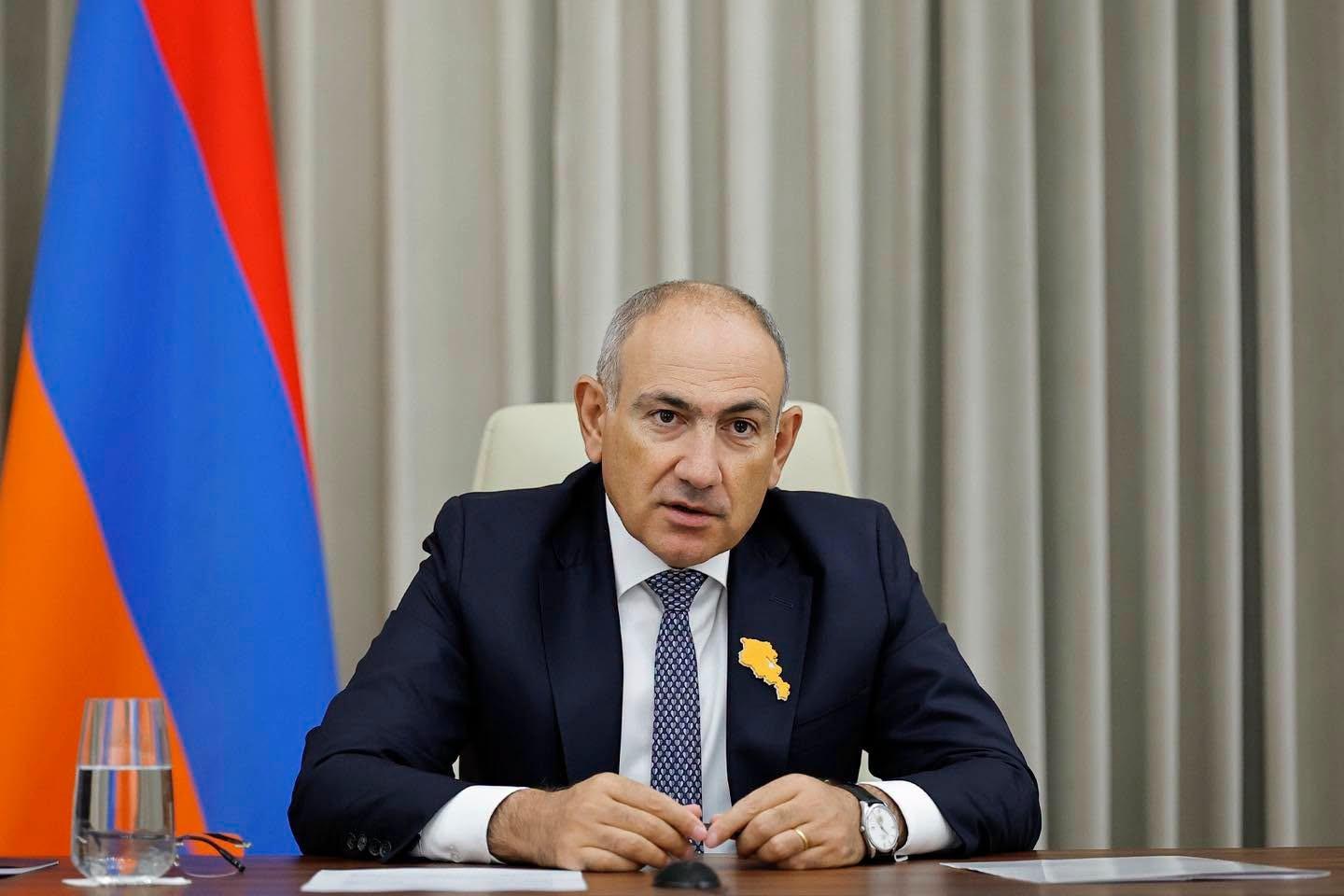
Armenia will restore railway sections near its borders with Turkiye and Azerbaijan on its own, without waiting for Russia, which currently controls the country’s railways under a 30-year concession granted in 2008. Prime Minister Nikol Pashinyan announced the decision.
Yerevan had repeatedly asked Russia to restore the Gyumri–Akhurik and Yerask railway sections.
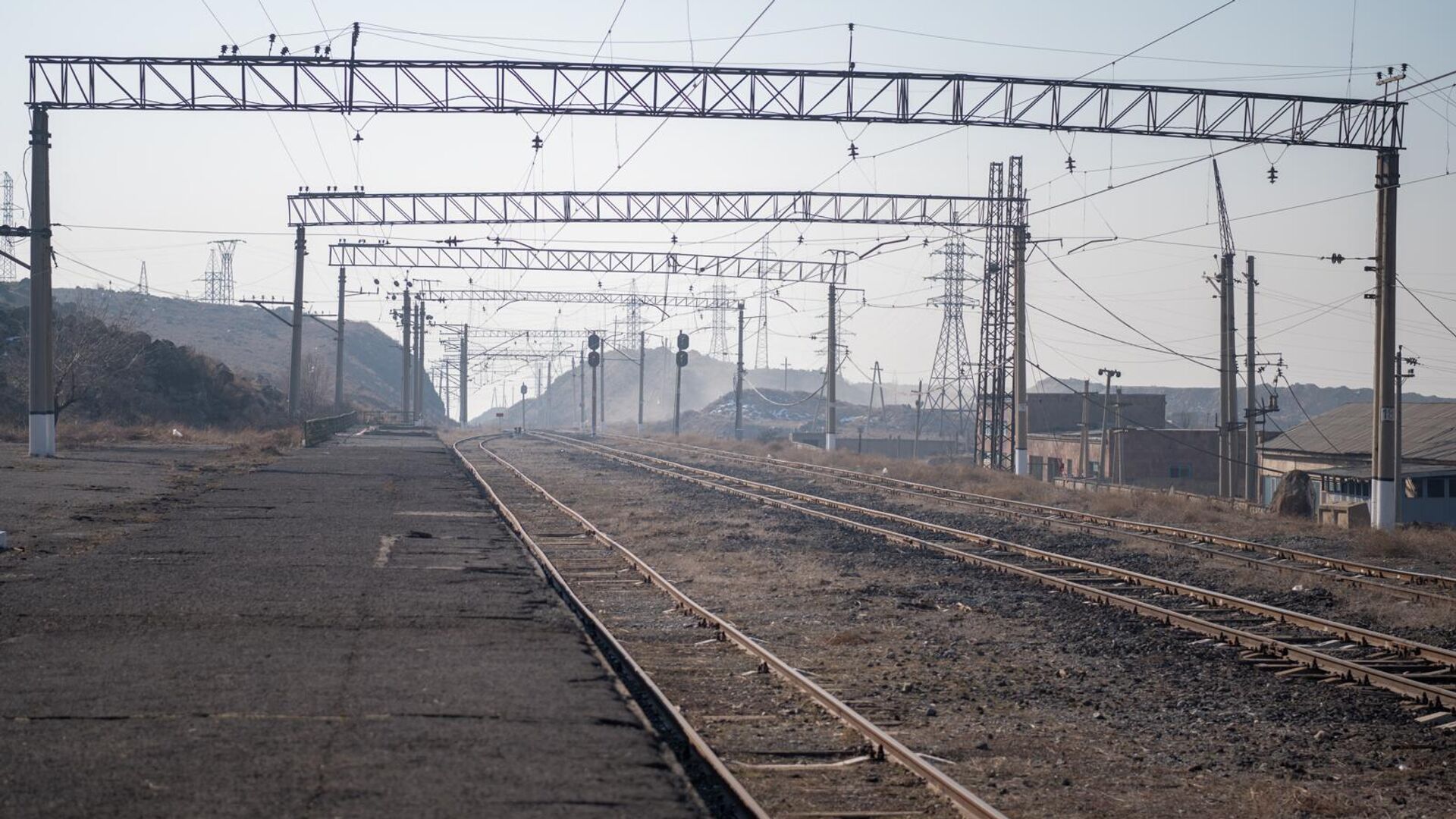
For Armenia, reopening these routes is important because it would help fully unblock the country’s transport links.
Russia not only failed to carry out the work but also did not express any willingness to do so. At the same time, Moscow says it does not intend to give up the railway concession, despite Yerevan proposing this as an alternative solution.
The Armenian authorities would like to transfer the concession to another country that maintains friendly relations with both Armenia and Russia. Kazakhstan, the UAE and Qatar have been mentioned as possible candidates.
Armenian analysts have advised against escalating tensions with Moscow over the issue (see comments below).
The government has therefore decided to postpone the issue of ending Russia’s concession and instead increase subsidies to the South Caucasus Railway company by 65.2 million drams (about $178,000).
Since 2008, Armenia’s railways have been operated under a concession by South Caucasus Railway, a wholly owned subsidiary of Russian Railways. The concession agreement is valid for 30 years.
However, since 2008, freight traffic on Armenia’s railways has fallen by half, some routes have ceased operating, and the mandatory investment commitments have largely remained on paper.
Under the 2008 concession agreement between Armenia and Russian Railways, the Armenian state budget is also required to partially compensate the company’s losses on agreed passenger routes every year.
- Opinion: Armenia would benefit from returning its railways to state control
- Armenia begins ratifying TRIPP agreement with US: foreign minister outlines key details
- ‘We are not discussing Trump Route project with Russia’ – Armenia’s deputy foreign minister
- Opinion: ‘Armenia will restore rail links with Azerbaijan and Turkey – with or without Russia’
Commentary
According to regional affairs expert Armen Petrosyan, there is currently no need to terminate the concession agreement and escalate tensions with Russia.
He believes it would be more practical to begin restoration work using Armenia’s own resources and postpone the issue of the concession.
“These are not such large expenses that the Armenian government would be unable to restore the railways both in the direction of Azerbaijan and Türkiye. Later, a situation may arise where the Russian side somehow compensates these costs. Steps need to be planned gradually,” Petrosyan said.
He argues that restoring the railway sections separately, while they remain under the management of a Russian company, “would help avoid a situation where Armenia’s unblocking depends entirely on Russia’s policy and will.”
Petrosyan believes Russia may deliberately delay the restoration of certain railway sections.
He also notes that creating railway connections with Azerbaijan and Türkiye is important for the Armenian-American transit project known as the Trump Route for International Peace and Prosperity (TRIPP).
The route is primarily intended to connect Azerbaijan with its exclave of Nakhchivan. However, the entire project would become more functional if Armenia is fully unblocked, Petrosyan says.
The analyst believes Armenia cannot remain inactive or allow the project to become dependent on Russia’s position, especially given the European Union’s interest in it.
“Railways should be rebuilt now. I am convinced that Russia currently lacks the resources to repair or construct railway infrastructure in Armenia. It is not going to invest in these projects. Armenia should do so itself – either independently or with partners it can cooperate with,” Armen Petrosyan said.
On stripping Russian Railways of its concession over Armenia’s railways
Armen Petrosyan does not see this as an urgent matter and believes there is no need to “create a conflictual atmosphere.”
“What would Armenia gain by raising this issue now, when Russia is in such a sensitive, tense and volatile position? Moscow could easily take steps that would create serious problems for Armenia, forcing it to put TRIPP aside and deal with those challenges instead,” he said.
Applying the same logic, Petrosyan argues that Armenia should also refrain from putting the question of a possible withdrawal from the Eurasian Economic Union (EAEU) – the Russia-led economic bloc – on the political agenda.
He believes that, as long as Armenia has no viable alternative, there is no point in escalating tensions with Moscow.
Follow us – Twitter | Facebook | Instagram
Armenia increases subsidies for South Caucasus Railway