Georgian and Russian representatives meet in Minsk: Reaction in Tbilisi


Georgian and Russian representatives meet in Minsk
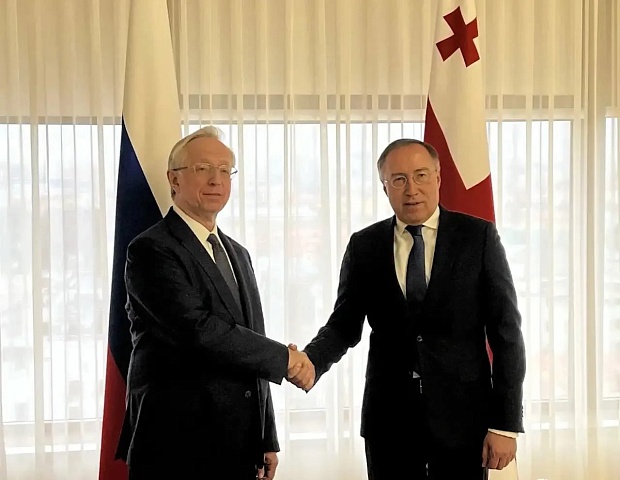
On 19 November, Georgian Prime Minister’s Special Representative for Relations with Russia and First Deputy Foreign Minister Giorgi Zurabashvili met Russian Deputy Foreign Minister Mikhail Galuzin in Minsk.
In official statements issued following the meeting, the Russian side described it as part of the “resumed direct dialogue” between Russia and Georgia.
The Georgian government, meanwhile, said in a brief statement that the two sides had “reached a number of agreements”.
- Moscow and Tbilisi prepare to resume dialogue
- Georgia appoints new special envoy for relations with Russia: what does it mean?
- Russia signals new opportunities for closer ties with Georgia
This was the first meeting of its kind since Giorgi Zurabashvili’s appointment as special representative. It drew strong criticism in Tbilisi, with former diplomats and experts viewing it as the restoration of direct dialogue with Russia.
What the official statements say
The Russian Foreign Ministry published a brief statement on its website, consisting of just a few paragraphs. The opening paragraph said that the “meeting took place as part of the resumed direct dialogue between Russia and Georgia”.
According to the Russian Foreign Ministry, the two sides discussed trade, economic, cultural and humanitarian cooperation, as well as regional security issues.
Moscow said the two sides had reached “a number of practical agreements” and agreed to maintain contact. However, the ministry did not specify what exactly these agreements concerned.
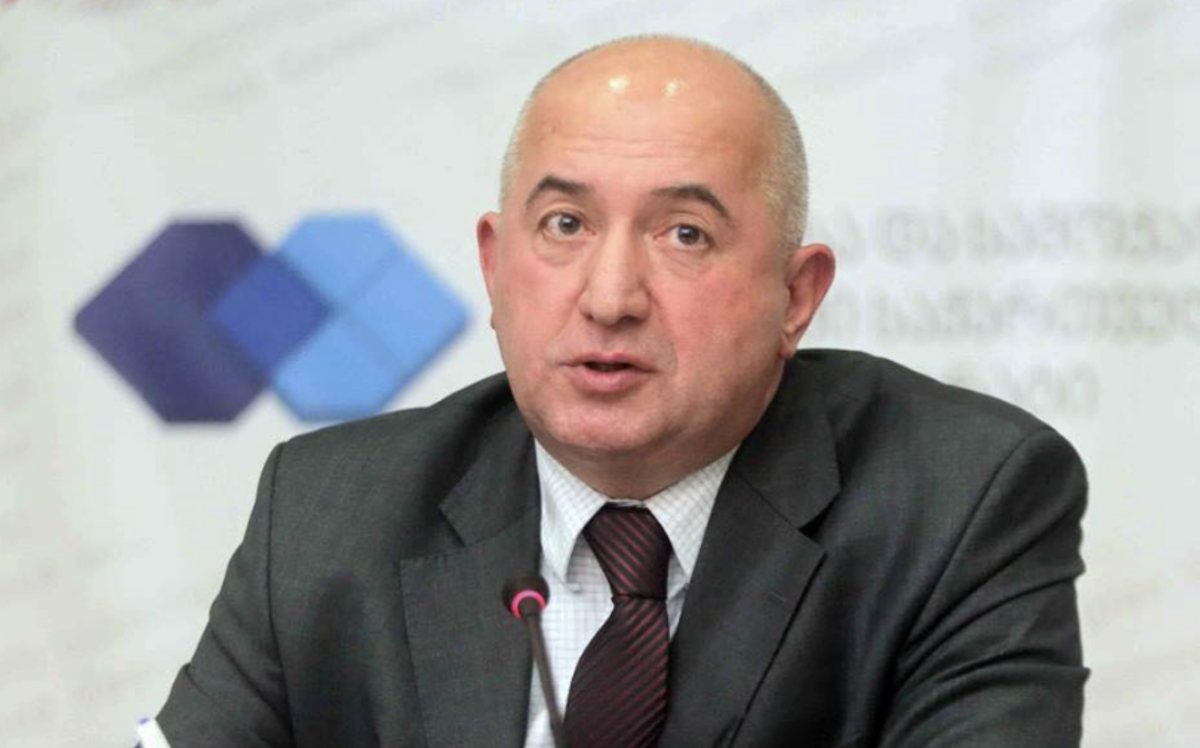
The Georgian government’s statement was published slightly later. Its content was almost identical to that of the Russian Foreign Ministry.
According to official Tbilisi, Zurabashvili and Galuzin discussed trade, economic, cultural and humanitarian relations, as well as existing challenges in these areas.
“The need to continue dialogue in order to achieve concrete results was emphasised,” the statement said.
The talks also touched on regional security:
“Particular attention was paid to the importance of the Geneva International Discussions as the main format for resolving outstanding issues between Russia and Georgia, as well as for discussing security and humanitarian matters.”
The statements issued by both countries noted that the heads of the delegations had thanked the Belarusian side for its assistance in organising the Russian-Georgian meeting.
The two sides also agreed to maintain contacts with a view to further developing relations between Russia and Georgia.
What is new about the meeting: Format, venue and expanded mandate
On 21 October 2026, Georgian Prime Minister Irakli Kobakhidze appointed Giorgi Zurabashvili as his special representative for relations with Russia. Zurabashvili also retained his position as first deputy foreign minister.
At the time of his appointment, Kobakhidze said the special representative’s responsibilities would include not only trade, economic, cultural and humanitarian issues, as before, but also the peaceful resolution of the conflict with Russia.
Since 2012, talks with Russia on trade, economic, cultural and humanitarian issues had been held in the so-called Karasin–Abashidze format. Georgia was represented by the prime minister’s special representative, Zurab Abashidze, while Russia was represented by Deputy Foreign Minister Grigory Karasin. The meetings were held mainly in Prague.
In parallel with this format, the Geneva International Discussions were established after the 2008 war as the only international negotiating format in which Georgia and Russia participate alongside representatives of the EU, UN, OSCE and US.
The Geneva Discussions address security and humanitarian issues, including the situation in Georgia’s occupied territories.
“Agreeing to move meetings from Prague to Minsk is a diplomatic mistake”: Reactions from Tbilisi
Russia had been calling for the Geneva talks to be moved to Minsk for many years. The new format of dialogue with Russia, the venue of the meeting and the possible expansion of Zurabashvili’s mandate have therefore drawn particular criticism in Tbilisi.
Former Georgian ambassador to Russia Valeri Chechelashvili said that agreeing to move the meetings from Prague to Minsk was a diplomatic mistake:
“Mikhail Galuzin is a very experienced diplomat with very clear positions on Abkhazia and Tskhinvali. He says they are Russia’s allies, that Russia must take care of them, and so on. Giorgi Zurabashvili has been entrusted with a difficult task!”
According to Chechelashvili, it is unclear who decided to expand the negotiating mandate and how that decision was made. The former diplomat believes the public should be given more information about such changes:
“The meetings in the Karasin-Abashidze format have exhausted their mandate, as Irakli Kobakhidze told us. But the mandate of the current meetings has been expanded: it covers not only trade, transport and cultural relations, but is also supposed to contribute to conflict resolution. This is somewhat surprising, because a mandate cannot be changed unilaterally. So someone, somewhere, has been negotiating with the Russians, and we know nothing about it.”
Security expert Giorgi Shaishmelashvili believes the new format could be a step towards restoring institutional diplomatic relations with Russia:
“The ruling Georgian Dream party has prepared everything needed to move to a new stage in relations with Russia, which will ultimately mean the restoration of diplomatic relations with Russia. What difference does it make whether you go to Minsk or Moscow?”
Political analyst Vakhtang Dzabiradze believes the meeting in Minsk could be an interim stage and does not rule out Giorgi Zurabashvili travelling to Moscow in the future:
“Minsk is a temporary venue for the meetings. Eventually, they will move to Moscow if things continue this way and Georgian Dream does not change its political course. Today, the authorities’ talk about the Geneva format is purely a propaganda manoeuvre. They want Georgian society to talk less about the fact that the country’s political direction has changed. Today, even geographically, it is clear that the foreign policy orientation has shifted northwards.”
Dzabiradze also believes that the Geneva International Discussions format has effectively already been abolished.
The Georgian Diplomatic Society also believes that the meeting is another clear indication of a change in Georgia’s foreign policy course:
“Expanding the mandate of the Georgian prime minister’s special representative to include the peaceful resolution of the Russian-Georgian conflict, and appointing the incumbent first deputy foreign minister to this position, can be regarded as a form of restoration of diplomatic relations. This contradicts Georgia’s previously stated approach and, at the same time, jeopardises the international format of the Geneva talks.”
According to the diplomats, Georgian Dream’s dialogue with Russia serves to normalise relations on Russia’s terms rather than achieve the de-occupation of Georgia’s occupied territories.