From drones to paragliders: Azerbaijan’s border service reports drug smuggling by air from Iran


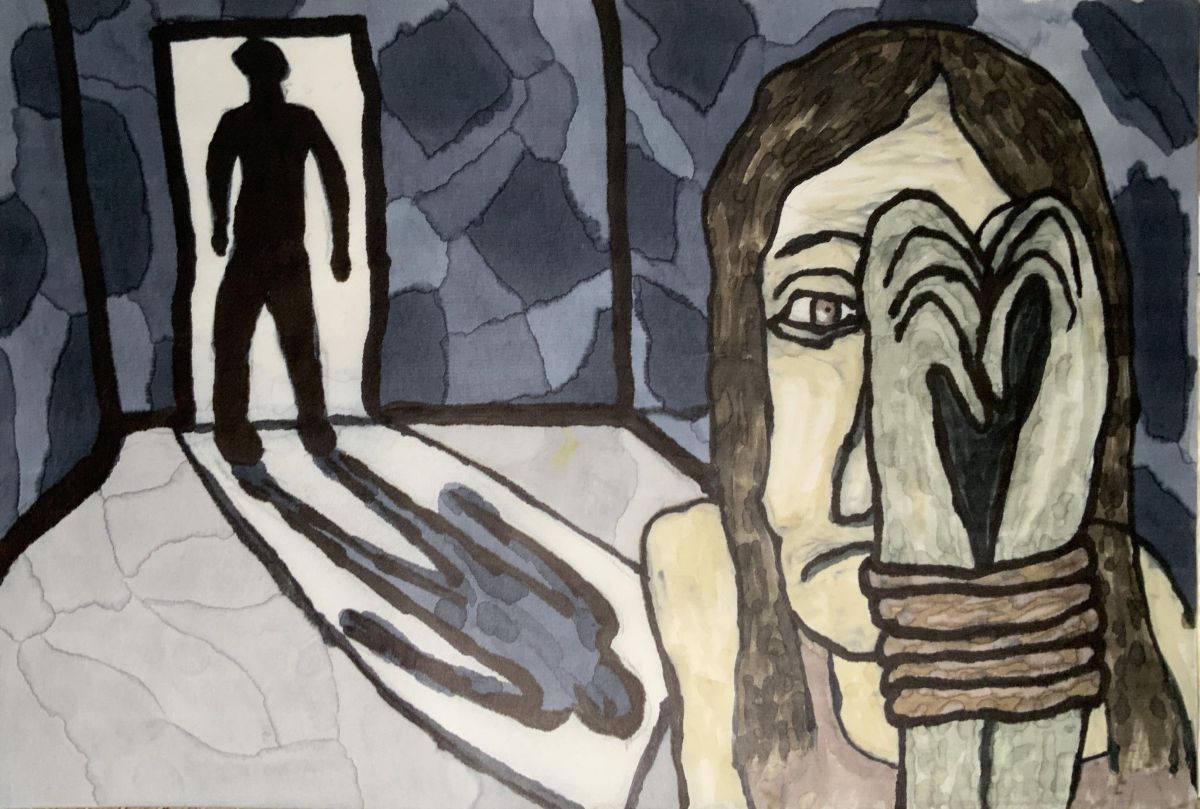
Azerbaijan: Drug smuggling by paraglider
Azerbaijan’s State Border Service has reported another attempt to smuggle drugs from Iran into Azerbaijan using a powered paraglider.
According to the agency, the incident took place in an area patrolled by the Geytepe border detachment. Officers found 21kg and 210g of drugs on board the powered paraglider, including 19kg and 270g of cannabis and 1kg and 940g of opium. They also found 4,000 tablets of Methadone M-40, a drug containing psychotropic substances.
The State Border Service says it detained the Iranian national piloting the paraglider for illegally crossing the border. The agency has not disclosed his name or details of the further investigation.
In its statement, the service noted that attempts to smuggle drugs using aircraft continued “despite repeated warnings”. It said it would continue to “neutralise” aircraft and other technical equipment used for smuggling.
In March this year, we reported on operations by the Interior Ministry and the State Border Service to combat drug trafficking in 2024–2025.
How has aerial drug smuggling across the Iranian border changed in 2026, and why does the use of paragliders mark a new stage?
What has happened this year?
This year, Azerbaijan’s State Border Service has reported the following cases of aerial drug smuggling across the border with Iran:
- 24 February: According to the State Border Service, border guards heard the sound of a drone near the border. They later found more than 10kg of drugs, apparently dropped by a drone that had flown in from Iran.
- June: The agency reported foiling an attempt to smuggle 11.5kg of cannabis by drone across a section of the border patrolled by the Lankaran border detachment.
- 6 September: According to the State Border Service, border guards recorded two cases of aerial smuggling in a single night in an area patrolled by the Horadiz border detachment. At 01:30, smugglers used a drone to transport 21kg and 700g of drugs and 1,000 tablets. At 04:10, they delivered 17kg and 78g of drugs and 6,680 tablets by paraglider.
- 11 September: The agency reported finding 65kg and 500g of drugs dropped from a paraglider that had flown in from Iran. The incident took place at 03:11 in an area patrolled by the Horadiz border detachment. This was the largest consignment of drugs that the State Border Service reported smugglers had attempted to transport by air this year.
- Early November: The State Border Service reported seizing a total of 22.9kg of drugs transported by drones across sections of the border patrolled by the Horadiz and Geytepe border detachments.
- 16 November: According to the agency, border guards detained a paraglider pilot and seized the aircraft in an area patrolled by the Geytepe border detachment.
This list is not exhaustive. The State Border Service does not publish separate annual statistics on aerial drug smuggling. All the figures above come from the agency’s official statements. The service has also not disclosed the names of those detained or said whether prosecutors have brought their cases to court.
Drone or paraglider: what is the difference?
A drone is an unmanned aircraft that operators can control remotely, including from the other side of a border. However, its payload capacity is limited. According to the State Border Service, this year the consignments of drugs apparently transported by drones ranged from 10kg to 22kg.
Unlike a drone, a paraglider carries a pilot. A powered paraglider, also known as a paramotor trike or paratrike, consists of a small motorised cart and a parachute wing. According to the State Border Service, smugglers dropped more than 65kg of drugs from a paraglider on 11 September. That is roughly three times the largest consignment that smugglers reportedly tried to transport by drone, according to the agency’s statements.
Flights with a pilot involve additional risks. In two statements in September, the State Border Service reported only that smugglers had dropped cargo from the air. It gave no details about the paraglider or its pilot. The agency said that “operational and investigative measures are continuing”. However, on 16 November, it reported that border guards had managed to stop the aircraft inside Azerbaijan and detain its pilot.

Flights take place at night
In all the cases where the State Border Service specified the exact time, the flights took place at night, between 01:00 and 04:30. Most incidents occurred along sections of the border patrolled by the Horadiz and Geytepe border detachments. Horadiz is in the Fuzuli district, while Geytepe is in the Jalilabad district. Both districts border Iran.
According to the State Border Service, most of the seized drugs consisted of cannabis. The substances also included opium and methadone tablets.
Border security and Washington
The State Border Service’s regular reports of operations along the border with Iran also carry foreign policy significance. In 1992, the US Congress passed Section 907 of the Freedom Support Act, which prohibits the US government from providing direct assistance to the Azerbaijani government. Since 2002, the US president has had the authority to waive this restriction each year.
To do so, the president must formally certify to Congress that the assistance helps the United States combat terrorism, “is important to ensure the security of Azerbaijan’s borders” and does not undermine efforts to achieve peace with Armenia. This wording has appeared in presidential memorandums since 2003, including a memorandum issued by the Trump administration in August 2025. In June this year, Ilham Aliyev also thanked US President Donald Trump for a commemorative copy of the memorandum extending the waiver.
The US State Department reports to Congress every year on assistance provided under this mechanism. According to a 2022 report by the US Government Accountability Office (GAO), US agencies provided Azerbaijan with around $808 million between 2002 and 2020. Of this amount, $164 million, or 20%, went towards security assistance granted under an exemption from the restrictions imposed by Section 907.
For Baku, therefore, border security is not just a domestic issue. It is also one of the official conditions governing its cooperation with Washington. The anti-smuggling operations along the Iranian border reported by the State Border Service fall within this area of cooperation.
What does Iran say?
Iranian officials have not yet commented on these incidents. Azerbaijan’s State Border Service has also not said who organised the flights from Iranian territory or which group the detained pilot was linked to.
Relations between the two countries have been tense this year. In March, Azerbaijan accused Iran of carrying out drone attacks on Nakhchivan, but Tehran rejected the allegations.
The State Border Service says it continues to identify and detain those involved in the smuggling operations. It remains unclear when prosecutors will bring the case against the Iranian pilot detained on 16 November to court.

Azerbaijan: Drug smuggling by paraglider