'What special status does the Russian language have?': Russian-language education debated again in Azerbaijan


Russian-language education in Azerbaijan
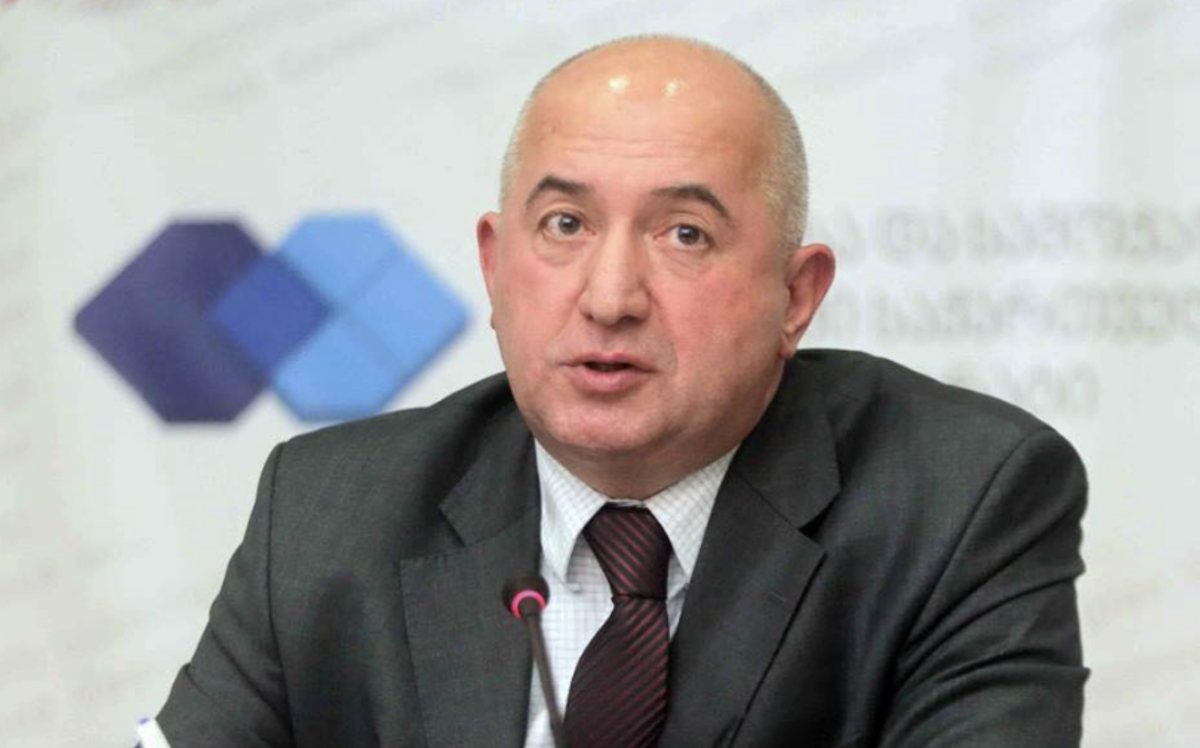
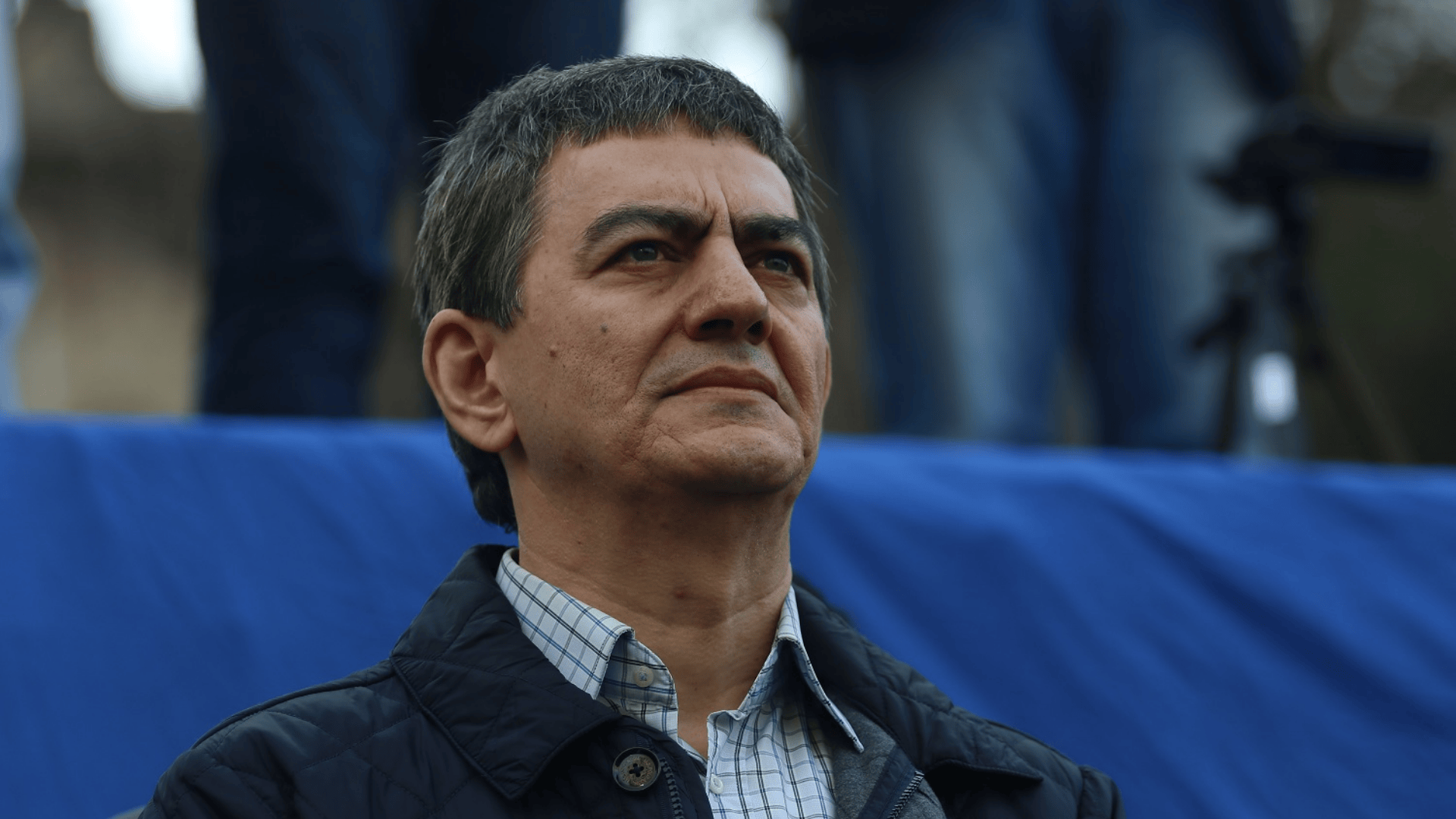
A lawmaker from the ruling New Azerbaijan Party (YAP), Hikmat Babaoglu (Mammadov), has proposed reviewing state funding for Russian-language school education. He made the proposal on 16 November during a plenary session of the Milli Majlis, Azerbaijan’s parliament, as lawmakers discussed the 2027 state budget.
According to Babaoglu, 157,000 pupils study in Russian-language classes, compared with 1.57 million in Azerbaijani-language classes. The state spends 2,000 manats (around $1,177) a year on each pupil.
The MP stressed that “national identity and national ideology are shaped through education”. He also questioned whether Azerbaijan had any state-funded schools that taught in English or Chinese:
“Why is that? It is something worth thinking about.”
He said a similar situation existed in higher education.
Over the past two years, the future of Russian-language education in Azerbaijan has repeatedly come under discussion. This time, however, a lawmaker from the ruling party raised the issue from the parliamentary podium and backed his argument with budget figures. This raises a question:
Is this a debate about education spending, or does it reflect relations between Baku and Moscow?
What do the figures tell us?
According to the figures cited by the MP, around 9% of all schoolchildren in Azerbaijan study in Russian-language classes. Based on his estimate of annual spending per pupil, the state spends approximately 314 million manats a year on Russian-language education.
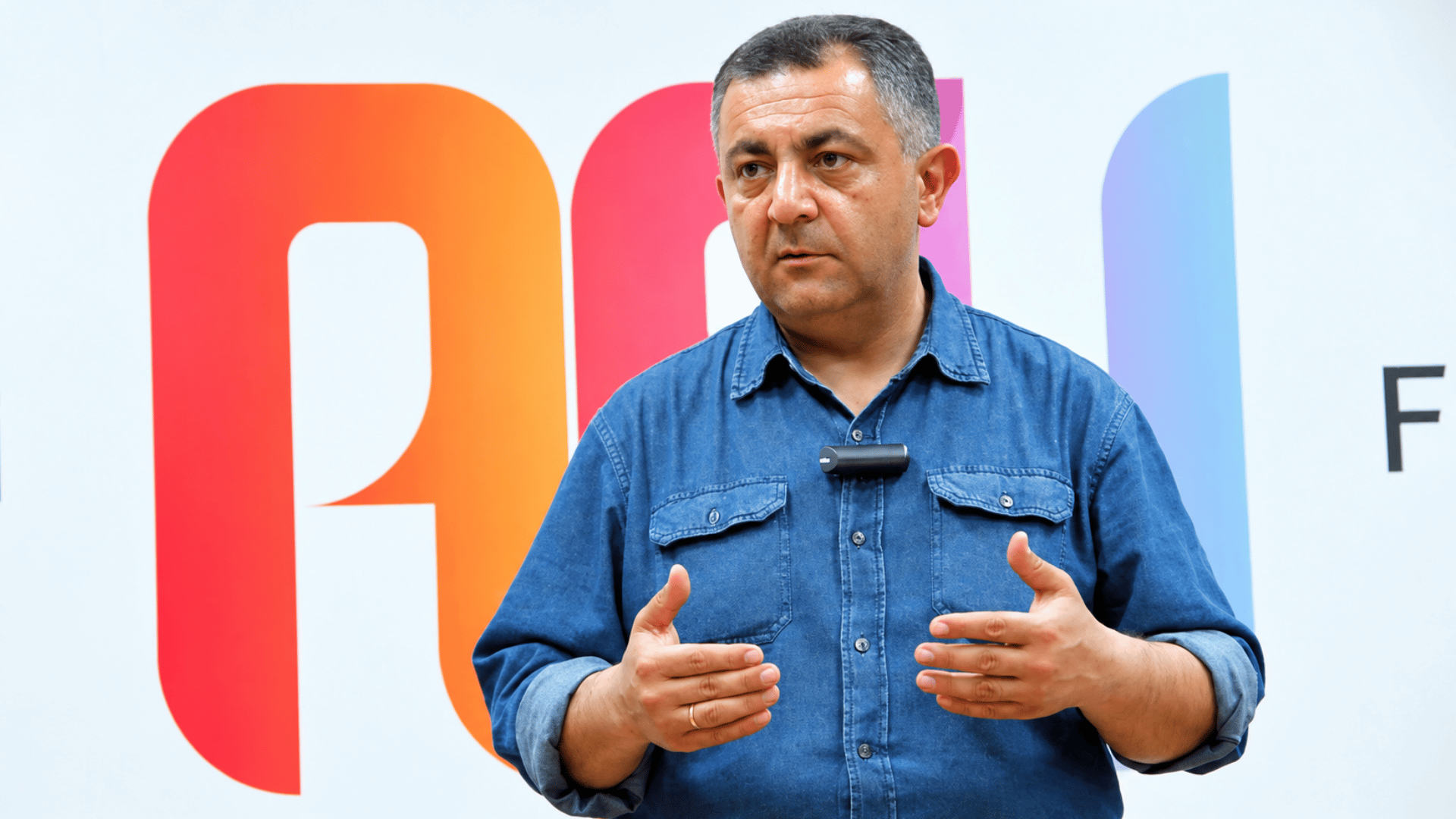
Elshan Azim, head of School No. 35 in the Kalbajar district, cited the same figure. He said that the government allocates 314 million manats a year to Russian-language education, while schools for internally displaced people receive 188 million manats (around $184.7 million). Comparing the two amounts, he stressed:
“For 30 years, these schools have played an important role in preserving the folklore, music, national values and spiritual heritage of their regions.”
Azim argues that if the authorities close schools to save public money, they should assess Russian-language schools by the same criteria.
In recent years, authorities have closed hundreds of small schools in rural areas or merged them with other educational institutions because they had too few pupils. Judging by the headteacher’s remarks, the future of schools for internally displaced people is also under discussion.
The Ministry of Education has not yet commented on the MP’s remarks.
What has the ministry said previously?
In July 2025, rumours spread widely that the authorities might close Russian-language classes. Messages in parents’ WhatsApp groups claimed that schools teaching in Russian would switch to Azerbaijani within three years. The Ministry of Education denied these reports. Russian Foreign Ministry spokeswoman Maria Zakharova also dismissed them as “fake news” and said Moscow remained in constant contact with Baku on the issue.
In June 2026, Education Minister Emin Amrullayev said that closing Russian-language classes had “never been on the agenda”. He said it was “technically impossible” to shut them down “as early as tomorrow”, adding that parents themselves chose the language of instruction. However, he did not rule out restructuring for “objective reasons”, such as a decline in pupil numbers or a shortage of teachers.
Babaoglu’s proposal, however, concerns a different issue. The MP is not calling for Russian-language classes to close. Instead, he is questioning whether the state should continue to fund them.
Against the backdrop of improving relations with Moscow
The MP’s remarks come amid a period of improving relations between Baku and Moscow. In December 2024, an AZAL passenger plane crashed, killing 38 people. In April 2026, the two sides acknowledged in a joint statement that Russian air defence systems had unintentionally shot down the aircraft.
In September, Azerbaijan placed three Russian propagandists – Semyon Uralov, Ivan Knyazev and Alexey Chadayev – on its wanted list over public calls for a violent change of government. Azerbaijan’s Foreign Ministry summoned the Russian ambassador over the matter. Moscow dismissed their remarks as “personal opinions”.
Babaoglu did not mention Russia in his speech. He justified his proposal by referring to the need to preserve “national identity” and concerns over public spending. Moscow has not yet responded to his remarks.
The draft 2027 state budget contains no separate proposal to change the funding arrangements for Russian-language education. The government has also not responded to the issue raised by the MP.
Russian-language education in Azerbaijan