TRIPP: Will a transport link between Azerbaijan and Nakhchivan be realised?






Transport link between Azerbaijan and Nakhchivan
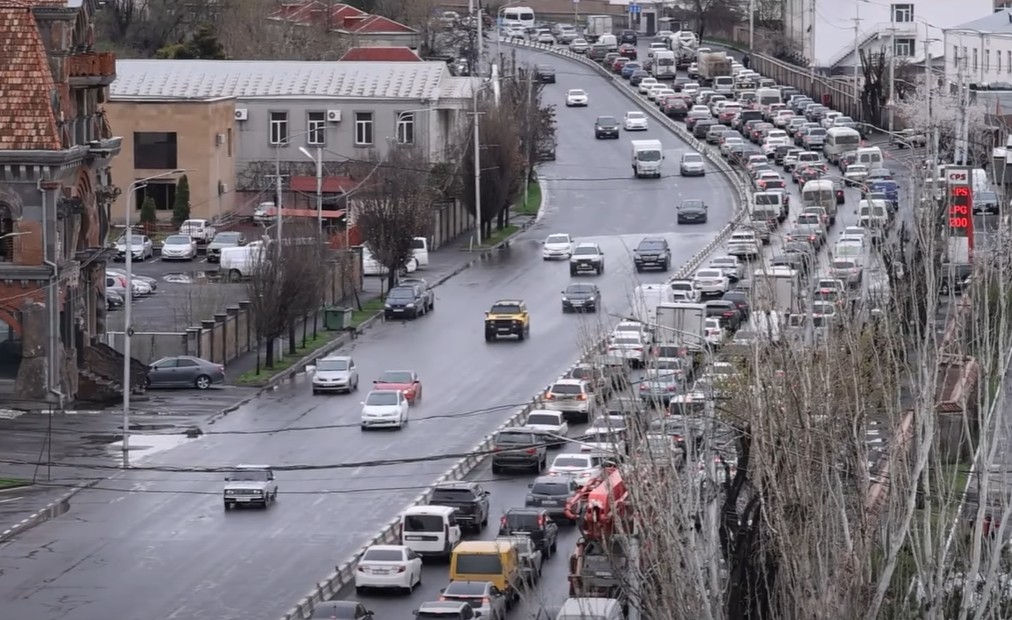
The “Trump Route for International Peace and Prosperity” (TRIPP), an initiative presented as a way to overcome the transport and political blockades that have long hindered development in the South Caucasus, appears at first glance to offer new geo-economic opportunities for the region.
However, the project also faces serious security and financing risks amid tensions between Iran and the United States. As a result, TRIPP has so far become more of a focal point for broader geopolitical questions than a potential “turning point”.
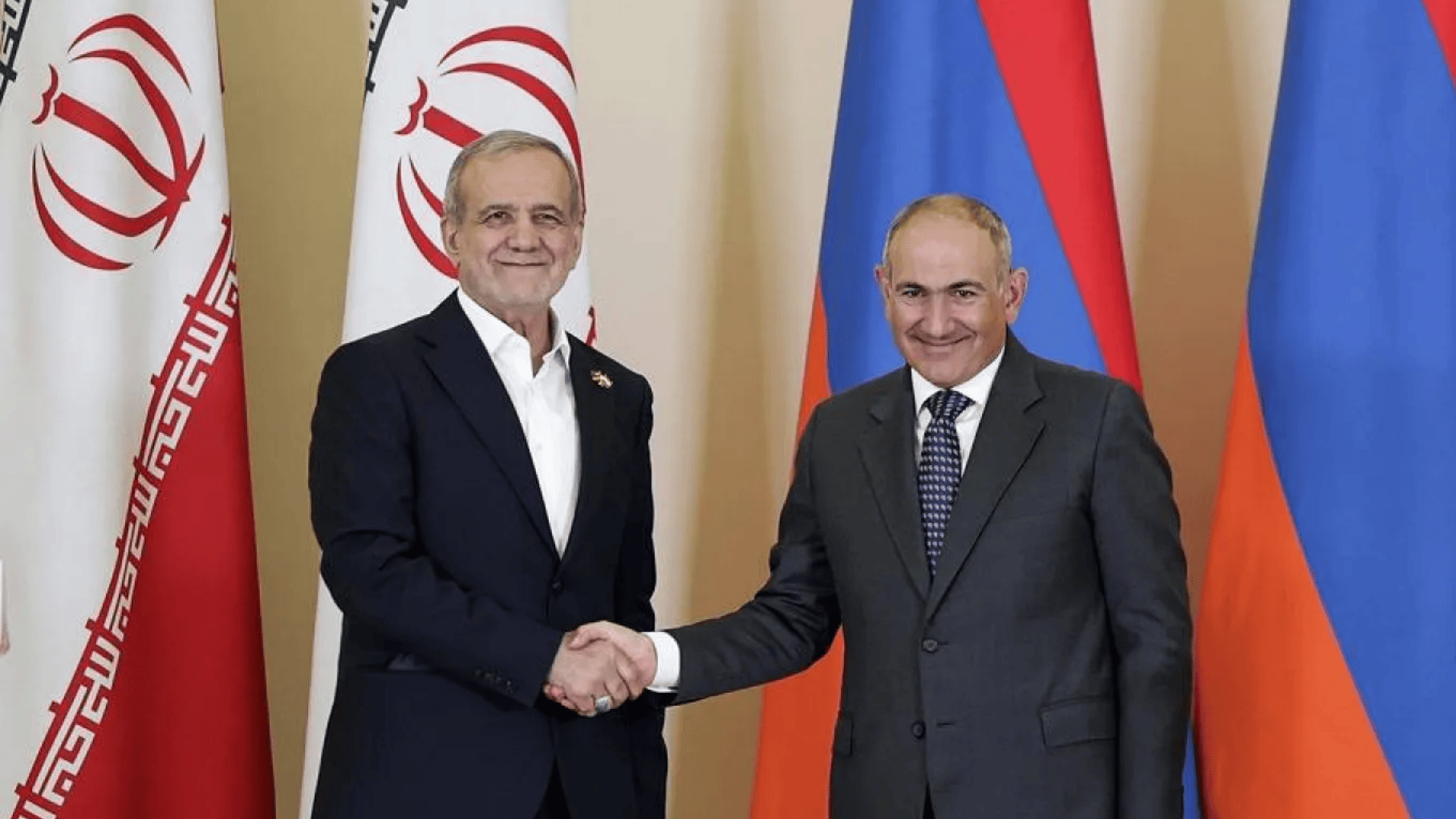
On 15 April, Armenia’s Prime Minister Nikol Pashinyan said the country was already entering the implementation phase of the TRIPP project, adding that opening regional communications remains a priority for Washington, Yerevan and Baku.
The political basis for the route was set out in a joint statement signed in Washington on 8 August 2025. The document envisages the creation of “unimpeded connectivity” linking mainland Azerbaijan with Nakhchivan via Armenian territory, while preserving Armenia’s sovereignty, territorial integrity and jurisdiction.
A US–Armenia executive framework published on 13 January also закрепила TRIPP as a multimodal transit project across Armenia and as part of the Trans-Caspian trade route, known as the Middle Corridor.
Momentum driven by Washington
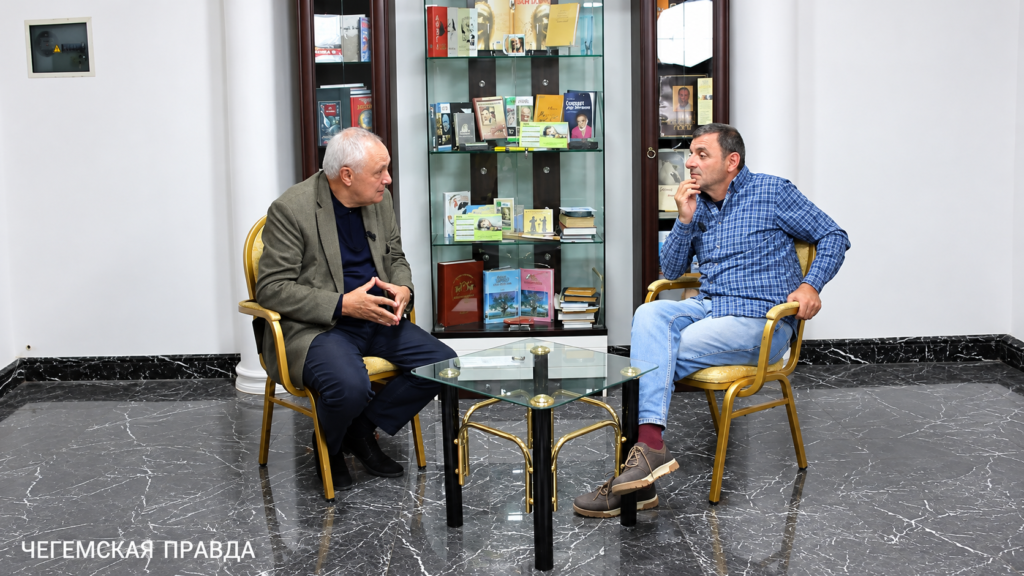
Carnegie Europe fellow Thomas de Waal told Radio Free Europe/Radio Liberty that as long as tensions persist, deploying US personnel near the Iranian border — whether for research, security or monitoring purposes — will remain difficult. This raises serious questions about how quickly the project can move into practical implementation.
He said the initial phase of TRIPP has generated positive momentum, with the January executive framework and Vice-President JD Vance’s visit to the region in February giving the agreement additional impetus.
More than 30 years on, Armenian and Azerbaijani officials have begun speaking about a shared regional vision of peace. In Armenia, fears of a new military escalation have eased, while Baku’s official rhetoric has become noticeably more moderate. Moreover, between late 2025 and March 2026, Azerbaijan supplied fuel to Armenia via Georgia.
According to Mr de Waal, this suggests TRIPP has begun to deliver political dividends even before any railway construction has started. Baku, Yerevan and Washington see the completion of the railway by 2028 — by the end of Donald Trump’s second presidential term — as a political goal.
In this context, a defining feature of the US approach is its attempt to frame peace not as an abstract diplomatic formula, but as a measurable package of infrastructure and business solutions.
The White House presented the 2025 agreement as a turning point, opening opportunities in trade, transit, energy and technology. The US State Department, in a January document, also stressed that the project would “open up” Armenia for business without affecting its sovereignty.
The strength of this approach lies in giving a political agreement clear timelines and economic logic. Its weakness, however, is the extent to which TRIPP’s success depends on the attention of a single administration and its geopolitical resources.
A new reality amid tensions with Iran
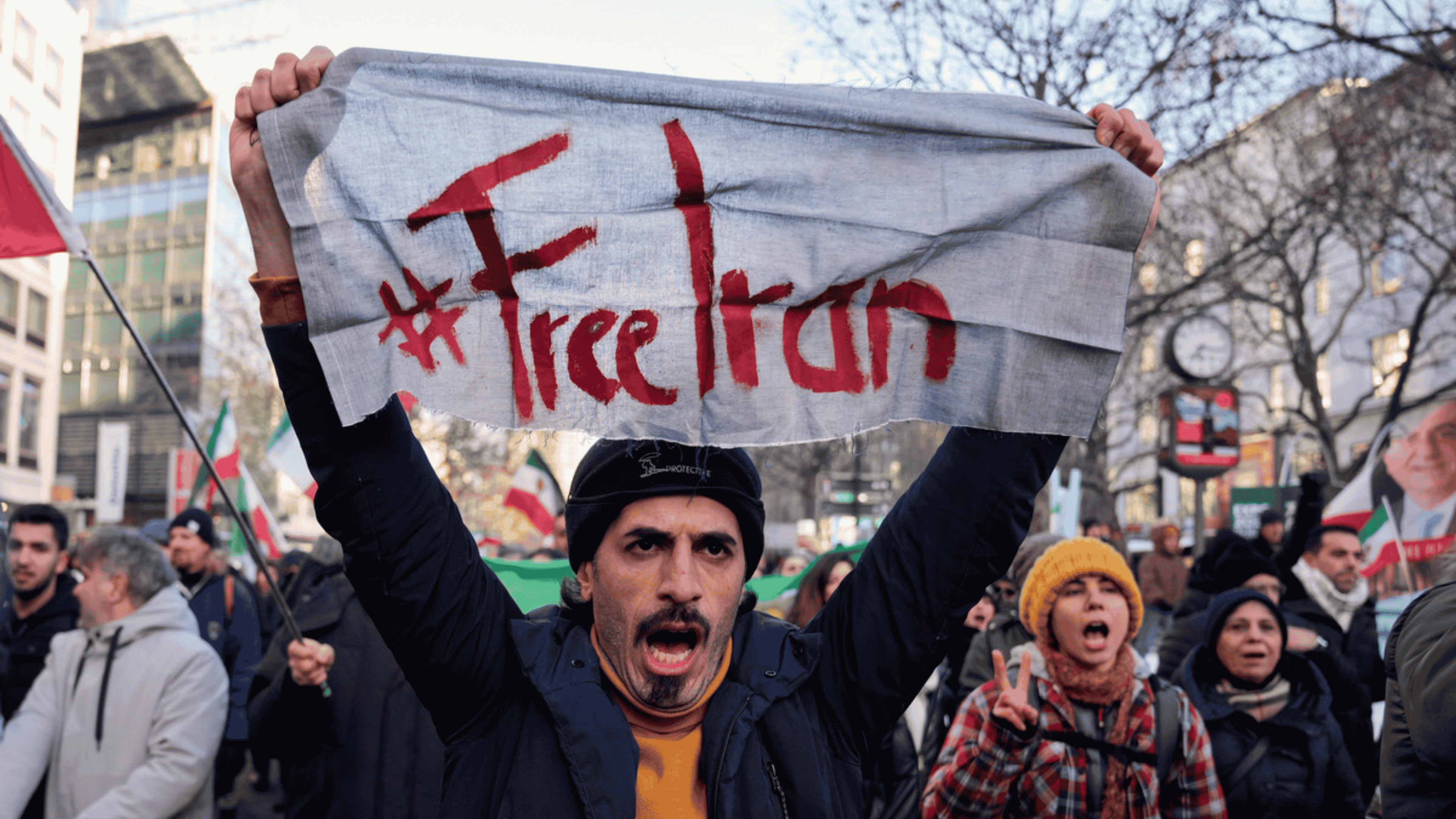
According to Thomas de Waal, two key obstacles are directly linked to tensions between Iran and the United States.
The first is security. The TRIPP route runs along Meghri, near the Aras river and the Armenian-Iranian border, meaning that sending US specialists to the site, conducting technical surveys and overseeing construction during a conflict would involve extremely high risks.
The second is financing. According to information obtained by Carnegie from US officials, around $400m had been mobilised by the end of 2025, but this represents only an initial tranche. A larger public-private financial package is still being assembled. As Mr de Waal notes, “when Iran is just across the river”, attracting private investors becomes significantly more difficult.
A drone strike on Nakhchivan airport on 5 March, which left four people injured, as well as a warning from the United States advising its personnel to avoid travel to the region, have underscored these risks. A 21 April announcement extending a ceasefire arrangement between the US and Iran further suggests that the threat has not disappeared, but has merely been contained.
Iran’s position also remains ambiguous. According to Carnegie’s analysis, before the escalation Tehran sought to preserve the status quo and maintain its role in both international transit and transport links between Nakhchivan and mainland Azerbaijan. Following the announcement of TRIPP, internal divisions in Iran have deepened: the security establishment views the project as a “Turkic” or “Nato-linked” corridor and has openly issued threats. At the same time, the economic and transport bloc sees potential benefits in a railway under Armenian jurisdiction, particularly via Julfa, which could reconnect Iran with the South Caucasus.
As Mr de Waal notes, Tehran does not necessarily need to halt the project entirely: even one or two strikes, or the creation of a perception of instability along the border, could significantly raise the risks for TRIPP. A prolonged conflict, a hardening of positions, or internal instability would all lead to the same outcome — investors and contractors acting with greater caution.
Moscow’s wait-and-see strategy and alternative routes
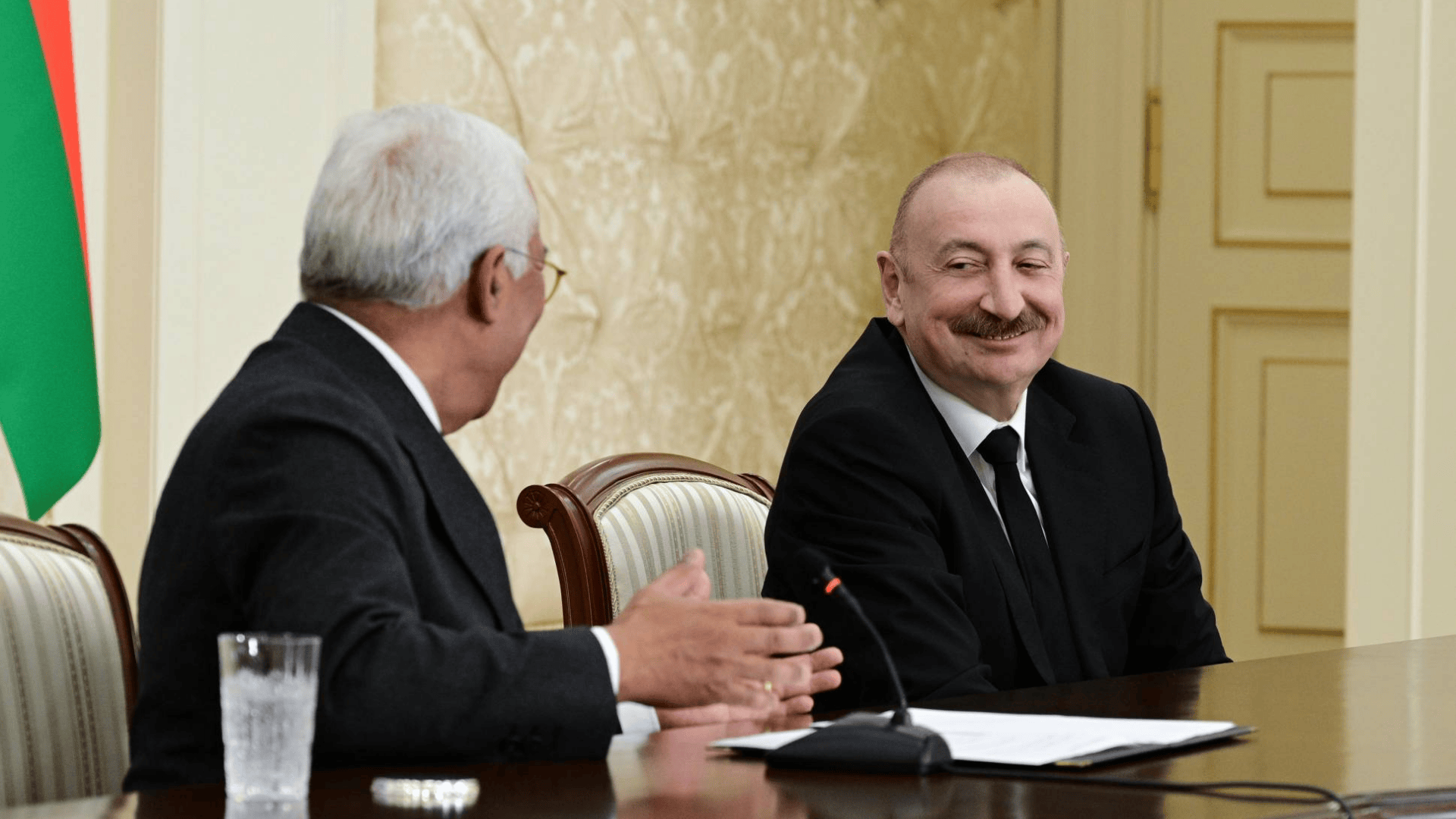
At this stage, Russia appears to be betting not on open obstruction, but on a strategy of “keeping all options open”.
According to Thomas de Waal, if TRIPP proves successful, Moscow will seek to make use of it and cooperate with the United States. If the project runs into difficulties, however, Russia is likely to emphasise its ties with Iran and once again signal that it remains a reliable partner.
A Carnegie article notes that the Kremlin has already shifted from a strategy of outright blocking to one of recalibration, retaining leverage through its existing concession over Armenia’s railways. In other words, Russia is positioning itself not as a barrier to TRIPP, but as a kind of fallback option alongside it.
The recent rapprochement between Baku and Moscow also fits into this logic.
At the same time, alternative routes remain significant. Georgia continues to serve as the region’s main transit hub: its ports, highways and the Baku–Tbilisi–Kars railway handle large volumes of cargo. TRIPP challenges this “default route”, but is unlikely to replace it in the near term.
A 2026 European Commission connectivity study suggests that a new route via Armenia could reduce transit times by up to 25% compared with the Baku–Tbilisi–Kars line. Meanwhile, Turkey and Azerbaijan are promoting the construction of a 224km Kars–Dilucu railway linking Nakhchivan with Kars. The project is estimated to cost €2.4bn, with completion planned by 2030.
For its part, Armenia has proposed more inclusive options, such as the Gyumri–Kars line and the Yeraskh–Sadarak section, which could be restored in the short term.
TRIPP’s key advantage lies not in being the “only route”, but in its strategic value: for Baku, it reduces dependence on Georgia and Iran, while for Armenia it offers a chance to overcome its long-standing transport isolation.
Election year, financing and the geopolitical context
How realistic is it to secure funding for the 43km Syunik–Nakhchivan railway?
From a technical perspective, it is feasible. From a geopolitical one, not yet.
The cost of the 43km section is estimated at between $250m and $400m, meaning the rail segment itself is not an unmanageable megaproject. The difficulty lies in the fact that TRIPP is not just a railway: security, insurance, border management, upgrades on the Nakhchivan side, links to Turkey and a parallel road significantly increase the overall cost.
Armenia’s finance minister has put elements of the broader “Crossroads of Peace” agenda at around $400m–$500m. At the same time, potential sources of capital exist. The European Union, through its Global Gateway initiative, is exploring investments in the Middle Corridor.
The World Bank and other multilateral institutions are already allocating hundreds of millions of dollars to railway projects linked to the corridor in Turkey. Prime Minister Nikol Pashinyan has also mentioned third parties such as Kazakhstan, the United Arab Emirates and Qatar as potential participants in a railway concession in Armenia.
Financing, therefore, is possible — but only if political risks are reduced.
Against this backdrop, Armenia’s parliamentary elections, scheduled for 7 June, are emerging less as an economic test and more as a political one for TRIPP.
Thomas de Waal describes the vote as a referendum on the country’s geopolitical direction. In his view, Mr Pashinyan is campaigning on the concept of a “Real Armenia”, involving open borders, reduced dependence on Russia and normalised relations with Azerbaijan and Turkey. However, he faces strong resistance from Russia, as well as from parts of the diaspora, and requires Western support.
Asked whether Azerbaijan needs a strong Pashinyan, Mr de Waal offers an indirect but clear answer: Baku does not openly support him, believes a peace agreement would benefit Armenia more, and, by maintaining pressure on constitutional issues, limits his room for manoeuvre.
For Azerbaijan, the key issue is not Mr Pashinyan’s political survival, but the presence of a partner capable of signing and implementing an agreement.
Much will depend on the trajectory of US–Iran tensions. If a ceasefire holds and stabilises, the project could move towards implementation. If confrontation drags on, TRIPP is likely to remain more of a political symbol, while routes through Georgia, the Turkey–Nakhchivan line and Russian-linked corridors remain more viable alternatives.
For the South Caucasus, the broader geopolitical implication is clear: if implemented, the project would weaken the transit dominance of Russia and Iran while strengthening the role of the United States, and could prompt the European Union to re-engage more actively in the region. If it fails, the region risks seeing its “window of opportunity” for peace narrow once again under mounting security pressures.
Transport link between Azerbaijan and Nakhchivan