Ursula von der Leyen visits Azerbaijan: energy security, regional peace and values vs interests dilemma






Ursula von der Leyen’s visit to Azerbaijan
European Commission President Ursula von der Leyen has visited Baku for a working visit. Analysts say the trip could help advance the South Caucasus peace process, diversify Europe’s energy supplies and strengthen economic ties.
The visit is von der Leyen’s first to Baku since 2022. It also forms part of her South Caucasus tour with EU Commissioner for Enlargement Marta Kos, who will continue to Armenia on 2 July.
The visit has also revived debate over the potential to deepen the EU’s strategic partnership with Azerbaijan and how to balance human rights concerns with economic interests.
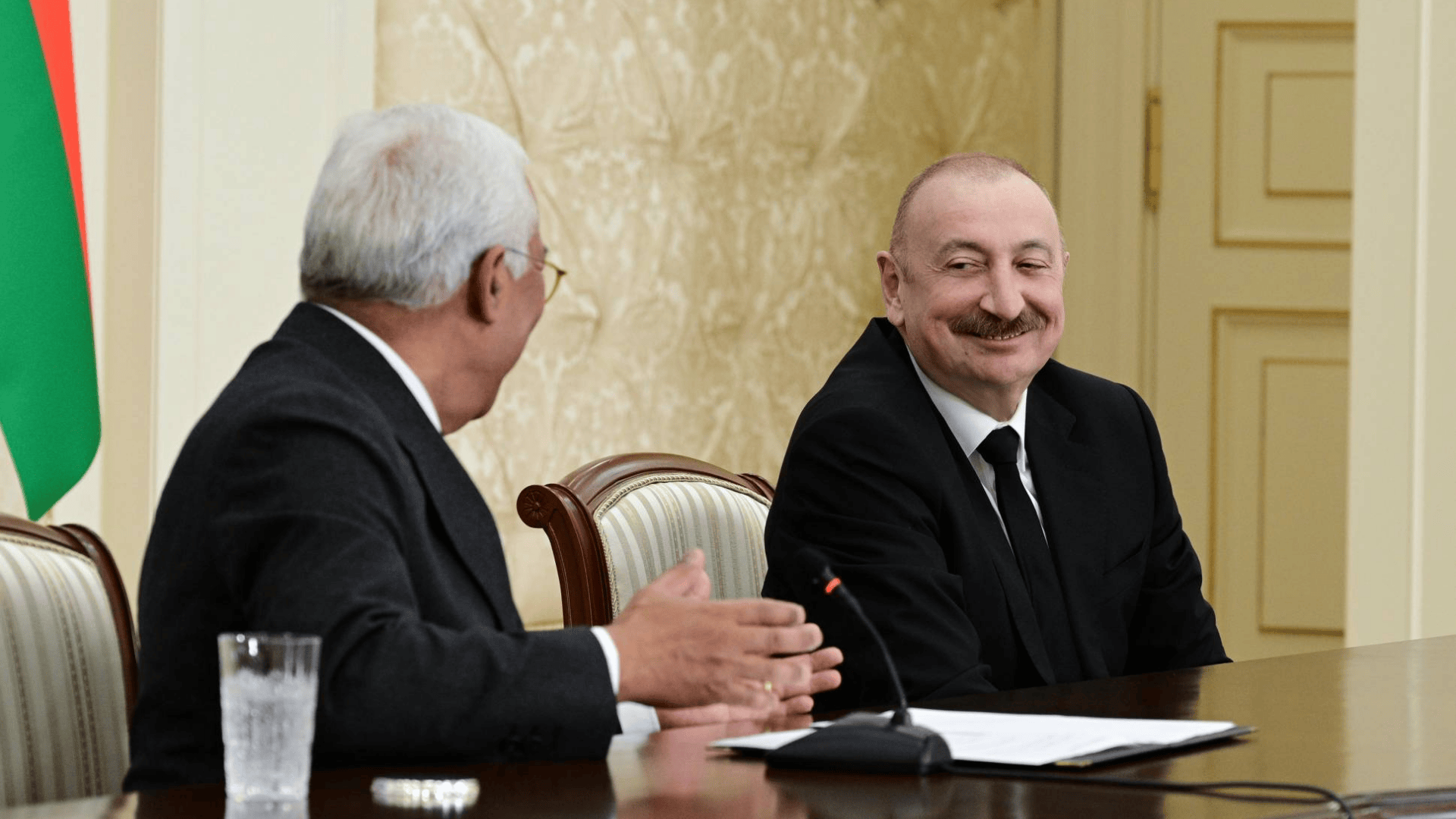
Meeting, statements and key issues
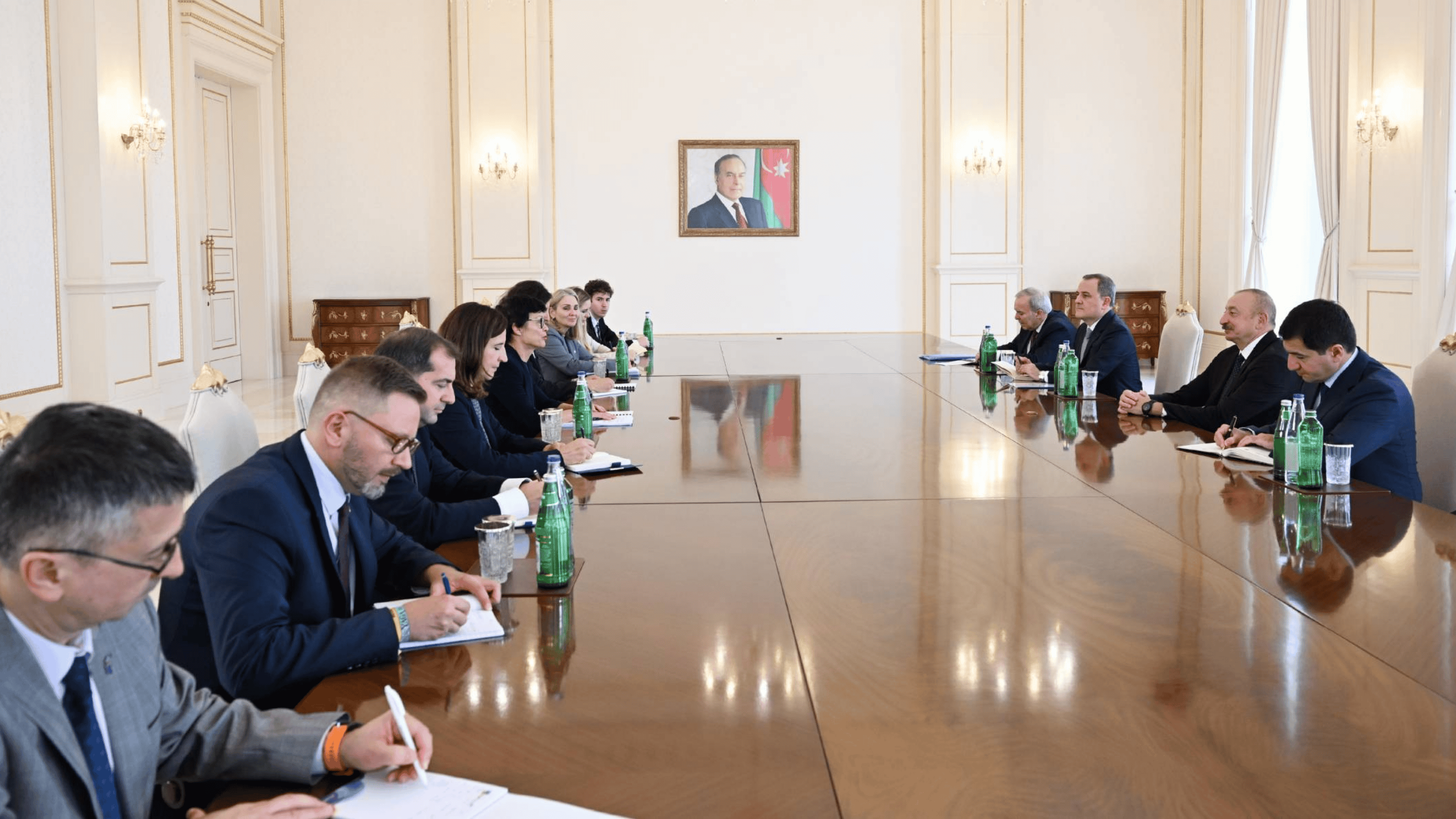
The meeting took place in an expanded format. The two sides focused on bilateral trade and economic cooperation, energy supplies, transport, digital and energy connectivity, renewable energy and regional security. They noted that the European Union remains Azerbaijan’s largest trading partner, accounting for more than 40% of the country’s foreign trade. Azerbaijan, in turn, is the EU’s leading partner in the South Caucasus.
On energy, the sides highlighted the importance of the Southern Gas Corridor and the 2022 Memorandum of Understanding on a Strategic Partnership in the Field of Energy. They said Azerbaijani gas exports to the EU had increased by 65%. Discussions on connectivity covered transport, digital and energy infrastructure. Azerbaijan also outlined plans to develop 8GW of solar and wind power capacity over the next five to six years. The sides discussed the Green Energy Corridor project, offshore wind development in the Caspian Sea and a planned electricity cable to Armenia.
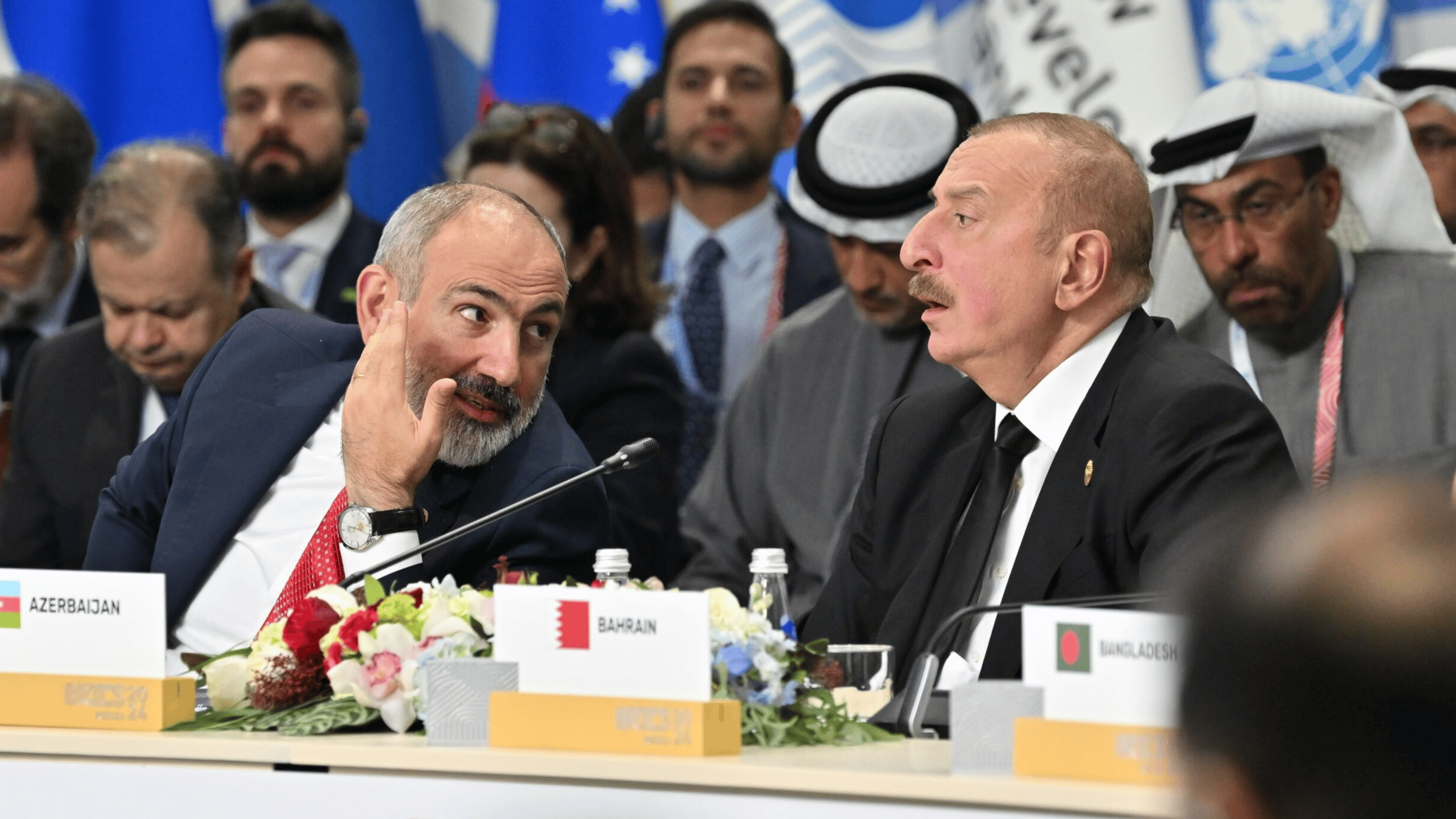
Regional security and the normalisation of relations between Azerbaijan and Armenia were among the key topics. The sides highlighted several practical steps, including the joint declaration signed in Washington in August 2025, the initialled peace agreement, Azerbaijan’s lifting of transit restrictions and fuel supplies to Armenia.
Ursula von der Leyen said Azerbaijan had provided significant support to Europe when Russia used energy as a tool of political pressure. She said the EU had not forgotten that support and described the Southern Gas Corridor as one of the bloc’s key energy security success stories. Von der Leyen thanked Azerbaijan for its role.
She also congratulated President Ilham Aliyev, saying he had shown “personal leadership” in advancing peace and cooperation in the region. She stressed the need to turn the peace agreements “from a document into reality” by strengthening regional connectivity.
Aliyev, for his part, said relations with the EU had entered “an unprecedented phase of dynamism and activity”. He highlighted cooperation in trade, energy, connectivity and renewable energy. He also pointed to recent progress in the peace process, saying that “peace has already become a tangible reality de facto”.
Announced initiatives and prospects for cooperation
Von der Leyen proposed establishing an EU-Azerbaijan Connectivity Partnership, launching a High-Level Connectivity Dialogue and holding a Regional Connectivity Investment Conference in Baku.
Under the EU’s Global Gateway initiative for the South Caucasus, she announced a €200m grant package that could help mobilise up to €2bn in investment. The projects include a railway link to Nakhchivan and the expansion of the Port of Baku. She also unveiled a new €20m programme to support peacebuilding. It will fund healthcare in border areas, mine clearance, agriculture, water management, precision farming and support for small and medium-sized businesses.
These initiatives could increase EU investment in the region, promote stability and strengthen Azerbaijan’s role as a regional transport and energy hub. Their success, however, will depend on political will and the depth of future cooperation.
The visit opens new economic opportunities while also testing the EU’s ability to balance its strategic interests with its commitment to democratic values and human rights.
How does the EU view the South Caucasus? Commentary from a state newspaper
Shabnam Zeynalova, a political analyst with the state-owned newspaper Khalg Gazeti, argues that Ursula von der Leyen’s visit to Baku reflects a strategic shift in the European Union’s approach to the South Caucasus. In her view, Brussels no longer sees the region primarily through the lens of conflict resolution and normative policy. Instead, it increasingly regards the South Caucasus as a strategic platform linking Eurasia through energy, transport and trade.
Zeynalova places this shift in a historical context. She writes that when the Russian Empire established control over the South Caucasus in the 19th century, the region became one of the main arenas of international geopolitical rivalry. At that time, the “Great Game” between Britain and Russia centred on access to India. Today, she argues, states compete through economic projects rather than military power, using railways, energy pipelines and transport corridors to expand their influence.
According to the analyst, the EU now sees the South Caucasus less as a potential conflict zone and more as a strategic hub in Eurasia’s changing economic landscape. She argues that Russia’s full-scale invasion of Ukraine made the Northern Corridor more risky. As a result, the route through the Caspian Sea, Azerbaijan, Georgia and Turkey has become one of Europe’s most viable alternatives. Zeynalova says Azerbaijan entered this period with much of the necessary infrastructure already in place, including the Baku-Tbilisi-Ceyhan oil pipeline, the Southern Gas Corridor, the Baku-Tbilisi-Kars railway and the Trans-Caspian International Transport Route.
She also identifies support for the normalisation of relations between Baku and Yerevan as another key objective of the visit. In her view, the EU believes regional stability is essential for the Middle Corridor to function effectively and attract investment. She argues that this approach reflects the historical experience of European integration, which links economic interdependence with a lower risk of conflict.
Zeynalova concludes that von der Leyen’s visit to Baku was no coincidence. She argues that it reflects a recurring historical pattern: whenever Eurasia’s transport routes are reshaped, the South Caucasus returns to the centre of great-power politics. Geography, she writes, continues to shape strategic interests, even as the tools used to pursue them evolve.
Political prisoners’ appeal highlights tension between values and interests
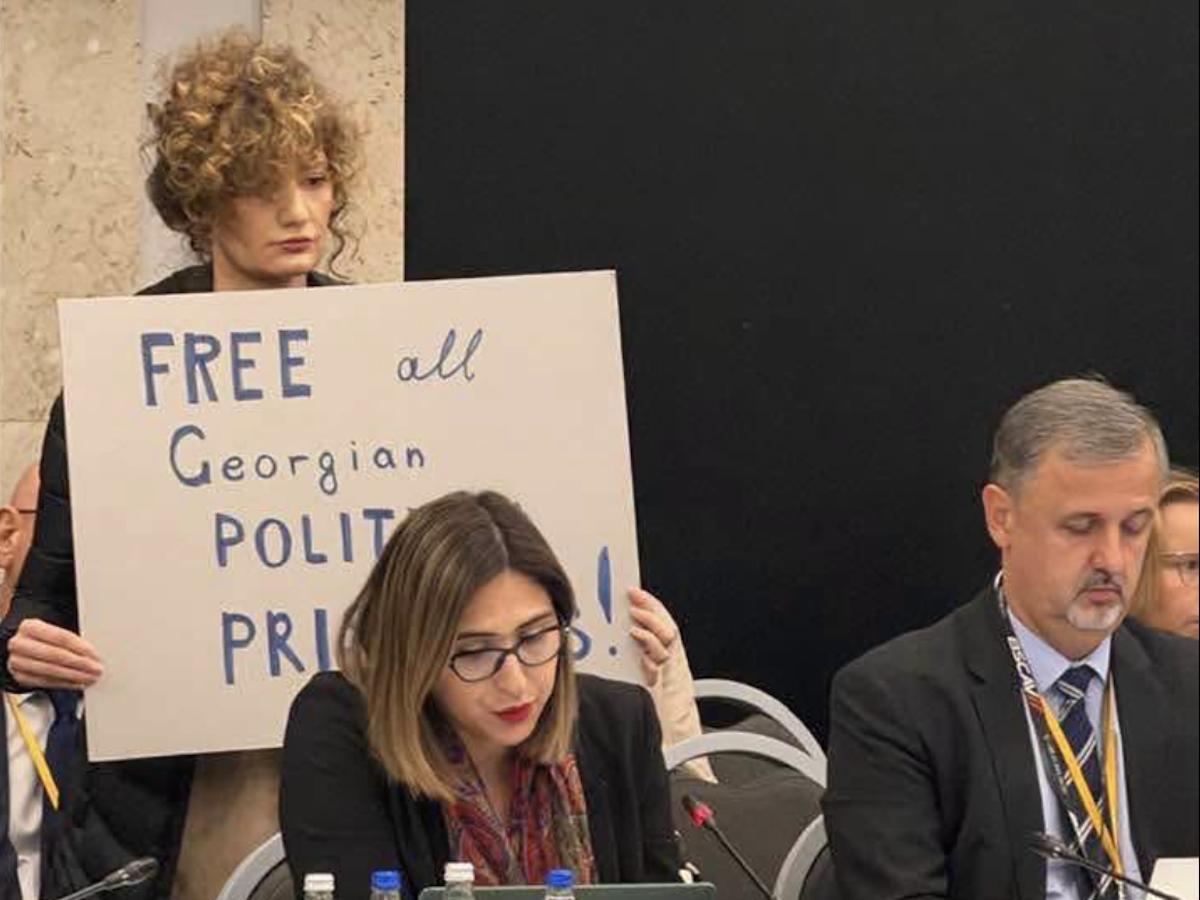
Days before the visit, imprisoned journalists and activists sent an open letter to Ursula von der Leyen. Among the signatories were seven journalists convicted in the Abzas Media case: Ulvi Hasanli, Sevinc Vagifgizi, Hafiz Babali, Nargiz Absalamova, Elnara Gasimova, Mahammad Kekalov and Farid Mehralizada. Authorities arrested them in November 2023 and later sentenced them to lengthy prison terms on smuggling charges.
In the letter, they urged von der Leyen to raise human rights concerns not only behind closed doors but also publicly. They called on her to demand the release of political prisoners, press Azerbaijan to fulfil its international human rights obligations and “not sacrifice values for economic interests”.
The signatories said the authorities were “systematically silencing critical voices” and criticised what they described as Europe’s silence over the wave of arrests. Other imprisoned activists and political exiles issued similar appeals.
The letter highlights the tension between the EU’s values-based foreign policy and its practical cooperation with Azerbaijan. It also reinforces calls to ensure that the visit’s energy and economic agenda does not overshadow human rights concerns.

Ursula von der Leyen’s visit to Azerbaijan