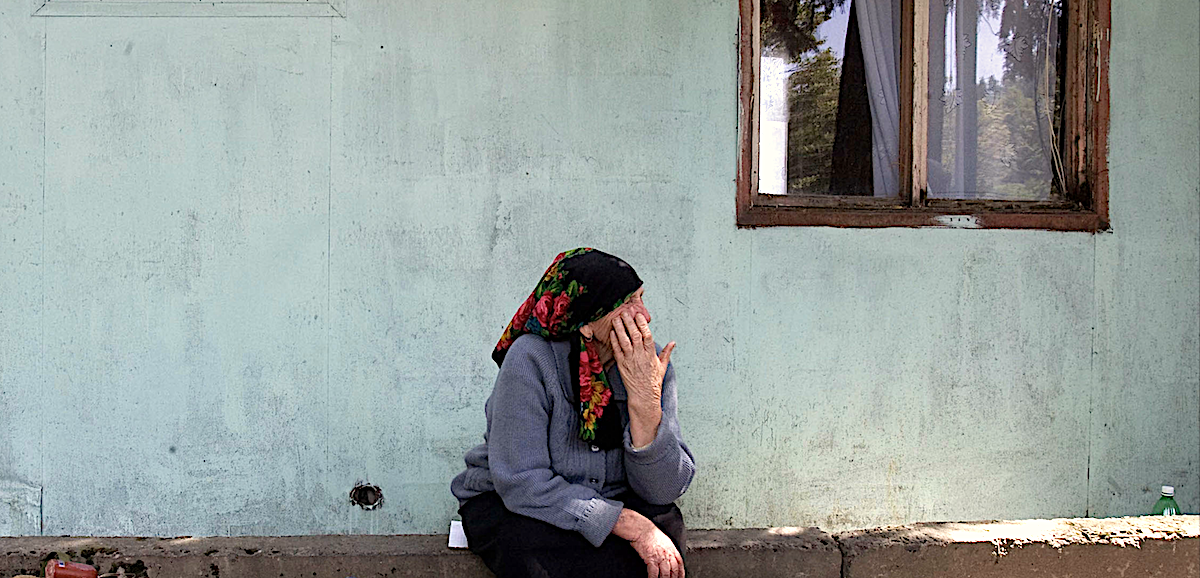
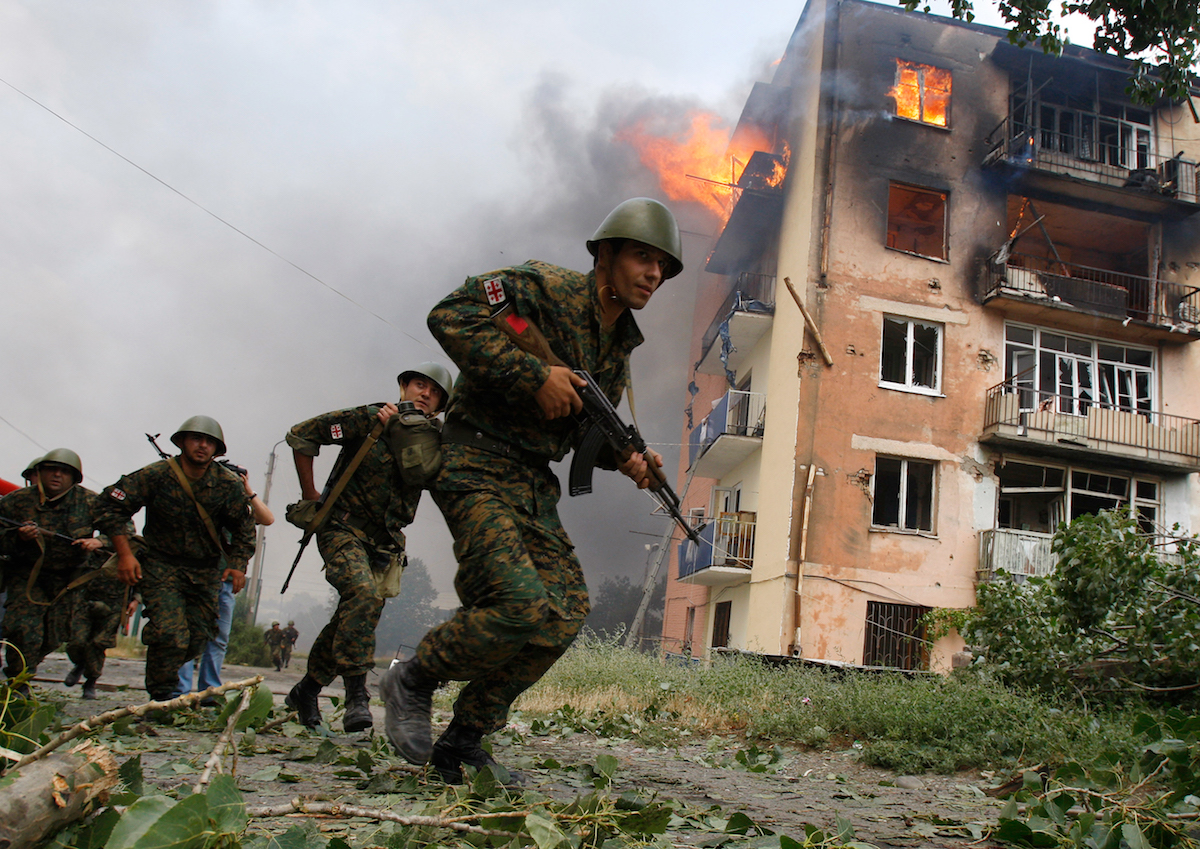
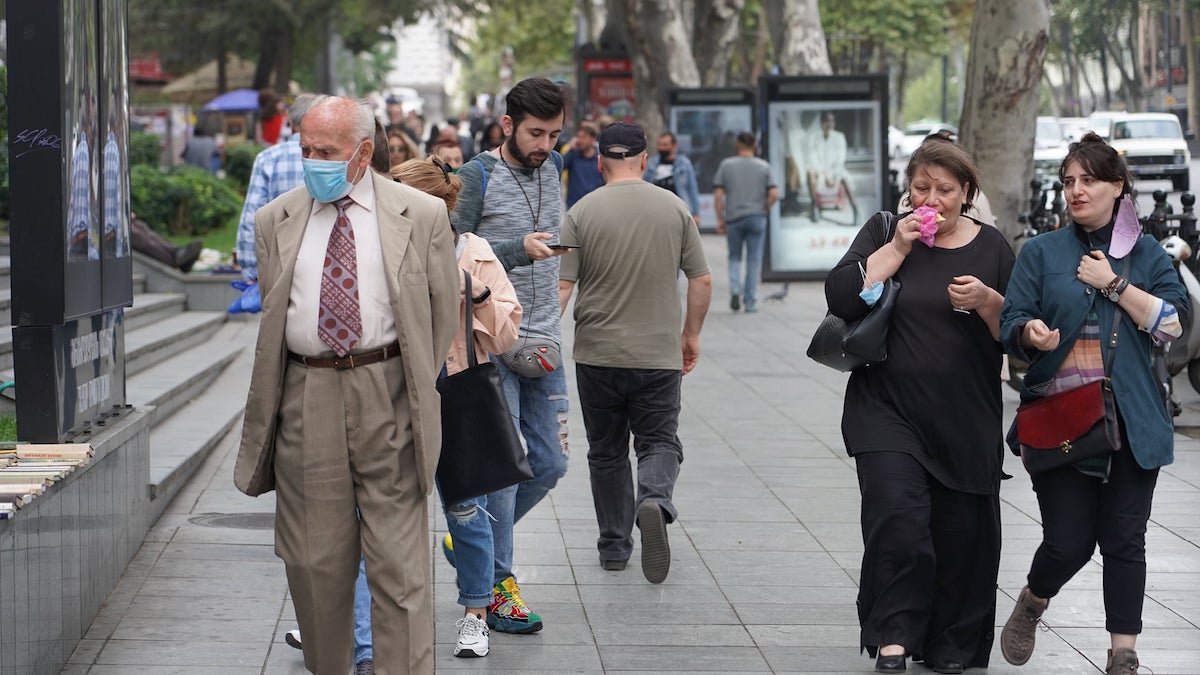
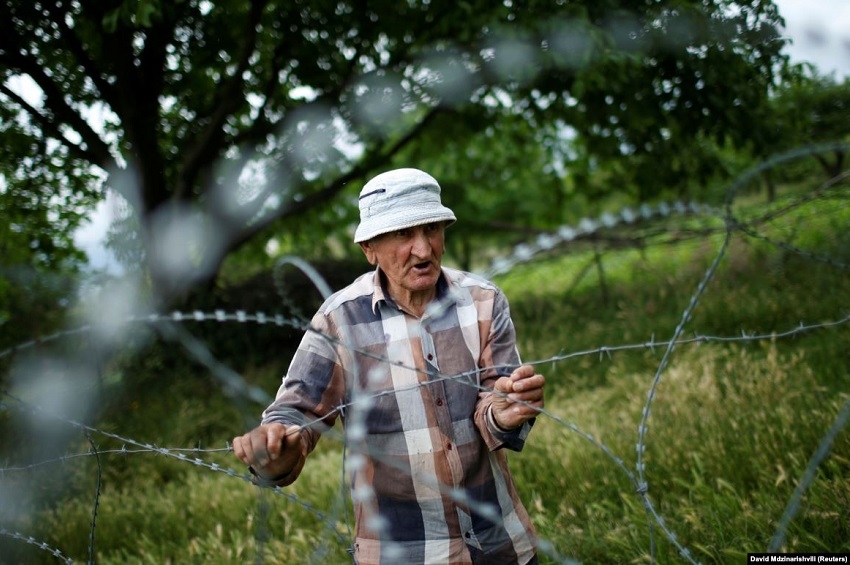
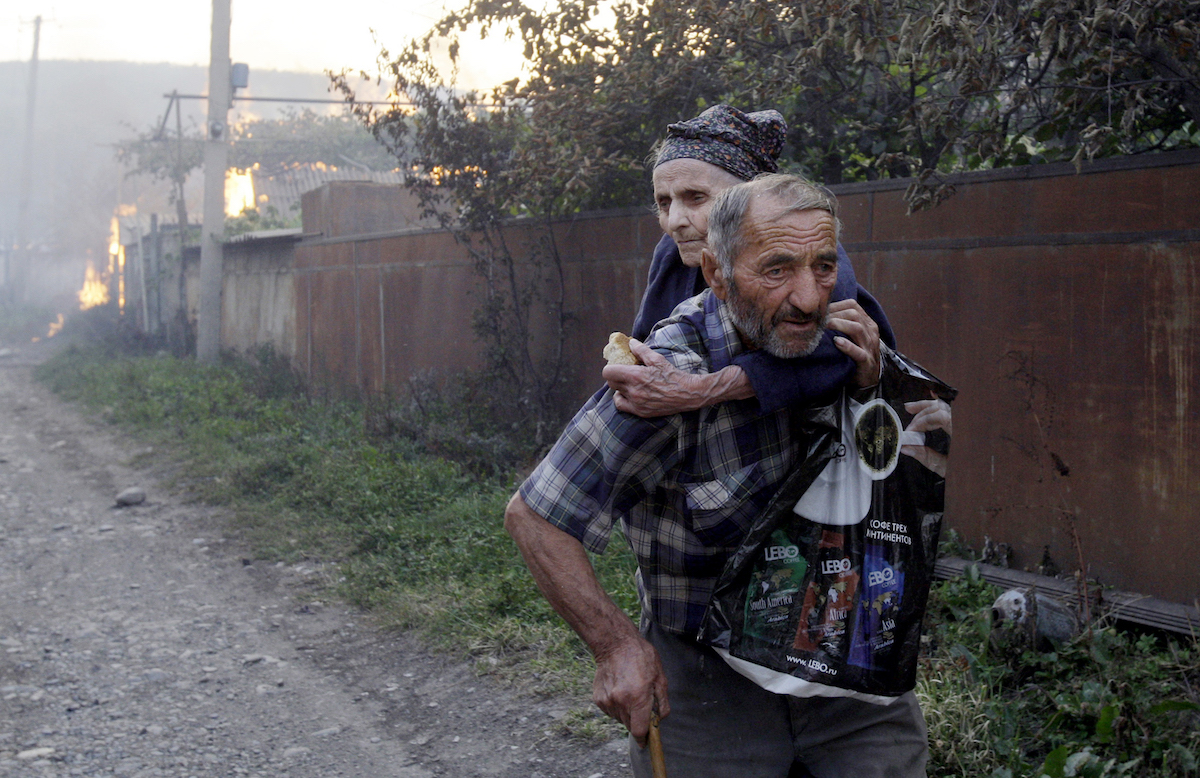
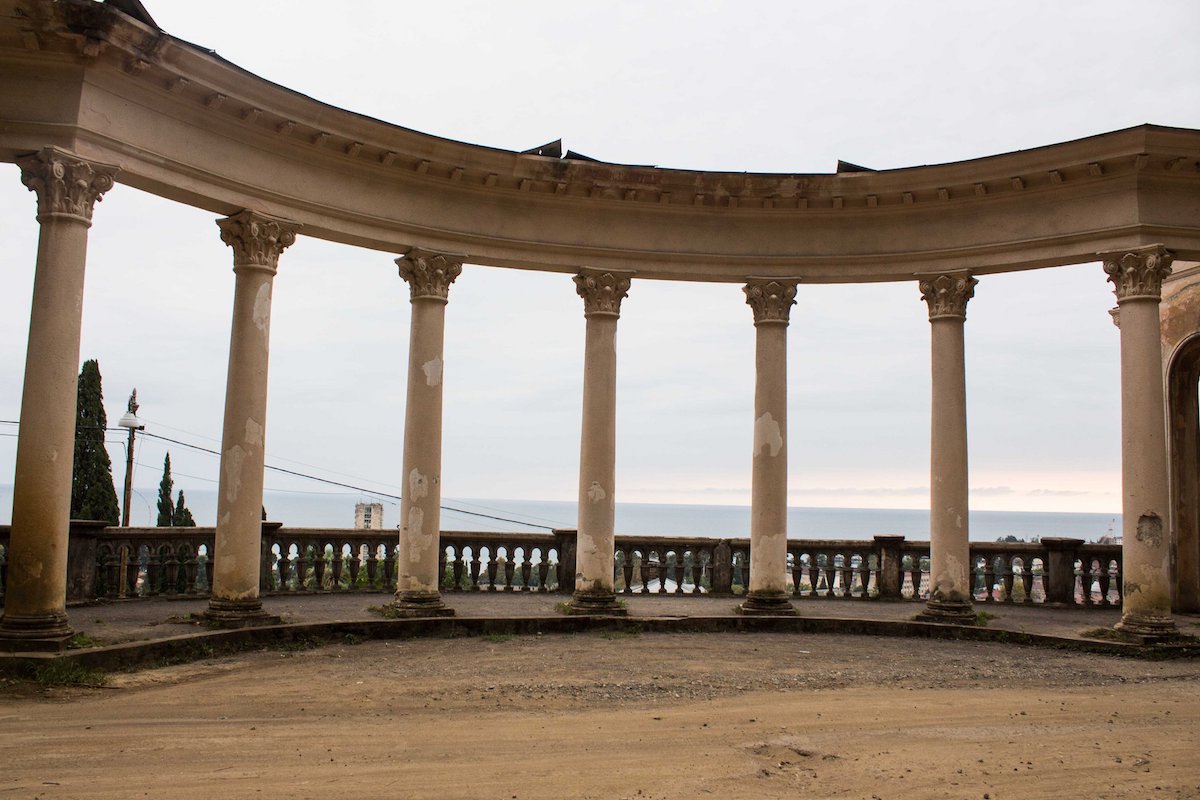
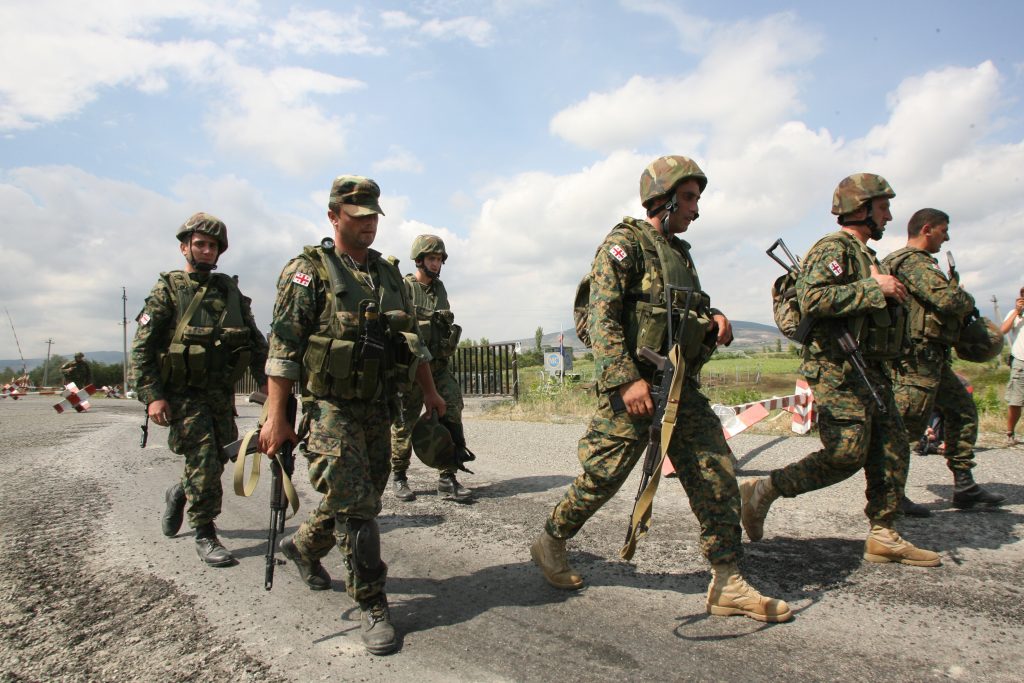
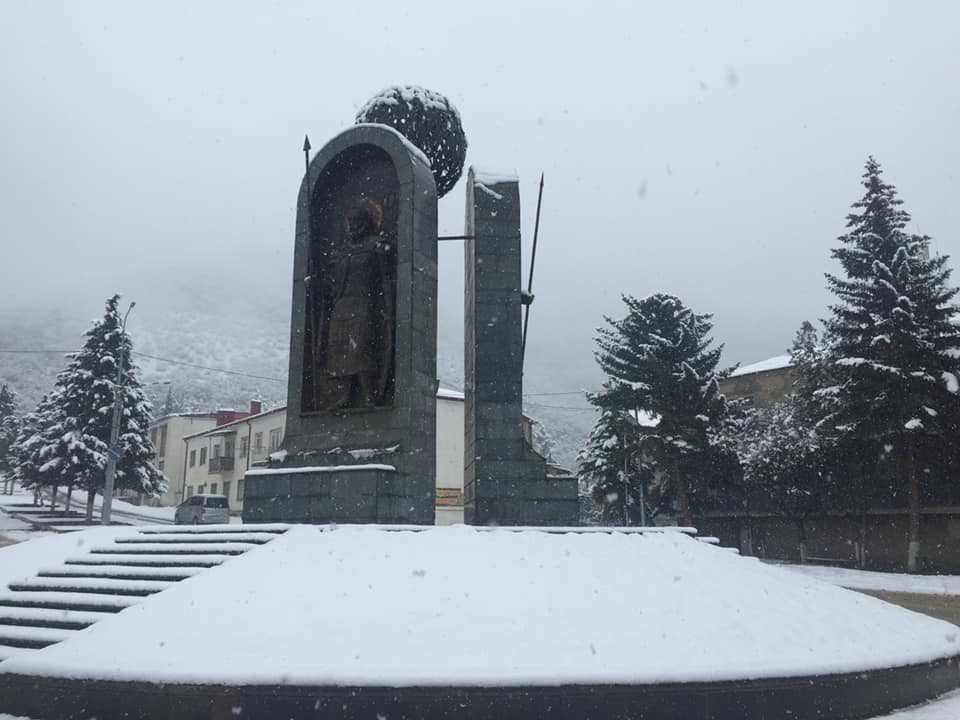
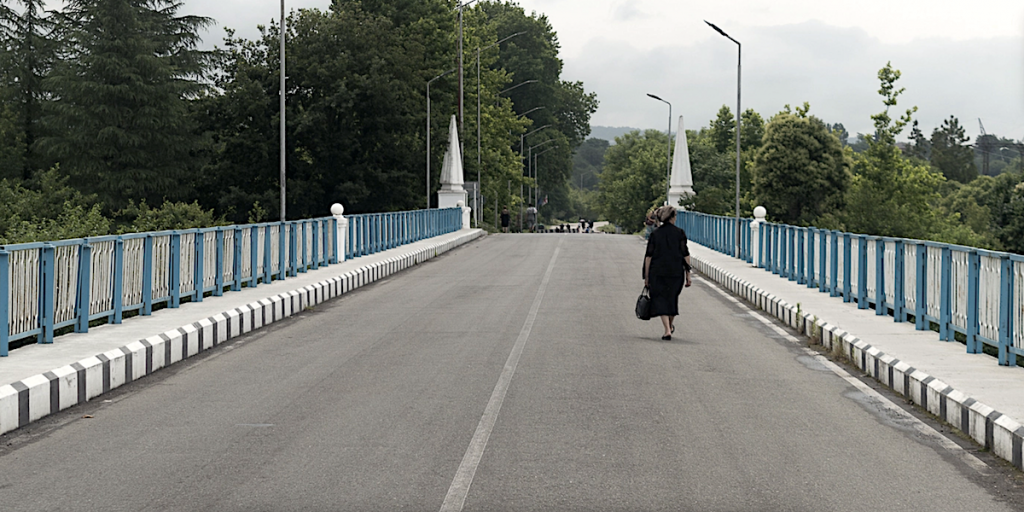
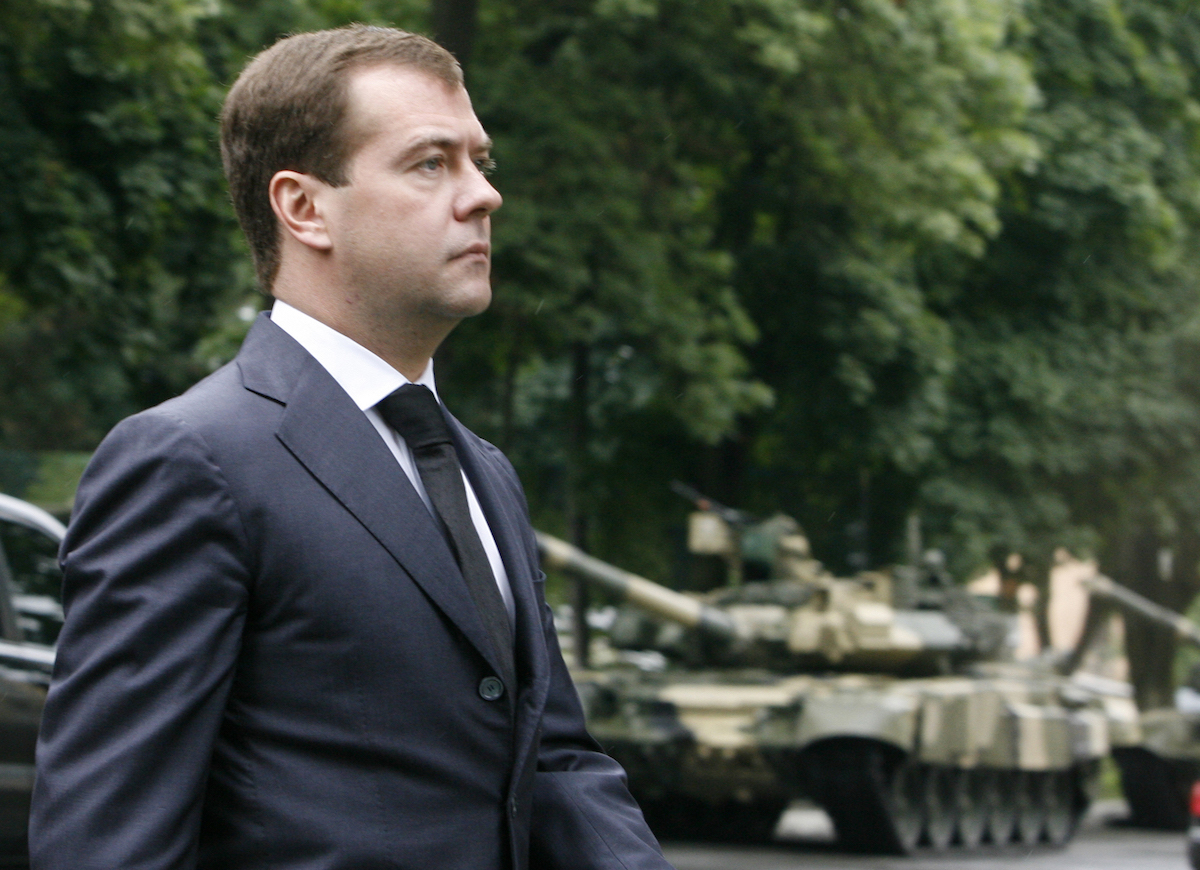
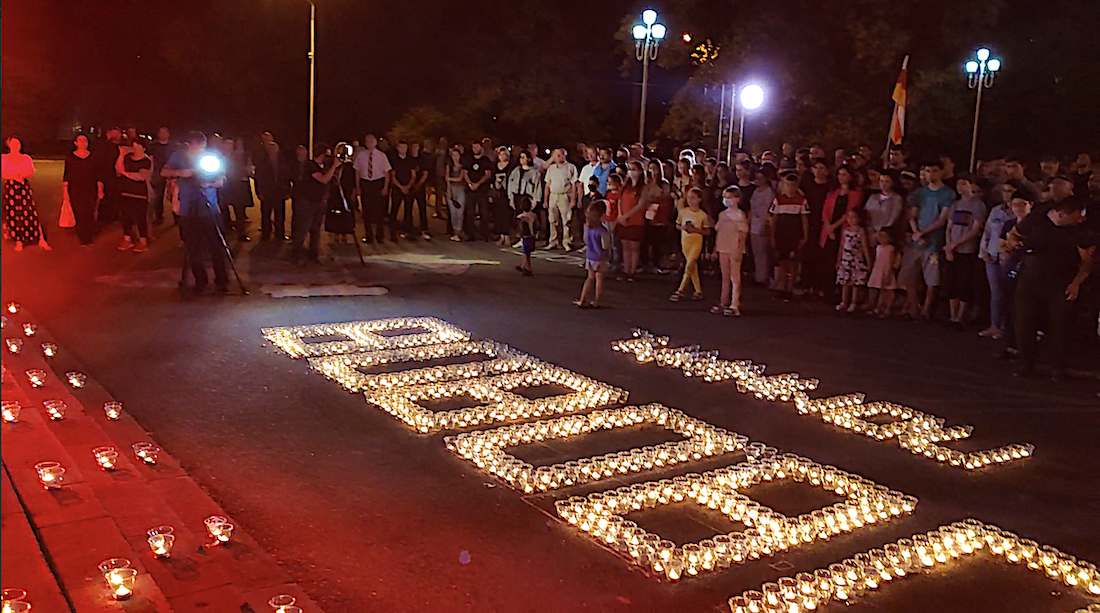
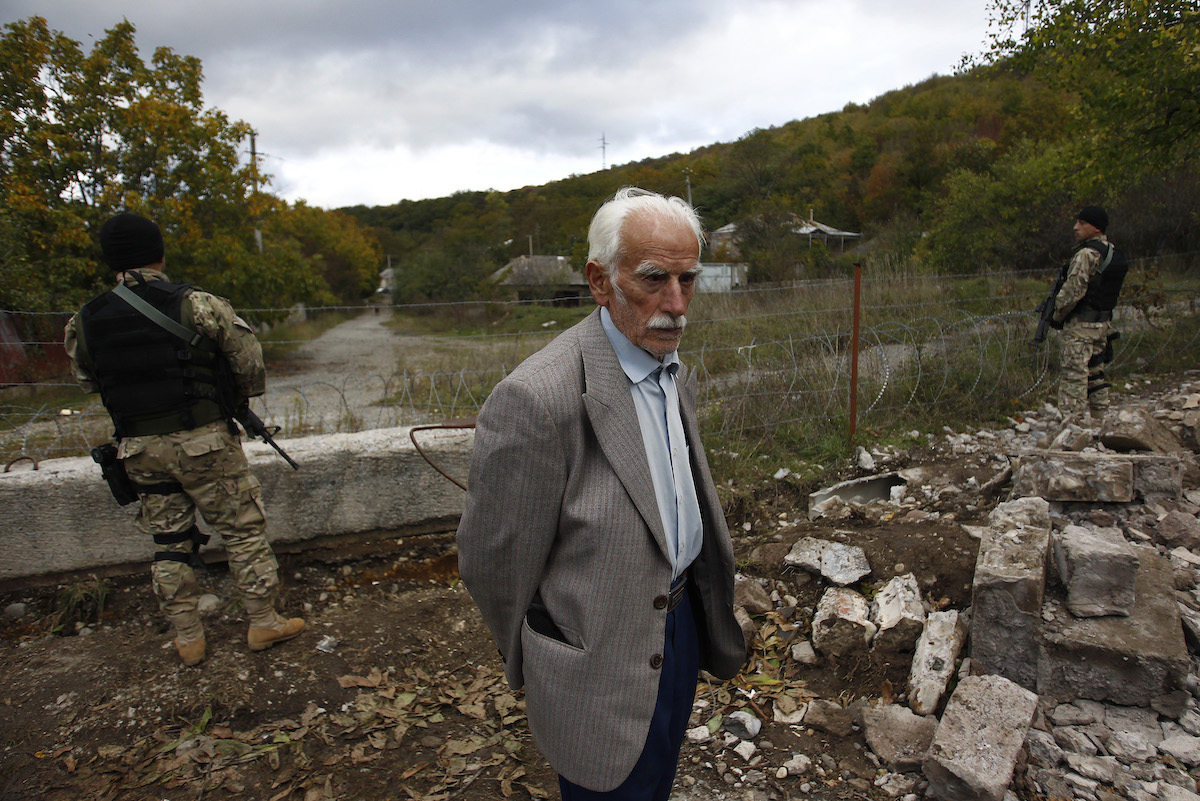
On August 8, 2008, the five-day Russian-Georgian war for South Ossetia began. It was preceded by clashes in the zone of the Georgian-Ossetian conflict in the early 1990s. The parties accused each other of violating the ceasefire of 1992. According to the results of an international investigation initiated by the European Union, on August 8, Georgian military forces subjected the city of Tskhinval to massive shelling. On the same day, Russia which had previously supported the self-proclaimed republics of Abkhazia and South Ossetia entered the conflict. In Moscow, the entry into the war was referred to as a “peace enforcement operation”. According to some testimonies, Russian troops entered South Ossetia on August 7, that is, before the shelling of Tskhinvali. The fighting lasted five days and ended on August 12 with the defeat of the Georgian army. Two weeks later, Russia officially recognized Abkhazia and South Ossetia as independent states. The first war in the 21st century in Europe killed 850 people on both sides, thousands were injured and wounded, tens of thousands of ethnic Georgians were expelled from South Ossetia, Georgian villages were destroyed.
August war 2008





Most read
Top stories in Azerbaijan, Armenia, and Georgia from 31 August-4 September, 2026
LIVE: Key morning headlines from Armenia, Azerbaijan and Georgia
Armenia is building AI factory with Nvidia chips: what has been implemented for Azerbaijan under Washington agreement?
Former Georgian prosecutor general becomes commander of Russian military unit
Armenian and Turkish business leaders call for borders to reopen. Is it likely to happen?
Armenia’s Anti-Corruption Commission did not open proceedings against Pashinyan
How does Georgia’s parliament work? SJC analyses current legislative processes
Georgian blogger says Interior Ministry wants to punish him for insulting Russian propagandists
Russian Orthodox Church calls on pilgrims to 'boycott' New Athos Monastery in Abkhazia
Georgian 'delegation' delivers gifts to Russian unit fighting against Ukraine