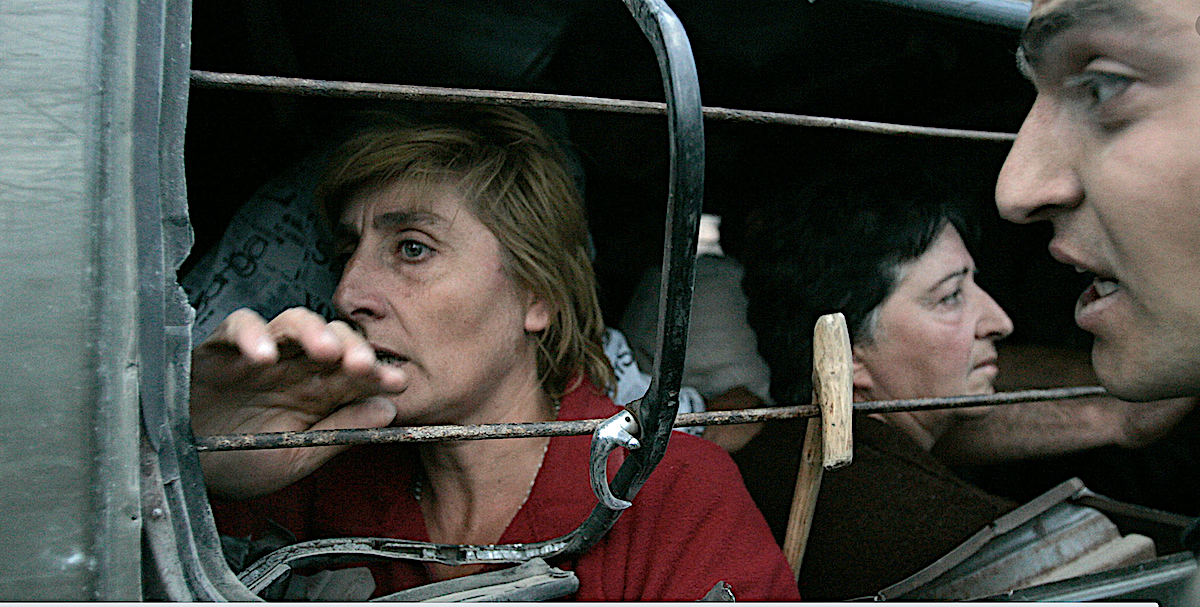
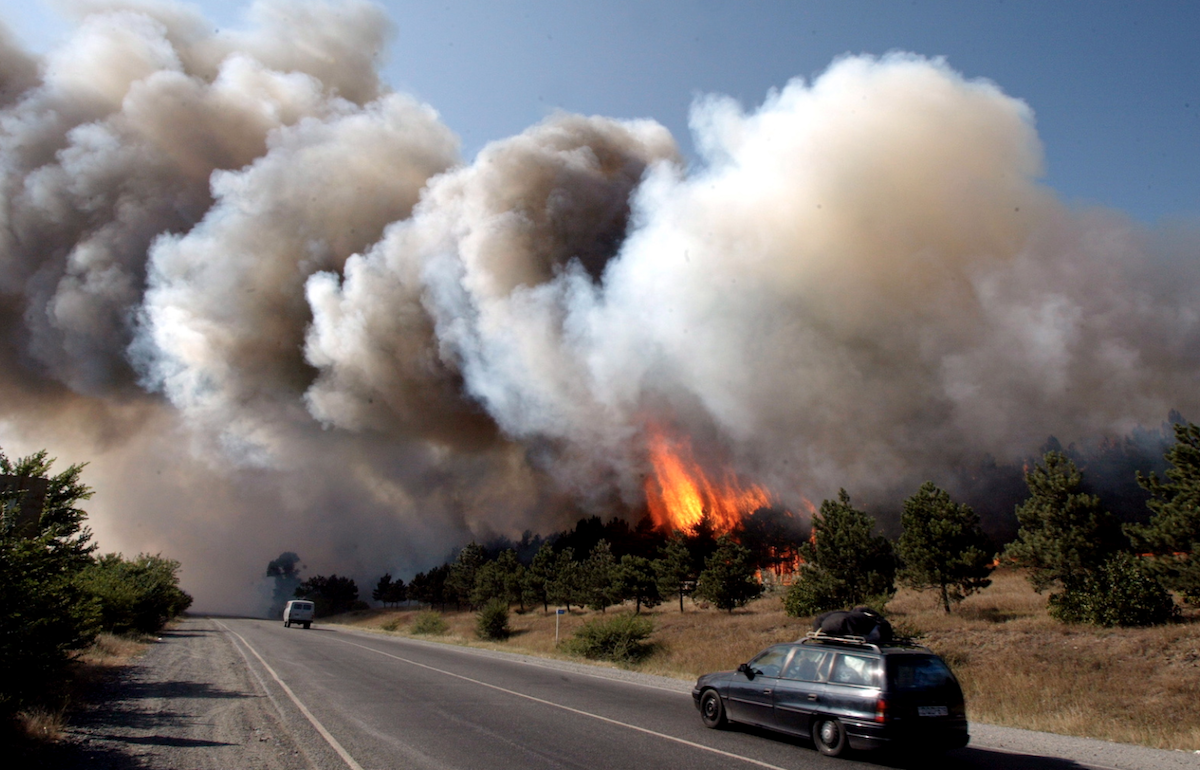
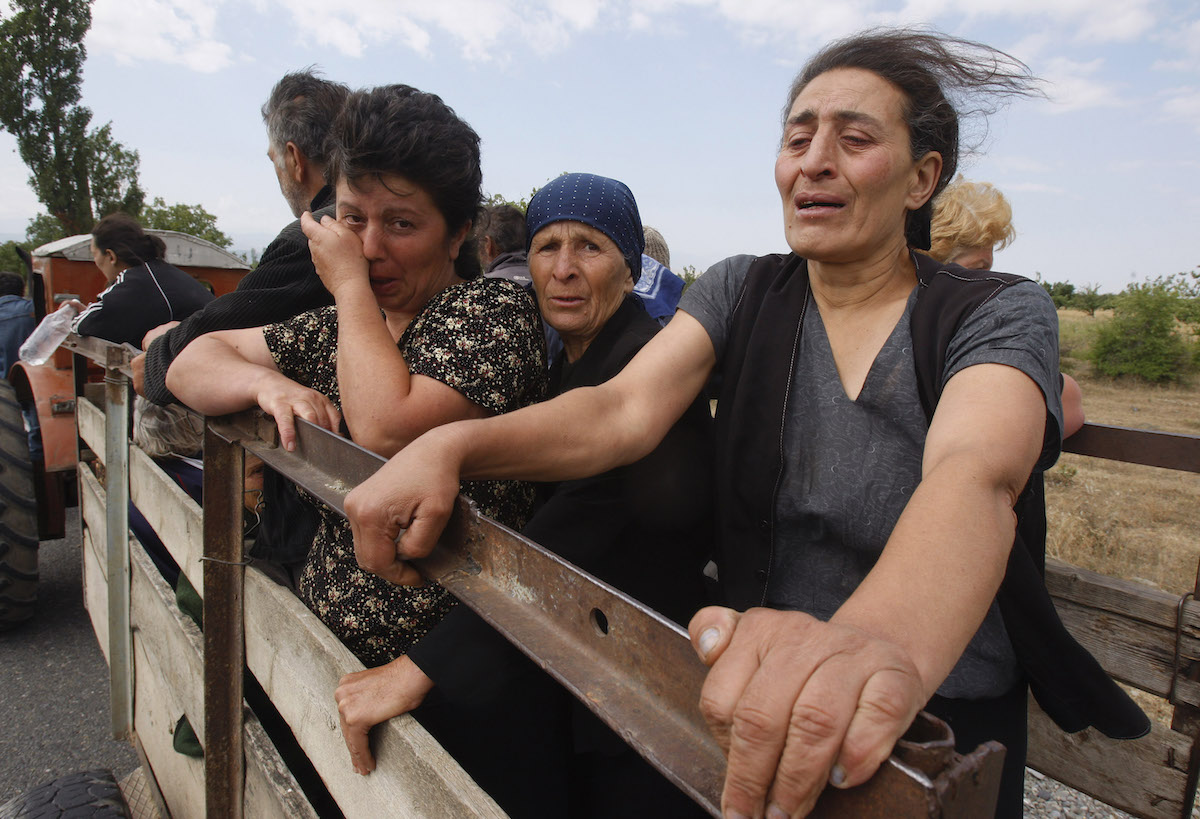
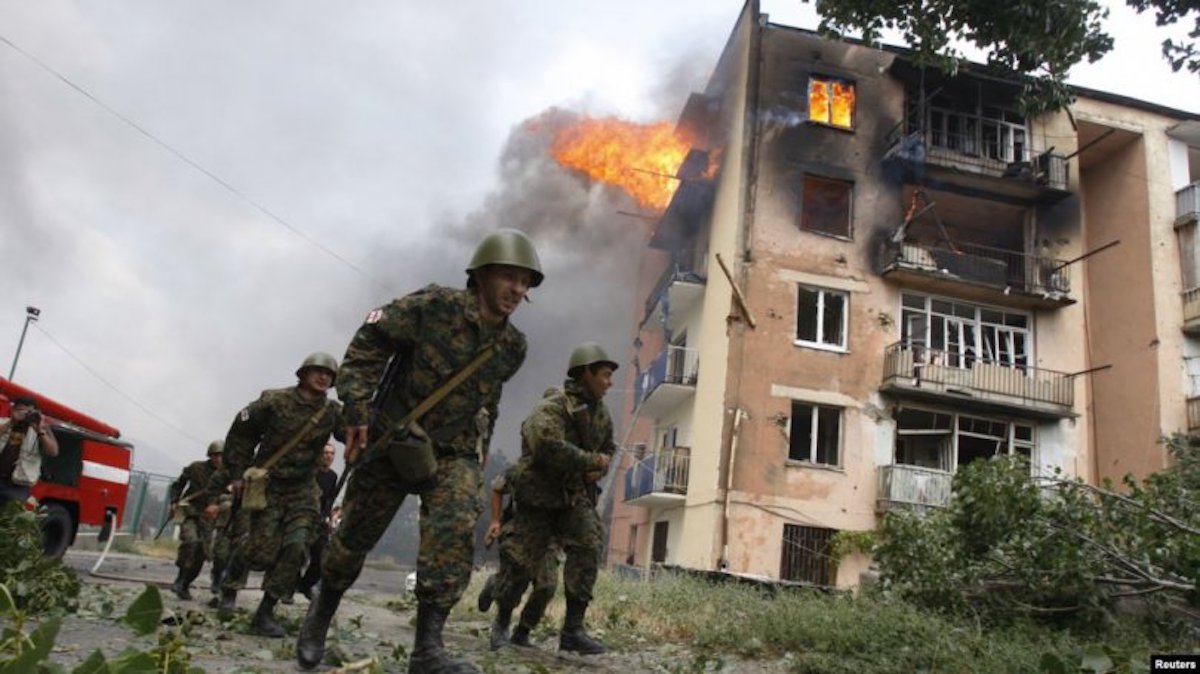
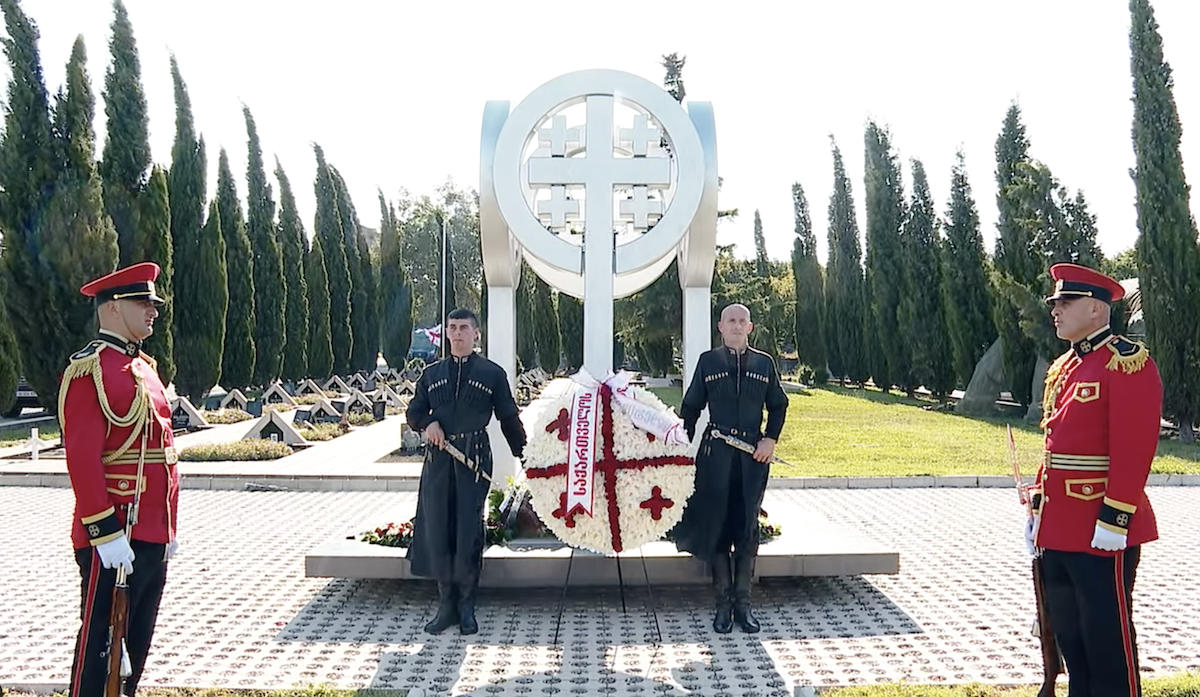
On August 8, 2008, the five-day Russian-Georgian war for South Ossetia began. It was preceded by clashes in the zone of the Georgian-Ossetian conflict in the early 1990s. The parties accused each other of violating the ceasefire of 1992. According to the results of an international investigation initiated by the European Union, on August 8, Georgian military forces subjected the city of Tskhinval to massive shelling. On the same day, Russia which had previously supported the self-proclaimed republics of Abkhazia and South Ossetia entered the conflict. In Moscow, the entry into the war was referred to as a “peace enforcement operation”. According to some testimonies, Russian troops entered South Ossetia on August 7, that is, before the shelling of Tskhinvali. The fighting lasted five days and ended on August 12 with the defeat of the Georgian army. Two weeks later, Russia officially recognized Abkhazia and South Ossetia as independent states. The first war in the 21st century in Europe killed 850 people on both sides, thousands were injured and wounded, tens of thousands of ethnic Georgians were expelled from South Ossetia, Georgian villages were destroyed.
August war 2008



Most read
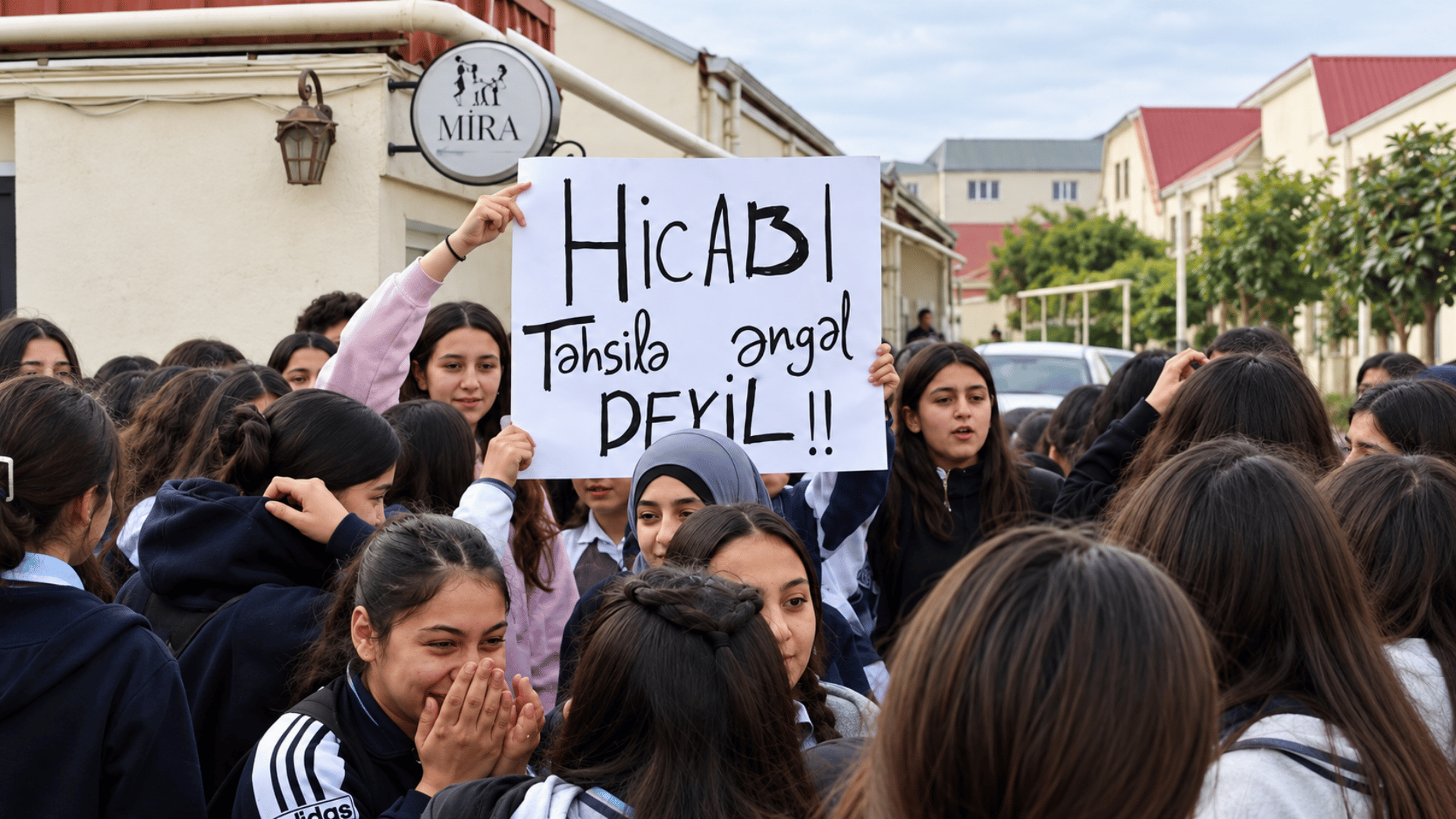
'Take off your hijab and come into class': what is happening in Azerbaijan’s schools?
Armenia, Azerbaijan, and Georgia, top stories this morning
Azerbaijani government websites hit by cyberattack allegedly originating in Turkey
Fidan says 'everything is fine' in Baku, but relations remain strained
Russia seeks to retain Armenian railway concession as Yerevan avoids confrontation
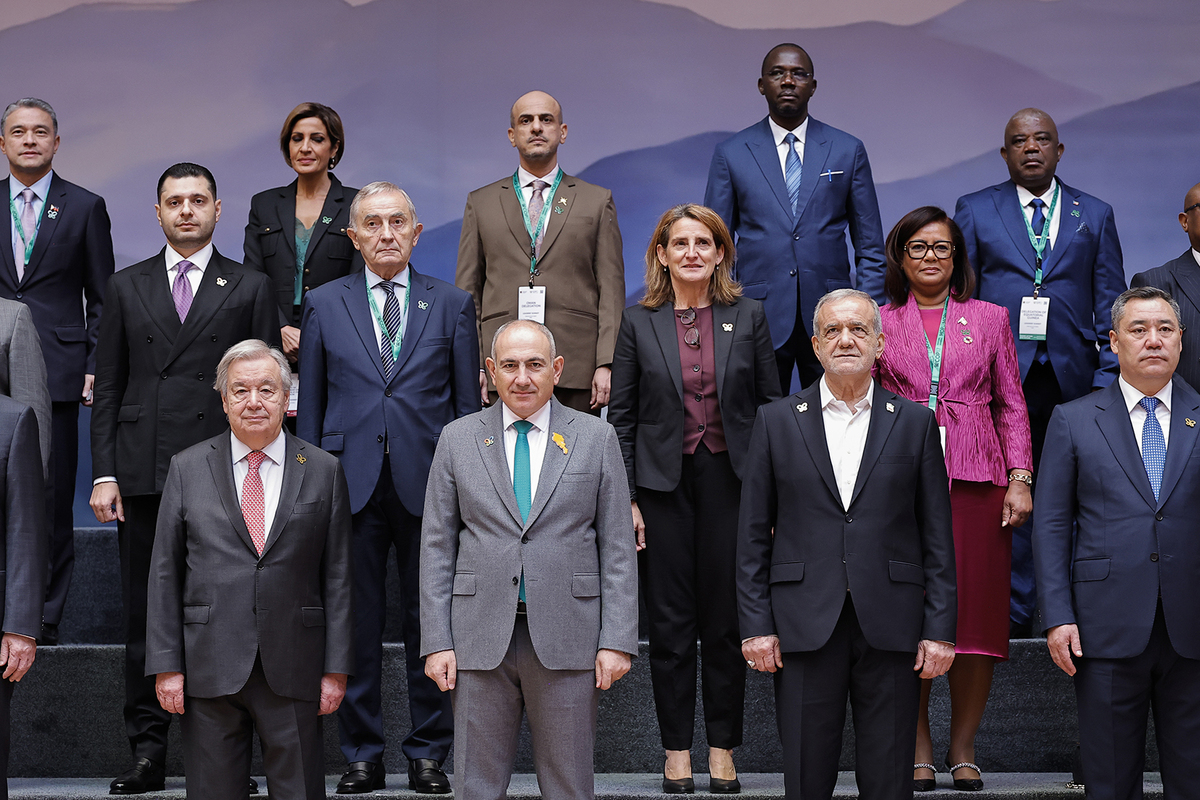
“We owe a debt to nature”: Leaders’ summit at COP17 in Armenia
Why Abkhazia’s harvest festival became Russian tourists’ feast of gluttony
10,000 lari instead of flat: What Georgia’s government is offering displaced people
Armenia, Azerbaijan, and Georgia, top stories this morning
Russia seeks to retain Armenian railway concession as Yerevan avoids confrontation