“Support for the people of Georgia, not the government”: statements by EU foreign ministers






EU foreign ministers criticise Georgia
Foreign ministers of EU countries say their message to Georgia has two parts: support for the European aspirations of Georgian society and strong criticism of the government’s political course.
In their assessment, democratic backsliding, steps taken against the opposition, and issues related to media freedom are the main reasons why Brussels has adopted a tougher tone toward Georgia, and the issue of sanctions is back on the agenda.
The ministers made these remarks in Luxembourg ahead of the EU Foreign Affairs Council meeting. Their comments were recorded by Euroscope editor Tamar Nutsubidze.
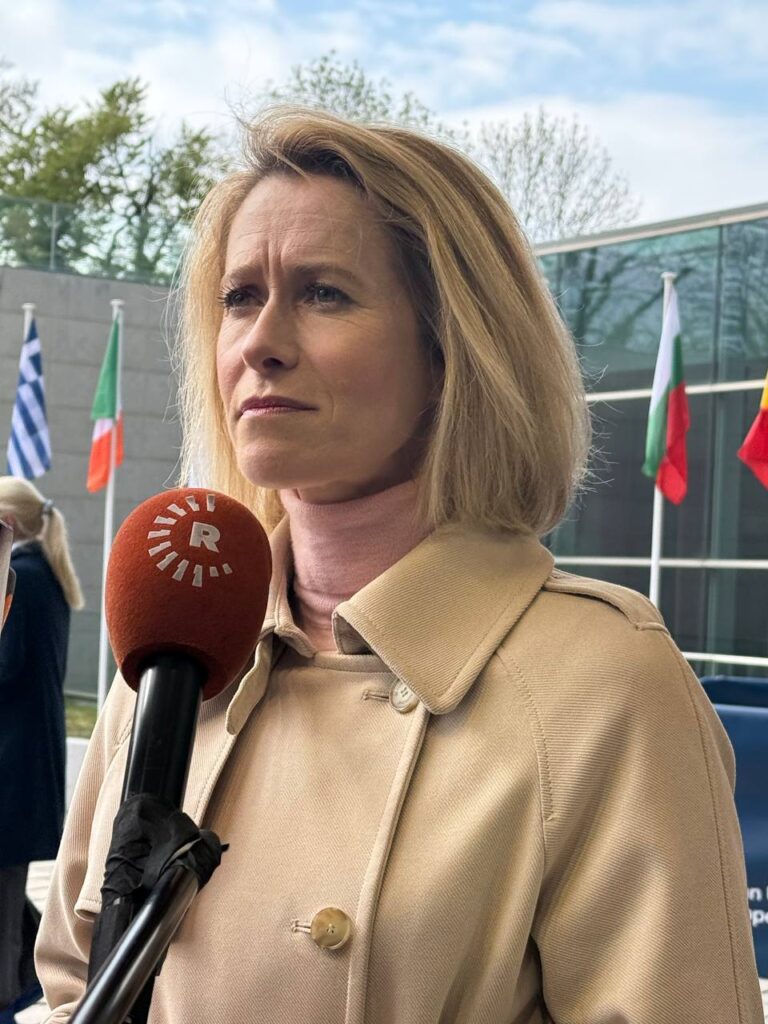
The EU’s High Representative for Foreign Affairs and Security Policy, Kaja Kallas, said the European Union supports the people of Georgia, but not its government.
According to her, the path chosen by the Georgian authorities – repression against the opposition, restrictions on media freedom, and legislative changes – is unacceptable to the EU, and real progress is needed.
Kallas also suggested that, following political changes in Hungary, discussions on issues previously blocked by that country could resume, including the question of personal sanctions against Georgian politicians and officials.
Lithuanian Foreign Minister Kęstutis Budrys said the European Union reacted too late. According to him, Lithuania had been calling for EU-level sanctions for more than a year, but delays in decision-making allowed the democratic situation in Georgia to deteriorate further. Budrys stressed that, as an EU candidate country, Georgia must uphold democratic standards; otherwise, its candidate status could be reconsidered.
Estonian Foreign Minister Margus Tsahkna said the EU should impose personal sanctions on those obstructing democratic processes, noting that Estonia is already taking such steps at the national level.
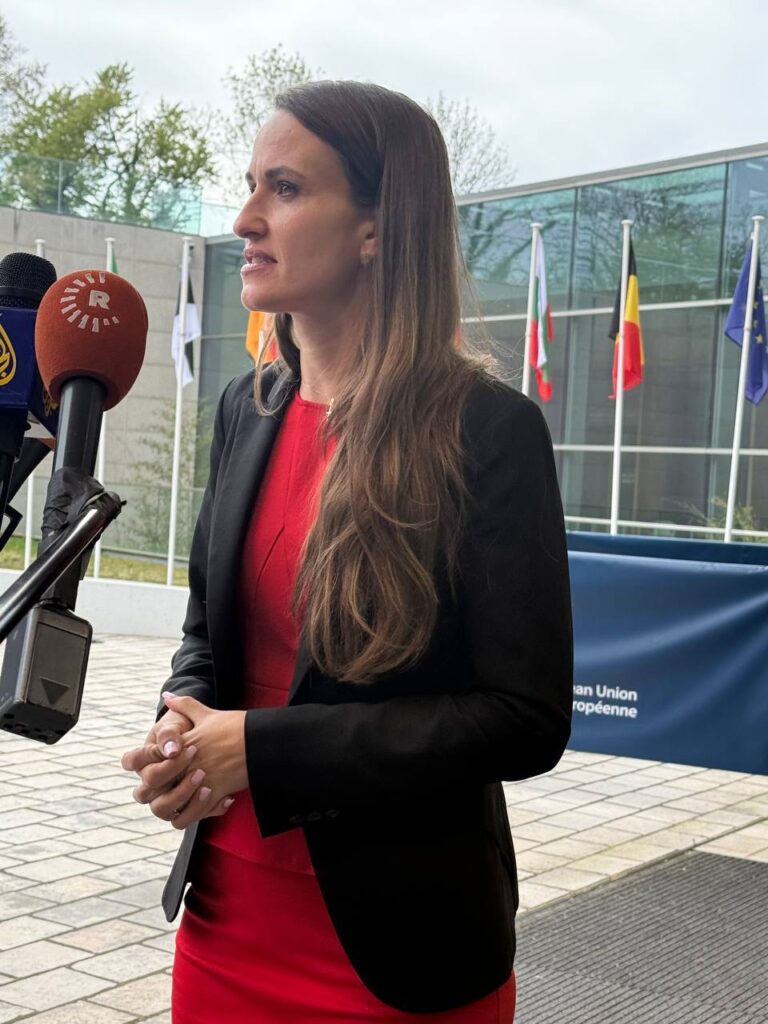
Romanian Foreign Minister Oana-Silvia Toiu said that the people of Georgia are firmly connected to the European idea, but reforms are needed to continue along this path.
She stressed that detained opposition leaders must have the right to a fair trial and that the judiciary should not be used as a tool to interfere in political processes.
Toiu also highlighted security concerns, noting that strengthening a pro-European alternative could serve as a counterbalance to pro-Russian influence.
Irish Foreign Minister Helen McEntee said it is important that Georgia remains on the agenda and that cooperation continues both with the authorities and with society. She noted that the EU must stay engaged and pay close attention to the country’s emerging challenges, so that reforms become a real priority.
Spanish Foreign Minister José Manuel Albares said the EU should help Georgia continue along the path desired by most of its population – European integration. He said the support is directed at the Georgian people to ensure the country maintains democratic and peaceful development in a European direction.
News in Georgia