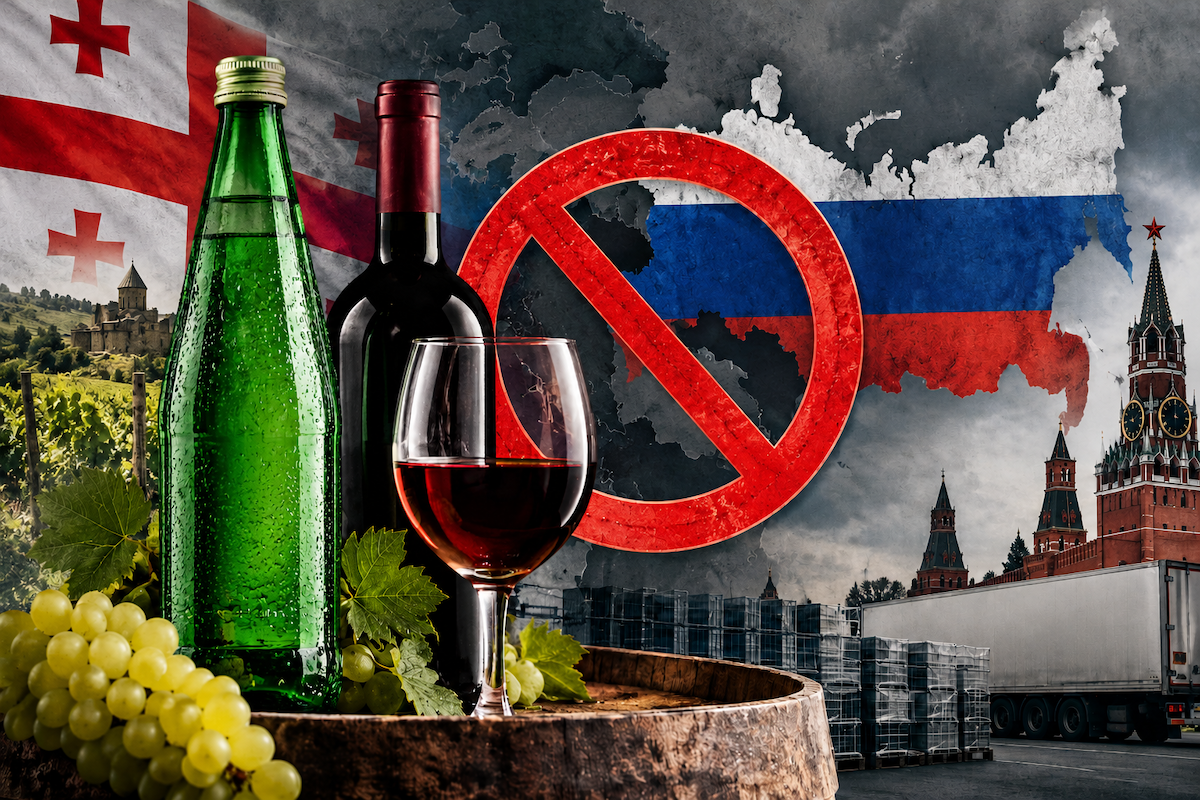


Pro-Russian groups in Georgia have created a Council for Monitoring Russophobia. Opinion






Monitoring of russophobia in Georgia
Pro-Russian NGOs in Georgia have created a Council for Monitoring Russophobia. According to the organizers, the platform aims to identify and analyze cases of “anti-Russian rhetoric,” discrimination, and hate speech in the public sphere.
Georgian experts warn that this move should be seen in the context of a recently adopted Russian law that can be used to justify intervention or annexation under the pretext of “protecting” Russians living in another country.

Information about the initiative was published by the Russian state media outlet Sputnik-Georgia.
According to the report, the council will collect information on what its members consider “examples of russophobia – from spreading false information about Russia and distorting historical events to discrimination based on language or ethnicity.”
According to the organizers, the monitoring will focus only on public statements, publications, and events. They also said the council will create a legal team to assess reported cases and, if necessary, prepare official complaints.
The organizers say monitoring reports will be published every three months. They added that special attention will be paid to statements and events that have taken place since February 2022, claiming that anti-Russian statements and protests in Georgia have increased in recent years.
One of the initiative’s authors, Gulbaat Rtskhiladze, said the council may go beyond monitoring public statements and could also push for changes to existing laws.
According to him, if any legal provision is considered “russophobic,” the organization may seek amendments.
Rtskhiladze said the project belongs to the Eurasia Institute, which he founded together with several partner groups.

The term “russophobia” originally referred to fear of or hostility toward Russians, but in recent years it has become an important part of official Russian rhetoric.
Moscow often uses the term in response to international criticism, including over media freedom, human rights violations, or accusations of interference in other countries’ internal affairs.
The Russian government also uses the issue of “russophobia” to justify protecting Russian-speaking populations in neighboring countries. The Kremlin has repeatedly claimed that the language and cultural policies of various states discriminate against Russian speakers.
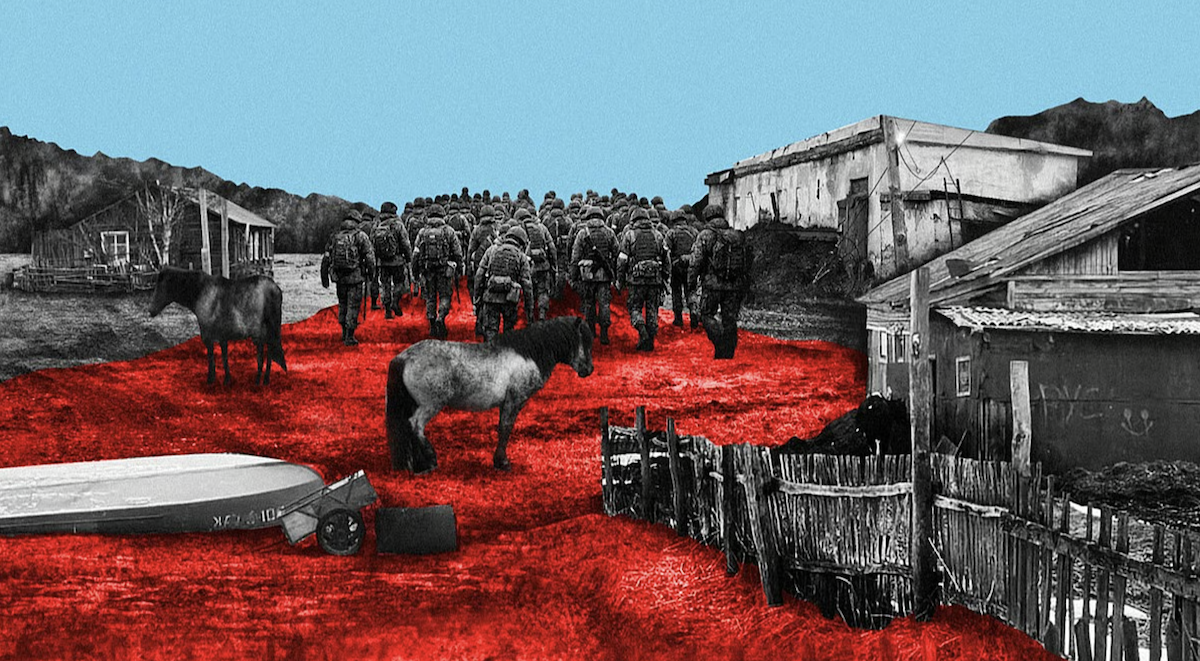
Commentary

Shota Digmelashvili, editor-in-chief of Forbes in Georgia: “Russian state media Sputnik Georgia says it will monitor ‘russophobia’ in Georgia. This cannot be viewed separately from the recently adopted law signed by Vladimir Putin.
The law states that Russia has the right to annex any country in order to ‘protect’ Russians living there.
Georgia’s recent foreign policy implied that, in exchange for confrontation with the West, we would receive ‘peace’ from Russia and the return of lost territories.
In reality, however, the opposite is happening.
Just recently, Gagloev [leader of the Tskhinvali region (South Ossetia) – JAMnews] met with Putin, and they signed a new alliance agreement aimed at the “process of unifying the Ossetian people.”
JAMnews: In South Ossetia, the issue of reunifying the Ossetian people within Russia is very relevant, as North Ossetia–Alania is already part of Russia.
And on May 17 last year, Putin simplified the process of obtaining Russian citizenship for residents of Abkhazia and the Tskhinvali region.
Ultimately, the policy of moving closer to Russia – which some see as balancing on the edge – has further slowed the country’s reunification process and increased the danger.
This is only the beginning. Without reintegration into the Western security system, the risks will only grow, and divisions between the regions will deepen.”
This is also linked to the past – the project of replacing the idea of a “single civic nation” with ethnic nationalism, which the USSR once used to weaken the sense of national sovereignty.
After the collapse of the Soviet Union, this became fertile ground for separatism and ethnic conflicts across the post-Soviet space, with the involvement of Russian intelligence services. This, in turn, has hindered Euro-Atlantic integration both in Georgia and in other countries.”
News in Georgia