Why stray dogs vanish in Georgia — and why activists distrust the authorities’ answers






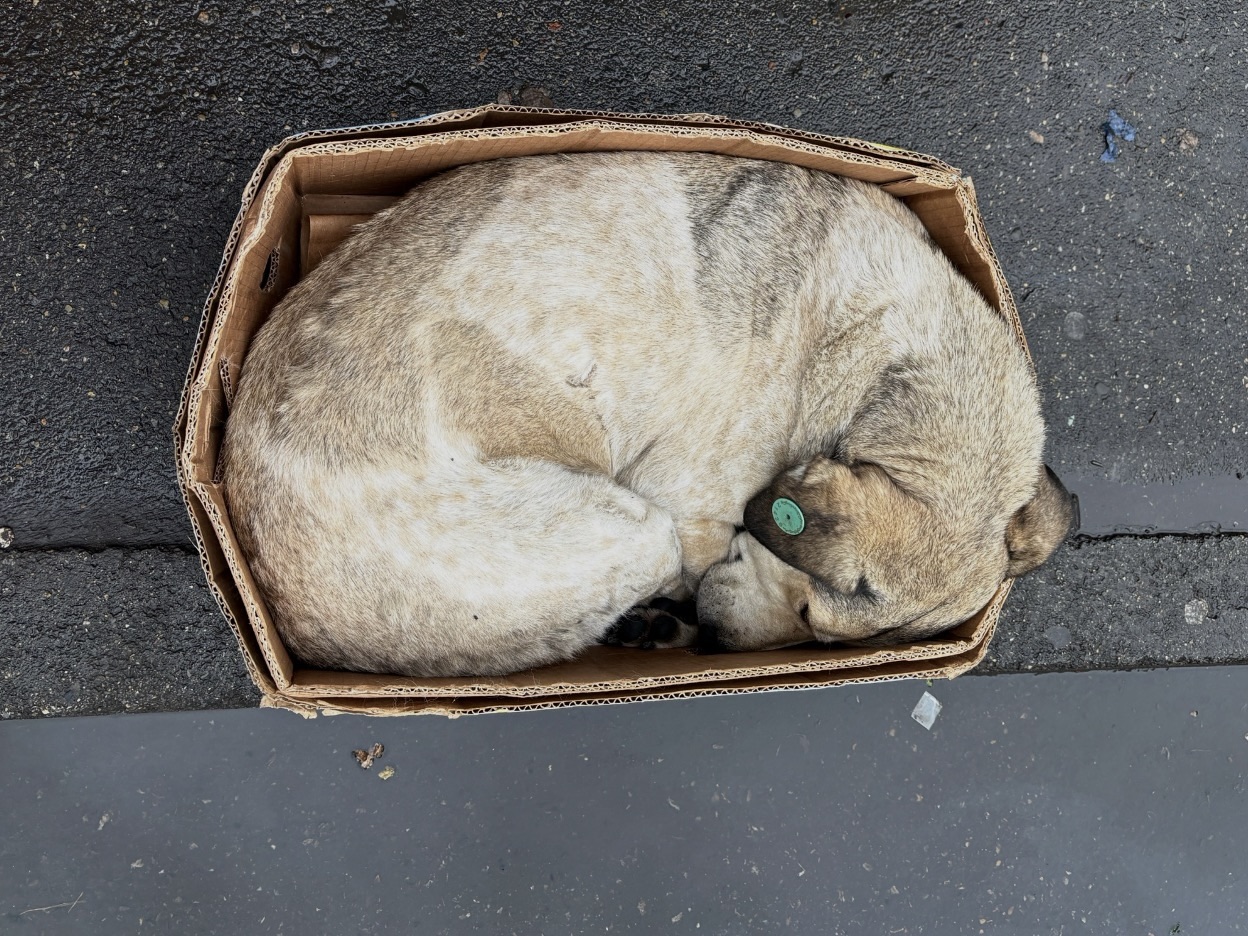
For several months, stray dogs in Georgia have reportedly been disappearing without explanation on a daily basis. The cases include vaccinated and sterilised animals, as well as dogs cared for by local residents. Animal rights activists and pet lovers suspect that authorities are simply killing stray dogs, although state institutions strongly deny the allegations.
In April, several videos circulated on social media from different cities across Georgia. The footage appeared to show large numbers of animals confined together in small cages and, according to online claims, being transported to municipal shelters.
Social media users also raised suspicions that dogs brought in from the streets were being burned alive at a shelter in the city of Gori. Authorities have not officially confirmed the allegation. However, the circulated footage once again raised questions about how the state treats homeless animals and whether effective oversight exists over the system meant to protect them.
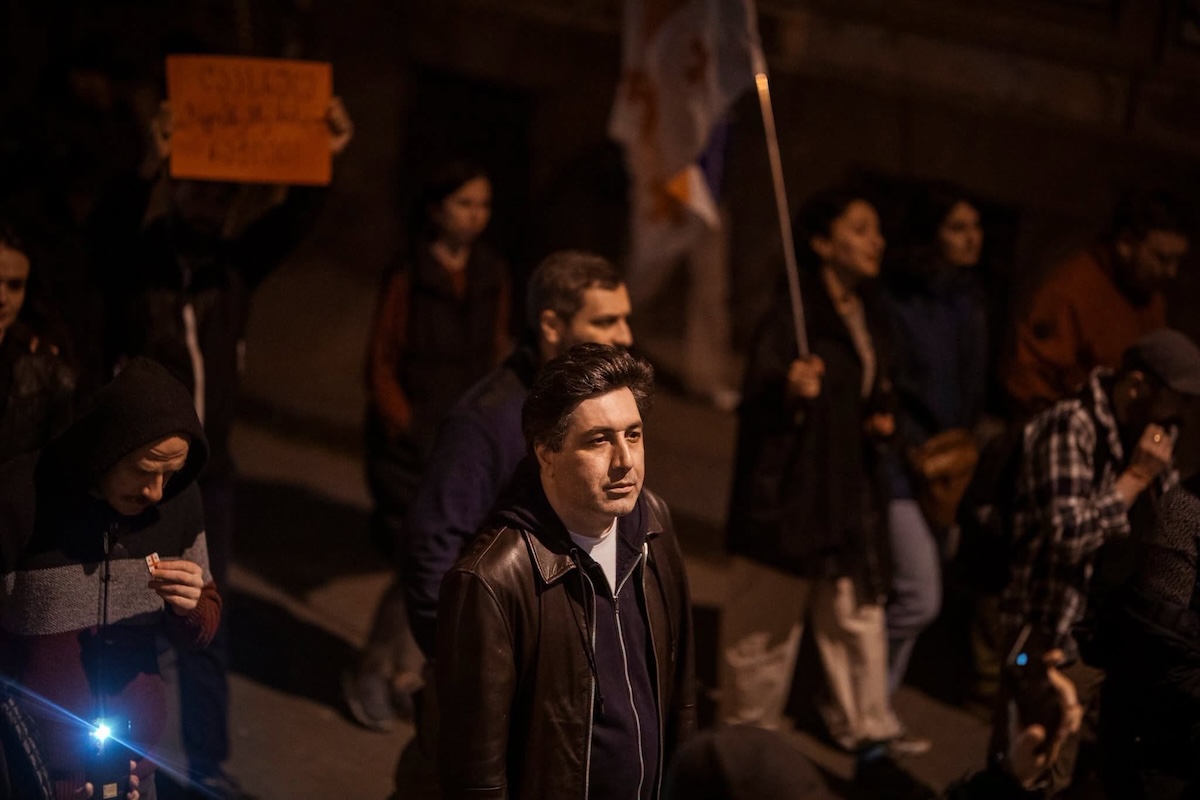
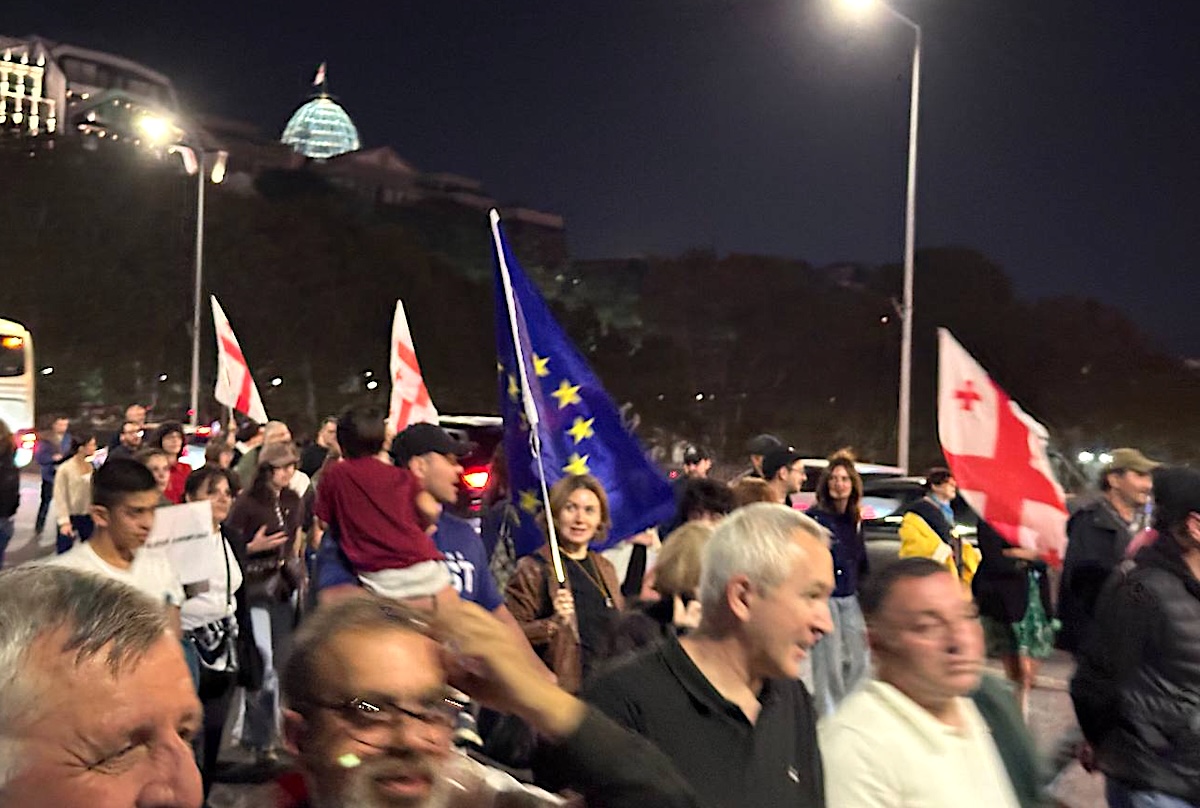
Animal rights activists say they do not intend to accept the unexplained disappearance of dogs. A protest demanding changes in the treatment of stray animals has been announced in Tbilisi for Sunday, 24 May.
- ‘Don’t kill stray animals’: Activists in Georgia issue joint statement
- The regulations governing pet ownership are becoming more stringent in Georgia
According to official agencies, Georgia has launched a new state programme aimed at reducing the population of stray dogs. Authorities say the programme complies with international standards and is based on humane treatment of animals.
Animal rights activists, however, say they have many questions about the programme and do not trust the state. Activists fear that dogs removed from the streets may face not protection, but placement in poor conditions, isolation or relocation to remote areas where animals could be left to suffer from hunger and neglect.
That distrust has driven activists onto the streets. They monitor areas where the dogs under their care live, alert one another when monitoring services appear, visit shelters and search for familiar animals. Some also wait in places where, under existing rules, dogs should return after examinations, vaccination or sterilisation.
How and why are stray dogs disappearing in Georgia? How does the state plan to reduce their numbers? Why have suspicions emerged that authorities may treat animals inhumanely? And more broadly, why has the country struggled for years to resolve the issue of homeless animals?
“The stray animal problem”
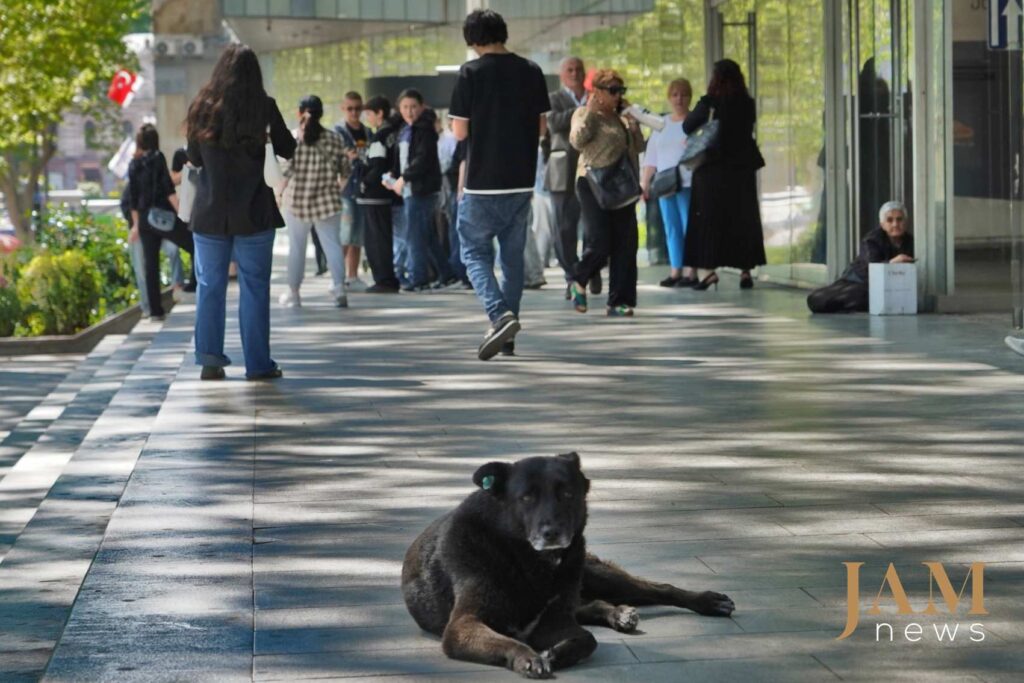
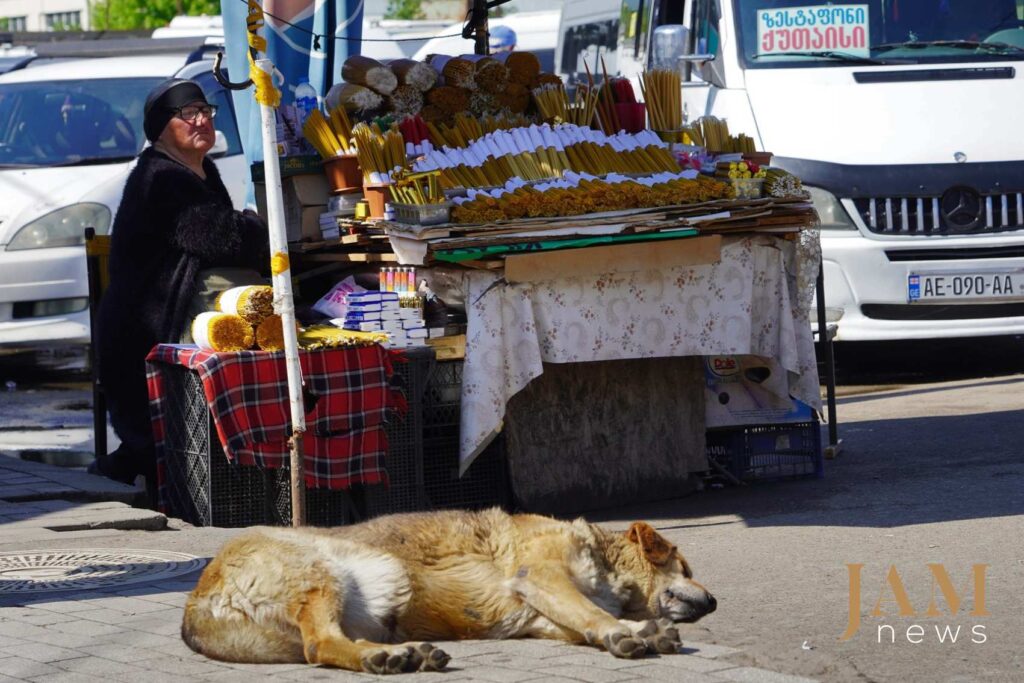
The problem of homeless animals in Georgia is far from new. For years, it has been difficult to find a city or village in the country where packs of stray dogs are not present on the streets. Many of the animals are undernourished, elderly or seriously ill. The issue also has a public safety dimension: some dogs behave aggressively, creating real risks for people.
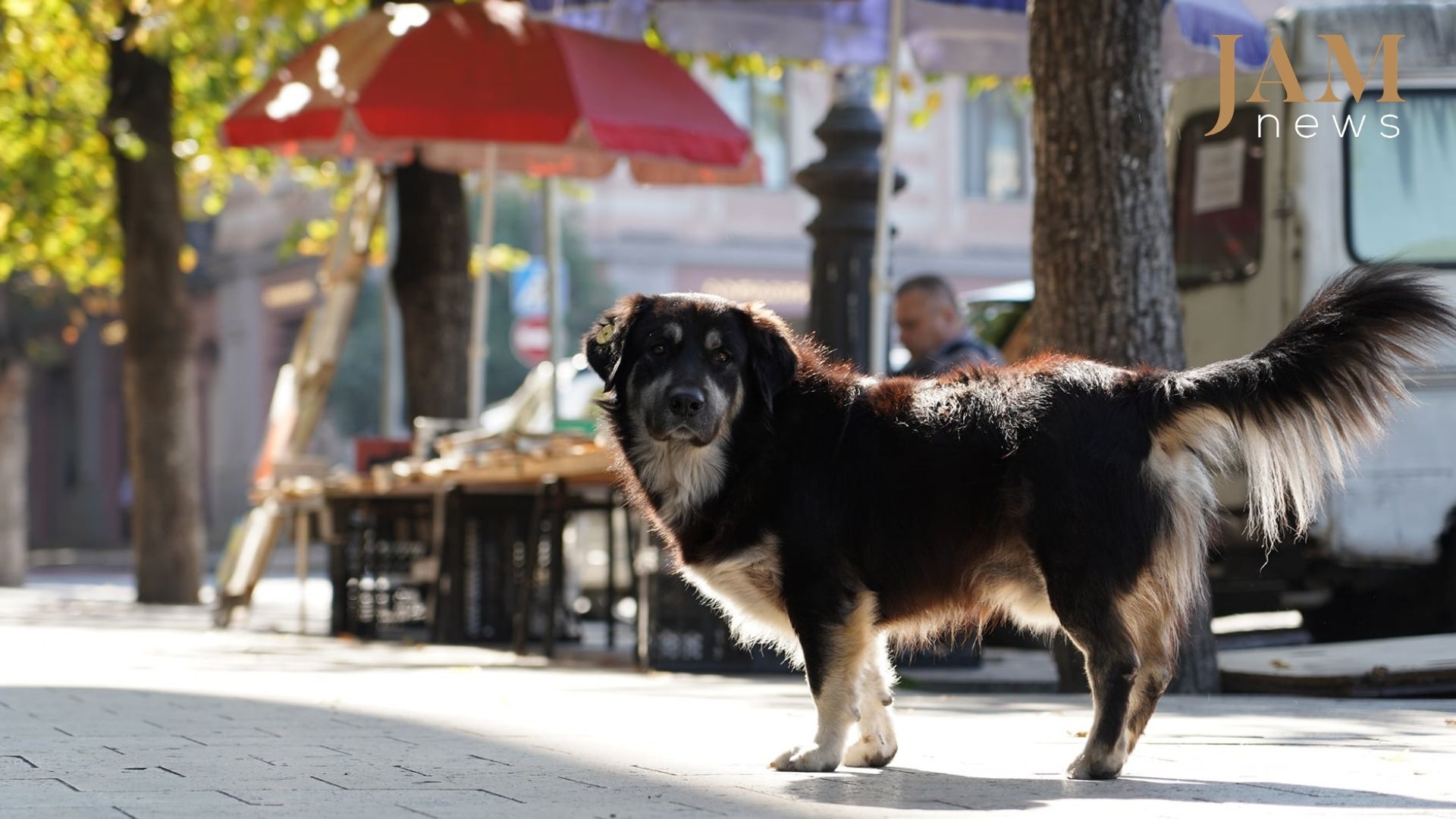
Some dogs are more fortunate and come under the care of animal lovers, who feed them, take them to veterinarians, arrange vaccinations and sterilisation, and try to find permanent owners.
Some activists take on even greater responsibility by creating small shelters where they care for dozens of dogs. These shelters typically rely on private donations and support from friends, while facing constant financial shortages. As a result, a problem the state has failed to resolve has largely shifted onto the shoulders of ordinary citizens.
For many years, numerous animal protection organisations operated in Georgia. However, tighter legislation has made fundraising more difficult, forcing many groups to scale back or stop their activities altogether, or shift to volunteer-based work.
That has further weakened an already fragile system. In a sector where state policy was often insufficient and much of the responsibility fell to activists and NGOs, shrinking resources have left stray animals even more vulnerable.
How many are there?
The exact number of homeless animals in Georgia remains unknown. The state has only recently begun introducing a unified registration system.
According to estimates by animal rights activists, the number of animals living on the streets may reach hundreds of thousands.
Relatively accurate figures exist only for Tbilisi, where the local Animal Monitoring Agency collects statistics. According to the agency, authorities registered around 29,676 stray dogs in the capital in 2025.
The scale of the issue also appears in public opinion surveys. According to an October 2023 poll by CRRC Georgia and National Democratic Institute, 22% of respondents identified homeless animals as one of the country’s main public problems.
However, no public consensus exists on how to address the issue. Some support a humane model involving sterilisation, vaccination and release back onto the streets. Others argue that no stray dogs should remain outside at all and call for stricter state control.
“We cannot find our dogs” — a difficult spring for animal rights activists
Olya Kopteva has cared for dozens of dogs at the Avchala cemetery in Tbilisi for many years, where her parents are buried. She feeds the animals, arranges vaccinations and has them sterilised.
At the beginning of March, several of the dogs under her care disappeared. Soon afterwards, a friend learned from an employee of the Tbilisi Animal Monitoring Agency that the animals had been transferred to a shelter. For Olya, the news came as a shock.
“I do not know what happened to me at that moment. I was terrified something awful would happen to them. In the middle of the conversation, I fell and broke my arm. After surgery, with my arm in a cast, I went to the Animal Monitoring Agency and demanded to see my dogs,” Olya says.
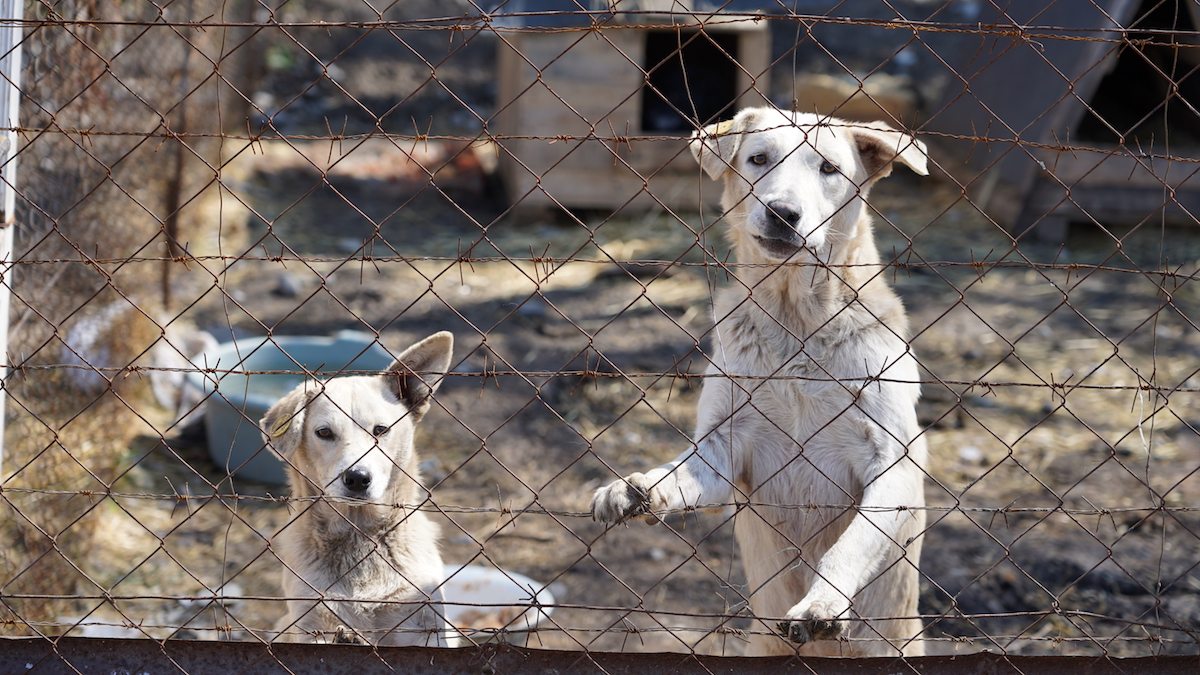
After lengthy arguments and hours of waiting, Olya Kopteva found all of the missing dogs at a shelter in Tbilisi. Staff returned the animals on 12 March. However, the following day, two of those dogs and another six disappeared again.
Olya has been searching for them for two months. Shelter staff tell her they released the dogs, but she suspects that is untrue because no records or materials have been provided to support those claims.
“I beg you, show me the dogs! Most likely, you have taken my dog — tagged, sterilised and vaccinated by my own hands. I beg you, help me, show me the dogs.”
It is difficult to watch the video appeal by Salome Partsvania, an activist living in western Georgia in the city of Zugdidi.
Publishing the video, Salome wrote that it was only a small fragment of a much more emotional recording. According to her, she learned by chance that morning that municipal services were catching and removing dogs.
“I left my infant child, who is only a few months old, rushed outside and began searching for the dogs under my care. Outside the Zugdidi city hall building, I saw a group of dog catchers. I pleaded with them and begged them to show me the dogs and not take away animals that had already been sterilised and vaccinated. A young man pushed me away, and they behaved aggressively and provocatively.”
Around the same time, another disturbing video circulated on social media — this time from Gori. The footage showed smoke rising late at night from the crematorium of a municipal animal shelter. The person who posted the video claimed the crematorium had operated throughout the night and that the area smelled of burning.
Who is responsible for stray dogs?
Georgia regulates animal population management through the 2025 law “On Domestic Pets [and Unattended Animals]” and several legal acts adopted on its basis.
The main document governing the 2026 programme is Decree No. 412 of 25 February, titled “Programme for Managing Dog Overpopulation”. It applies to Georgia’s regions but does not cover self-governing cities including Tbilisi, Rustavi, Kutaisi, Poti and Batumi.
In the regions, the programme falls under the responsibility of the National Food Agency. In self-governing cities, municipalities oversee stray animal management.
According to the decree, authorities aim to catch 36,111 homeless or community-cared-for dogs in targeted regions over one year. Officials say they plan to catch the animals for vaccination, sterilisation, castration or disease screening.
The National Food Agency told JAMnews that officials determined the figure by combining data collected from the regions with information already held by the agency.
“As for the target indicator for sterilisation/castration of stray dogs, it stands at no less than 70%, in line with internationally recognised standards,” the agency said in a written response to JAMnews questions.
Under the programme, authorities plan to transport dogs taken from the streets to four shelters in different municipalities. The state has allocated a total of 4,631,870 lari to cover staff salaries and the purchase or provision of various services.
After procedures are completed, shelters are expected to return the dogs to their original environments. However, one of the programme’s main controversies emerges at this stage: officials prohibit returning dogs near schools, kindergartens, clinics, food establishments, markets and public squares.
Those are often the very places where people care for stray animals, feed them and look after them. This applies particularly to markets, shops and areas surrounding restaurants or other food-related businesses.
Nanuka Dzirtkbilashvili has spent years advocating for humane solutions to Georgia’s stray animal problem.
According to her, the ban on returning dogs to certain areas stems from wording in Article 8 of the relevant law, which activists opposed at the time. However, markets, food establishments and public squares were not originally included in the list. Authorities added those categories later through a government decree.
“I do not know a single place across the country where there is no food establishment, hotel or market, and where an animal could survive on the street,” Nanuka says.
In her view, the wording contradicts the law’s own logic, which defines three core principles of animal welfare: free access to food and water, a safe environment and adequate living conditions.
“A safe environment and proper living conditions cannot mean abandoning an animal in a non-urban area. They will have no access to food or water, and disease prevention will become impossible. In other words, all three principles are violated,” she says.
The series of videos published by Salome Partsvania from Zugdidi illustrated precisely this concern. She filmed not only dogs being taken away, but also their later release in dry, isolated and abandoned locations. Activists argue that returning animals to such conditions effectively condemns them to death by starvation.
After the videos circulated, the situation in some regions changed partly. According to Nanuka, activists managed to establish coordination with the National Food Agency, which now tries to notify them in advance about where dogs are being taken from and where they will be returned.
The agency also created a Facebook page, “Dog Overpopulation Management Programme”, where it publishes videos of dog capture and release operations along with schedules. Activists say this has made monitoring easier.
However, Nanuka argues that this still cannot be considered a properly functioning system.
“This is not an organised process. Everything depends on the activity and responsiveness of volunteers in the regions, and such activists do not exist everywhere,” she says.
Tbilisi – a harsh place for stray dogs
The situation in Tbilisi differs from that in the regions. The city’s Animal Monitoring Agency — a municipal body operating under the mayor’s office — manages issues related to homeless animals in the capital. The agency’s budget for 2026 stands at up to 10m lari (around $3.7m).
The agency faces a large number of complaints. Unlike the National Food Agency, activists say the service does not engage with animal rights groups or people who care for stray animals. Moreover, activists claim officials mock them, dismiss them as irrational and treat them with hostility and cynicism.

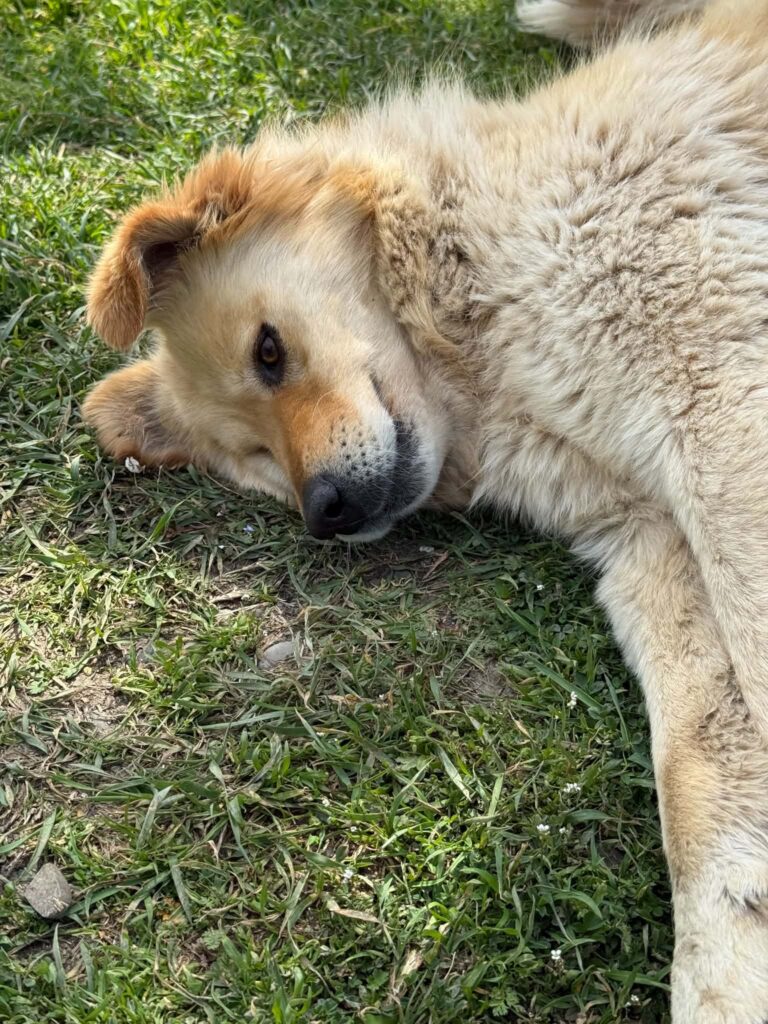
Mariam Charkviani has been “fighting” with the Animal Monitoring Agency since 27 February. Mariam cared for several dogs at one of Tbilisi’s cemeteries. At the end of February, three of her dogs — Vakhuna, Kekuria and Marika — disappeared unexpectedly.
“This is a mother and her two children. I love all three deeply. I named the puppies after myself and my late brother. They were loyal guardians of his grave.”
Mariam Charkviani discovered that the Animal Monitoring Agency had taken Vakhuna on 23 February. On 27 February, agency staff told her they had given the dog a routine vaccination and returned it to the location where it had been caught.
After filing a police report, making repeated calls and searching for answers, Mariam learned that officials had misled her: when she contacted the agency, her dog was still at the shelter because the animal had suffered an injury.
“I am searching for all three and have not stopped for a single day. I looked through photographs of animals brought to the shelter, and my dogs are not there. I have no strength left. I no longer even think they are alive or that I will find them,” Mariam says.
The case is not unique. Social media users publish dozens of posts every day about dogs disappearing in Tbilisi.
Mariam Tegetashvili has cared for hundreds of dogs in Tbilisi and beyond for many years. Her foundation, Second Chance, provides homeless animals with food, medicine and necessary veterinary care.
Mariam was among the activists who entered a Tbilisi animal shelter following high-profile protests in April. There, she says, they encountered alarming conditions: numerous dogs shared small enclosures, while staff had not identified the animals or recorded where they had been taken from. Activists also reported seeing many dogs dying directly on concrete floors — some from viruses, others during epileptic seizures.
Mariam Tegetashvili says the Animal Monitoring Agency employs only one certified canine specialist. For that reason, she argues, claims that an animal is “aggressive” raise doubts. Activists also question statements by the agency when officials say a dog died of natural causes.
According to activists, video evidence shows agency vehicles arriving at specific locations, after which dogs disappear. However, the agency denies taking the animals.
Mariam says agency staff have increasingly carried out operations at night in recent months to avoid public attention. She claims they remove the same dogs repeatedly, including animals that have already been vaccinated and sterilised.
“Hundreds of dogs disappear every day. Tbilisi’s monitoring service operates through cruel methods. They want to clear cities at an accelerated pace: as if to say, if we cannot stop reproduction, let us make the dogs simply disappear,” the activist says.
The most effective approach
There is no single agreed solution to the problem of stray animals. The World Organisation for Animal Health guidelines on managing stray dog populations recommend the CNVR method — Collect, Neuter, Vaccinate and Return.
According to the guidance, relocating animals to different areas is not recommended, as changes in environment can lead to stress, conflict and increased mortality. Returning animals to the same location where they were collected is considered a far more effective approach.
Animal rights activists in Georgia also view this method as the best option. They say no one wants large numbers of stray animals on the streets, but insist the issue should be addressed through humane methods.
“This is a very complex issue,” says Nanuka Dzirtkbilashvili.
She stresses that Georgia has a large population of homeless animals and that it is impossible to make them disappear overnight. In her view, sterilisation and castration, limiting the breeding of owned animals and preventing owners from abandoning pets through penalties are the most effective solutions.
“Removing stray animals from the streets and destroying them will not solve the problem if authorities do not also limit reproduction. It would have been good to introduce a moratorium on breeding for several years, but the authorities could not go against their electorate and did not want to damage relations with breeders.”
According to Nanuka, dog breeding should be strictly regulated and only responsible breeders should have the right to do it.
“This should not be decided in Facebook groups with people saying, ‘Let’s breed my dog with yours’, and people should not make a living from selling puppies. Most of those puppies eventually end up on the streets.”
Activists also argue that Georgia needs an organised registration system.
“Our main demand was the creation of a unified database containing information on all animals. In the digital age, this presents no difficulty. Without identification and databases, we cannot document cases where animals are abandoned. We also need these databases to know how many homeless animals there are in the country and how effectively the state programme works,” Nanuka explains.
The authorities’ response
After the widely shared videos that emerged in April, it appeared that the government had made concessions. However, activists say the reality may be far more complicated.
Animal rights campaigners interviewed for this article suspect that relevant agencies have simply changed tactics and learned how to remove dogs in ways that attract less public attention.
According to activists, officials already know which districts and locations have fewer attentive caretakers and where they can operate more freely. They also recognise and avoid people who consistently defend the animals under their care, speak publicly and are capable of generating public attention.
What is known with certainty is that, following discussions with animal rights activists, the government decided to amend Decree No. 412 regarding locations where animals should be returned.
According to the National Food Agency, the proposed amendments state that animals taken to shelters for veterinary procedures will be returned to the same area from which they were removed. If authorities take a dog from the grounds of a kindergarten, school or hospital, officials will return it within a one-kilometre radius to make adaptation easier.
The amendments also state that homeless or community-cared-for dogs already marked with ear tags will receive rabies vaccinations on site, without transport to shelters.
Nanuka Dzirtkbilashvili says leaving community-cared-for dogs in familiar locations is a safer model not only for the animals but also for the public.
“The public should also have an interest in this. A cared-for dog is looked after and has a contact person if, for example, it scratches someone. In addition, such dogs do not allow unfamiliar animals into their territory, which also provides greater stability. Usually, when a place becomes vacant, another dog arrives, and that animal may prove far more dangerous,” she says.
JAMnews also sought responses from the Animal Monitoring Agency in Tbilisi regarding questions linked to the situation in the capital. However, the agency responded with a standard statement saying that all questions — including those concerning criticism directed at the institution — must be submitted in writing and answered through the public information request process.
Animal rights activists and animal welfare supporters say they do not intend to stop. They insist they will not accept the unexplained disappearance of cared-for dogs. On 24 May, they plan to hold a protest in Tbilisi.
Their main demand remains unchanged: the state must turn its policy on controlling the stray animal population into a humane, transparent and accountable system.
Stray dogs in Georgia