Georgia to create agency to monitor ‘aggressive communication in public spaces’






The Georgian authorities plan to create a new special unit within the Ministry of Internal Affairs responsible for monitoring and legally responding to hate speech, offensive campaigns and aggressive communication in public spaces.
The initiative was presented at a special briefing by Mamuka Mdinaradze, executive secretary of the ruling party Georgian Dream and deputy prime minister. According to him, the unit will operate proactively, meaning action will not depend solely on complaints from citizens.
At this stage, the authorities have not clarified which legal mechanisms the new body will rely on or what criteria will be used to determine what constitutes hate speech or offensive communication.

According to Mamuka Mdinaradze, the new unit will independently monitor the public sphere, prepare legal assessments and, when necessary, refer cases to the courts. Its activities will cover any form of public communication that contains hate speech, incitement or violations of human dignity.
The deputy prime minister linked the initiative to an idea put forward several months ago by Prime Minister Irakli Kobakhidze, which, he said, was intended to “open space for debate” and reduce polarisation in public discussion.
According to Mdinaradze, the authorities believe that the space for public debate has for years been polarised under the influence of “external actors”, accompanied by the entrenchment of aggressive and offensive rhetoric in both political and social life.
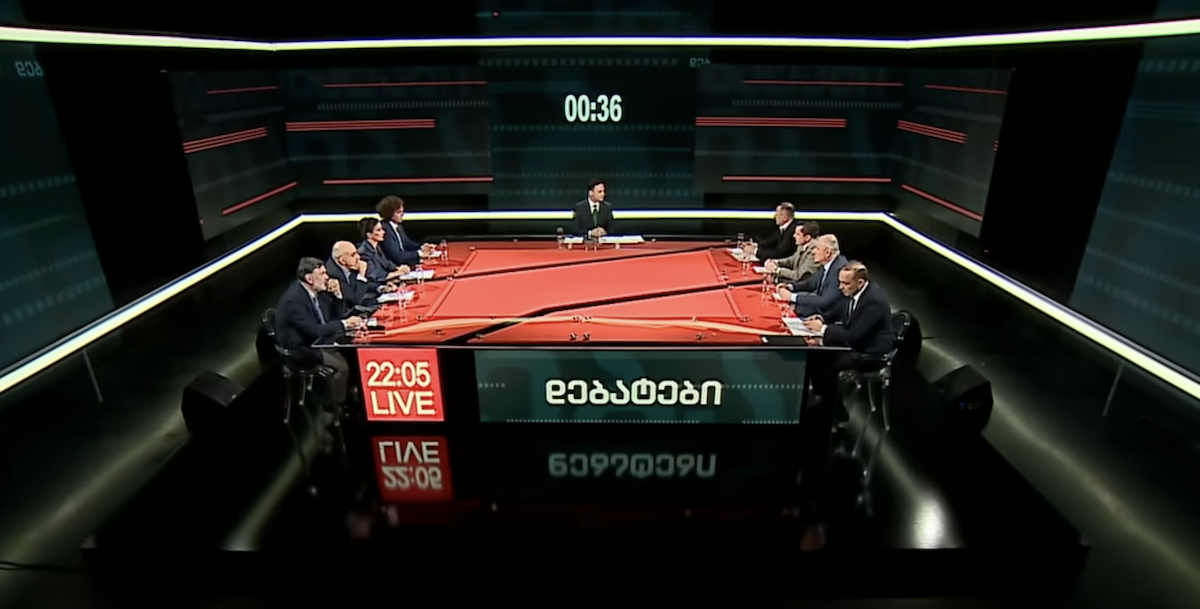
At the same time, Deputy Interior Minister Aleksandre Darakhvelidze said the new unit would work to identify actions involving hate speech, personal attacks, insults and violations of human dignity.
According to him, a distinction would be made between criticism that falls within the limits of freedom of expression and actions that, in the state’s assessment, amount to the promotion of hatred or violations of human dignity.
Darakhvelidze said such actions are not protected by freedom of expression under either Georgia’s Constitution or the laws of other countries.
The initiative also drew a response from Tbilisi Mayor Kakha Kaladze. According to him, offensive statements and social media posts do require regulation. He argued that criticism and insult are different things, and that no one has the right to systematically insult others.
Regulation of public communication in Georgia