'Not concerned': Pashinyan on possible expulsion of Armenia from Russian-led military bloc






Pashinyan unconcerned about possible CSTO expulsion
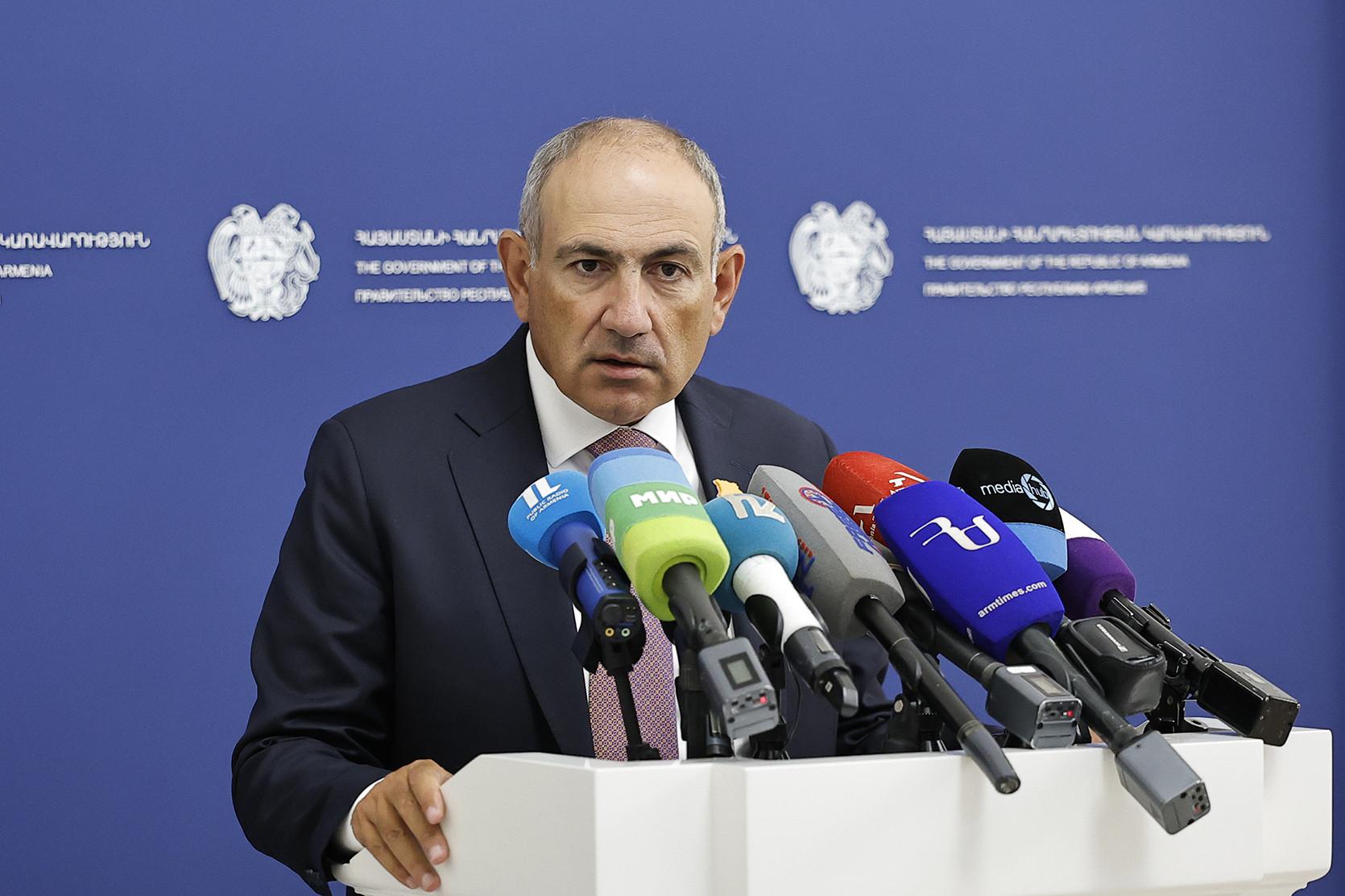
“I know that the CSTO charter contains a mechanism for expulsion, and that mechanism exists. If the member states decide to expel Armenia, we will have to take note of that decision,” Prime Minister Nikol Pashinyan said at a briefing.
A day earlier, Russian Foreign Minister Sergei Lavrov announced that member states of the Russian-led military alliance had agreed to consider applying a relevant provision of the organisation’s charter to Armenia because it has not paid its membership fees for two years.
Although media outlets and social media users have discussed the possibility of Armenia’s expulsion from the organisation, Lavrov did not explicitly raise that prospect. Instead, he noted that under the CSTO charter, if a member state fails to pay its contributions, the CSTO Council may suspend the right of that country’s citizens to hold quota-based positions within the organisation and strip them of voting rights in CSTO bodies until the debt is fully repaid.
Pashinyan said Armenia will not pay the membership fees.
“We are not going to change anything,” he said.
He also stated that the possibility of Armenia being expelled from the CSTO does not concern him.
Under Article 20 of the CSTO Charter, if a member state fails to fulfil its obligations, the organisation may suspend that country’s participation in CSTO bodies. If the situation persists, member states may ultimately decide to expel the country from the alliance. Should the process reach that stage, Armenia would not be able to take part in the vote on its own membership.
Armenia froze its participation in the bloc after its allies failed to fulfil what Yerevan considers their treaty obligations to protect Armenia’s sovereign territory following incursions by Azerbaijani forces. Moreover, when Armenian authorities requested assistance from the CSTO, the organisation responded by arguing that the border had not been formally demarcated.
In response, Prime Minister Pashinyan said:
“To claim that there is no border between Armenia and Azerbaijan is effectively to say that the Collective Security Treaty Organisation has no area of responsibility. And if there is no area of responsibility, then the organisation itself does not exist.”
- ‘Russia’s Plan B has been activated’: analysis of Armenia’s preliminary election results
- ‘Russia has lost in Armenia too’ – Georgia reacts to Pashinyan’s victory
- ‘We avoided disaster and overcame information interference’: views on Armenia’s election
What if Russia does not recognise Armenia’s election results? Pashinyan responds
One journalist congratulated Pashinyan on his election victory and added that he was doing so on behalf of Russian President Vladimir Putin.
“Well, yes, he hasn’t congratulated me. Let’s hope he will,” the prime minister replied.
Pashinyan also commented on Moscow’s negative assessments of the election, including allegations of violations. He stressed:
“The President of Russia is a rational person who relies on facts and arguments. If concerns arise on their side, we will patiently try to address them and continue our work. There are no problems.”
Another journalist asked whether relations between Armenia and Russia could deteriorate if Putin chose not to “recognise” the election results.
“What does it mean not to recognise the election? First of all, there is the CIS election observation mission at the institutional level. That is the institutional mechanism through which Russia can have a connection to our elections. The mission has already issued its assessment. Russian observers were part of it. Everything else is a matter of rhetoric, and we will discuss that,” Pashinyan replied.
‘If I receive an invitation, I will go’ — on a possible visit to Moscow
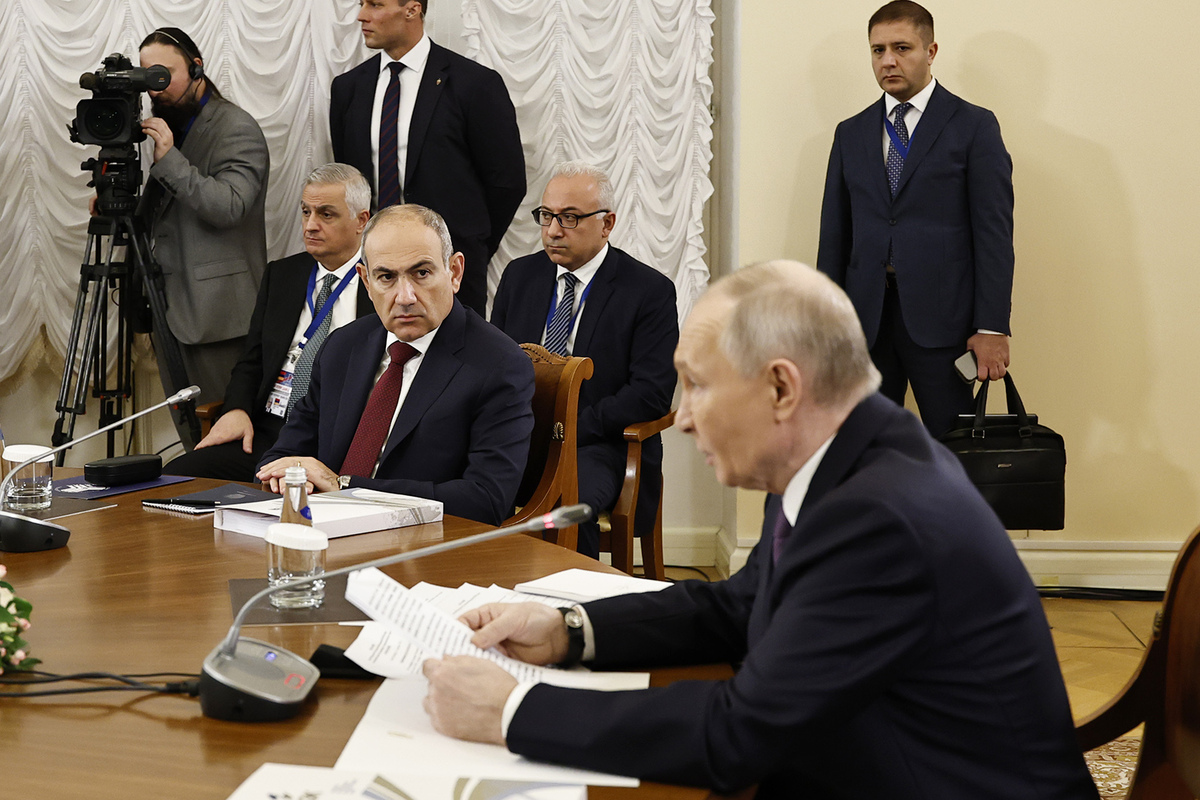
“There was an understanding regarding a visit to Russia, but I need an invitation in order to go. If I receive an invitation, I will go,” Pashinyan said.
The prime minister had previously stated that he would visit Russia in the second half of June, in line with an understanding reached during his meeting with the Russian president in April.
However, Putin’s spokesman said a day earlier that no specific agreement on a meeting had been reached. He also noted that Moscow was waiting for the final election results.
“Depending on how this election process concludes, we will make decisions about a meeting at the bilateral level,” Dmitry Peskov said.
Gas price increases would contradict existing agreements
Asked about the possibility of higher prices for Russian gas, the prime minister again referred to long-term agreements and contracts signed by the two countries.
“I find it difficult to imagine how one party to an agreement could refuse to fulfil its obligations.”
He noted that concerns and discussions about possible gas price increases are not new and tend to emerge periodically. According to Pashinyan, he has found himself at the centre of such debates “twice a year” throughout his eight years as prime minister.
Pashinyan said his government was prepared for all possible scenarios.
‘There will be no war, there will be peace’ — on relations with Azerbaijan
During the election campaign, Pashinyan said that war could break out in September if his Civil Contract party failed to secure a constitutional majority in parliament.
According to the preliminary results, Civil Contract won 727,827 votes, or 49.825%. The result gives the party a parliamentary majority, but not a constitutional one.
The ruling party needs a constitutional majority to initiate a referendum on amending the constitution. A simple majority is not enough. Meanwhile, Azerbaijan has refused to sign a peace agreement while Armenia’s constitution continues to reference the Declaration of Independence, which includes language on the reunification of the Armenian SSR and Nagorno-Karabakh.
“Because we will consistently pursue the peace agenda and support it by every possible means, there will be no war, there will be peace,” Pashinyan said.
He argued that bilateral trade could provide an important foundation for peace between the two countries.
“We must now focus on implementing the TRIPP project [a transit route through Armenia that would connect Azerbaijan with its exclave of Nakhchivan]. We must also continue work on signing and ratifying the peace agreement.”
Pashinyan stressed that the Armenian authorities had not forgotten Armenian nationals being held in prisons in Baku. He added that Armenia also intends to cooperate with Azerbaijan on the issue of missing persons from both sides.трудничать с Азербайджаном по вопросу о пропавших без вести лицах с обеих сторон.
‘They would not have entered parliament without vote-buying’ — on the opposition
According to the prime minister, Civil Contract secured all of its votes through what he described as genuine public support. By contrast, he alleged that three opposition forces — the Strong Armenia and Armenia alliances, as well as the Prosperous Armenia party — won votes by bribing voters.
“No one voted for them without money. If the opposition does not receive mandates, we will have a 100% legitimate parliament,” he said.
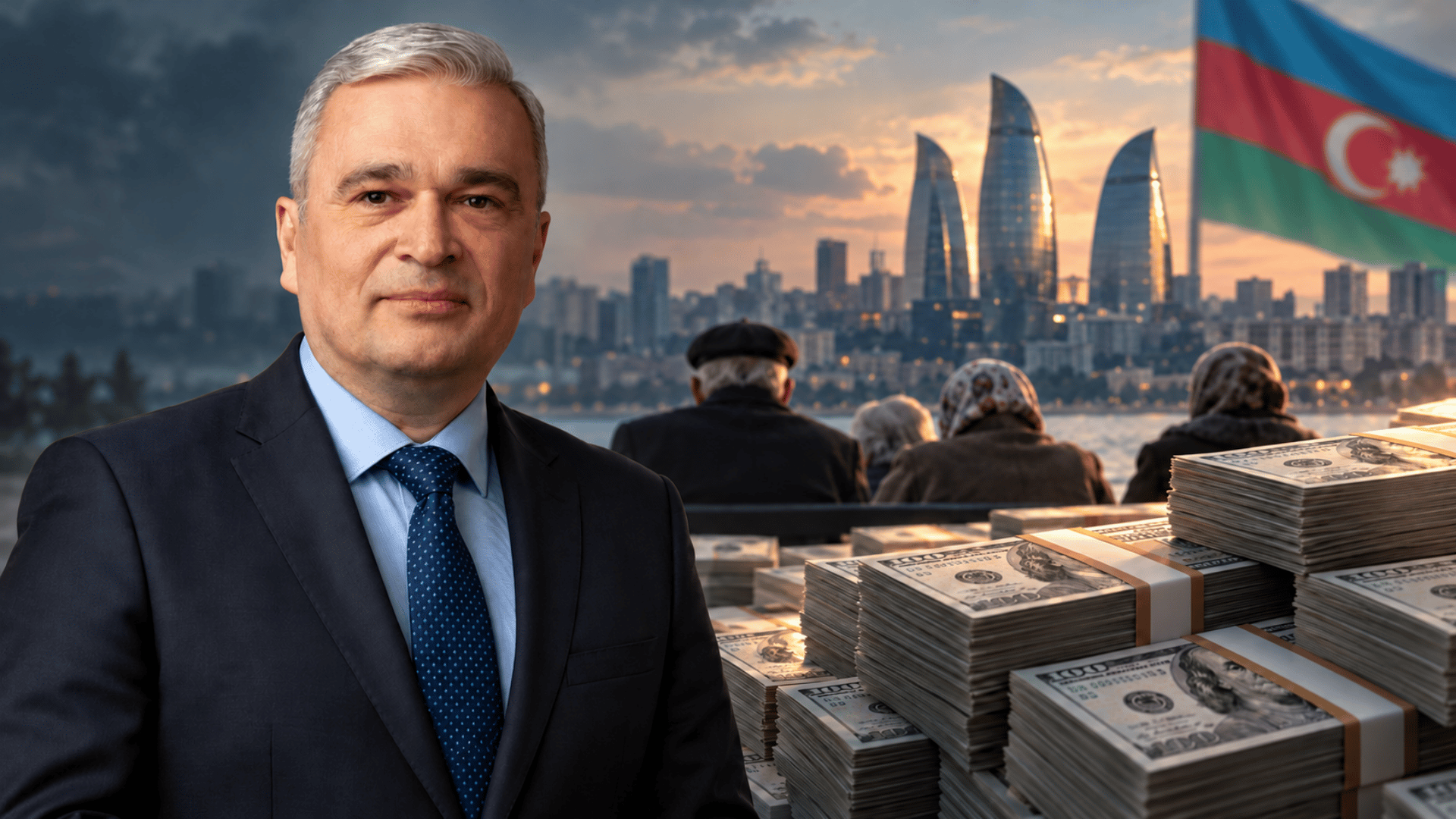
Otherwise, he argued, the public would see “stacks of cash” at the parliamentary podium rather than politicians with genuine political value.
Pashinyan claimed that the opposition crossed not the parliamentary threshold but a “financial threshold”. He also argued that the judicial system must respond.
“Anyone caught buying votes in this election should remain in prison until the next election results are announced. If that does not happen, it means the judicial system is acting against the state. And the state should respond.”
Pashinyan described such a response as part of an effort to “eradicate the mafia”.
The prime minister also accused judges of corruption.
“All judges who take bribes will be identified one by one and brought to trial. Their names will be made public when criminal cases are opened against them,” he said.
‘If they are talking about a deal, they should say who offered what to whom’
According to the preliminary results, businessman Gagik Tsarukyan’s Prosperous Armenia party failed to clear the 4% threshold required to enter parliament. It fell short by just 0.004 percentage points. The party has submitted a request to the Central Election Commission for a recount at several polling stations.
Media reports have circulated claims that the party initially passed the threshold but that the government allegedly offered it a deal: entry into parliament in exchange for acting as Pashinyan’s “pocket opposition” and, if necessary, helping secure a three-fifths majority. The opposition newspaper Hraparak made the allegation, citing unnamed sources.
Pashinyan denied any such arrangement and said:
“If they are talking about a deal, they should say who offered what to whom.”
The prime minister went on to claim that if he had offered Tsarukyan a deal, the businessman would have accepted it immediately.
“No one offered him a deal in Armenia. That is why he wandered around the world looking for a favourable deal. He eventually found one, only to discover that someone had merely recruited him without his even realising it,” Pashinyan said.
Pashinyan unconcerned about possible CSTO expulsion