

'Russia's Plan B has been activated': analysis of Armenia's preliminary election results






Armenia’s election results: key takeaways
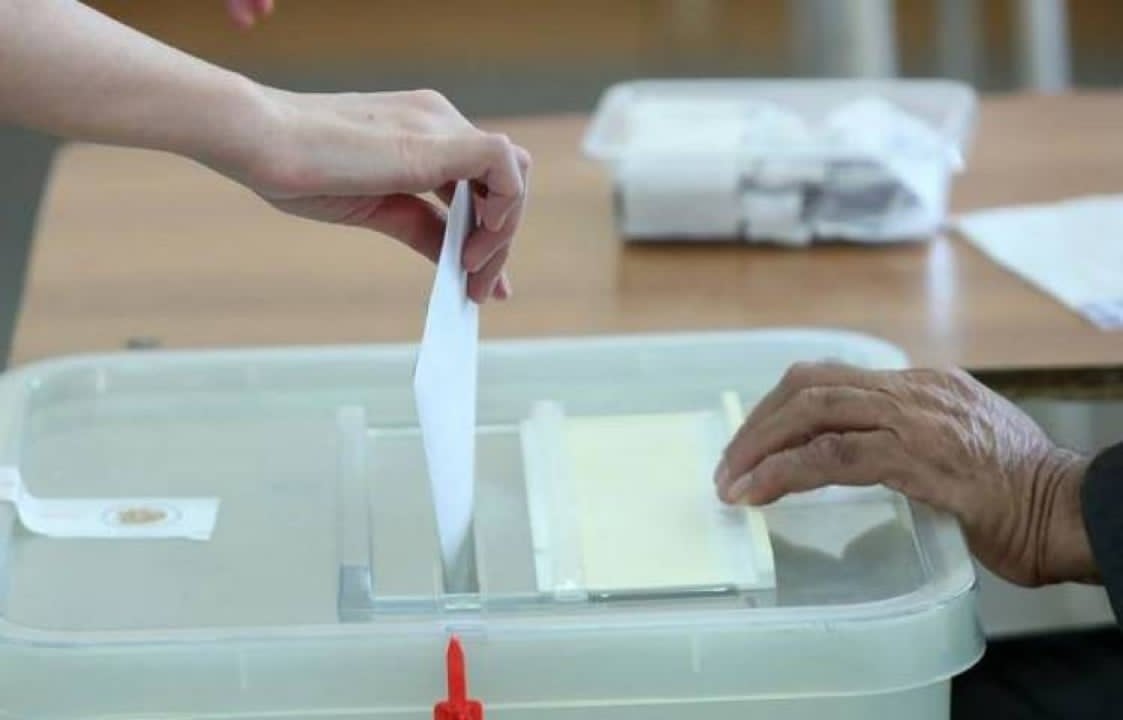
The Central Election Commission of Armenia has announced the preliminary results of the parliamentary election. Prime Minister Nikol Pashinyan‘s Civil Contract party won the vote.
A total of 727,827 voters backed the party, giving it 49.825%.
The ruling party’s main rivals received the following results:
- Strong Armenia, led by Russian-Armenian businessman Samvel Karapetyan — 23.281% (340,088 votes),
- Armenia Alliance, led by former Armenian president Robert Kocharyan — 9.934% (145,113 votes),
- Prosperous Armenia, led by businessman Gagik Tsarukyan — 3.996% (58,378 votes).
Electoral alliances need 8% of the vote to enter the National Assembly, while political parties need 4%.
According to the preliminary results, Prosperous Armenia fell short by just 0.004 percentage points. The party’s campaign headquarters has already announced plans to demand a recount.
The Central Election Commission will accept such requests over the next two days. It will announce the final results in a week’s time.
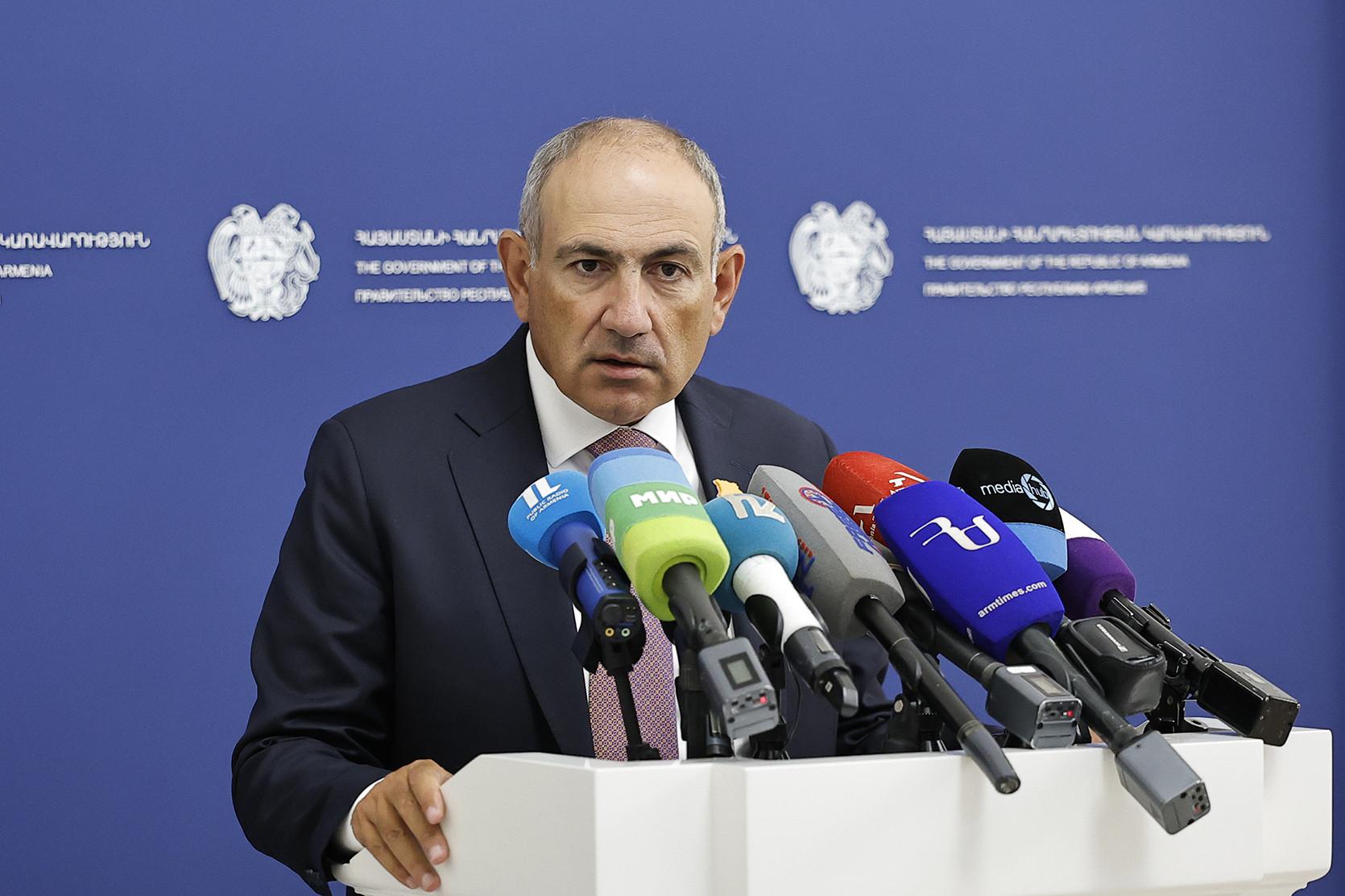
Pashinyan has already congratulated the people of Armenia on what he called an “election victory”. He said the “three-headed war party” had suffered defeat.
For some time, he has used this term to describe his three main political opponents — Strong Armenia, the Armenia Alliance and Prosperous Armenia. The prime minister argues that their leaders advocate revising the peace process with Azerbaijan. He believes such a course would inevitably lead to war.
When journalists asked whether he could cooperate with parties entering parliament, Pashinyan replied that they were not political forces but a “criminal oligarchy”. He said the state should urgently confiscate their assets.
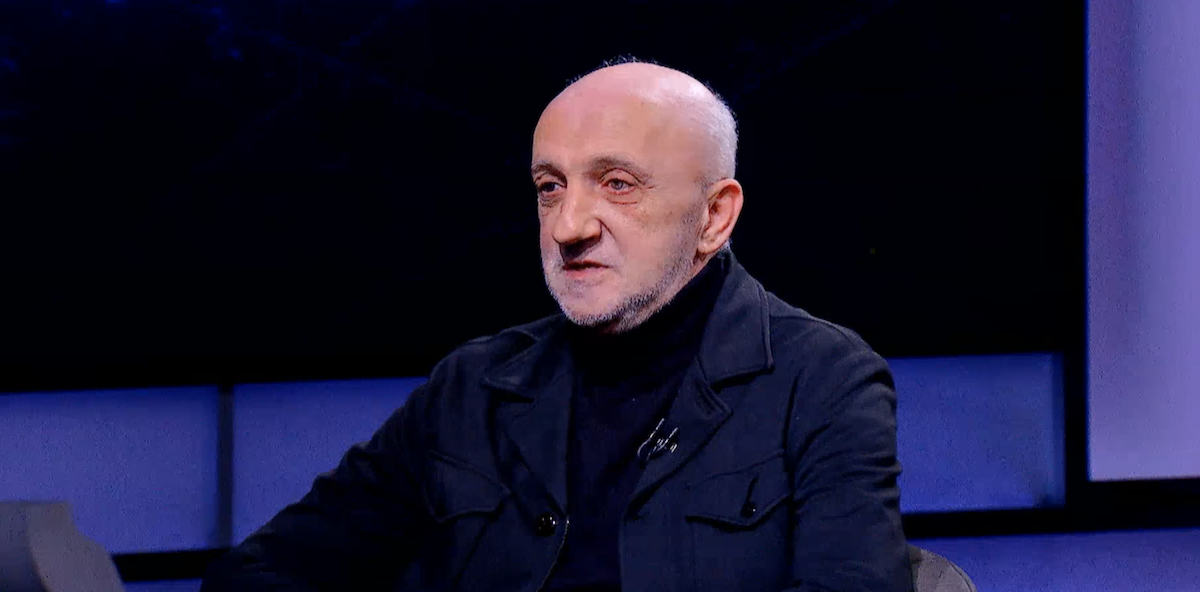
Political analyst Robert Gevondyan believes several factors shaped the election outcome. These included voters’ pro-Western or pro-Russian views, as well as political apathy among part of society.
He also considers the opposition’s unprecedented vote-buying campaign a major factor. The analyst says many Armenians followed a principle of “voting against”.
In other words, some people voted for Strong Armenia or the Armenia Alliance simply to prevent Pashinyan from staying in power. Others voted for Pashinyan solely to keep pro-Russian forces out of government.
“One could say that Russia’s actions before the election produced the opposite effect. I mean the political and economic pressure on the Armenian authorities. Far more people went to the polls. Many voted out of principle and in defiance of that pressure. People disliked the fact that Armenian citizens travelled from Russia to vote and decide how they should live. As a result, turnout was much higher than in the previous two elections. The results show what local residents actually think,” Ghevondyan told JAMnews.
The election result allows Civil Contract to form a government on its own. However, the party failed to secure a constitutional majority. That had been its maximum goal during the campaign.
The party needs a constitutional majority to hold a referendum on adopting a new constitution. To achieve that objective, Civil Contract will now need support from at least one opposition force in parliament.
Its own seats do not provide enough votes to put the issue to a referendum. The ruling party insists that constitutional reform is both long overdue and its own initiative. Party leaders also argue that changing the constitution is an internal Armenian matter. However, Baku has made clear that it will not sign a peace agreement until Armenia changes its constitution.
- Russian intelligence operatives sent to ‘target Pashinyan’: The Insider investigation
- ‘Sensational but false’: scrutiny of election promises made by some political forces in Armenia
- ‘There will be another revolution on 7 June’ – Nikol Pashinyan confident of public support in election
- What’s behind Russia’s hostile response to Armenia’s deepening ties with EU?
Pashinyan moved quickly to declare victory
On the night of 8 June, when the Central Election Commission had released results from only 477 of Armenia’s 2,005 polling stations, Pashinyan moved quickly to declare victory for his party. He also said that Civil Contract would form a government on its own and would not seek a coalition partner.
Journalists asked whether the party was drawing conclusions too early. Pashinyan replied:
“You know, we have representatives at every polling station, we have their protocols, and we are counting the results ourselves.”
The Armenia Alliance, Strong Armenia, the Wings of Unity party and Enlightened Armenia criticised the victory declaration before the official results were announced. They described it as an “attempt to usurp power”, “pressure on the Central Election Commission” and a “violation of the Electoral Code”.
Pashinyan stressed that his party had won more votes than it did in the snap parliamentary election of 2021. He described the result as a “historic victory” that confirmed the people’s trust in his government.
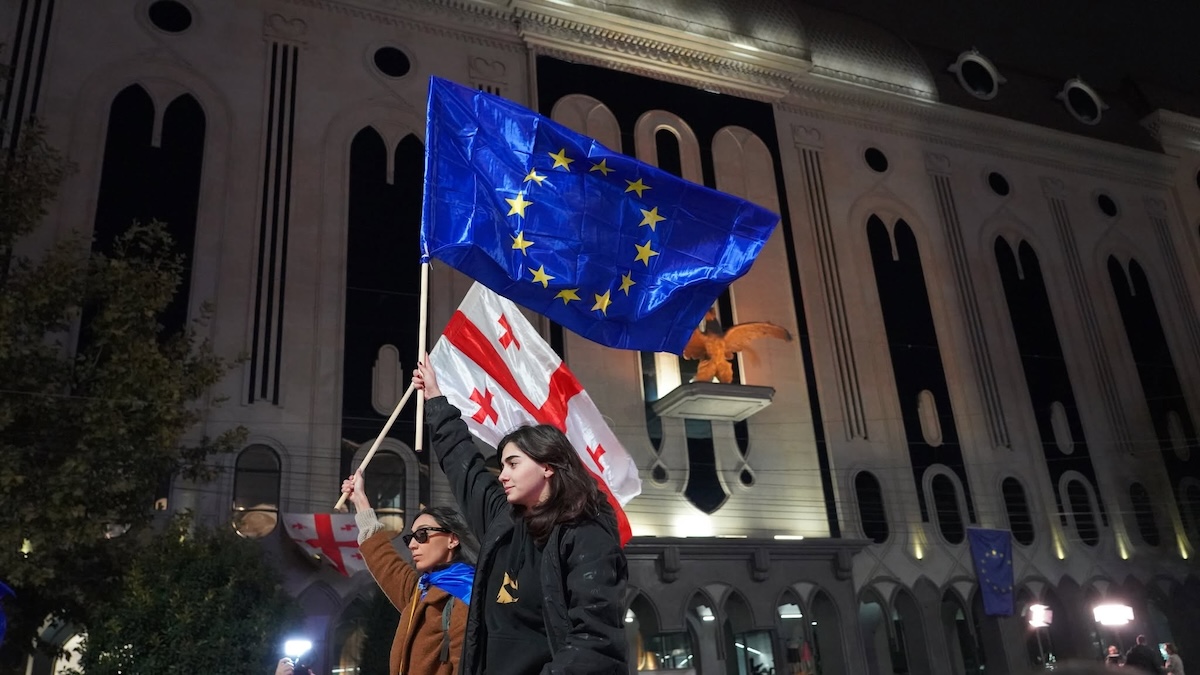
‘We will continue moving closer to the European Union’ — Pashinyan
Journalists asked Pashinyan whether the Armenian authorities would continue pursuing closer ties with the European Union.
He said Armenia would continue its course towards deeper integration with the EU while also maintaining its membership in the Russia-led Eurasian Economic Union (EAEU):
“We will continue developing relations with Russia and the other member states of the Eurasian Economic Union. We will certainly work to strengthen ties within the Eurasian Economic Union.”

Comment from political analyst Robert Ghevondyan
Russia needed a force in Armenia’s parliament to act as a “straitjacket”
“Clearly, this was Russia’s Plan B. If it could not take power, it at least needed a ‘straitjacket’ inside parliament. Through that force, it could prevent the authorities from doing everything they wanted. Russia succeeded in implementing that plan.
The Kremlin needs such a ‘straitjacket’ primarily because of the planned constitutional amendments. Russia wants to ensure that the new constitution does not contain provisions that could create problems for Moscow.
Alternatively, it could use those forces to block constitutional amendments altogether and prevent the Armenian authorities from signing a peace treaty, because that would run counter to Russian interests.
Russia also needed parliamentary forces that the ruling party could potentially cooperate with. At the same time, it wanted forces capable of disrupting the normal work of parliament and creating political crises, much as the Armenia Alliance and the I Have Honour bloc did in the previous parliament.”

‘We are unlikely to see a stronger move towards the EU’
“What we have seen so far in foreign policy will continue. We should take into account the new constraints resulting from the ruling party’s failure to secure a constitutional majority. As a result, the process is likely to slow down. We are unlikely to see a more pronounced move towards the European Union precisely because this is the parliament Armenia now has. Civil Contract will continue to pursue its balanced foreign policy.”
Positive developments expected in relations with Azerbaijan and Turkey
“As for Azerbaijan and Turkey, events are likely to move more quickly because both countries were waiting for the election and its outcome. They expected the re-election of a government that would continue its policy of peace.
In effect, Armenia now has such a government. I believe we can expect rapid developments in the short term.
First of all, we expect the border with Turkey to open. After that, we may see progress in relations with Azerbaijan.
In particular, we may see the start of construction on the ‘Trump Route’, which I hope will begin in the coming months.”
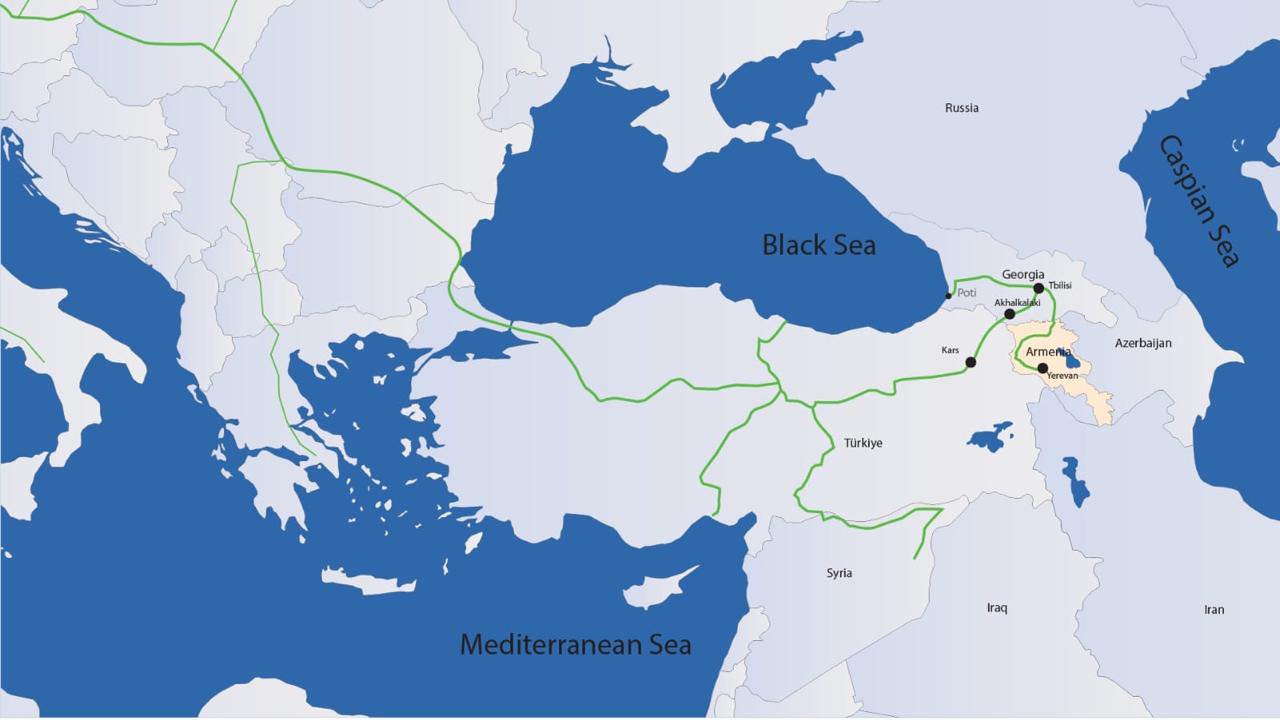
The Trump Route for International Peace and Prosperity (TRIPP) is a transport corridor that will connect Azerbaijan with its exclave of Nakhchivan through Armenian territory.
For several years, Yerevan and Baku failed to reach agreement on the issue. Azerbaijan demanded a route it referred to as the “Zangezur Corridor”. Armenian authorities responded that they were ready to unblock all transport links but rejected the term “corridor”, arguing that it implied a loss of control and, therefore, a loss of sovereign rights over the territory.
Only on 8 August did the two sides reach an agreement in Washington. Under the deal, the route will remain under Armenia’s sovereign control, while the United States will participate in the unblocking process as a business partner.
As a result, the project became known as the “Trump Route”, named after the mediator.
“Other forms of cooperation with Azerbaijan may also emerge along different sections of the border. These could include freight transportation across the delimited and demarcated Tavush-Gazakh border section or similar projects.”
Constitutional change may not happen
“Most likely, either the process of changing the constitution will not begin, or it will become possible only if significant changes are made along the way.
It is now clear why the ruling party has not yet published a draft of the new constitution. Had it published the text earlier, it would have been very difficult to amend it. The existing version would most likely have failed to gain support from the political forces now represented in parliament.
Constitutional amendments remain possible. However, the final text would differ significantly from what the ruling party had envisaged before the election.
There is also a possibility that the constitution will not change at all. In that case, the peace agreement will not be signed.
I believe that even if constitutional reform fails, the conflict-settlement process will continue to move forward. However, it will progress without a signed peace agreement, at a slower pace and through more complicated procedures.”
Opposition lacks the resources for a post-election challenge
“Political forces that might want to launch post-election protests do not have sufficient resources or capacity to do so.
We have already seen the level of support they can mobilise. Strong Armenia’s rallies, for example, gave a clear picture of their capabilities. We understand how many people they can bring onto the streets. That is clearly not enough for a sustained street campaign.
Simply holding a rally and then taking up their parliamentary mandates is, in my view, the only realistic option available to them.”
Ruling party is unlikely to exclude the opposition from political life
“We are likely to see the same picture in parliament as we did after the snap election of 2021.
It is obvious that those entering parliament on the lists of the Armenia Alliance and Strong Armenia are not going there to work constructively. Their goal is to obstruct the ruling party, create problems and complicate political processes. That means the pattern of the past five years is likely to continue for the next five.
I do not believe that when the authorities speak about ‘eradicating the three-headed war party from Armenia’, those statements align with political reality.
Civil Contract benefits from having this kind of opposition. Against such opponents, it can continue to secure a parliamentary majority and remain in power, provided no major changes occur.
We should not expect the ruling party to take steps aimed at removing these forces from political life.
That does not mean, however, that individual legal cases will not proceed. It is entirely possible that specific individuals who have committed crimes will face prosecution. But such developments are unlikely to weaken the political position of these parties as a whole.”

Armenia’s election results: key takeaways