'We avoided disaster and overcame information interference': views on Armenia's election






External pressure during Armenia’s election
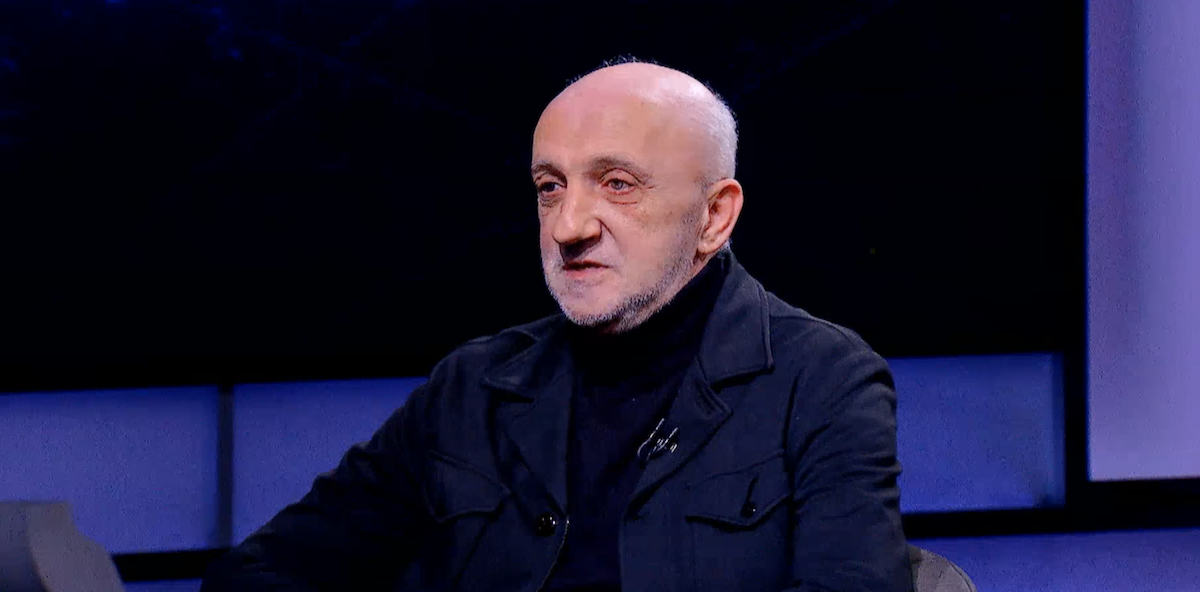
“Armenia‘s polarised yet diverse media landscape covered the entire election process quite effectively. Voters had an opportunity to familiarise themselves with the positions of all political forces,” says Ashot Melikyan, chairman of the Committee to Protect Freedom of Expression.
During the election campaign, the organisation recorded around ten problematic incidents involving violations of journalists’ rights. In an interview with a local television channel, Melikyan said he would provide an assessment of those cases once all the circumstances had become clear.
“However, we did not record any incidents on election day. If anyone provides factual information, we are ready to examine it,” he said.
Melikyan also discussed the information campaign that external actors waged against Armenia during the election period and that some local media outlets supported. He also commented on the election results and his expectations for the new parliament.
- Fact-checkers expose alleged Russian FSB interference in Armenia’s parliamentary elections
- Armenia faces critical elections with unpredictable outcome as 40% of voters trust no political force
- Russian intelligence operatives sent to ‘target Pashinyan’: The Insider investigation
- What’s behind Russia’s hostile response to Armenia’s deepening ties with EU?
Armenia’s media ‘fifth column’ helped facilitate Russian information interference
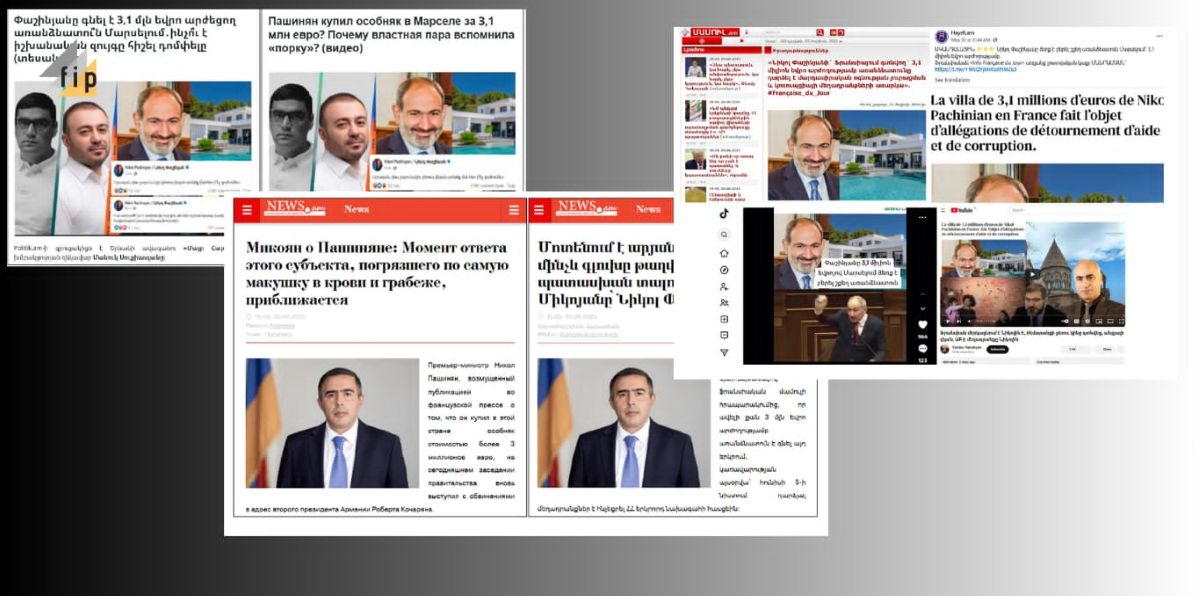
According to Ashot Melikyan, chairman of the Committee to Protect Freedom of Expression, the recent election posed a major challenge for Armenia, particularly in terms of external information interference and manipulation.
He argued that fact-checking by high-quality local media outlets helped to offset some of the impact of what he described as an “information intervention”. He also credited international media organisations with helping to counter its effects.
“Of course, we noticed that this intervention also relied on a ‘fifth column’ inside our country, including within the media sphere, which served Russian interests,” Melikyan said.
Armenians showed the Kremlin they want to live in an independent state
Commenting on the election results, media expert Ashot Melikyan said Armenia had “avoided a catastrophe”. In his view, Russia attempted to reshape Armenia’s political landscape during the campaign.
“We were not dealing with political forces in the classical sense. We were dealing with figures backed by the Kremlin. Society viewed them as representatives of another state. [He was referring to the Strong Armenia alliance and its leader, Russian businessman Samvel Karapetyan.] People associated them with Russia.”
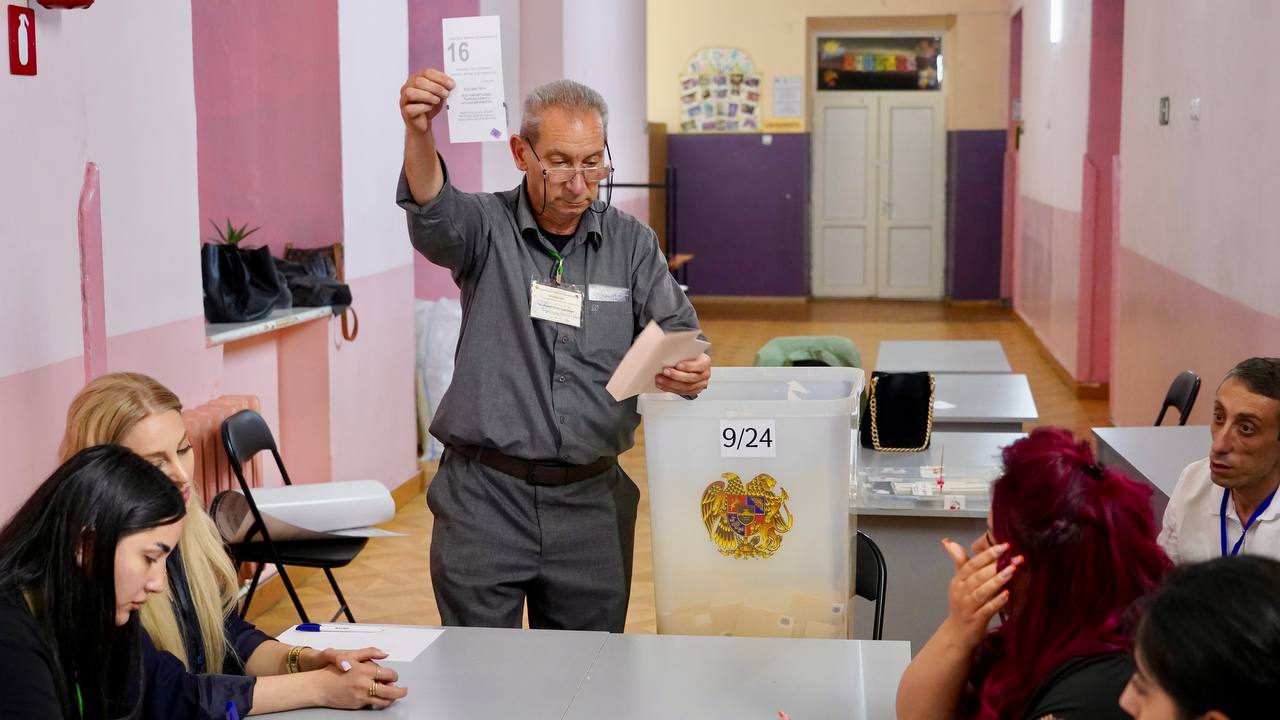
According to Melikyan, Armenian society demonstrated a collective awareness of the risks facing the country. He believes voters recognised a potential threat to the state, and the election results sent a clear signal to the Kremlin that Armenian citizens want to live in an “independent and sovereign” country.
“Our country came under attack. Certain actors openly issued demands. I remember Putin’s call [on Pashinyan] to allow pro-Russian forces to participate in the election. In plain language, he was saying: I sent my man, let him become prime minister, and it is time for you to leave.”
Melikyan described Putin’s remarks as a “cynical violation” of both international law and the norms governing relations between states.
Russia’s formula: “Either you are my servant, or you are my enemy”
According to Melikyan, Russia’s approach to its relations with other countries follows a simple formula: “Either you are my servant, or you are my enemy.” He believes Armenian voters delivered a clear message in the 7 June election: “We are not your servants.”
“But it is also very important to say that we are not your enemies either. We can have civilised relations and so on, provided that you do not behave with hostility towards us,” he said.
The chairman of the Committee to Protect Freedom of Expression also commented on statements from Moscow insisting that Armenia should quickly hold a referendum on whether to choose the Eurasian Economic Union (EAEU) or the European Union. The EAEU is an economic bloc led by Russia. During the final stage of the election campaign, Russian officials and commentators repeatedly demanded that Armenia make a choice.
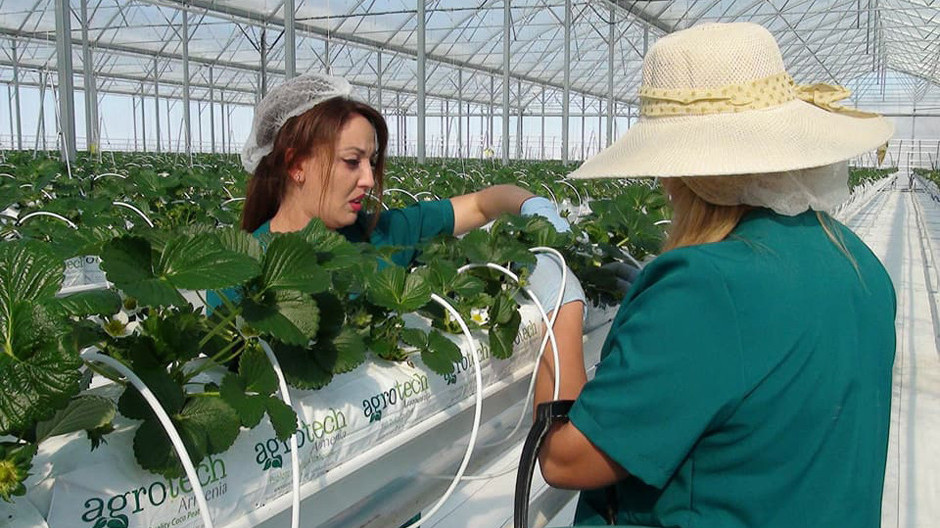
At the same time, Russia introduced economic restrictions on imports of Armenian goods as Armenia deepened its ties with the EU. There were also warnings about possible increases in energy tariffs.
Melikyan views the 7 June election itself as a referendum on that issue.
“Society had a clear understanding of the foreign policy pursued by Civil Contract [Pashinyan’s party, which won the election]. The majority of citizens voted for that political force. As for the demand to hold a referendum, they can send it to hell.”
Opposition figures who entered parliament through vote-buying will now help write laws
Discussing the election results, Ashot Melikyan said the composition of the new parliament gives him little reason for optimism.
He noted that the Armenia Alliance, led by former president Robert Kocharyan, already held seats in the previous parliament. Meanwhile, Samvel Karapetyan’s Strong Armenia bloc has effectively replaced the I Have Honour faction associated with former president Serzh Sargsyan. As a result, Melikyan does not expect high-quality parliamentary debate.
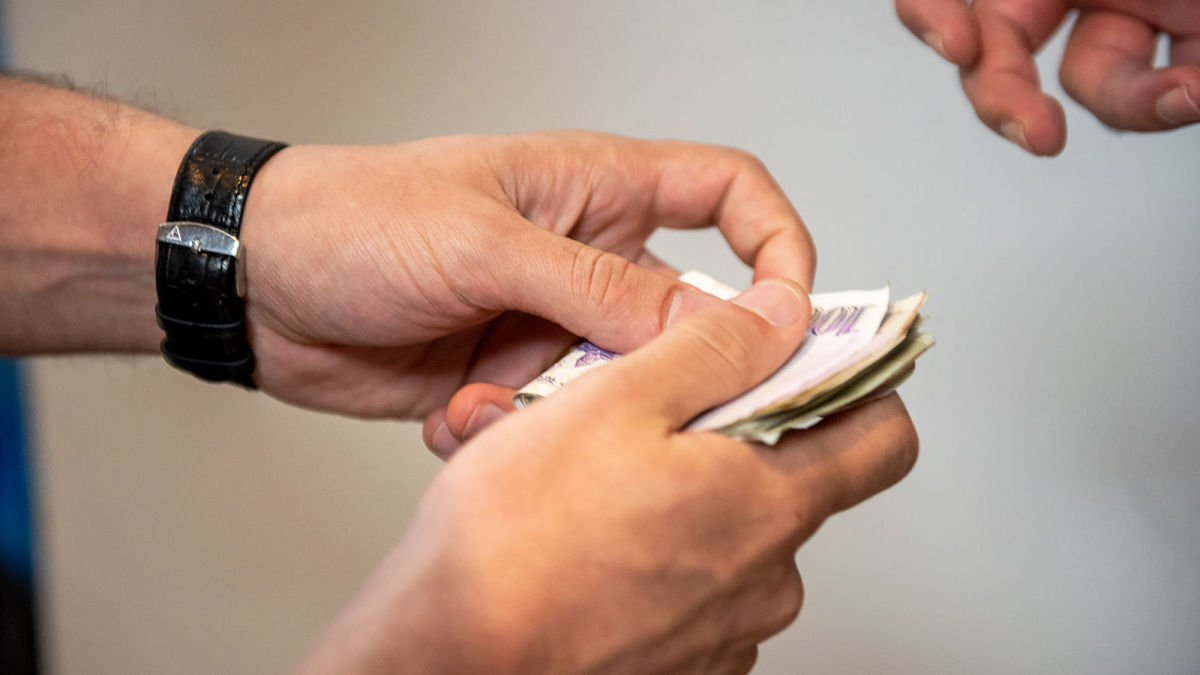
“For me, this is a very bad parliament for one simple reason: it includes a force that gained votes through vote-buying. Strong Armenia had no chance of winning so many votes without the factor of vote-buying.”
He said it was shameful that deputies who secured election through vote-buying would now have the authority to participate in drafting laws.
Throughout the election campaign, the Anti-Corruption Committee repeatedly reported cases of alleged vote-buying involving representatives and supporters of the Strong Armenia bloc.
“The actions of the law enforcement agencies certainly deserve praise, and I appreciate their work. But in my view, the cases they uncovered represent only the tip of the iceberg,” Melikyan said.
External pressure during Armenia’s election