Top stories in Azerbaijan, Armenia, and Georgia from June 29-3 July, 2026
 Live
Live




-
Friday, 3 July, Armenia. Ursula von der Leyen: EU offers Duty-Free Access for Armenian goods and energy security support amid Russian pressure
-
Friday, 3 July, Georgia. Geneva Discussions: Georgia Protests Russia; Russian Foreign Ministry Issues Demands to Georgia
-
Friday, 3 July, Azerbaijan. Amnesty International has called on the Azerbaijani authorities to stop persecuting critics of the government both within the country and abroad
-
Thursday, 2 July, Azerbaijan. Ursula von der Leyen in Baku: EU to invest €200 million in transport, energy, and digital connectivity across the South Caucasus, plus €20 million for a peace program
-
Thursday, 2 July, Armenia. Electoral Code changes: Only citizens living in Armenia 48 days before an election would be eligible to vote; Russia criticises the proposal
-
Thursday, 2 July, Georgia. Court of Appeals reduces sentences for two activists; they are released
-
Wednesday, 1 July, Armenia. "Great Potential in Relations with Georgia" – Nikol Pashinyan during meeting in Yerevan with Georgia's Interior Minister
-
Wednesday, 1 July, Azerbaijan. Ursula von der Leyen expected in Baku as imprisoned journalists and political exiles appeal to her in open letters
-
Wednesday, 1 July, Georgia. German Ambassador announces end of his term; Prime Minister and Parliament Speaker renew criticism against him
-
Tuesday, 30 June, Azerbaijan. Open letter protests "pro-Armenian campaigns in Western countries aimed at portraying convicted war criminals in Azerbaijan as "victims"
-
Tuesday, 30 June, Armenia. Nikol Pashinyan: “Russia’s restrictions on Armenian exports have not had a critical impact on the country”
-
Tuesday, 30 June, Georgia. Georgia and Kazakhstan signed a Strategic Partnership Agreement
-
Monday, 29 June, Georgia. AlgorithmWatch: "Georgia's Interior Ministry purchases Russian facial recognition systems to suppress protests"
-
Monday, 29 June, Armenia. A recount has been ordered at several polling stations, while the justice minister said the violations were not widespread
-
Monday, 29 June, Azerbaijan. Joint special forces exercise "Caucasian Eagle 2026" involving Azerbaijan, Georgia, and Turkey
-
Top stories in Azerbaijan, Armenia, and Georgia from 22-26 June, 2026

-
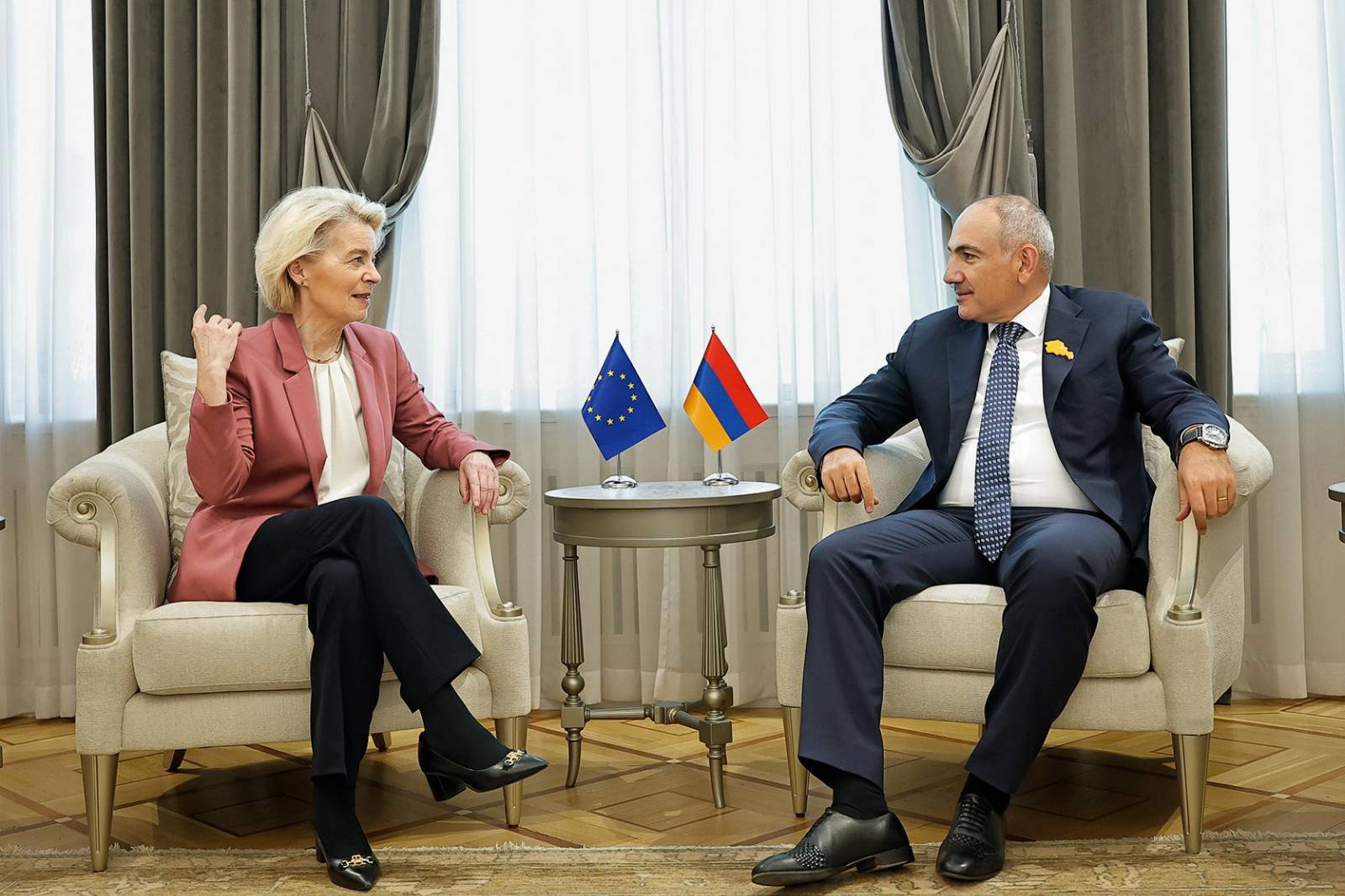
Friday, 3 July, Armenia. Ursula von der Leyen: EU offers Duty-Free Access for Armenian goods and energy security support amid Russian pressure
● European Commission President Ursula von der Leyen made several major announcements during a joint press conference with Prime Minister Nikol Pashinyan following her visit to Yerevan.
“No country should be subjected to pressure because of its sovereign choices. That is why the European Union is stepping up its support and allocating €52 million to Armenia.”
Armenia will also soon receive an additional €18 million to help diversify its trade. This will bring the EU’s total financial support for Armenia to €288 million.
The EU also plans to grant duty-free access for 80% of Armenian exports.
“The EU will help redirect products that are currently destined mainly for the Russian market to the EU single market, reaching 450 million consumers.”
According to von der Leyen, the measure will open the European market to almost 99% of Armenia’s fresh agricultural products and 90% of Armenian beverage and alcoholic drink exports.
The European Commission will send a team of experts to Armenia by mid-July to work directly with local producers and exporters.
“Open borders will transform Armenia’s economic future. The European Union is ready to turn this vision into reality. Armenia can count on us.”
The EU and Armenia will also hold a High-Level Dialogue in Yerevan by the end of 2026 to jointly review progress on reforms under Armenia’s Multi-Sector Budget Support Programme.
Von der Leyen also said the EU is ready to support Armenia if Russia raises the price of natural gas supplied to the country. A group of EU experts will visit Armenia as early as next week as part of a €25 million investment package. The EU is also supporting Armenia’s renewable energy sector.
● Prime Minister Nikol Pashinyan also made several announcements during the joint press conference.
He said the European Commission has adopted a decision allowing a number of Armenian products to be exported to the European Union without customs duties.
Pashinyan said Armenia is working with the EU on regional transport connectivity, particularly on developing the northern route. According to him, the shortest East–West corridor passes through Armenia’s Tavush, Lori, and Shirak regions.
He also said that the construction of a power transmission line connecting Armenia, Azerbaijan, and Türkiye would strengthen Armenia’s energy security.
Pashinyan expressed hope that visa liberalization with the European Union could begin in 2029. A new EU assessment mission is expected to arrive in Armenia this autumn.
● Prime Minister Nikol Pashinyan arrived in Iran today to attend the funeral ceremony of Iran’s Supreme Leader, Ali Khamenei.
● The Eurasian Development Bank will provide $120 million in financing for a programme to expand the production capacity of the Zangezur Copper and Molybdenum Combine.
● Outgoing National Assembly Speaker Alen Simonyan met with President Vahagn Khachaturyan and thanked him for their effective cooperation during his time in office. Social media users in Armenia are actively discussing speculation that Simonyan could become Armenia’s next president after the parliamentary majority from the ruling party decided not to re-elect him as speaker. Simonyan dismissed the rumors, calling them “absurd.”
● Armenia’s Anti-Corruption Court has ordered the arrest of the son and nephew of former State Revenue Committee chairman Gagik Khachatryan.
● The validity of a passing result on the theoretical driving test has been extended from one year to two years. The change was announced by Interior Minister Arpine Sargsyan.
● A well-known contemporary installation by Spanish sculptor Carlos García Lahoz has been unveiled in the park behind Yeritasardakan metro station in Yerevan. The artwork is part of the international project “Eight European Cities United by Art,” which symbolizes connection, friendship, and cultural unity.
● Yerevan Zoo has welcomed new residents — Pallas’s cats (manuls), one of the rarest wild cat species. They have been named Mano and Nano.
-
Friday, 3 July, Georgia. Geneva Discussions: Georgia Protests Russia; Russian Foreign Ministry Issues Demands to Georgia
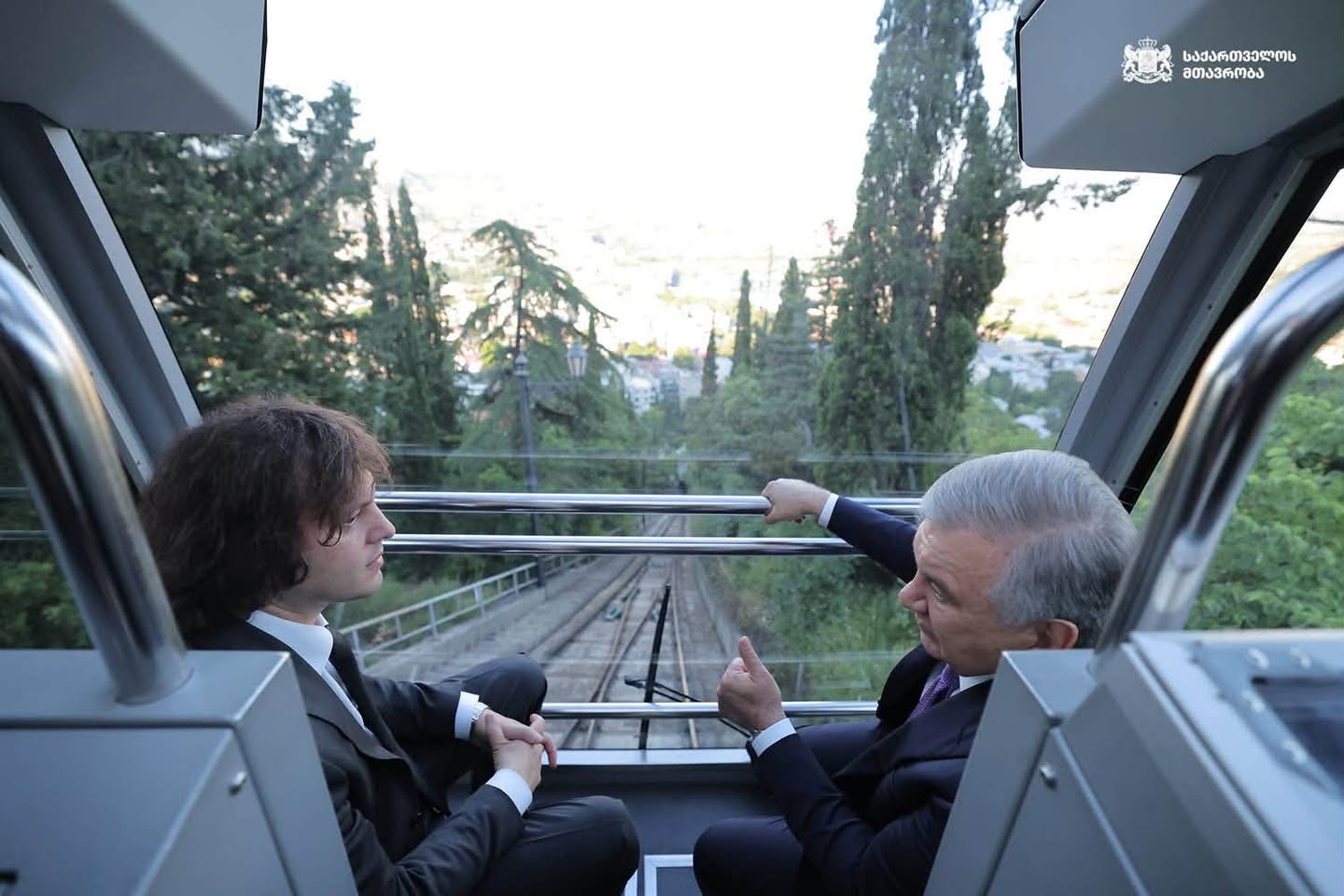
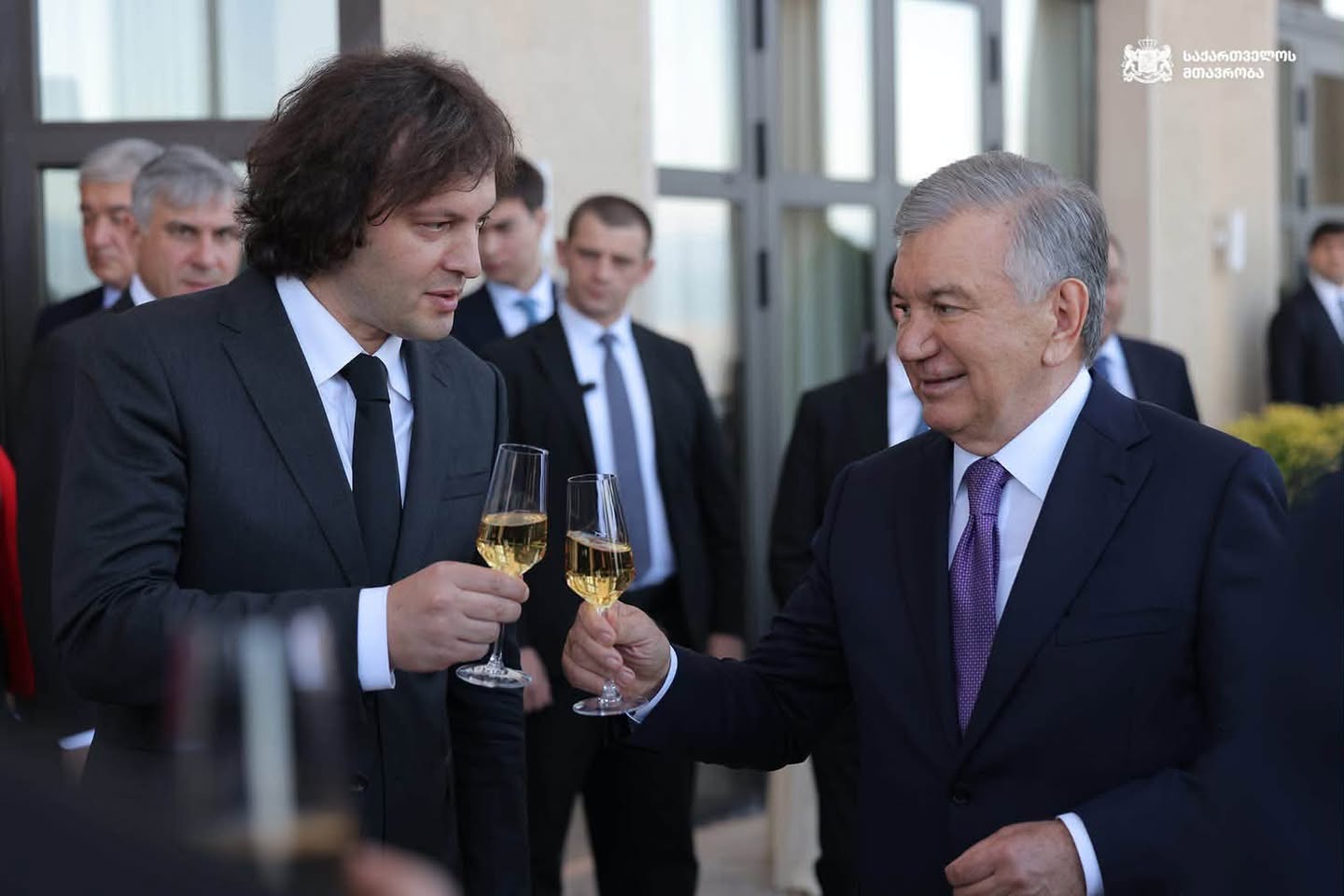
● President of Uzbekistan Shavkat Mirziyoyev is in Georgia on his first state visit to the country. He held meetings with President Mikheil Kavelashvili and Prime Minister Irakli Kobakhidze. The talks focused on a strategic partnership agreement, the development of the Middle Corridor, and economic cooperation. Kavelashvili awarded Mirziyoyev Georgia’s state decoration, the Order of the Golden Fleece. Observers note a significant increase in the government’s contacts with Central Asian countries.
● At the 67th round of the Geneva International Discussions, Georgia’s delegation protested an agreement signed between Russia and its occupation regime in Tskhinvali (South Ossetia), according to the Ministry of Foreign Affairs. The delegation stressed that such documents are legally invalid, grossly violate international law, and hinder constructive dialogue. Georgia also reiterated its demand for the safe return of internally displaced persons and refugees to their homes in the Tskhinvali region and Abkhazia. Read more here
● After the latest round of the Geneva talks, Russia again demanded that Georgia sign agreements on the non-use of force with Abkhazia and South Ossetia. Moscow said the need for such agreements is increasing “against the backdrop of deepening cooperation between NATO and Georgia.” Georgian authorities have repeatedly stated unilaterally that they undertake not to use force in these territories, which they consider occupied by Russia. Read more here
● The oil refinery in Georgia’s port of Kulevi plans to completely stop importing Russian oil starting in August–September this year. The announcement was made by the refinery’s owner, Black Sea Petroleum (BSP). “This will open access to highly profitable markets for the company’s products,” BSP said in a statement. According to the company, BSP has expanded its cooperation with the international technology corporation Honeywell. The company also announced plans to increase production. “In the first quarter of 2027, the refinery plans to begin producing road bitumen for both the domestic and export markets. From the second quarter, it intends to launch the production of aviation fuel,” the statement said.
● Constitutional expert Vakhushti Menabde believes that Georgian Dream may be considering easing certain legislation in order to restore relations with international partners. At the same time, he says the government is trying to demonstrate that it maintains full political control through ongoing cases against opposition politicians.
● The Penitentiary Service has rejected accusations made by activist Nana Sander, who was sentenced to seven years in prison in the “October 4 case” involving an alleged attempt to violently seize the presidential palace. In recent months, Sander has accused prison authorities of psychological pressure, degrading treatment, and inadequate medical care. The Penitentiary Service described the allegations as “slanderous and provocative,” saying she has been fully provided with vegan food and medical services upon request, that her rights have not been violated, and that the information being circulated is false.
● A Chinese company working on a strategic highway in western Georgia is at the center of a criminal investigation. The company has not been officially named, but bm.ge reports that it is most likely the state-owned Hunan Road & Bridge Construction Group. In September 2022, it received a contract worth 324.6 million lari (about $123 million) to build a 12-kilometer section of the Samtredia–Grigoleti motorway. The project was supposed to be completed within two years, but only an eight-kilometer section has been opened so far. Infrastructure officials previously said the contractor committed serious defects in the construction of one of the bridges and was ordered to demolish and rebuild it. The same company also built the Khevi–Ubisa section of the Rikoti Pass highway, which was delivered years behind schedule, according to bm.ge.
● Georgia’s State Security Service will purchase an ultra-modern counter-drone system, Vice Prime Minister Mamuka Mdinaradze said. According to him, the system will be able to detect and neutralize several dozen drones simultaneously within a radius of five to six kilometers. He said the service currently protects 18 top officials, 104 specially important facilities, as well as diplomatic missions, foreign delegations, and international events.
● Internal disputes continue within the opposition party United National Movement. Party chair Tina Bokuchava said that the officially stated reason for Levan Khabeishvili’s resignation as party leader two years ago was not the real one. She said the party announced at the time that the change was due to health reasons, but that the actual goal was to unite the opposition. Bokuchava apologized and added that she has not yet decided whether she will run for party chair.
● Patriarch Shio III met with the ambassadors of France and the Czech Republic, as well as representatives of the Catholic Church in Georgia. The discussions covered Georgia’s relations with European countries, inter-church cooperation, peace, family values, and modern ethical challenges.
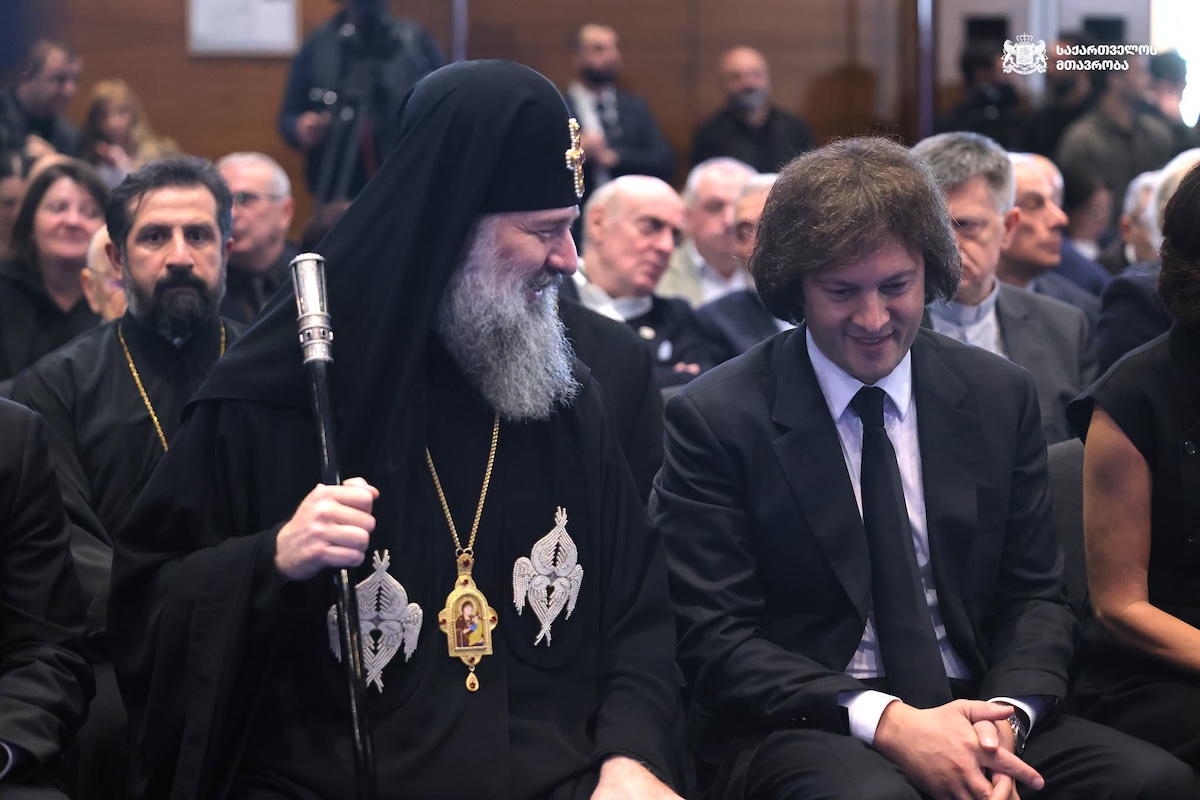
📸 Photo: Prime Minister Irakli Kobakhidze welcomes President Shavkat Mirziyoyev of Uzbekistan in Tbilisi. Photo by the Government of Georgia.
-
Friday, 3 July, Azerbaijan. Amnesty International has called on the Azerbaijani authorities to stop persecuting critics of the government both within the country and abroad
● European Commission President Ursula von der Leyen wrote on Instagram about her July 1–3 visits to Azerbaijan and Armenia: “Peace… through building bridges between countries and people. Both physically and metaphorically! I have announced a €200 million ‘Peace through Connectivity’ program for the South Caucasus—for a peaceful, connected, and prosperous region.”
Here is our analysis of Ursula von der Leyen’s visit to Baku
Here is our analysis of her visit to Yerevan
● Amnesty International has called on the Azerbaijani authorities to immediately end the persecution of government critics, both inside the country and abroad. The organization said that since 2013, systematic repression against civil society in Azerbaijan has virtually destroyed independent organizations. Hundreds of human rights defenders, activists, journalists, and opposition figures have been arrested on politically motivated charges, while many others have been forced into exile. Amnesty International says these repressive practices are no longer confined to Azerbaijan’s borders. According to the organization, political exiles have also been subjected to surveillance, online attacks, smear campaigns, and, in some cases, physical assaults and killings. It describes this as an “ongoing crackdown on civil society, independent media, and human rights defenders.” The report provides detailed information on the arrests of more than 30 independent journalists, including the staff of AbzasMedia and Meydan TV.
● Imprisoned activist Elvin Mustafayev, a member of the alternative trade union confederation Workers’ Platform, has been placed in solitary confinement, where he has begun a hunger strike in protest. His relatives told journalists that he has fewer than 40 days left to serve before his scheduled release. They said they have not been told why he was placed in solitary confinement and fear prison authorities are deliberately provoking him in an attempt to extend his imprisonment. Mustafayev was arrested in August 2023 and charged with drug trafficking. He has insisted that the drugs were planted on him during his arrest. He was sentenced to three years in prison. Human rights organizations have recognized Mustafayev as a political prisoner, along with other detained members of the same organization, Afiyaddin Mammadov and Aykhan Israfilov. Azerbaijan’s Penitentiary Service has not commented on the case.
● The Black Sea Trade and Development Bank has announced plans to increase its investments in Azerbaijan and expand support for businesses focused on innovation and entering international markets.
● In Baku, Azerbaijan’s defense minister and the deputy head of Turkey’s Defense Industry Agency discussed further strengthening military cooperation, including cooperation in military education.
● Baku hosted a meeting of the International Fund for the Elimination of Doping in Sport under the UNESCO International Convention against Doping in Sport. Sports ministers and deputy ministers from dozens of countries took part.
● Another shipment of Russian wheat will be transported by rail through Azerbaijan to Armenia today. The shipment consists of 14 railway wagons.
● The international congress “The First Congress of Turkology: A Century of Scientific and Cultural Heritage” was held in Shusha, in Karabakh, as part of Turkic World Week.
-
Thursday, 2 July, Azerbaijan. Ursula von der Leyen in Baku: EU to invest €200 million in transport, energy, and digital connectivity across the South Caucasus, plus €20 million for a peace program
● President of the European Commission, Ursula von der Leyen, is visiting Azerbaijan, where she met with President Ilham Aliyev. At their joint press conference, the two leaders discussed prospects for expanding the Azerbaijan–EU partnership. Aliyev described the current state of relations as showing “unprecedented momentum,” noting that António Costa visited Baku in March and Kaja Kallas visited in May. He highlighted the following points:
The EU is Azerbaijan’s largest trading partner, accounting for more than 40 percent of the country’s total trade.
Azerbaijan is the EU’s largest trading partner in the South Caucasus, representing nearly 70 percent of the bloc’s trade with the region.
Today, half of Azerbaijan’s natural gas exports go to ten EU member states.
The East–West and North–South transport corridors pass through Azerbaijan, and its good relations with neighboring countries have helped create a broad framework for regional cooperation.
Azerbaijan has invested heavily in transport infrastructure, including projects in neighboring countries. It is expanding the capacity of its commercial seaports and railway network.
The country has strong potential to become a strategic EU partner in solar, wind, and hydropower. It expects to add eight gigawatts of solar and wind generation capacity over the next five to six years.
The normalization process between Azerbaijan and Armenia is progressing successfully. According to Aliyev, peace has effectively already been achieved.
Baku has taken a number of unilateral steps, including lifting all restrictions on cargo transit to Armenia through Azerbaijani territory. Azerbaijan is also supplying Armenia with critically important gasoline and diesel fuel.
Brief highlights from Ursula von der Leyen’s remarks:
The most important development in the region in recent decades is the preparation of a historic peace agreement between Azerbaijan and Armenia.
President Ilham Aliyev has demonstrated leadership in promoting peace and cooperation.
Under the EU’s Global Gateway investment program, €200 million in grants will be allocated to strengthen transport, energy, and digital connectivity in the South Caucasus. The initiative could mobilize up to €2 billion in public and private investment. Potential projects include a railway connection through Azerbaijan’s Nakhchivan Autonomous Republic and the expansion of the Port of Baku.
Preparations are beginning for a regional investment conference on transport connectivity to be held in Baku, bringing together Europe, the South Caucasus, and Central Asia.
The EU is launching a new €20 million peace-building program that will support healthcare, demining, agriculture, water management, and small and medium-sized enterprises.
The EU has not forgotten Azerbaijan’s assistance when Russia used energy as a political weapon by cutting gas supplies to Europe.
The Southern Gas Corridor has become a major success story for Europe’s energy security, and the EU is grateful for Azerbaijan’s contribution.
Azerbaijan is investing in offshore wind energy in the Caspian Sea and aims to become a clean electricity hub. The EU welcomes plans for a green energy corridor linking Azerbaijan with Europe.
The EU also welcomes Azerbaijan’s proposal to lay an electricity cable to Armenia.
The resumption of negotiations on a new comprehensive EU–Azerbaijan agreement is an important step forward.
● Ahead of Ursula von der Leyen’s visit to Baku, she received open letters from imprisoned Azerbaijani journalists and activists, as well as from the Coordination Center of Azerbaijani Political Exiles in Europe. The signatories urged the President of the European Commission to raise the issues of political prisoners, media freedom, and the state of civil society in Azerbaijan during her visit. The letters stated that, according to human rights organizations, more than 400 political prisoners are currently being held in Azerbaijani prisons. They argued that a sustainable partnership should not be based solely on economic cooperation but must also take into account democracy, human rights, and the rule of law.
● The Azerbaijani Service of Radio Free Europe/Radio Liberty asked Petra Bayr whether she believed the European Union was sacrificing its principles for economic and geopolitical interests. Key points from her response:
“I believe the Secretary General of the Council of Europe has certainly raised these issues, but I am not aware of any concrete results. Overall, looking at the situation in Azerbaijan over the past several months, I do not see any positive changes.”
“At this point, it is clear that the Committee of Ministers wants Azerbaijan to return to the Parliamentary Assembly. However, Azerbaijan refuses to submit a delegation” (in protest against PACE resolutions that Baku considers biased and anti-Azerbaijani, according to JAMnews).
“Even if Baku does so, it must first take concrete steps before any discussions can begin. For example, it should remove at least some of the names from the blacklist of more than 70 PACE members who are banned from entering Azerbaijan. There have been many attempts at quiet diplomacy, but none has produced results.”
“Baku should also release at least some well-known political prisoners. We know that some of them were arrested for virtually no reason.”
“If we knew what steps Azerbaijan was prepared to take to return to the organization, we would have a common basis for discussion. But at the moment, it is simply demanding unconditional reinstatement to PACE.”
“During discussions of the recent PACE resolution on Azerbaijan, sanctions were mentioned as a possibility. In theory, we could begin collecting signatures, but I do not believe that would move the process forward or help in practice.”
● The U.S. Chargé d’Affaires in Azerbaijan, Amy Carlon, spoke at a reception in Baku marking the 250th anniversary of U.S. independence. She said that U.S.–Azerbaijan cooperation is aimed at transforming the South Caucasus into a connected region integrated into the global economy, linking East and West to promote trade, economic growth, and energy security. According to Carlon, this effort builds on the historic meeting in Washington on August 8, 2025, involving the leaders of the United States, Azerbaijan, and Armenia. New opportunities are already being pursued through the Trump Route for International Peace and Prosperity (TRIPP) initiative, as well as the Strategic Partnership Charter signed in February by U.S. Vice President JD Vance and President Ilham Aliyev.
Carlon identified three key areas of cooperation: regional connectivity, investment and innovation, and security. She also said the United States intends to expand cooperation with Azerbaijan in energy, artificial intelligence, data centers, and other advanced technologies. She noted that during the recent Baku Energy Week and the U.S.–Azerbaijan Economic Dialogue, American companies signed agreements worth more than $8 billion with Azerbaijani partners in advanced materials, artificial intelligence, and other emerging technologies. According to Carlon, these investments and projects could put the South Caucasus on an irreversible path toward peace.
● Speaking at the same ceremony, Deputy Prime Minister Samir Sharifov described the signing of the U.S.–Azerbaijan Strategic Partnership Charter as a historic milestone in bilateral relations, which are now developing rapidly. He said this new phase began with President Ilham Aliyev’s visit to the United States in August last year at the invitation of President Donald Trump. Sharifov praised яPresident Trump’s mediation efforts in facilitating the peace agreement between Azerbaijan and Armenia and pointed to the subsequent meetings between Aliyev and Trump, as well as Vice President JD Vance’s visit to Azerbaijan in February, as evidence of continued positive momentum.
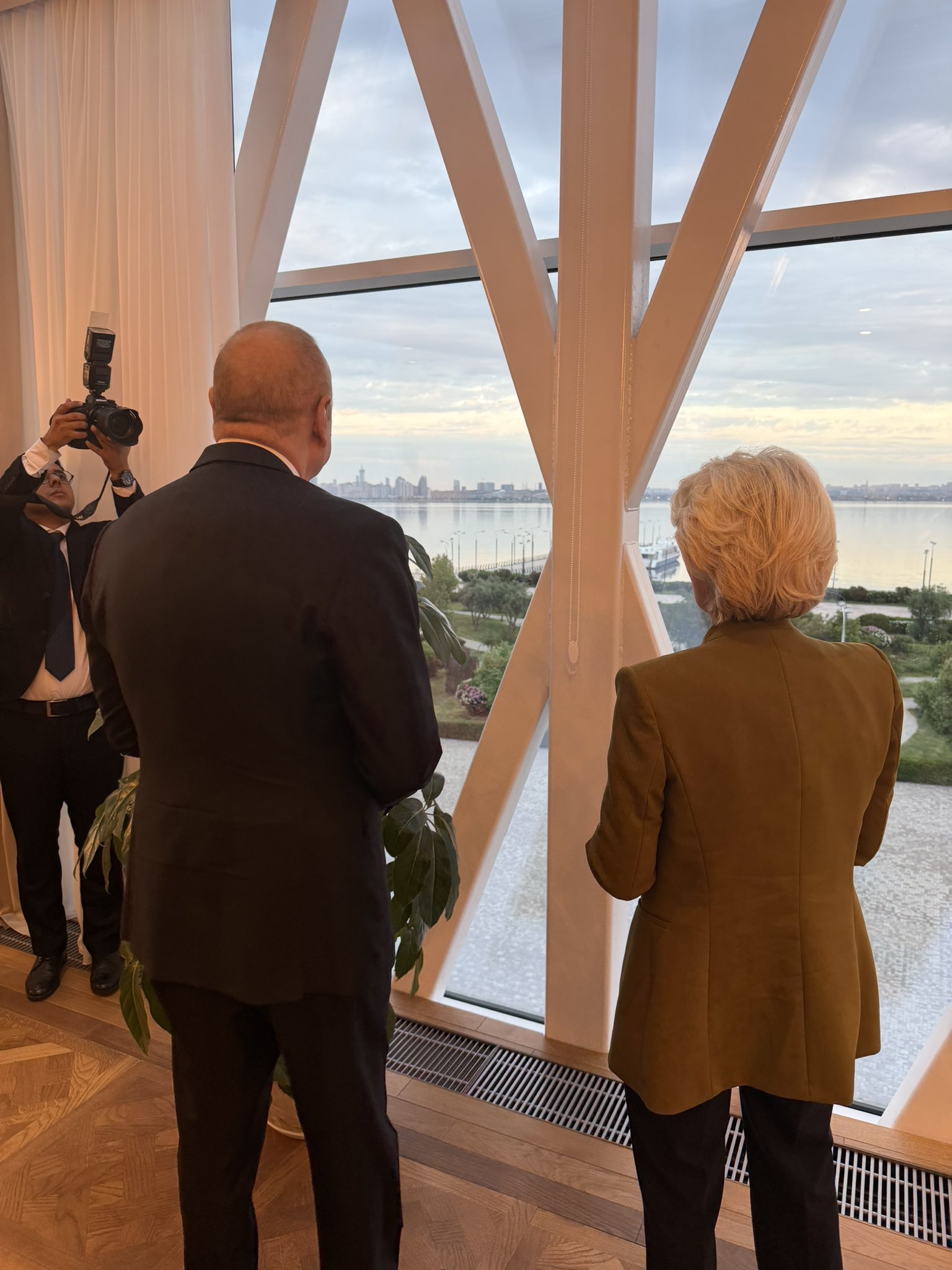
PHOTO: Presidential aide Hikmet Hajiyev later posted a photo of President Ilham Aliyev and European Commission President Ursula von der Leyen on X with the caption: “Azerbaijan–EU partnership: Looking beyond the horizon.”
-
Thursday, 2 July, Armenia. Electoral Code changes: Only citizens living in Armenia 48 days before an election would be eligible to vote; Russia criticises the proposal
● European Commission President Ursula von der Leyen arrived in Armenia this morning after completing her visit to Azerbaijan. She was welcomed at Zvartnots International Airport by Deputy Prime Minister Mher Grigoryan.
● The day before, at a joint press conference in Baku with Azerbaijani President Ilham Aliyev, Ursula von der Leyen said, among other things: “The European Union highly welcomes Azerbaijan’s proposal to lay an electricity cable to Armenia.” She added that the EU “believes in a bright future for the region” and supports initiatives aimed at strengthening ties between Europe, the South Caucasus, and neighboring regions. She also announced that the EU would launch a new €20 million program to promote peace.
● Only Armenian citizens who have continuously resided in the country for at least 48 days before a regular national election (or 28 days before a snap election) would be allowed to vote in national elections and referendums under proposed amendments to the Electoral Code. “The right to vote cannot be purely formal, based only on citizenship. It must be based on a person’s genuine social connection with the state. Only if a citizen’s center of vital interests is in the country should they participate in making decisions of fundamental importance to the state,” said Alkhas Ghazaryan, a lawmaker from the ruling Civil Contract party and co-author of the bill.
● Russian Foreign Ministry spokeswoman Maria Zakharova criticized the proposal. “For some reason, they are trying to rush it through before the current Armenian parliament’s term expires. Given the active involvement of European specialists there, one cannot help but recall Moldova’s 2025 election campaign. At that time, the Sandu government deliberately did everything possible to prevent compatriots living in Russia from exercising their voting rights. In Armenia’s case, the result is similar: the diaspora will remain segregated from the political and public life of its own country and people,” Zakharova said.
● “Armenia is interested in dialogue with Russia and in continuing our relationship. There will be contacts in the near future,” Deputy Foreign Minister Mnatsakan Safaryan told journalists.
● The oath taken by members of parliament should be revised, according to Arusyak Julhakyan, chair of a parliamentary committee and a member of the ruling party. Her proposal places greater emphasis on sovereignty, independence, citizens’ security, and the supremacy of human rights, while removing several abstract ideological references. The current oath focuses on “national goals,” “civic harmony,” and “universal values.” The proposed version is more specific, replacing broad language with commitments to strengthen Armenian statehood. It would also end with the phrase: “Glory to the fallen, and long live the Republic of Armenia!”
● An Armenian delegation has arrived in the Turkish city of Van to discuss the possible reopening of the Armenia–Turkey border and the ongoing normalization process between the two countries.
● Armenia’s Public Services Regulatory Commission has decided to leave household natural gas tariffs unchanged.
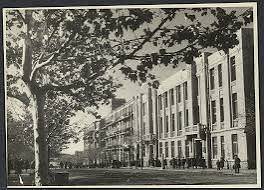
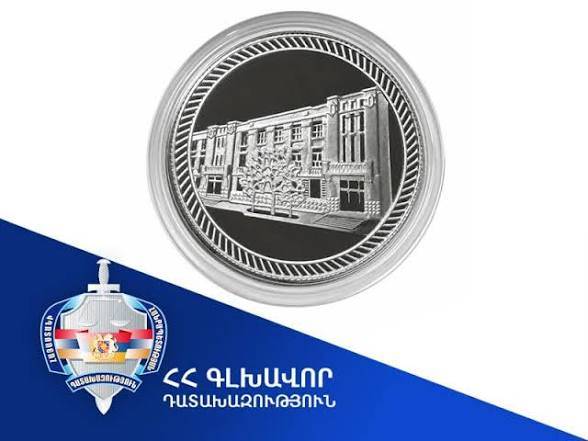
PHOTO: Armenia’s Prosecutor General’s Office has issued a commemorative souvenir marking the 90th anniversary of its administrative building. The souvenir features the building, which was designed by architect Nikolai Buniatyan and completed in 1936.
-
Thursday, 2 July, Georgia. Court of Appeals reduces sentences for two activists; they are released
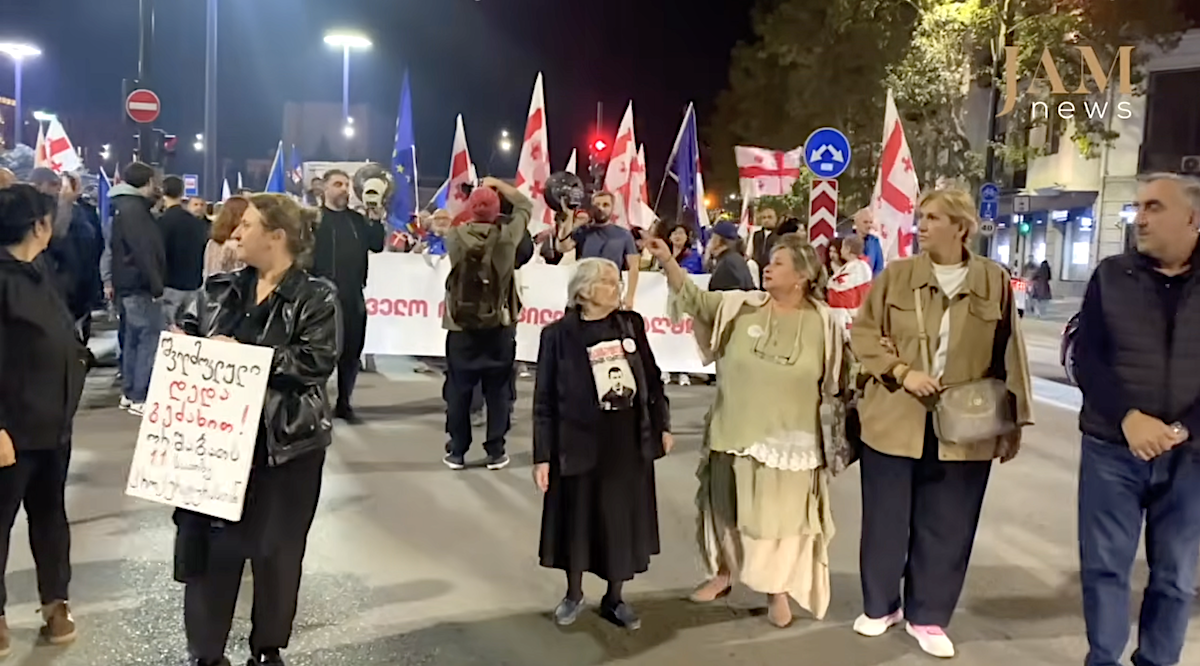
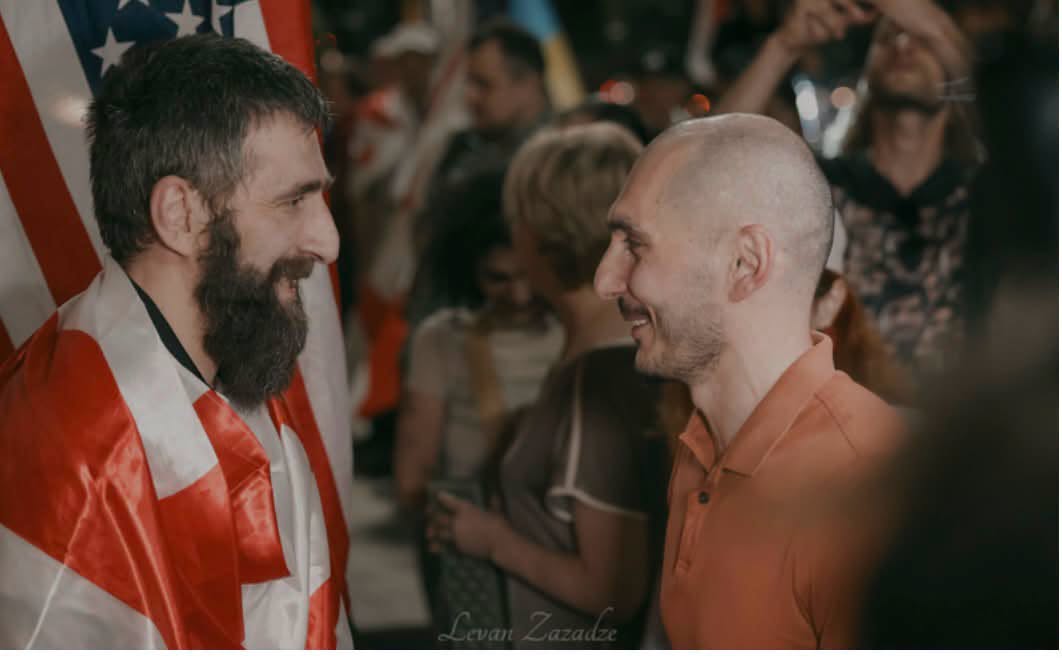
● Activists Tornike Toshkhua and Mindia Shervashidze have been released from prison after the Court of Appeals reduced their sentences (pictured). They had been convicted over their involvement in a fight during a pro-European rally on Rustaveli Avenue in August 2025. Both activists denied any wrongdoing. After their release, they joined the pro-European protests that have continued in central Tbilisi for more than a year and a half.
● Imprisoned opposition politician Elene Khoshtaria has been transferred to Vivamed hospital. Doctors are expected to conduct a full medical examination and consultations in the coming days before deciding on a treatment plan. Khoshtaria is serving an 18-month prison sentence for damaging an election poster of Tbilisi Mayor Kakha Kaladze, and her health has reportedly deteriorated significantly in recent weeks.
● The U.S. Embassy in Tbilisi hosted an official reception marking the 250th anniversary of U.S. independence. Acting U.S. Ambassador Alan Purcell reaffirmed Washington’s support for Georgia’s sovereignty and territorial integrity and spoke about the long-standing partnership between the two countries. Prime Minister Irakli Kobakhidze also addressed the event, saying Georgia is ready to restore and deepen its strategic partnership with the United States.
● President Shavkat Mirziyoyev is arriving in Georgia today on an official visit. It will be the first official visit to Georgia by a senior Uzbek leader. He is scheduled to meet with President Mikheil Kavelashvili. Observers note that Georgia has recently been strengthening its ties with Central Asian countries.
● Georgia continues to rank second in the number of citizens returned from the European Union. According to Eurostat, 2,060 Georgian citizens were returned from EU member states during the first quarter of 2026. Only Turkey ranked higher, with 3,310 Turkish citizens ordered to leave the European Union during the same period.
● Another person has been detained in connection with the murder of young teacher Gigi Avaliani in Tbilisi, according to government official Mamuka Mdinaradze. Investigators believe the suspect may have helped conceal the crime or assisted those responsible. The case has become one of the most high-profile criminal investigations in Georgia in recent days. Read more here
● The Ministry of Education is preparing a new concept for school textbooks. According to Education Minister Givi Mikanadze, the covers will feature images reflecting national values. For example, the chemistry textbook will show the traditional Georgian winemaking process as an example of a chemical process, while the physics textbook will feature Elguja Medzmariashvili’s project to launch Georgia’s first satellite into space. The new textbooks will be introduced gradually at all education levels by 2028, with both public and private schools using the same editions.
● A young Azerbaijani woman has been found dead in a rented apartment in Tbilisi. The case was made public by Baia Pataraia, head of the NGO Sapari. She said she believes the case may involve an “honor killing” and has called on the authorities to involve Sapari in the investigation, citing the organization’s extensive experience in femicide cases and women’s rights protection.
● Prosecutors have charged three people with the labor exploitation of minors. According to the investigation, they forced children to beg and sell flowers. The children were allegedly not allowed to return home in extreme heat, cold, or rain until they had collected the required amount of money.
Screenshot -
Wednesday, 1 July, Armenia. "Great Potential in Relations with Georgia" – Nikol Pashinyan during meeting in Yerevan with Georgia's Interior Minister
● Prime Minister Nikol Pashinyan discussed the reform agenda with ambassadors of European Union member states accredited to Armenia. The meeting also focused on the development of Armenia–EU cooperation. The participants exchanged views on measures to strengthen the rule of law in Armenia, expand economic cooperation, develop infrastructure, enhance energy resilience, and promote regional stability and peace.
● Iranian media reported that Prime Minister Nikol Pashinyan will attend the funeral ceremony of Iran’s Supreme Ayatollah Ali Khamenei, who was killed in the opening hours of the U.S. and Israeli military operation against Iran. Official Yerevan has not yet confirmed the reports.
● Armenia’s Constitutional Court is due to hear the closing arguments today in a case brought by opposition political parties seeking to annul the results of the parliamentary elections. The Central Election Commission is the defendant, while the Prosecutor’s Office, the Interior Ministry, and the Anti-Corruption Committee are co-defendants. The ruling Civil Contract party is participating in the case as a third party.
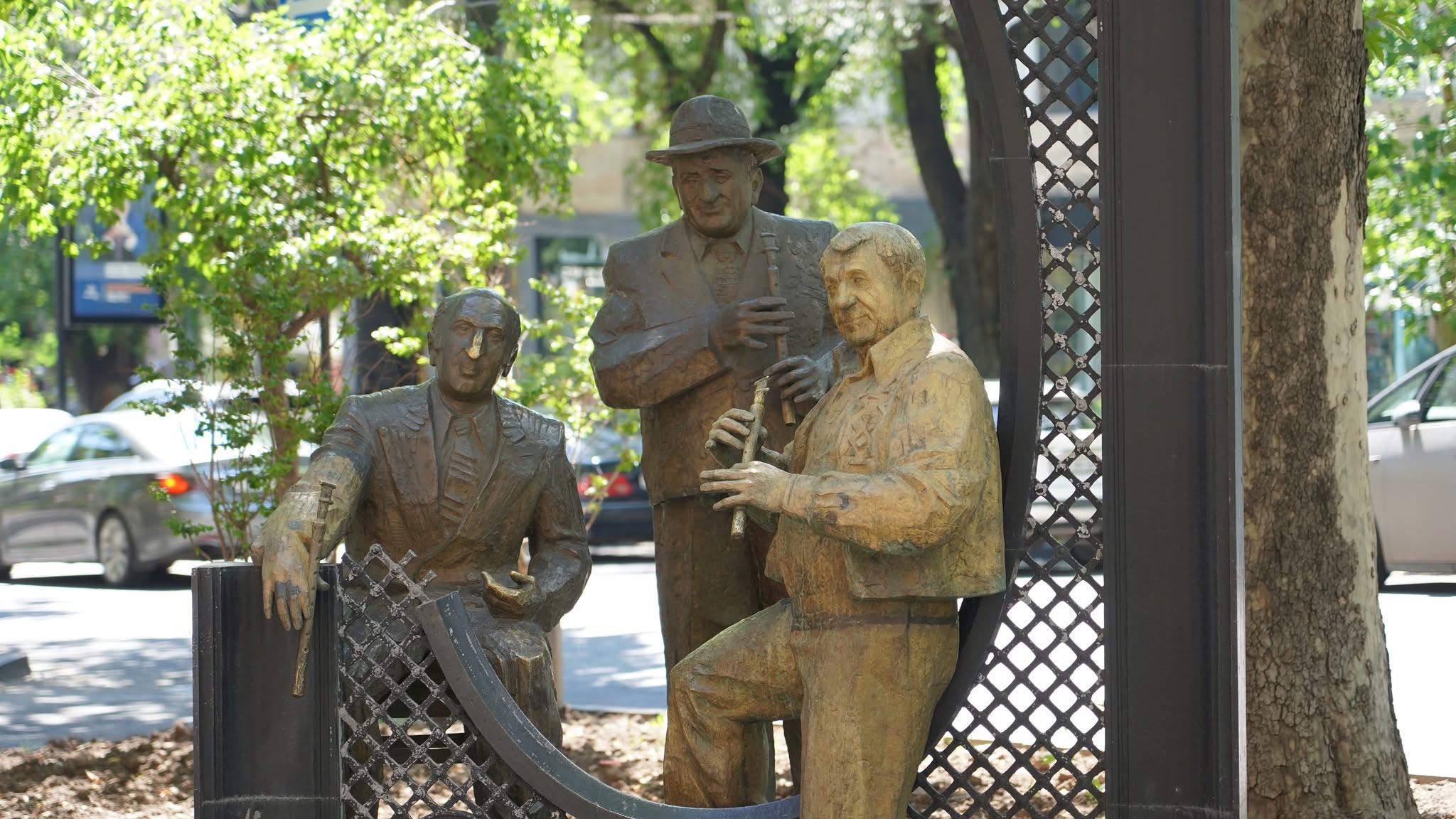
● “Armenia and Georgia have great potential for developing bilateral relations,” Prime Minister Nikol Pashinyan said during a meeting in Yerevan with Georgian Interior Minister Sulkhan Tamazashvili. Pashinyan stressed the importance of consistently expanding cooperation between the law enforcement agencies of the two countries, particularly in combating crime, drug trafficking, and strengthening internal security.
● “The friendly relations between Armenia and Georgia are based on mutual trust and many years of effective cooperation,” Interior Minister Arpine Sargsyan said during a meeting with a Georgian delegation led by Interior Minister Sulkhan Tamazashvili, who is visiting Yerevan on a working trip. Tamazashvili noted that this is his first visit to Armenia since taking office as minister.
● The International Commission on Missing Persons (ICMP) is ready to contribute to dialogue between Azerbaijan and Armenia on resolving the issue of missing persons, ICMP Director-General Kathryne Bomberger said during her ongoing visit to Baku.
● During a meeting with the head of the ICMP, Azerbaijan’s foreign minister said that after the 44-day war with Armenia in 2020, Azerbaijan carried out extensive search operations and returned the remains of more than 2,000 Armenian servicemen to Yerevan.
● The government has decided to extend the temporary visa liberalization regime for another year, until July 1, 2027. The decision applies to citizens of Bahrain, Saudi Arabia, and Oman, as well as foreign nationals holding residence status in the United States, European Union member states, Schengen countries, the UAE, Bahrain, Qatar, Saudi Arabia, Kuwait, and Oman. They will continue to be allowed to enter Armenia without an entry visa under the established procedure. Read more here
-
Wednesday, 1 July, Azerbaijan. Ursula von der Leyen expected in Baku as imprisoned journalists and political exiles appeal to her in open letters
● European Commission President Ursula von der Leyen is expected to arrive in Baku today. On June 2–3, Azerbaijan and the European Union held talks in Baku on a new comprehensive agreement and a Partnership Priorities document for 2026–2030. Observers link the renewed momentum in the negotiations to Azerbaijan’s growing importance for the EU in the fields of energy and transport logistics. As previously reported, von der Leyen will travel from Baku to Yerevan on July 3.
● The Coordination Center of Azerbaijani Political Emigrants in Europe has sent an appeal to Ursula von der Leyen ahead of her visit to Baku, urging her to put the issues of political prisoners, media freedom, and the state of civil society in Azerbaijan on the agenda. The appeal says that a sustainable partnership should not be limited to economic cooperation and must also take into account democracy, human rights, and the rule of law.
“Through a parliament formed by fraudulent means, reactionary laws are being adopted, effectively bringing independent media, civil society organizations, and political parties under full state control. All independent media outlets in Azerbaijan have ceased to operate. The entire editorial teams of Abzas Media, Toplum TV, and Meydan TV have been arrested. Dozens of journalists, human rights defenders, and civic activists, as well as Ali Karimli, leader of the main opposition party, the Azerbaijan Popular Front Party, are subjected to constant repression, while many party members have been arrested on fabricated charges. More than 400 political prisoners are currently being held in Azerbaijan’s prisons,” the appeal states.
● Journalists, activists, and human rights defenders currently imprisoned in Azerbaijan have also sent a joint appeal to Ursula von der Leyen, calling on her to include human rights issues in her talks with the Azerbaijani leadership. The authors expressed hope that the European Union would call for the release of all political prisoners in the country and support measures to expand civil and political freedoms. They also urged her to include meetings with independent journalists, bloggers, human rights defenders, and representatives of civil society in the program of her visit, saying these groups continue their work despite difficult conditions.
● TURKPA Secretary General Ramil Hasan sharply criticized the Parliamentary Assembly of the Council of Europe’s June 24 resolution on Azerbaijan. “Manipulating human rights issues and applying double standards is unacceptable. All this looks like an attempt to ‘punish’ Azerbaijan after it restored its territorial integrity. Instead of adopting such resolutions, it would have been more constructive to show solidarity with Azerbaijan, which liberated its lands from occupation, is carrying out large-scale reconstruction and rebuilding, and is conducting humanitarian demining operations. PACE could also contribute to clarifying the fate of nearly 4,000 Azerbaijani citizens who remain missing,” Hasan said.
● Foreign Minister Jeyhun Bayramov met with Kathryne Bomberger, Director-General of the International Commission on Missing Persons (ICMP), who is visiting Azerbaijan. “The fate of about 4,000 Azerbaijanis who went missing as a result of Armenia’s military aggression in the 1990s remains unknown. To establish their fate, Armenia must provide complete information on mass burial sites and minefield maps,” Bayramov said. He stressed that after the 44-day war with Armenia in 2020, Azerbaijan carried out extensive search operations and returned the remains of more than 2,000 Armenian servicemen to Yerevan. Information was also presented at the meeting about mass graves discovered in territories regained by Azerbaijan. Bayramov emphasized that Baku highly values its partnership with the ICMP.
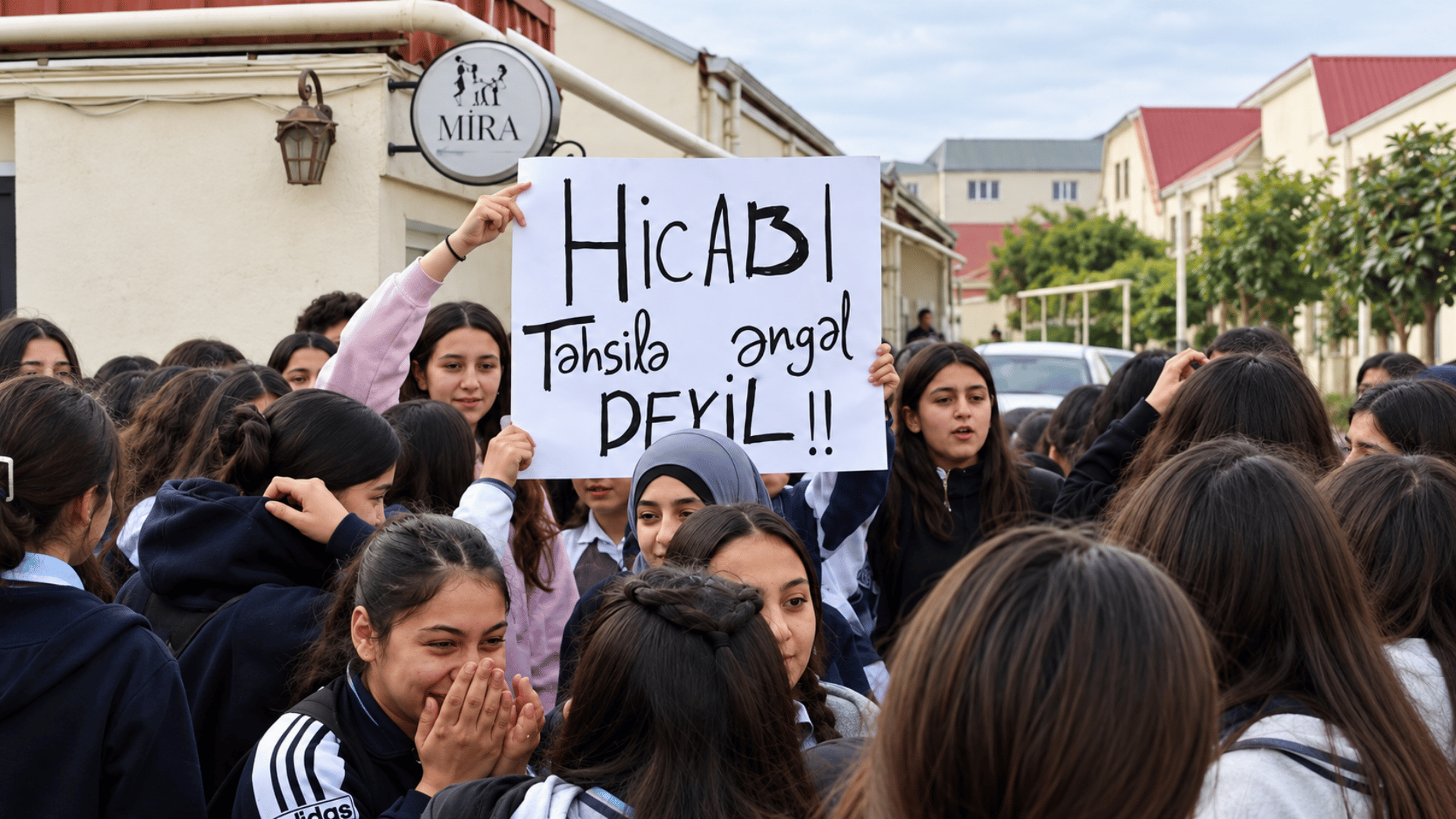
● A ban on the use of mobile phones, tablets, smartwatches, and other similar devices by students during school lessons has officially come into force in Azerbaijan. More details are available here.
● Science and Education Minister Emin Amrullayev reported worrying results from an assessment of students in grades 4–6. According to him, in a number of classes between 50% and 70% of students fail to meet the minimum educational standards. “This is not about isolated cases but a systemic problem. If the same situation is observed in hundreds of classes and thousands of students fail to acquire the necessary knowledge and skills, its causes must be carefully studied. Our goal is not to look for those to blame or accuse anyone, but to ensure that every student has the opportunity to receive a quality education. Personally, as minister, I support raising teachers’ salaries as much as possible,” Amrullayev said.
● Amrullayev also described as a myth the widespread belief in Azerbaijan that schools with Russian as the language of instruction provide a higher quality of education than Azerbaijani-language schools.
● Shusha in Karabakh hosted the first meeting of the heads of state bodies responsible for religious affairs from the member states of the Organization of Turkic States. The participants adopted an 11-point communiqué emphasizing Islamic solidarity, the promotion of Turkic-Islamic cultural heritage internationally, and stronger joint efforts against religious extremism and Islamophobia. The next meeting will take place in Kazakhstan in 2027.
● The appeals hearing continued for the imprisoned former political and military leaders of the former self-proclaimed “Nagorno-Karabakh Republic.” In February this year, Arayik Harutyunyan, Levon Mnatsakanyan, Davit Manukyan, Davit Ishkhanyan, and Davit Babayan were sentenced to life imprisonment on charges including war crimes committed during Armenia’s military aggression against Azerbaijan, terrorism, violent seizure of power, and other crimes. Arkady Ghukasyan and Bako Sahakyan were sentenced to 20 years in prison; Madat Babayan and Melikset Pashayan to 19 years; Garik Martirosyan to 18 years; Davit Alaverdyan and Levon Balayan to 16 years; and Vasily Beglaryan, Gurgen Stepanyan, and Erik Ghazaryan to 15 years.
• Davit Ishkhanyan said he wanted to submit comments on the court hearing transcripts. However, the court noted that such comments must be submitted in writing and in the Azerbaijani language. After translation, they must also be provided to the prosecution to ensure equality of arms during the proceedings.
• Davit Babayan asked the court to ensure that he has the opportunity to consult with his newly appointed state defense lawyer.
• Davit Alaverdyan, Melikset Pashayan, and Davit Ishkhanyan, together with their lawyers, presented their arguments to the court and asked to be acquitted. They said they did not agree with the charges against them. The next hearing is scheduled for July 3.
● President Ilham Aliyev sent a letter of condolences to the acting president of Venezuela following the devastating earthquake there.
● The Milli Majlis approved in its first reading a draft law tightening penalties for organizing online gambling. Under the current legislation, the offense carries a fine of between 10,000 and 15,000 manats (approximately $7,000–9,000). Under the proposed amendments, the fine would be set at up to twice the amount of income obtained from the crime. Prison sentences for repeat offenders would also increase, from the current 4–5 years to 5–8 years.
● A new free public beach has opened near Baku, in the Hovsan settlement of the Surakhani district. The project was implemented by the state Heydar Aliyev Foundation and the IDEA public association. The beach features sun loungers, umbrellas, changing cabins, showers, playgrounds, gazebos, as well as lifeguard and medical stations. IDEA said this is the seventh modern public beach opened with the organization’s participation.
-
Wednesday, 1 July, Georgia. German Ambassador announces end of his term; Prime Minister and Parliament Speaker renew criticism against him
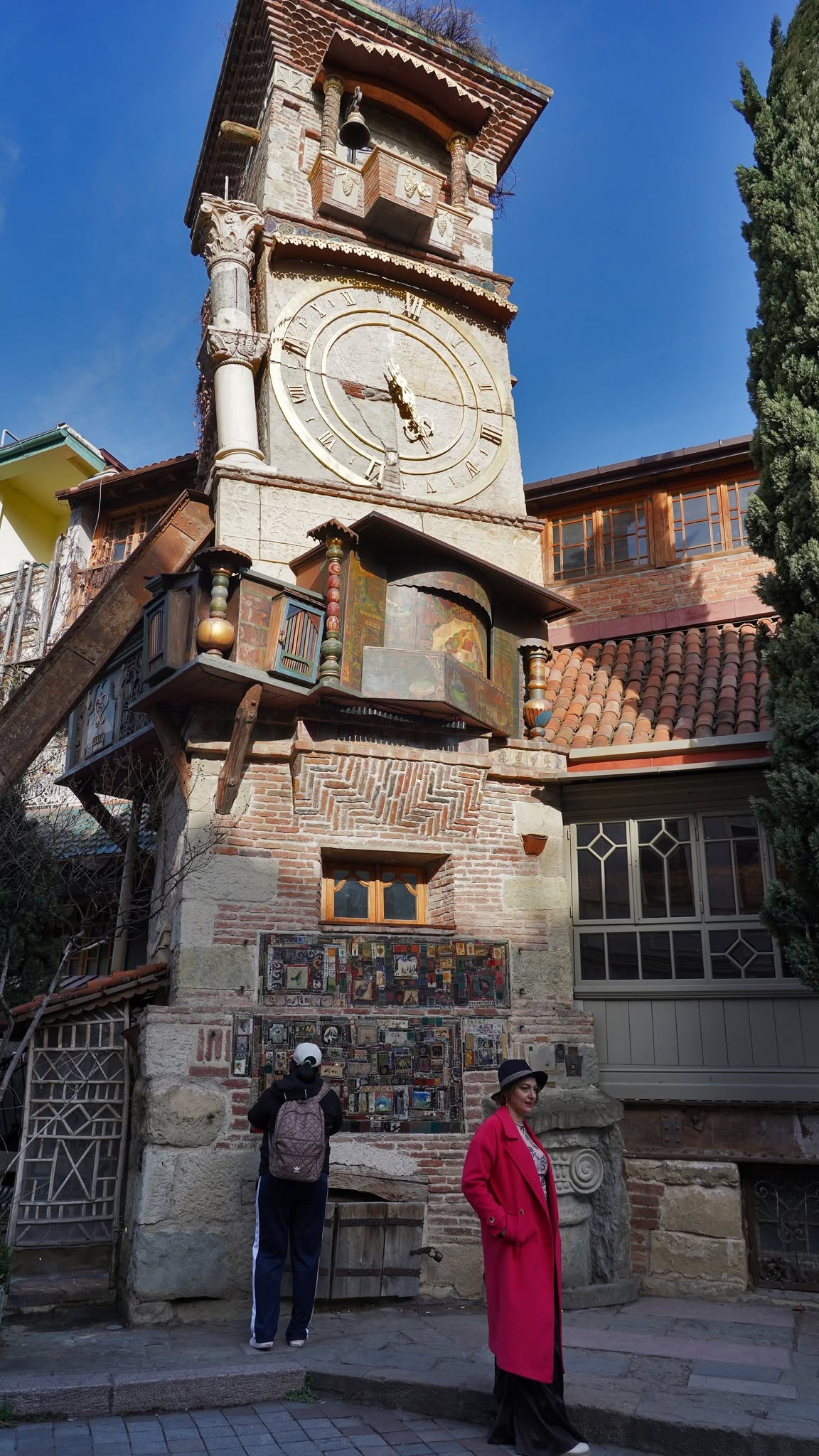
● German Ambassador Peter Fischer has completed his term in Georgia. In a farewell post on X, written in Georgian, he said goodbye to the people of Georgia and shared a photo taken at the April 9 Memorial near the parliament building. Fischer served in Georgia since 2022, and his statements repeatedly became the subject of criticism by the Georgian government and public confrontations with it.
● Prime Minister Irakli Kobakhidze commented on the post, saying: “Former German Ambassador to Georgia Peter Fischer caused great damage to Georgian-German relations,” and expressed hope that cooperation would improve after the appointment of a new ambassador.
● Parliament Speaker Shalva Papuashvili also said that Peter Fischer had “destroyed 30 years of partnership” between the two countries and added that his departure should mark “a new beginning” for Georgian-German relations.
● Interior Minister Sulkhan Tamazashvili is on an official visit to Armenia. During a meeting with Prime Minister Nikol Pashinyan, he discussed law enforcement cooperation between the two countries, regional security, and the importance of peace in the South Caucasus. Observers note that in recent months Georgian government officials have been visiting neighboring countries and Central Asia more actively than before.
● The presidential administration has confirmed that Mikheil Kavelashvili will attend the funeral ceremony of Iran’s Supreme Leader, Ayatollah Ali Khamenei. According to the administration, leaders of other countries in the region will also take part in the ceremony.
● Ekaterine Ivanishvili, the wife of Bidzina Ivanishvili, the founder of the ruling Georgian Dream party and an oligarch, has responded to an appeal from the mother of murdered teacher Giga Avaliani. She expressed her condolences to the family and said she was confident that the investigation would fully solve the case. The murder of the young teacher has become one of the most high-profile criminal cases in Georgia in recent years. Read more here
-
Tuesday, 30 June, Azerbaijan. Open letter protests "pro-Armenian campaigns in Western countries aimed at portraying convicted war criminals in Azerbaijan as "victims"
● Kazakhstan plans to increase oil exports through the Baku–Tbilisi–Ceyhan pipeline, President Kassym-Jomart Tokayev said following talks with Georgian Prime Minister Irakli Kobakhidze, who is on an official visit to the country. Plans were also announced to actively develop the Trans-Caspian International Transport Route, involving the countries of Central Asia and the South Caucasus. It was noted that transit freight volumes along the corridor have increased 3.5-fold over the past five years. By 2029, the number of container trains operating on the route is expected to reach 3,000.
● The customs services of Azerbaijan and Russia discussed synchronizing the infrastructure of their border checkpoints to speed up cargo clearance and prevent congestion at the border. Officials met at the border crossing to inspect customs facilities, technical equipment, and checkpoint capacity.
● An open letter signed by hundreds of people has been circulated in local media and on social media, protesting what the authors describe as “campaigns conducted by pro-Armenian organizations in Western countries to portray as ‘victims’ a number of war criminals convicted in Azerbaijan, including war criminal Ruben Vardanyan” (the former “state minister” of the self-proclaimed former “Nagorno-Karabakh Republic”). The letter was signed by local NGOs, families of those killed and missing in the conflict, victims of landmines, and former internally displaced persons. It states that Ruben Vardanyan and others were convicted of financing separatism and terrorism. “For decades, repeated appeals by the Azerbaijani families of missing persons to the international community have gone unanswered. The fate of more than 4,000 Azerbaijanis who went missing as a result of Armenia’s military aggression remains unknown, while the humanitarian tragedy of more than 3,400 landmine victims continues to be selectively ignored in global campaigns. Azerbaijan has both the right and the obligation to investigate serious crimes committed on its territory, and any outside interference in the exercise of this sovereign right is unacceptable. Lasting peace in the South Caucasus is possible only through an honest legal assessment of war crimes, the prosecution of those responsible, and the full restoration of victims’ rights,” the authors of the appeal said.
● A delegation led by Kathryne Bomberger, Director-General of the International Commission on Missing Persons (ICMP), is visiting Azerbaijan. During a meeting at the Ministry of Health, Bomberger said the ICMP is ready to continue providing technical and expert assistance to Azerbaijan in the search for missing persons. The sides discussed prospects for expanding cooperation in forensic science, DNA analysis, and specialist training. Earlier in June, Presidential Assistant Hikmet Hajiyev wrote on X that, more than three decades after the First Karabakh War, 4,009 Azerbaijani citizens remain missing.
● Azerbaijan’s Foreign Ministry has called on Israel to reconsider its intention to recognize the Armenian Genocide in the Ottoman Empire. “Such a step distorts the historical events of 1915, turning complex historical processes into a matter of political decision-making that is far removed from legal and scholarly foundations. Such actions do not serve reconciliation and mutual understanding, but instead deepen existing divisions and hinder efforts to achieve lasting peace and reconciliation in the region,” the ministry said in a statement. The statement was issued in response to Israeli Foreign Minister Gideon Sa’ar’s announcement that the Israeli government had unanimously approved a resolution recognizing the Armenian Genocide. The resolution will now be submitted to the Knesset for a vote.
● The Week of the Turkic World has opened in Baku to mark the 100th anniversary of the First Turkological Congress. Polish Ambassador Paweł Radomski wrote on X: “We have already had inspiring meetings at the intersection of science and diplomacy.”
● Vice President Mehriban Aliyeva, the president’s wife, chaired the first meeting of Azerbaijan’s newly established Council for Digital Development. “Our goal is to make Azerbaijan one of the region’s leading countries in digital development and artificial intelligence,” she said in her opening remarks.
● Construction of a new modern highway to the Istisu resort via Kalbajar is nearing completion. The State Agency of Azerbaijan Automobile Roads said it is one of the largest infrastructure projects in the territories regained from Armenian control following the Second Karabakh War in the autumn of 2020. The road crosses the Murovdag mountain range. So far, 89% of the work has been completed, and asphalt paving is already underway inside the 11.7-kilometer Murovdag Tunnel, which is expected to become one of Azerbaijan’s engineering landmarks. According to the agency, the tunnel ranks 18th in the world by length, fifth in Europe, and first among CIS countries. It also includes 38 emergency cross-passages. Four additional tunnels with a combined length of 2,636 meters have been built as part of the project. The new highway is expected to make a significant contribution to the development of agriculture and tourism.
● School students in Azerbaijan have been banned from using mobile phones, smartwatches, and similar devices during lessons. Under the new rules, all such devices must be switched off or set to silent mode and kept in designated storage areas until classes are over.
● Dutch football specialist Edmond Claus has been appointed Technical Director of the Association of Football Federations of Azerbaijan (AFFA). The federation said that his experience at the Ajax academy, as well as with various Netherlands and China national youth teams, will make an important contribution to football development in Azerbaijan.

-
Tuesday, 30 June, Armenia. Nikol Pashinyan: “Russia’s restrictions on Armenian exports have not had a critical impact on the country”
● European Commission President Ursula von der Leyen will pay a working visit to Armenia on July 2, where she is scheduled to meet with Prime Minister Nikol Pashinyan. The two leaders will then hold a joint press conference. According to official information, von der Leyen will visit Azerbaijan the day before, on July 1.
● Russia’s restrictions on imports of a wide range of Armenian products have not had a critical impact on the country’s overall macroeconomic indicators, and the economy continues to show strong activity, Prime Minister Nikol Pashinyan told journalists. Local media report that Russia’s import bans have even affected Armenian poultry companies that have never exported any products to Russia.
● Economy Minister Gevorg Papoyan dismissed as “fabrications” media reports claiming that his ministry had asked the Russian side for a meeting to resolve trade disputes. “These stories only make their authors look ridiculous. No minister anywhere in the world asks to be allowed into a meeting—there are established procedures for that. Within the framework of our partnership with Russia, we have no such problems,” Papoyan said.
● Sharp criticism of Armenia’s leadership from Moscow continues. Russian Deputy Foreign Minister Mikhail Galuzin said: “For members of the Eurasian Economic Union (EAEU), led by Russia, it is unacceptable that Armenia has enshrined in its legislation its intention to join the European Union while continuing to enjoy all the benefits and advantages of EAEU membership. Moscow does not understand why the Armenian leadership is in no hurry to hold a referendum on which bloc the country wants to join.”
● Local media are discussing the strongly critical reaction in Turkey and Azerbaijan to Israel’s intention to recognize the Armenian Genocide in the Ottoman Empire. Azerbaijan’s Foreign Ministry called on Israel to abandon the move, saying that such steps “do not contribute to reconciliation and mutual understanding, but instead deepen existing divisions and hinder efforts to achieve lasting peace in the region.” In Turkey, Presidential Administration head Burhanettin Duran also issued a statement: “It is sheer hypocrisy on the part of the Israeli administration, which has carried out the most brutal massacre of the 21st century by mercilessly killing tens of thousands of innocent civilians, including newborns, women, and the elderly, and yet dares to use historical events as a political weapon,” Duran wrote.
● The ruling Civil Contract party approved the nominations of MPs Hayk Konjoryan and Vaagn Aleksanyan for the posts of deputy speakers of the National Assembly following internal discussions and a closed ballot.
● A court has dismissed a lawsuit filed by former President Robert Kocharyan against Parliament Speaker Alen Simonyan. Kocharyan accused the speaker of insulting him and causing moral damage. The head of Kocharyan’s office said the court found Simonyan’s remarks to be “inaccurate, abstract, and incoherent,” and therefore concluded that “there was no evidence of intent to deliberately undermine Robert Kocharyan’s honor and dignity.”
● Since the beginning of the year, Armenia has been visited by more than 40 Azerbaijani citizens and 8,179 Turkish citizens, the National Security Service said in response to a query from NEWS.am. The agency added that it has no information about the ethnicity of those individuals.
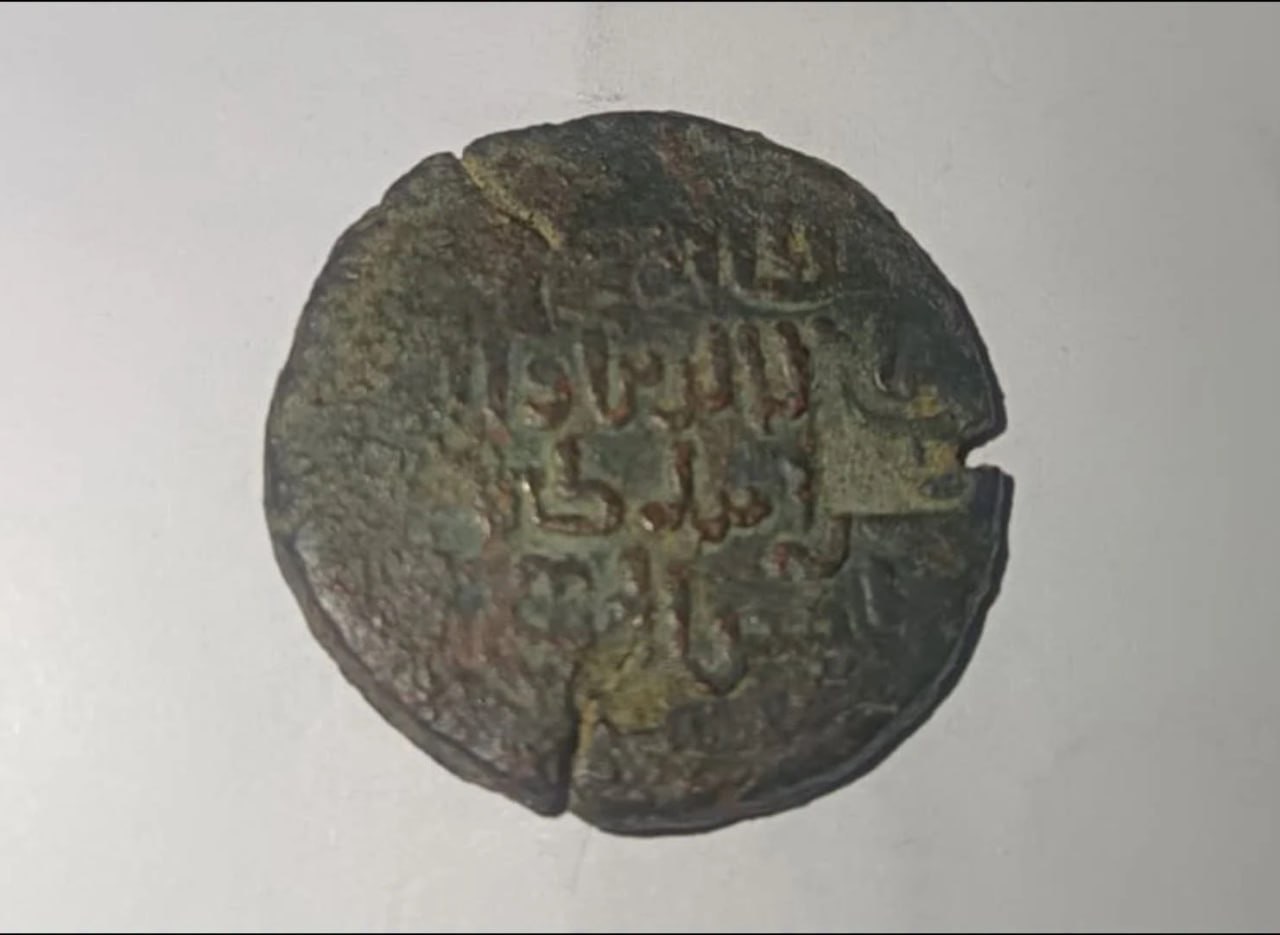
📸 Photo: A coin dating back to the reign of Georgian Queen Tamar has been discovered at the Amberd Fortress in Armenia.
-
Tuesday, 30 June, Georgia. Georgia and Kazakhstan signed a Strategic Partnership Agreement
● Opposition politician Zviad Kuprava has been sentenced to 2 years and 6 months in prison. He was charged with calling for the overthrow of the government and resisting a public official. This is one of several criminal cases opened by the authorities in recent months.
● It has been decided to transfer detained opposition leader Elene Khoshtaria to the “Vivamedi” clinic in approximately two days. Her health condition has significantly worsened over the past few weeks. The decision was made by the Special Penitentiary Service after a team of doctors visited her in prison. Khoshtaria will undergo additional examinations, after which a treatment plan will be determined. The leader of the Droa party, Elene Khoshtaria—a mother of four—was arrested in September and sentenced to 1 year and 6 months in prison for writing with a marker on an election poster of Tbilisi Mayor Kakha Kaladze. She refused to pay bail of 5,000 GEL (about $1,800) set by the court and chose to remain in prison.
● Civil activist Tamar Giorgadze has been fined 3,000 GEL (about $1,150) for a social media post about Bidzina Ivanishvili, founder of the ruling Georgian Dream party and oligarch. The post contained profanity directed at him. The case was initiated following a complaint by the new Interior Ministry department responsible for combating hate speech.
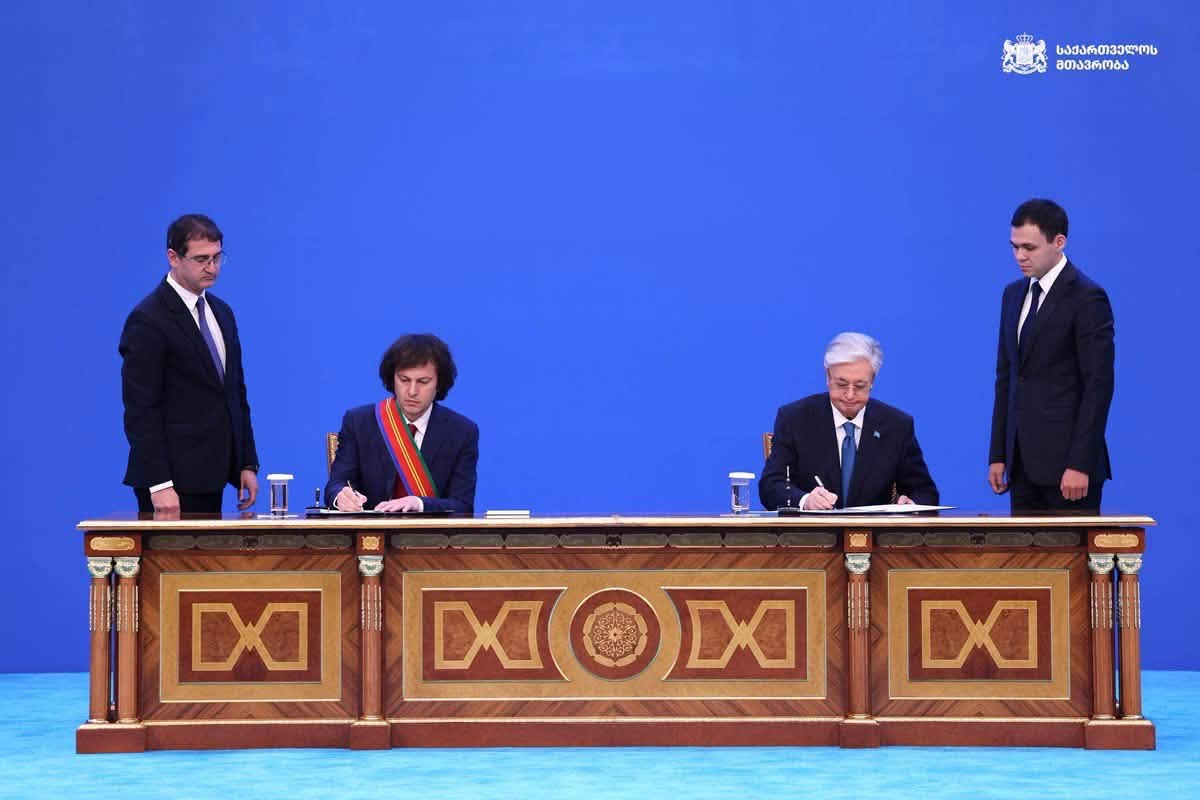
● Georgia and Kazakhstan signed a Strategic Partnership Agreement during the visit of Georgian Prime Minister Irakli Kobakhidze and his ministerial delegation to Astana. “This is truly a historic moment, and it is largely thanks to your active leadership and personal efforts that our countries have reached this important milestone,” said President Kassym-Jomart Tokayev while awarding Kobakhidze the Order of Friendship, First Class.
● Kazakhstan has become the first Central Asian country to sign a strategic cooperation agreement with Georgia, said Foreign Minister Maka Bochorishvili, who is on an official visit to Kazakhstan.
● The government has announced a tender for the purchase of 164 new hybrid vehicles worth 10.16 million GEL (about $4 million). Most of the vehicles are intended for the tax service and the Ministry of Defense. This is another major vehicle procurement for state agencies announced in recent weeks.
● Fines for traffic violations increased by 78% in the first five months of the year. It is reported that nearly 130 million GEL (about $49 million) has been collected into the state budget through these penalties.
● Parliament Speaker Shalva Papuashvili said that NGOs not registered in the special “transparency registry” are breaking the law, and their foreign donors are encouraging this through additional funding. He also stated that the European Union in Georgia has come to be associated with hate speech and obscene rhetoric, arguing that pro-European forces are the main spreaders and instigators of hate.
● Tzotne Ivanishvili, son of oligarch Bidzina Ivanishvili and honorary chairman of Georgian Dream, said he does not plan to enter politics. According to him, he is studying philosophy and art history and believes Georgia’s strategic goal is EU integration while preserving national traditions. He attended a meeting of the ruling party’s youth wing held at the Paragraph Hotel in Tbilisi. He has increasingly appeared in public, including at political events, and has made political statements.
● The opposition party “Gakharia for Georgia” is demanding an investigation into the June 26 parliamentary brawl, accusing ruling party MPs of assault. Party leader Berdiya Sichinava said law enforcement has not reacted to the incident despite video evidence, no case has been opened, and no one has been held accountable. The clash occurred after Prime Minister Kobakhidze’s annual report hearing, involving members of Georgian Dream and the Gakharia for Georgia party.
-
Monday, 29 June, Georgia. AlgorithmWatch: "Georgia's Interior Ministry purchases Russian facial recognition systems to suppress protests"
● Georgia’s Interior Ministry has been purchasing the Polyface facial recognition system since 2013 from the Moscow-based company JSC Papillon, which is linked to Russia’s FSB, and has been using the software to monitor peaceful citizens and suppress pro-European protests, according to an investigation published by the watchdog group AlgorithmWatch. The report notes that Papillon is under sanctions imposed by the United States, Switzerland, Ukraine, and Japan. Investigators claim that in early June 2025, Georgia’s Interior Ministry received the latest version of the Polyface facial recognition system, version 3.7.0, which has been actively used to identify participants in pro-European protests and issue them hefty fines of up to $1,800. “Tender documents show that the ministry requested licenses for an unlimited number of operators, whereas before 2025 the system allowed no more than 30 operators to work simultaneously. This change indicates the ministry’s growing need to monitor larger-scale demonstrations,” the report says.
● State Security Service chief Geka Geladze paid an official visit to Armenia. During a meeting with Armenian National Security Service Director Andranik Simonyan, the two discussed the development of the strategic partnership between their countries and current security challenges. Geladze also invited Simonyan to pay a return official visit to Georgia.
● “Georgia’s strategic course remains integration with the European Union,” Foreign Minister Maka Bochorishvili told journalists on the sidelines of the Dubrovnik International Political Forum in Croatia. She noted that this year’s discussions focus on multidirectional diplomacy, a topic of particular importance for Georgia because of its geographic location and geopolitical realities. “However, this policy does not mean any change to Georgia’s strategic foreign policy course — integration into the European Union.”
● Maka Bochorishvili: “Georgia stands at a crossroads, and the rivalry of different powers, interests, and priorities around us requires exceptional caution and precision. A country with 20 percent of its territory occupied by Russia speaks about peace more than others not because it is weak, but because it knows better than anyone the true cost of peace. That is why ensuring peace and stability remains one of the key priorities of both Georgia’s domestic and foreign policy.”
● Grigol Gegelia, a representative of the opposition group Strong Georgia – Lelo, has called on the Prosecutor’s Office to investigate the brawl that broke out in parliament on the final day of the spring session and to consider criminal charges against members of the ruling Georgian Dream party. “What happened shows that Georgian Dream is a group of criminals and thugs rather than a political party. They have absolutely no sense of responsibility. When a weightlifter capable of lifting 600 kilograms attacks a man who is already being restrained by others and punches him with such force, that is a criminal act,” Gegelia said.
● Viktor Kipiani, the former lawyer of ruling party founder Bidzina Ivanishvili, who is widely regarded as Georgia’s shadow ruler, has launched a new political party called Georgia First. Kipiani currently heads the GeoCase analytical center and was elected party chairman at its founding congress on Sunday. “As for relations with other parties, we are open to dialogue with everyone,” he said. The party’s co-founders and advisers are Nikoloz Alavidze and Giorgi Tumasyan. The party’s audit commission also includes journalist Vasil Ivanov-Chikovani, who made headlines after being dismissed from the Georgian Public Broadcaster for publicly expressing solidarity with Mzia Amaghlobeli. Amaghlobeli, the director of the popular media outlets Batumelebi and Netgazeti, was sentenced to two years in prison for slapping a police officer whom she said had insulted her.
● Prime Minister Irakli Kobakhidze, accompanied by several cabinet ministers, visited a summer camp hosting Ukrainian children under a program funded by the Georgian government. According to officials, the first camp session is hosting children of Ukrainian Armed Forces personnel and children who lost their parents in Russia’s war against Ukraine. From July 4 to July 15, the camp will host a second group consisting of children of members of Ukraine’s National Guard from the city of Sumy.
● The summer season of cultural and music festivals has officially opened in Georgia’s Black Sea coastal and mountain regions.
-
Monday, 29 June, Armenia. A recount has been ordered at several polling stations, while the justice minister said the violations were not widespread
● Armenia’s Constitutional Court continued hearing a lawsuit filed by seven political parties seeking to overturn the results of the June parliamentary elections. Aram Orbelyan, representing the Prosperous Armenia Party, said that at several polling stations there were more ballots in the boxes than the number of voters who had participated. He also stated that the figures in the precinct commission protocols differ from those published by the Central Election Commission (CEC). After a recess, the head of the CEC announced that the largest discrepancies had been found at polling stations 1/18, 21/1, 21/2, and 1/20, and that, at the CEC’s request, a recount had been ordered.
● Everyone responsible for election violations must face the toughest penalties provided by law, Justice Minister Srbuhi Galyan said during the Constitutional Court hearing. She represents the ruling Civil Contract party in the proceedings. Galyan stressed that the key issue is not simply whether violations occurred, but whether they could have affected the election outcome. Referring to the opinion of the Venice Commission, she said that annulling election results is an extraordinary measure and that the violations identified so far cannot be considered widespread.
● Narek Karapetyan, the leader of the candidate list of the pro-Russian opposition Strong Armenia party, published footage of a meeting with supporters in which participants discussed whether the party should take up its parliamentary mandates. Following the June elections, the party won 29 seats. Another pro-Russian opposition force, Armenia, secured 12 seats. Prime Minister Nikol Pashinyan’s Civil Contract party won a constitutional majority with 64 seats. Opinions at the Strong Armenia meeting were divided. Karapetyan said the political struggle should continue both in parliament and in the streets.
● New threats toward Armenia from Russia. Deputy Chairman of Russia’s Security Council Dmitry Medvedev said: “Severing the long-established ties with Russia will inevitably have severe consequences for ordinary Armenian citizens. The West views Armenia only as a tool in its struggle against Russia and is interested in clearing the political field of all forces that support healthy relations between Moscow and Yerevan.” Medvedev described the prosecutor’s request to strip Prosperous Armenia leader and parliamentary candidate Gagik Tsarukyan of immunity as “a new wave of repression against representatives of the Armenian opposition.” Tsarukyan is accused of tax evasion.
● Armenia’s State Revenue Committee has denied reports circulating on social media that operations at the Bagratashen border crossing with Georgia were disrupted because of staff inaction. “These reports are untrue. During the period in question, June 27, there were 309 entries and 266 exits, demonstrating that the customs checkpoint operated normally,” the committee said.
● Armenia’s Road Department has signed a contract with Tunnel Sad Ariana and Abat Rahan Pars International Group to build the 7.2-kilometer Kajaran Tunnel as part of the North–South highway project. The department said the agreement marks the official start of tunnel construction.
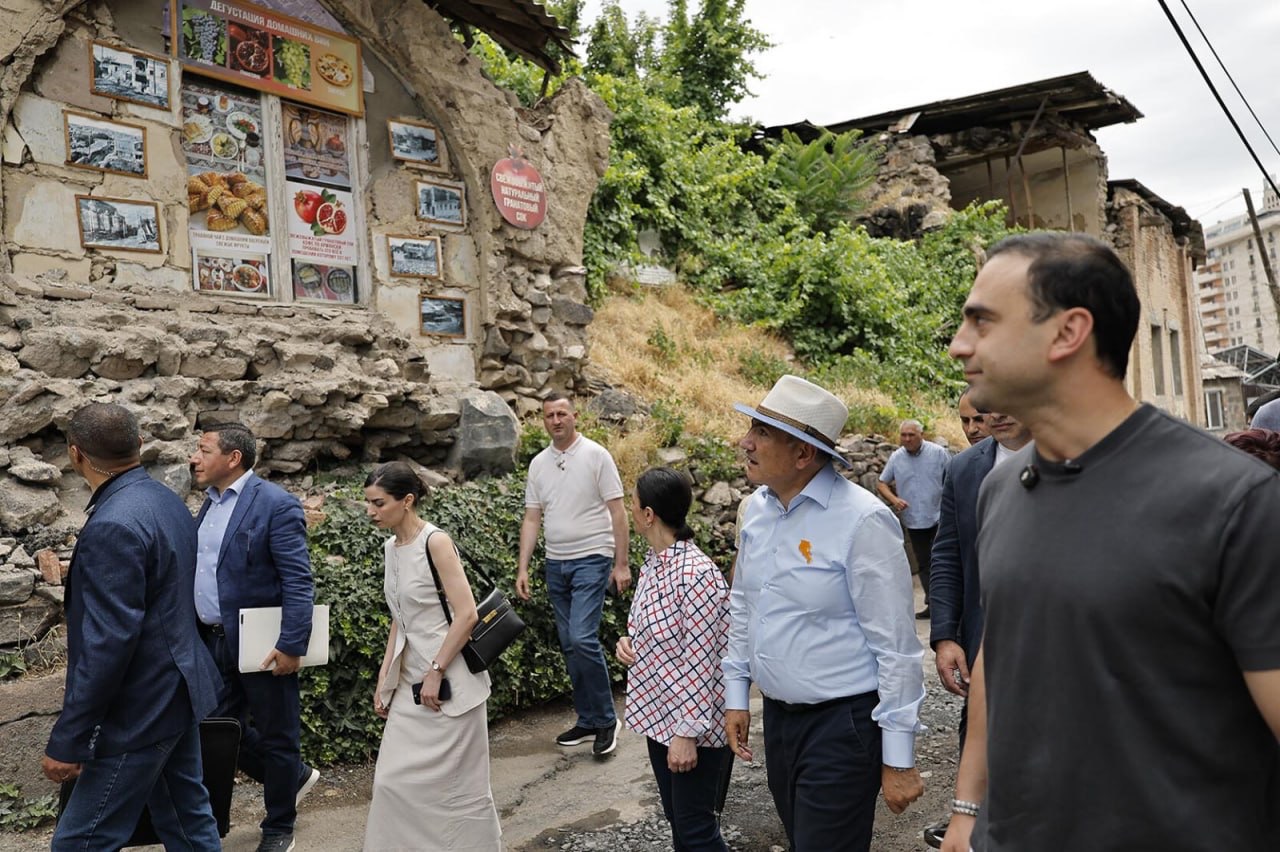
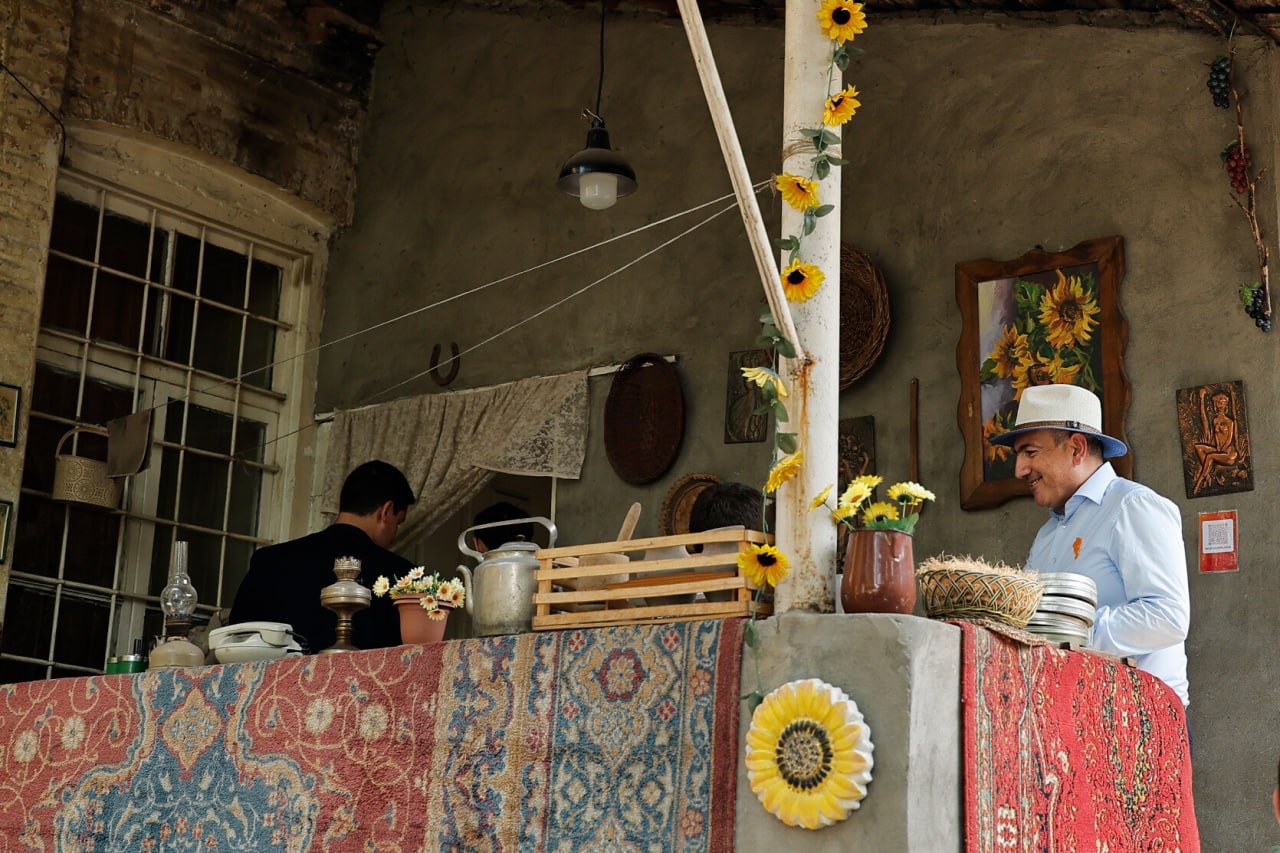
● Prime Minister Nikol Pashinyan presented a redevelopment plan for Kond, Yerevan’s historic district (pictured). Meeting with local residents, he outlined a cooperation model involving the state, private investors, and the local community. Pashinyan said that international experience had been studied while developing the concept, including the example of Athens’ historic Plaka district.
● Since June 1, the water level of Lake Sevan has risen by 17 centimeters, and all conditions are favorable for it to exceed the 1993 level in the coming days, according to the Center for Hydrometeorology and Monitoring.
● The body of former Health Minister Gagik Stamboltsyan was found inside a crashed car. According to photojournalist Gagik Shamshyan, preliminary information indicates that he died suddenly while driving.
● People’s Artist of Armenia Raisa Mkrtchyan has died. A funeral commission has been established.
-
Monday, 29 June, Azerbaijan. Joint special forces exercise "Caucasian Eagle 2026" involving Azerbaijan, Georgia, and Turkey
● The joint special forces exercise “Caucasian Eagle 2026” involving Azerbaijan, Georgia, and Turkey has concluded at the Mukhrani military base near Tbilisi. The drills included building-clearing operations in small units, controlled demolitions, helicopter insertions, neutralization of a mock enemy, and other tactical exercises.
● The Azerbaijan Popular Front Party says the prison conditions of its chairman, Ali Karimli, have deteriorated and that his rights have been further restricted. According to the party’s press service, Karimli told family members during a visit that he had been transferred to another cell and is now being held under stricter conditions than other inmates. He said the television in his cell has been switched off, he has no access to a radio, and newspapers and other printed materials brought by his lawyers are not being delivered to him. He also says his right to a two-hour daily walk has been restricted. The authorities have not commented on these allegations.
Ali Karimli and Popular Front Party presidium member Mammad Ibrahim were arrested in November last year on charges of attempting to violently seize power. Both politicians categorically deny the accusations. They are defendants in a case involving alleged activities threatening national security. The main defendant in the case is former presidential administration chief Ramiz Mehdiyev, who is also under arrest and was long regarded as the “gray cardinal” of Azerbaijani politics.
● Azerbaijan’s hazelnut exports have seen significant changes since the beginning of the year. Compared to the same period last year, export volume fell by 17.6%, while export value increased by 38.2%. Hazelnut exports accounted for 0.6% of Azerbaijan’s total export revenues.
● Ukrainian President Volodymyr Zelenskyy has awarded Hikmet Javad, chairman of the United Azerbaijani Diaspora of Ukraine, the Order of Merit, Third Class.
● Another shipment of Russian wheat has been transported to Armenia via Azerbaijan in transit, consisting of 11 railcars.
● The second UFC Fight Night Baku tournament took place over the weekend at the National Gymnastics Arena. Azerbaijani fighter Tahir Abdullayev defeated Brazil’s Jefferson Nascimento, Farman Hasanov beat American Eric Nolan, while Nazim Sadykhov lost to Brazil’s Matheus Camilo. The first UFC tournament in Baku was held in 2025.
● Turkey and Azerbaijan have jointly submitted an application to have baklava inscribed on UNESCO’s Representative List of the Intangible Cultural Heritage of Humanity.
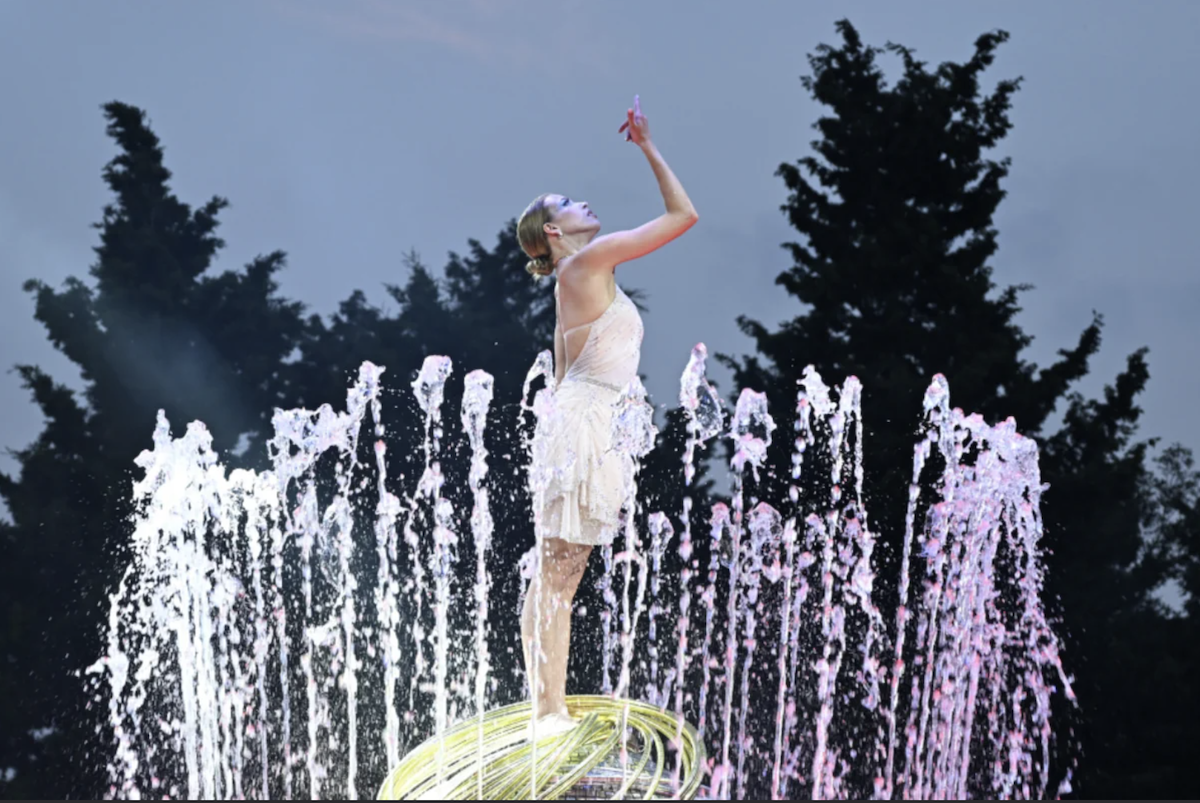
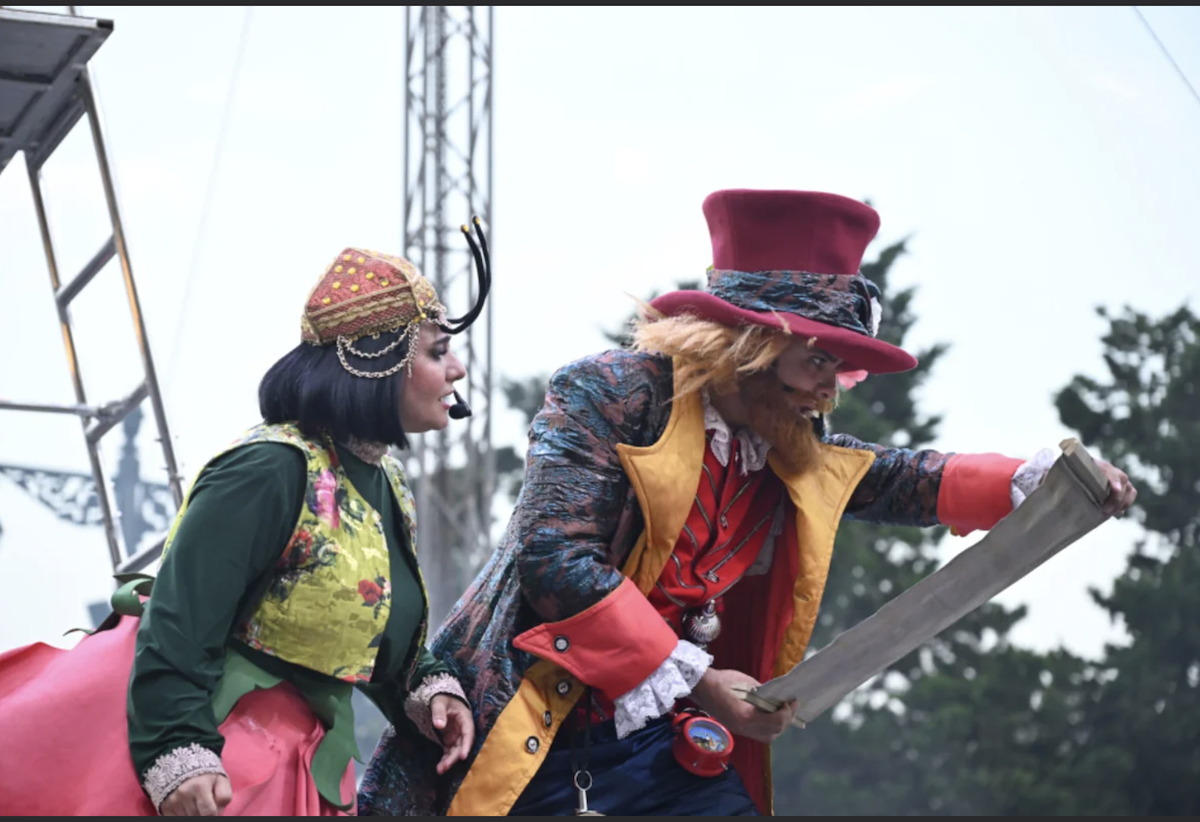
📸 Photo: The CandyFest summer festival continued over the weekend on Baku Boulevard. Opened on June 1, the festival will run through the end of July, featuring theater performances, concerts, interactive games, circus shows, entertainment programs, and a large fair. Photo by Report
-
Top stories in Azerbaijan, Armenia, and Georgia from 22-26 June, 2026