Georgia’s prison service rejects concerns over jailed opposition politician’s health






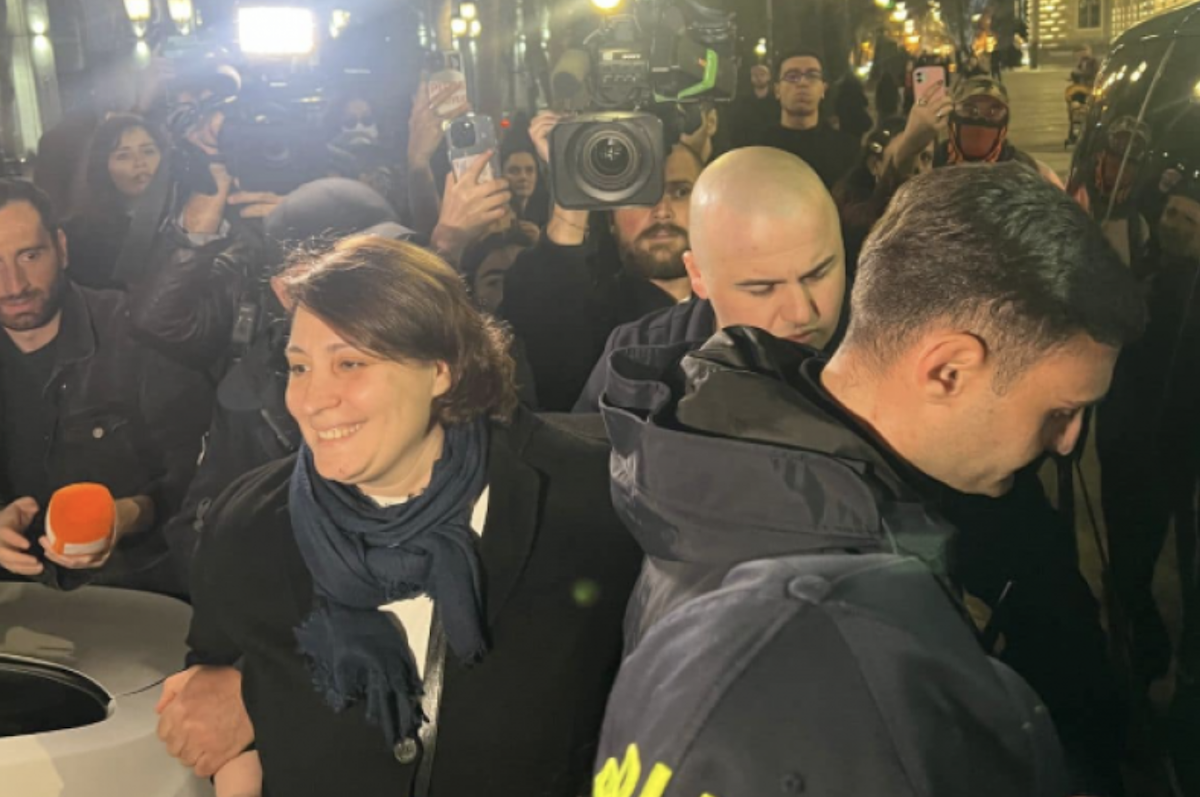
Georgia‘s Special Penitentiary Service has rejected reports that the health of Elene Khoshtaria, one of the leaders of the opposition Coalition for Change, has deteriorated.
The agency said Khoshtaria, who is currently in prison, is receiving full medical care. It added that most of the symptoms she is experiencing are related to chronic health conditions.
Earlier, lawyer Shota Tutberidze said that Elene Khoshtaria’s health had deteriorated in prison. According to him, doctors in Turkey who have been treating the opposition politician assessed her condition after consultations and concluded that, without appropriate treatment, it could lead to irreversible consequences. Tutberidze also said that one of the possible risks under consideration is that Khoshtaria could lose the ability to move independently in the future and may require a wheelchair.
According to the Penitentiary Service, Elene Khoshtaria has access to all appropriate facilities at Women’s Penitentiary Institution No. 5 and receives unrestricted access to both medical and other services.
The agency said Khoshtaria undergoes regular consultations with medical specialists. It added that doctors have carried out a number of examinations, including MRI scans of her spine and spinal cord.
According to the statement, Khoshtaria has received consultations from a cardiologist, neurologist, ophthalmologist, gynaecologist, psychiatrist and rheumatologist.
The rheumatologist last examined her on 5 June 2026. Doctors then carried out the necessary tests and prescribed treatment in line with current clinical guidelines and protocols.
The Penitentiary Service also said that neither the prisoner nor her lawyer has requested any additional medical services or examinations since her transfer to the facility.
According to the agency, Khoshtaria declined a follow-up consultation with a rheumatologist, although doctors have scheduled another appointment for 17 June.
The service described lawyer Shota Tutberidze’s claims as “disinformation” and said the authorities had already responded appropriately to the information he had circulated.
According to the agency, officials immediately provided the lawyer with information about Khoshtaria’s health condition. It added that he, like lawyers representing other defendants and convicted prisoners, can communicate freely with both the prison administration and medical staff.
The case of Elene Khoshtaria
On 24 March 2026, the Tbilisi City Court sentenced opposition politician Elene Khoshtaria to one year and six months in prison for writing “Russian Dream” on an election billboard featuring Tbilisi Mayor Kakhi Kaladze.
Explaining the verdict, the judge said video footage broadcast by television channels confirmed Khoshtaria’s actions. The case file also included testimony from a security guard.
Khoshtaria did not attend the court hearing and does not admit guilt.
Authorities detained her on 15 September 2025 after she refused to pay bail of 5,000 lari (about $1,850), which the court had imposed as a preventive measure.
The incident itself took place a day earlier, on 14 September 2025. Khoshtaria used a marker to write “Russian Dream” — a play on the name of the ruling Georgian Dream party — on a billboard located near Kakhi Kaladze’s campaign headquarters.
Khoshtaria later shared a video of the incident on social media and said she had acted in solidarity with Megi Diasamidze, an activist whom authorities had detained for a similar action before releasing her on bail.
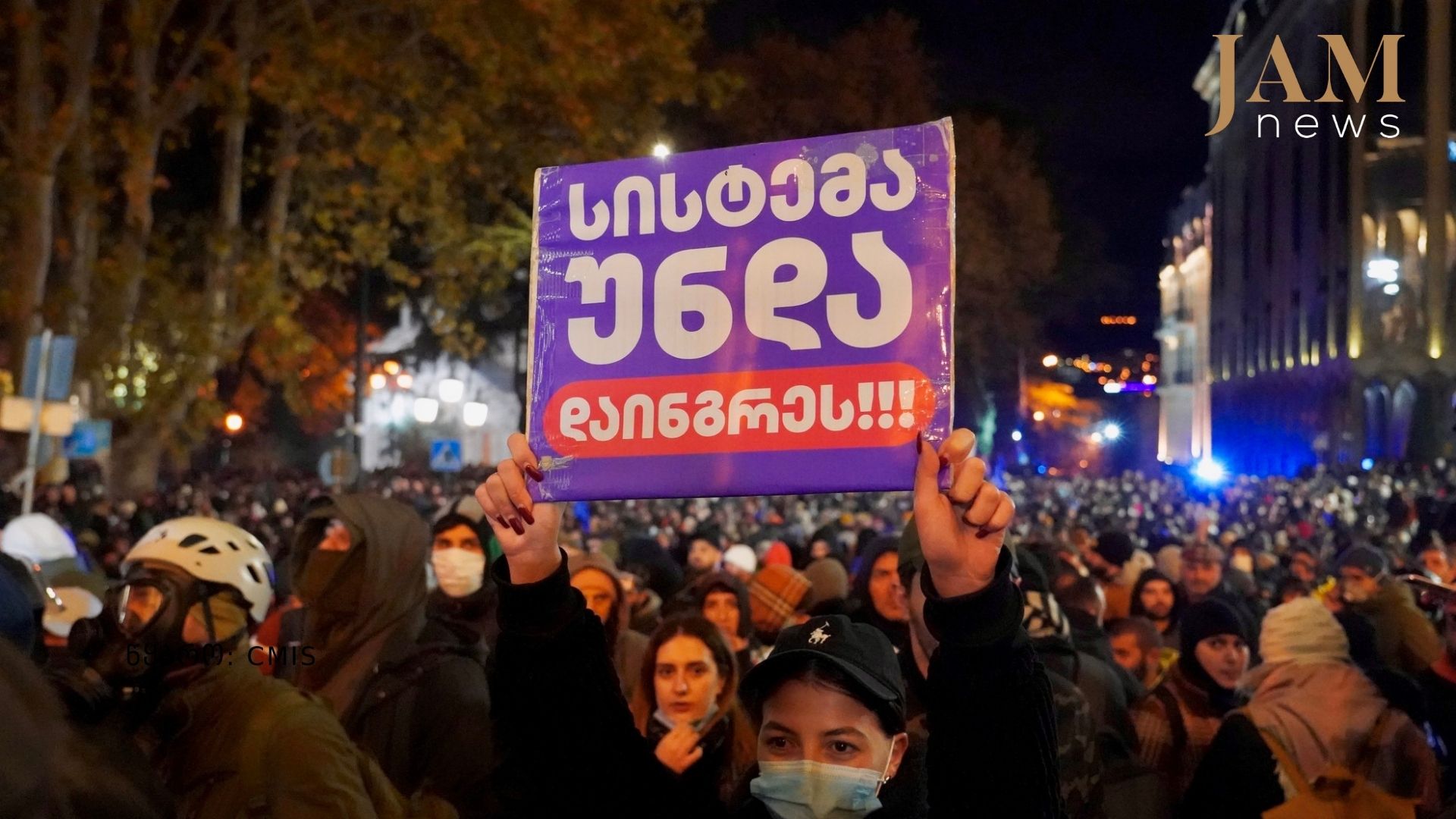
Elene Khoshtaria’s health condition