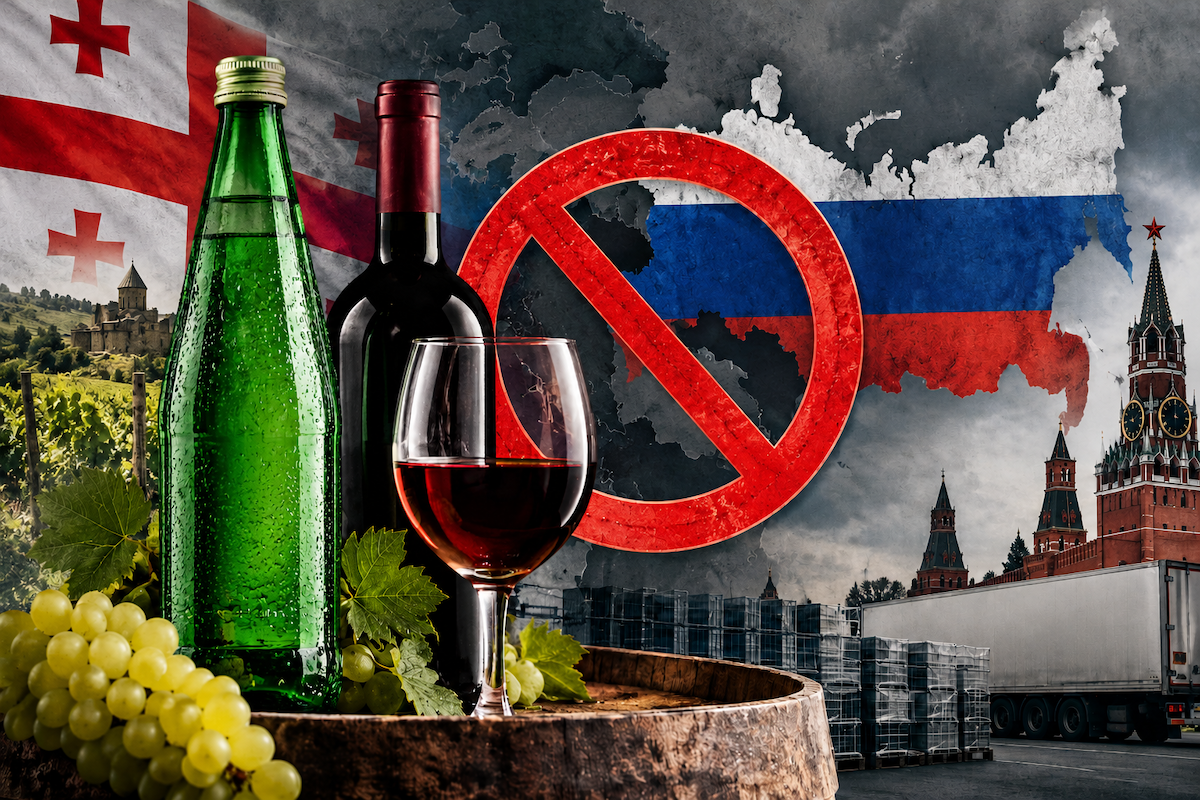
Opinion on Georgian petrol in Abkhazia: ‘If needed, it’s possible’






The indirect consequence of Ukrainian drone attacks on Russian oil refineries has been a fuel crisis in Abkhazia, which in recent years has been buying petrol from Russia.
After struggling with shortages for two weeks, Abkhazia decided to buy petrol from Georgia. Given the unresolved Georgian-Abkhaz conflict, this was a rather “unorthodox” move, but at the same time the only viable way out of the situation.
In a blog post, Inal Khashig, editor of the Abkhaz outlet Chegemskaya Pravda, discusses whether Abkhazia can trade with Georgia.
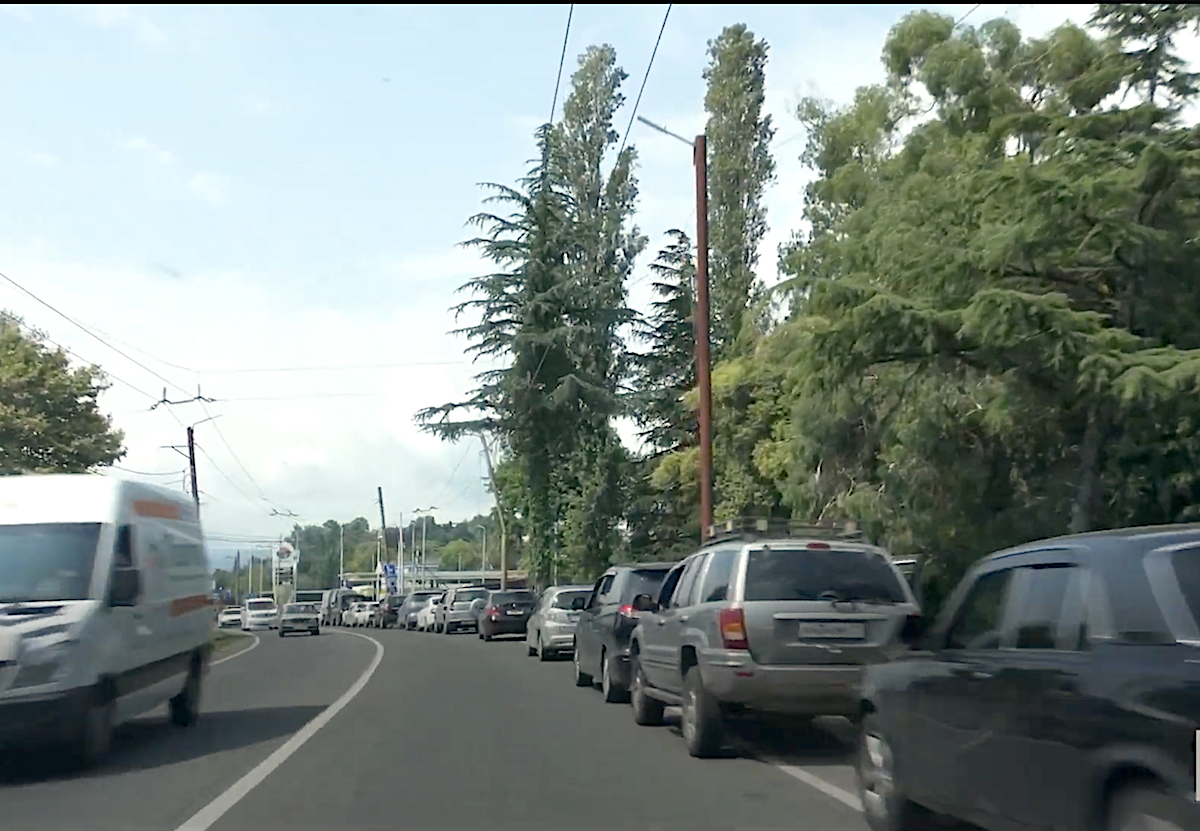
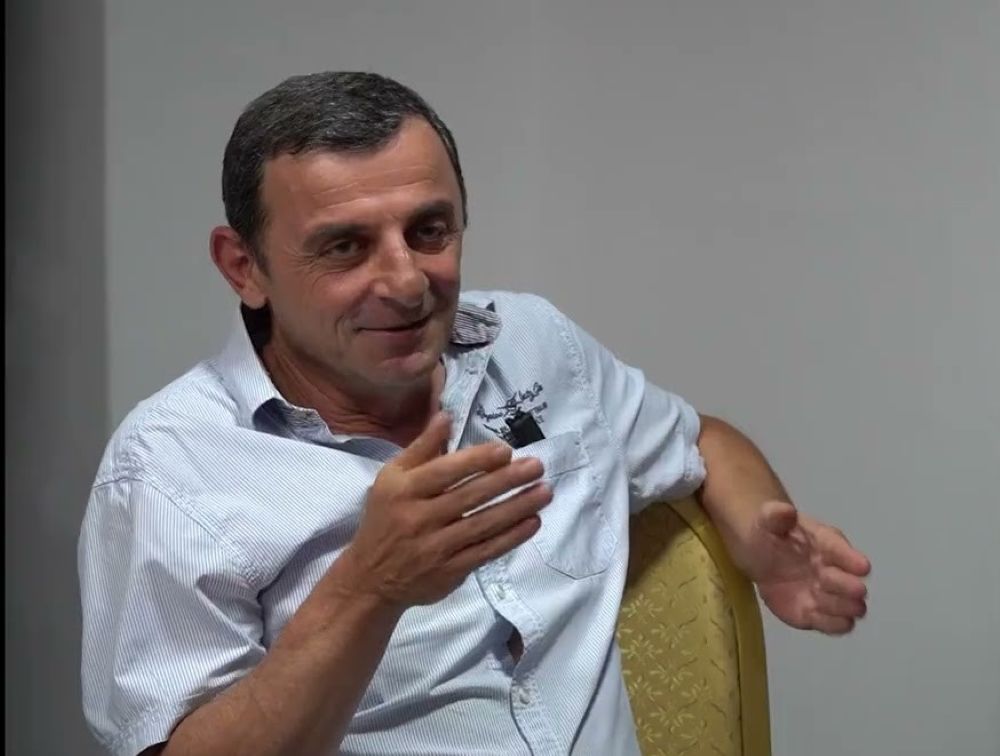
Inal Khashig: “Abkhazia has been grappling with a petrol shortage for the past two weeks. There is virtually no fuel left in the country. Government assurances that the situation is under control and that a new shipment of petrol is about to arrive have done little to reassure people — if anything, they have only deepened the pessimism. Queues at petrol stations stretch as far as the eye can see.
And then petrol arrived from an unexpected source — Georgia.
Tbilisi says the government has nothing to do with it and that it is entirely a private business matter. Sukhumi, for its part, says that when the country is facing a fuel shortage, it will not prevent petrol tankers from entering from Georgia. After all, there is precedent for this kind of economic contact: during the difficult 1990s, we supplied Georgians with relatively cheap fuel.
This particular fuel crisis has once again brought an enduring Abkhaz question to the fore: should we trade with an enemy state or not?”
To me, it is quite straightforward: if this kind of cooperation is vital for the country as a whole, its economy and the well-being of its people, then it is justified. Sukhumi has, after all, cooperated with Tbilisi in the energy sector throughout the post-war years, and no one objects because there is no alternative. This cooperation is vital to both Abkhazia and Georgia.
And now, when the whole of Abkhazia — and with it the country’s economy — has ground to a halt because of the lack of petrol, refusing to buy fuel from the Georgians looks like outright posturing.
Incidentally, I think the government’s argument that Abkhazia actively sold petrol to Georgia in the 1990s is a very good one. At the time, war-ravaged Abkhazia was under a severe blockade: Russia under Boris Yeltsin had effectively sealed us off on all sides. Nothing could be brought in or taken out. About the only thing permitted was taking mandarins across the border in handcarts, with Abkhaz women effectively serving as beasts of burden.
Abkhazia’s tiny budget was funded by selling timber and scrap metal to Turkey, as well as by smuggling fuel into Georgia.
The latter involved considerable risk and loss of life, as fuel tankers had to travel towards the Georgian border through the Gali district, which was unstable at the time. But there was effectively no other way of bringing even a little money into the state coffers. Whatever anyone may say, those modest revenues helped Abkhazia survive at the time.
And yes, we traded with Georgia then because we had to.
And we need to do so now to protect the country from a fuel crisis.
And in future, we need to take similarly responsible steps, even if they run counter to established dogmas. Rigid dogma is not the best guide to action in crises like the one we are facing now.”
The terminology, place names and views expressed in this article are those of the author and do not necessarily reflect the editorial position of this website.