Georgian Constitutional Court judge issues dissenting opinion on cases involving protests on pavements






Judge on protests on pavements in Georgia
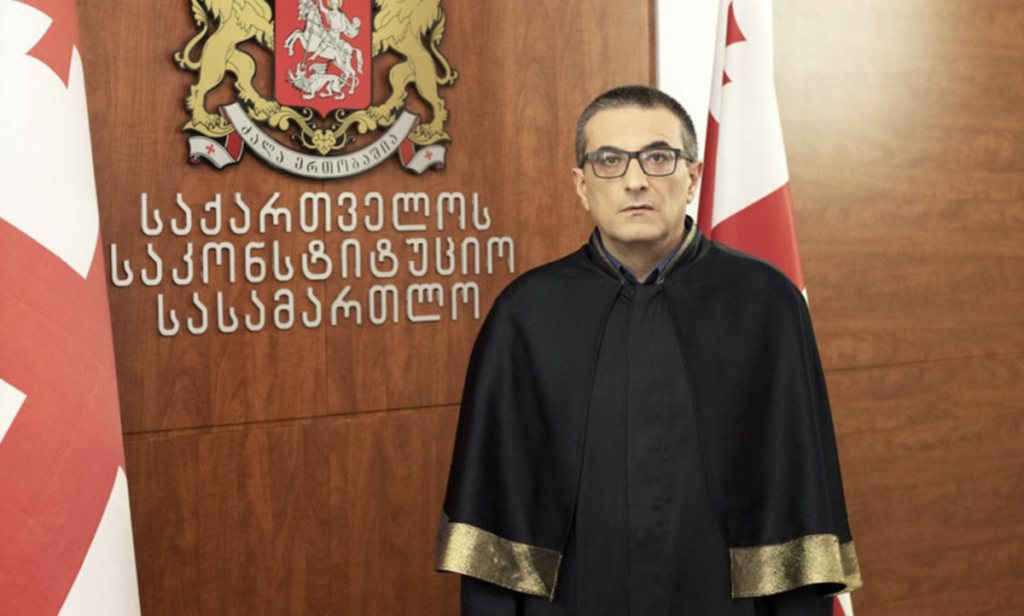
A dissenting opinion by Constitutional Court judge Giorgi Kverenchkhiladze has been published on the punishment of people for holding protests on pavements.
Kverenchkhiladze believes that imposing administrative detention on people for peaceful protests and assemblies could cause harm that may later prove impossible to remedy.
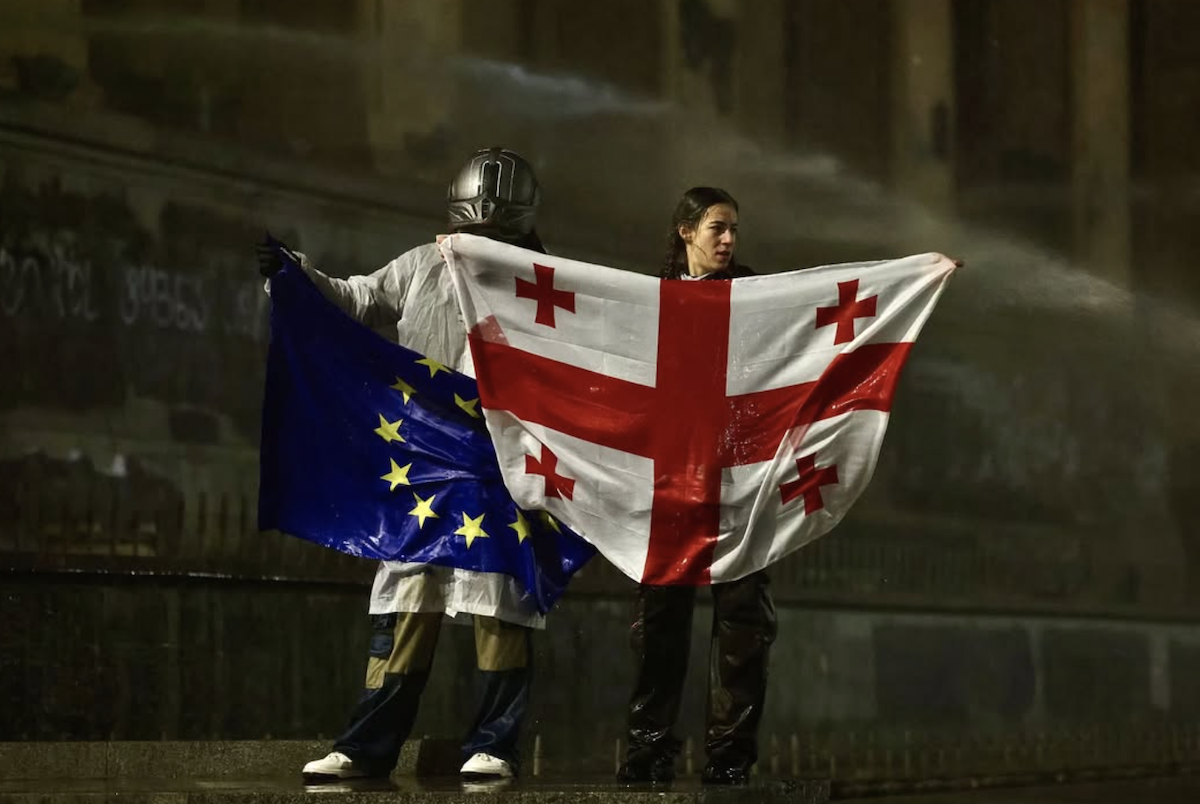
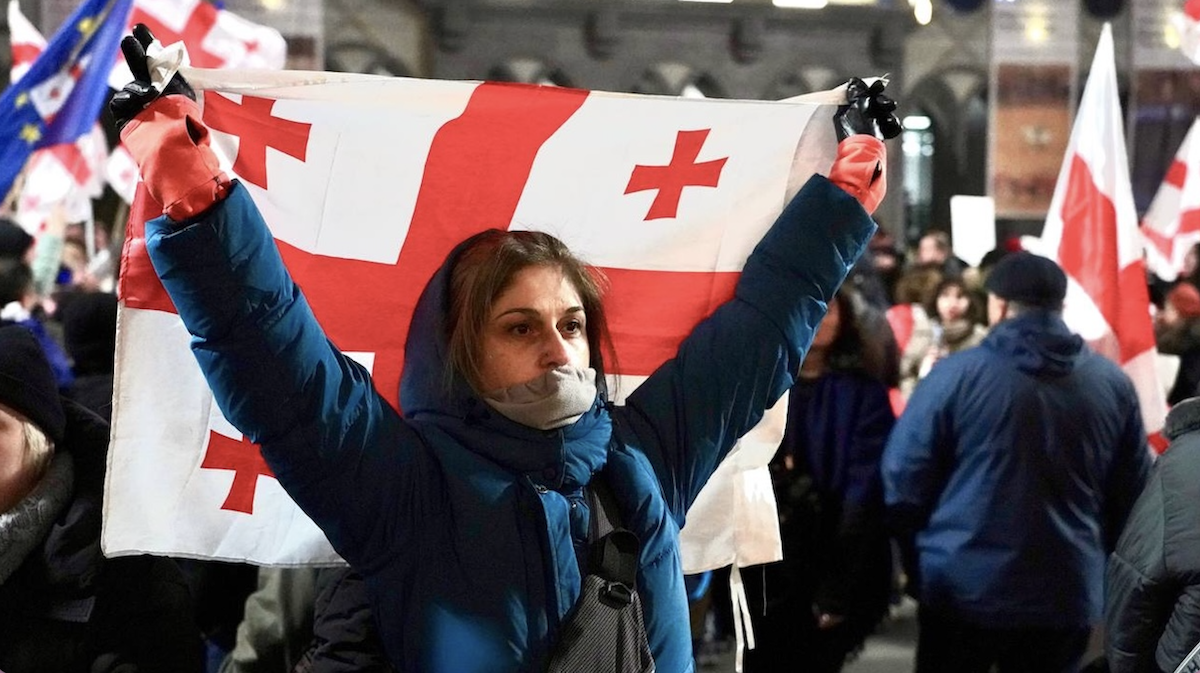
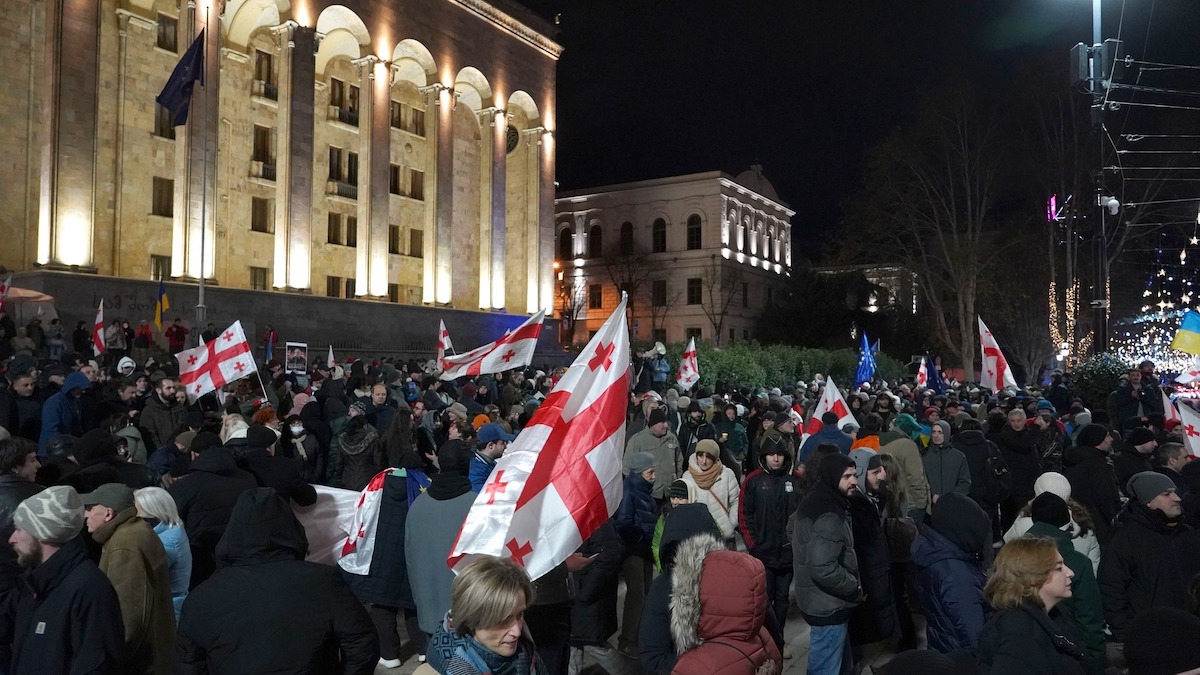
The Tbilisi City Court began hearing the so-called “pavement cases” in December 2025. Since January 2026, dozens of demonstrators have faced administrative detention for holding protests on the pavement outside parliament.
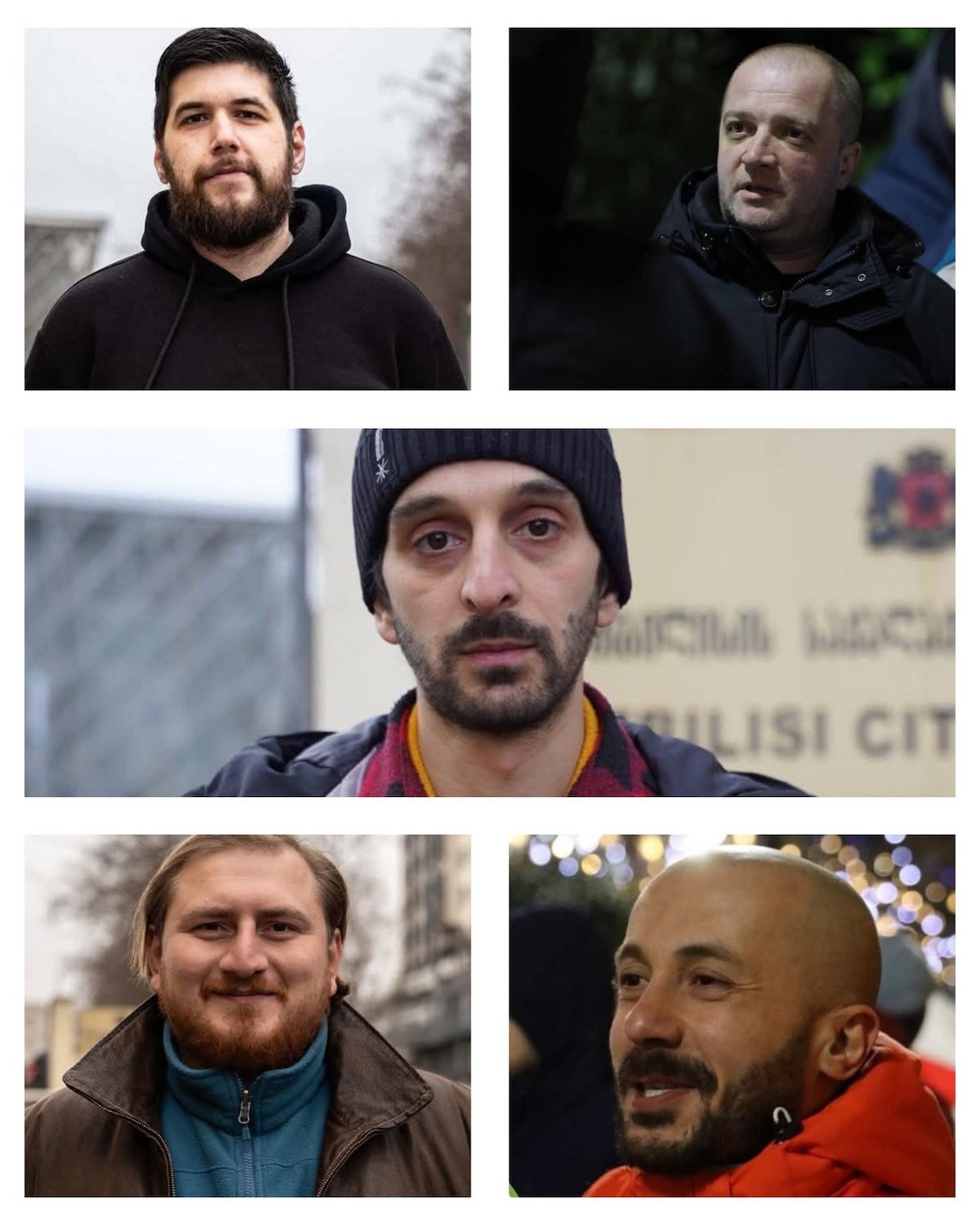
Several people petitioned the Constitutional Court to challenge the ban on protests on pavements. They also asked the court to suspend the disputed provisions until it issued a final ruling. The Constitutional Court began hearing the cases but refused to suspend the provisions. Judge Giorgi Kverenchkhiladze believes the court should have suspended them.
However, according to lawyer Giorgi Burdjanadze, Kverenchkhiladze was in the minority among the judges of the Constitutional Court’s First Chamber when they considered the issue.
Judge Giorgi Kverenchkhiladze’s dissenting opinion
“If the threat of administrative detention or imprisonment forces a person to repeatedly refrain from taking part in an assembly or publicly expressing their position, that opportunity can no longer be restored,” the judge wrote.
He said this was why such a restriction could cause “irreparable harm”.
Giorgi Kverenchkhiladze’s dissenting opinion also includes arguments that lawyers raised before the Tbilisi City Court when it considered cases related to protests on pavements. However, the judges did not take those arguments into account.
One such argument concerns the temporary disruption of people’s normal movement in their daily lives.
Kverenchkhiladze notes that pedestrian movement on pavements can be disrupted for various reasons, including parking violations, commercial or construction activities, and other circumstances. However, the state has never considered imprisonment a necessary measure to protect freedom of movement in such cases.
“Temporary restrictions on pedestrians’ freedom of movement do not represent an interest for which a democratic state would normally resort to imprisonment as a means of protection,” the judge wrote.
Kverenchkhiladze also drew attention to the severity of the sanction. He said harsh punishment not only demonstrates the state’s attitude towards a particular action, but can also discourage people from taking part in protests altogether.
“The severity of the sanction provided for by the disputed provisions indicates not only the degree to which the act is considered reprehensible, but also the strength of the ‘deterrent effect’ it may have on the exercise of freedom of expression and freedom of assembly,” Kverenchkhiladze stressed.
Context
Georgia has seen continuous protests since 28 November 2024. Thousands of people took to the streets after Prime Minister Irakli Kobakhidze of the Georgian Dream party announced that the government would not put EU accession talks on the agenda for the next four years.
Since then, Georgian Dream has repeatedly restricted freedom of expression through new laws. These measures have included bans on wearing masks and using pyrotechnics at rallies, as well as criminal liability for repeatedly blocking roads during protests.
The most far-reaching of these repressive legislative initiatives came with amendments banning assemblies on pavements. Under the new rules, organisers of any assembly or demonstration on a pavement must notify the Interior Ministry five days before the event. The ministry can also propose an alternative time and location for the protest.
The new rules also introduce administrative detention as the initial penalty for violations, except in certain special cases.
Judge on protests on pavements in Georgia