Georgia’s competition chief: ‘Commission’s goal was not to lower prices, but to identify problems in market’






Purpose of Georgia’s price commission
According to Shota Berekashvili, chairman of Georgia’s parliamentary commission on prices, the main purpose of the temporary commission set up at the initiative of Georgian Dream was not to reduce prices, but to identify problems in the market and provide a basis for further analysis.
The temporary parliamentary commission on prices was established in February 2026 for a three-month term. Earlier, Prime Minister Irakli Kobakhidze of the ruling Georgian Dream party said that in some cases food prices in Georgian supermarkets were significantly higher than in European countries. He said high mark-ups and possible violations of anti-monopoly legislation by supermarket chains could be behind the discrepancy, and called on law enforcement agencies to investigate the issue.
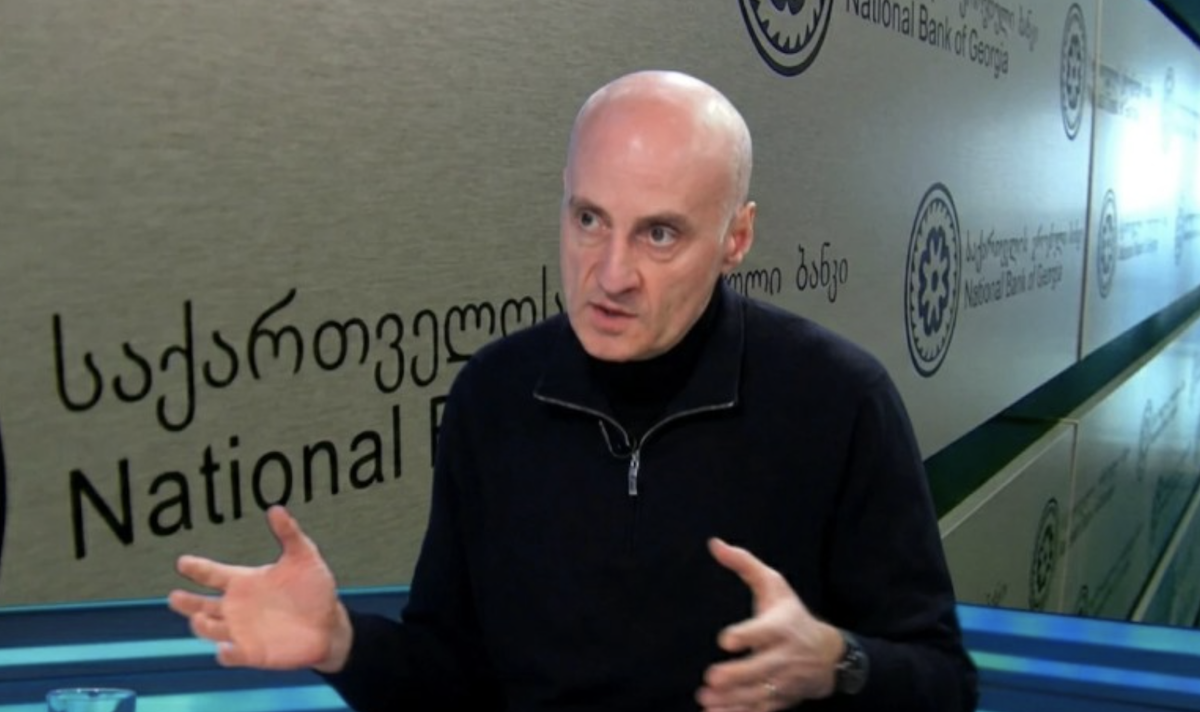
According to Shota Berekashvili, Georgia’s average inflation rate was 3.9% in 2025, close to the National Bank’s target, although rising food prices remained one of the country’s most pressing concerns.
Berekashvili said the commission’s goal was to identify the causes of food inflation, after which further analysis and a concrete action plan would be required.
He said the commission’s 104-page report included short-term measures, medium-term structural reforms and a long-term strategy.
According to Berekashvili, the commission studied the experience of other countries and concluded that direct and radical market intervention often creates additional problems. For that reason, the commission does not recommend introducing price caps on essential goods.
“We could easily have recommended price caps on essential goods, but the result could have been serious disruption to the market,” Berekashvili said.
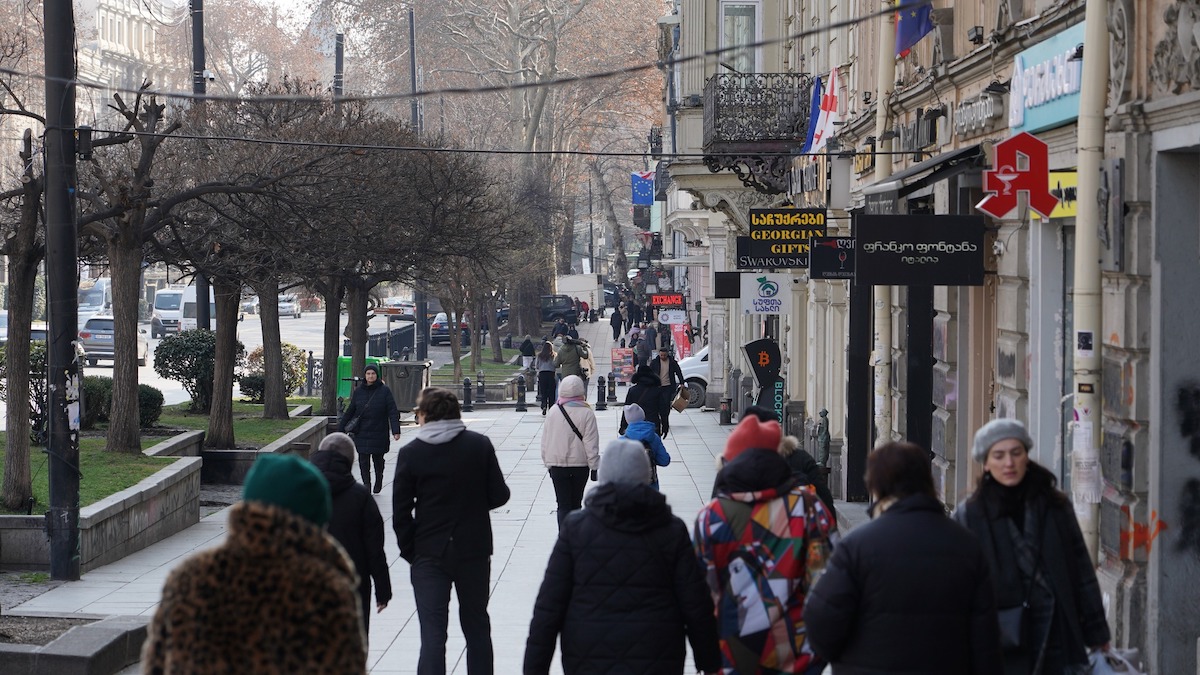
The temporary commission concluded its work on 1 May 2026. Its final report said profit margins in Georgia’s retail sector did not indicate excessive mark-ups and were broadly in line with international practice.
According to commission chairman Shota Berekashvili, the main recommendation was to avoid “aggressive intervention” in the food market.

Purpose of Georgia’s price commission