For Georgia party calls on government to clarify possible changes to Geneva talks format






“For Georgia” on the Geneva discussions
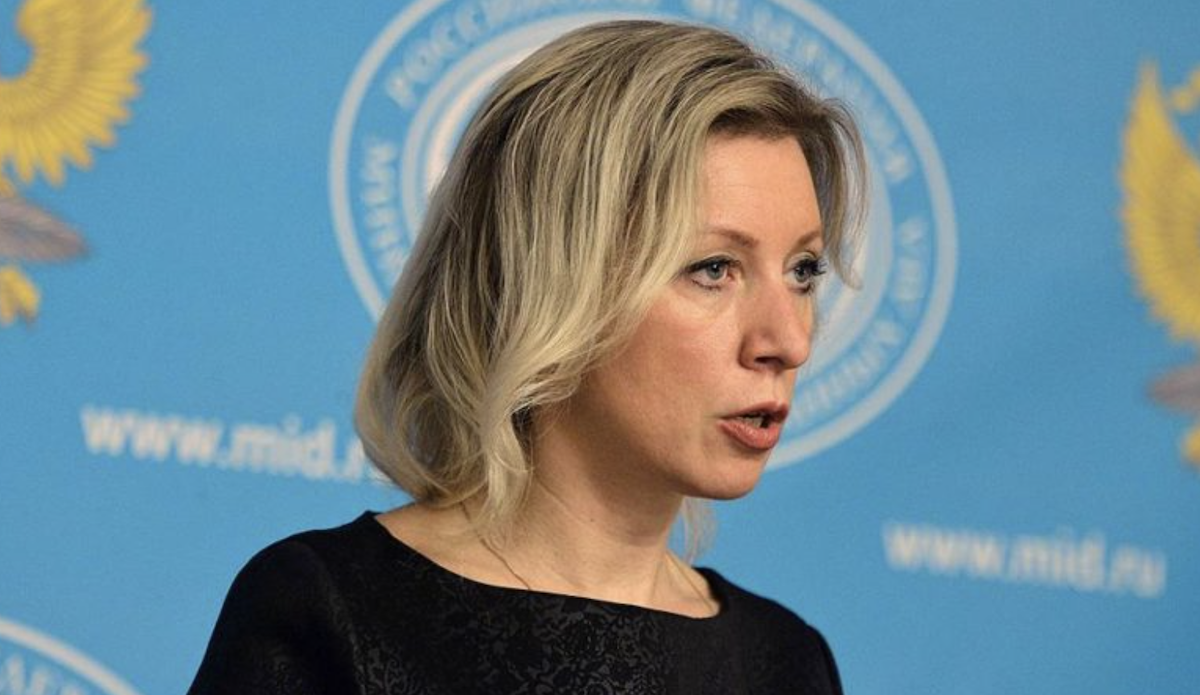
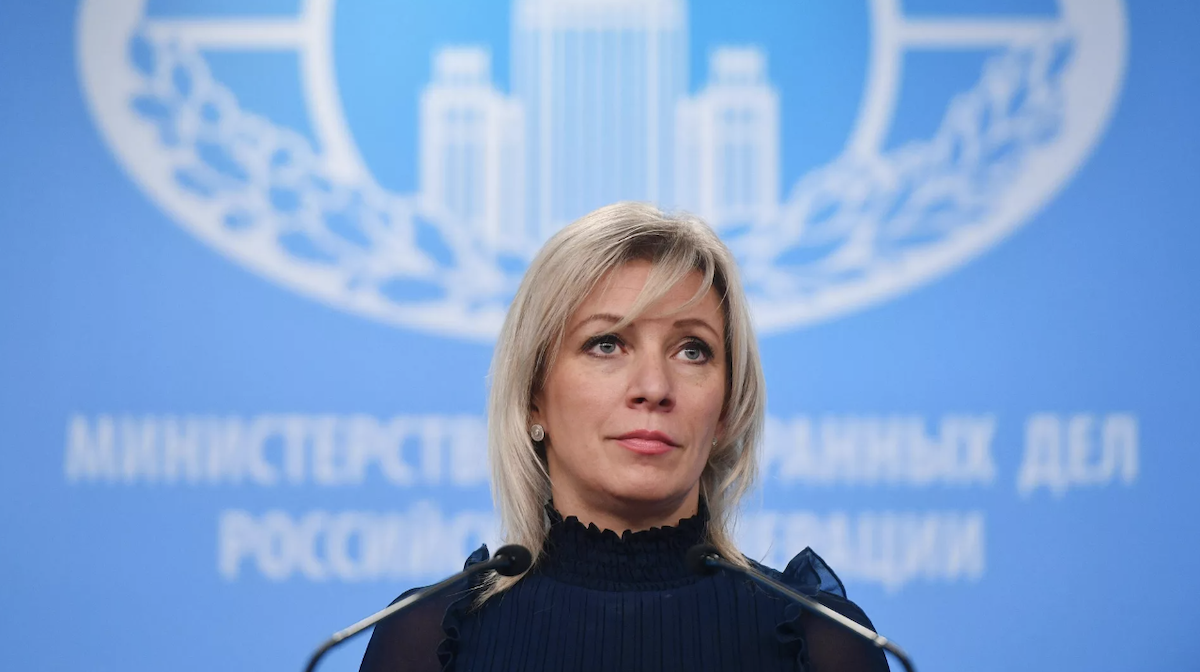
The Georgian opposition party “For Georgia” has called on the government to provide public clarification after Russia’s foreign ministry spokeswoman Maria Zakharova said Moscow was exploring alternative formats for the current talks in the South Caucasus, including the possibility of moving the Geneva discussions to “neutral territory”.
After the August 2008 war, direct diplomatic dialogue between Georgia and Russia came to a halt. Under the 12 August 2008 ceasefire agreement, an international format of negotiations was established in Geneva, where Russia and Georgia, together with representatives of Sukhumi and Tskhinvali, as well as international organisations, discuss a range of humanitarian issues. Four rounds of talks are held in Geneva each year. According to Russia’s foreign ministry spokeswoman Maria Zakharova, the issue of potentially relocating the Geneva discussions to another venue, including Minsk, remains on the agenda, with particular attention given to the participation of Abkhazia and South Ossetia.
The party said the initiative raised serious questions about the direction of Georgia’s foreign policy and the protection of the country’s sovereignty. It called on the foreign ministry to confirm or deny its involvement in what it described as “confidential negotiations” and to clarify the government’s position on the process.
According to the opposition, in recent months the Georgian side has not disclosed either the substance of meetings held within the Geneva format or details of the Incident Prevention and Response Mechanism. In this information vacuum, they say, reports have periodically emerged from Russian-controlled media carrying what they describe as “alarming” signals concerning Georgia’s territorial integrity and security.
The opposition party’s statement also sharply criticises the government’s policy towards the occupied territories. “For Georgia” argues that the authorities’ actions create the impression that Tbilisi is gradually aligning with Moscow’s rhetoric, including in its assessment of the 2008 war.
In this context, the party pointed to a criminal case launched against former prime minister Giorgi Gakharia over the establishment of a police checkpoint near the village of Chorchana — a decision the government at the time described as a security measure. Today, critics say, condemnation of that move mirrors the rhetoric of the de facto authorities in Tskhinvali.
In 2019, Russian occupying forces began a process of so-called “borderisation” in a forested area near the village of Chorchana. On the decision of then interior minister Giorgi Gakharia, a police checkpoint was set up in the area. In response, the de facto authorities in Tskhinvali disrupted a meeting of the Incident Prevention and Response Mechanism and demanded that the Georgian checkpoint in Chorchana be dismantled. Georgia’s interior ministry rejected the request. Later, the Georgian authorities sentenced Gakharia in absentia to a prison term over the decision to set up the checkpoint.
The opposition argues that moving the Geneva discussions to a “neutral venue” would in practice weaken Western involvement, which it says would directly undermine Georgia’s position in the talks.
Against this backdrop, the opposition has raised a key question: is the Georgian government acting in line with the country’s national interests, or does its policy align with Russia’s strategic goals?
The government’s official position on the issue remains unclear.
“For Georgia” on the Geneva discussions