Leader behind bars: How Mikheil Saakashvili continues to shape Georgian politics






How Mikheil Saakashvili continues to shape Georgia
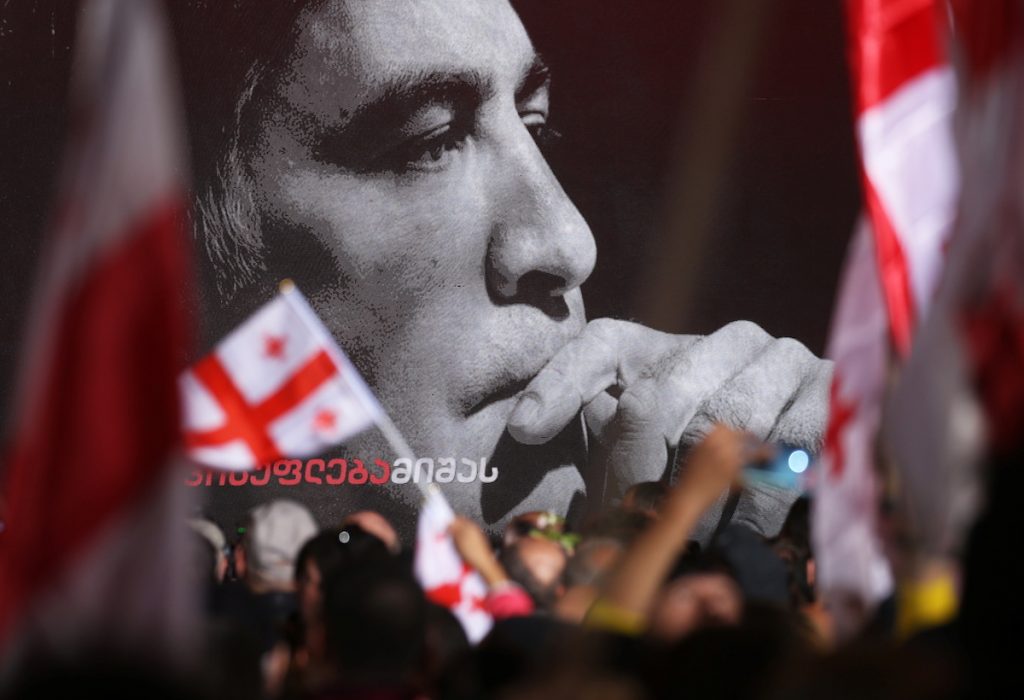
Georgia’s third president, Mikheil Saakashvili, has spent nearly five years behind bars. Despite his imprisonment, he remains a significant figure in Georgian politics.
The ruling Georgian Dream party continues to build much of its political messaging around the threat of a “Saakashvili comeback”. At the same time, a large part of the opposition still defines itself through its stance towards the former president.
- Saakashvili asks Zelensky to place him on list of civilian prisoners of war
- Saakashvili: ‘I was effectively sentenced to death in prison.’ Georgia’s third president jailed for 12 years
Why does the former president remain one of the country’s most influential political figures when he is no longer in power, cannot run for office and has spent years with his freedom severely restricted?
-
Who is Mikheil Saakashvili?

Mikheil Saakashvili entered Georgian politics in 1995. After returning from the United States, he joined the political team of President Eduard Shevardnadze at the invitation of then-parliament speaker Zurab Zhvania. The same year, he won a seat in parliament on the ticket of the ruling Citizens’ Union party.
From 1995 to 1998, he chaired parliament’s legal affairs committee. During that period, he began to build a reputation as a young reform-minded politician. In 2000, he became justice minister. By then, he had already emerged as a vocal critic of corruption within the government. Saakashvili moved into opposition in 2001 and founded the United National Movement in 2003.
Later that year, he led the protest movement that became known as the Rose Revolution. As the public face of the uprising, Saakashvili quickly emerged as the country’s dominant political figure.
In 2004, he became president and launched a sweeping programme of reforms. Georgia gained international attention as a leading reformer in the South Caucasus and strengthened its ties with the West. However, his presidency also drew criticism. Opponents accused him of concentrating power in his own hands and violating human rights.
Parliamentary elections took place on 1 October 2012. For the first time in independent Georgia’s history, power changed hands through the ballot box. The newly formed Georgian Dream coalition, led by billionaire Bidzina Ivanishvili, who made his fortune in Russia, came to power, while Saakashvili’s party moved into opposition.
Saakashvili remained president until October 2013. After leaving office, he moved to Ukraine. In 2015, Ukrainian President Petro Poroshenko granted him Ukrainian citizenship and appointed him governor of the Odesa region.
Despite living abroad, Saakashvili remained an active player in Georgian politics. He continued to make political statements and played a role in leading his party. In 2020, an opposition alliance nominated him as its candidate for prime minister. After Georgian Dream’s disputed election victory, the opposition launched a boycott campaign, although the coalition later fragmented.
On 1 October 2021, after eight years in exile, Saakashvili returned to Georgia. During his absence, Georgian Dream authorities had opened a number of criminal cases against him. Police detained him immediately upon his return. He then began a hunger strike, and his health deteriorated sharply.
On 12 May 2022, authorities transferred Saakashvili to the Vivamedi clinic. On 12 November 2025, they moved him back to a correctional facility.
_________________________________________
Saakashvili behind bars
Mikheil Saakashvili’s Facebook page has 1.3 million followers. Several posts appear on the account every day, attracting hundreds of shares and thousands of comments.
On 22 June 2026 alone, Saakashvili published five posts. One of them was a 1,900-word manifesto in which he criticised, among others, the opposition.
Saakashvili uses Facebook to comment on a wide range of issues. Most of his posts focus on domestic politics and developments within his party. He also shares his views on major international events, publishes messages of congratulations and condolence, and frequently posts videos featuring his young daughter or clips from comedy shows.
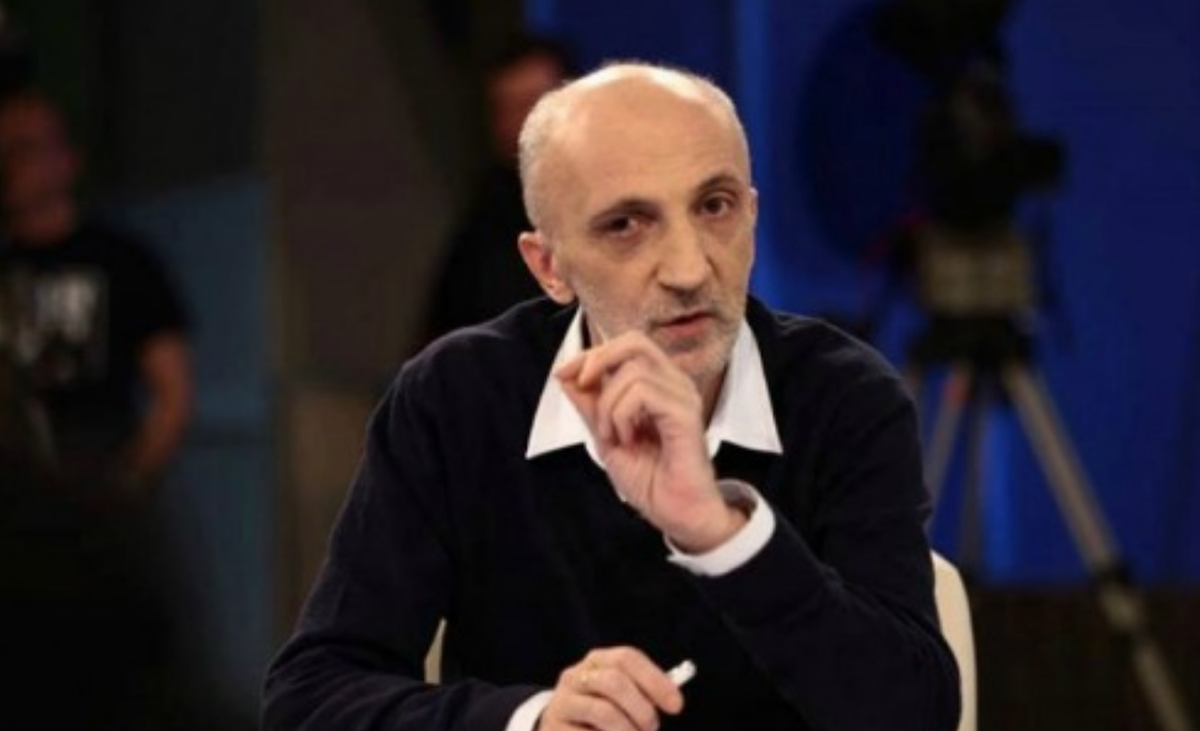
In one of his recent Facebook posts, Mikheil Saakashvili drew attention to his new hairstyle. He wrote that he had not only changed his haircut but was also announcing major changes within his party.
The new look did indeed spark strong reactions within the United National Movement. News soon emerged that the party was set to change its chairperson.
Saakashvili personally chose the candidate — journalist and activist Nanuka Zhorzholiani. He announced the decision on Facebook before receiving her final consent.
Notably, United National Movement chair Tina Bokuchava learned about the move from Saakashvili’s post.
The announcement triggered a heated debate.
“He is as much an informal leader as Ivanishvili. There is no party position, no internal democracy, no debate. Misha is who he is. You cannot change him. He is incredibly self-centred,” says political commentator Irakli Melashvili.
The episode raises a broader question: how does an imprisoned former president remain so active in politics? Who runs his social media accounts, and how?
Many people continue to wonder about this, although Saakashvili’s lawyers refuse to discuss the technical details.
They insist that Saakashvili himself has no access to the internet. According to persistent speculation, he relies on a large team of lawyers, with at least one of them visiting him every day.
Saakashvili as an era
Experts say Saakashvili’s influence cannot be explained solely by his current political activity.
Georgia has had many political leaders, but only a handful have come to embody an entire era.
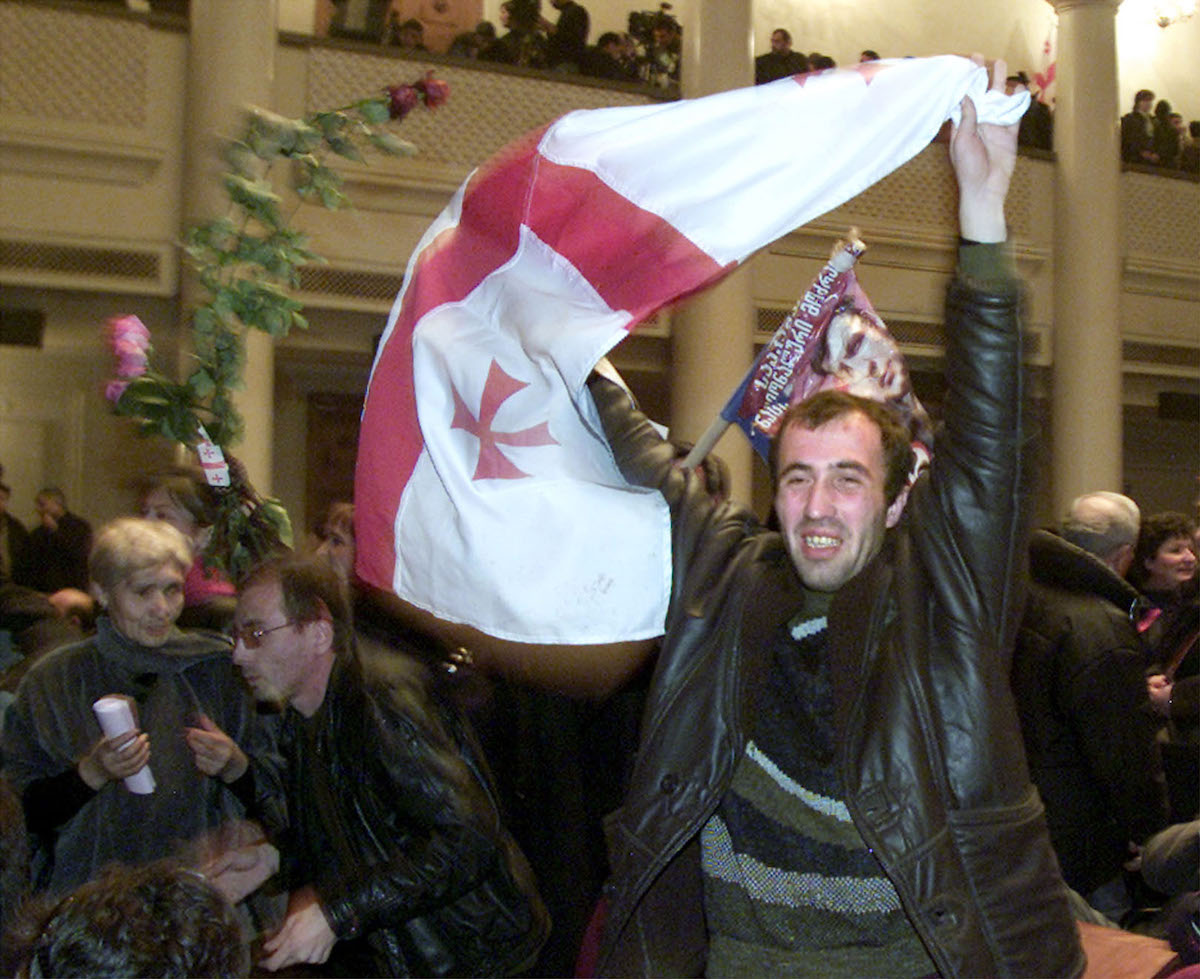
In Saakashvili’s case, the issue is not simply about an individual politician. His name is associated with sweeping state reforms, the fight against corruption, the overhaul of public services and a rapid push towards Western integration.
At the same time, critics associate his presidency with the concentration of power, prison abuse scandals, the violent dispersal of protests on 7 November 2007 and pressure on the media.
That is why Saakashvili remains one of the most divisive figures in Georgian public life. Few people feel neutral about him.
Political analyst Gia Nodia argues that Saakashvili belongs to a category of politicians whose influence survives long after they leave office because their names become inseparable from a particular historical era.
The role of Georgian Dream
Experts say the government itself plays an important role in keeping the “Saakashvili factor” alive. For years, Georgian Dream has framed politics as a choice between its rule and the return of Saakashvili.
“We need a clear choice,” Bidzina Ivanishvili, the country’s informal ruler, said in one of his first interviews in 2011, when he was just beginning his political career.
“We must give people a clear choice. If you like Saakashvili, then God bless you, support him. But do not pretend that you are neither on one side nor the other. That is a double standard. <…> Everyone must clearly decide whom they support: me or Saakashvili. For me, this polarisation is essential.”
Georgian Dream has built every election campaign around warnings about the “bloody nine years” of Saakashvili’s rule and the threat of his return. This has become the party’s central political strategy.
According to Irakli Melashvili, there is a systemic interest in preserving the Saakashvili factor indefinitely. It serves as an effective tool for Georgian Dream to remain in power.
“No politician — and there are many politicians in prison — has enjoyed the same opportunities to communicate with the public from behind bars as Mikheil Saakashvili. That should make people think. One could come up with a million conspiracy theories about it. If the government truly objected to Saakashvili’s activities, it would not allow them. His court hearings have effectively turned into political rallies.”
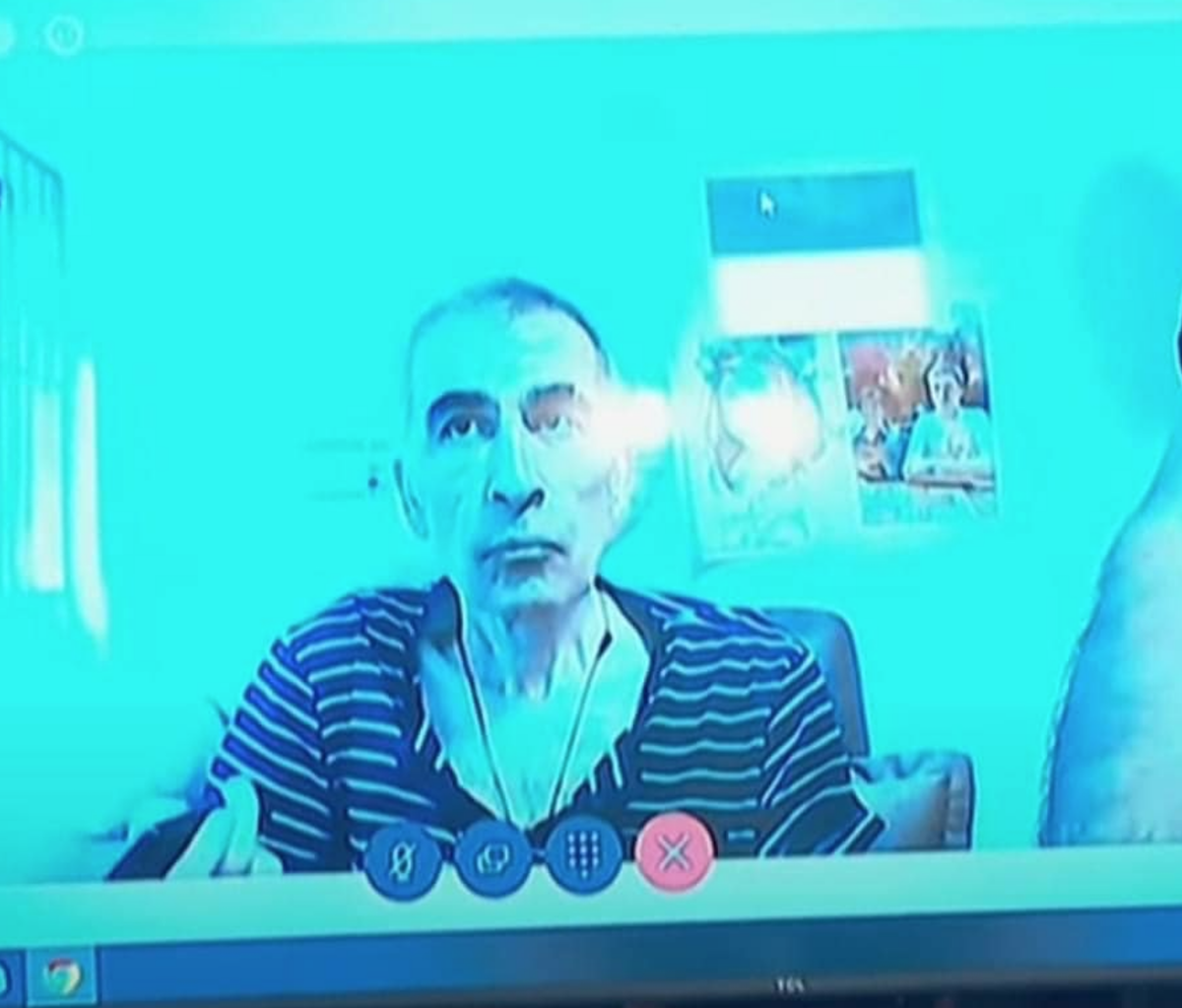
The opposition and the leadership crisis
The opposition has also played a role in shaping Georgia’s political landscape, particularly when it comes to Mikheil Saakashvili. Georgia’s party system remains heavily centred on personalities rather than institutions.
While political parties in many Western democracies matter more than individual leaders, the opposite is often true in Georgia.
“Personality matters. Leadership matters in Georgian politics — and not only in Georgian politics,” political commentator Davit Zurabishvili explains. He served in Saakashvili’s government and knows him well.
For years, much of Georgia’s opposition has defined itself through its relationship with Saakashvili’s political legacy, either rallying around him or trying to distance itself from him.
“With the exception of Giorgi Gakharia’s party and Lelo, most opposition parties emerged as splinters from the United National Movement. The government also played a role in that process, or at least made it easier. All these politicians entered public life during Saakashvili’s era and with his support. They developed as political figures and public voices under his rule. They remain connected to him and cannot fully escape that orbit,” Irakli Melashvili argues.
Experts say Saakashvili has been particularly effective at capitalising on the opposition’s failure to produce leaders who command broad public trust.
“The National Movement itself failed to produce a successor. Nika Melia had a chance, but as soon as he began to grow politically, he was immediately sidelined,” Melashvili told JAMnews.
According to him, this reflects a well-tested political strategy.
“In this way, Saakashvili preserves his status as a major political figure, while Georgian Dream preserves its grip on power. The ruling party helps sustain this dichotomy.”
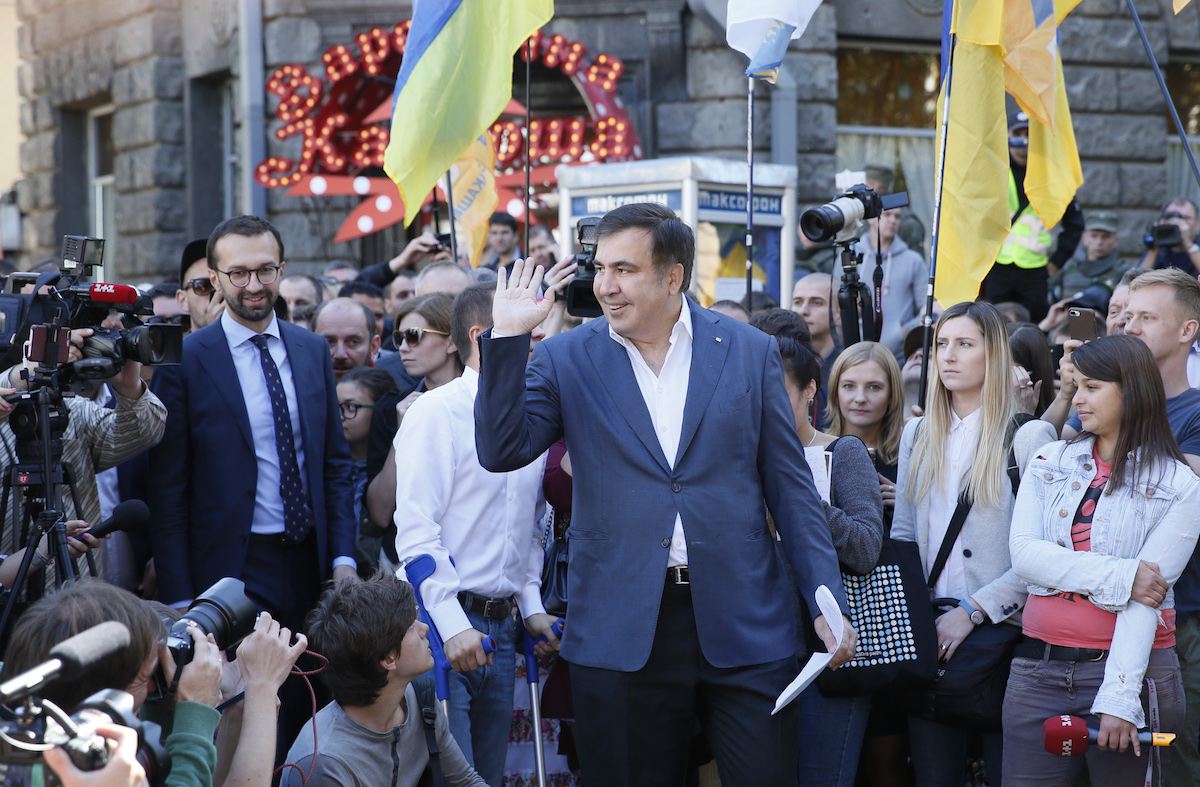
Can the opposition emerge from Saakashvili’s shadow?
One of the key questions facing Georgia’s opposition is whether it can finally distance itself from Mikheil Saakashvili and develop an independent political agenda.
Political analyst Gia Nodia does not expect that to happen in the near future:
“If something were to fundamentally change for Saakashvili, and he decided to leave politics altogether and end his public activity, including on social media, then perhaps it could happen. But I do not see that happening. Mikheil Saakashvili fears that imprisonment will push him into the background. That is why he tries to compensate for his physical absence through social media.”
The pro-Western opposition has recently split into competing camps. Several parties, including the United National Movement, have formed an opposition alliance.
Members of the alliance have openly attacked one another. Saakashvili has become a particular target of criticism. As a result, a debate has emerged over whether his party should leave the alliance.
“The opposition must either find its own strength or leave Misha behind and regroup. In every alliance where Misha is present, he will eventually find an opportunity to undermine it. He believes that if he ceases to be the central political figure, he will not survive politically,” says Irakli Melashvili.
At the same time, Melashvili argues that the opposition faces a major dilemma:
“Saakashvili is right about one thing — the opposition wants his party’s votes, but it does not want Misha himself. That simply will not work. Saakashvili will never agree to that. The opposition must learn how to operate without relying on Misha’s electorate.”
According to Davit Zurabishvili, the weakness of political forces outside the United National Movement remains the central problem of Georgia’s political landscape:
“Negative attitudes towards Ivanishvili are far more widespread and cut across many more sections of society than support for the former National Movement. Yet political forces have failed to create a strong alternative bloc. They have not built a force capable of counterbalancing the National Movement, even in terms of public support. As a result, a large segment of voters feels confused and politically homeless.”
How damaging is this for Georgian politics, and what is the solution?
Experts say the answer is far from straightforward. The problem is not Saakashvili’s continued presence in politics. Rather, Georgian politics has failed to move beyond the Saakashvili-Ivanishvili divide.
Can the opposition change that? Analysts argue that ego remains a key obstacle.
“It comes down to restraint — both on Saakashvili’s part and on the part of individual opposition parties. Everyone needs to show restraint, and that appears difficult. It is also a question of ego, political culture and the instinctive belief that nothing can be left unanswered and that every challenge must be met as forcefully as possible,” says Gia Nodia.
Irakli Melashvili believes the issue is not whether parties unite or remain separate. What matters is the emergence of genuine alternatives and new ideas:
“There are no ideas capable of offering an alternative either to Saakashvili or to Georgian Dream. There are no new ideas and no new figures. When every party repeats the same message, finding a solution becomes extremely difficult.”
“You need your own electorate,” says Davit Zurabishvili. “The main problem for these parties is the lack of strategic thinking. They focus on removing the government, but they do not have the resources to achieve that goal. If the non-National Movement electorate remains politically unrepresented, nothing will change.”
According to the experts, unless this situation changes, Georgia will remain trapped between two political poles, making it difficult for a new centre or a credible alternative to emerge. Breaking out of that reality, they argue, will be the greatest challenge facing the country’s current political system.
How Mikheil Saakashvili continues to shape Georgia