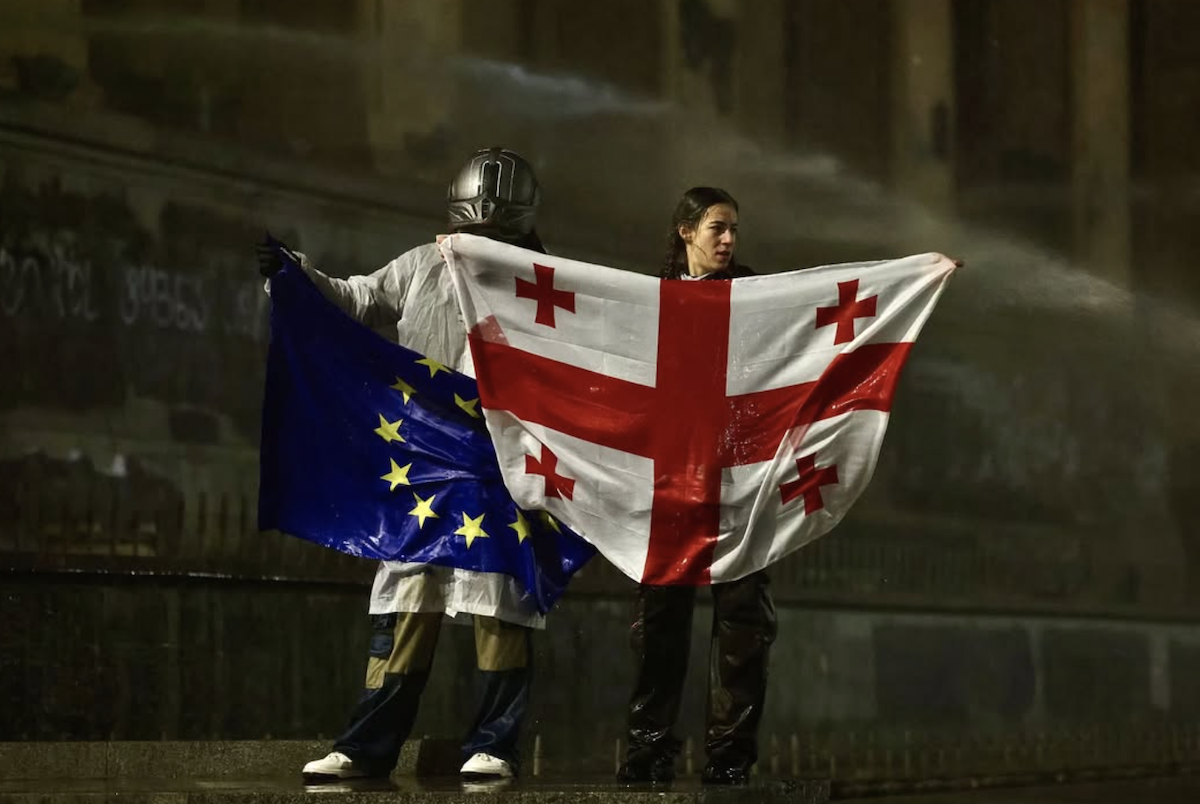


Georgia: 500 days of protests, crackdowns and resilience – Amnesty International report






The human rights situation in Georgia is experiencing one of its most severe crises since the country regained independence, while the authorities are using state institutions to suppress dissent, according to a new report by Amnesty International examining developments in Georgia over the past 500 days.
The report, titled “Anatomy of Repression – Georgia: 500 Days of Protest, Crackdowns and Resilience”, describes how a multi-layered system of repression has emerged. According to Amnesty International, the system combines legislative restrictions, disinformation campaigns, police violence and the use of judicial institutions against critics of the authorities.
According to Amnesty International, the Georgian government’s response to public discontent and protest movements has become increasingly harsh since 2022. The authors link this trend both to criticism of the authorities’ policies towards Russia’s full-scale war in Ukraine and to the issue of Georgia’s integration into the European Union.
The report says authorities often portray government critics — including opposition politicians, civil society activists and representatives of independent media — as “foreign agents”, “radicals” or “traitors”. Amnesty International argues that such rhetoric fuels polarisation in public debate and serves to discredit dissenting groups.
The report also focuses on legislative changes adopted in recent years, including the Law on Transparency of Foreign Influence, the Foreign Agents Registration Act and other regulations affecting organisations and individuals who receive foreign funding. Amnesty International argues that these measures have significantly complicated the work of civil society groups and subjected them to increased legal and financial pressure.
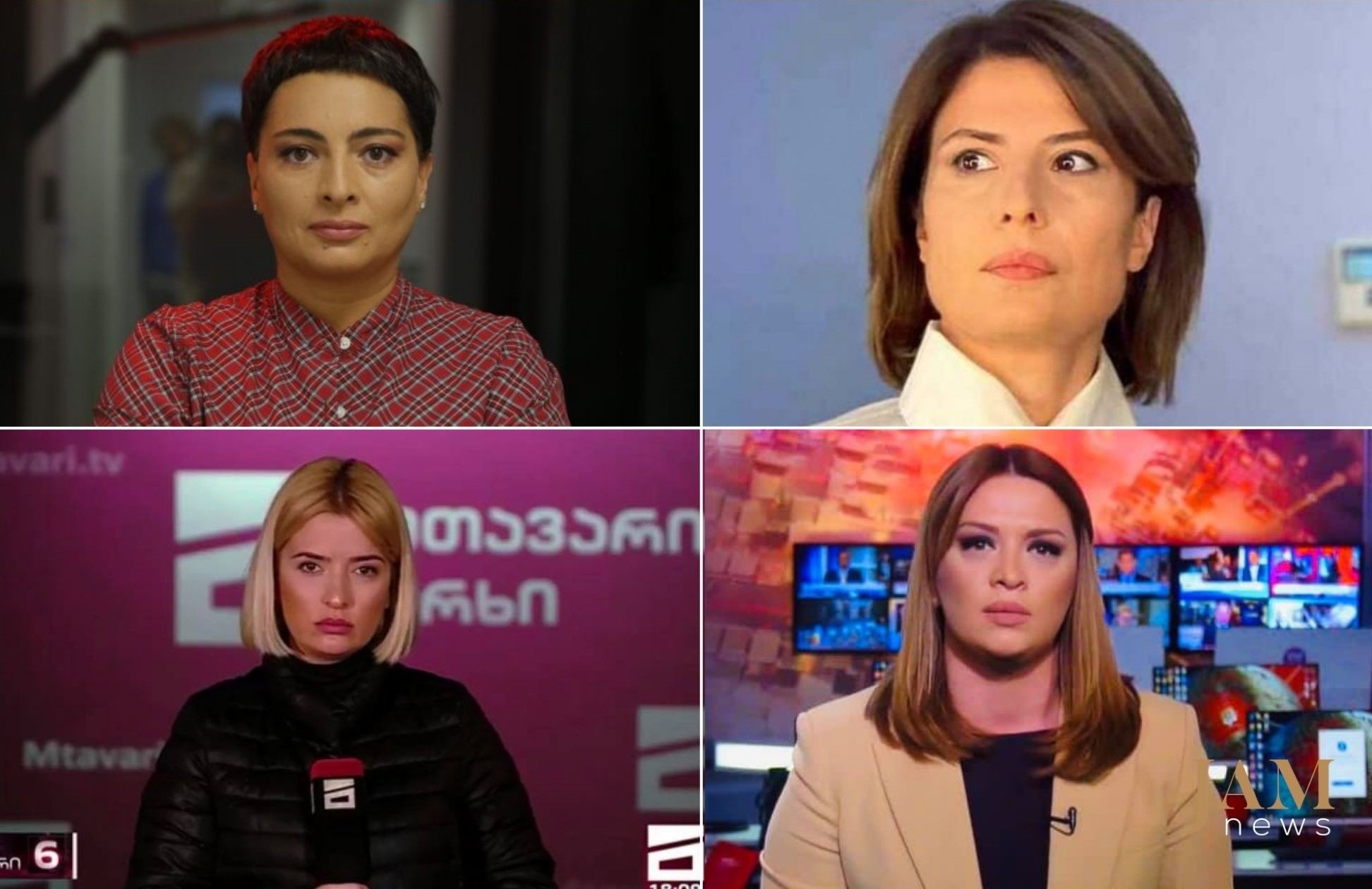
The report provides numerous examples of non-governmental organisations reducing their activities or laying off staff. Tamta Mikeladze, director of the Social Justice Centre, said that after authorities froze the organisation’s bank accounts, the centre could continue its work only through the efforts of volunteers.
Journalists describe similar difficulties. Photojournalist Mariam Nikuradze, who is quoted in the report, says journalism in Georgia has never been as dangerous as it is today. According to Nikuradze, media professionals simultaneously face threats to their physical safety, legal restrictions, financial instability and hostile campaigns by the authorities.
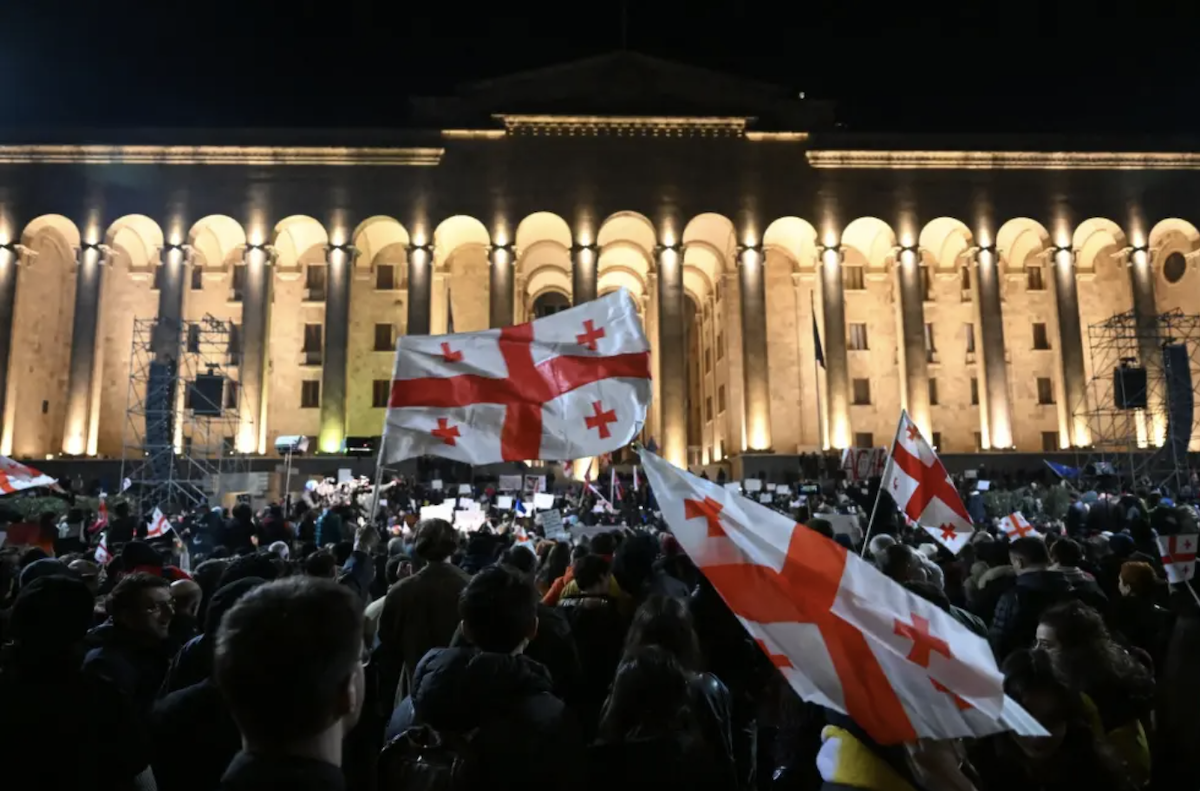
One of the report’s largest sections focuses on the protest movements that took place in 2024 and 2025. Amnesty International argues that the authorities responded with “brutal repression”.
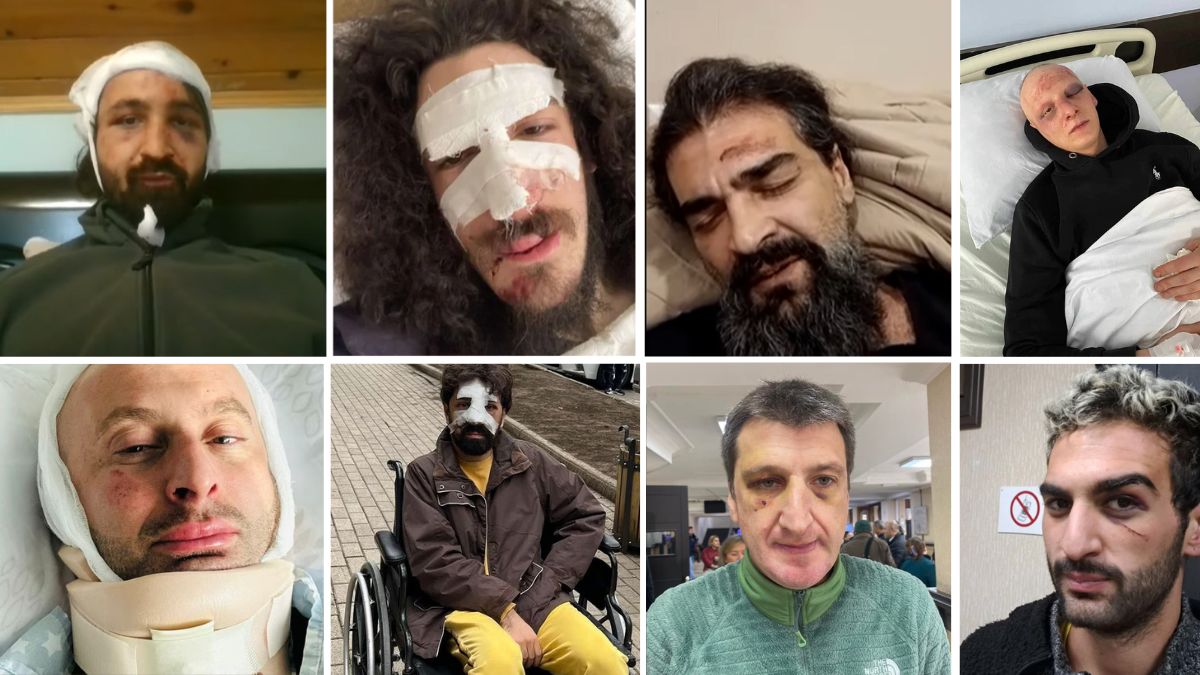
The report describes the use of tear gas, water cannons and rubber bullets. It also documents cases of beatings of peaceful demonstrators and arbitrary detentions.
Amnesty International pays particular attention to the protests that followed the 2024 parliamentary elections and the demonstrations that unfolded after the government announced a four-year “pause” in Georgia’s EU accession talks. According to the report, security forces significantly increased their use of force during this period.
The document includes testimonies from detainees who describe being trapped in police cordons, exposure to chemical irritants, so-called “beating corridors” and severe physical violence both during arrest and inside police vehicles. The report also highlights the case of 22-year-old Aleksandre Tirkia, who suffered serious injuries after a tear gas canister struck his head during protests in December 2024.
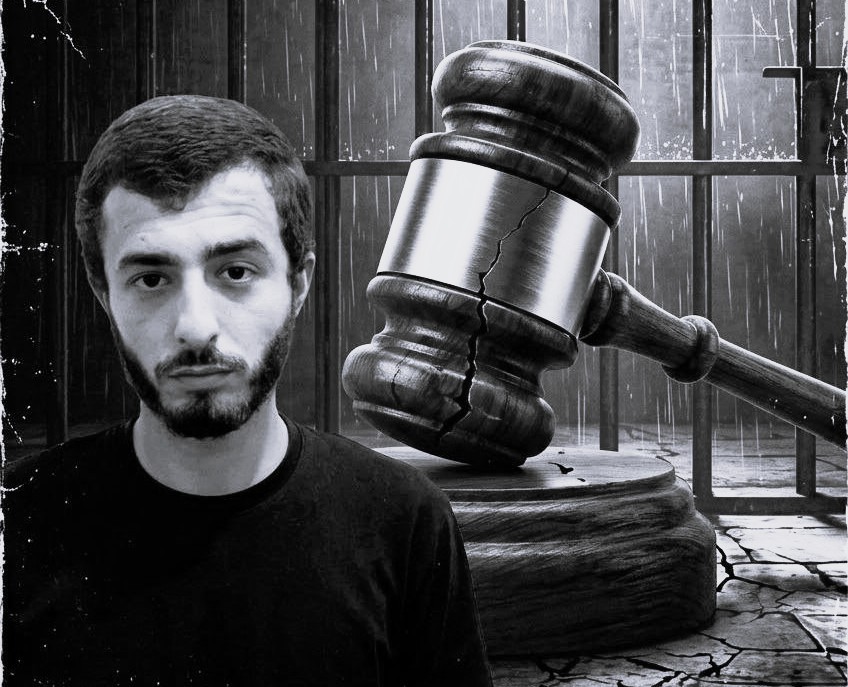
Amnesty International also cites data from the Public Defender’s Office. According to those figures, between 78% and 88% of detainees in 2024–2025 said they experienced ill-treatment while in custody. The report states that more than 300 detainees reported physical abuse in November 2024 alone, while dozens required hospital treatment.
The organisation also delivers a sharply critical assessment of Georgia’s judicial system. The report’s authors argue that the courts operate under the influence of the authorities and, in cases related to protest activity, often approve prosecutors’ requests without meaningful scrutiny.
According to the report, courts have imposed heavy fines, administrative detention and, in some cases, prison sentences on demonstrators. Amnesty International says that more than 150 people remain in custody in connection with protest-related cases.
The organisation also notes that authorities have imposed substantial fines on citizens for standing on roadways since December 2024. Officials later extended those penalties to cover certain forms of protest activity taking place on pavements as well.
Another key conclusion of the report concerns impunity for law enforcement officers. According to Amnesty International, despite hundreds of complaints and numerous publicly documented cases of violence, the authorities have taken almost no steps to hold police officers accountable.
The organisation notes that prosecutors have brought charges against only five police officers, all in connection with a single case. According to the report, independent media investigations brought the alleged offences to light.
Denis Krivosheev, Amnesty International’s Deputy Director for Eastern Europe and Central Asia, said Georgia’s experience in recent years demonstrates how quickly state institutions can transform into a repressive mechanism used to consolidate government power.
In its conclusions, Amnesty International calls on the Georgian authorities to repeal laws that, in its view, unlawfully restrict freedom of expression, association and assembly. The organisation also urges the government to release all individuals detained solely for the peaceful exercise of their rights, guarantee judicial independence and carry out thorough investigations into all allegations of violence by law enforcement officers.
At the same time, Amnesty International calls on the international community to support the documentation, investigation and legal assessment of human rights violations in Georgia at both the national and international levels.
Amnesty International on the protests in Georgia