Fuel supplies from Tbilisi-controlled territory to Abkhazia: humanitarian aid or move in Russia's interests?






Fuel supplies to Abkhazia
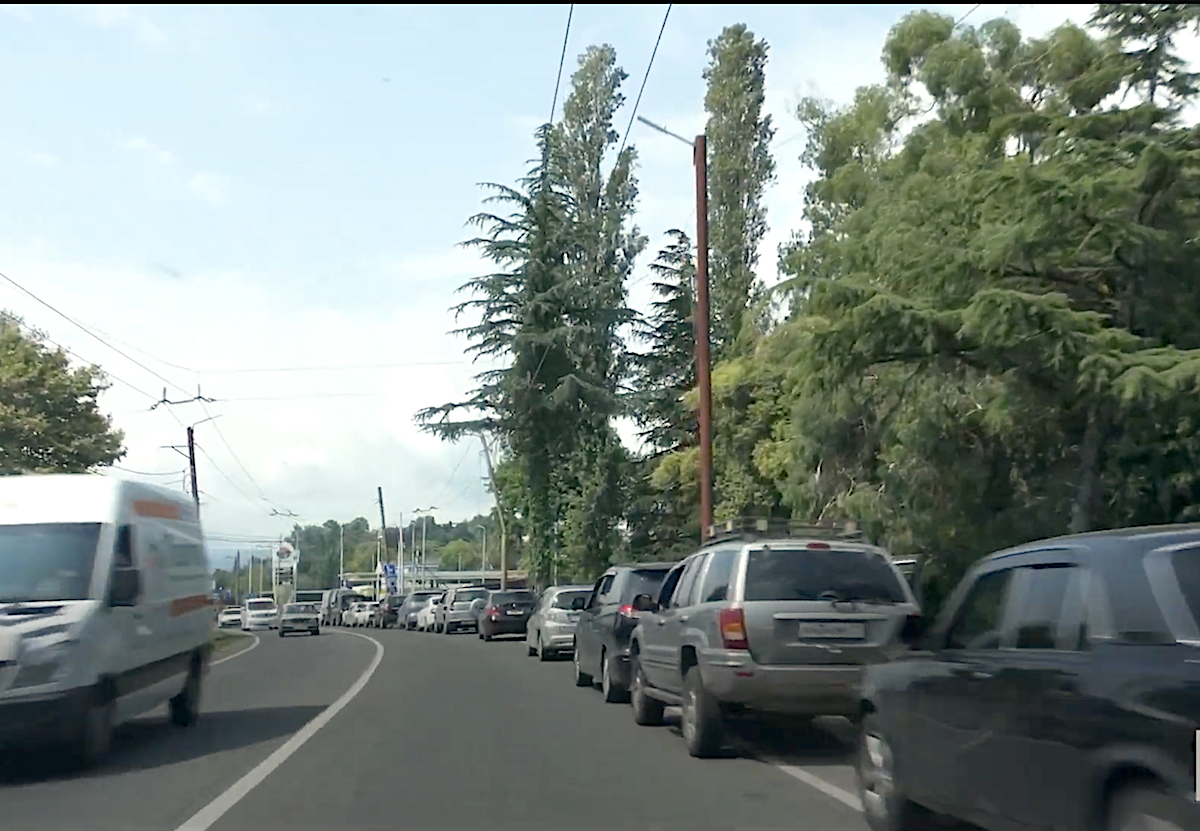
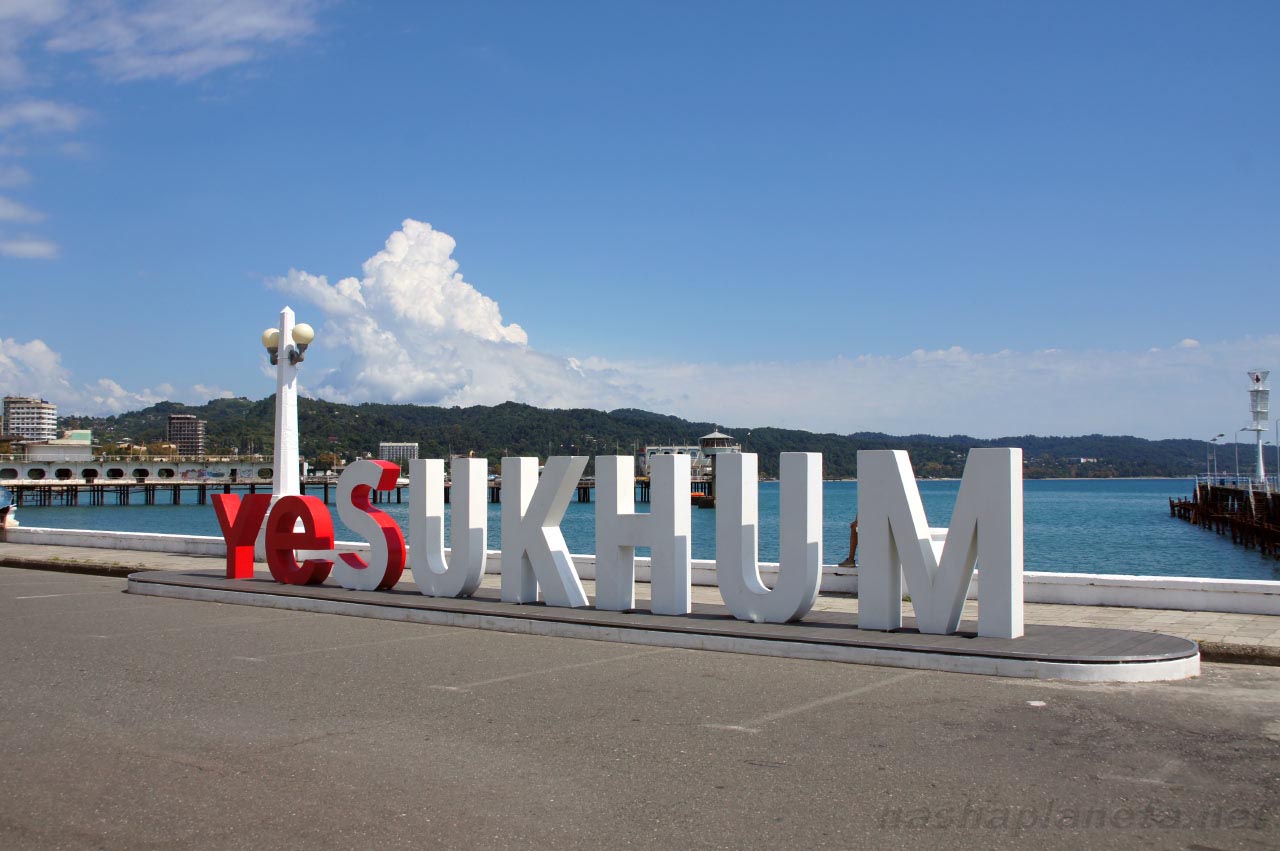
Amid a severe fuel shortage in Abkhazia, the import of fuel from territory controlled by Tbilisi has sparked political controversy. The government says a private company delivered the shipment in full compliance with Georgian law, while the opposition and critics are calling for further clarification and answers to several questions: where did the fuel go, who brought it into Abkhazia, and for what purpose?
At a briefing on 12 August 2026, Prime Minister Irakli Kobakhidze confirmed that fuel had reached Abkhazia from territory controlled by Georgia. He said the government had not organised the operation and that private companies had imported the fuel in accordance with the law.
According to ruling-party MP Rati Ionatamishvili, the shipment amounted to 3,000 tonnes of fuel, delivered to Abkhazia by several tankers. He said the shipment reached Abkhazia while fully respecting Georgia’s sovereignty and legislation.
Ionatamishvili criticised the opposition for its focus on the deliveries and dismissed as absurd suggestions that the operation aimed to supply Russia with several thousand tonnes of fuel. He said the 3,000 tonnes delivered to Abkhazia represented a negligible share of Russia’s annual fuel consumption. He added that presenting the issue in this way served a campaign aimed at undermining efforts to restore Georgian-Abkhaz relations.
Above all, the opposition is demanding details that the government has not yet provided.
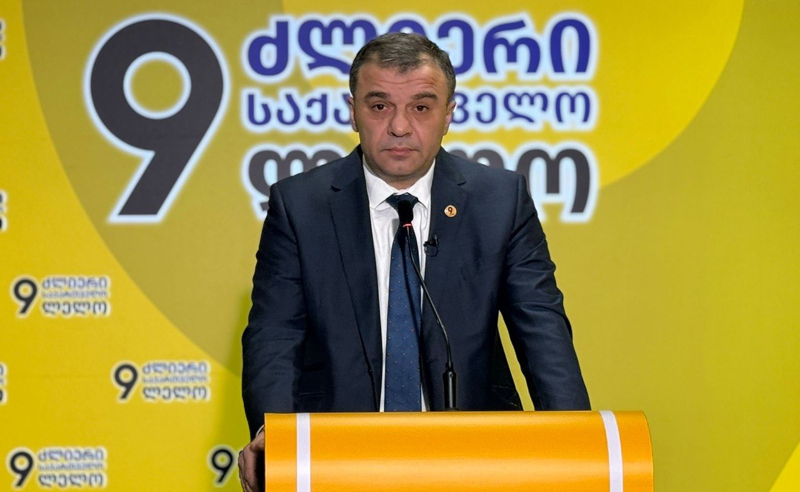
According to Levan Samushia, one of the leaders of the Strong Georgia – Lelo alliance, the prime minister’s statement that the fuel was imported in compliance with the Law on Occupied Territories is not enough:
“Who supplied the fuel — in other words, where did it come from — and who was the recipient? Were Georgia’s laws and national interests respected?”
He said it was necessary to know which commercial entities were involved and what route the fuel took to reach Abkhazia.
Similar questions have also been raised by Berdia Sichinava, one of the leaders of the Gakharia – For Georgia party. However, he stressed that if the fuel shipment was genuinely humanitarian and did not violate the law, there was no problem with providing such assistance in itself.
“Georgia is involved in more than one such humanitarian project. For example, we fund medical treatment for our citizens from Abkhazia, we receive electricity from the Enguri Hydroelectric Power Plant, and people living in the occupied territory also receive it,” Sichinava said.
In his view, the main problem is the lack of transparency surrounding the process. Sichinava is demanding clarification on who imported the fuel, how large the shipment was, what procedures the cargo went through and where it was ultimately delivered.
Sichinava considers the way the fuel was ultimately used a particularly important question: did it go towards the needs of Abkhazia’s population and critical infrastructure, or was it eventually used in Russia-controlled areas to the south, including infrastructure linked to military activities?
“If the fuel entered occupied Abkhazia as a commercial rather than humanitarian shipment, and if it went through so-called customs procedures at the so-called border — which is actually the occupation line — this could raise serious concerns for our country’s territorial integrity and security,” Sichinava said.
Lasha Parulava, a member of the United National Movement, accused the government of serving Russian interests and betraying Georgia’s national interests.
He called Kobakhidze’s statement that the fuel deliveries complied with the Law on Occupied Territories cynical. Parulava also criticised the government’s policy towards Russia and noted that the fuel was supplied to Abkhazia amid a fuel shortage in Russia itself.
“This is not simply aiding the enemy, but a direct betrayal of national interests,” Parulava said.

Nika Gvaramia, leader of the Coalition for Change, believes the government may have authorised the operation in advance, although the public has not been told why, when or on what grounds it approved it.
Gvaramia points out that Russian military bases are deployed in Abkhazia and that the Russian military is facing fuel shortages.
In his view, these circumstances make it necessary to establish whether humanitarian or social considerations genuinely prompted the fuel shipment, or whether Russia ultimately used the cargo for military purposes.
Gvaramia argues that, in that case, the issue would go beyond the legality of economic activity in Georgia’s occupied territory. The situation could also involve the supply of goods of strategic importance to Russia.

Expert Gia Khukhashvili assesses the volume of fuel and the logistics of its delivery differently from the authorities. In his view, the “several tankers” mentioned by government officials actually represent a much larger shipment.
“Three thousand tonnes is a convoy of at least 100 fuel tankers,” Khukhashvili wrote.
He said fuel deliveries to Abkhazia could theoretically mark the beginning of a reintegration process. Under the current government, however, he described the decision as “an act of collaborationism and sheer greed”.

Tamta Mikeladze, director of the Social Justice Center, wrote:
“Amid Russia’s economic weakening, Abkhazia may need support from Tbilisi, and this crisis could provide an opportunity to transform the conflict.
Any step that could benefit the people of Abkhazia should not automatically be seen as serving Russia’s interests. That is precisely why full transparency is necessary: who makes the decision, what is its purpose, what mechanisms are in place to monitor the process so that it does not strengthen Russia’s military and economic interests, and what political strategy accompanies it?
Meeting humanitarian or civilian needs and strengthening Russia’s interests are not the same thing. However, a lack of transparency can blur the distinction and turn such actions into part of Russia’s game.
The particular problem with the Abkhaz issue is that a crisis can become an opportunity only if there is a political vision. Georgian Dream has no such vision. The party has yet to adopt either a de-occupation plan or strategic documents for rebuilding trust.
Irakli Kobakhidze has not even attempted to answer the questions raised above.
Given the deep mistrust of Georgian Dream and the complete lack of transparency surrounding its policies, concerns that something could happen that fundamentally and permanently contradicts our national interests are entirely understandable. However, accuracy and attention to nuance are crucial when formulating criticism.”Fuel supplies to Abkhazia (civil.ge)
Fuel supplies to Abkhazia