

First Armenia–EU summit in Yerevan adopts 44-point joint declaration






First Armenia–EU summit in Yerevan
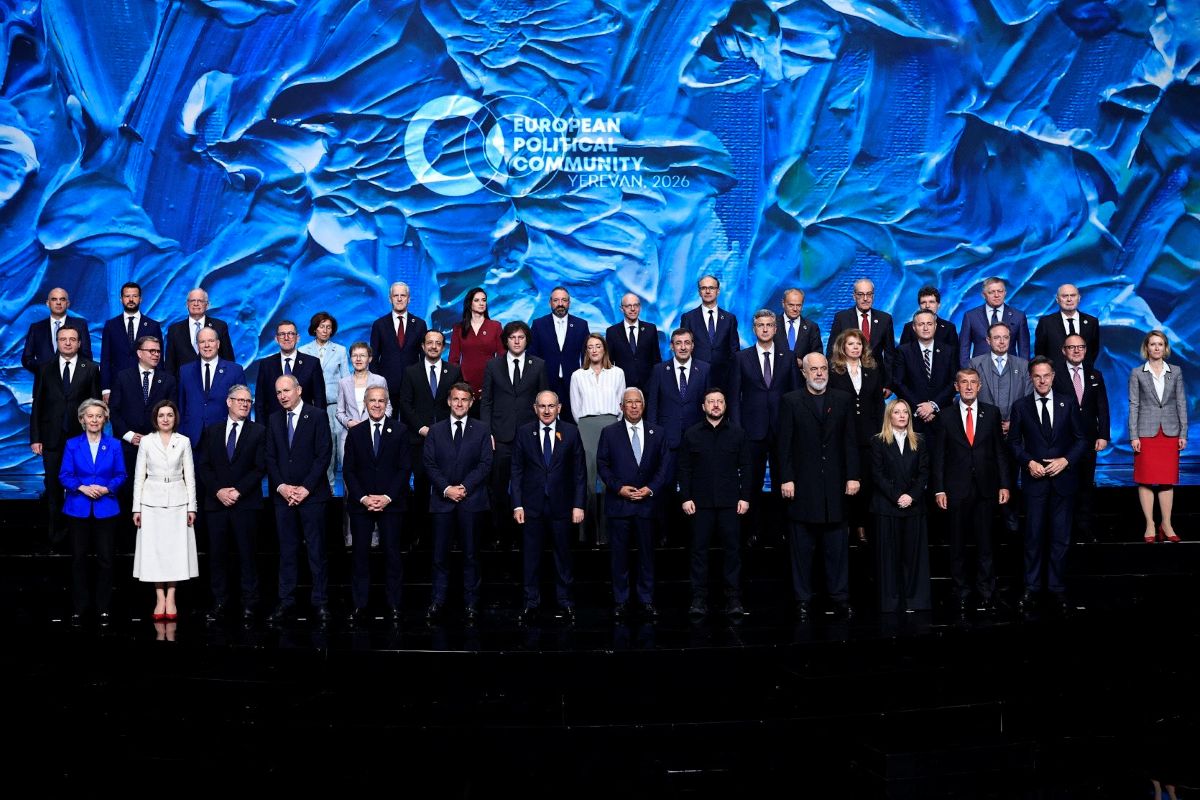
The first Armenia–EU summit took place in Yerevan. European Commission President Ursula von der Leyen and European Council President Antonio Costa travelled to the Armenian capital to attend. The day before, they also took part in the 8th European Political Community summit in Yerevan. On the morning of 5 May, they met Armenia’s leadership to discuss a wide range of issues, from connectivity and energy to transport links and digital cooperation.
“The Armenia–EU cooperation agenda has expanded so much and gained such weight that the creation of this format, which emerged naturally from developments, became inevitable. Of course, political will and commitment on both sides played a crucial role,” said Prime Minister Nikol Pashinyan.
Ursula von der Leyen said Armenia and the EU are now closer than ever.
She said the summit will take bilateral relations to a new level, particularly “in terms of connectivity”. Armenia, she added, lies on the shortest route to Central Asia and the Caspian Sea and could become a regional hub for new trade routes.
“The idea that the shortest route from East to West runs through Armenia is valued in the tens or even hundreds of billions, even trillions. This sends a signal at the highest level to the international investment community that there is potential here worth tens, if not hundreds, of billions. We are grateful to our EU partners for recognising this potential as well,” Nikol Pashinyan said at a press conference after the summit.
Journalists also asked the prime minister about Armenia’s future if his party wins the parliamentary elections in June. They asked whether the peace process with Azerbaijan will continue, whether Armenia will leave the Russia-led Eurasian Economic Union, and whether it will apply for EU membership.
The prime minister spoke at length about the lack of alternatives to normalising relations with Azerbaijan, but left the second question unanswered.
Full details of the joint declaration and documents signed at the first summit, as well as statements by Armenia’s prime minister and EU leaders, follow.
- ‘Armenia as a bridge to Europe’ — deputy foreign minister speaks at forum in Turkey
- Yerevan to host European Political Community summit: expectations in Armenia
- ‘On security, we are in the same boat’: Armenian experts on visit to Azerbaijan
Key points of the joint declaration
Following the summit, the sides adopted a joint declaration consisting of 44 points. It states, in particular, that the European Union:
- reaffirms its commitment to further strengthening relations with Armenia and supporting its sovereignty, resilience and reforms, as well as the country’s long-term development and closer ties with the EU,
- calls on Armenia to deepen the bilateral partnership by integrating various sectors and aligning its legislation with EU law,
- recognises the Armenian people’s aspiration to move closer to Europe, as reflected in the law adopted in March 2025 launching the process of EU accession,
- commends the efforts of Armenia and Azerbaijan to further institutionalise peace and to sign and ratify a peace agreement,
- supports the normalisation of relations between Armenia and Turkey, as well as the restoration of all regional communications in line with the principles of sovereignty and territorial integrity,
- welcomes Armenia’s initiatives aimed at strengthening regional connectivity in line with the principles of sovereignty, jurisdiction, equality and reciprocity, and supports the “Crossroads of Peace” initiative,
- remains Armenia’s main trading partner and investor, supporting sustainable growth, job creation and economic diversification.
From connectivity to border management: signed documents
After the summit, Armenia and the EU signed a partnership document on connectivity. They also initialled a working agreement on operational cooperation in border management.
Letters of intent on cooperation were also handed to six Armenian companies:
- Amber Capital Armenia,
- Firebird AI Company,
- CJSC “Synopsis Armenia”,
- TUMO Center for Creative Technologies,
- Creative Armenia,
- AGBU Armenia (Armenian General Benevolent Union) branch.
Based on the information available so far, these letters are understood to point to potential EU investment in the companies’ activities.
In Armenia, particular attention focused on the fact that the head of the EU delegation, Vassilis Maragos, handed Interior Minister Arpine Sargsyan a European Commission report on progress in implementing the visa liberalisation action plan. Armenia has already made significant progress in this area. However, the report sets out recommendations on further steps needed to achieve full visa liberalisation with the EU.
‘Armenia’s geography has not changed’
Prime Minister Nikol Pashinyan described the Armenia–EU summit as a historic event. He said he has recently noticed a shift in how Armenia’s role and position are perceived:
- Armenia’s geographical location is now seen not as “bad or terrible, but excellent”,
- investment in Armenia is no longer viewed as risky, with the country increasingly seen as an attractive destination,
- Armenia is no longer regarded as energy-dependent and is instead seen as a country with energy resources, particularly solar power.
Pashinyan said Armenia remains where it has always been, but that “as a result of political processes”, perceptions have changed:
“Geography, which was cited as a factor explaining all our problems, now serves — and should serve — the vision of a sovereign, free, prosperous and secure country.”
He stressed that the European Union is encouraging businesses to invest in Armenia’s economy. He also said it was important that European partners support the development of solar energy in the country. In particular, the EU will provide energy storage facilities.
The prime minister thanked EU leaders for supporting democratic reforms in Armenia. At the same time, he said Yerevan expects further support in areas such as judicial independence and the fight against corruption.
On Armenia’s potential EU membership, Pashinyan said this would primarily be a political decision taken by the EU:
“If we are accepted into the EU, we will be glad and happy. If not, we will still benefit, as Armenia will become a country that meets European standards“.
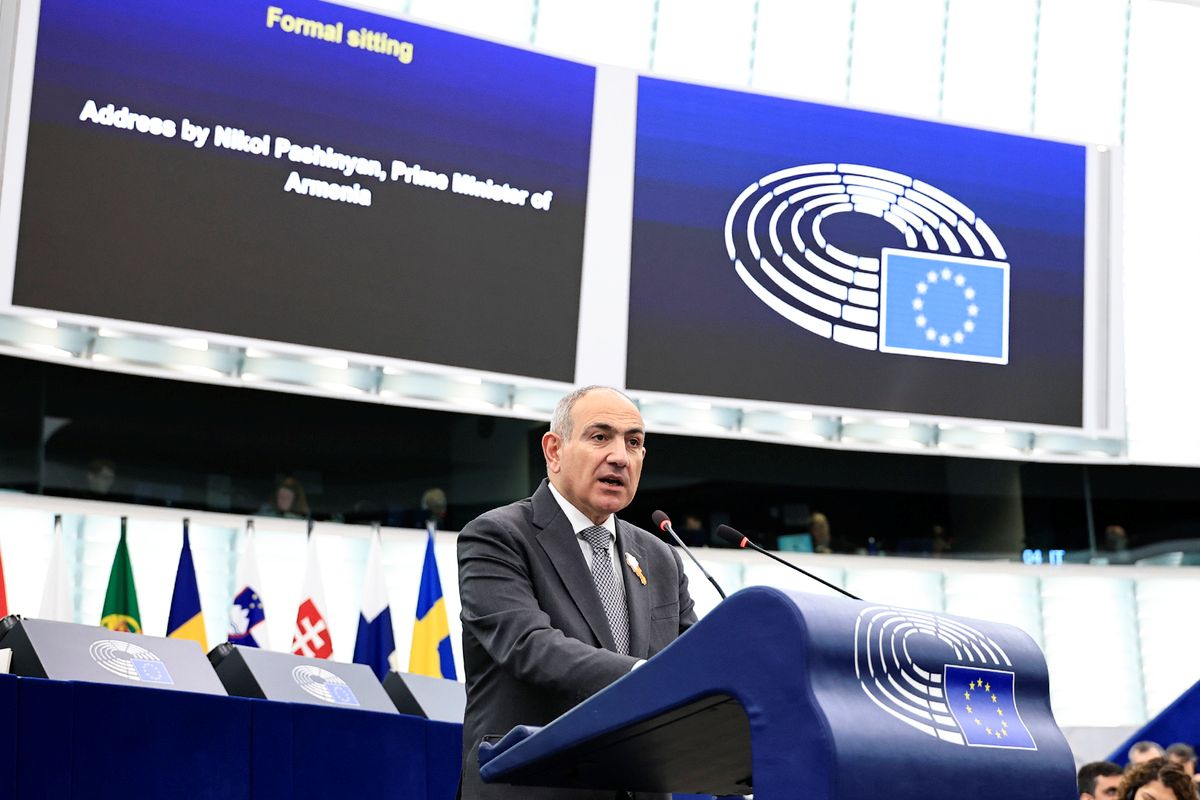
“The ‘Crossroads of Peace’ initiative could link Europe with the South Caucasus and Central Asia”
European Commission President Ursula von der Leyen said:
“Armenia has long been a valued member of the wider European family. The ‘Velvet Revolution’ of 2018 demonstrated your country’s commitment to European values, democracy, respect for the rule of law and fundamental freedoms.”
She said the very holding of the Armenia–EU summit reflects deepening cooperation between the two sides. Ursula von der Leyen outlined four priority areas:
- connectivity, including transport and solar energy,
- digital tools and artificial intelligence,
- security, including cooperation under the European Peace Facility,
- economic support and social resilience.
Speaking about connectivity, she said few countries have the kind of advantage Armenia possesses.
“Your ‘Crossroads of Peace’ initiative has the potential to connect Europe with the South Caucasus and Central Asia and, as you described it, to turn Armenia into a key transport hub,” she said, addressing Nikol Pashinyan.
Referring to the letters handed to Armenian companies, the Commission president said Armenia has the “talent and resources”, and that the EU will seek to provide “investment and infrastructure”.
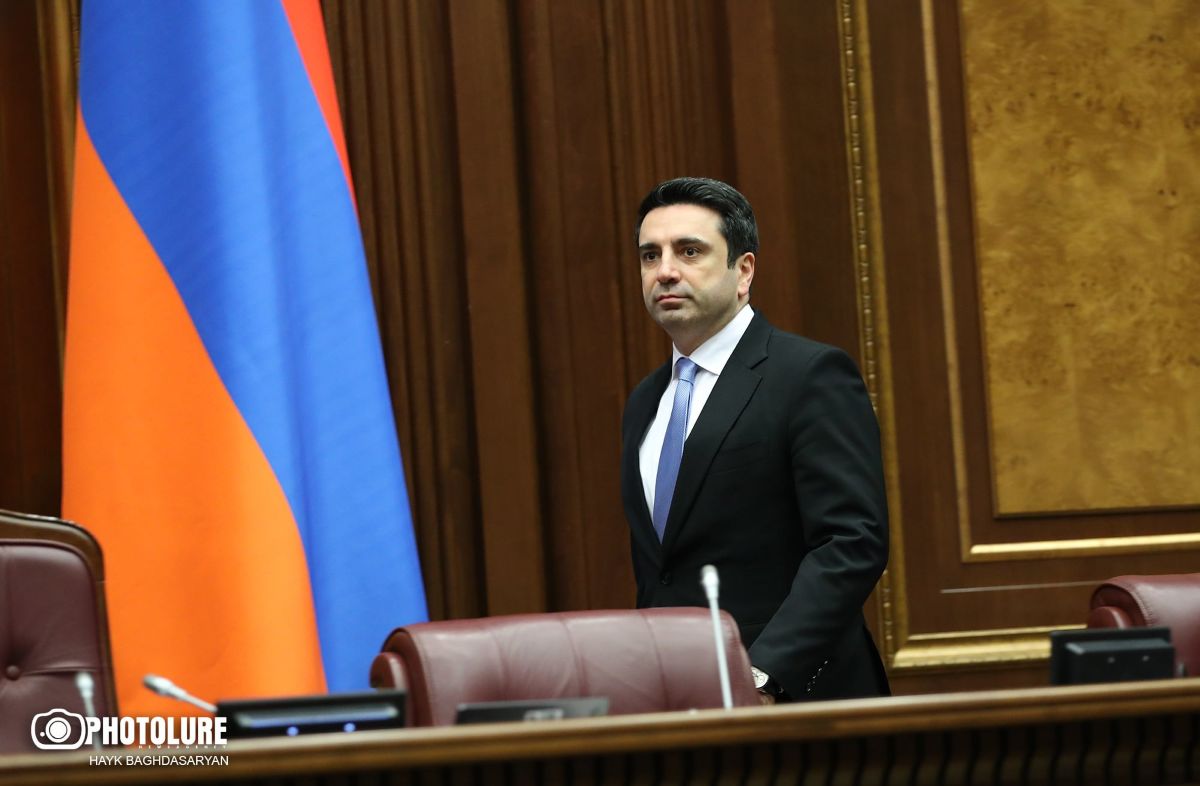
‘The EU will continue to support peace in the region’
European Council President Antonio Costa said:
“Today’s summit marks an important milestone in deepening the partnership between the EU and Armenia. It reflects the significant progress of recent years and our shared ambition to deliver tangible benefits for citizens and businesses.”
He said the EU supports Armenia’s socio-economic reform programme, including through technical and financial assistance.
Costa said he highly values Prime Minister Nikol Pashinyan’s “vision of a democratic, resilient and prosperous Armenia” and his efforts to establish peace. He also described the online participation of Azerbaijani President Ilham Aliyev in the European Political Community summit in Yerevan as a sign of a “new atmosphere” between Armenia and Azerbaijan.
“A stable and prosperous Caucasus is key to Armenia’s future. The EU will continue to support peace and the settlement process in the region,” the European Council president said.
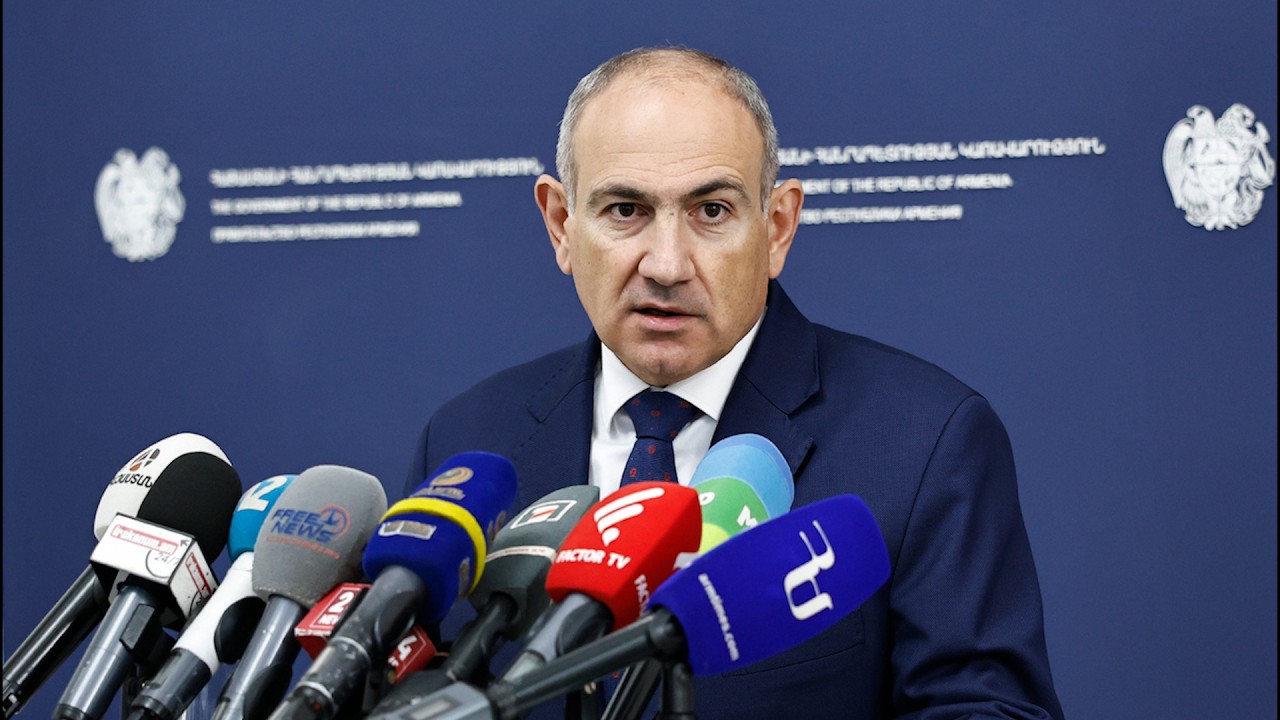
First Armenia–EU summit in Yerevan