Will Israel's recognition of Armenian Genocide affect region? Views from Baku






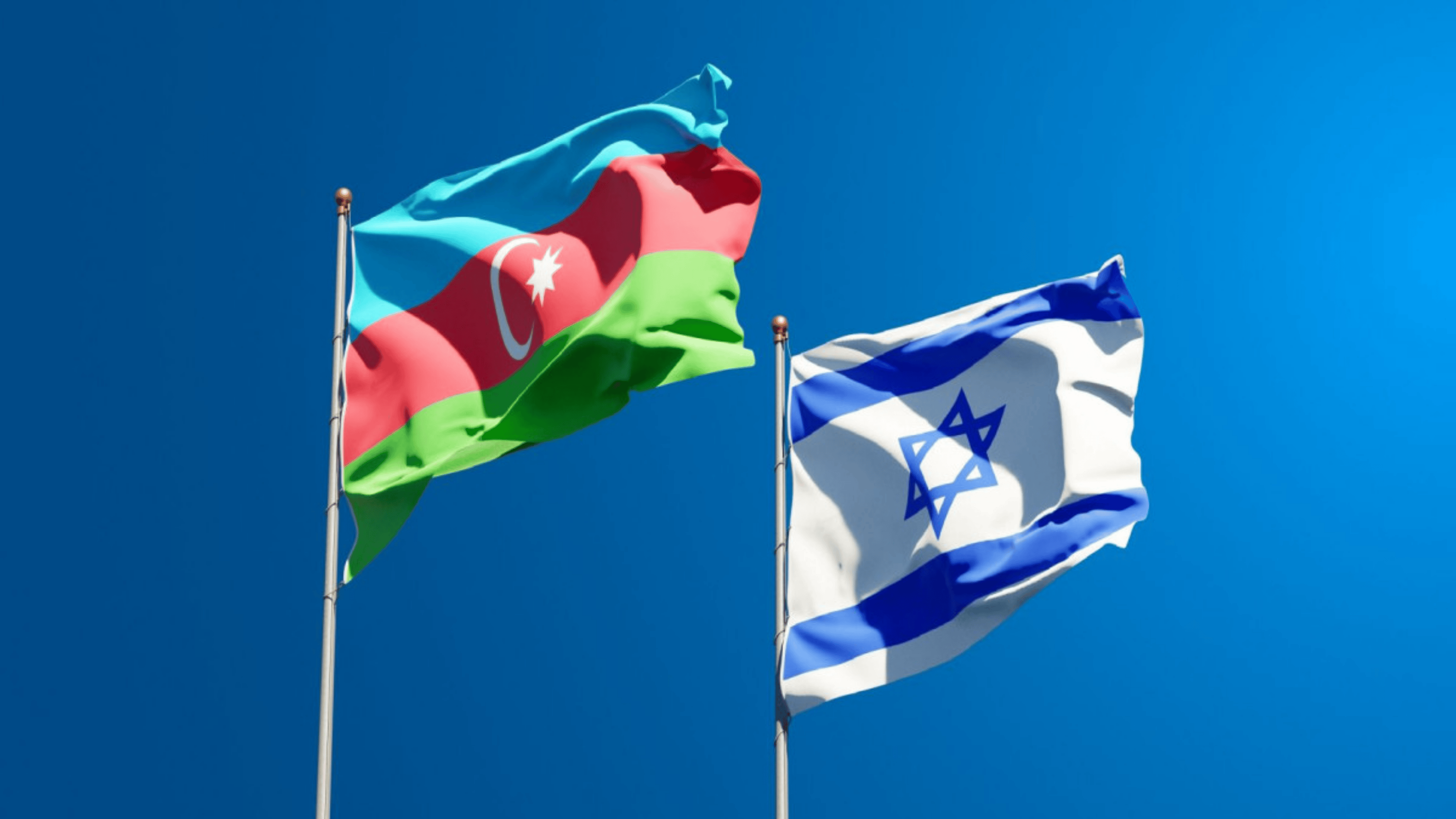
The Israeli cabinet’s unanimous approval on 28 June of a draft resolution recognising the 1915 events in the Ottoman Empire as the Armenian Genocide has drawn considerable attention not only in Middle Eastern diplomacy but also across the South Caucasus.
Foreign Minister Gideon Saar introduced the draft resolution. The Knesset must still approve it. Even so, the cabinet’s decision marks a significant shift in Israeli policy after years of maintaining a cautious position. Saar described the move as “a moral and historical duty”.
The timing of the decision is also significant. For many years, Israel avoided officially recognising the Armenian Genocide in order to preserve relations with Turkey and to protect broader geopolitical interests.
Researcher Eldad Ben Aharon argues that Israel’s position reflected foreign policy considerations for decades, including its relationship with Turkey and, later, the Azerbaijani factor. In his view, the latest decision also sends a political signal at a time when the regional balance of power is changing.
Azerbaijani analysts, meanwhile, describe the decision as evidence that Azerbaijan has become less central to Israel’s Middle East agenda. They also view it as a pre-election gesture and as an unfair move towards Turkey.
Reaction from Baku and Ankara
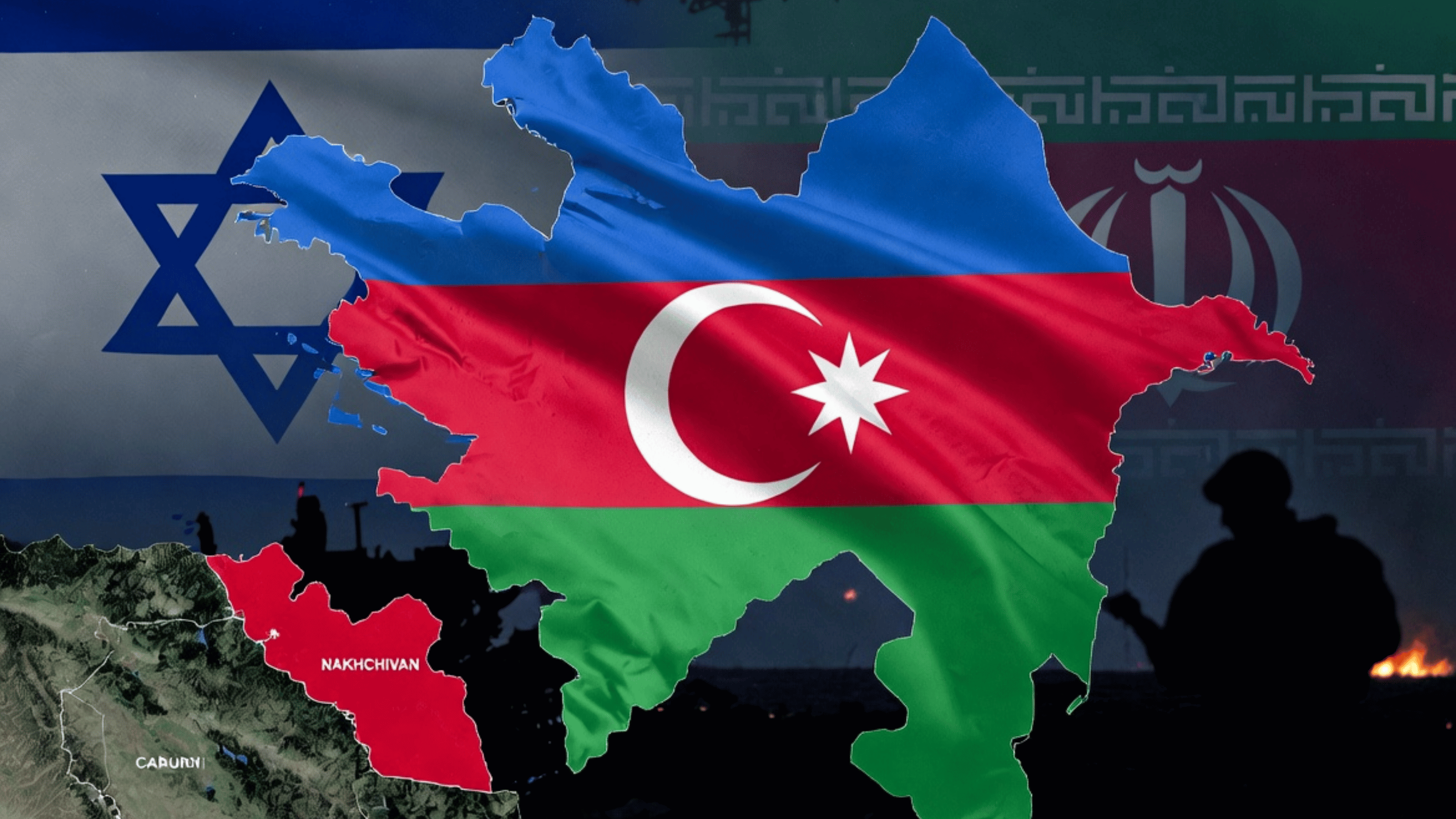
In a statement issued on 29 June, Azerbaijan’s Foreign Ministry said the decision had caused “serious concern”.
According to Baku, “distorting the historical truth about the events of 1915” and “turning complex historical processes into the subject of political decisions without legal or scholarly grounds” is unacceptable.
The ministry said such steps “do not contribute to reconciliation and mutual understanding but instead deepen existing divisions” and undermine efforts to achieve lasting peace in the region. Azerbaijan called on Israel to reconsider its decision and said it would continue to “defend the historical truth”.
Turkey responded in stronger terms and placed the issue in a broader political context.
In a statement issued on 28 June, Turkey’s Foreign Ministry accused the Israeli government of trying to “cover up its own crimes”. It described the move as a political decision that “disregards legal and historical facts”.
The similarity in tone highlights the close alignment between Ankara and Baku on the issue. Both governments view the decision as an attempt to turn a historical debate into a political and legal instrument. Ankara also links the move to the war in Gaza and Israel’s international standing.
The convergence of their positions is not accidental. Azerbaijan’s Foreign Ministry describes relations with Turkey as a “comprehensive strategic alliance” based on the principle of “one nation, two states” and formalised in the 2021 Shusha Declaration.
The declaration also emphasises coordination in foreign policy and a shared approach to regional stability and security. Against that background, the parallel responses from Baku and Ankara reflect the broader framework of their strategic partnership.

What are Azerbaijani commentators saying?
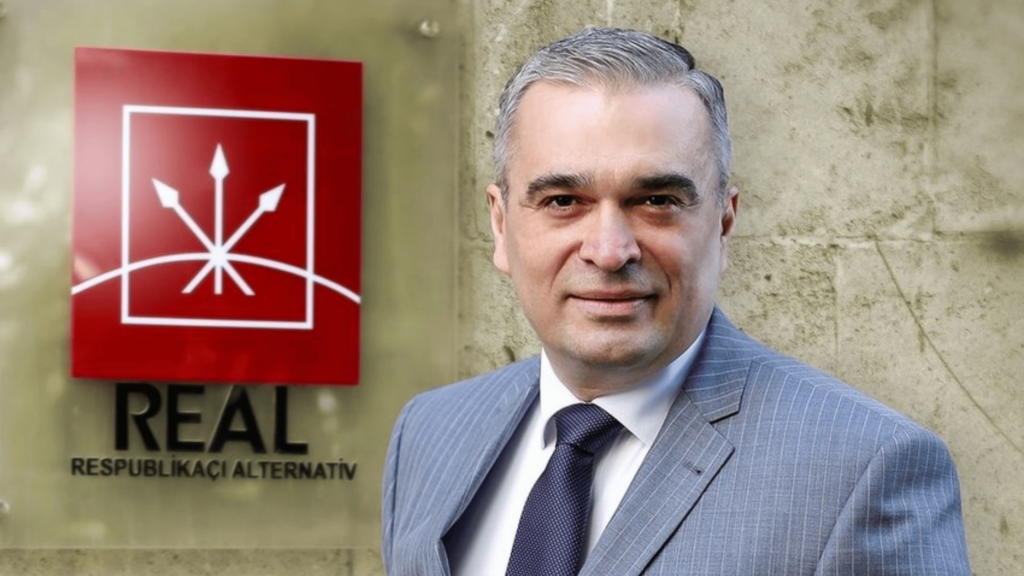
Former Republican Alternative party chairman Ilgar Mammadov wrote on social media that, after Israel’s move towards Turkey, Tel Aviv would find it difficult to count on Azerbaijan as a potential partner if it decided to take any action against Iran.
“Our close alliance with Turkey is driven not by diplomatic necessity but by the will of millions of people. Overall, in recent years our country has moved too close to the Middle East in every sense. It is now time to return to our European continent.”
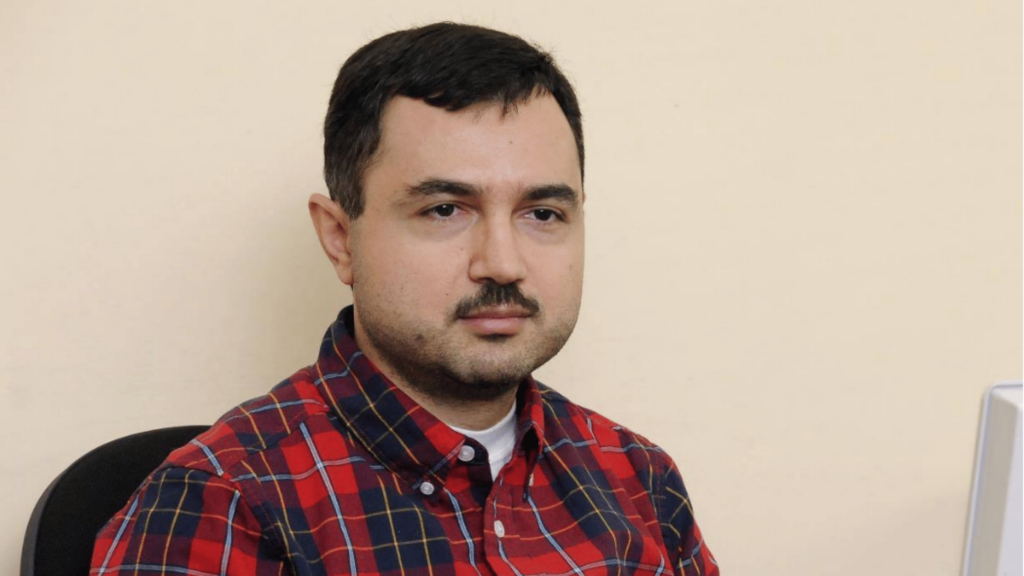
Political analyst Shahin Jafarli, by contrast, says there is “no reason for concern”.
“Israel is approaching elections, and Netanyahu needs political moves like this. When elections draw closer in Turkey, Erdoğan will respond with the necessary firmness.
The two countries have no fundamental or irresolvable disagreements. Turkey not only recognises Israel’s right to exist, but also plays an active or, at times, passive role in shaping the Middle East order.
The ‘architect’ of that process – the United States – adjusts its approach depending on the circumstances. At times, Washington gives Israel a leading role or overlooks its excessive activism, which concerns Turkey. At other times, it backs Turkey or allows its regional influence to grow, which in turn concerns Israel. The United States has pursued this balancing policy between its regional partners since the Cold War. The same approach also applies to relations between Turkey and Greece.”
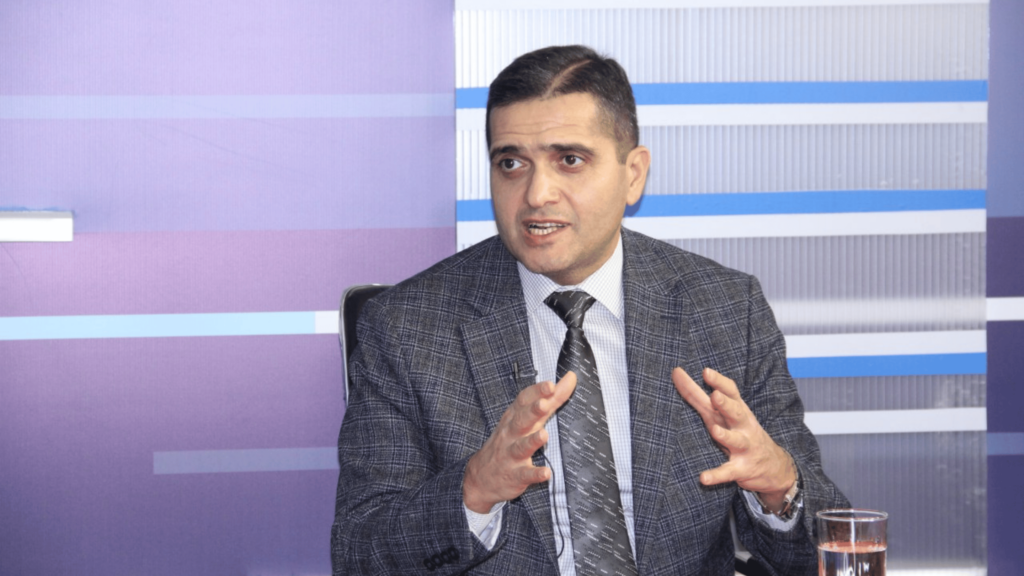
Political analyst Elkhan Shahinoglu wrote on Facebook that Azerbaijan had no choice but to condemn the decision.
“The Israeli government’s decision to recognise the ‘Armenian genocide’ and submit the measure to parliament will not harm Turkey. The parliaments of many other countries have already adopted similar resolutions. What has that changed? Against the backdrop of strained relations with Turkey, the Israeli government has taken an unfair decision.
Above all, Israel has done Armenian Prime Minister Nikol Pashinyan a disservice at a time when it is developing dialogue with him. While the Armenian prime minister is trying to reduce the prominence of the ‘Armenian genocide’ issue in public debate, Israel has strengthened the position of the radical opposition, the Armenian lobby and the Church, all of which are seeking his removal from office.
The decision has also placed Azerbaijan in a difficult position, despite Israel describing it as a partner. As Turkey’s strategic ally, Azerbaijan had no choice but to condemn Tel Aviv’s recognition of the ‘Armenian genocide’. Of course, the ‘recognition’ itself will have no practical consequences and, like many similar decisions, will eventually be forgotten. However, under the current circumstances, it will benefit those who oppose peace and cooperation in the region.”
Competing interpretations of historical memory
The dispute over the events of 1915 has existed for decades, but each new recognition decision brings the issue back into focus. Armenia, along with many historians and international institutions, classifies the events as genocide. The United States Holocaust Memorial Museum openly uses the term and describes the events as the first genocide of the 20th century.
Turkey, by contrast, rejects the term “genocide”. It argues that all peoples suffered heavy losses during the war, that the issue has become politicised, and that historians rather than politicians should examine it. Azerbaijan’s official position broadly reflects this approach.
In Israel, the issue has never been solely a historical debate. For years, decision-making reflected the central role of the Holocaust in Israel’s political identity, as well as the country’s relations with Turkey and its wider regional partnerships.
Ben Aharon’s research argues that the recognition debate in Israel has become a point of tension between the politics of historical memory and geopolitical interests. In that sense, the cabinet’s decision also suggests that the factors which once constrained Israel no longer carry the same weight.
The peace process and wider reactions
The latest dispute comes at a sensitive moment for the South Caucasus. In March 2025, Azerbaijan and Armenia agreed on the full text of a peace agreement. In August that year, they initialled the 17-point document in Washington and signed a joint declaration committing themselves to peace. However, they have yet to complete the formal signing and ratification process. Last week, NATO also welcomed the “next steps” in the peace process, describing them as important for regional stability. Against that backdrop, even symbolic disputes that do not directly undermine negotiations can complicate an already fragile political environment.
A distinct narrative has also emerged in Azerbaijan’s parliament. MP Vugar Iskandarov has presented human remains discovered in territories retaken by Azerbaijan as evidence of violence committed by Armenia against Azerbaijanis. Another MP, Azer Badamov, has argued that Azerbaijan should continue its “information war” to secure international recognition of the Khojaly tragedy as genocide and an international crime. These statements suggest that, for the Azerbaijani authorities, historical issues also form part of the country’s broader effort to strengthen its diplomatic legitimacy.
Analysts offer a more nuanced assessment. In May, political analyst Farhad Mammadov said the peace process between Baku and Yerevan created new opportunities for the region and that the sequencing of steps remained particularly important. From that perspective, Israel’s decision does not alter the legal substance of the peace process, but it could complicate the political atmosphere surrounding it.
At the same time, Eldad Ben Aharon’s analysis suggests that Israel’s position has always reflected geopolitical considerations. As a result, the key question for relations with Baku will be whether strategic interests outweigh the current political tensions.
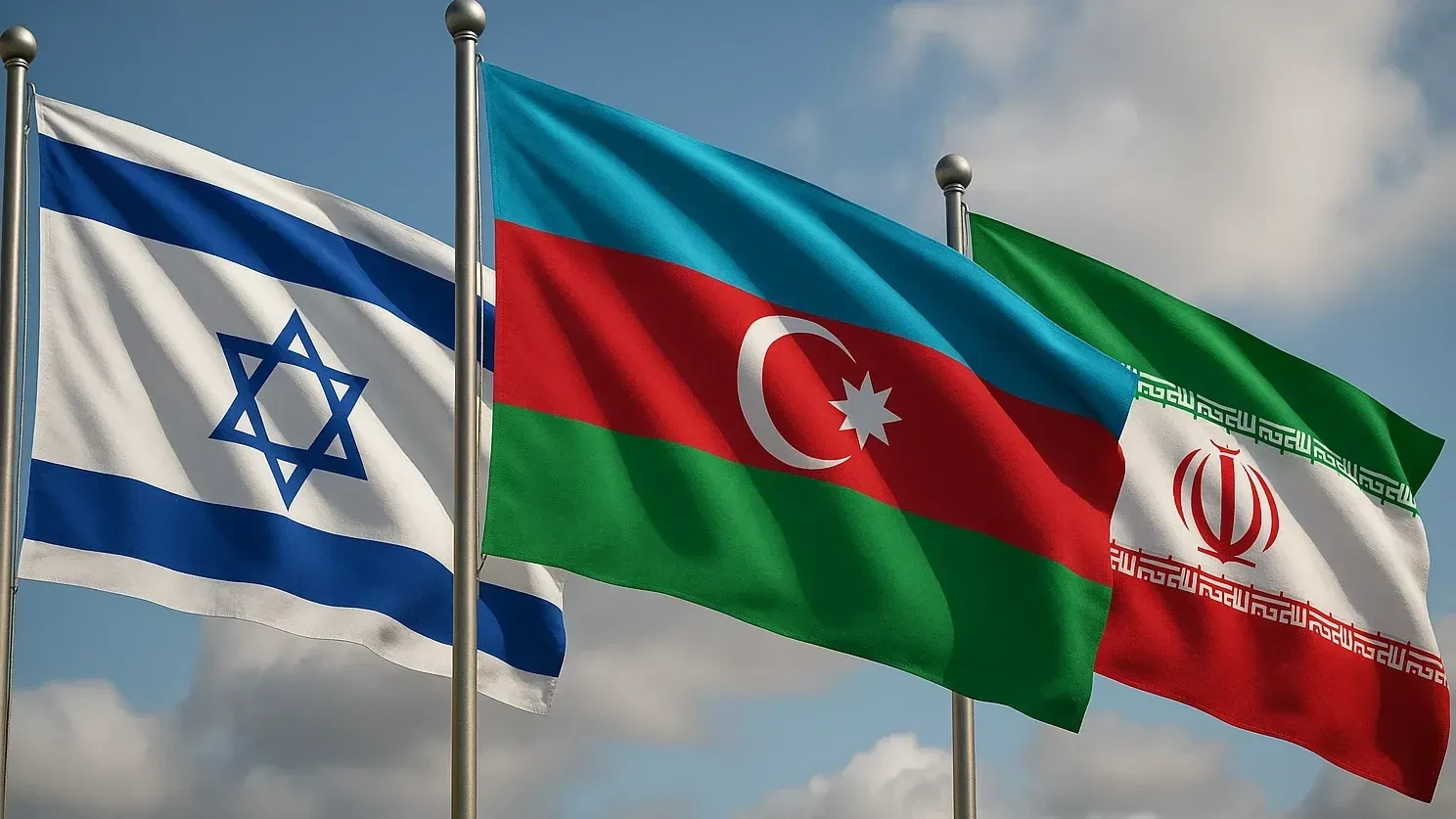
Israel’s recognition of Armenian Genocide