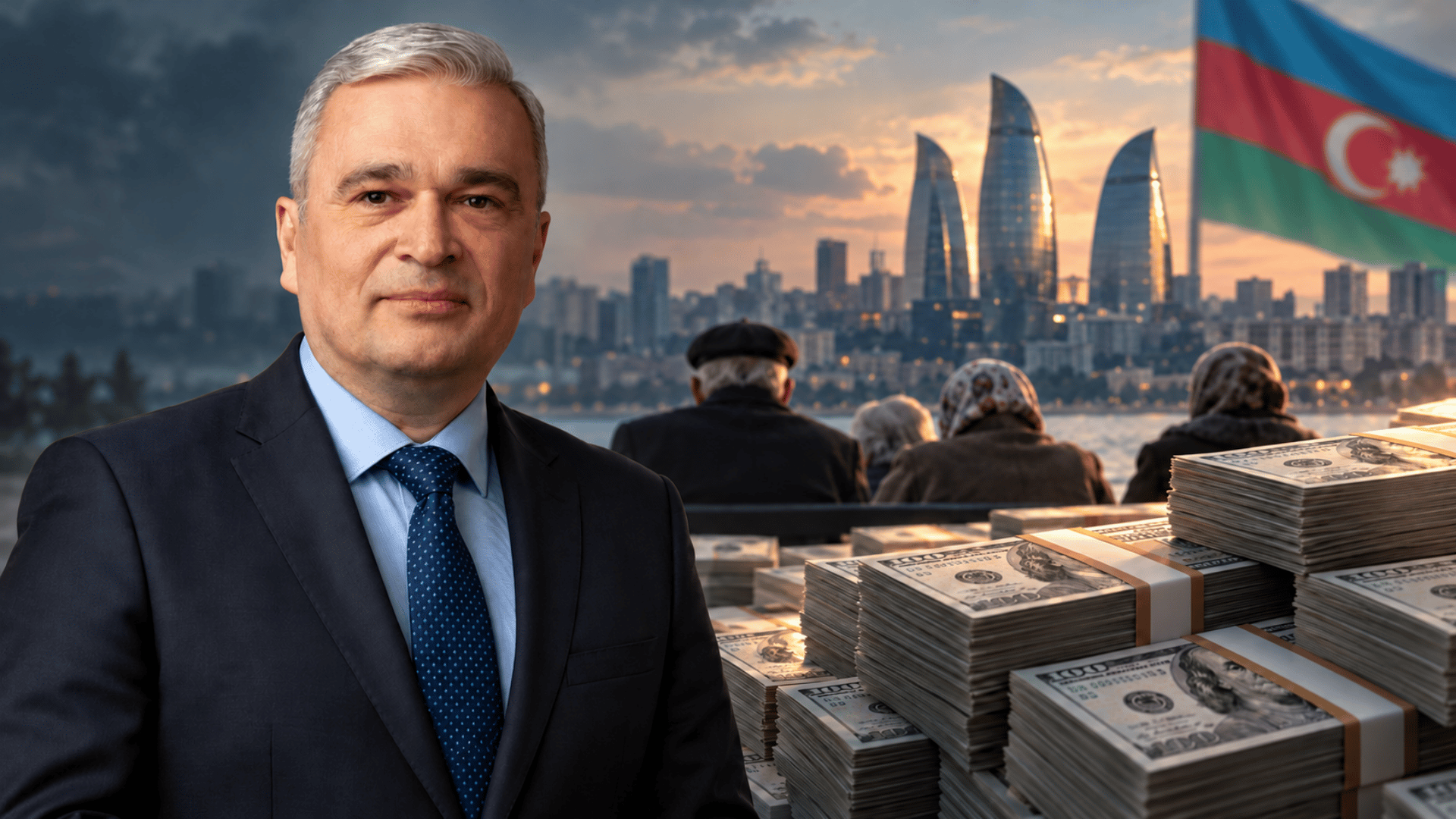
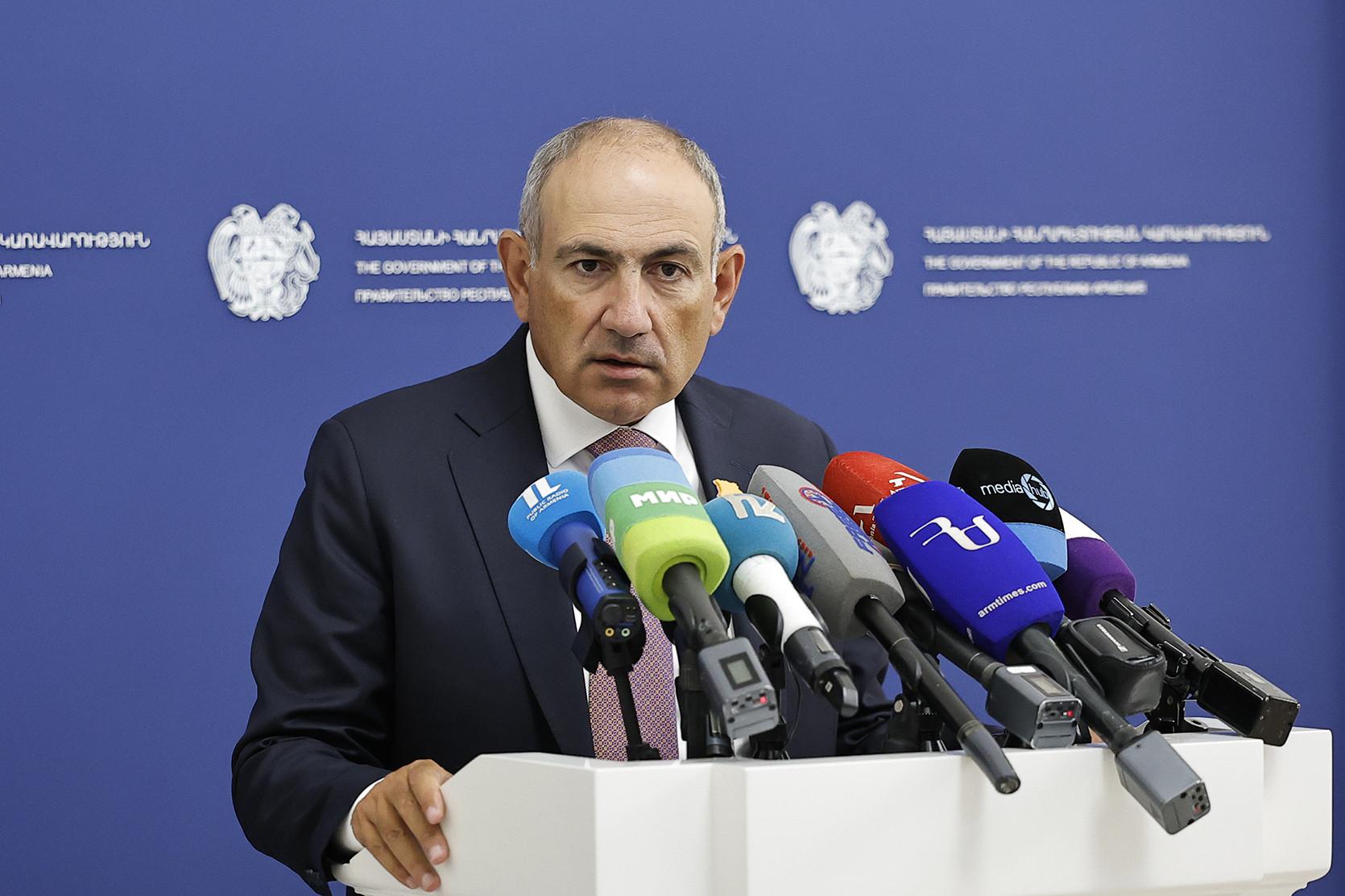
Azerbaijan in shadow of Israel-Iran war: CNN investigation and Putin's thanks for humanitarian aid






According to an exclusive CNN report, during the war with Iran, Israel deployed special forces units, Mossad operatives and helicopter operations personnel in southern Azerbaijan, particularly near the Iranian border, around 100 kilometres from Tabriz.
The report says the forces were used for reconnaissance, the installation of surveillance equipment, drone operations and rescue missions. Preparations for the operations reportedly began in January, with implementation taking place in February and March. It is claimed that on 4 March, Iran’s Islamic Revolutionary Guard Corps intelligence chief, Rahman Moghadam, was killed in an operation launched from Azerbaijani territory.
On 5 March, drones arriving from the direction of Iran struck Nakhchivan International Airport and a school in the village of Shekerabad in the Nakhchivan Autonomous Republic. Several people were injured.
Azerbaijani President Ilham Aliyev described the attack as a “terrorist act”, a “treacherous strike” and a “dirty, cowardly and shameless act”. He demanded an apology and an explanation from Iran, as well as accountability for those responsible.
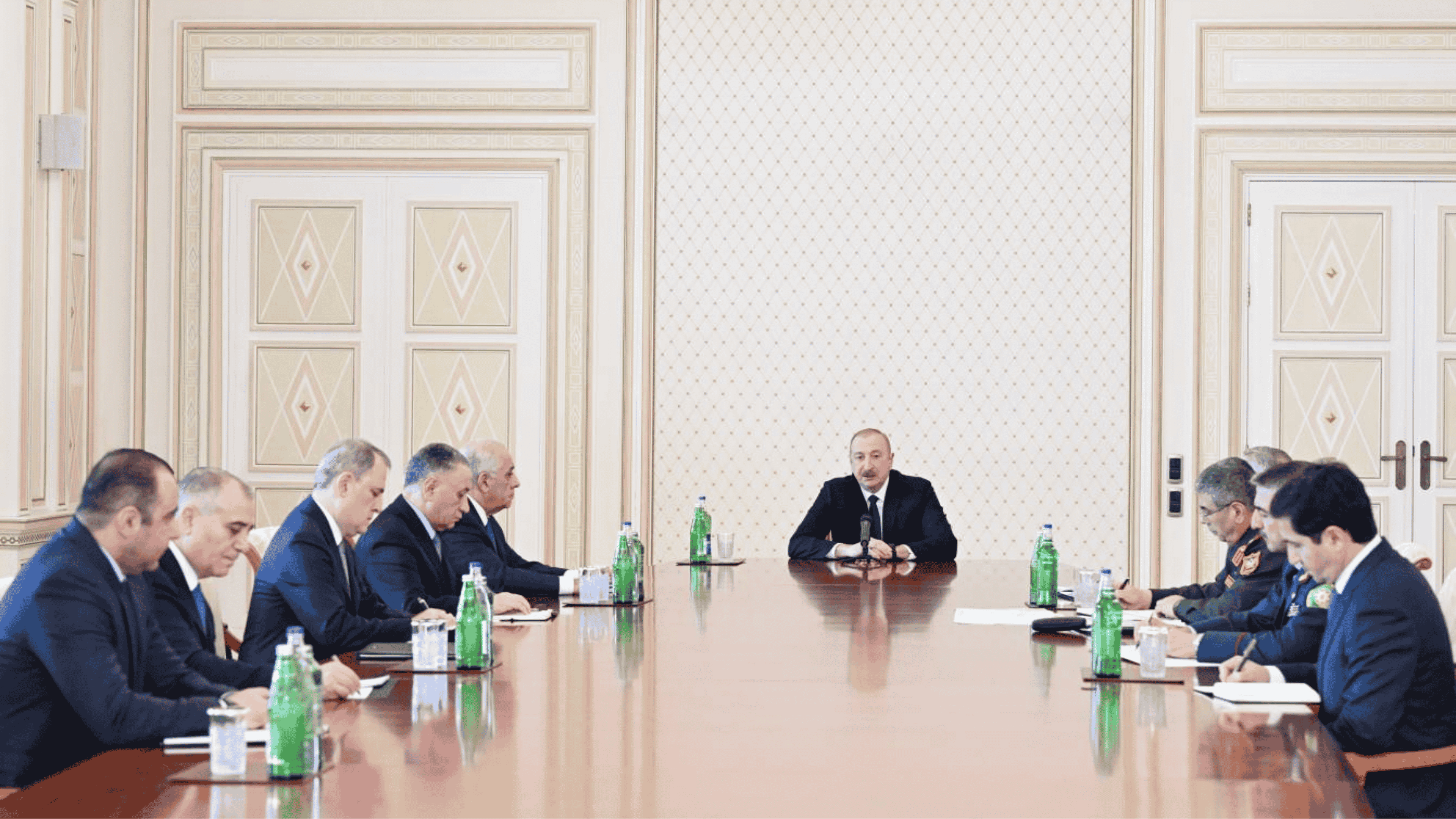
At a meeting of the Security Council, Aliyev instructed the armed forces to prepare and carry out retaliatory measures, saying those responsible would be punished.
Azerbaijan’s State Security Service said it had thwarted plans by the Islamic Revolutionary Guard Corps to target critical infrastructure in Azerbaijan, as well as Israeli and Jewish sites in the country.
Israel later confirmed that the operation had been carried out jointly by Mossad, the Israel Defense Forces and Shin Bet.
Commenting on the reports, Azerbaijan’s embassy in Washington said: “We categorically reject the unfounded allegations that Azerbaijani territory was used for operations against third countries.”
During a phone call with Ilham Aliyev on 11 March 2026, Russian President Vladimir Putin expressed special gratitude to the Azerbaijani leadership.
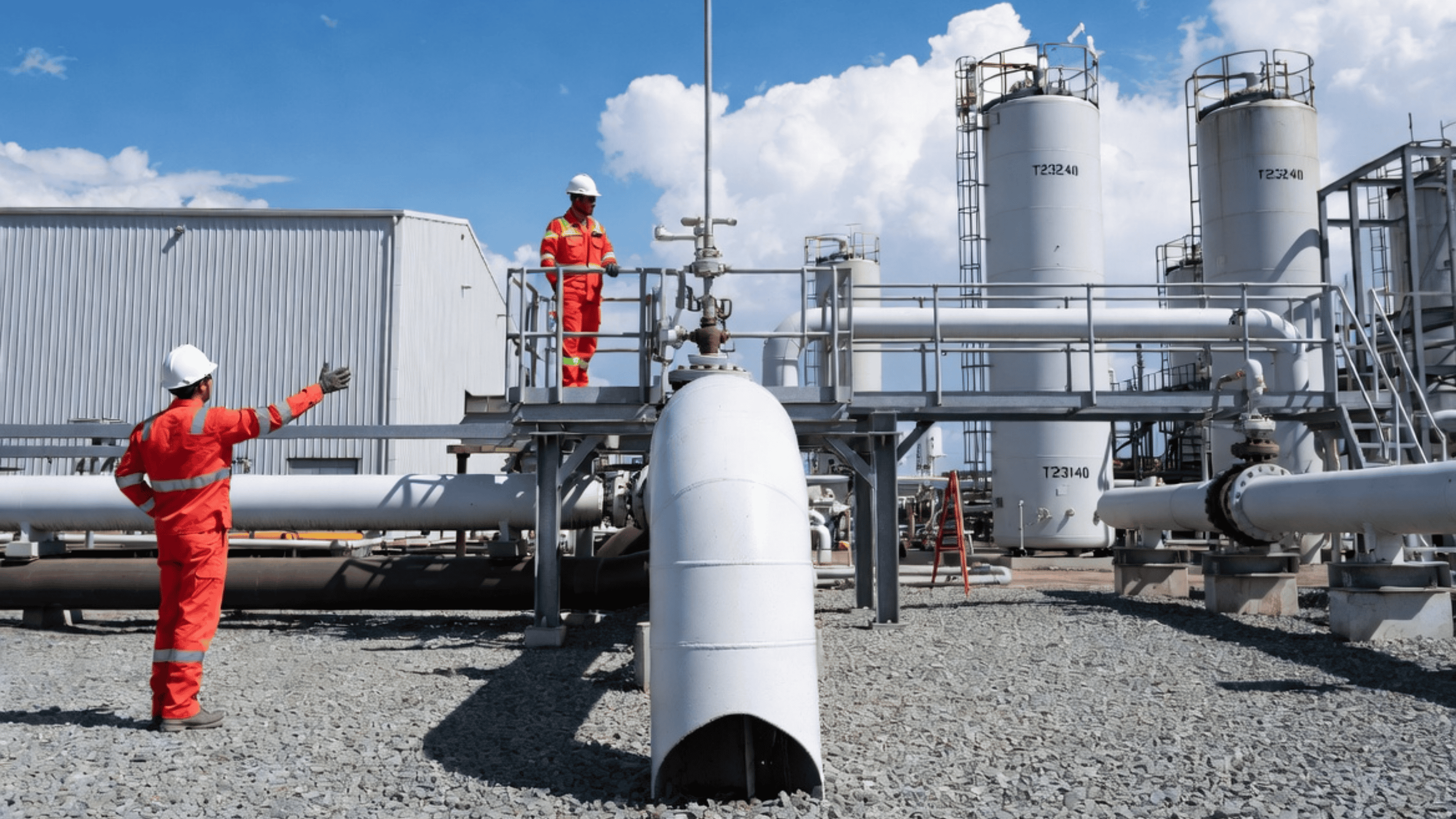
Putin praised Azerbaijan’s assistance in evacuating Russian citizens from Iran, as well as its role in facilitating the delivery of Russian humanitarian aid to Iran through Azerbaijani territory. The aid consisted mainly of medical supplies amounting to hundreds of tonnes.
The humanitarian shipments were transported by rail through the Garadagh station. According to Putin, this demonstrated Azerbaijan’s important role in regional logistics and humanitarian cooperation.
Place names, terminology and views expressed in published materials may not necessarily reflect the position of JAMnews
Azerbaijan’s balancing act under pressure
Azerbaijan has found itself in a classic security dilemma and is currently demonstrating one of the most striking examples of a multi-vector foreign policy. On the one hand, its strategic partnership with Israel — encompassing arms supplies, intelligence cooperation, missile defence systems and lobbying support in the United States — has effectively created a northern front against Iran and made Baku an important partner for Israel in the region.
On the other hand, Azerbaijan’s direct border with Iran, the presence of the Nakhchivan Autonomous Republic, and threats from the Islamic Revolutionary Guard Corps, including alleged plans to target the Baku–Tbilisi–Ceyhan oil pipeline, create tangible security risks. The CNN investigation has effectively brought what had previously been an unpublicised strategy into the open, forcing Baku to explain its position both to Tehran and to the international community.
The complexity of this balancing act is particularly evident in several areas.
Relations with Russia. Putin’s public expression of gratitude appears far from accidental. Azerbaijan serves as a reliable transit route for Russian humanitarian aid shipments to Iran. This role provides both economic benefits through logistics and political dividends. It helps strengthen relations with Moscow while simultaneously signalling to Tehran that Baku is not pursuing an exclusively pro-Israeli policy. At the same time, such an approach indirectly facilitates Russian support for Iran, even if under a humanitarian banner, potentially increasing the risk of Azerbaijan becoming entangled in broader geopolitical competition among major powers.
The Israeli-American dimension. According to CNN, Azerbaijan has expanded Israel’s ability to conduct intelligence gathering and operations deep inside Iranian territory. This offers Baku additional political advantages in the West, particularly in the United States, as well as access to advanced technologies. However, official denials and statements insisting that Azerbaijani territory is not being used for operations against third countries highlight the dual nature of this relationship — one that combines close cooperation with public distancing.
The Iranian factor. The strikes on Nakhchivan and the alleged IRGC plots suggest that Tehran views Azerbaijan as an Israeli outpost and is prepared to take retaliatory measures. This can be seen as a continuation of tensions that characterised Azerbaijani-Iranian relations between 2020 and 2023, including the attack on Azerbaijan’s embassy and the subsequent diplomatic confrontation.
The economic and domestic political consequences are equally complex. Threats against the Baku–Tbilisi–Ceyhan pipeline raise concerns about energy security. At the same time, the transit of humanitarian aid to Iran through Azerbaijani territory may bring short-term benefits, but the longer-term risk of a renewed deterioration in relations with Tehran remains.
Domestically, Aliyev’s administration has reinforced its image as a strong government. Demonstrating a firm response to perceived Iranian threats has been well received by many within Azerbaijani society. At the same time, the possibility of Azerbaijan becoming drawn into a broader regional conflict remains a source of concern for part of the population.
Long-term outlook
If the conflict expands, Azerbaijan could either become a direct target itself or find itself compelled to activate alliance mechanisms involving Turkey as a NATO member or Russia through the Collective Security Treaty Organization. In either case, however, Baku’s room for manoeuvre would become more limited.
The main risk lies in the potential failure of Azerbaijan’s policy of maintaining close ties with all sides. The country could come under pressure from both Iran and the West, including through sanctions or military threats.
At the same time, the crisis presents an opportunity for Baku to strengthen its status as a regional hub by positioning itself as an indispensable player in energy, logistics, intelligence cooperation and humanitarian assistance.
Ultimately, Azerbaijan is attempting to strike a delicate balance: maintaining deep cooperation with Israel, pursuing a policy of deterrence towards Iran, preserving workable relations with Russia and demonstrating adherence to international law.
It is a high-risk strategy, but one that could yield significant rewards. The CNN investigation and the drone incident in Nakhchivan clearly illustrate how fragile this balance remains. Azerbaijan’s future success will depend on its ability to manage these competing pressures. Observers argue that doing so will require both military preparedness and considerable diplomatic flexibility.

Azerbaijan and the Israel-Iran war