

UN report says civic space shrinking in Georgia






A report on Georgia by the UN High Commissioner for Human Rights, Volker Türk, has been presented at a session of the UN Human Rights Council in Geneva. The report focuses on recent legislative and political developments in the country, which the UN says raise serious human rights concerns.
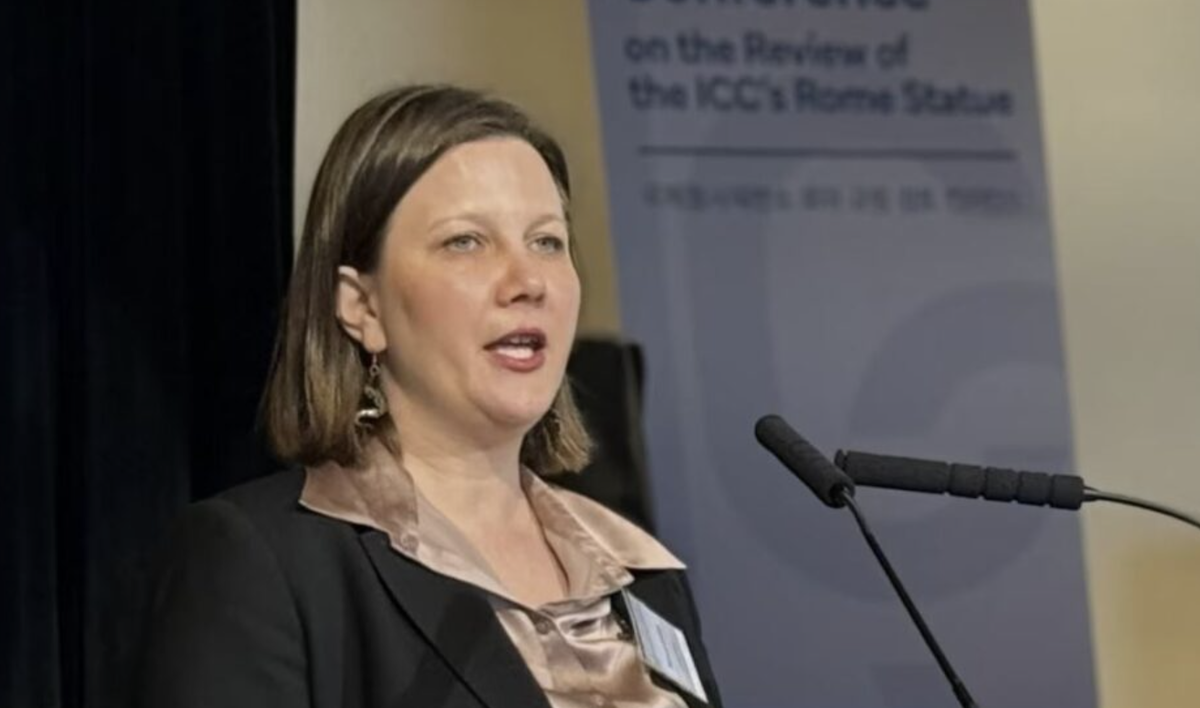
Maarit Kohonen-Sheriff, Director of the Global Operations Division at the Office of the UN High Commissioner for Human Rights (OHCHR), presented the report on cooperation with Georgia.
UN says civic space is shrinking
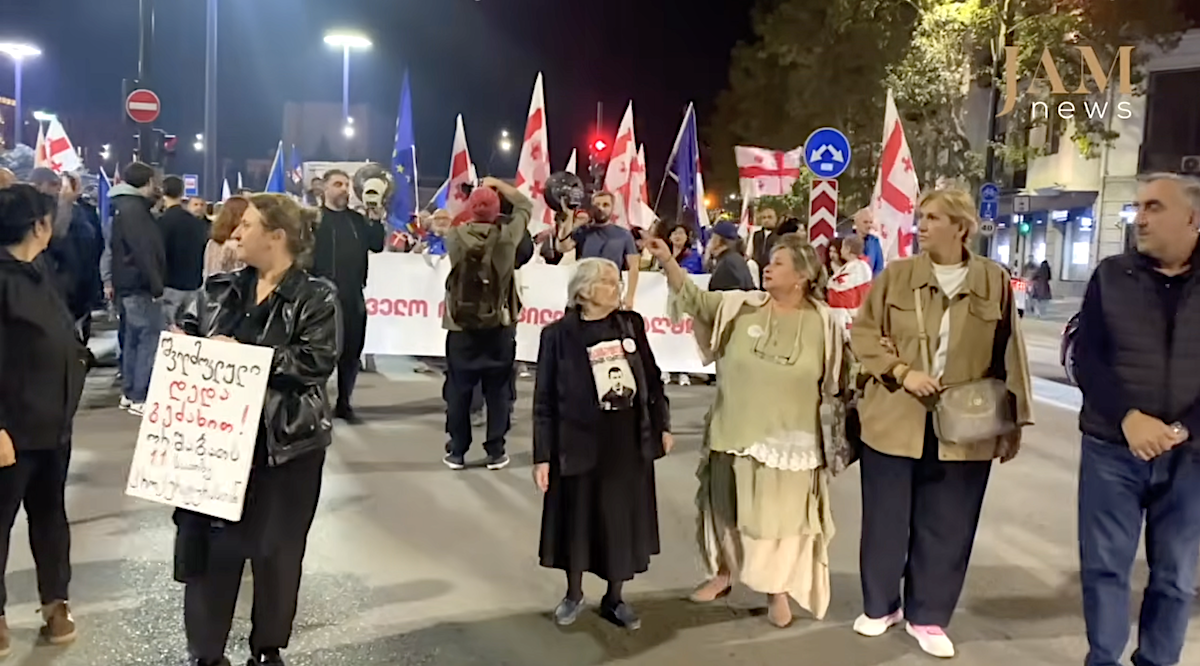
Kohonen-Sheriff said the OHCHR was concerned about legislation adopted in Georgia in 2025, arguing that the changes restrict civic space and threaten the right to peaceful assembly.
She said the UN office continues to receive reports of human rights violations during protests. These include arbitrary arrests, ill-treatment and the disproportionate use of force against demonstrators and journalists.
“The Office of the UN High Commissioner for Human Rights has noted legislative and political developments in Georgia that raise serious human rights concerns. The adoption of legislation in 2025 has continued to restrict civic space and undermine the right to peaceful assembly,” Maarit Kohonen-Sheriff said.
The OHCHR called on the Georgian authorities to investigate all allegations of human rights violations promptly, independently and thoroughly.
The UN representative also said the office was closely monitoring steps taken by the authorities, including the arrest in May 2025 of five serving and former law enforcement officers over alleged violence during the 2024 protests. However, she stressed that effective and independent investigations into such cases remain essential.
Recommendation to review recent legislation
Volker Türk’s report recommends that the Georgian government address what it describes as serious allegations of human rights violations and review a series of recently adopted laws.
According to the report, the authorities should reconsider the 2025 amendments to the Law on Broadcasting, the Criminal Code, the Law on Grants, the Law on Assemblies and Demonstrations and the Code of Administrative Offences to bring them fully into line with international human rights standards.
The UN office also says that any legislative process should be transparent and include meaningful public participation.
Civil society and the media
The OHCHR has called on the Georgian government to restore an enabling environment for civil society.
The report says any restrictions on foreign funding for non-governmental organisations and broadcasters should comply with the principles of necessity and proportionality and remain consistent with Georgia’s international human rights obligations.
The UN also recommends that the authorities strengthen efforts to combat gender discrimination and violence against women, while promoting greater gender equality in political representation.
Occupied territories
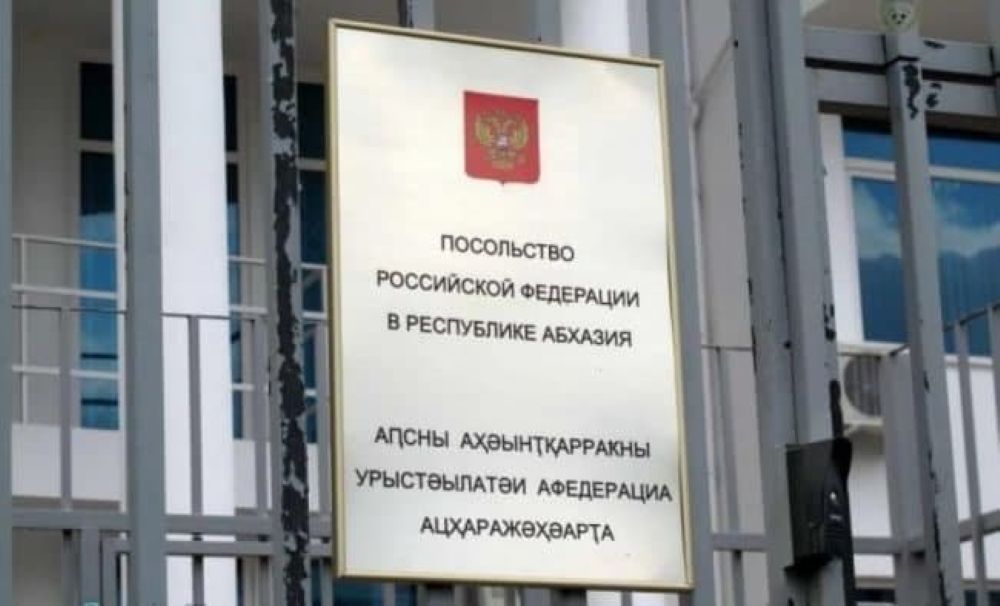
A separate chapter of the report focuses on the human rights situation in Abkhazia and the Tskhinvali region.
The OHCHR notes that international and regional human rights mechanisms still have no access to the occupied territories. It calls on all relevant parties to grant them immediate and unhindered access.
The Office of the UN High Commissioner for Human Rights also calls for restrictions on movement across the administrative boundary lines to be lifted and for all crossing points to reopen. It urges the authorities to respond effectively to human rights violations, particularly those affecting ethnic Georgians and internally displaced people, ensure international organisations can operate freely, investigate all alleged violations of the right to life, torture and ill-treatment, and hold those responsible to account.
UN report on Georgia